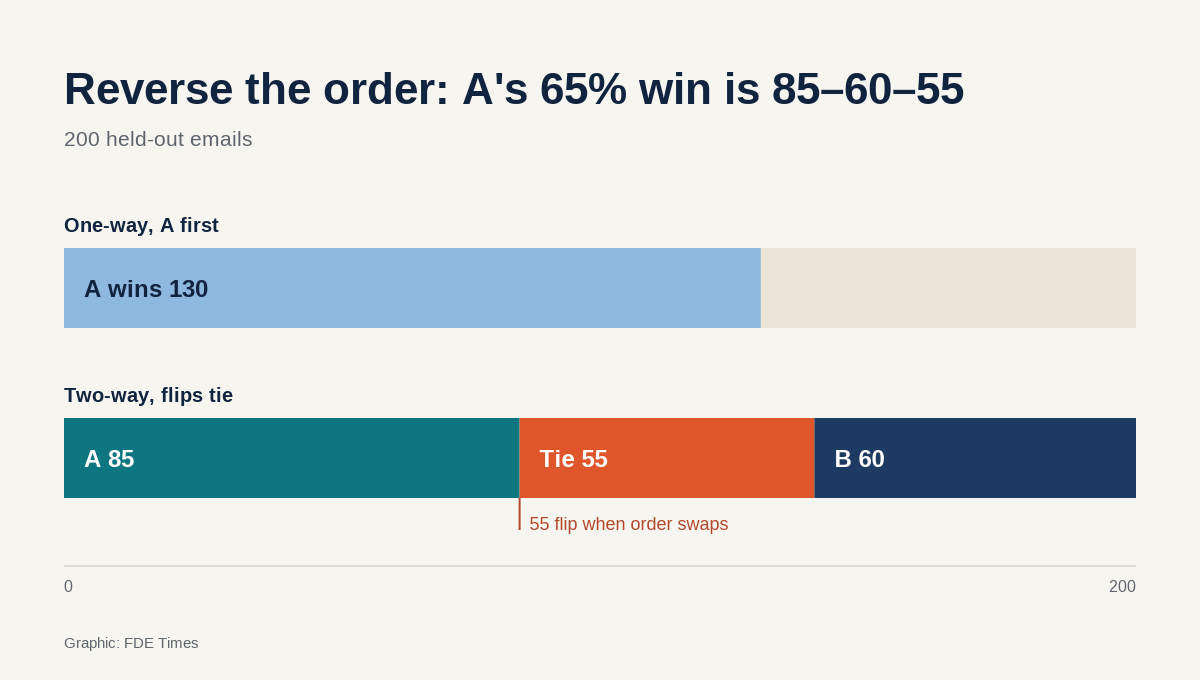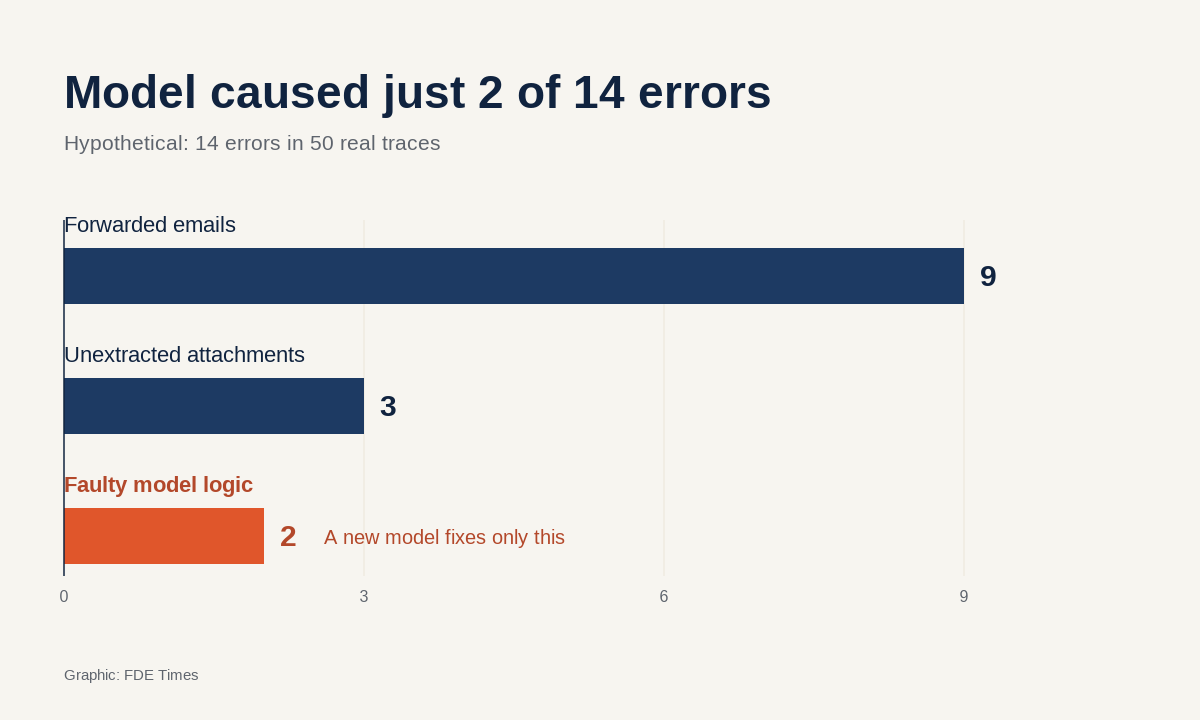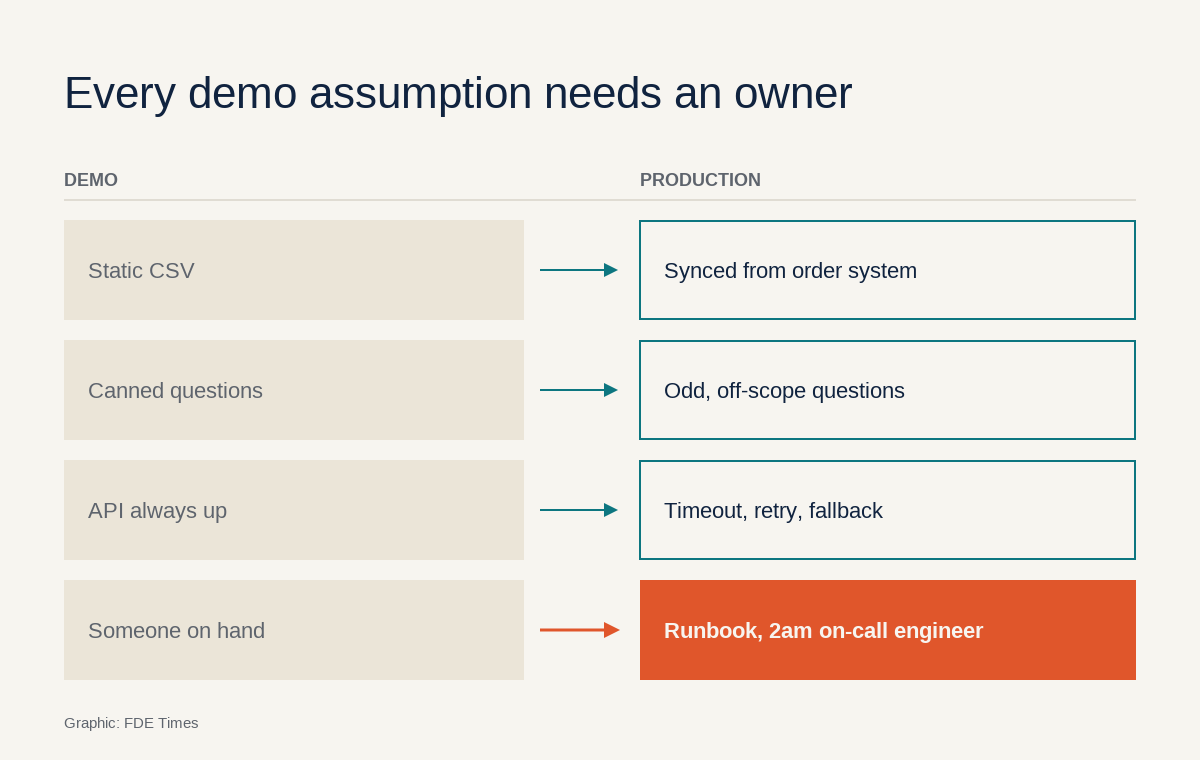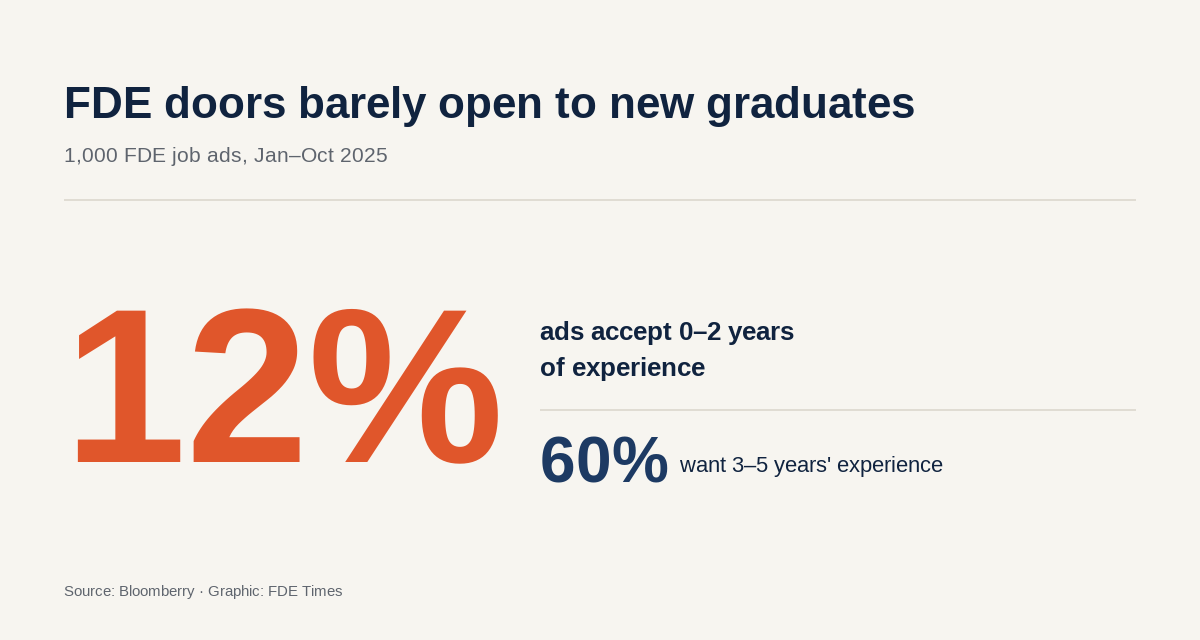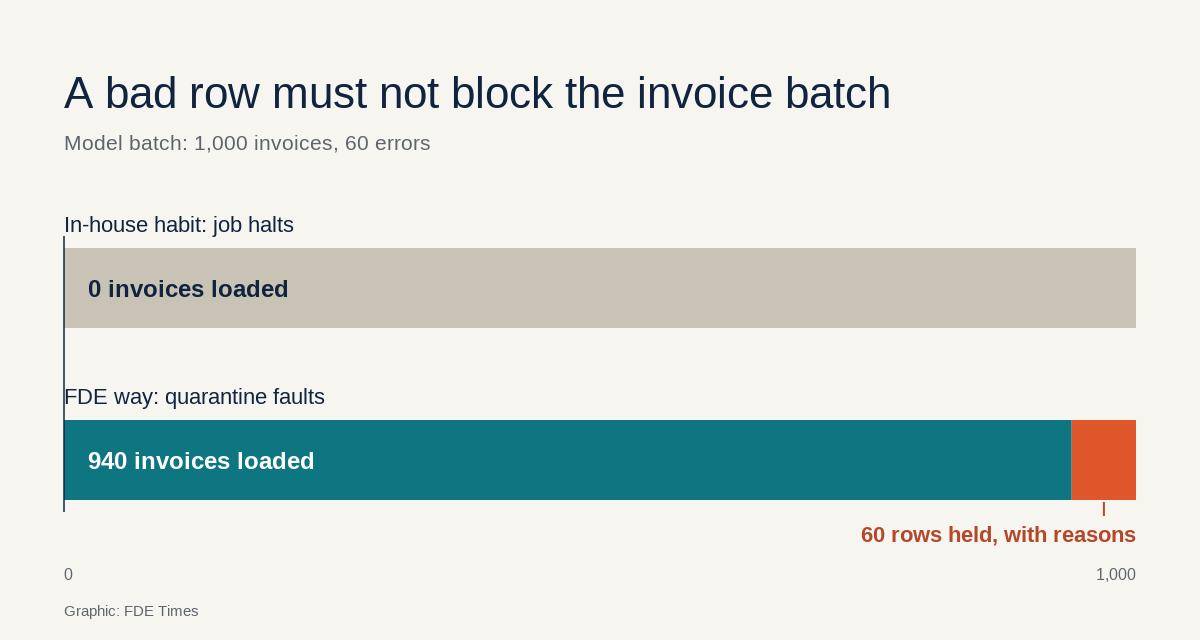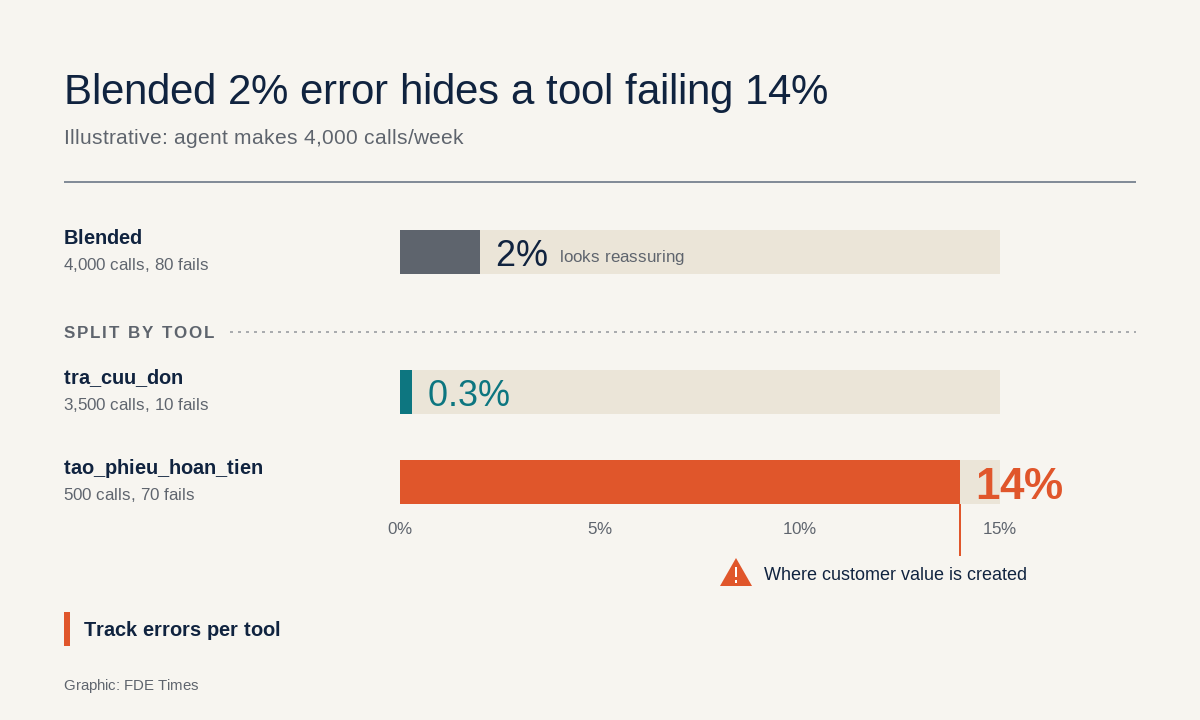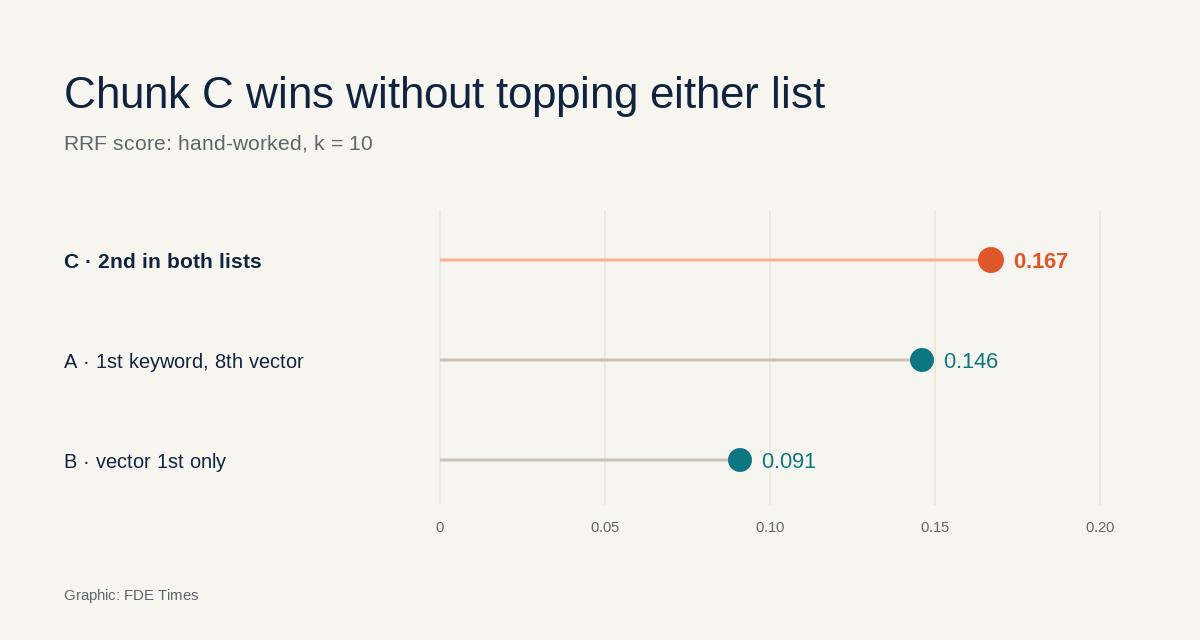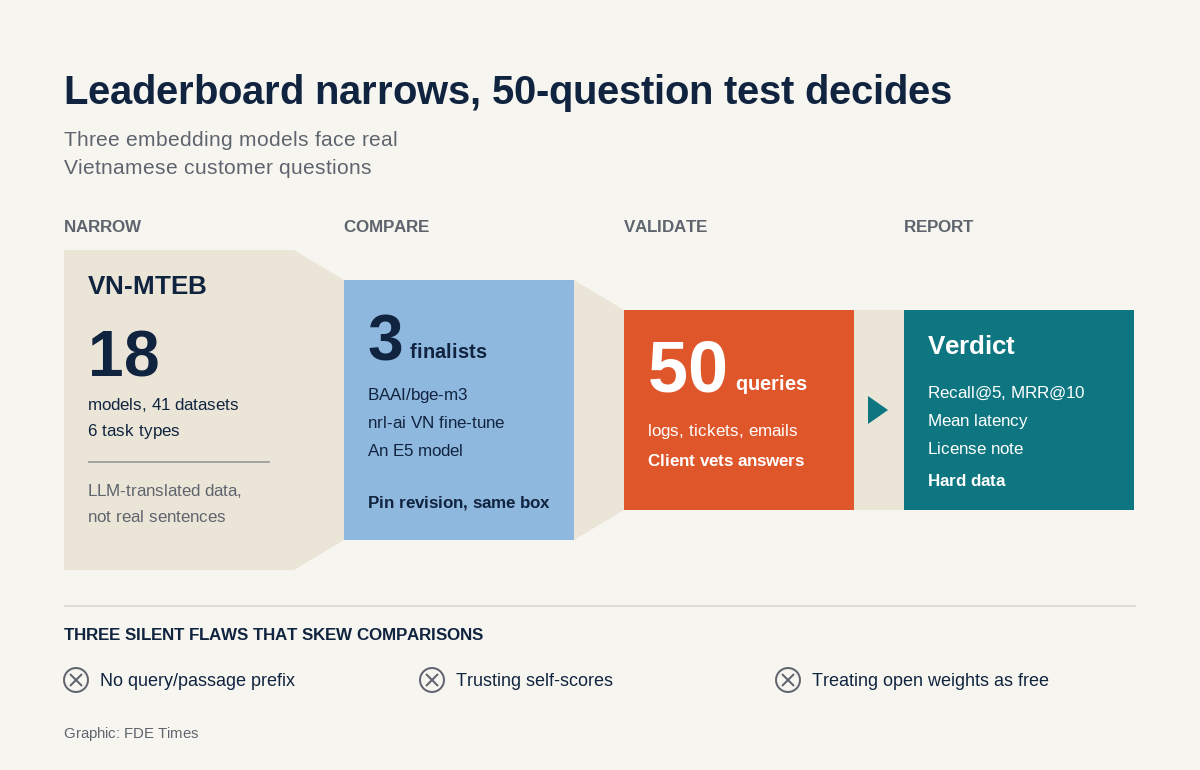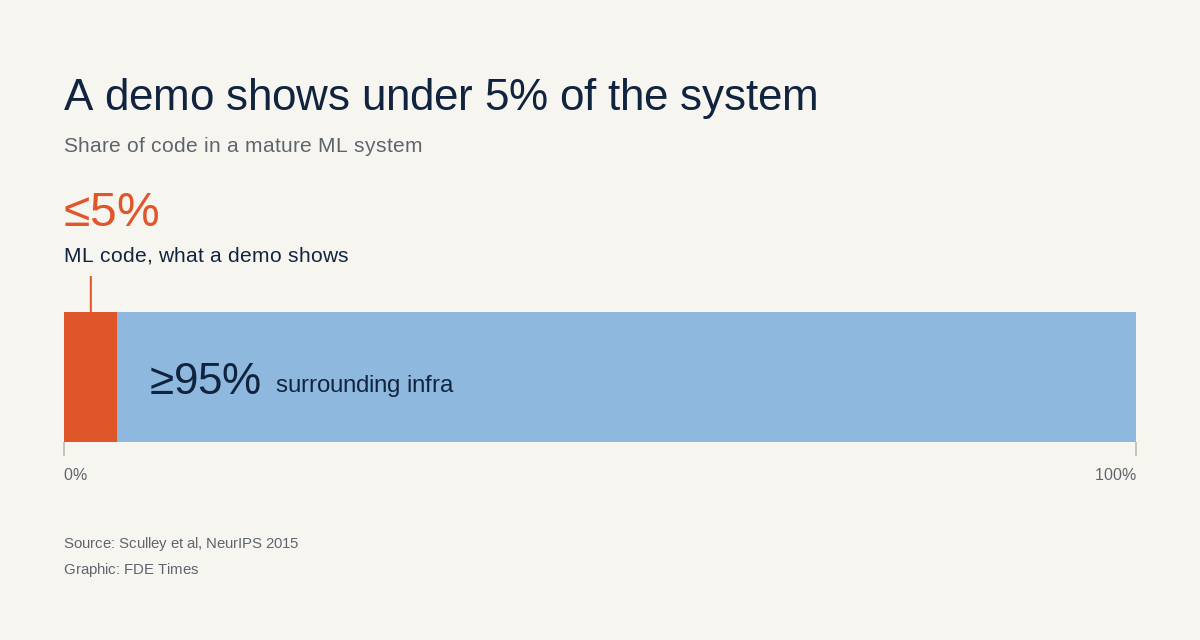
Webhooks arrive late and out of order. Your data still has to be right
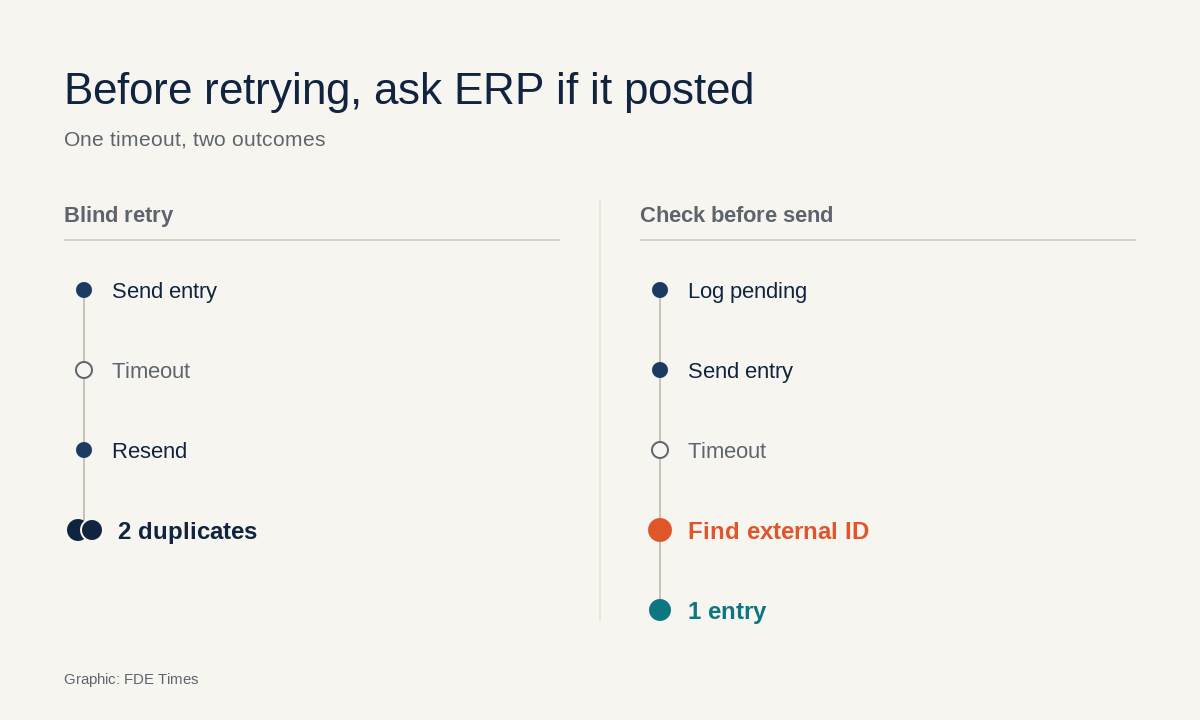
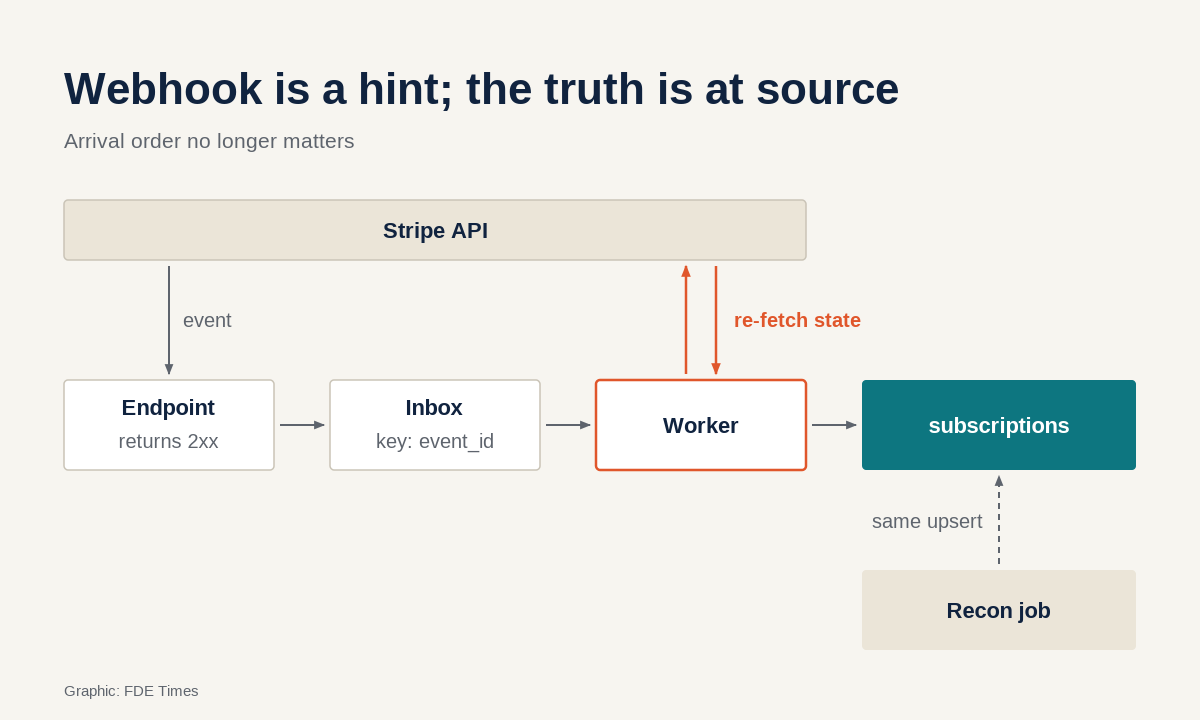
The safe design treats every webhook as a notice that something changed, then asks the source system what the current state actually is.
23 Nov 2026
The newspaper of the Forward Deployed Engineer
Every skill of the FDE craft, taught through cases: code and customer work, with steps and exercises.
The safe design treats every webhook as a notice that something changed, then asks the source system what the current state actually is.
23 Nov 2026
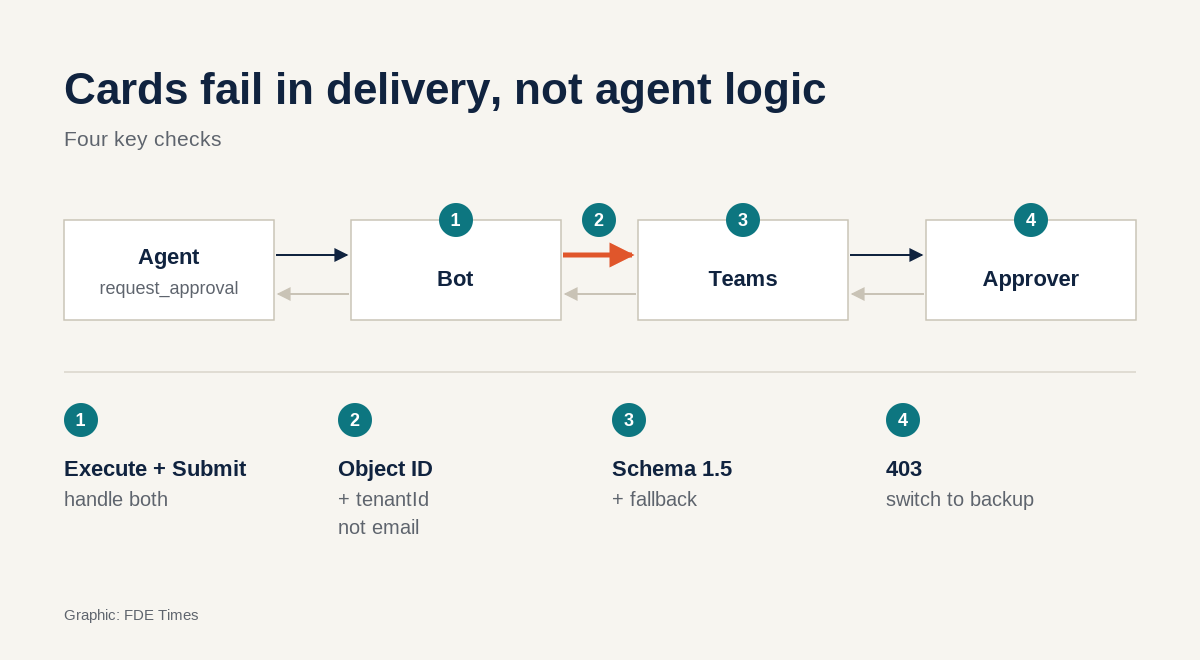
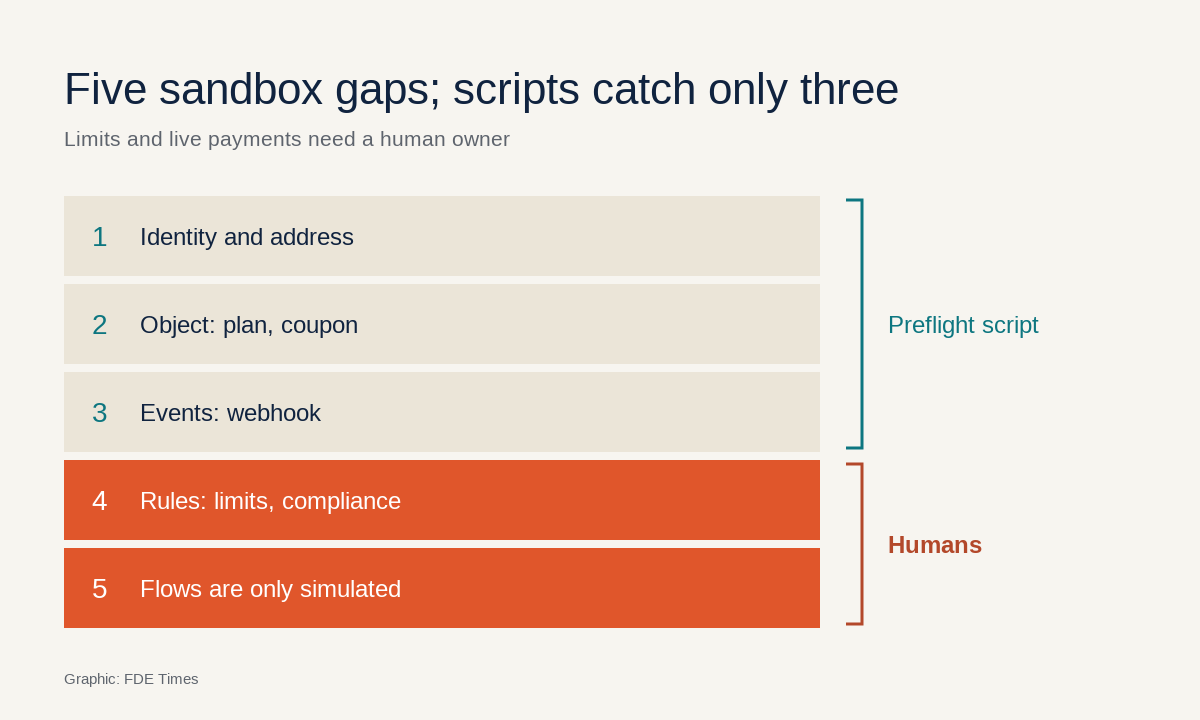
A wrong card schema, a recipient addressed by email or a mismatched tenant can stop a Teams approval card from working before the agent is ever involved.
The code barely changes at go-live, but the configuration, data and rules around it do, and they usually sit in the client's account, not your repo.
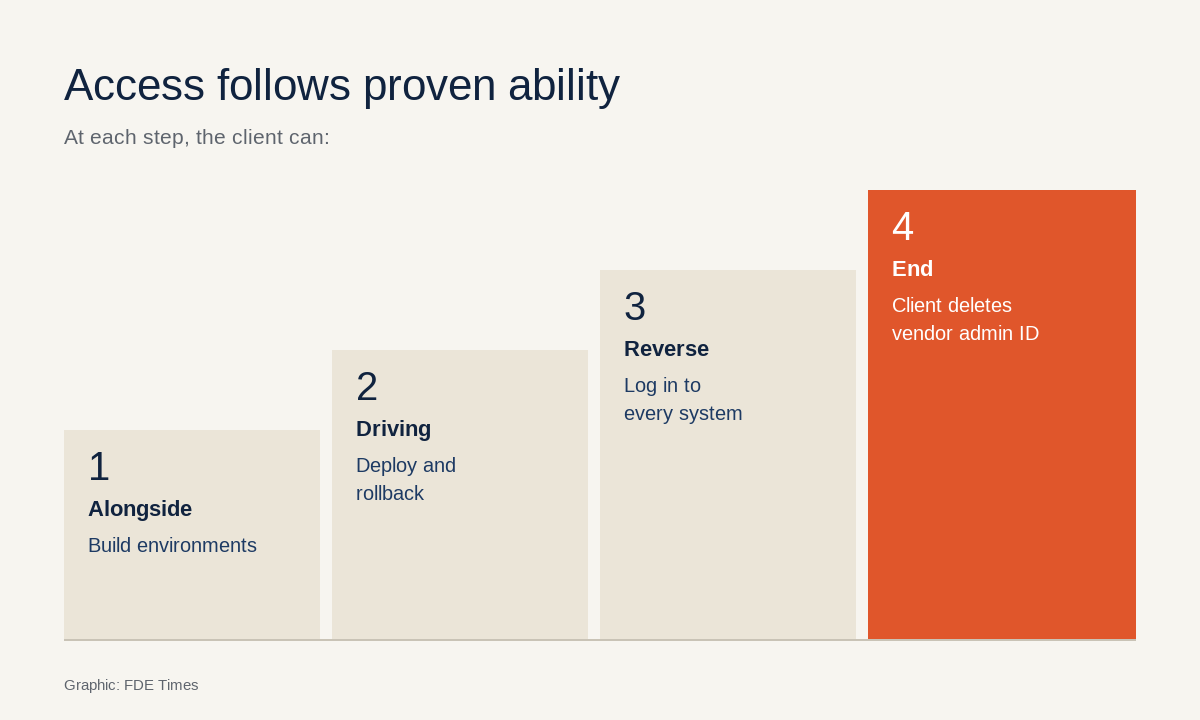
Least privilege runs both ways: the client gets admin once they need it, and you keep only the access their own systems approve.
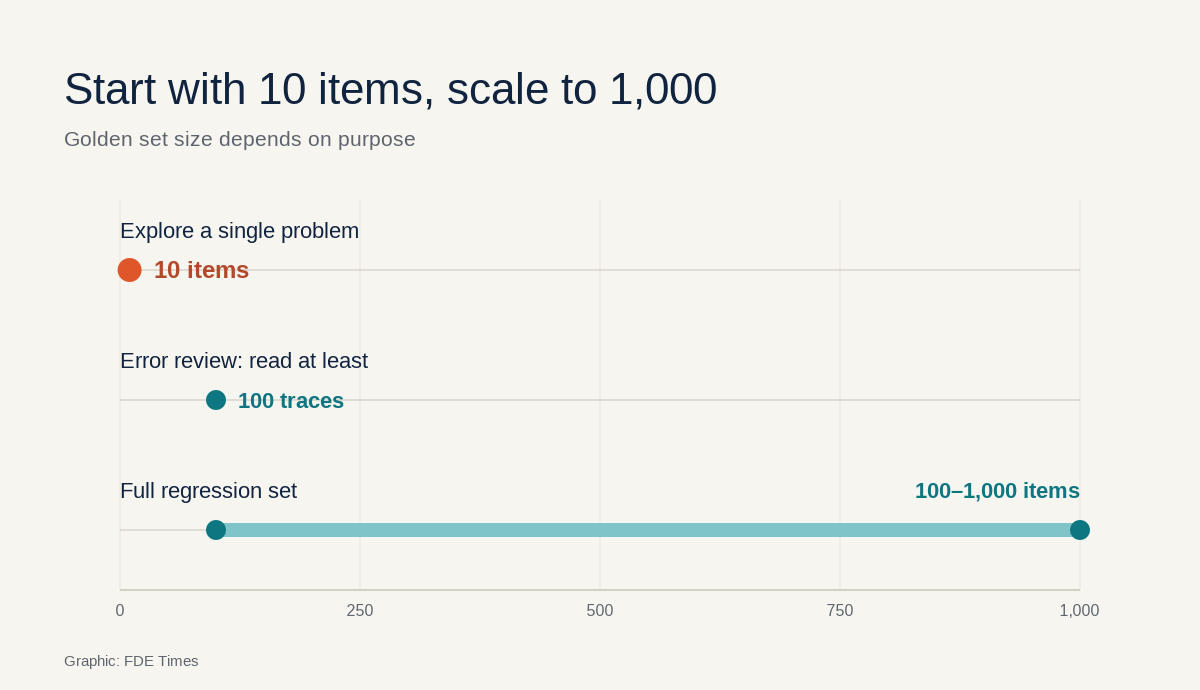
Six steps turn raw production logs into a golden set, with a clear point at which to stop reading traces.
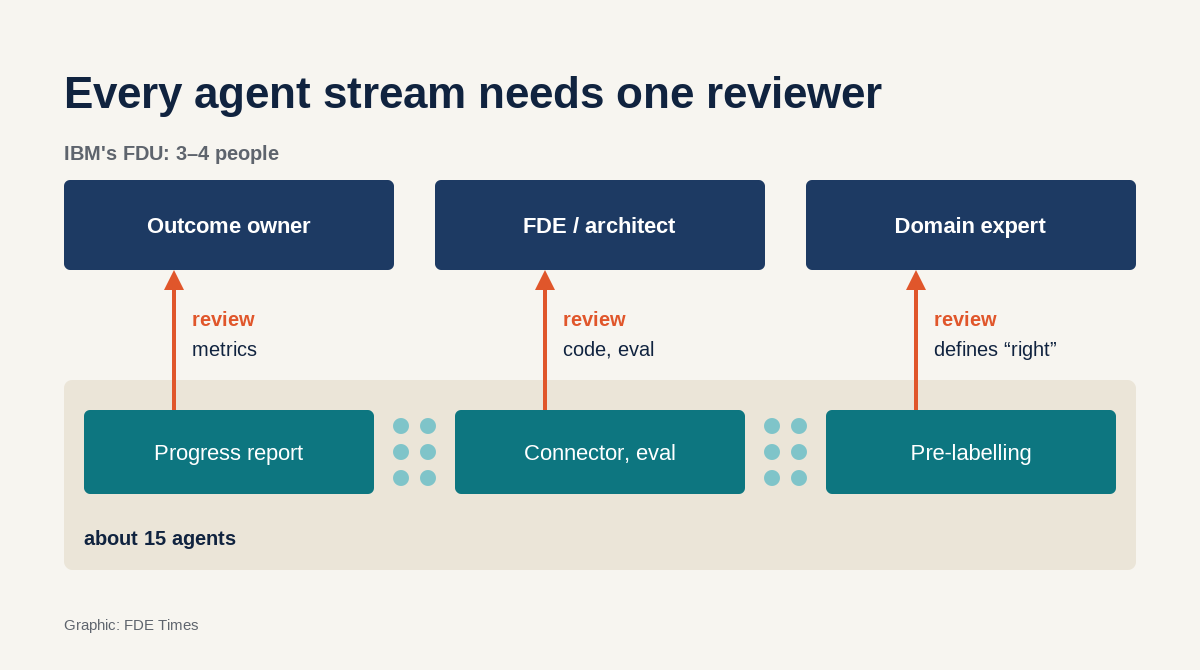
In IBM's Forward Deployed Unit, the FDE directs agents, splits ownership with teammates and leaves behind systems the client can run without them.
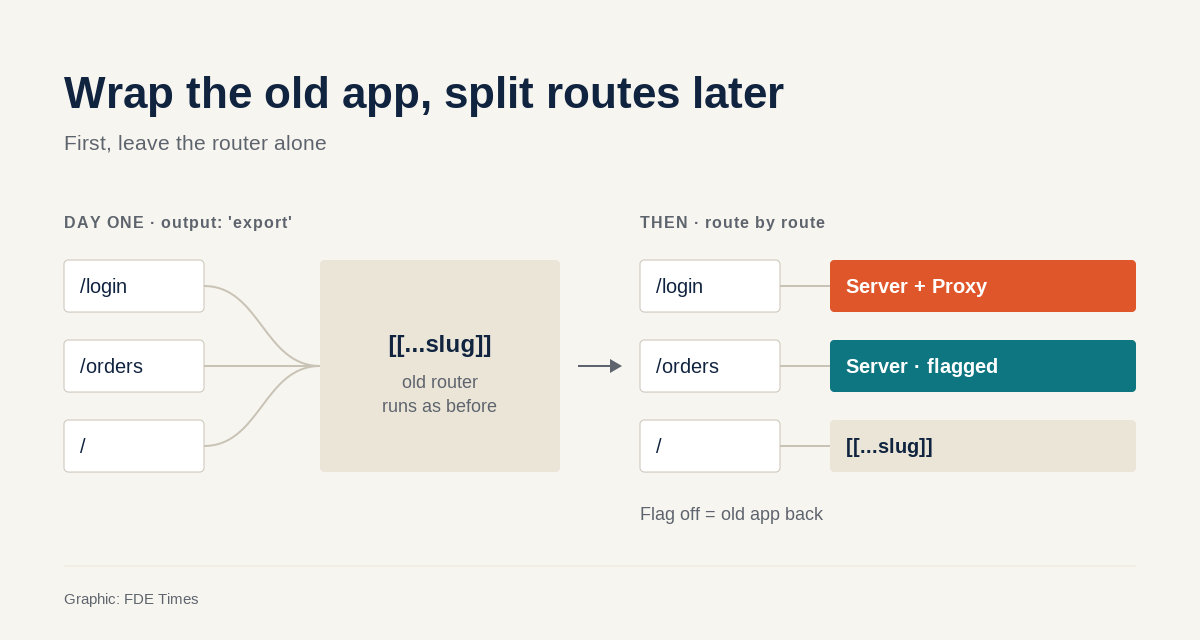
Wrap the old single-page app in one catch-all route, get it running, then move pages to the server one at a time.
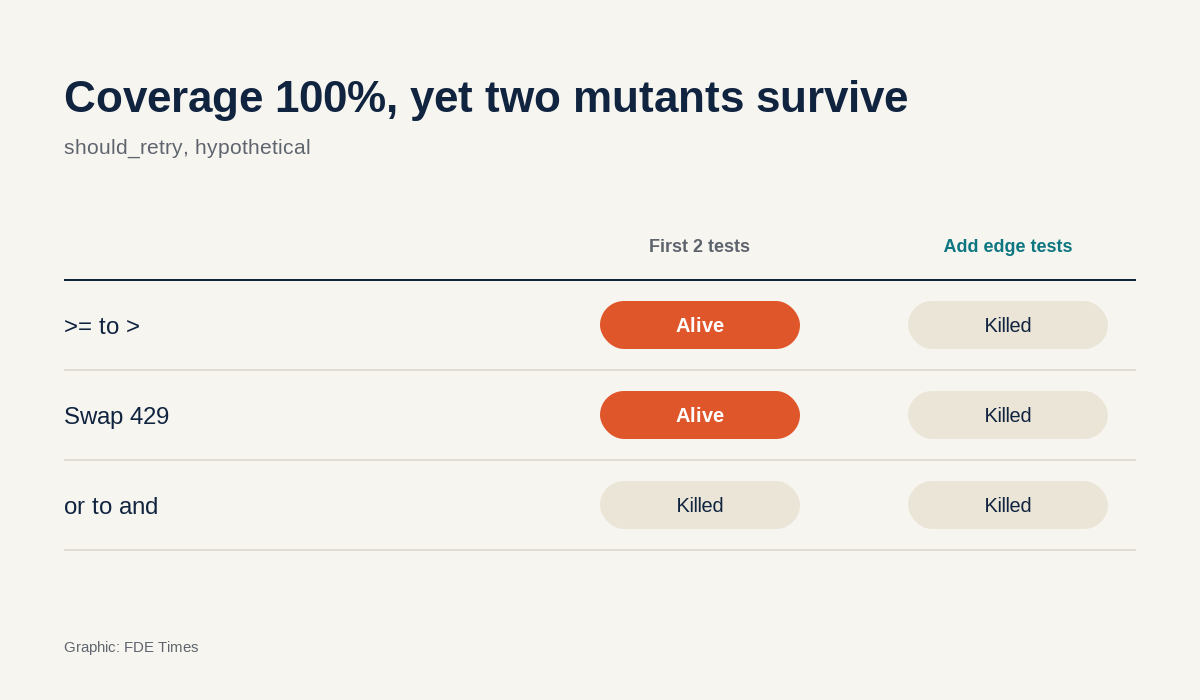
Let mutmut plant small bugs in the Python module you just changed, then see which of your tests stay silent before you hand the connector over.
Client experts know which answers are wrong but lack a quick way to say so; anywidget syncs their notes to Python with no server or database.
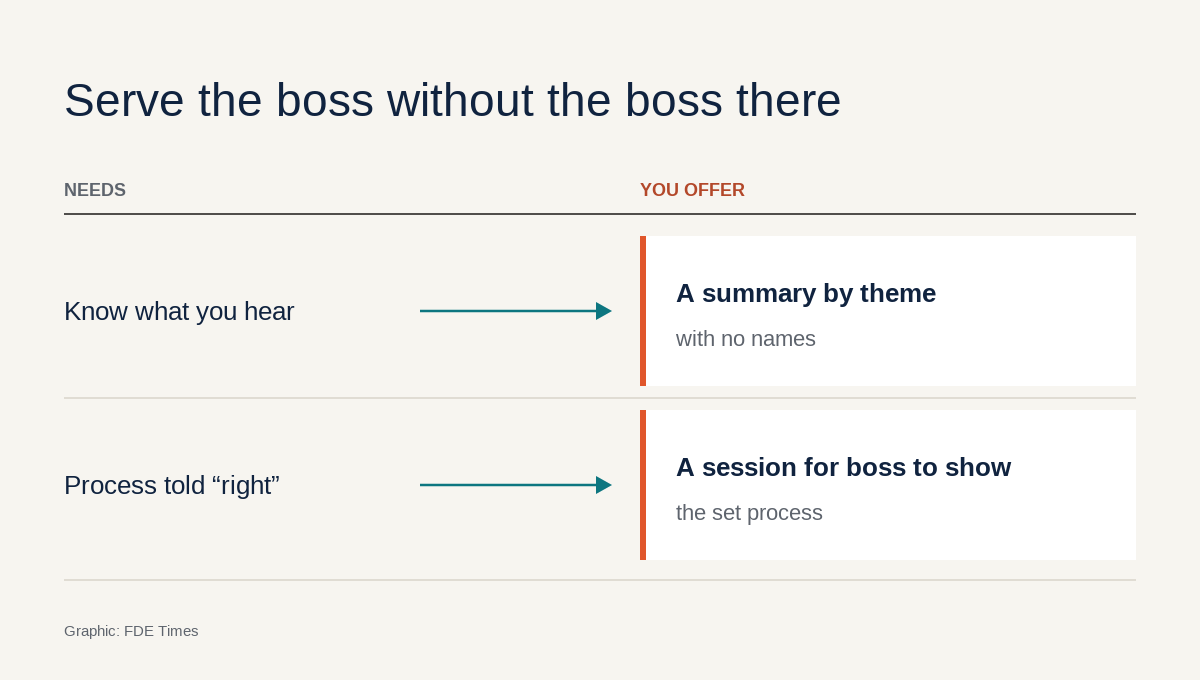
How to ease a client's manager out of user interviews without offending anyone, and how to recover the real workflow when they refuse to leave.
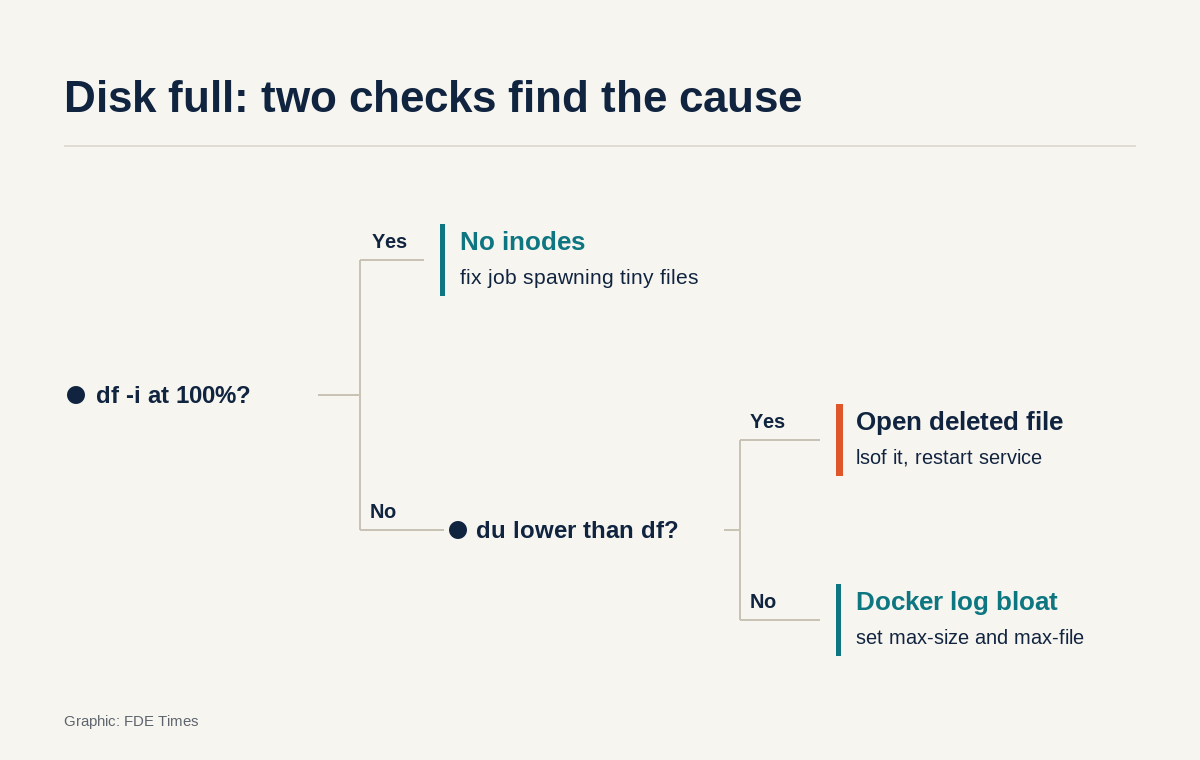
The usual culprits are deleted files still held open, exhausted inodes or unbounded Docker logs, and a handful of commands is enough to tell them apart.
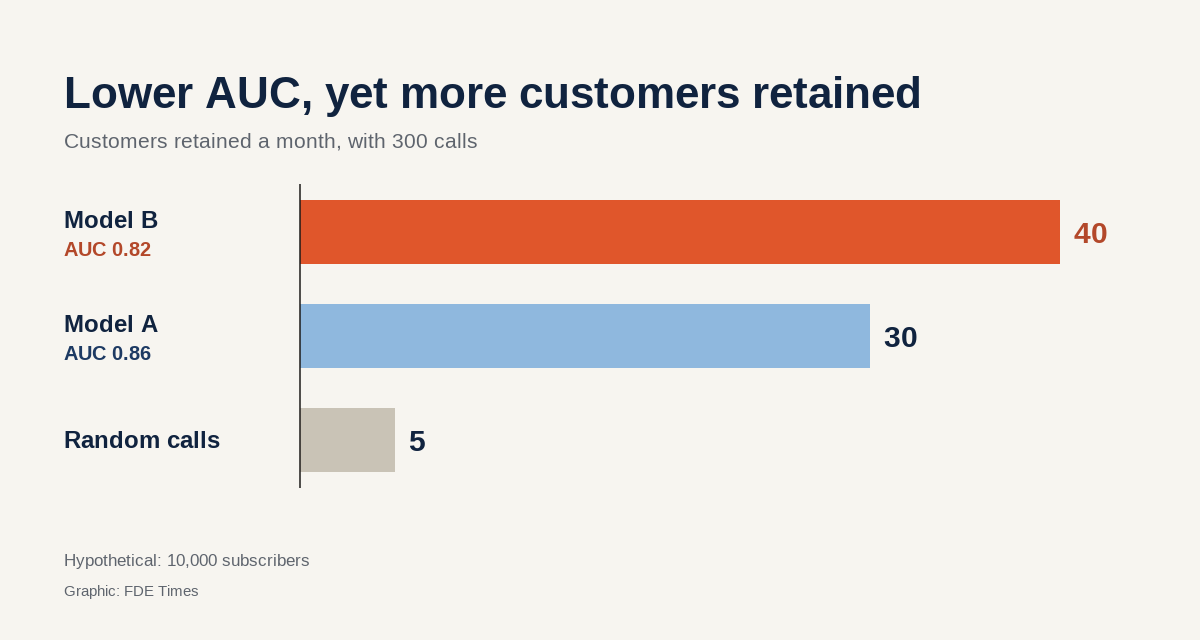
Microsoft, Scale AI and Prima Mente are all hiring for this branch of the job, and its core skill is choosing the right metric before choosing the model.
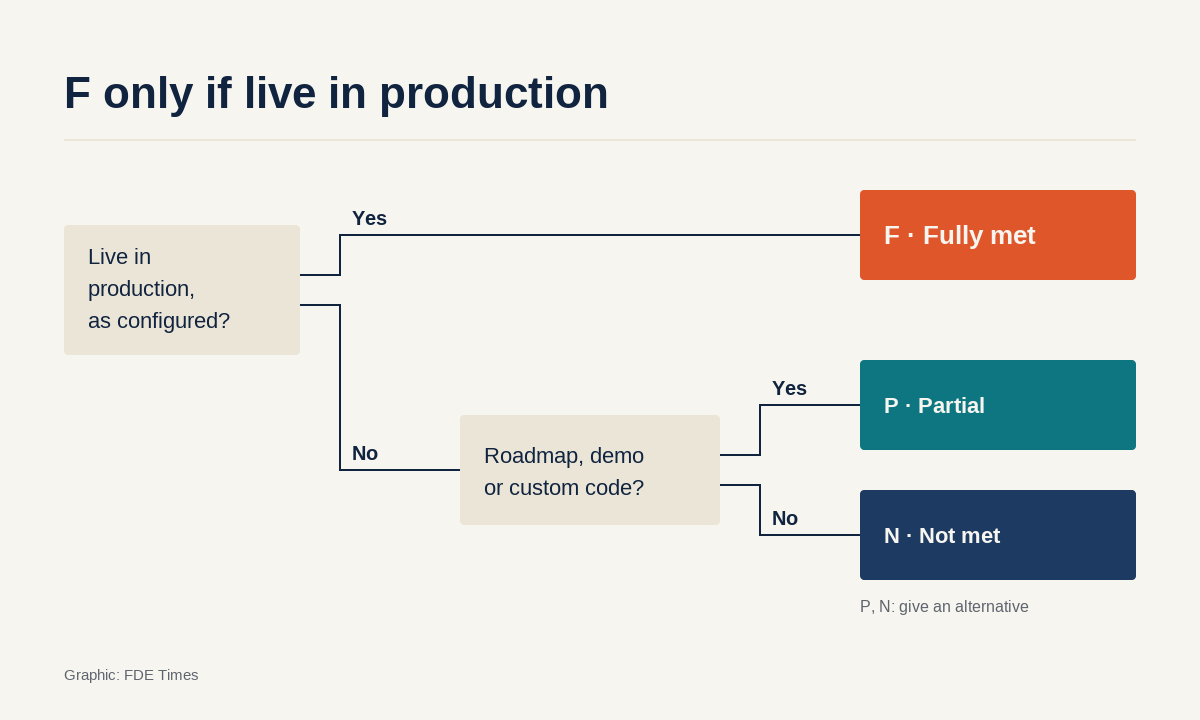
A three-state compliance matrix lets engineers write “not yet” clearly, with a reason and a workaround, before a bid answer turns into an impossible deployment scope.
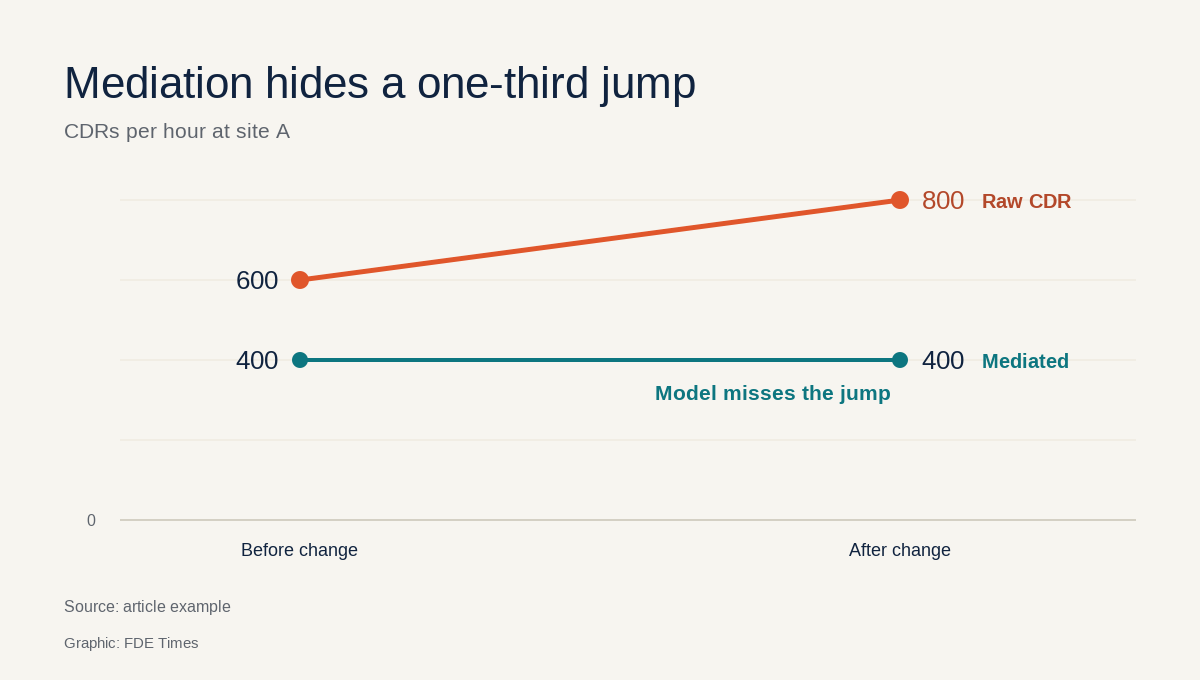
Mediation cleans call records for the billing team, so compare them with the raw data before an anomaly model learns from them.
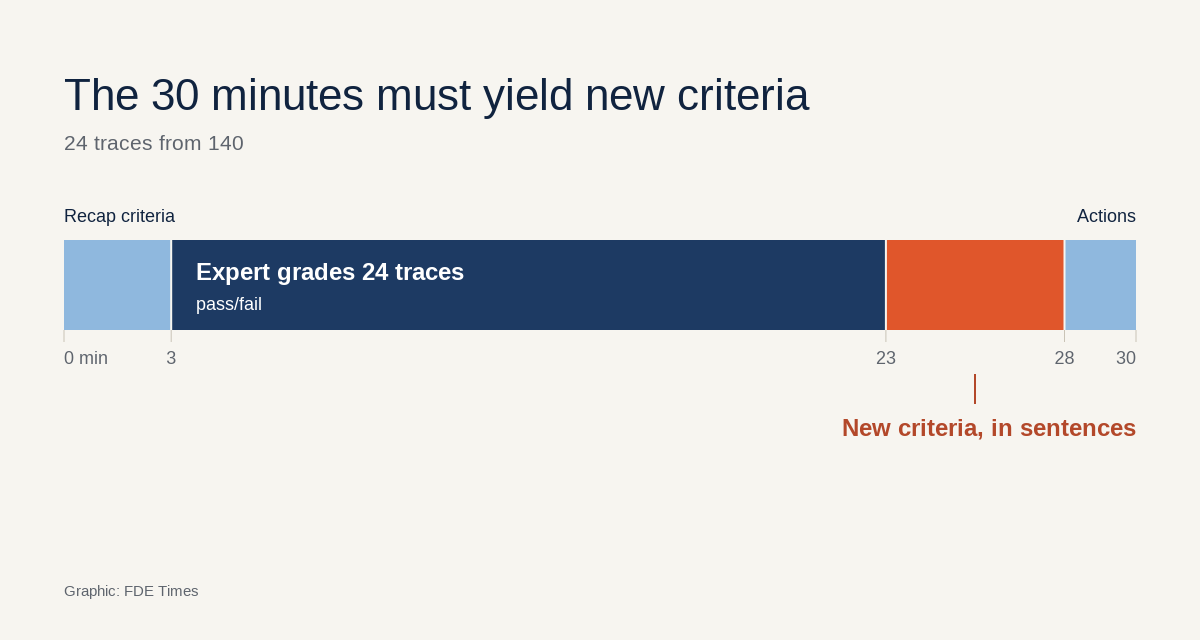
The FDE filters out the hard traces in advance, so the expert can grade them and write down the quality criteria within the same session.
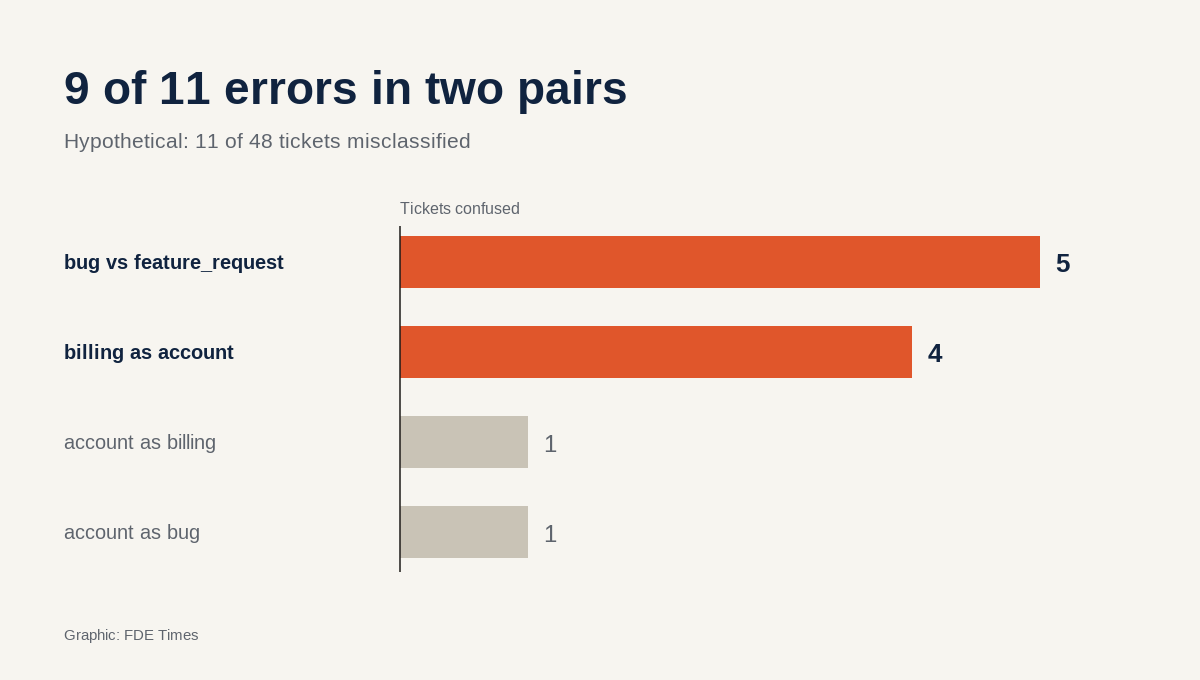
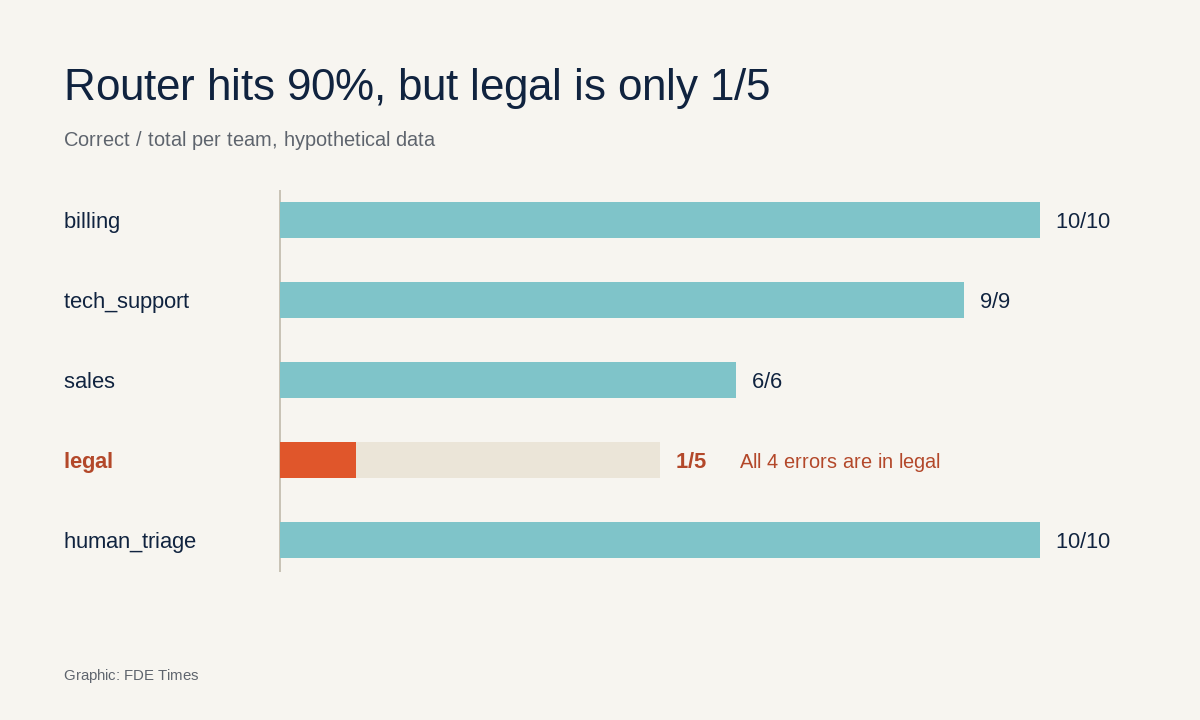
Misclassifications tend to pile up between two labels with overlapping meanings, so fix that pair first instead of rewriting the whole prompt.
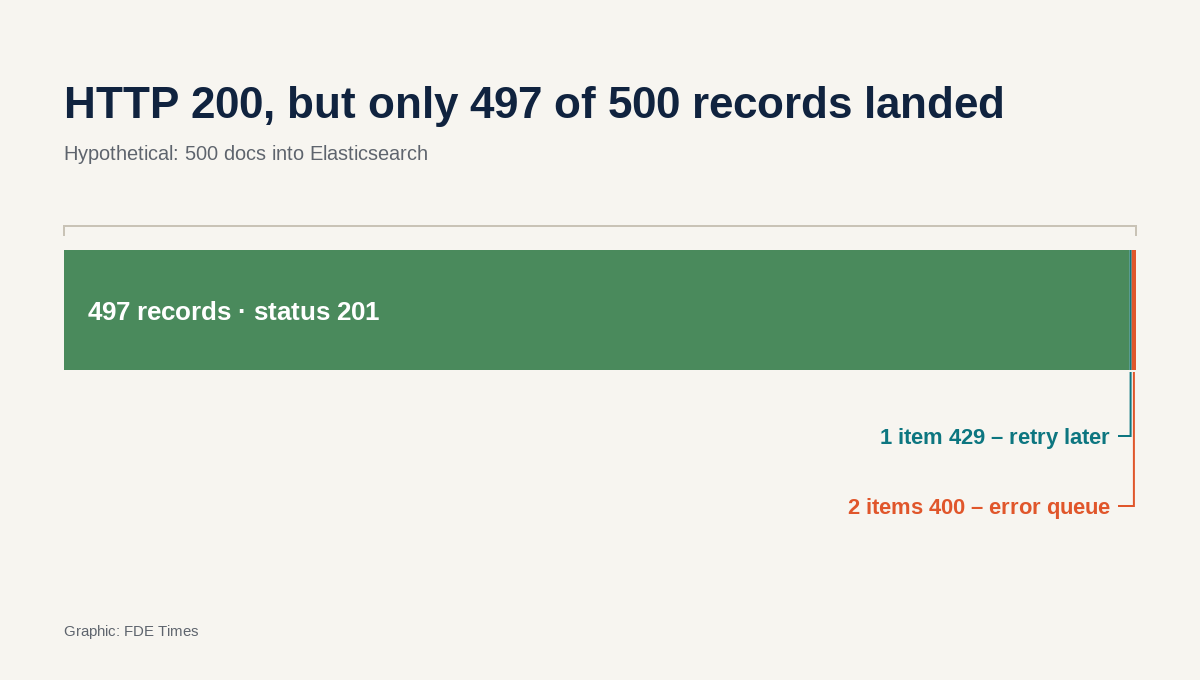
To lose no rows, read every item, match each result to its source record by the right key, and resend only what failed.
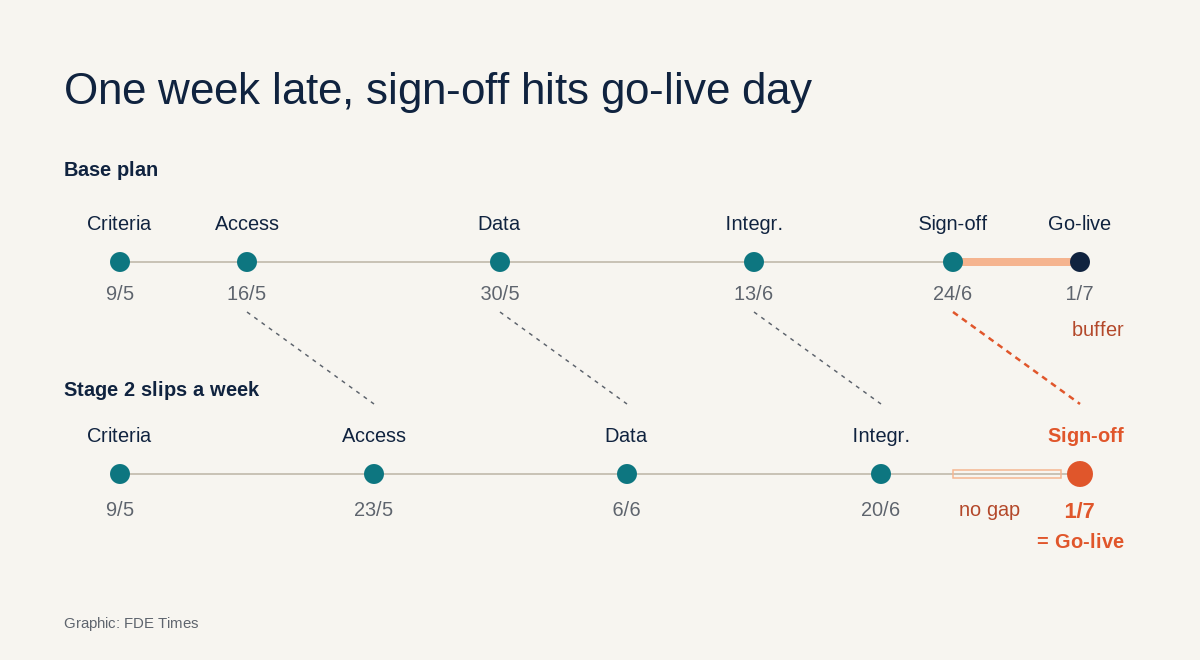
Count back from the go-live date, and give every stage two named owners and a finish line that can be checked in the product itself.
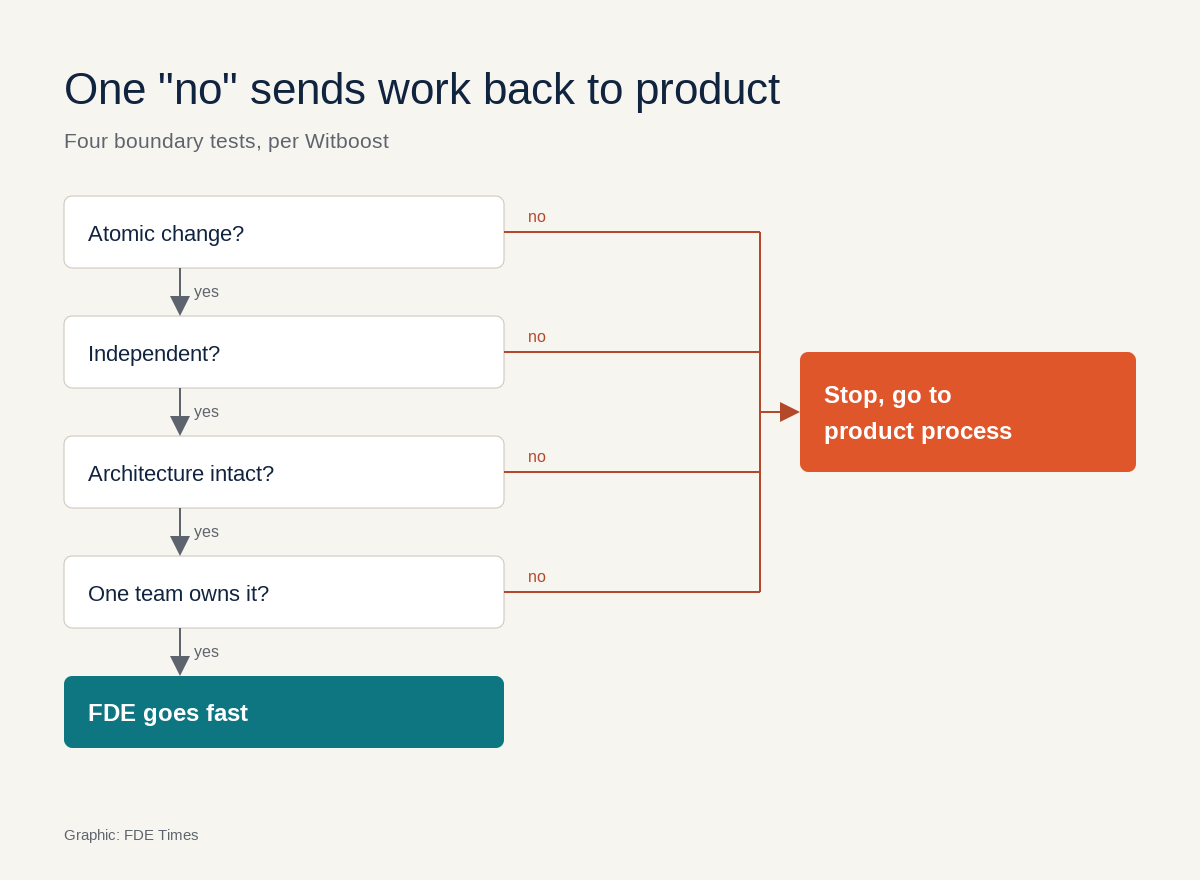
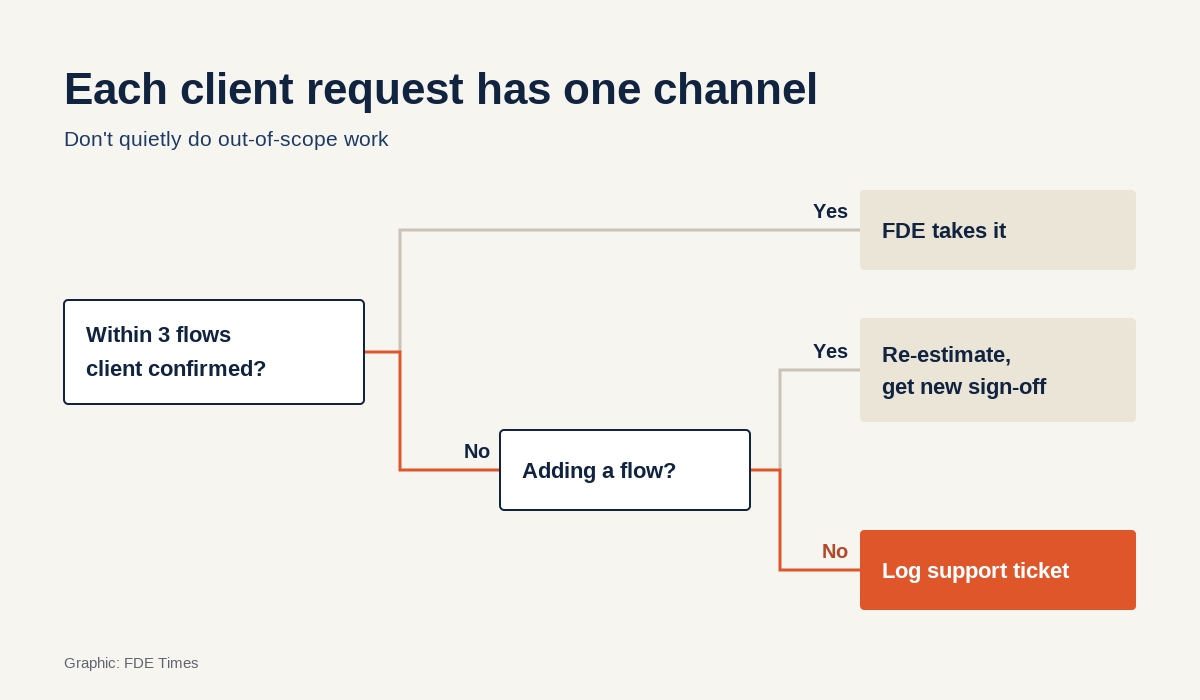
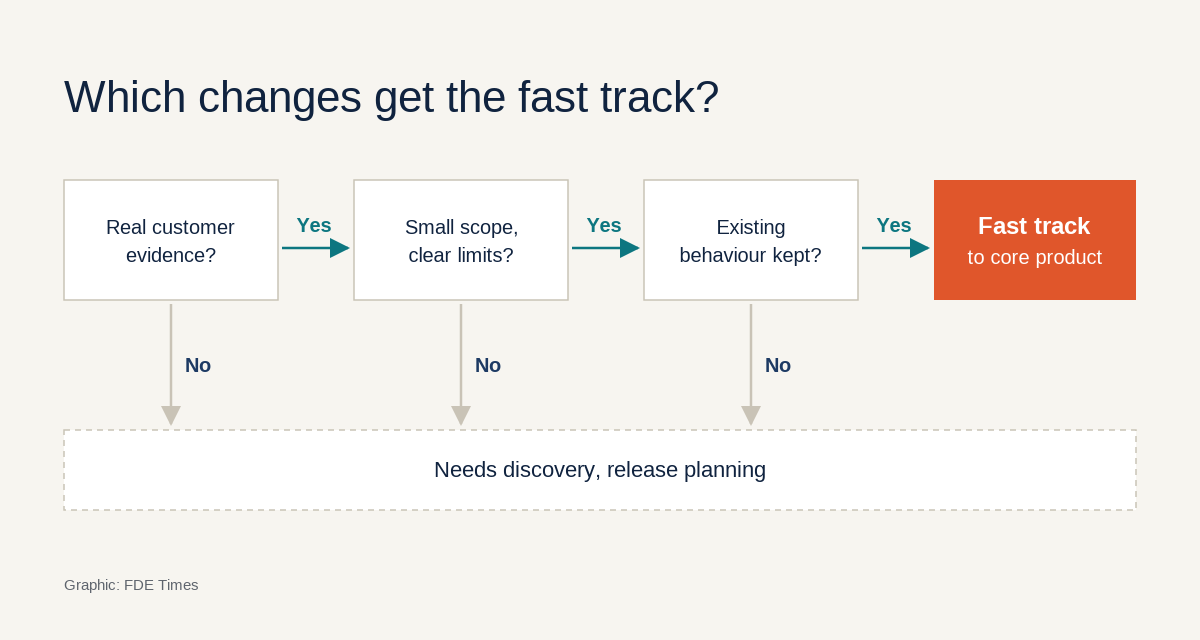
A five-line intake ticket and a clear boundary tell forward deployed engineers when to stop building and pass the work to the product team.
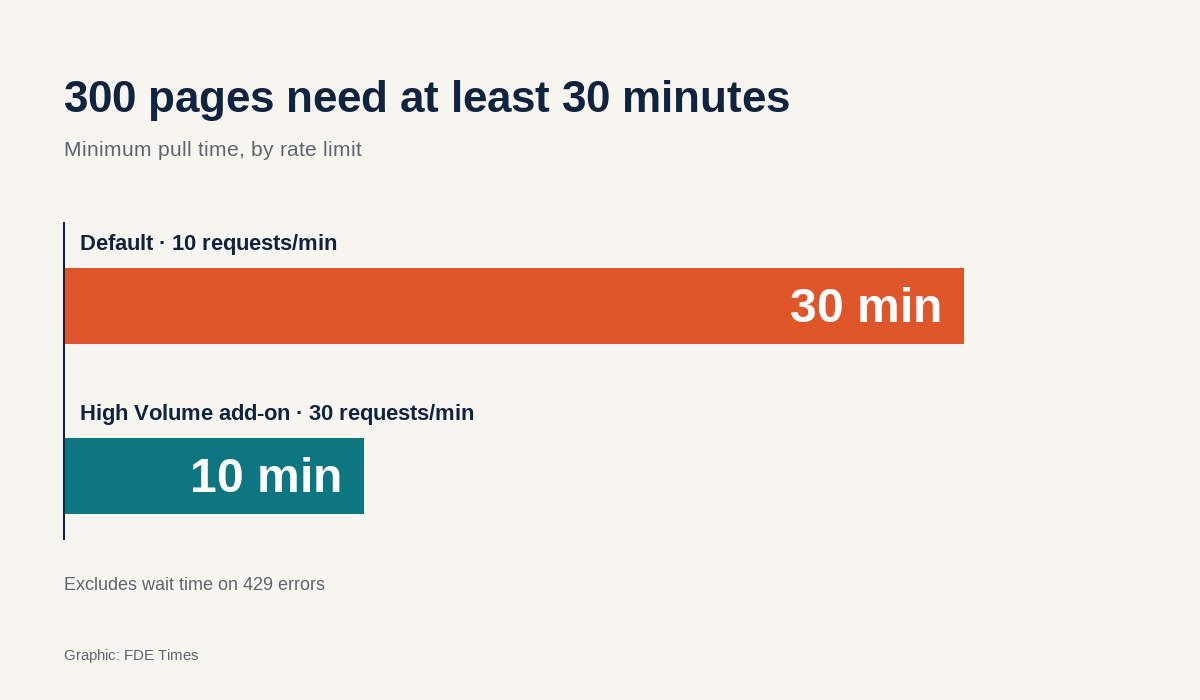
You need a loop that knows how to wait, a saved cursor and 300 tickets labeled by expected outcome rather than by wording.
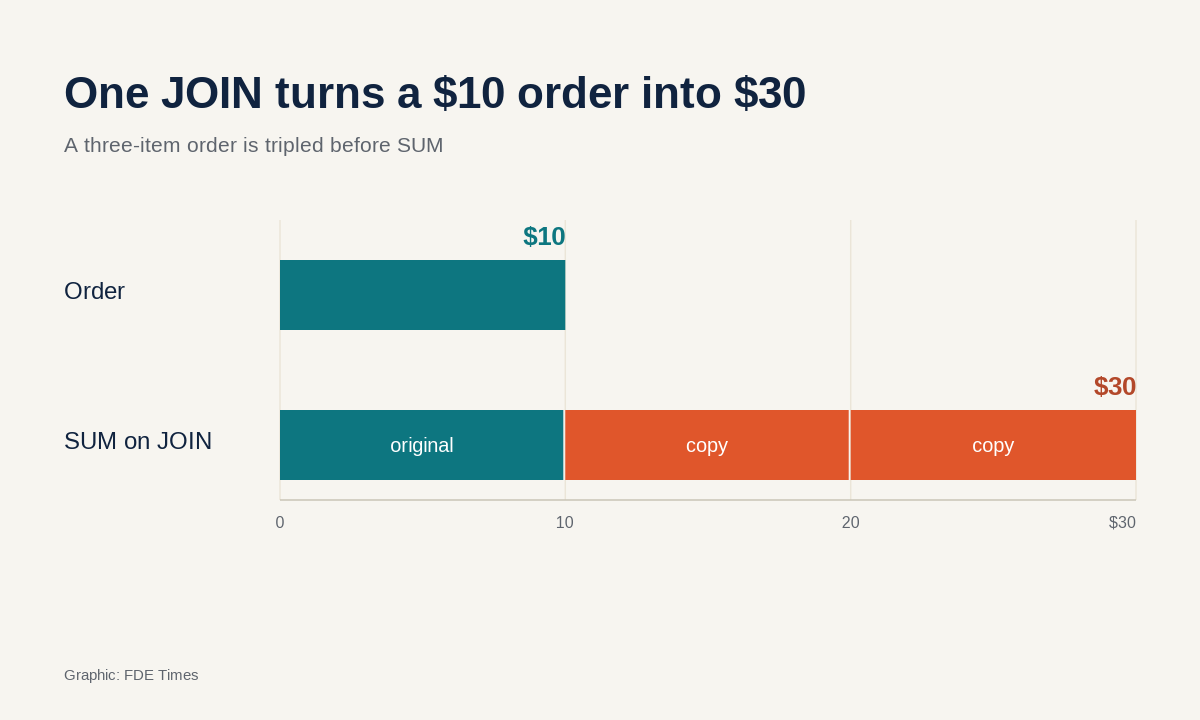
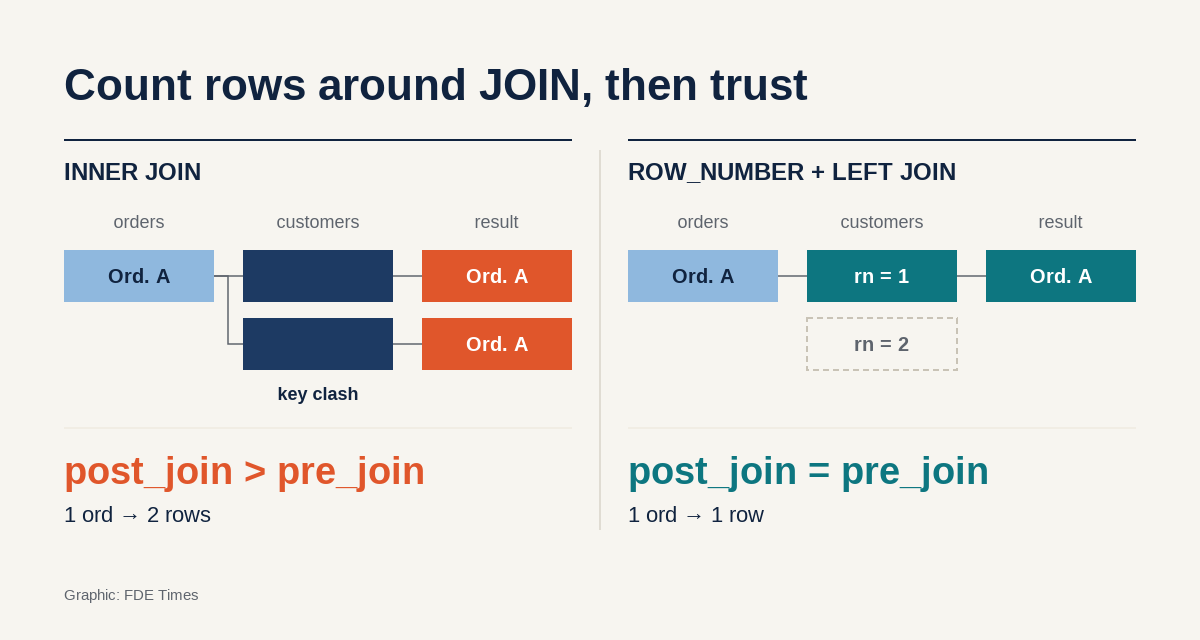
A correct primary key is not enough: to stop the error, aggregate data to the grain of each measure before you join the tables.
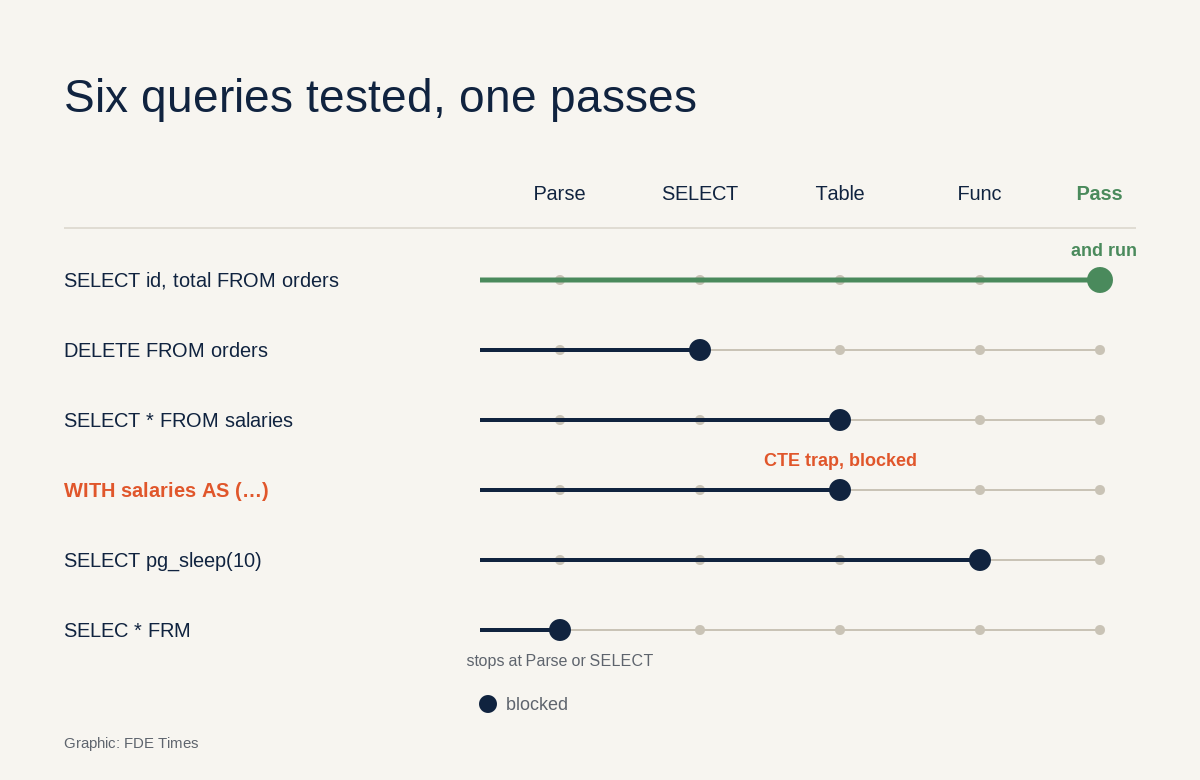
SQLGlot calls itself a transpiler, not a validator, so the safety rules on its syntax tree, scope resolution included, are yours to write.
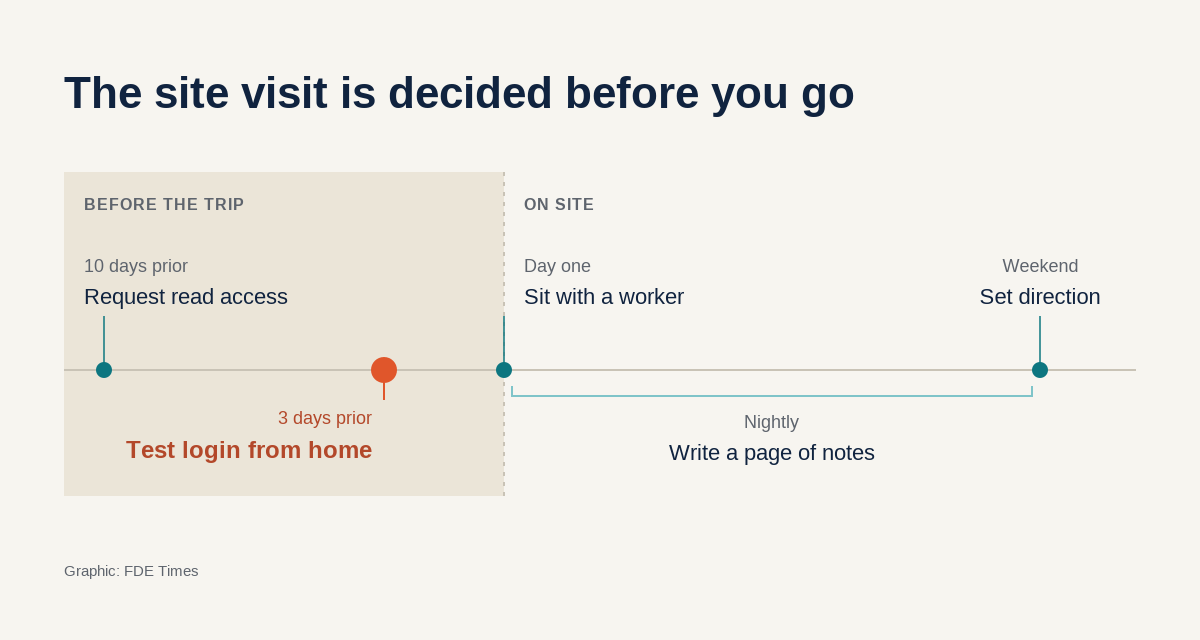
Before you travel, settle three things: read access to the real systems, meetings with the right people, and a clear idea of what you will watch.
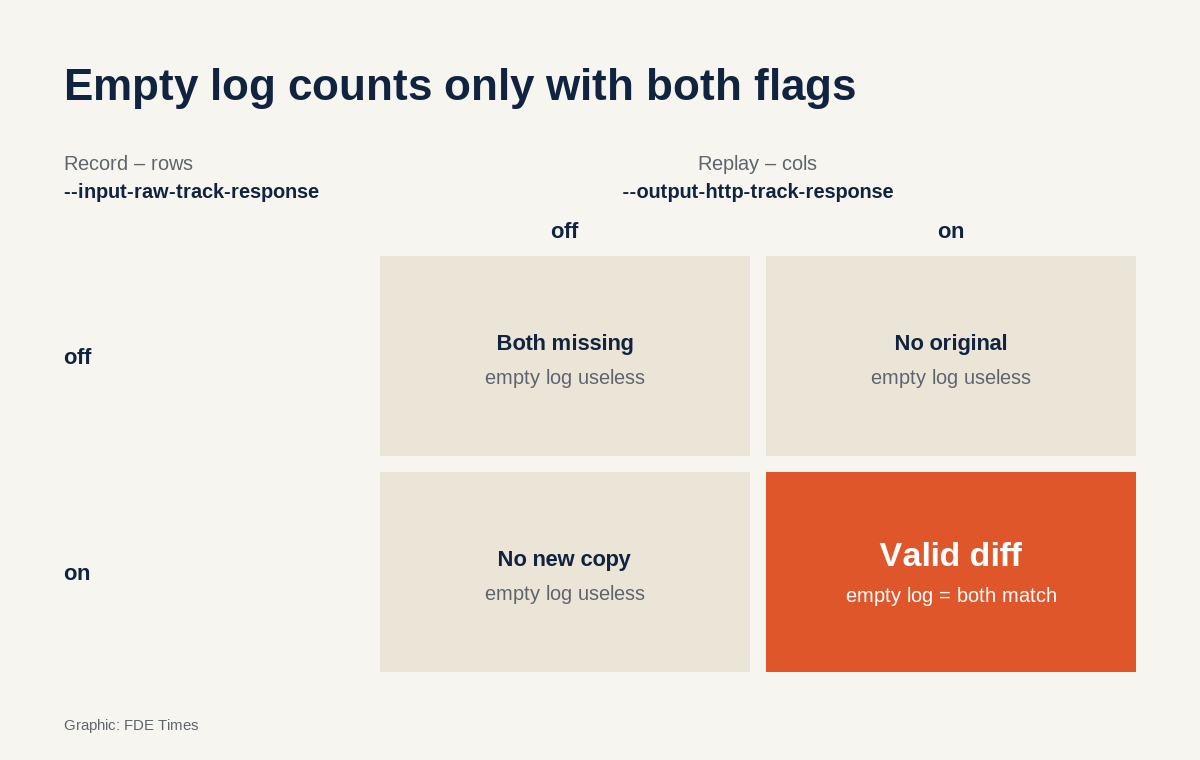
GoReplay has no built-in way to compare old and new responses, so an FDE validating a migration has to write that check as middleware.
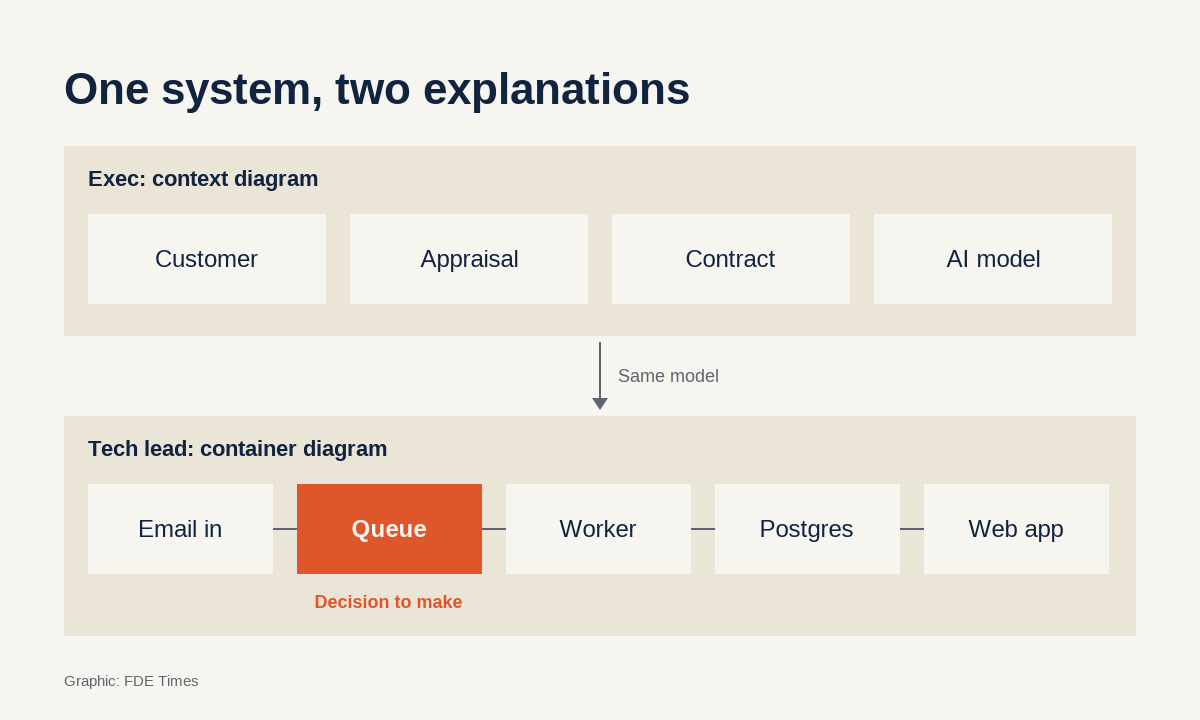
A director needs one paragraph to make a decision; the client's lead engineer needs enough detail to run the system alone after you leave.
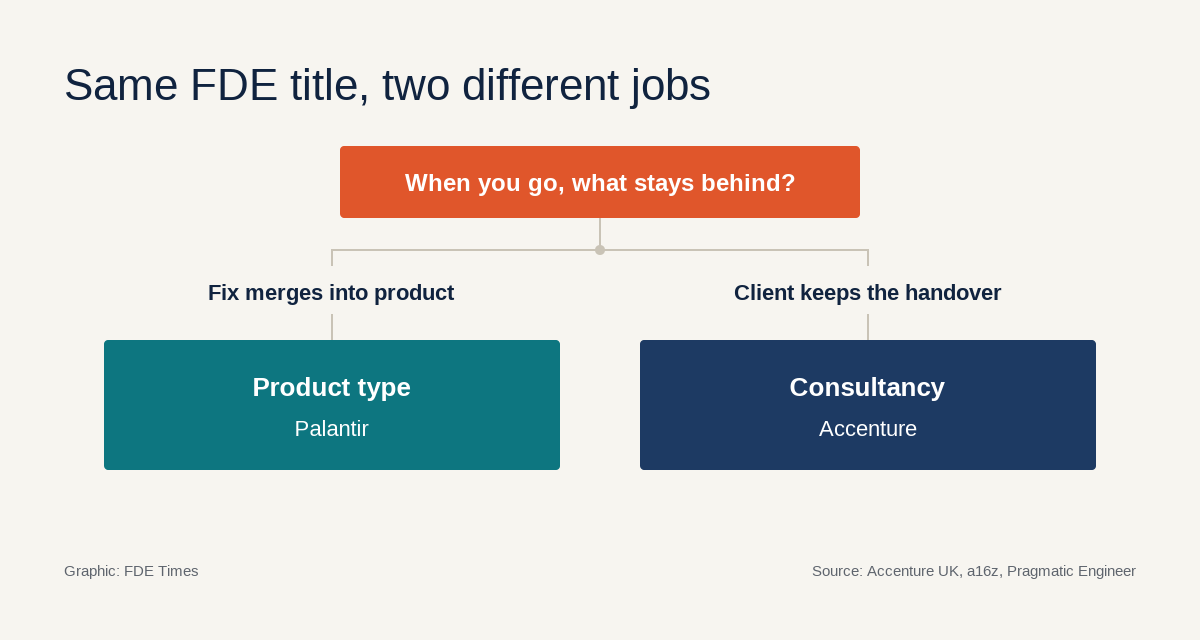
Confusing the two means training the wrong skills and telling the wrong interview story, yet a careful read of the job ad usually shows which one is on offer.
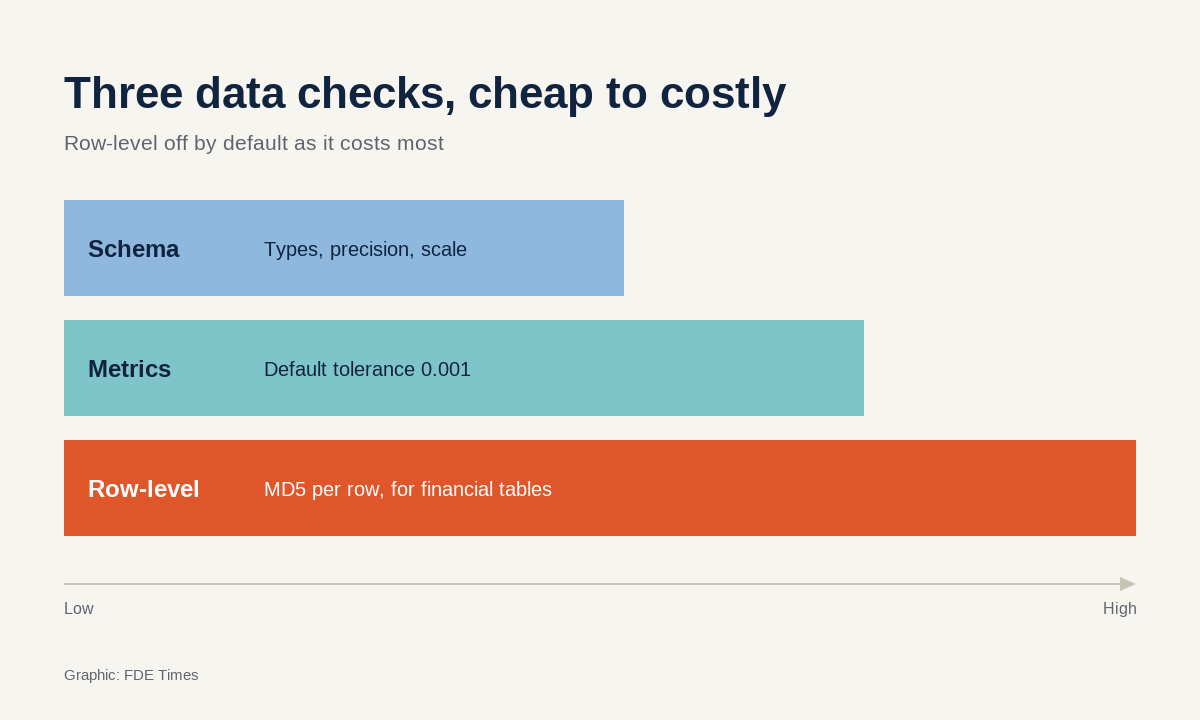
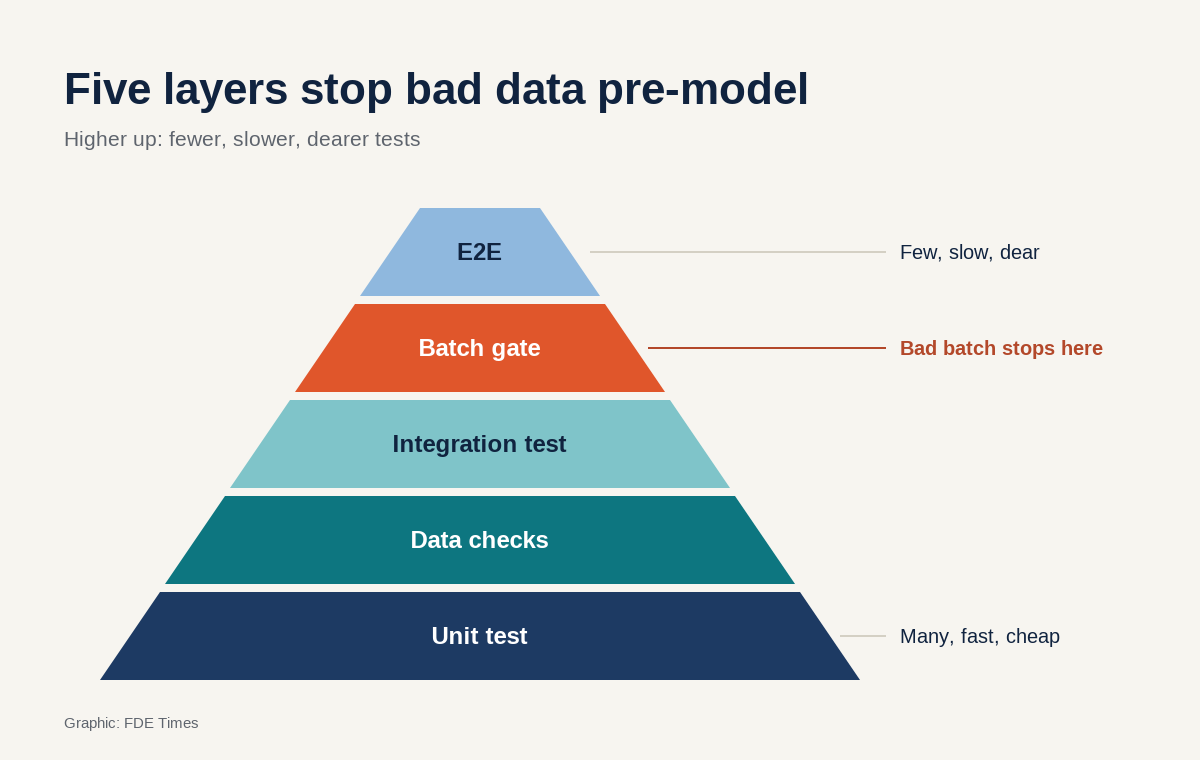
Assertions and contracts are cheap, run fast and catch errors early; evals and end-to-end tests can wait, and there should be fewer of them.
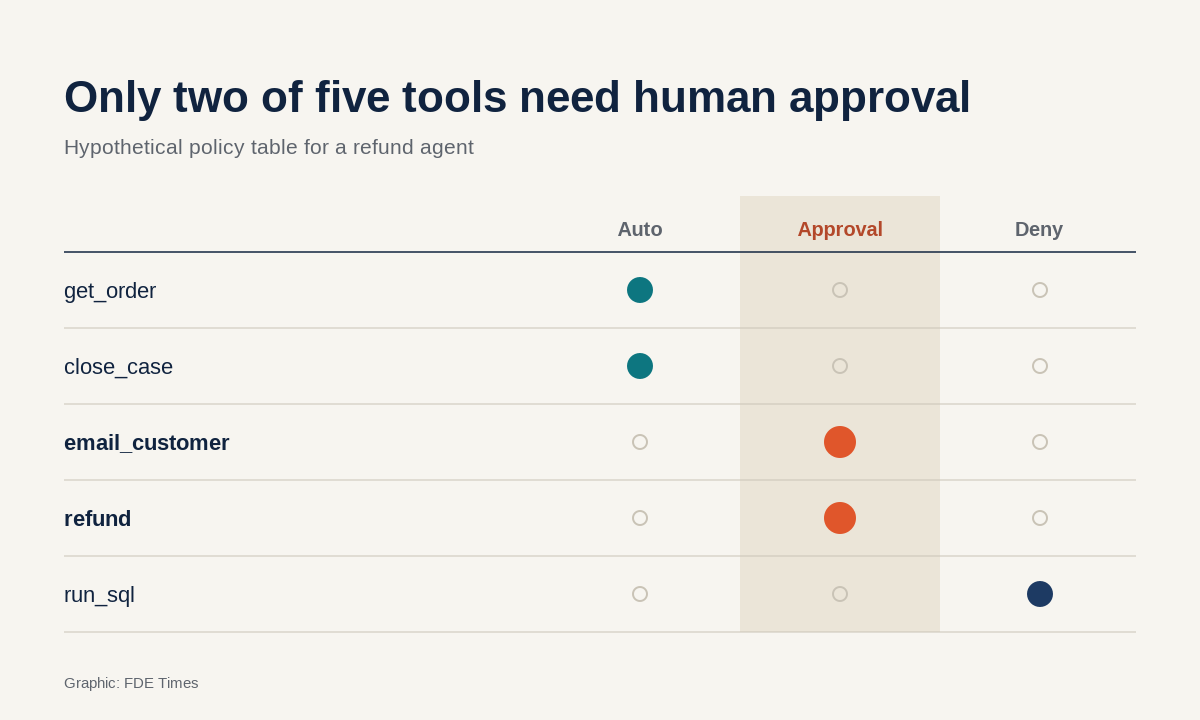
How to build risk flags and an approval queue so an agent pauses only where a human decision is actually needed, and resumes cleanly afterwards.
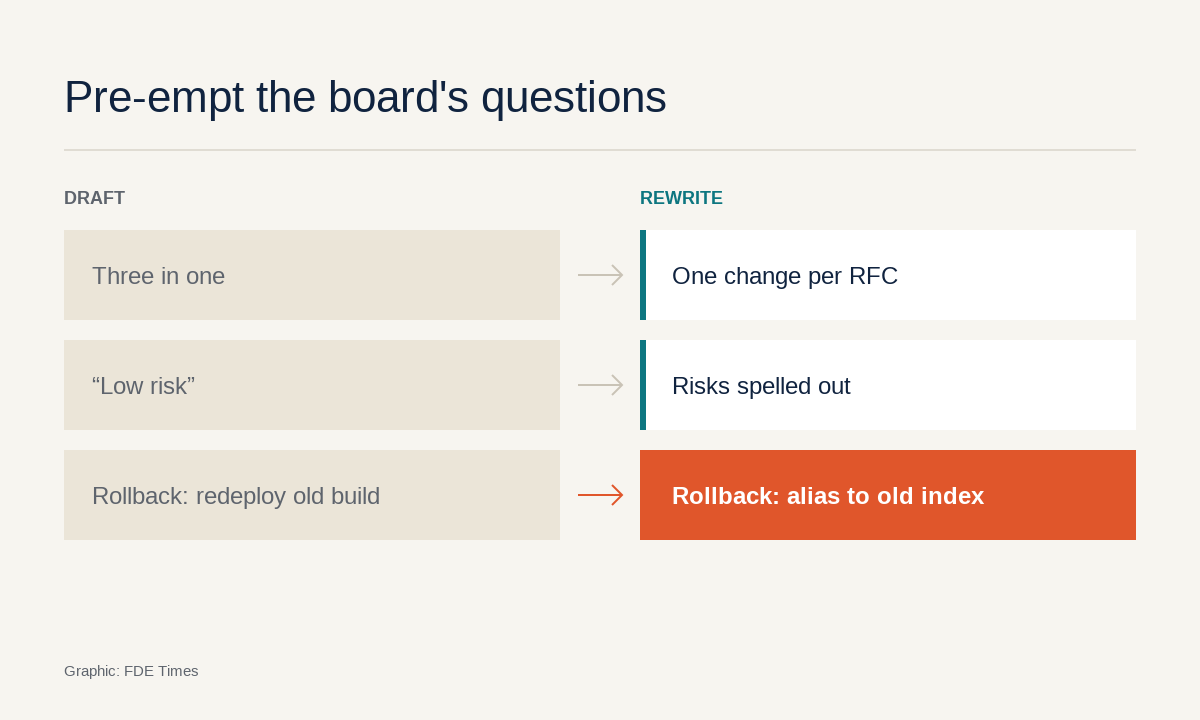
Change boards ask the same few questions about every change, so answer them up front, then push for repeatable deploys to be approved automatically.
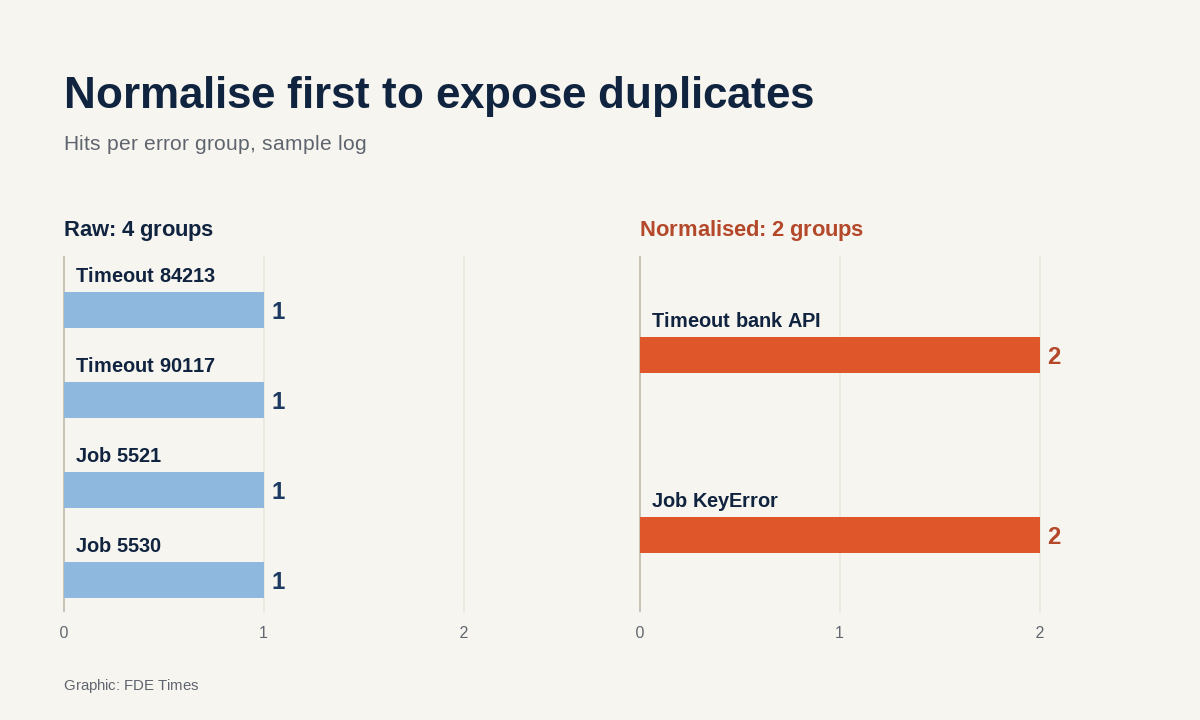
A few dozen lines of Python with re and Counter can turn a messy log file into a ranked table of errors you can take to the client meeting.
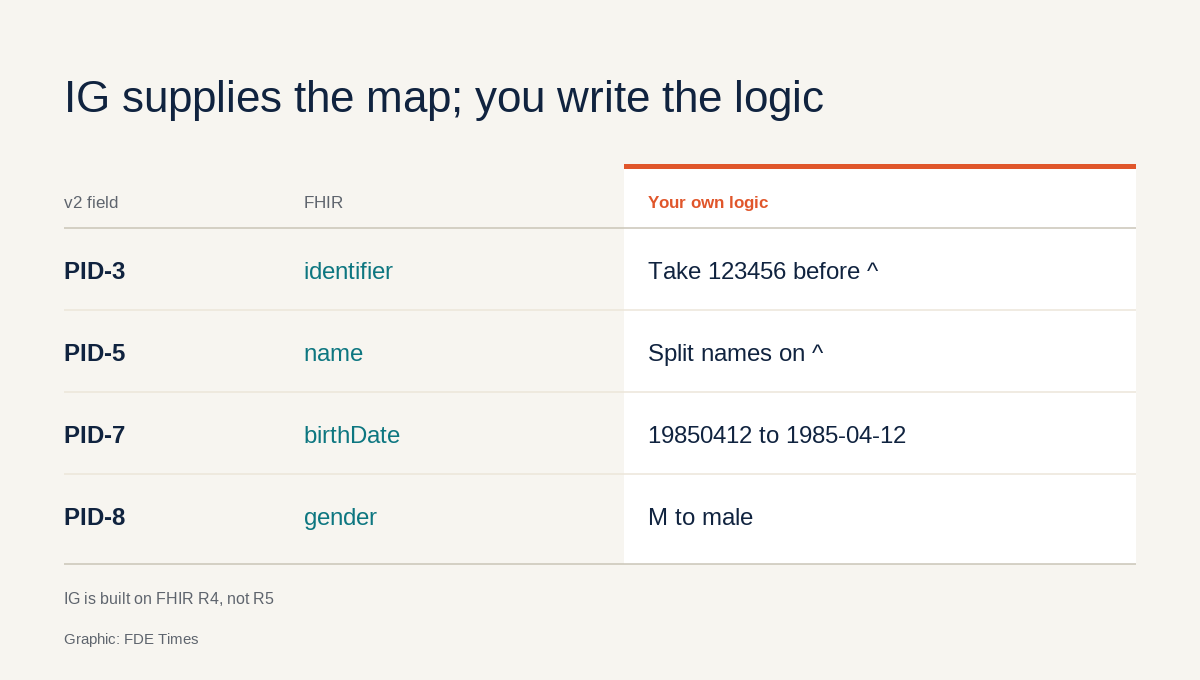
How to turn a sample ADT message into a valid Patient resource in about 40 lines of Python, and avoid the R4-versus-R5 trap that catches newcomers.
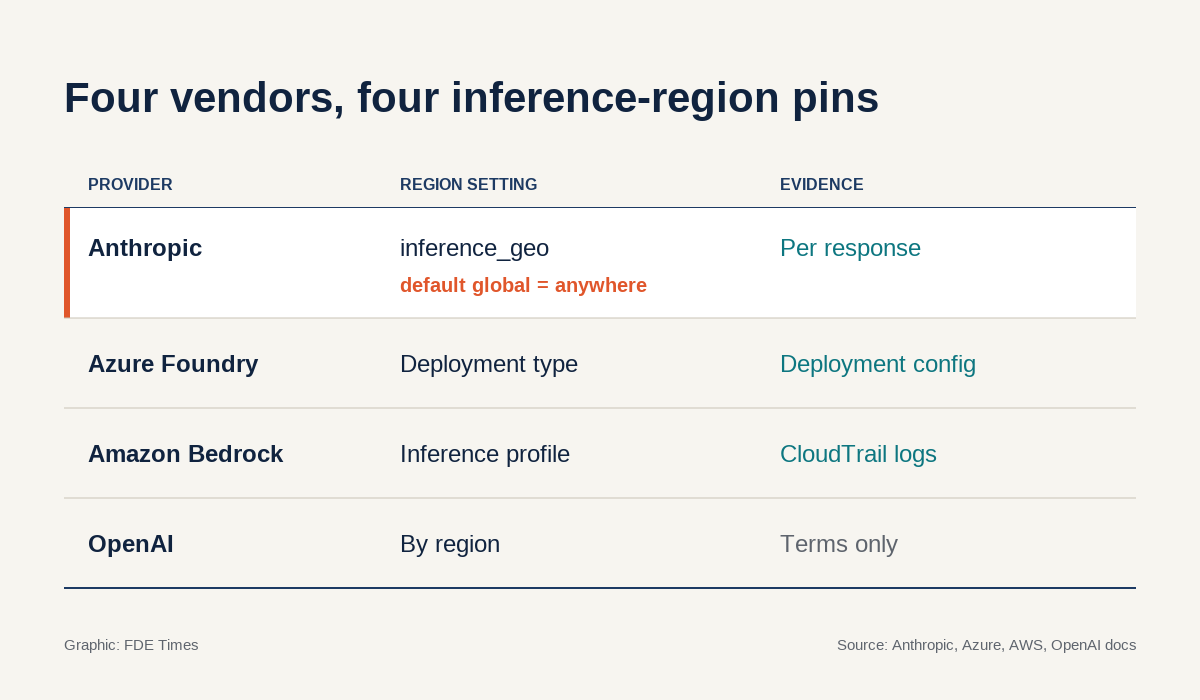
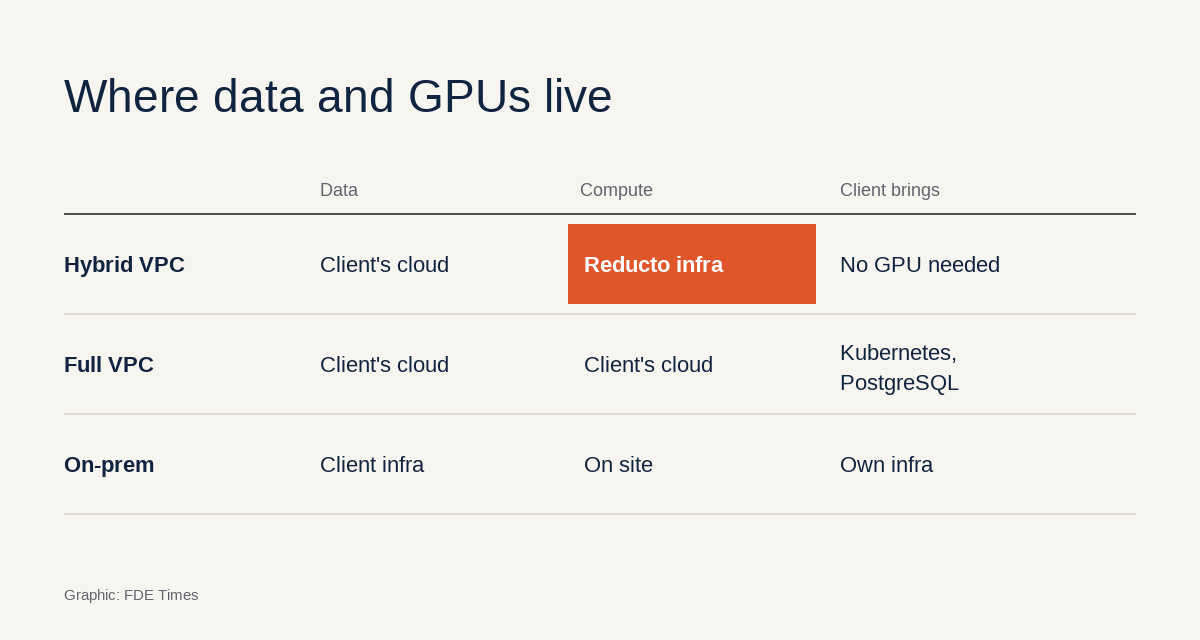
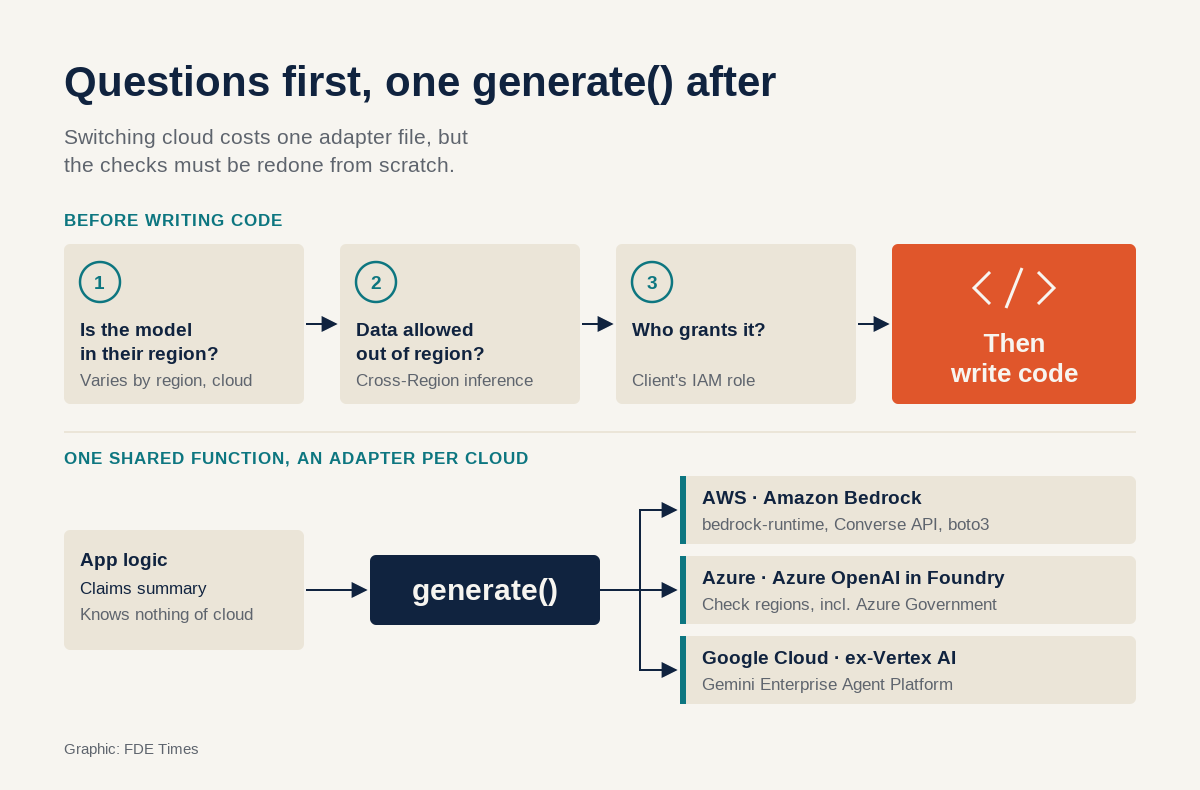
Where data is stored and where the model runs inference are separate settings, and a client's security review needs evidence for both.
GDPR gives the client the choice between deletion and return; the FDE's job is to work in the right order and keep proof that every step was done.
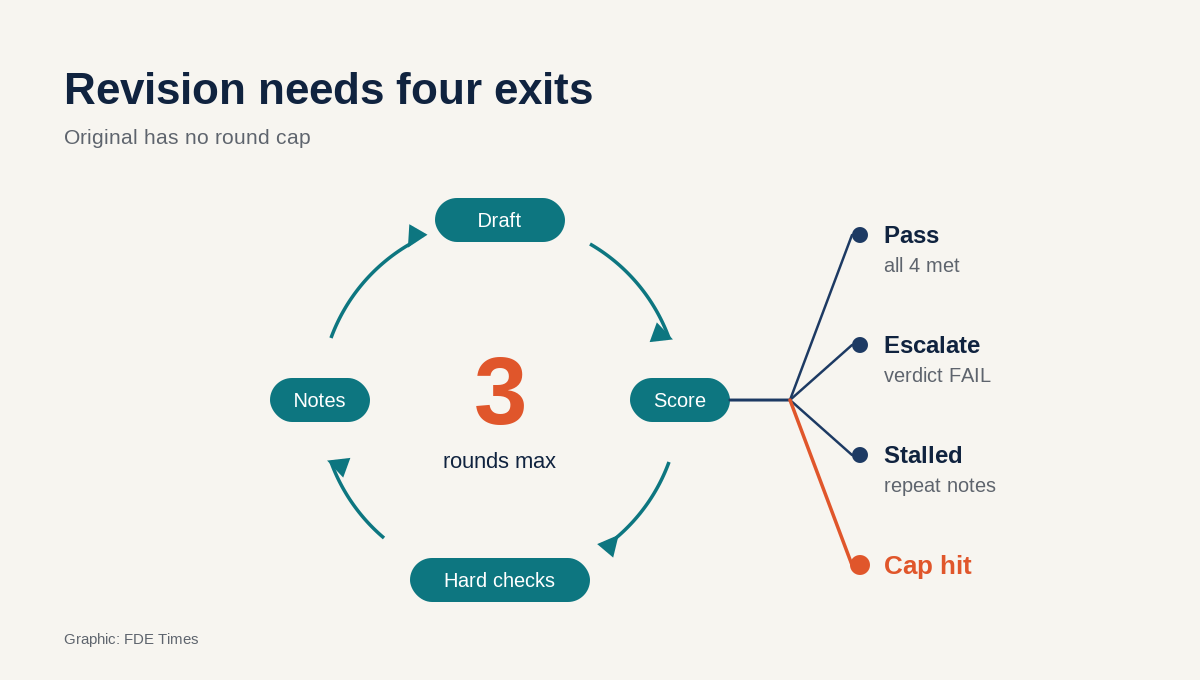
Anthropic's reference pattern stops on PASS but sets no cap on rounds, so any version that answers real customers needs exits of its own.
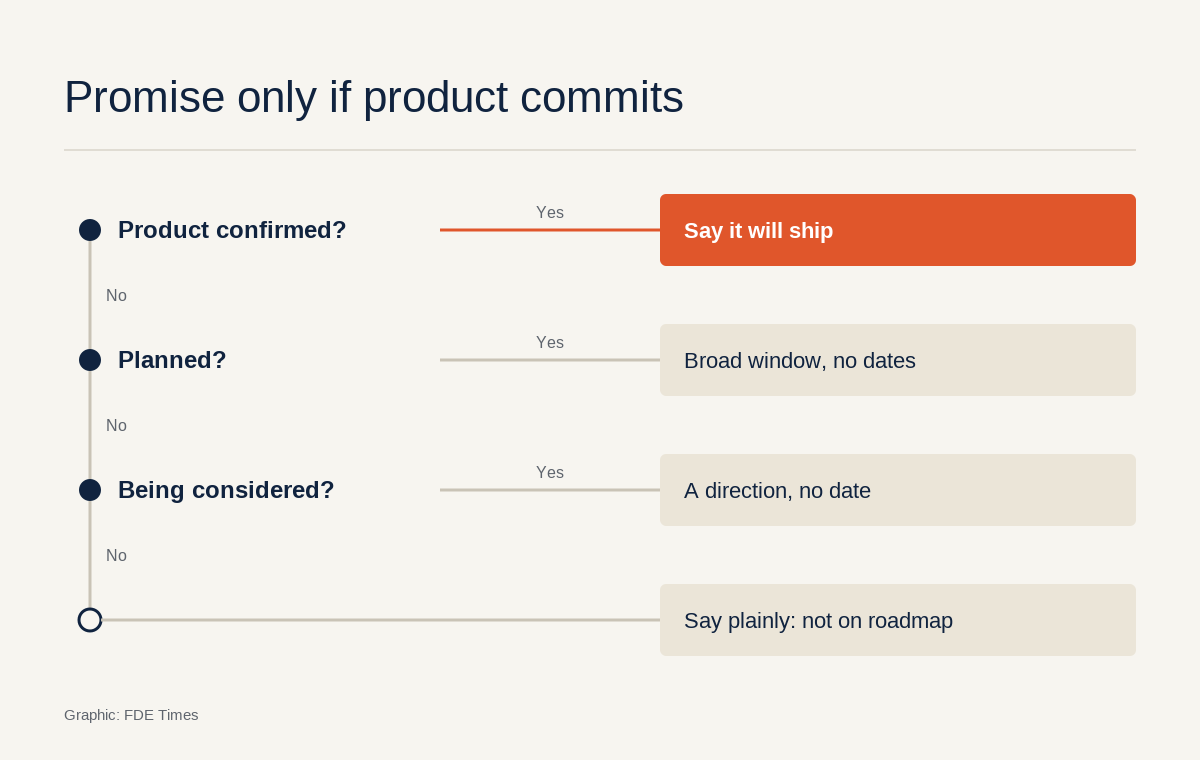
The safe answer depends on where the item really sits on the roadmap, and only the product team gets to commit to a date.
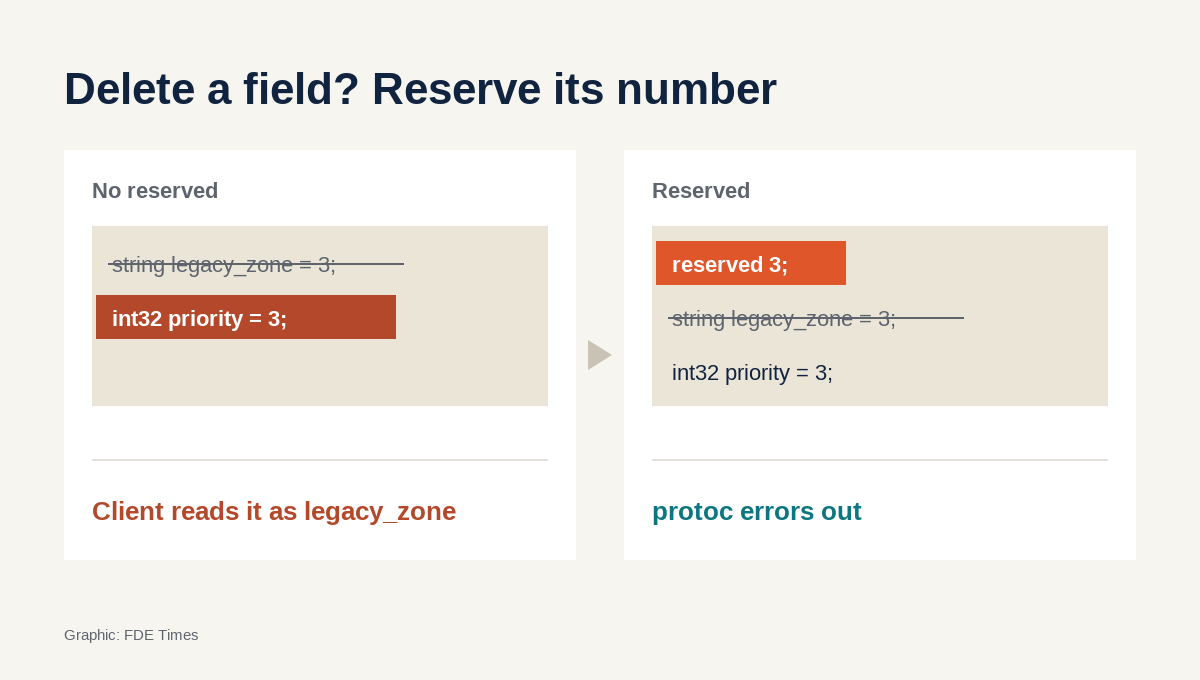
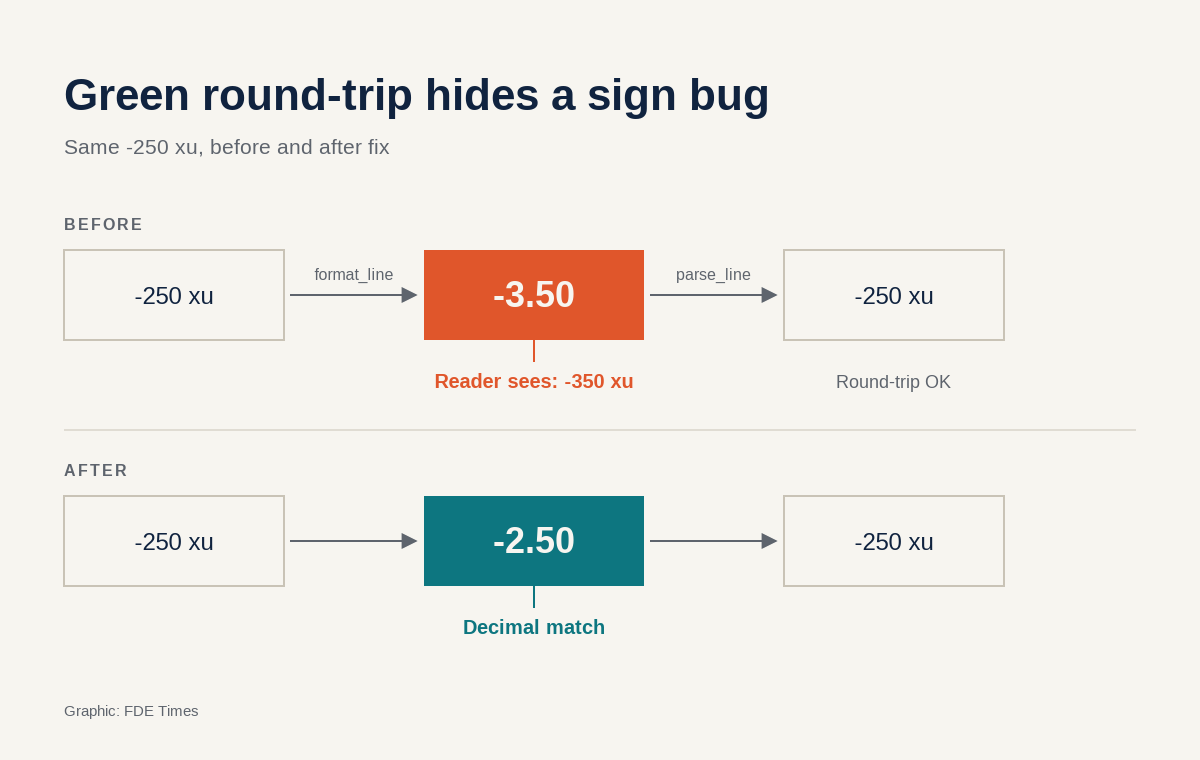
The wrong format rarely breaks on day one; it breaks when real data or a changed schema drifts from what both sides quietly assumed.
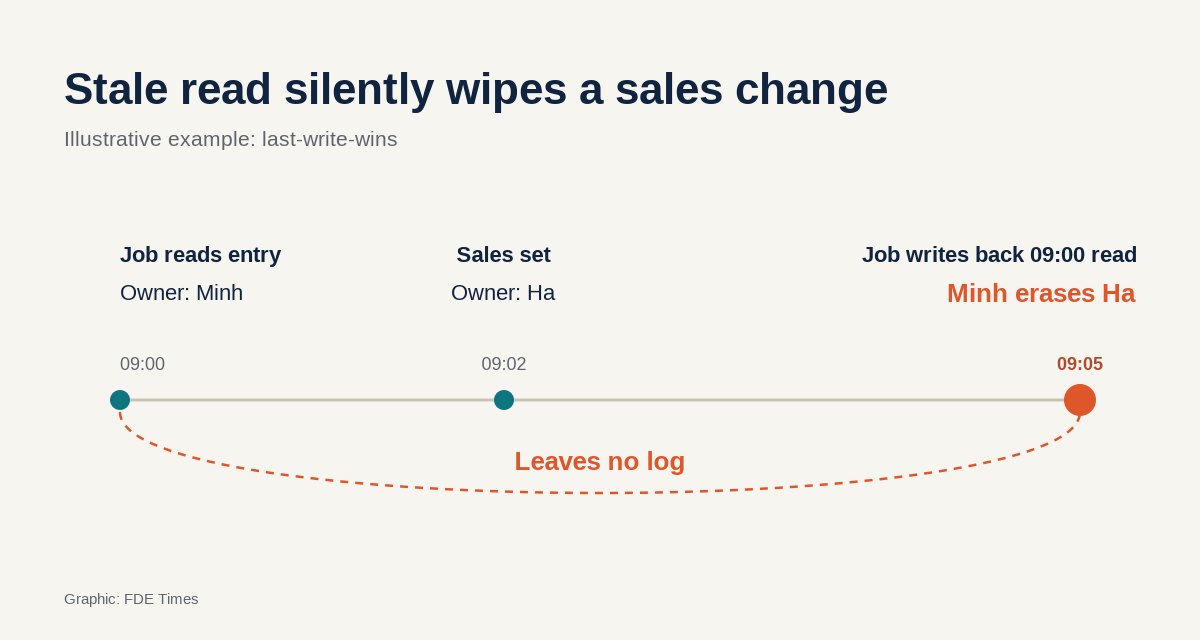
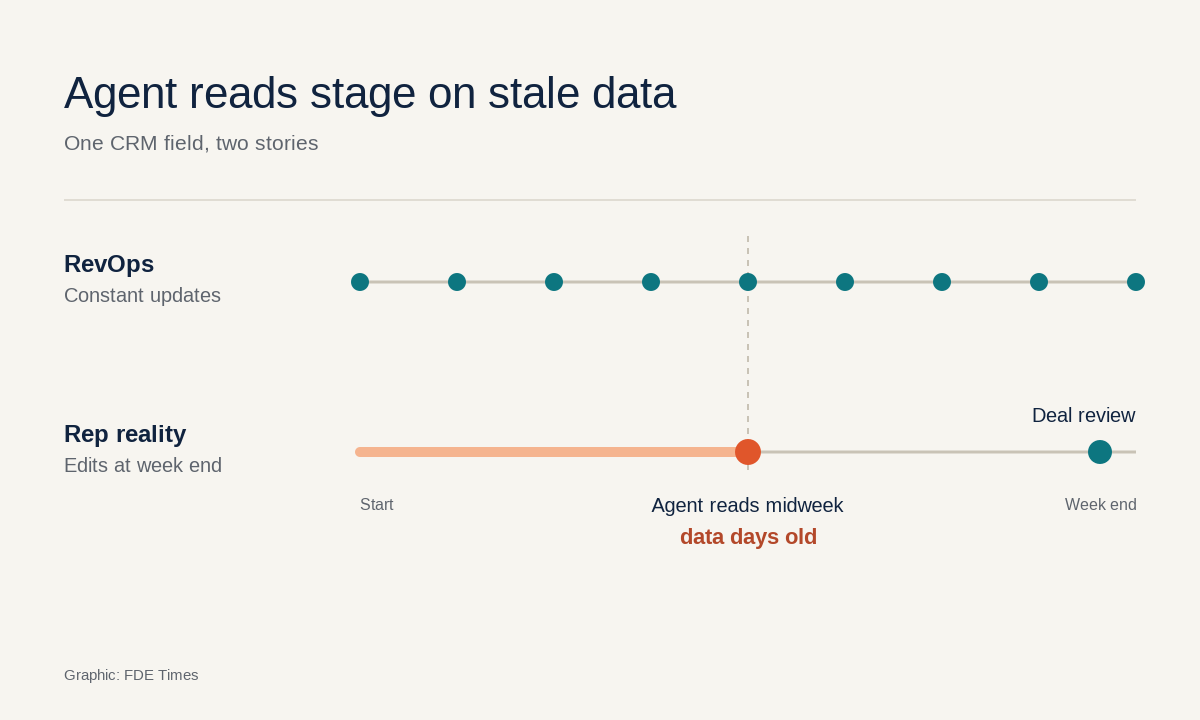
The usual culprit is a write based on a stale read, so give every field one owning system and let a human settle unclear cases.
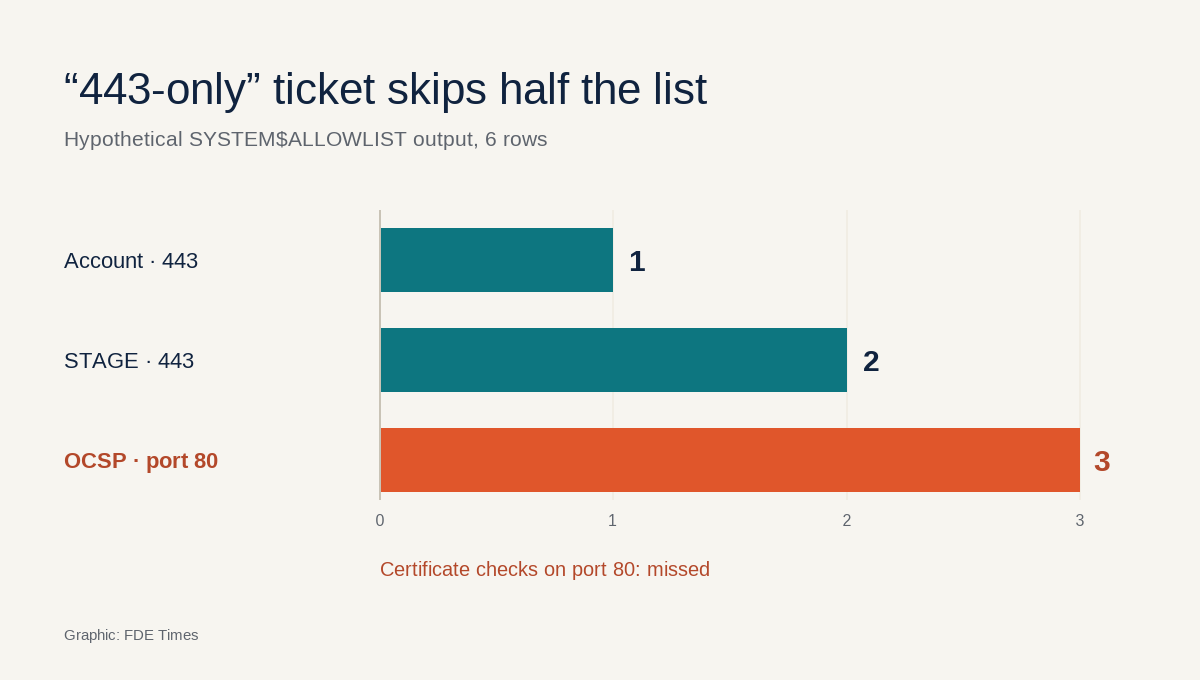
Take the host list from each vendor, request domains rather than IP addresses, and explain every line before the firewall ticket goes out.
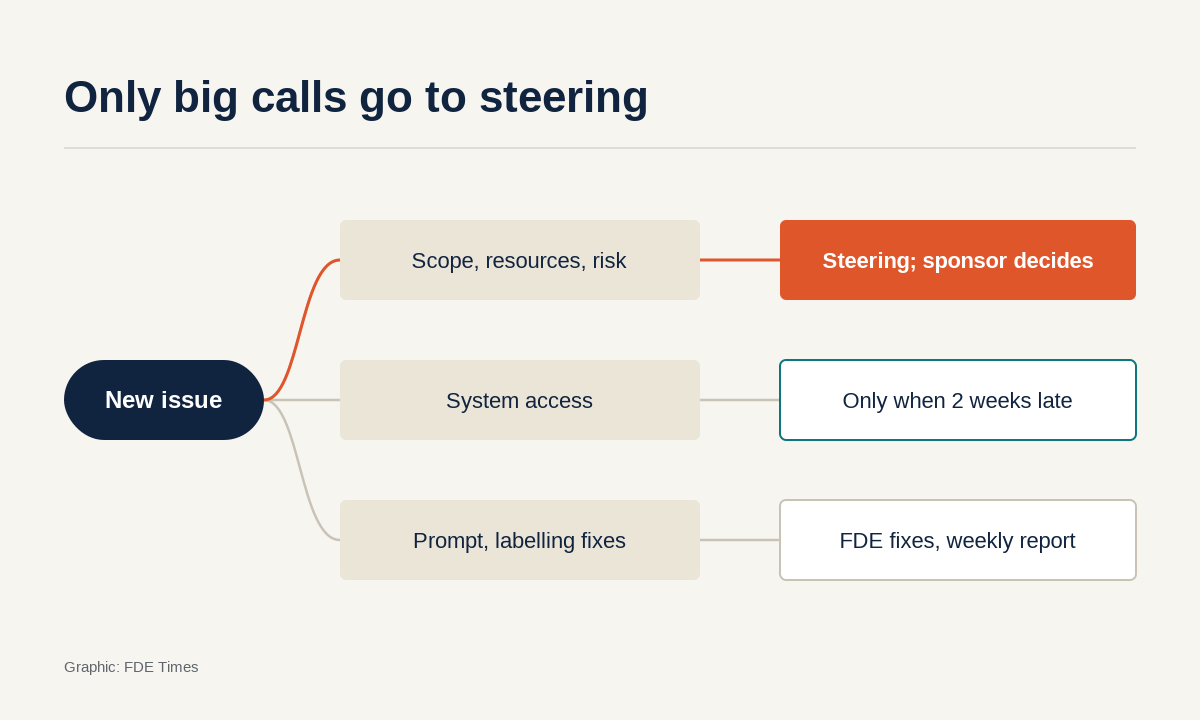
The blocker is rarely code but a steering meeting with no decisions on its agenda, and the engineer who built the agent should design it.
A blame-free interview turns the risk of leaked data into the first list of use cases for the deployment.
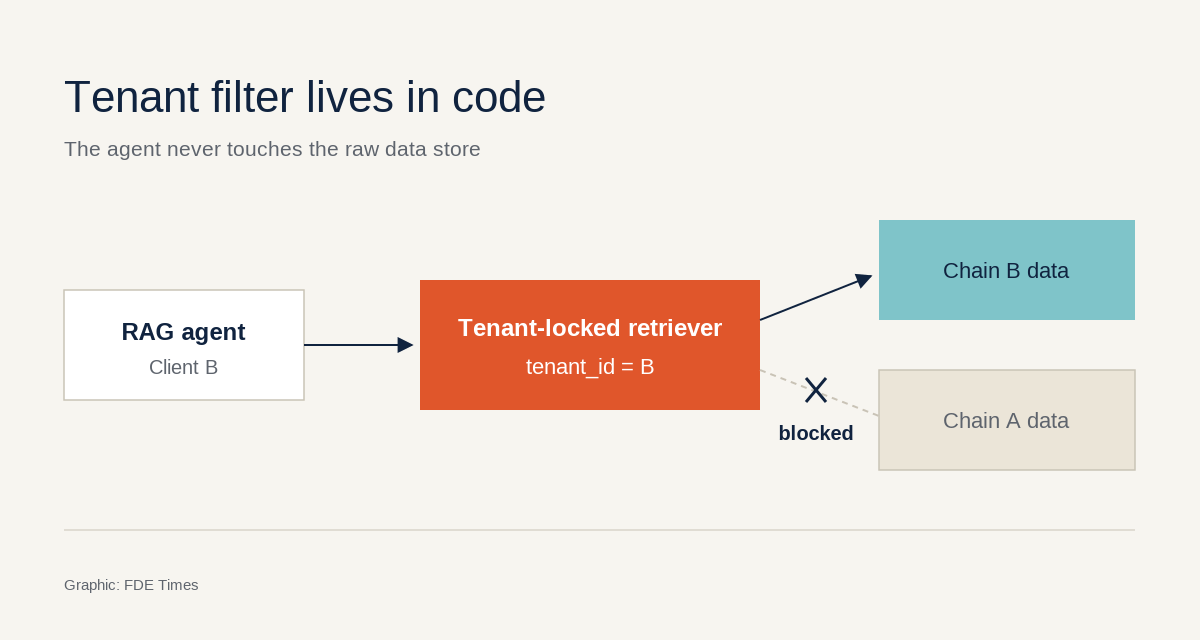
An FDE serving competitors needs the boundary written into code and contracts, because memory alone will eventually let something from one client reach the other.
Two of them can be designed out of the usage event from the start; the third needs reconciliation finished before the invoice is finalized.
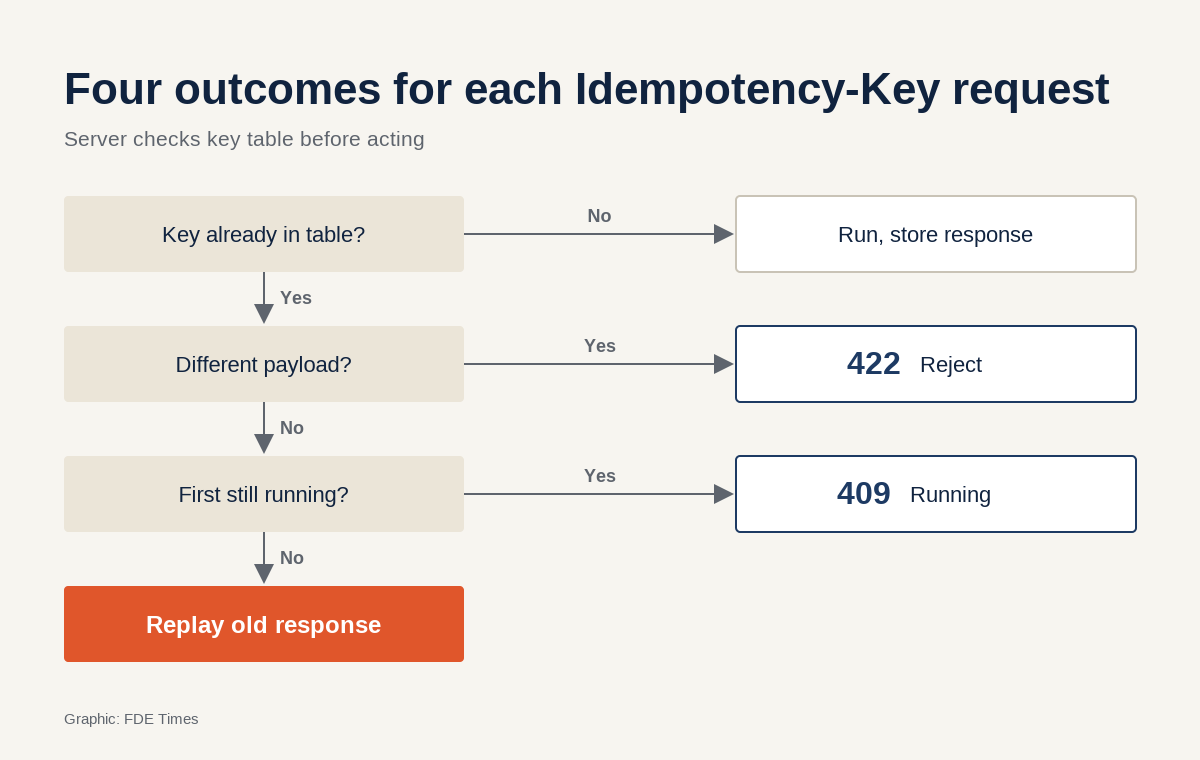
A Postgres table, a per-user unique constraint and clear 409 and 422 rules give every retry the original response.
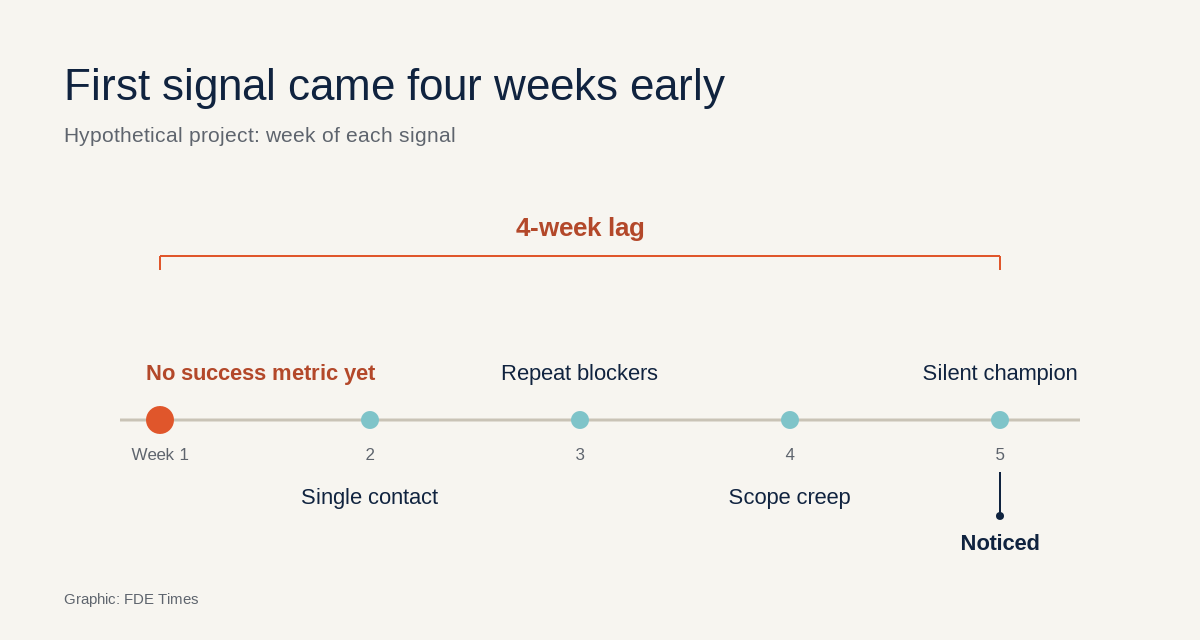
Five small signals warn of a failing deployment weeks in advance, and a short script lets an FDE raise them before the client does.
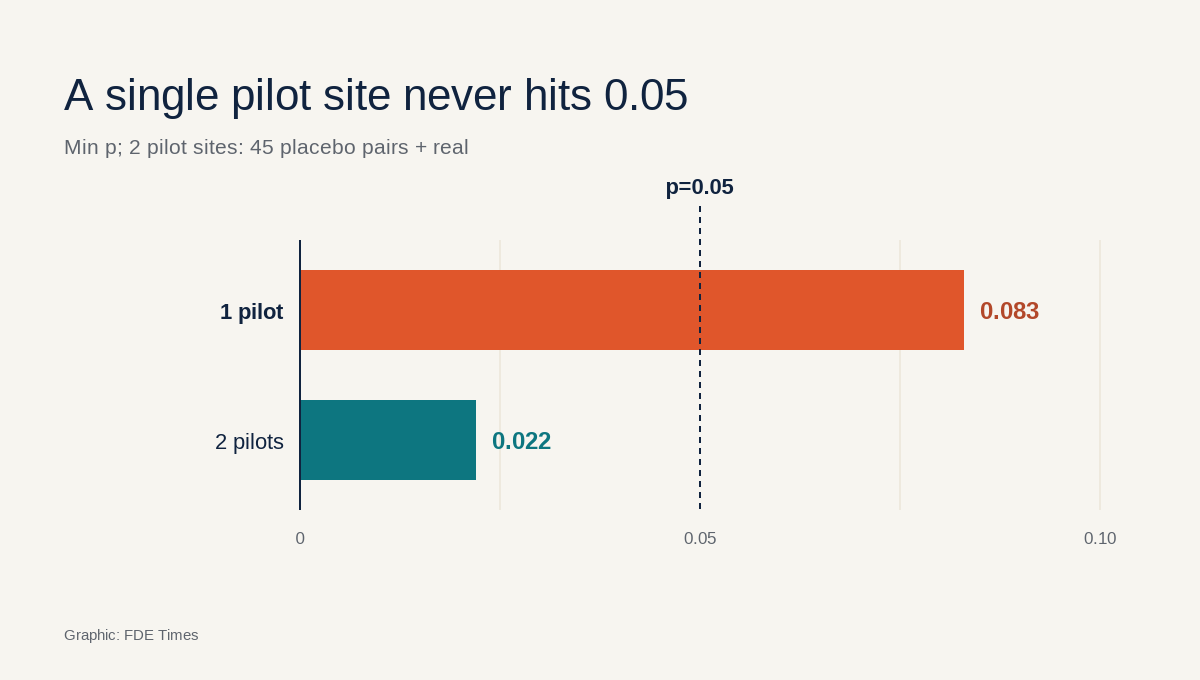
Swap cluster-robust standard errors for backdated and site-permutation placebo tests, then state plainly how little power a small pilot has.
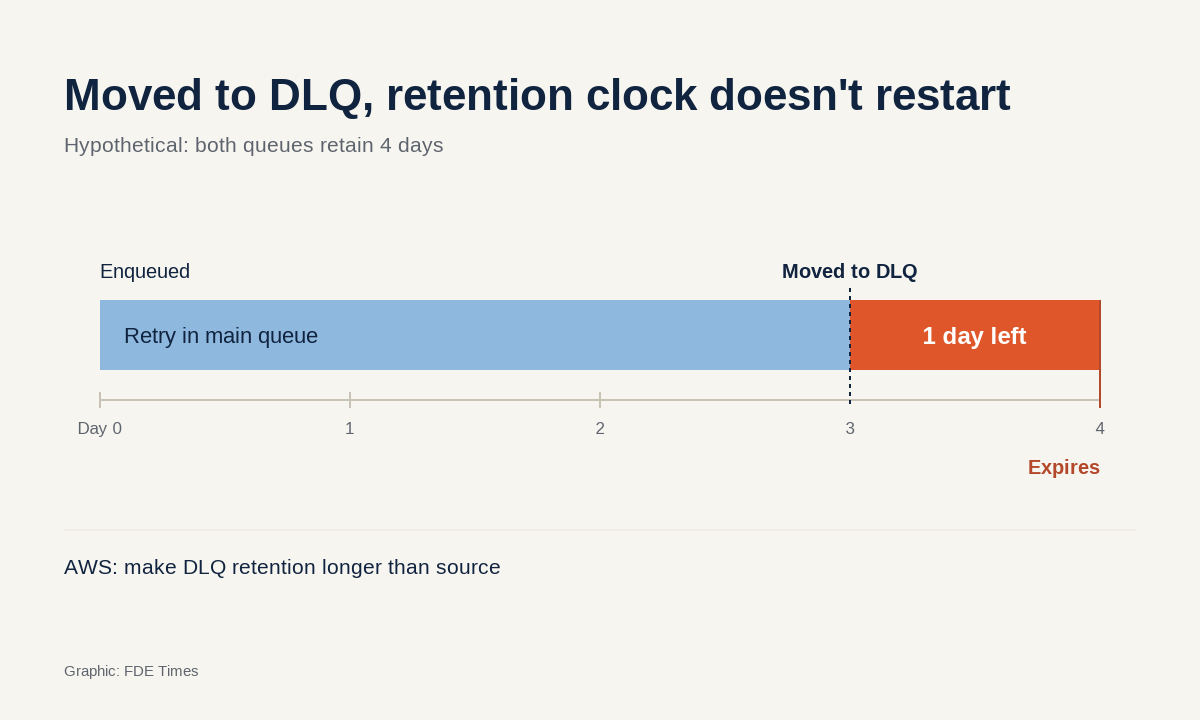
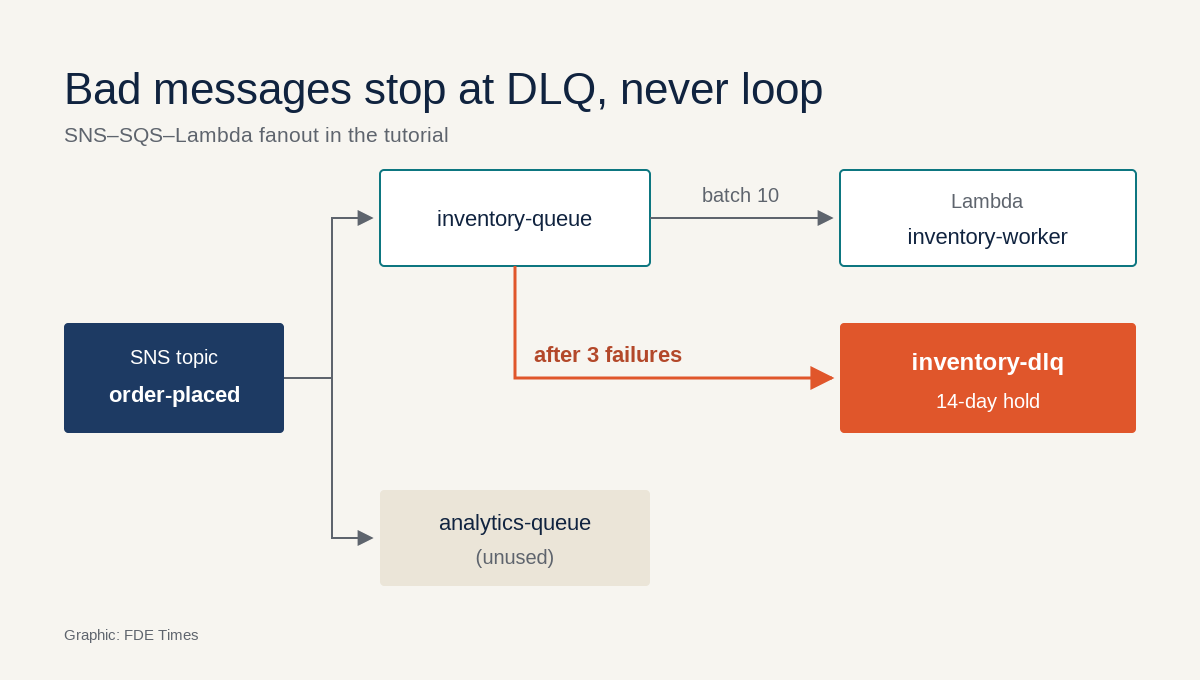
A dead letter queue can hold broken data safely, but only if retries, retention and an on-call owner are set up correctly.
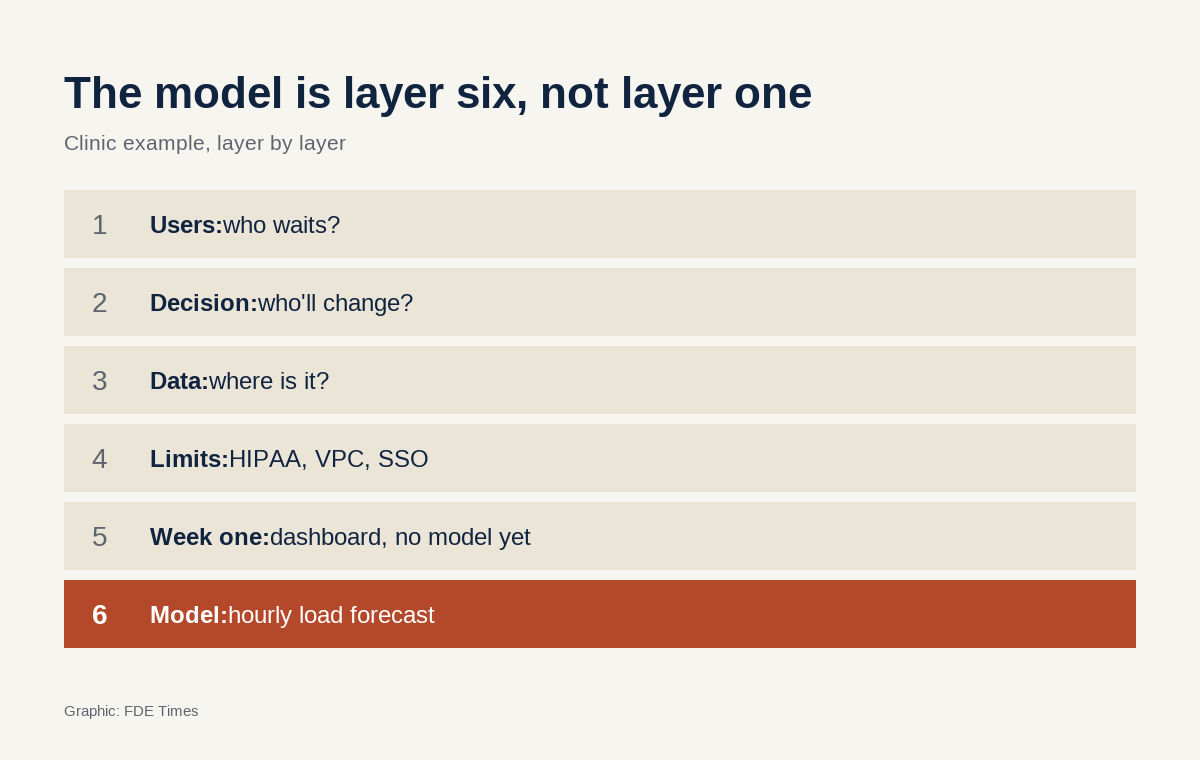
Four tests let a forward deployed engineer split a system into layers and give an honest verdict on each, even when it costs their own product the sale.
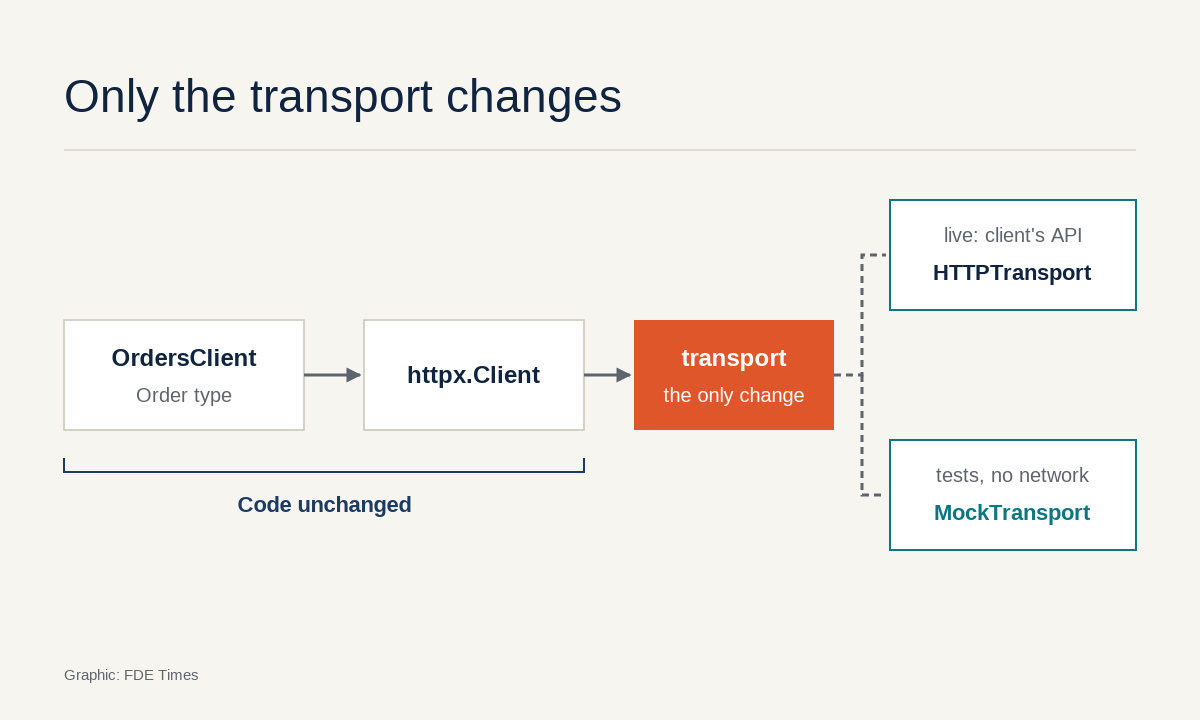
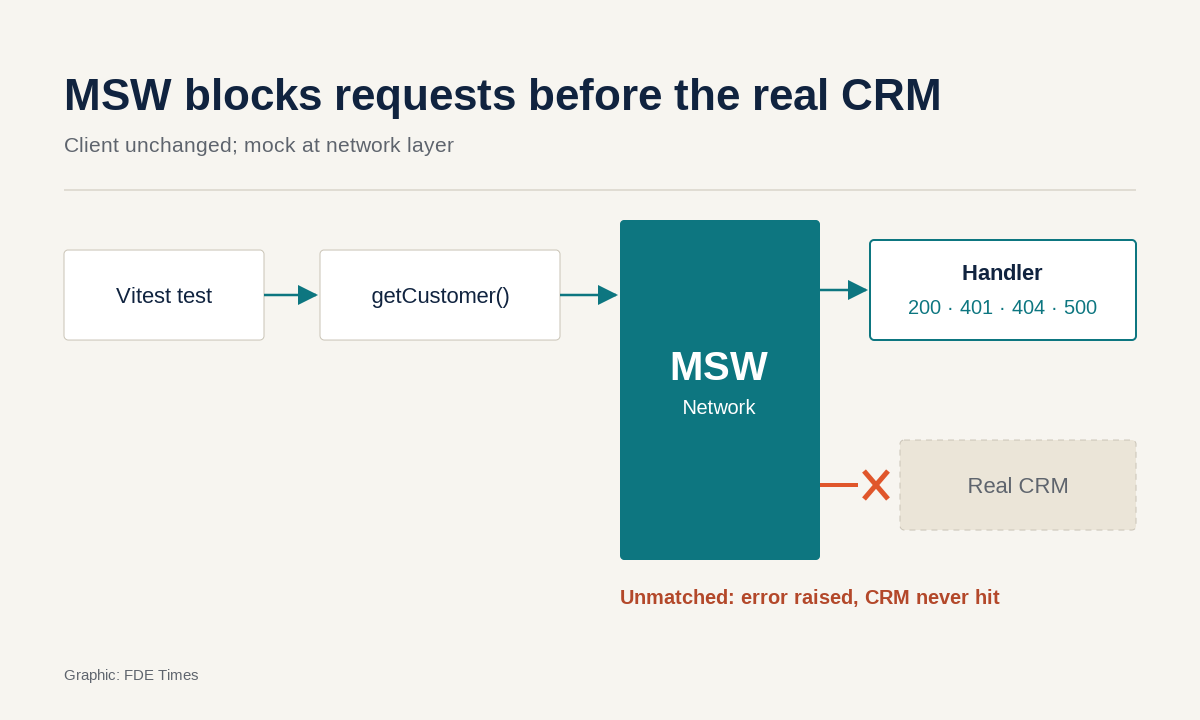
Swap only the transport, and the same client calls the real API and runs its tests offline, with no code changes.
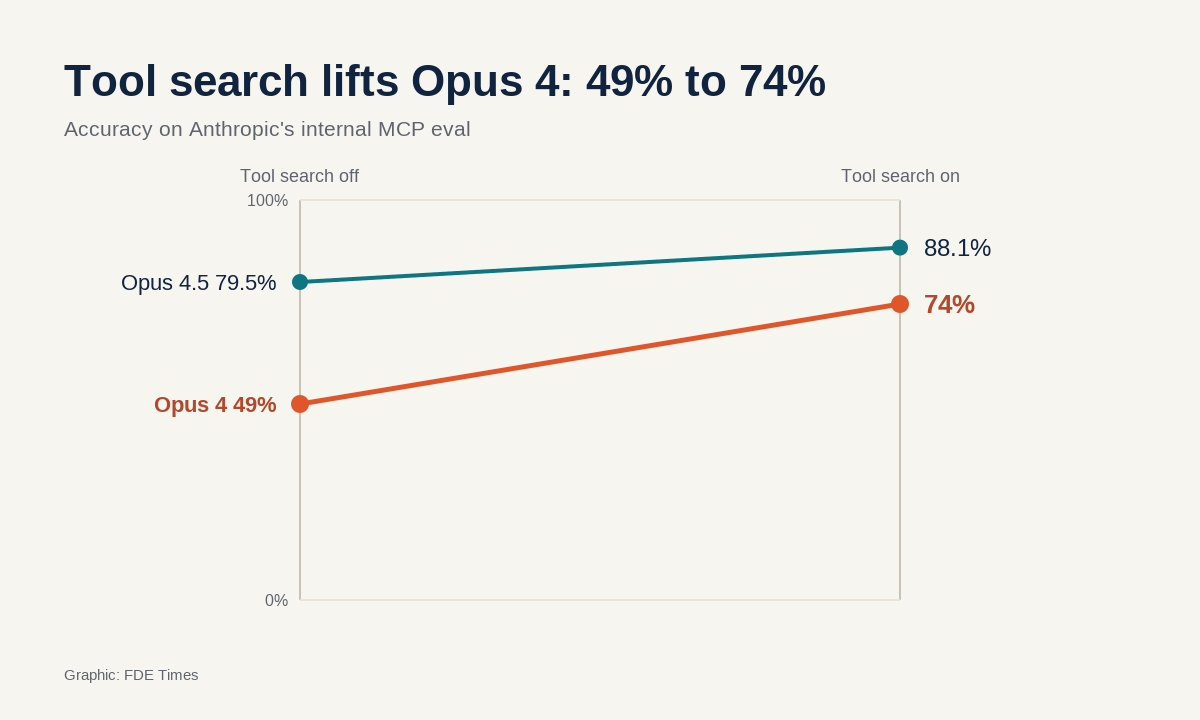
Keep a few core tools loaded, group the rest by prefix and let the agent search for them only when a task calls for them.
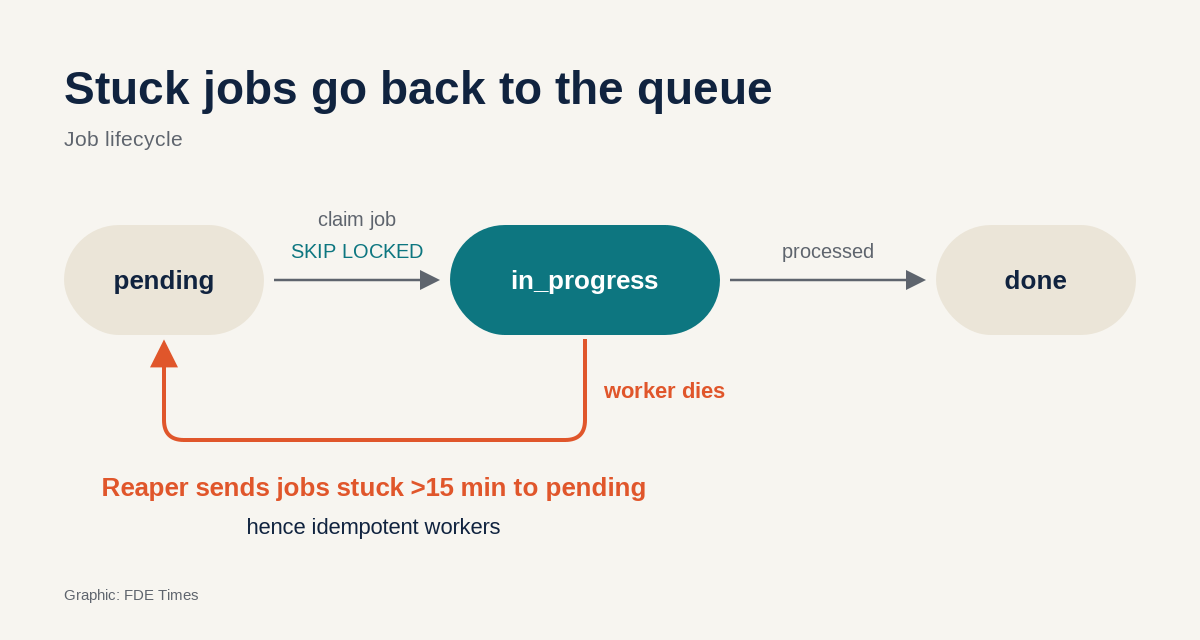
One SKIP LOCKED query is enough to share work across many workers; the harder part is dealing with stuck jobs and a bloating table.
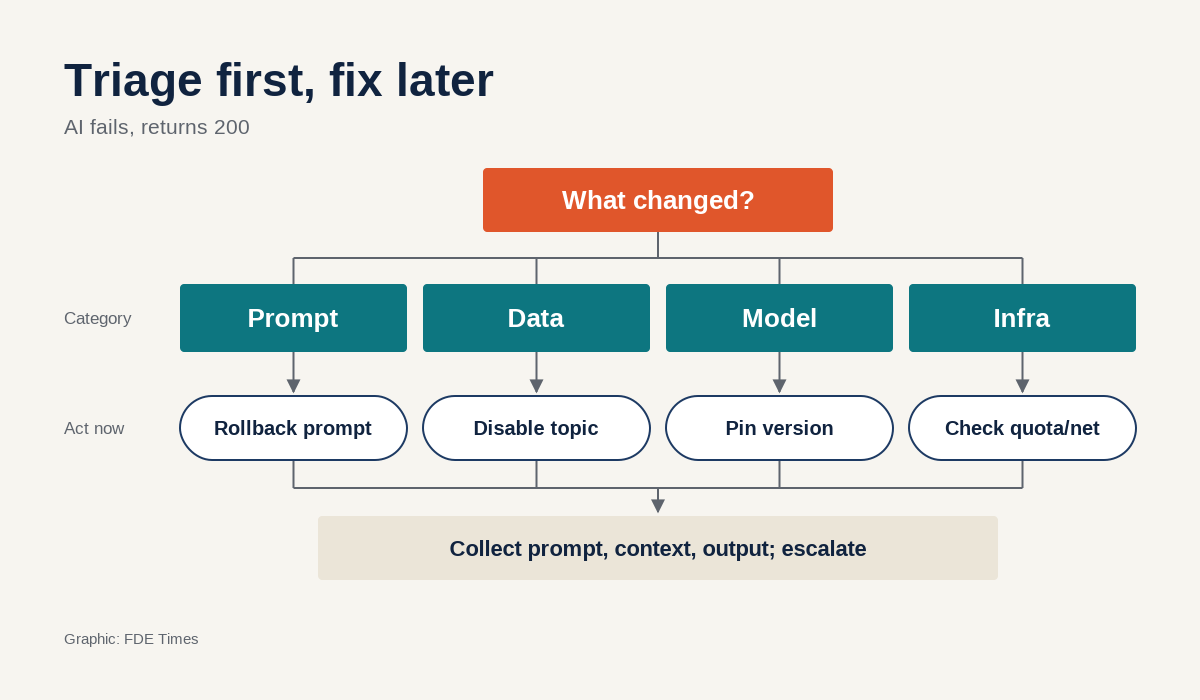
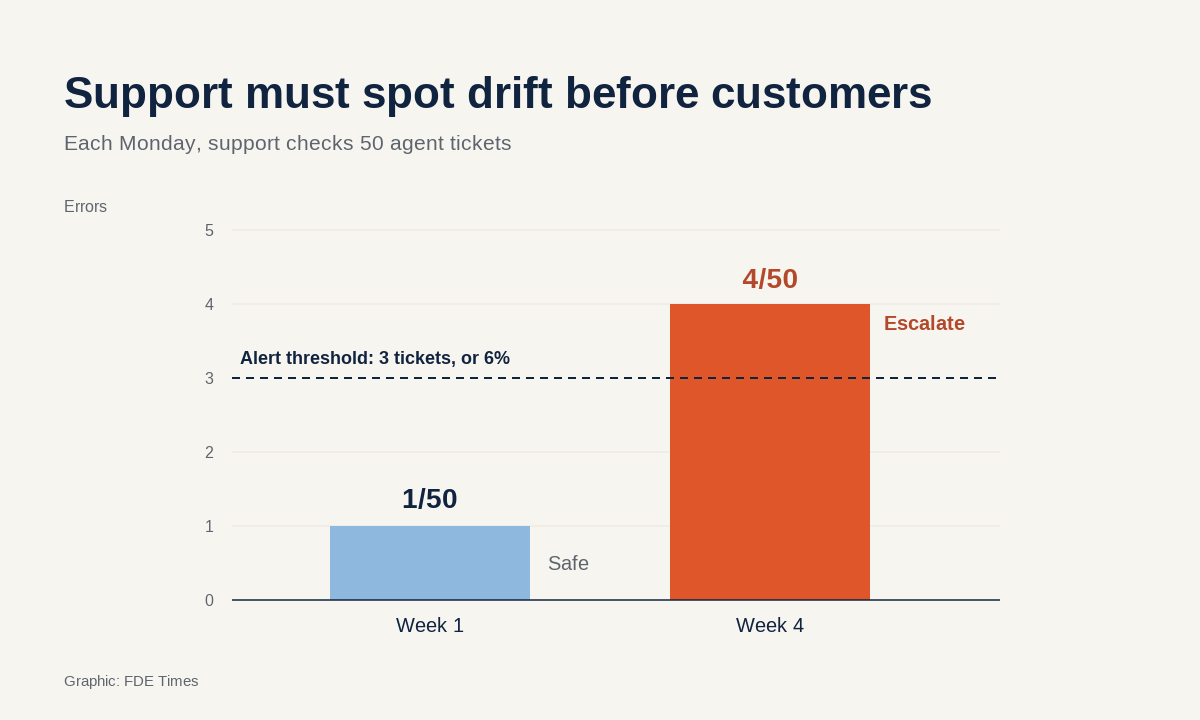
First-line support does not need to understand the model, only to ask what just changed, gather three pieces of evidence and feel free to escalate early.
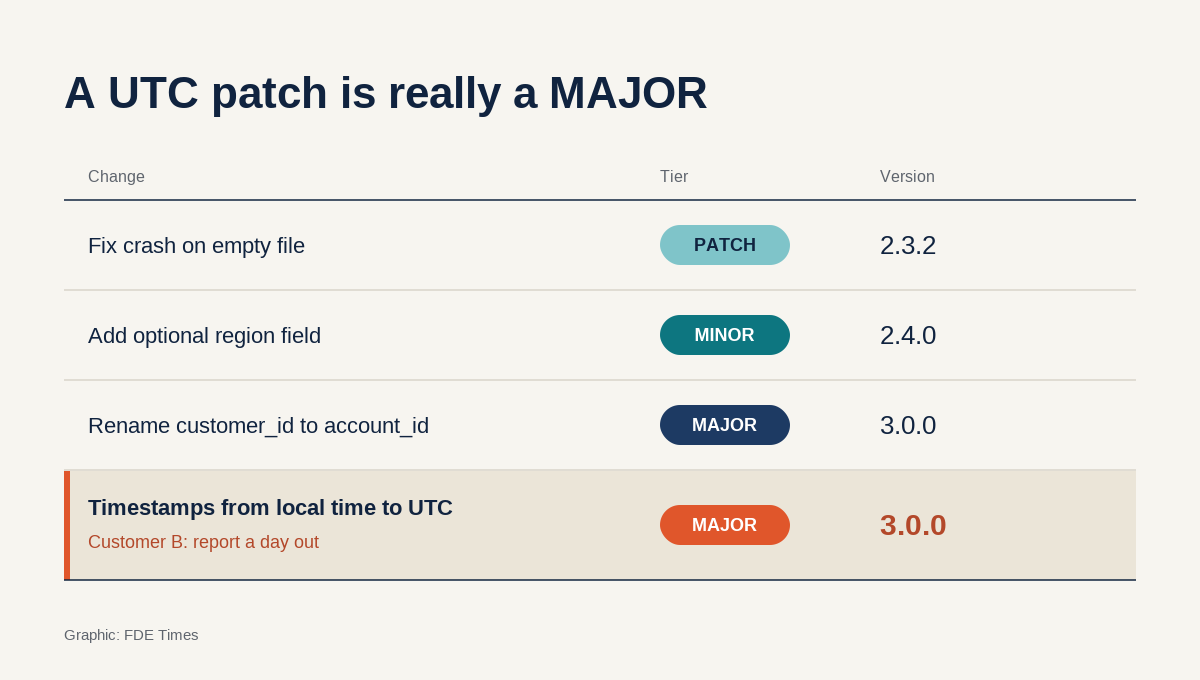
Semantic versioning, changelogs and maintenance windows tell each customer in advance when they will be upgraded and what will change.
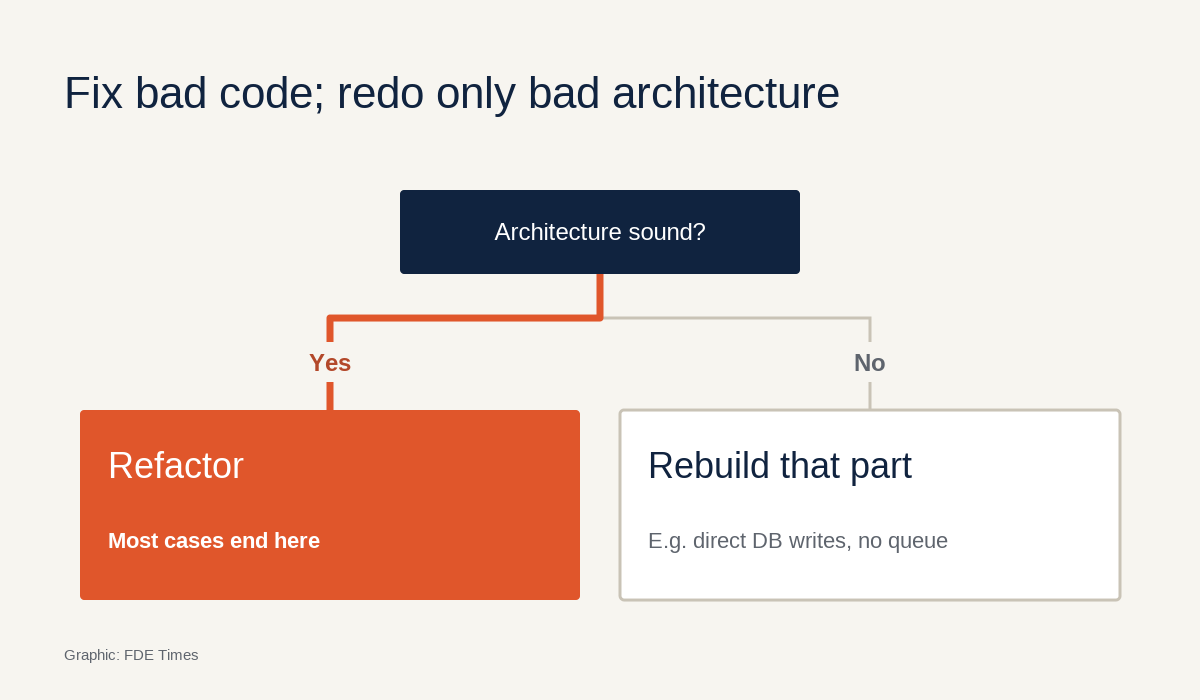
An ownership inventory, a production baseline and a written assessment, not instinct, should decide what genuinely needs to be rebuilt.
Handing a system to support should be an acceptance gate, with written criteria, a named owner, a fixed hypercare window and a formal sign-off date.
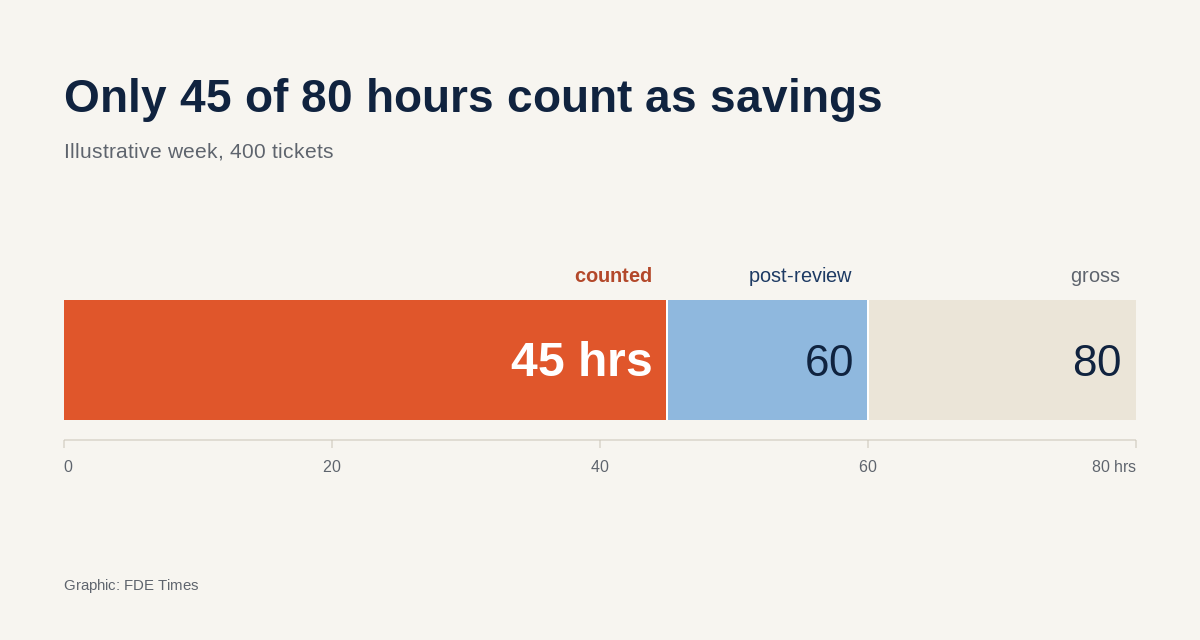
Traces tell you how many tasks an agent completed, but finance believes the hours saved only against a manual baseline measured before launch.
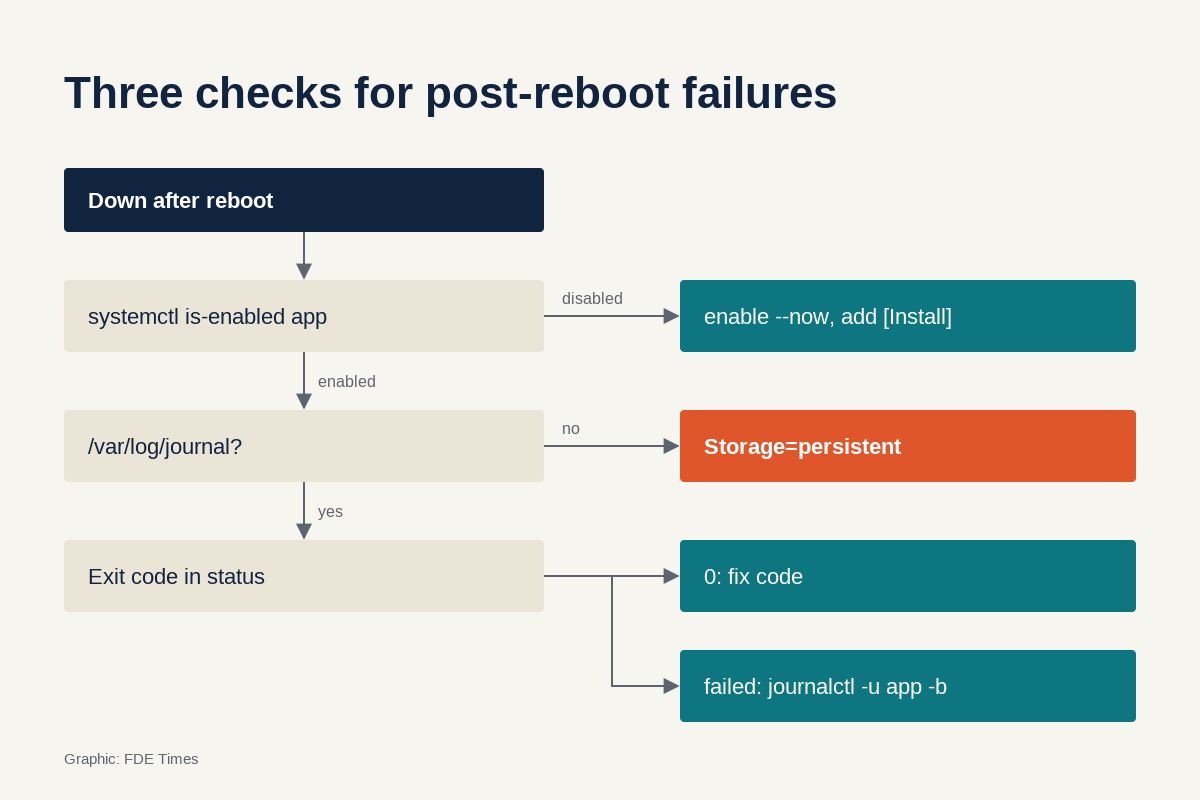
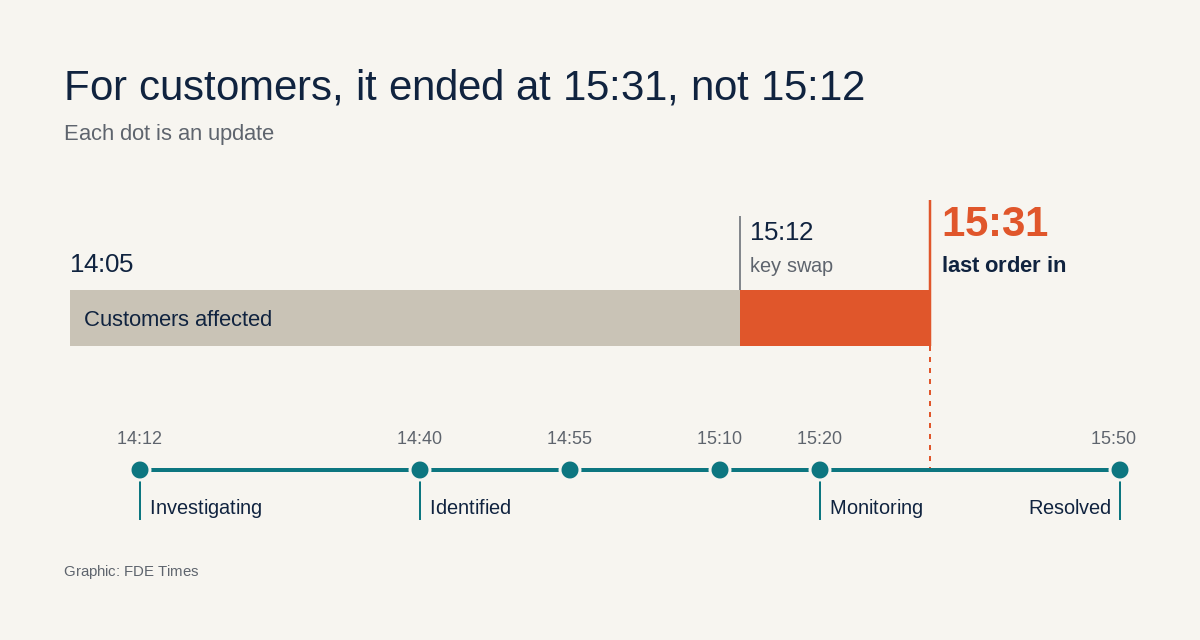
The cause usually sits in three lines of systemd configuration, and the evidence may vanish with the restart itself.
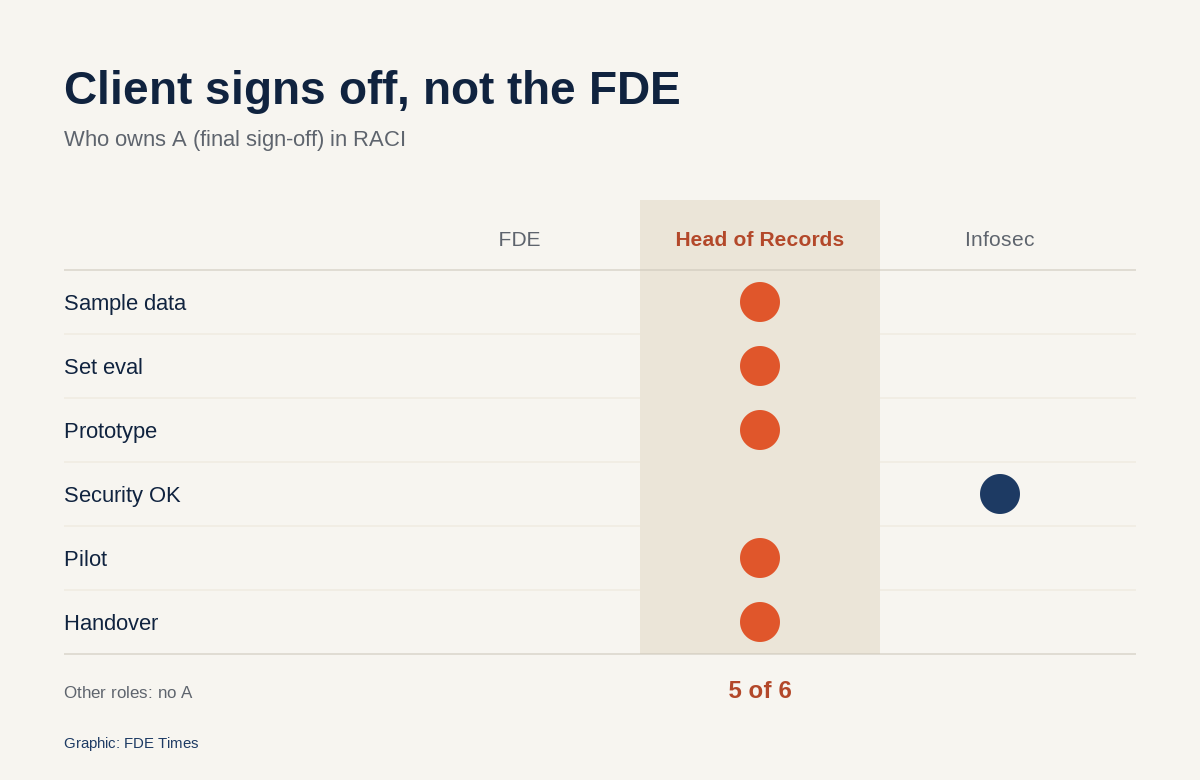
A RACI matrix and a power-interest map, drawn right after kick-off, show who signs the budget, who decides adoption and who might stall the work.
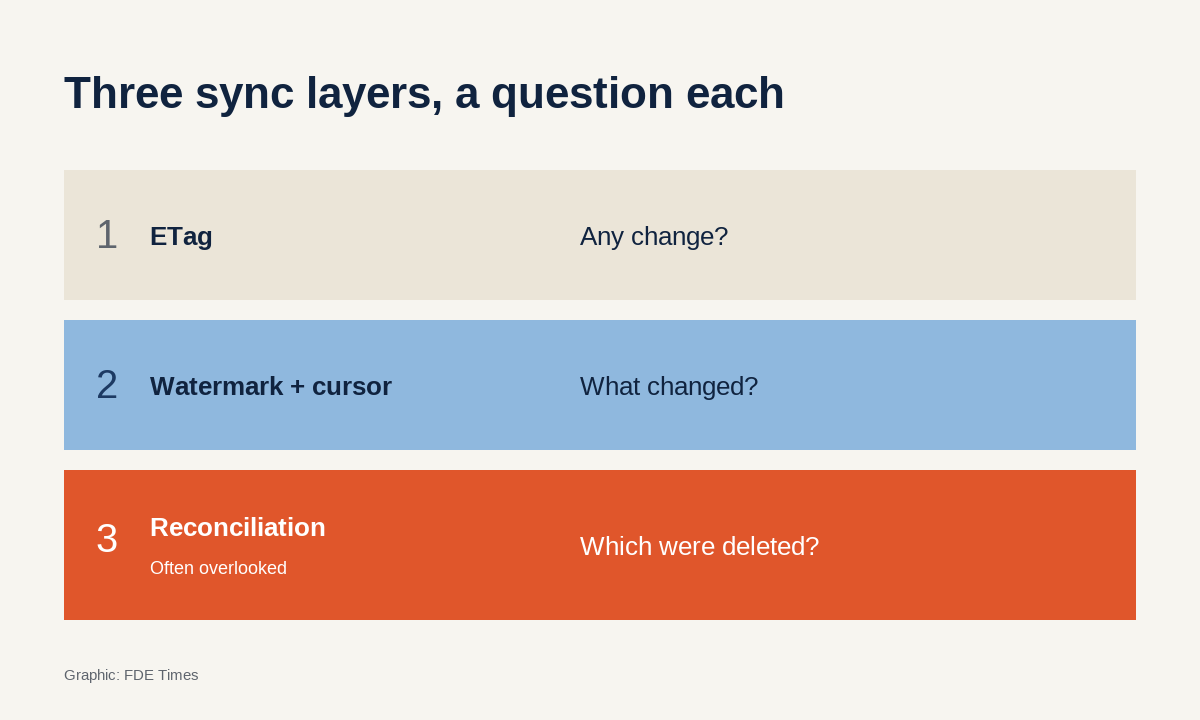
To handle duplicate records and catch deletions, pair ETags with a time watermark, a pagination cursor and a scheduled full reconciliation.
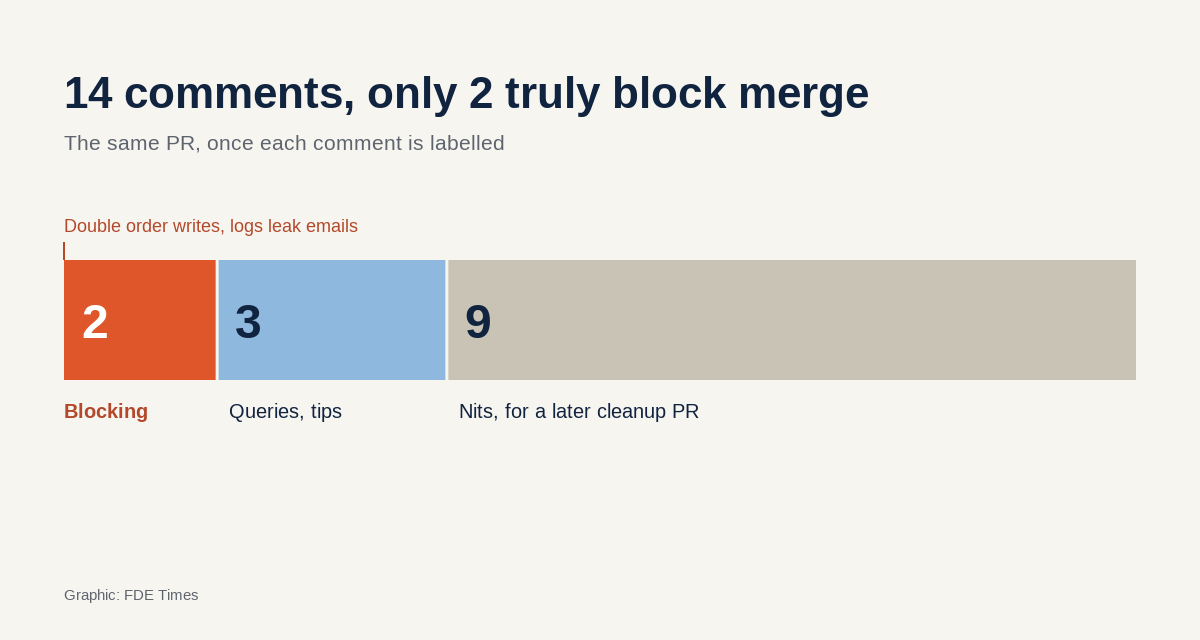
Label each comment blocking or not, give the reason and let the author choose the fix: the client stays protected and the newcomer learns faster.
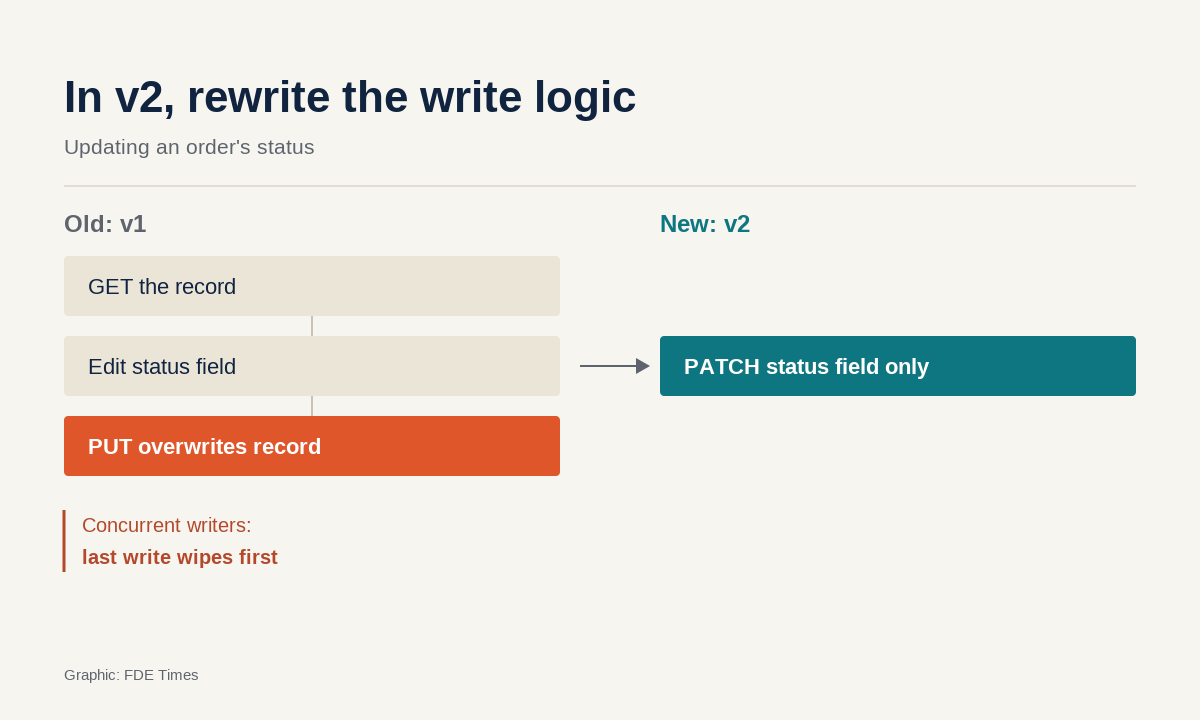
Migrating clients from v1 to v2 without stopping orders takes an adapter, parallel versions and a hard look at write logic, where bugs surface as bad data.
Paid Slack keeps data for the life of the workspace by default, so a copy tracker helps FDEs promise to delete only what they actually control.
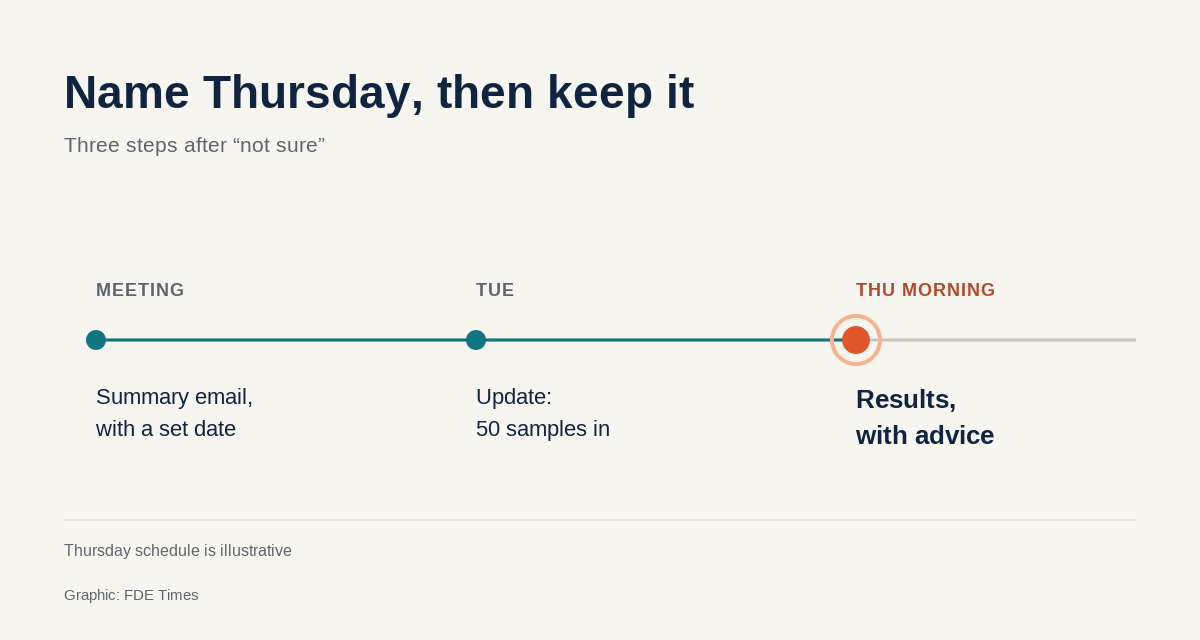
Clients can tell at once when you are guessing, and what they remember is whether you came back when you said you would.
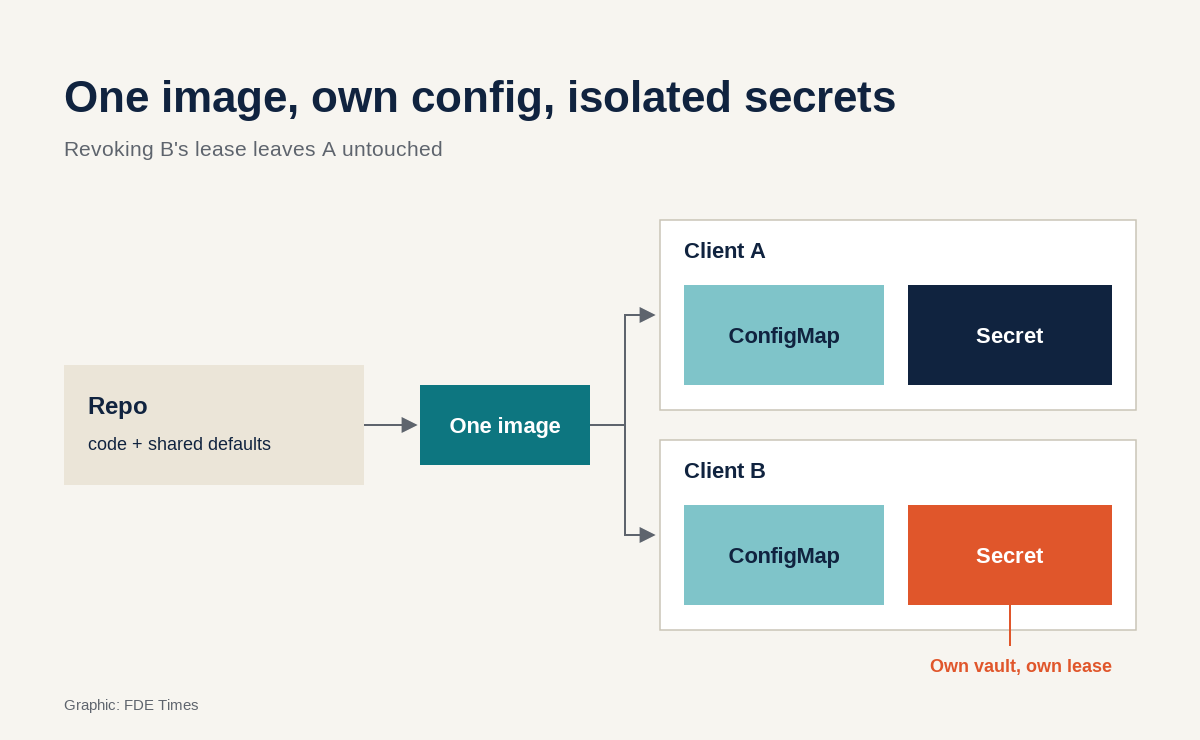
When one codebase serves many customers, configuration and secrets need separate homes, and a secret has to be revocable on the day a contract ends or leaks.
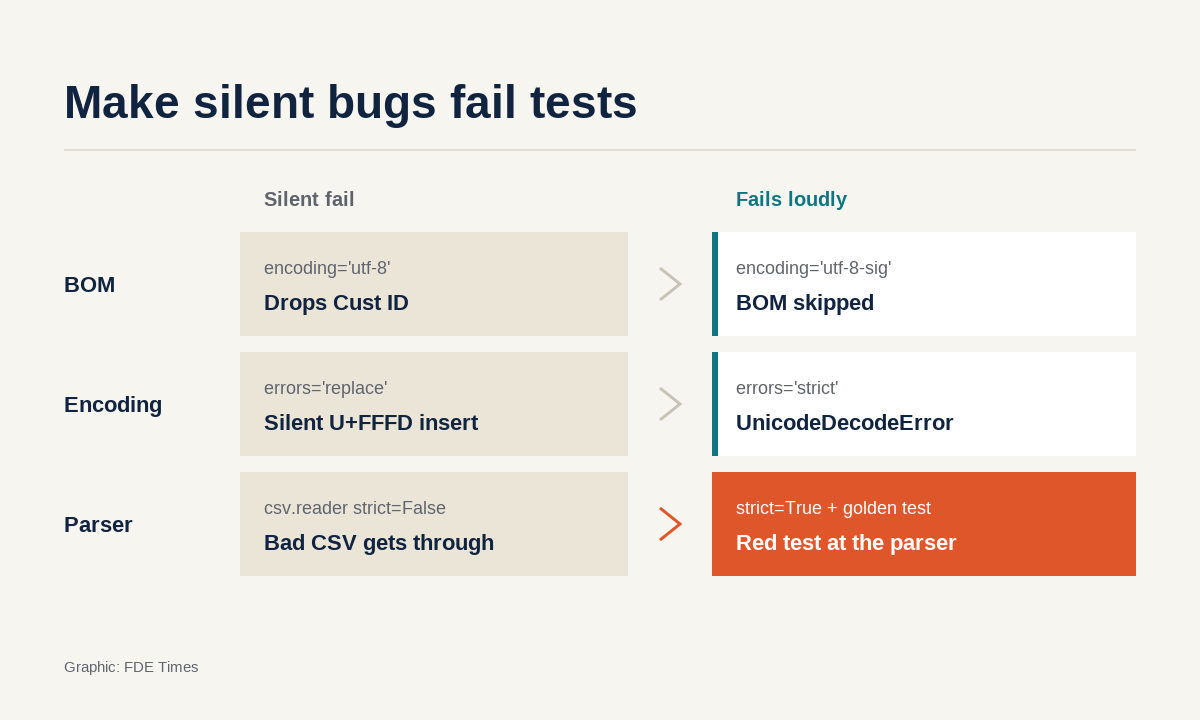
Excel adds a byte-order mark so Vietnamese text displays correctly; a small Python parser and a golden test turn that bug, and two other silent ones, into failing tests.
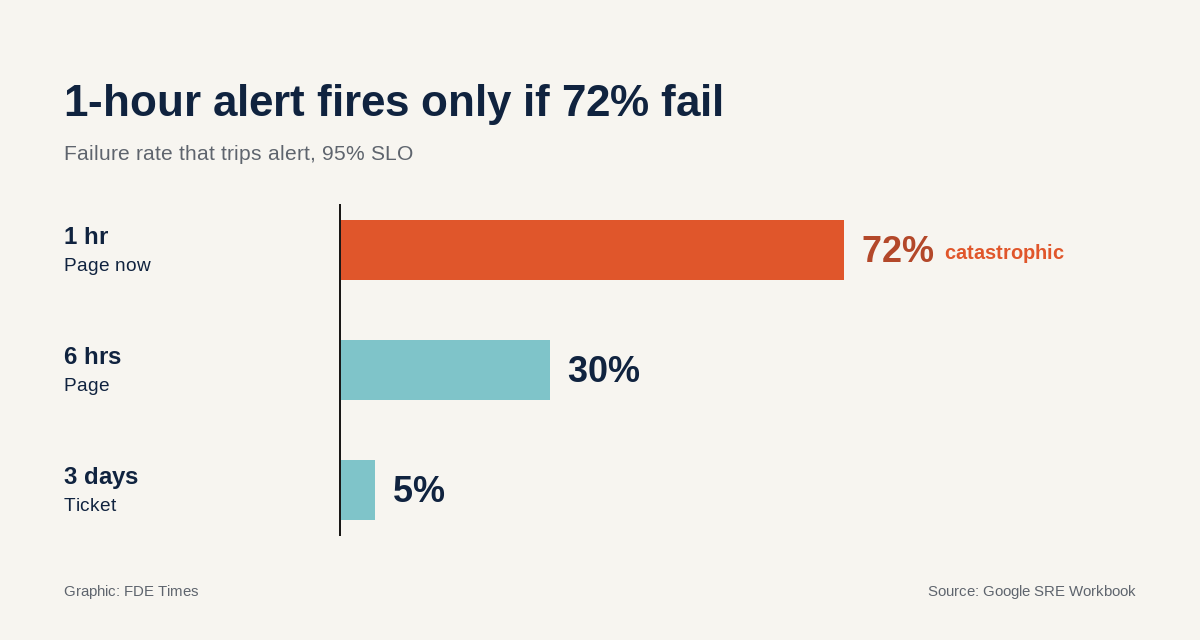
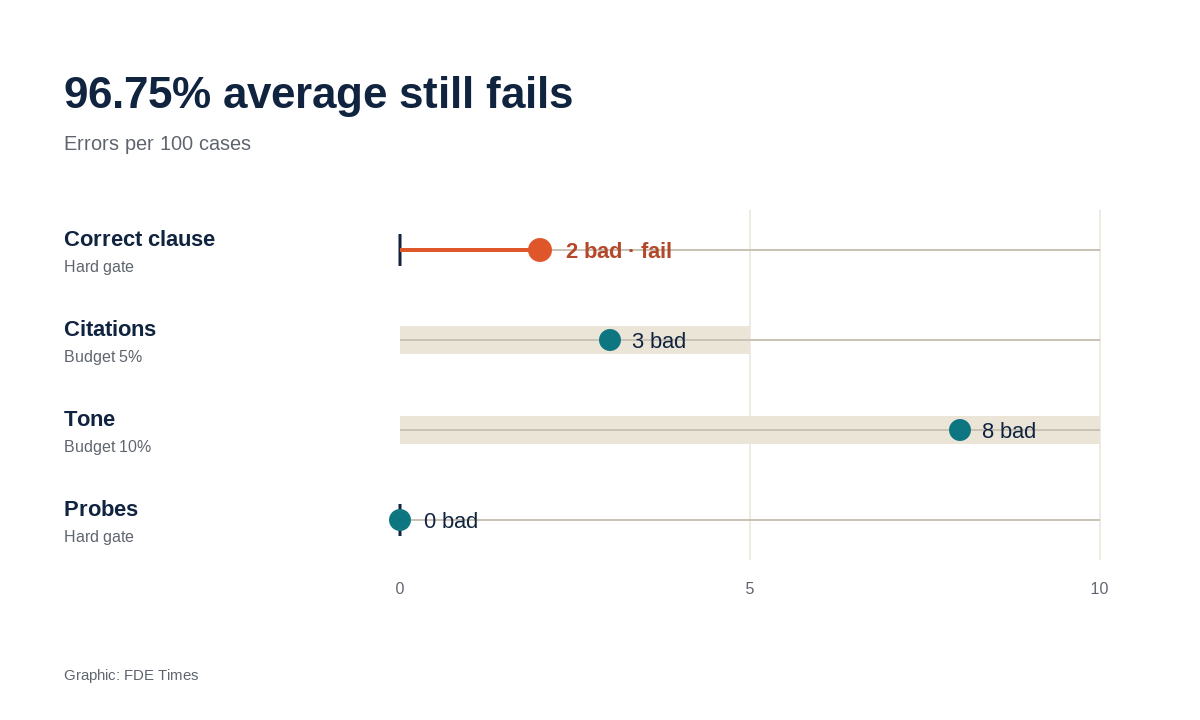
The same error-budget arithmetic SRE teams use for availability works for quality, once a good event means a correct answer rather than a successful request.
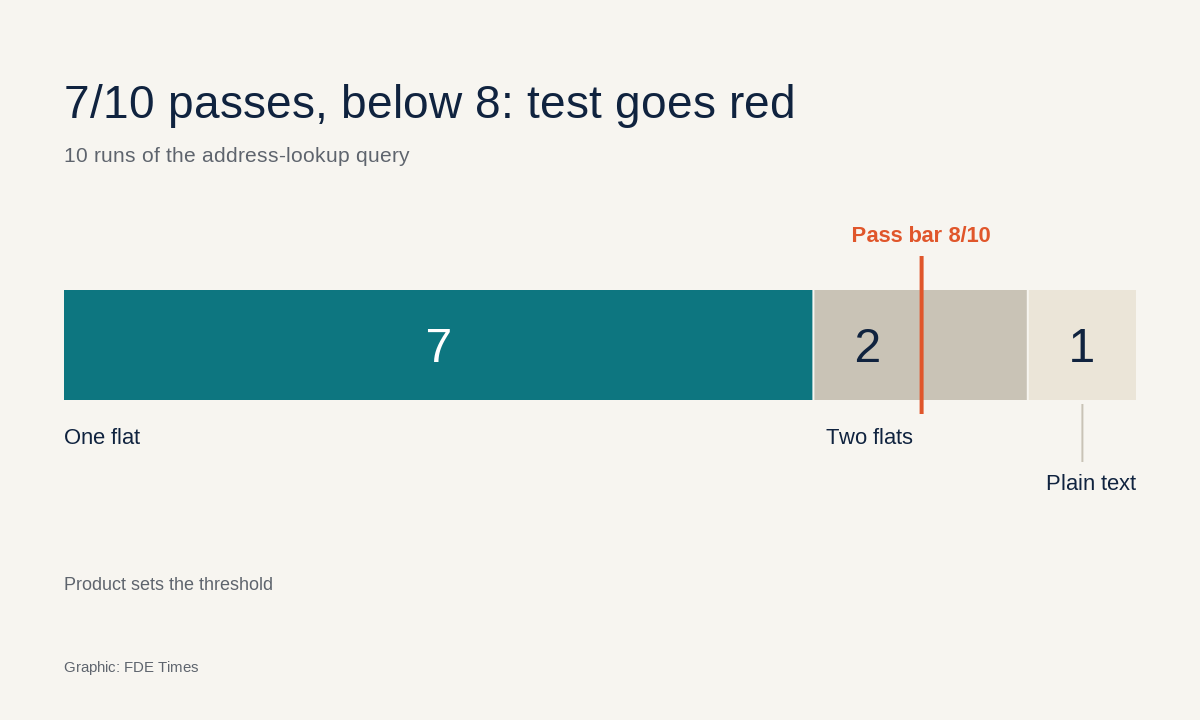
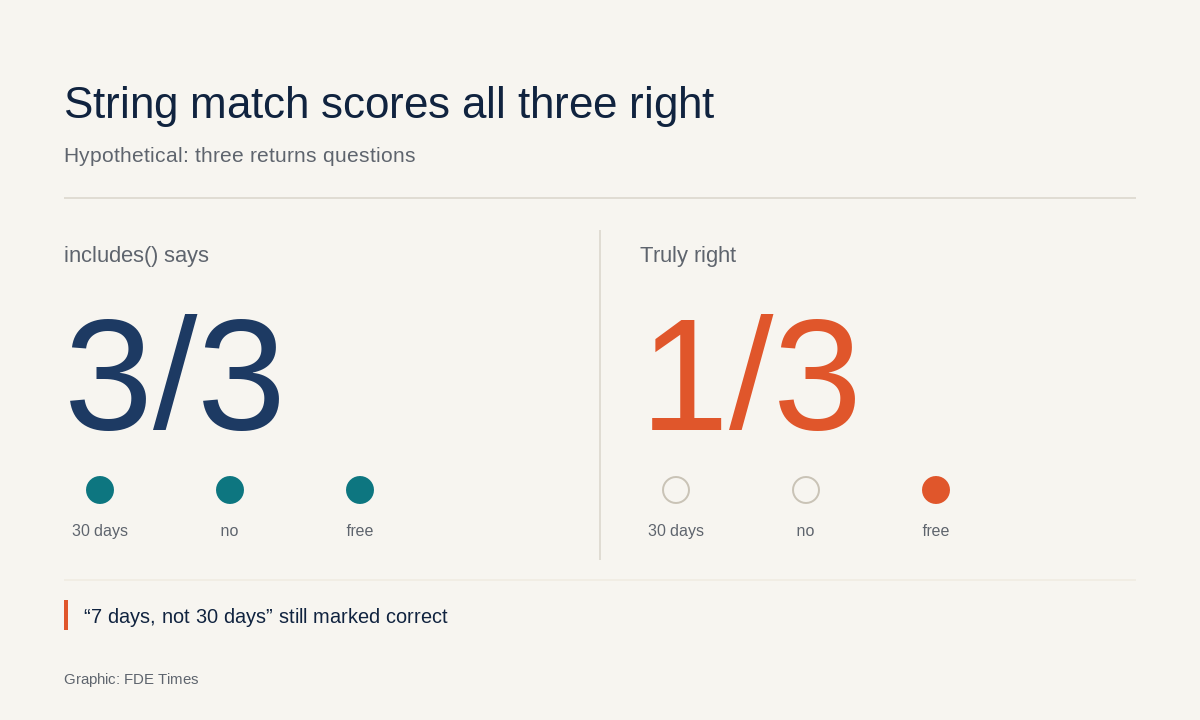
String matching breaks on valid variations; asserting properties such as JSON structure and result count, in the pytest you already use, fixes it.
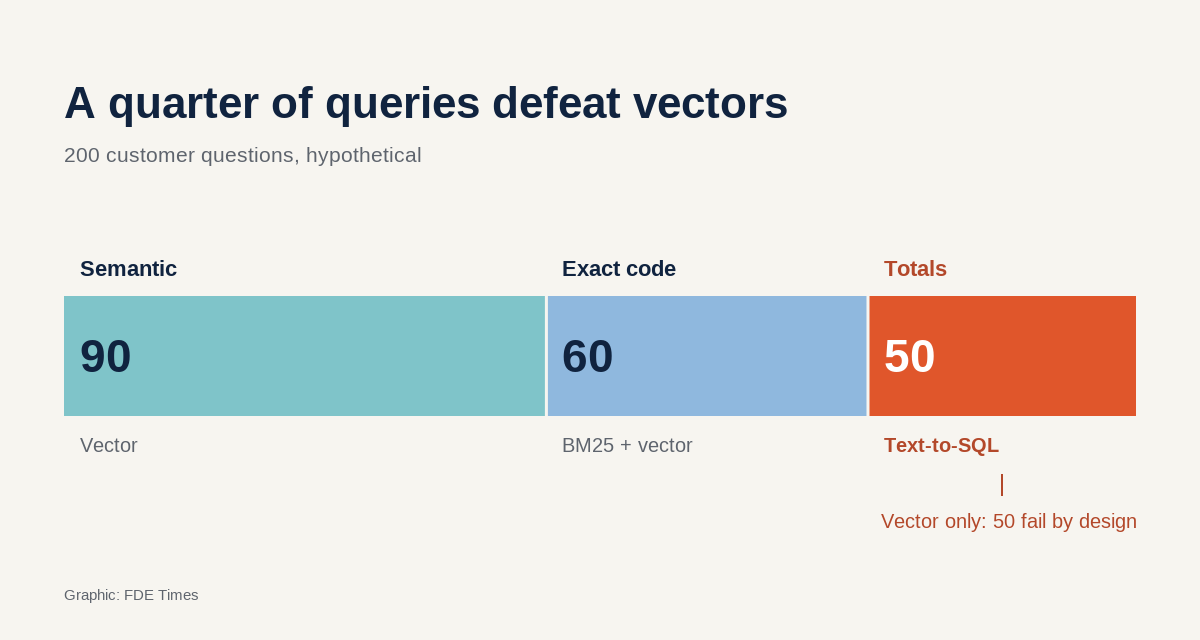
Error codes need keyword search and aggregate figures need SQL, so sort the customer's questions before you choose a vector database.
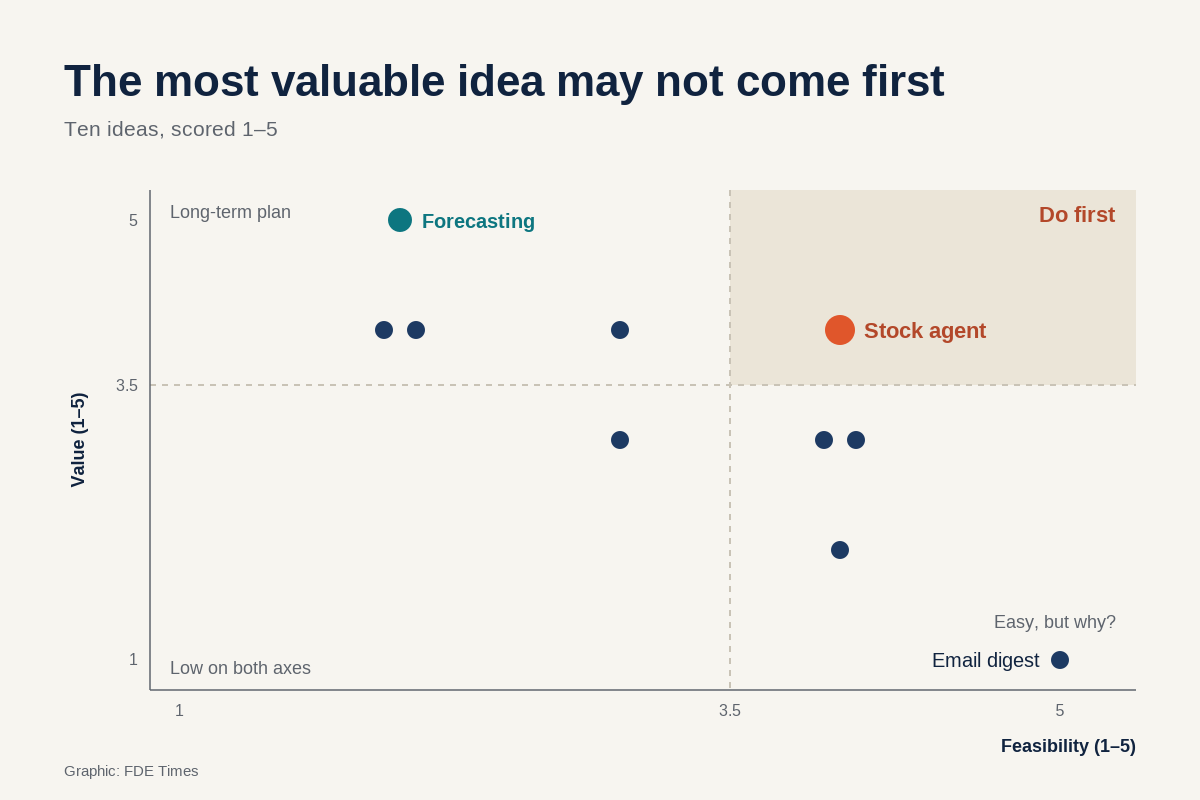
Score ten ideas on value and feasibility, then agree one success measure in writing with whoever controls the budget.
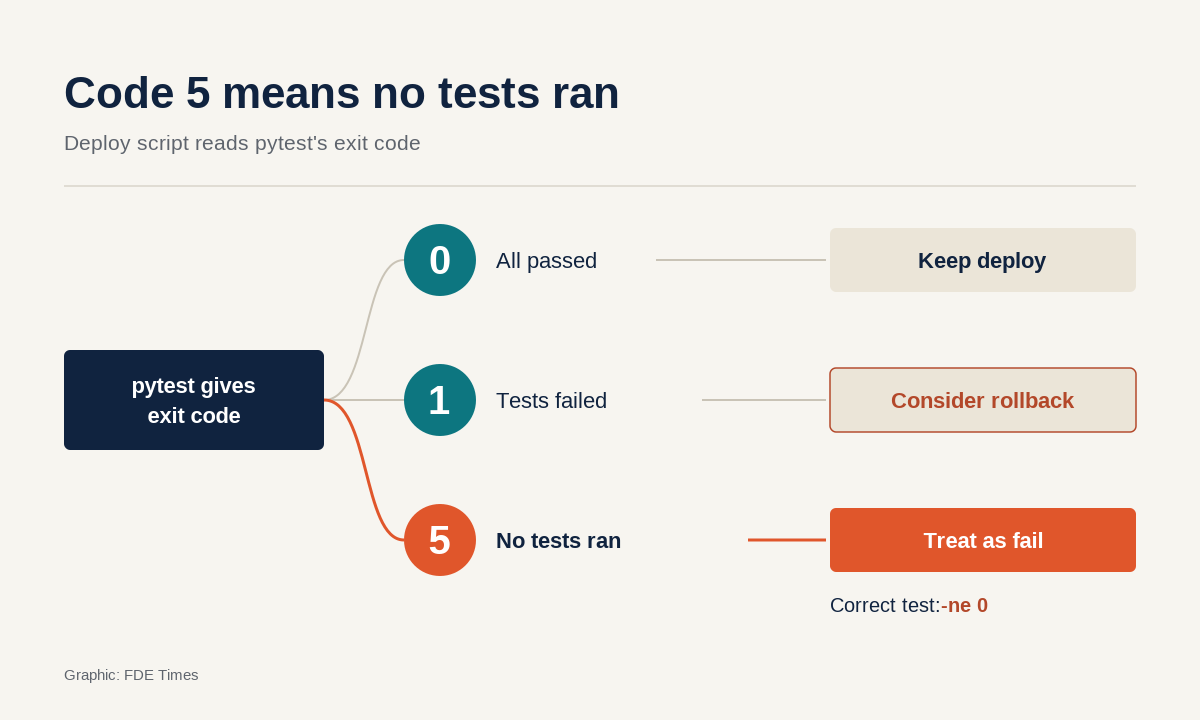
Three pytest tests and one exit code tell you whether to roll back, provided exit code 5 never slips through the gate.
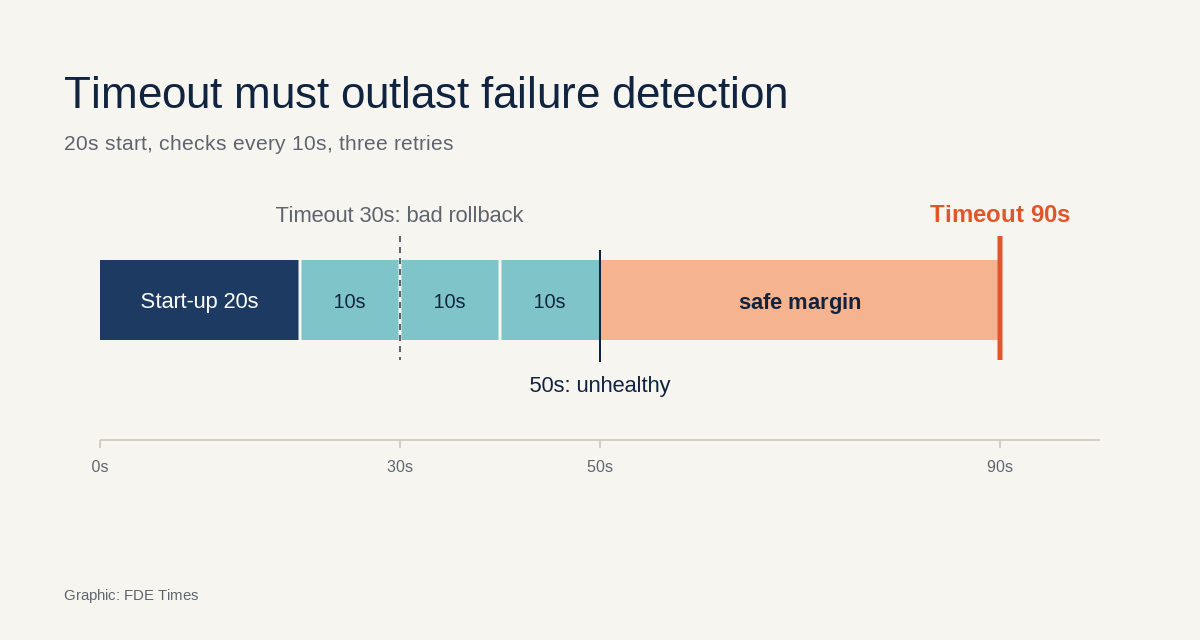
A health check, the --wait flag and one else branch in deploy.sh bring back the old image when the new one fails to turn healthy in time.
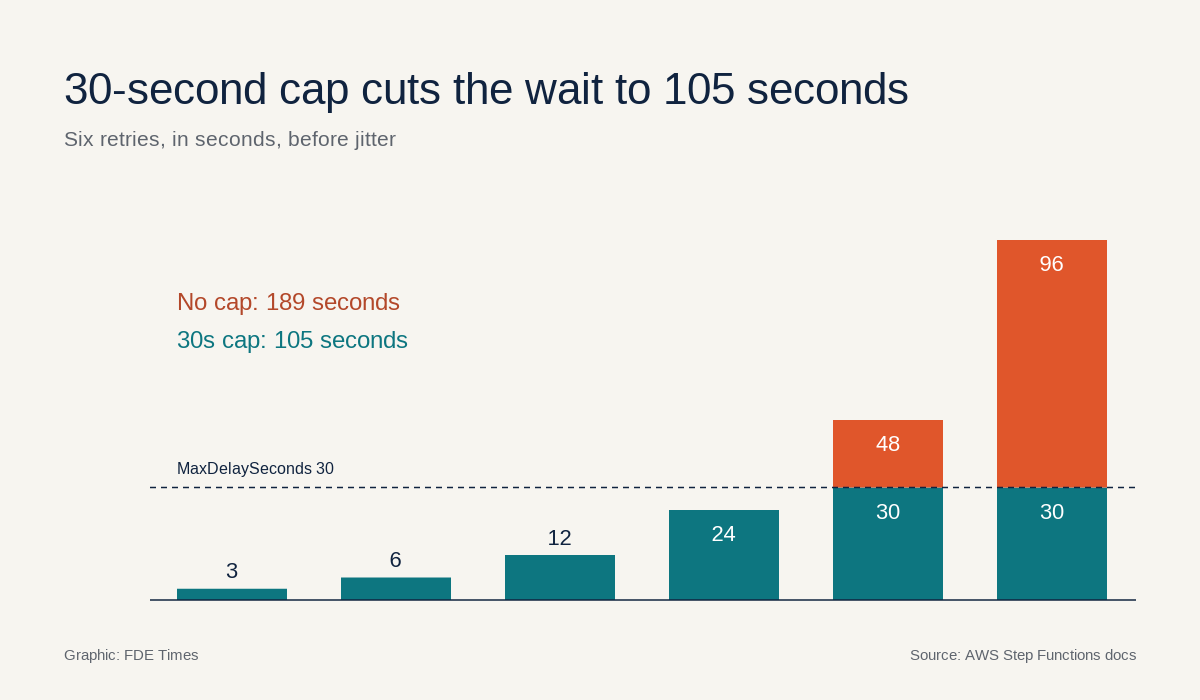
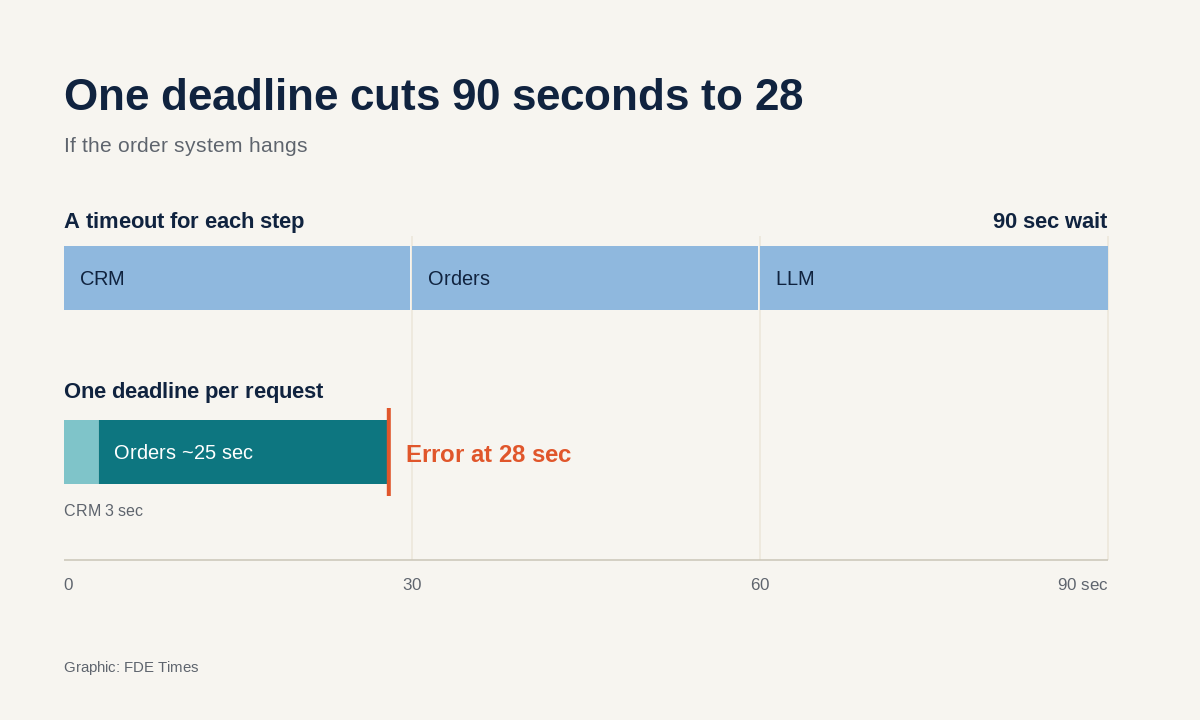
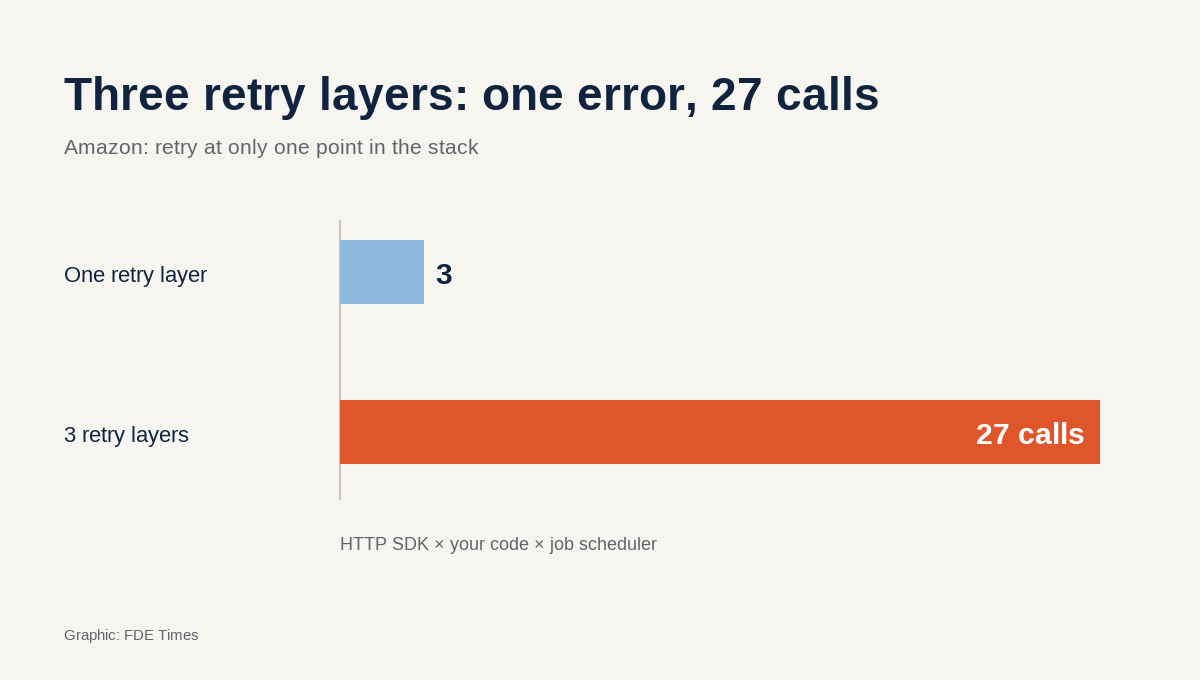
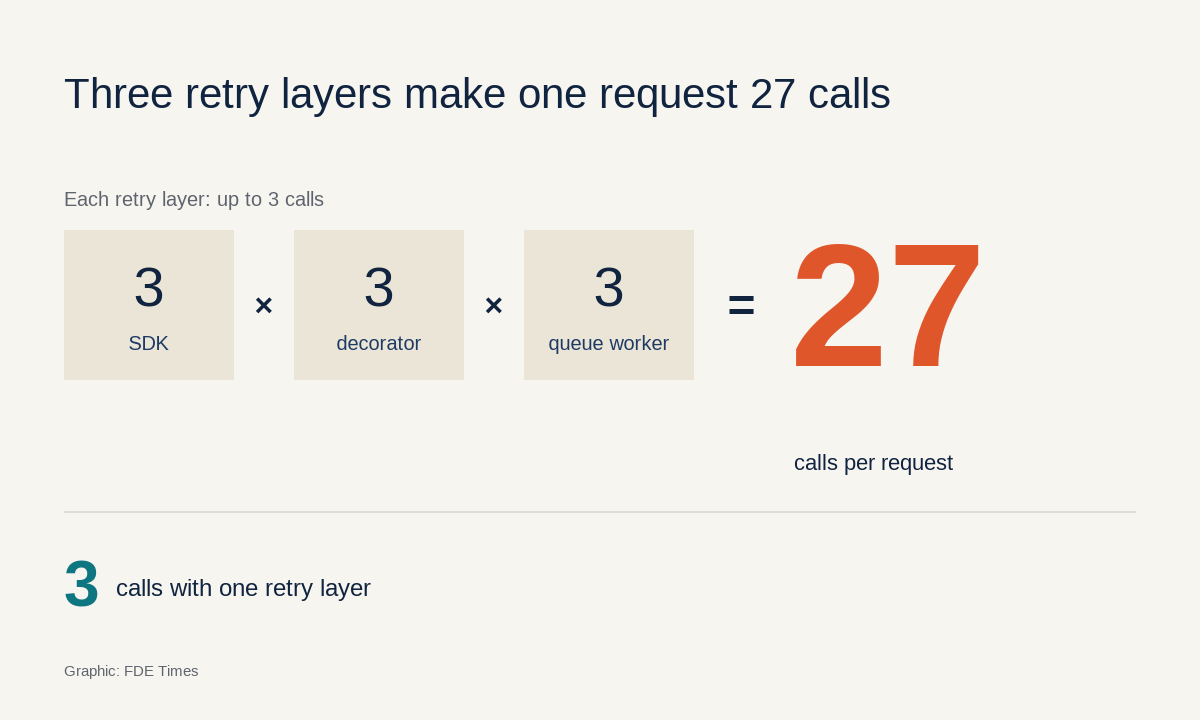
Each step restarts the clock and retries push the worst case to 270 seconds; one deadline for the whole request, passed down, fixes it.
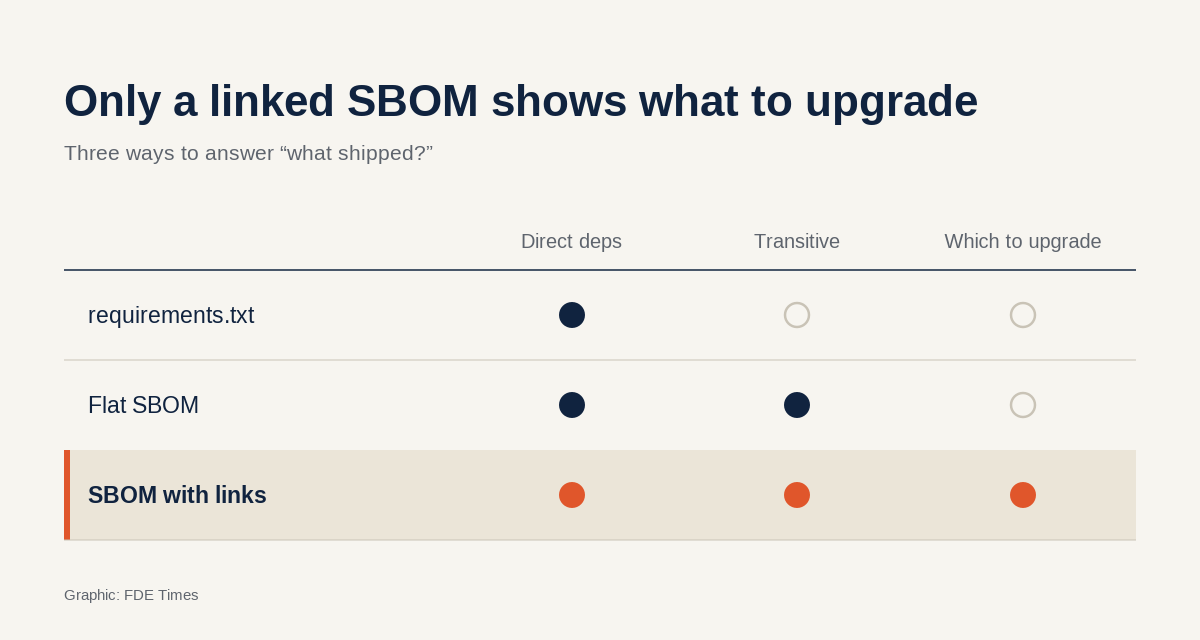
A software inventory is only useful if it lists the libraries you never chose yourself and shows which package pulled in which.
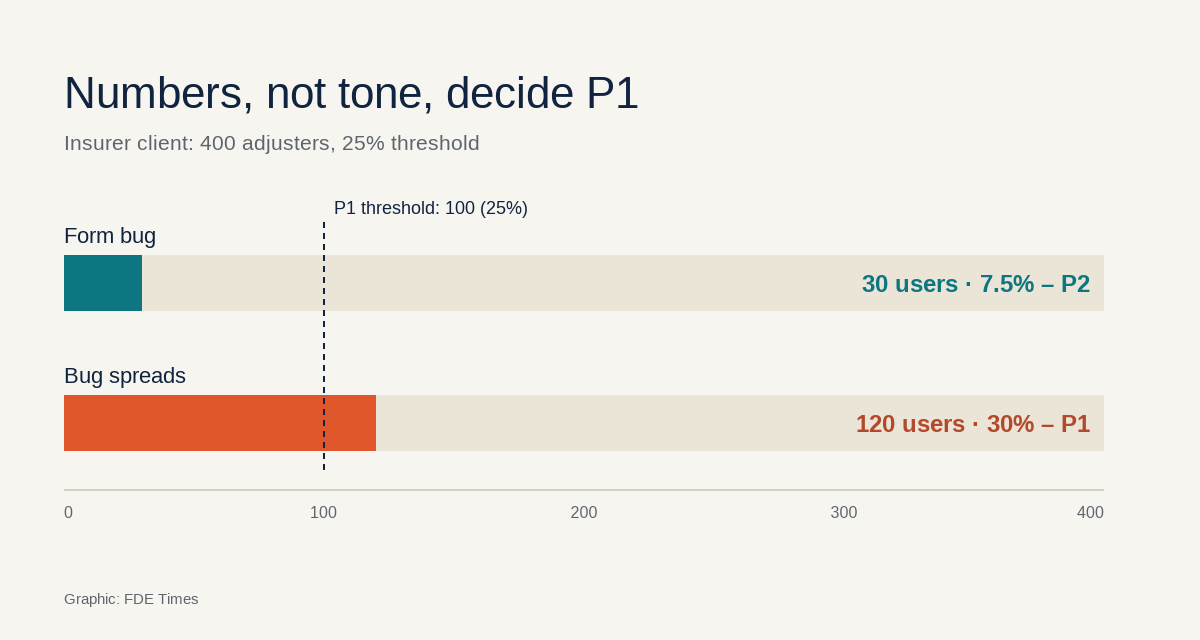
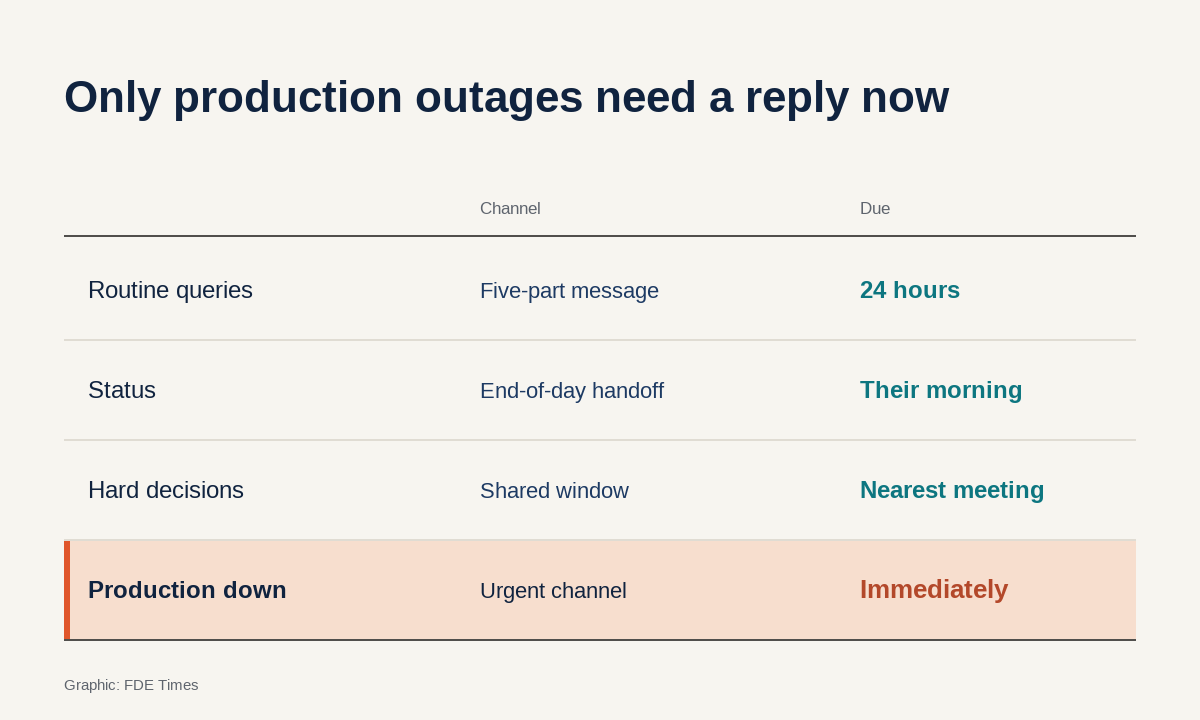
A four-level table agreed before go-live tells you which faults justify a call at midnight and which can wait until morning.
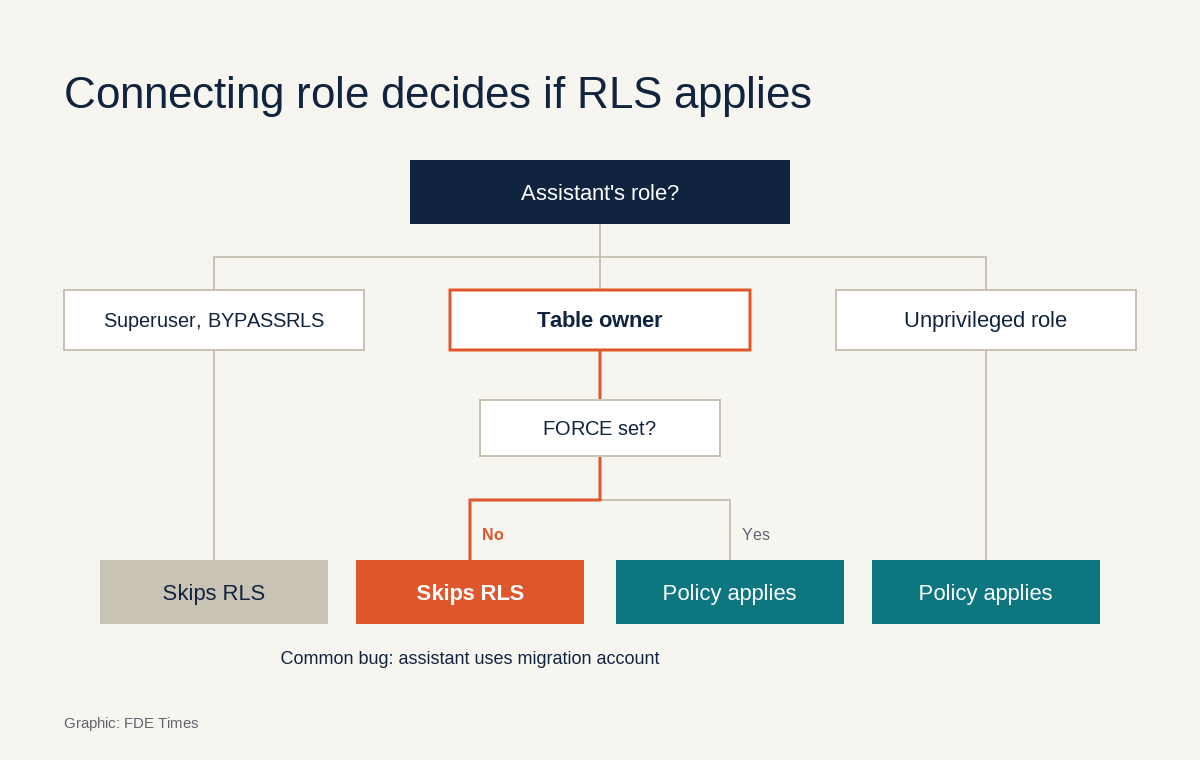
The usual cause is the role the application connects as, and the fix is a few lines of SQL in the right places.
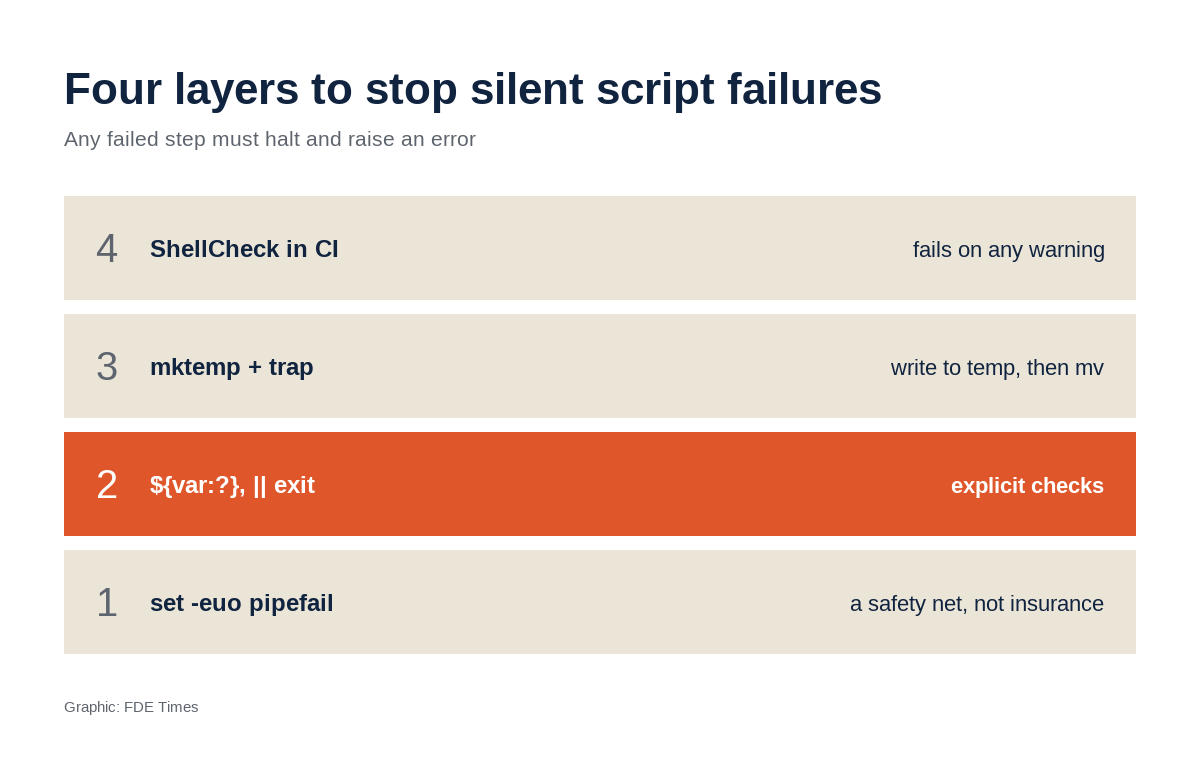
Four lines in a typical handoff script fail without a word, from a cd into an unmounted directory to an rm -rf that can wipe the root filesystem.
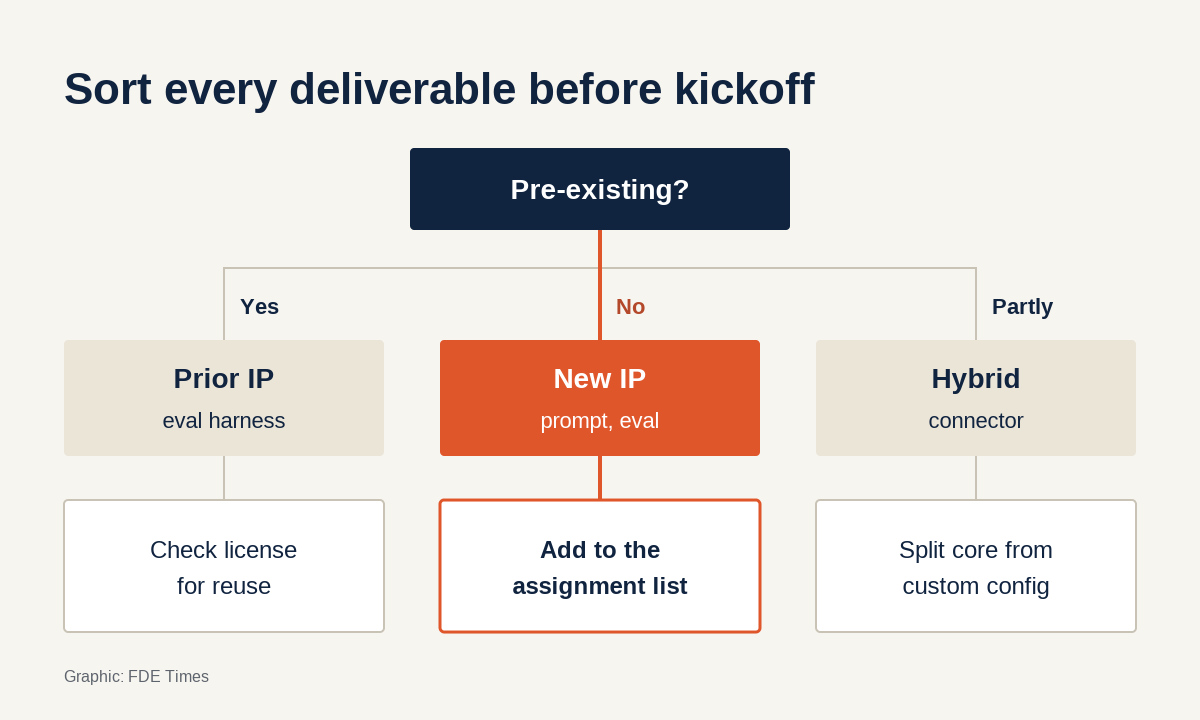
If the contract never names prompts, evals and connectors, the ownership dispute is simply postponed until handover day.
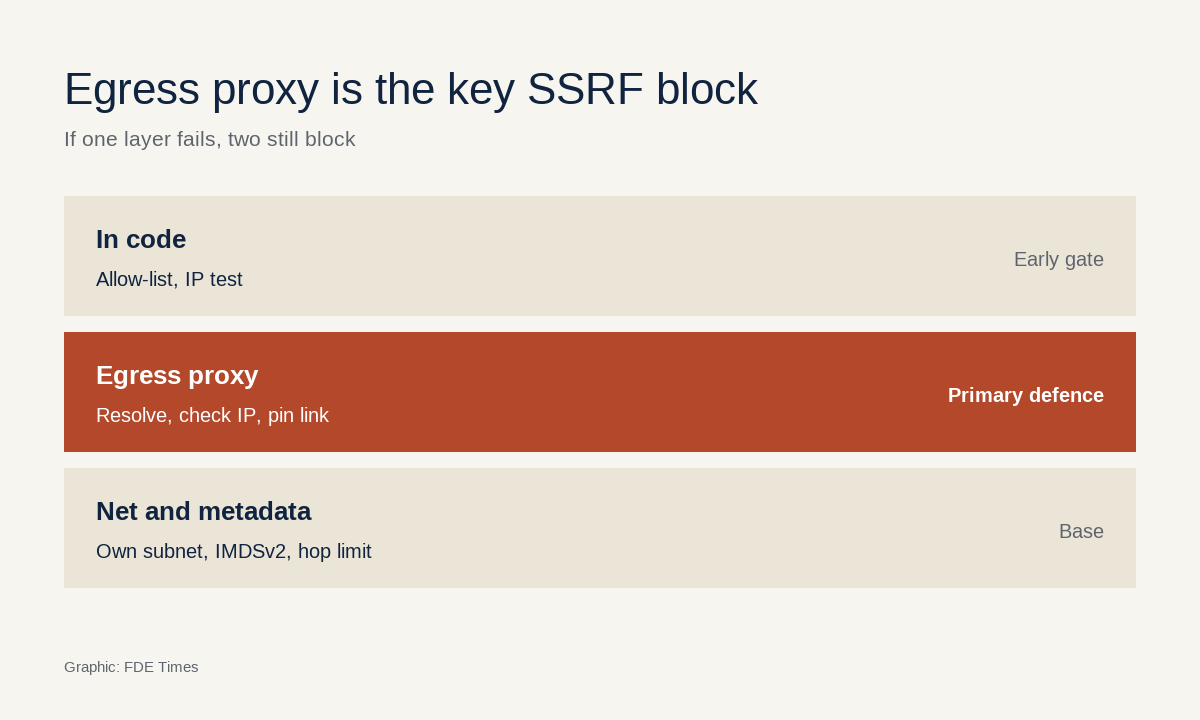
Deny-lists will not save you; only a fetch path that pins the resolved IP and routes through an egress proxy closes the hole.
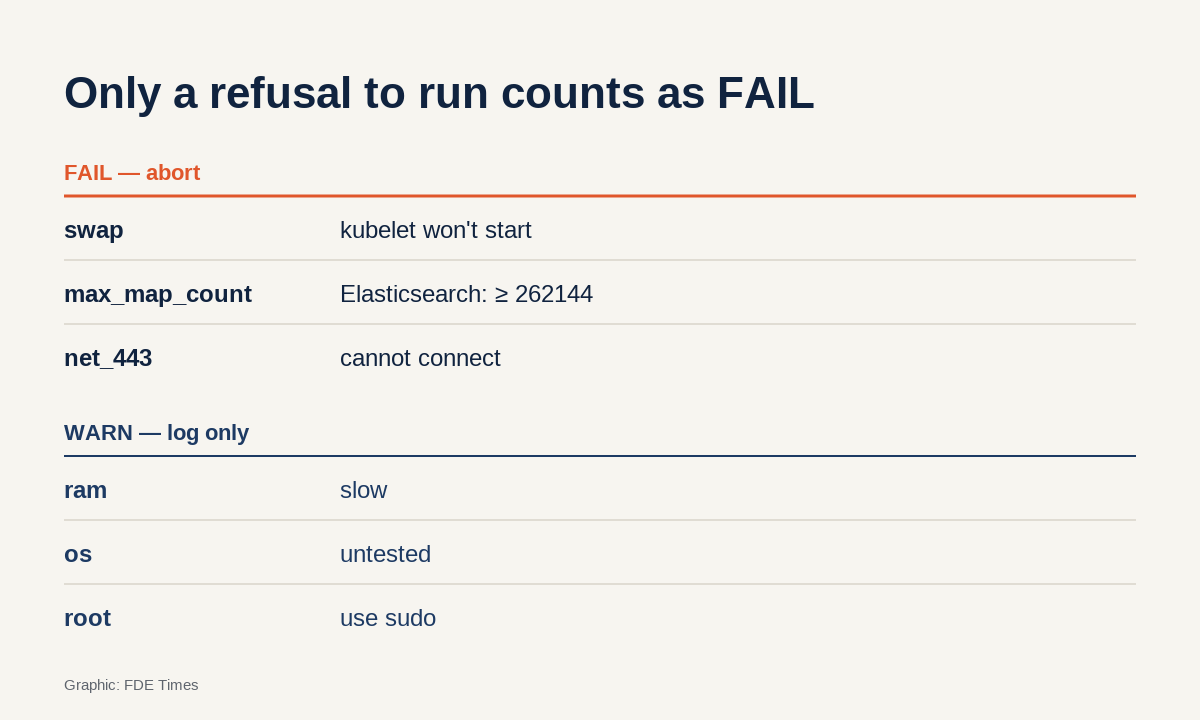
A read-only bash script grades each check PASS, WARN or FAIL, and only a FAIL may stop the installation.
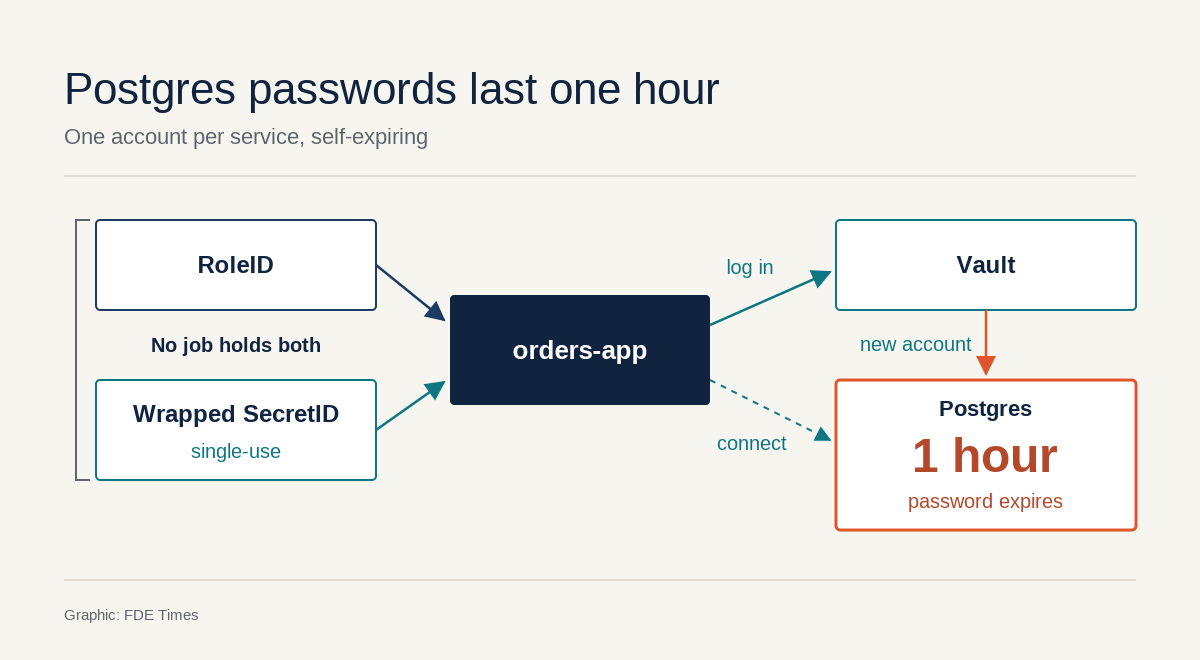
Every service gets its own account that expires by itself, and the SecretID that unlocks it can be used to log in exactly once.
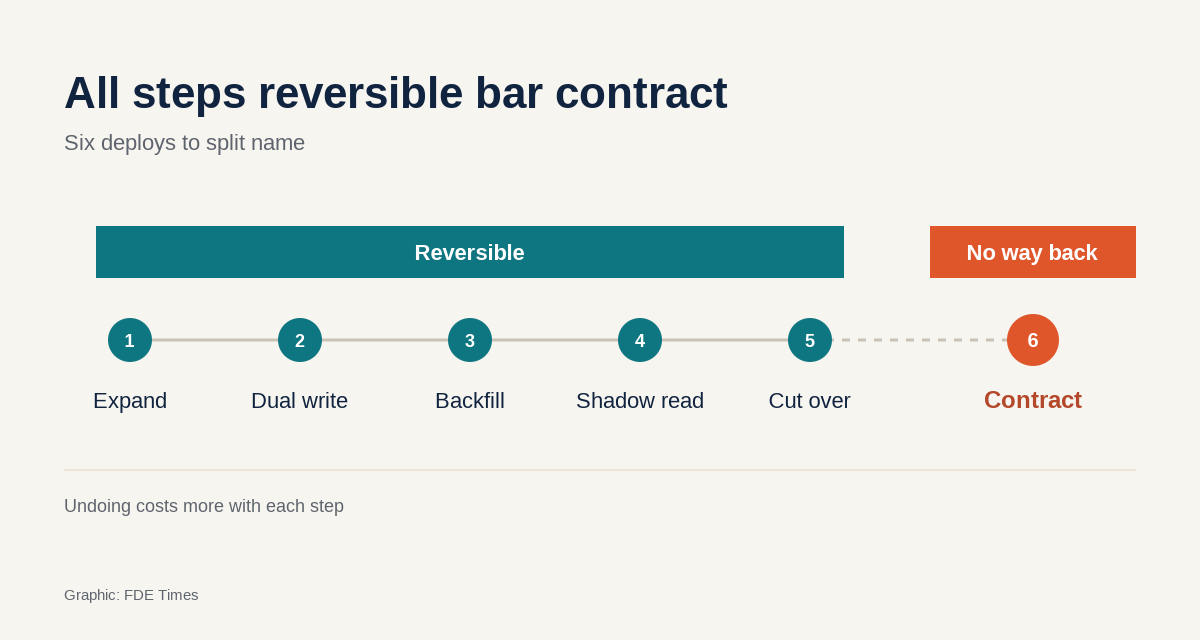
Split a breaking migration into small deploys, each reversible until the contract phase, and do not walk away before the final cleanup.
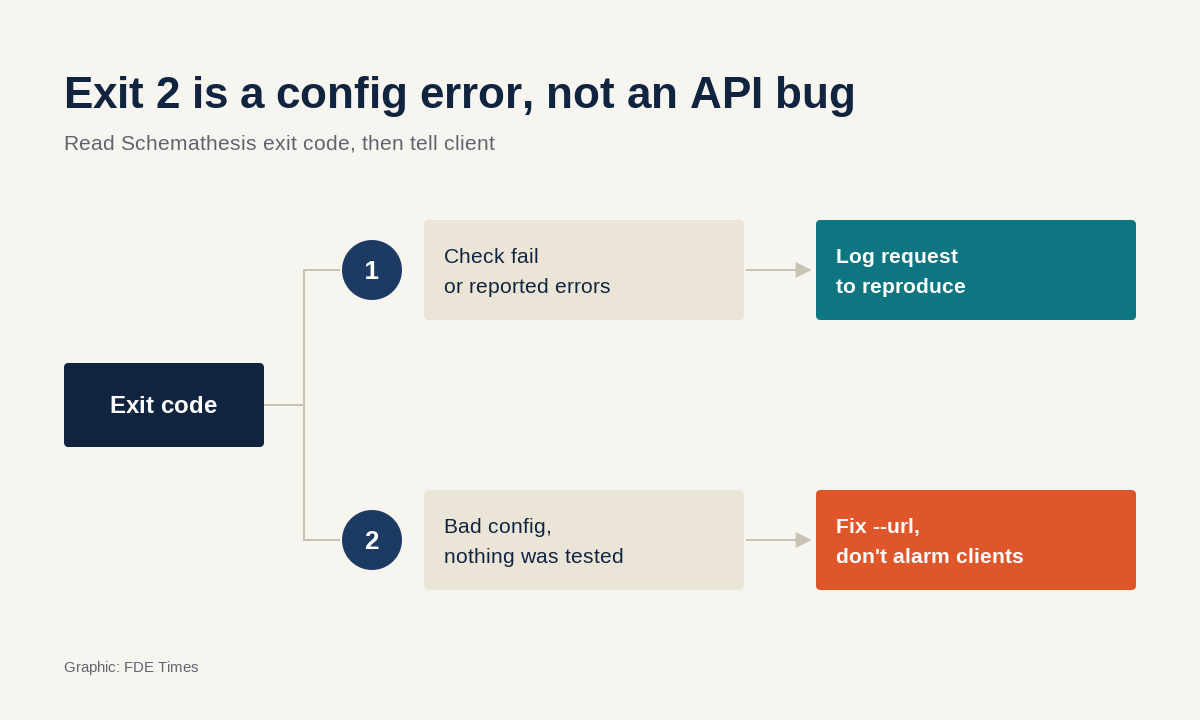
Schemathesis generates requests from a client's schema to find server errors, but it sends real traffic, so point it at staging and never at production.
Five days spent timing the client's manual process give a forward deployed engineer the numbers to defend a project when the ROI question comes.
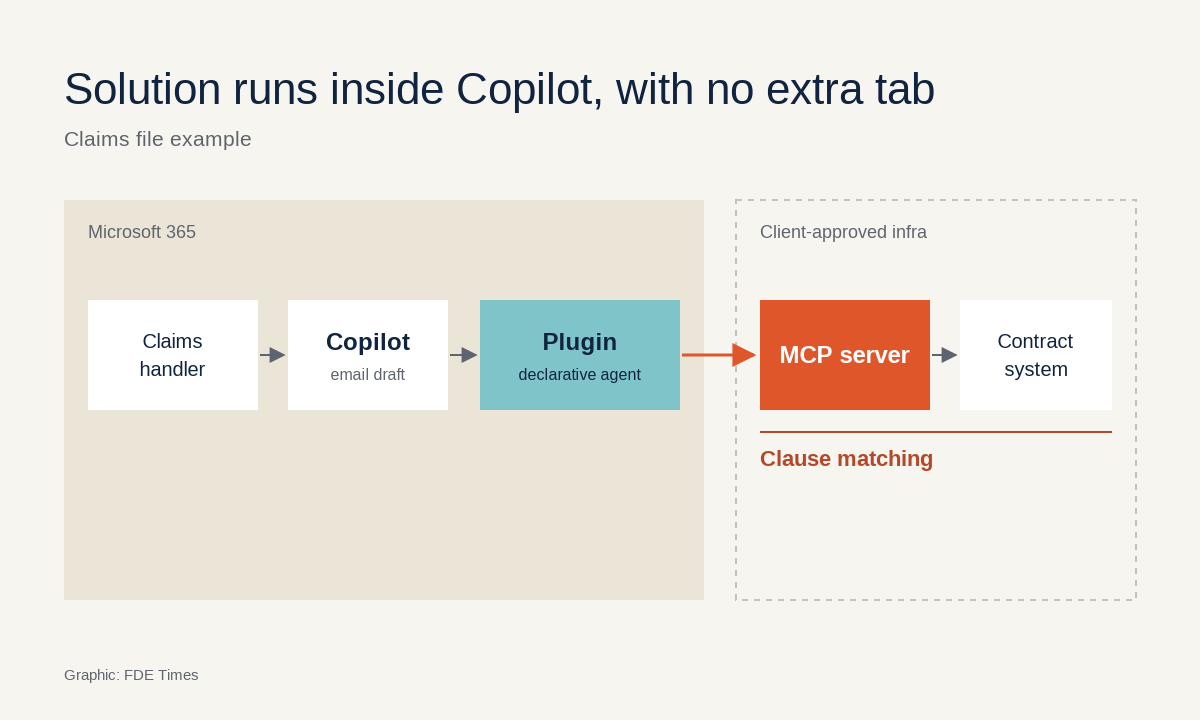
MIT research blames failed AI pilots on workflow gaps rather than model quality, so show what Copilot misses and build inside the tools staff already use.
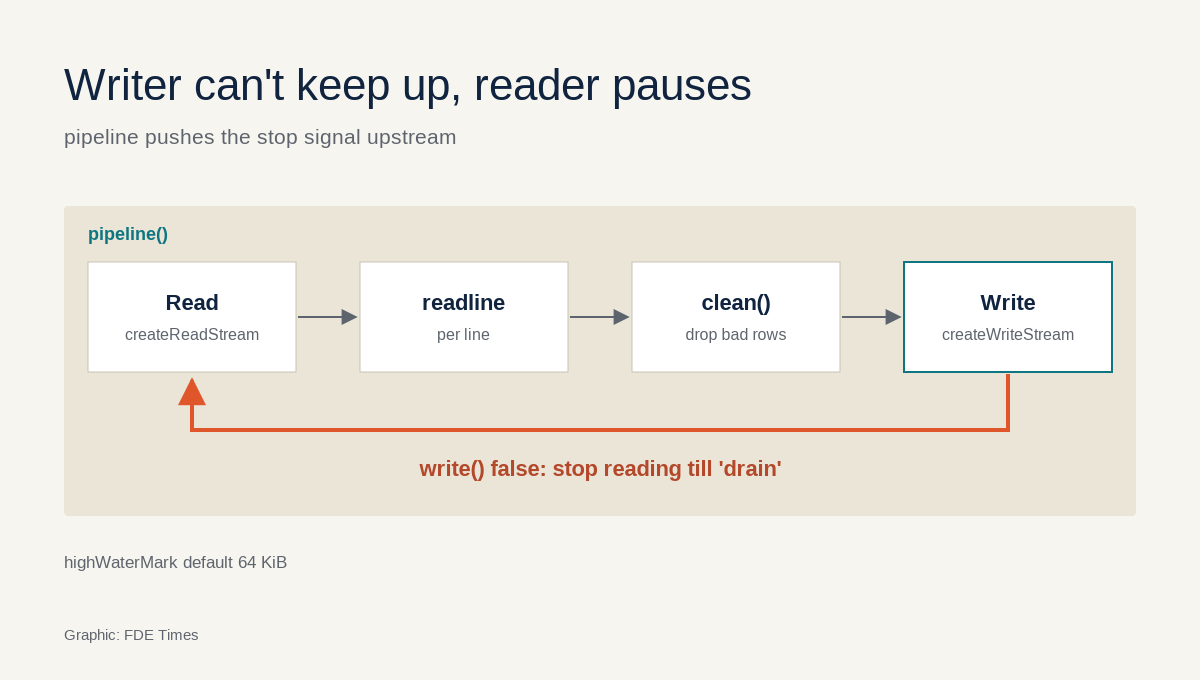
Learn the stop signal by hand once, then let stream.pipeline() handle backpressure in real code, with memory that stays flat however large the client's export grows.
How to read, version-pin and isolate third-party MCP servers before an agent touches a client's data, and why one approval at install time is not enough.
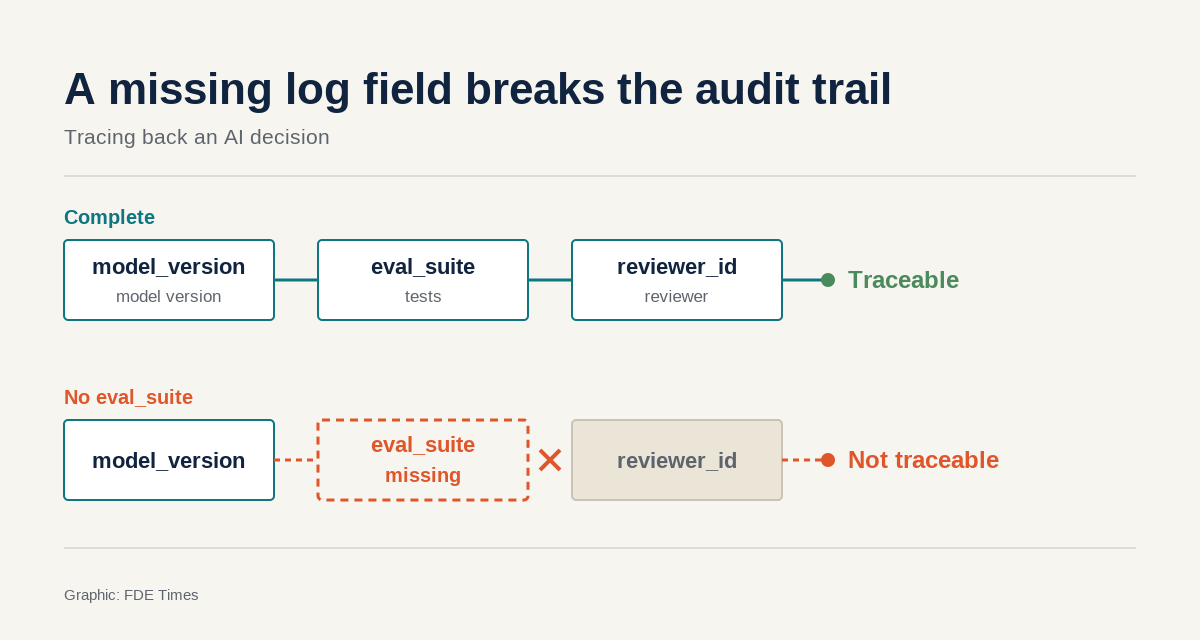
If one log line cannot lead back to the test suite, the human reviewer and the drift alerts, the go-live date will slip.
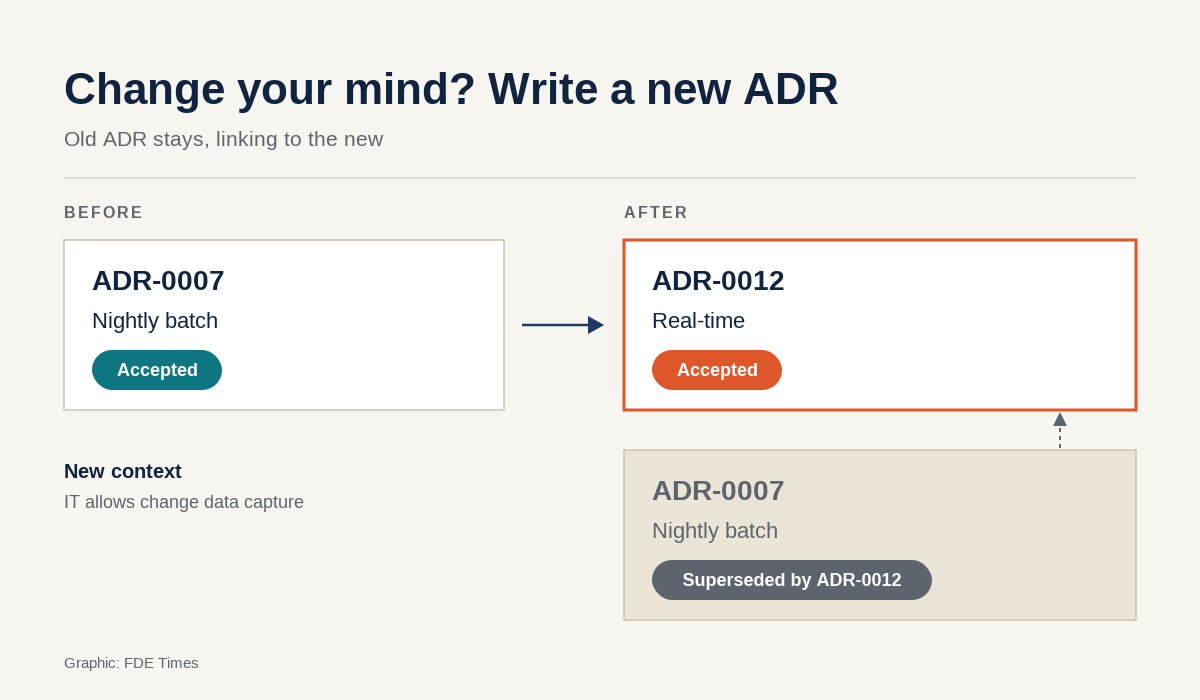
A one-page Architecture Decision Record cannot stop a client changing course, but it reduces the dispute to one question: has the original context changed?
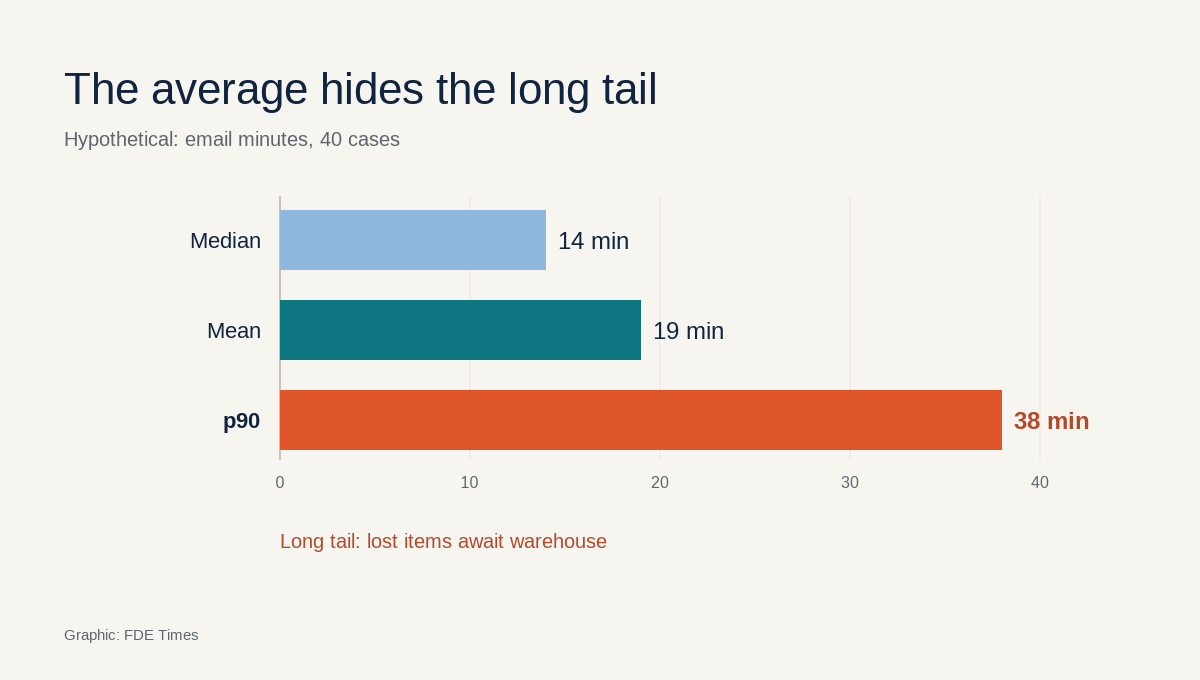
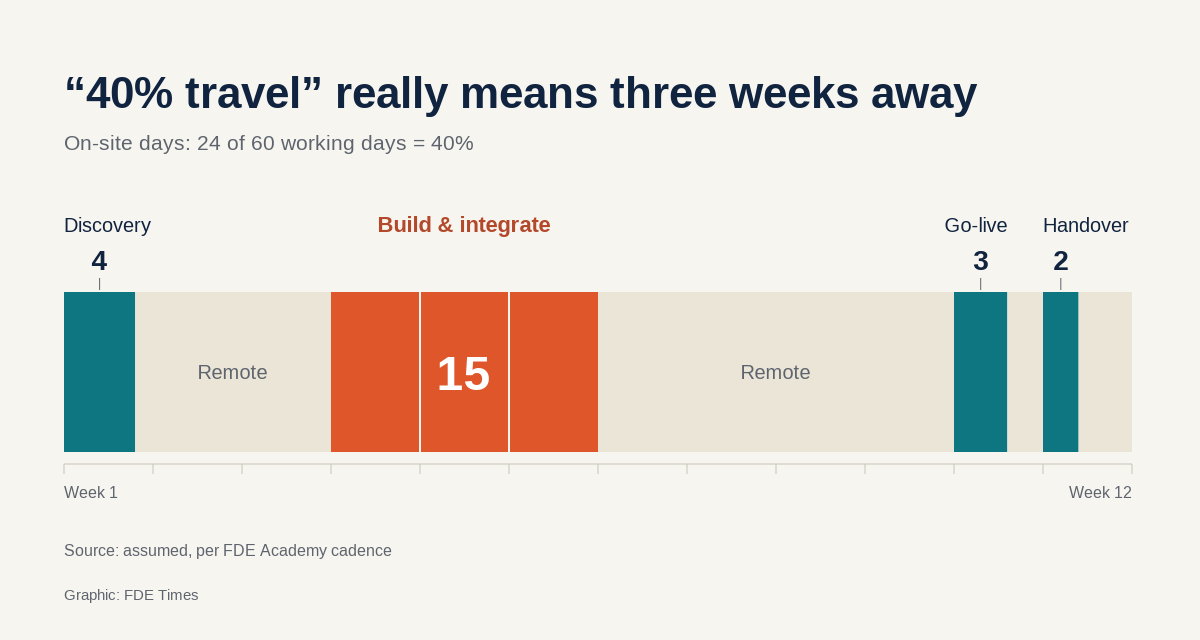
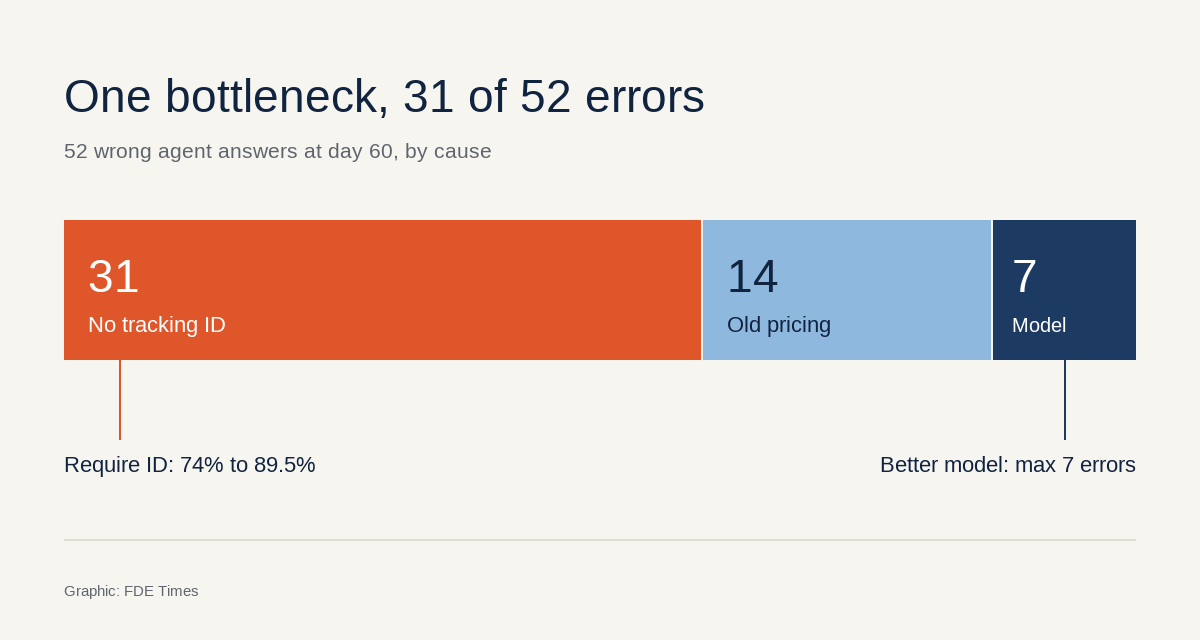
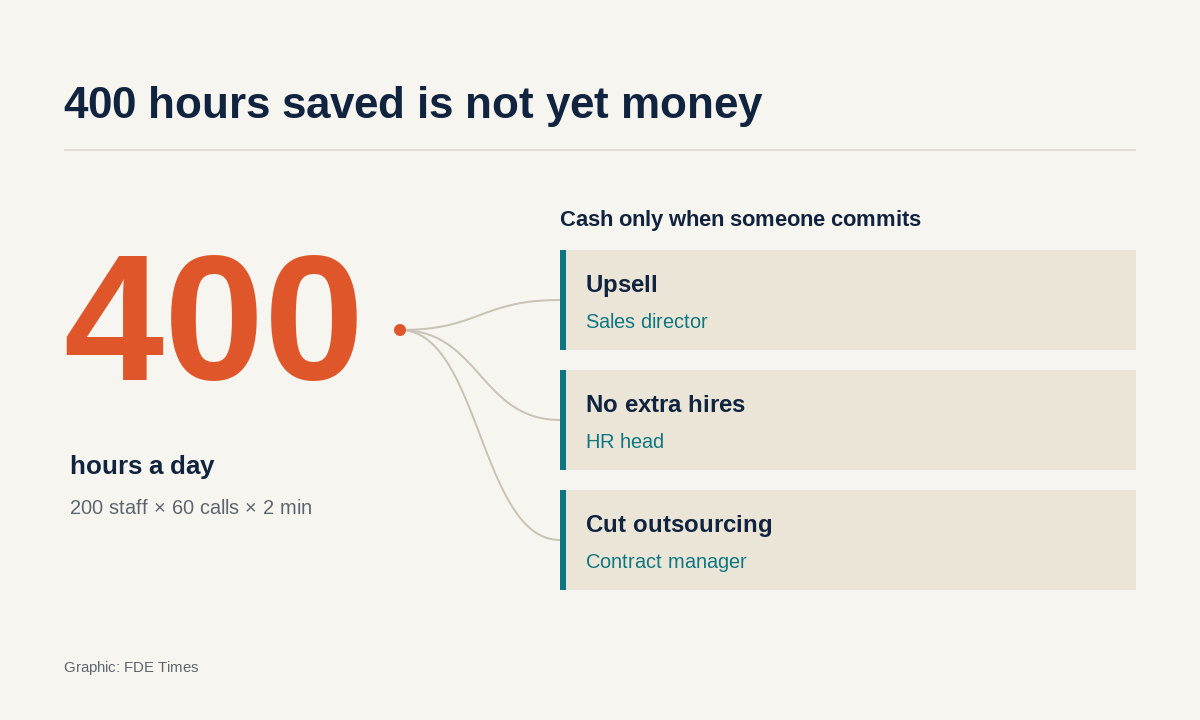
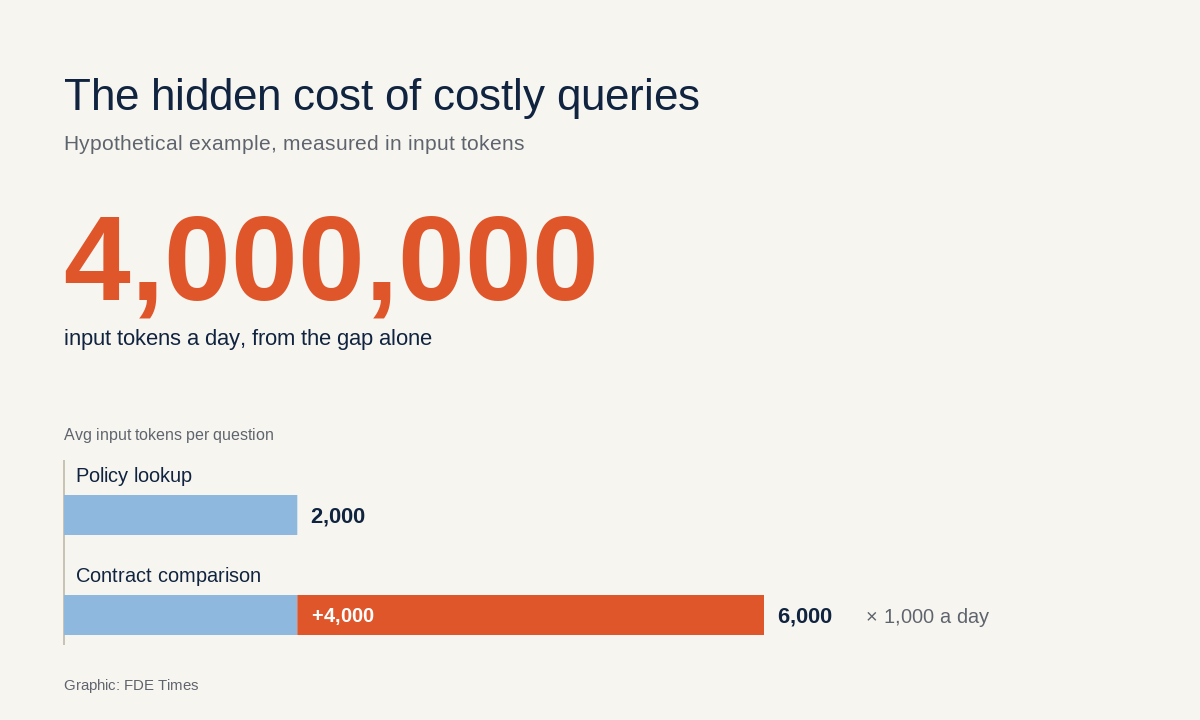
The figure is rarely spread evenly across the week; it tends to arrive in long stretches during build and integration.
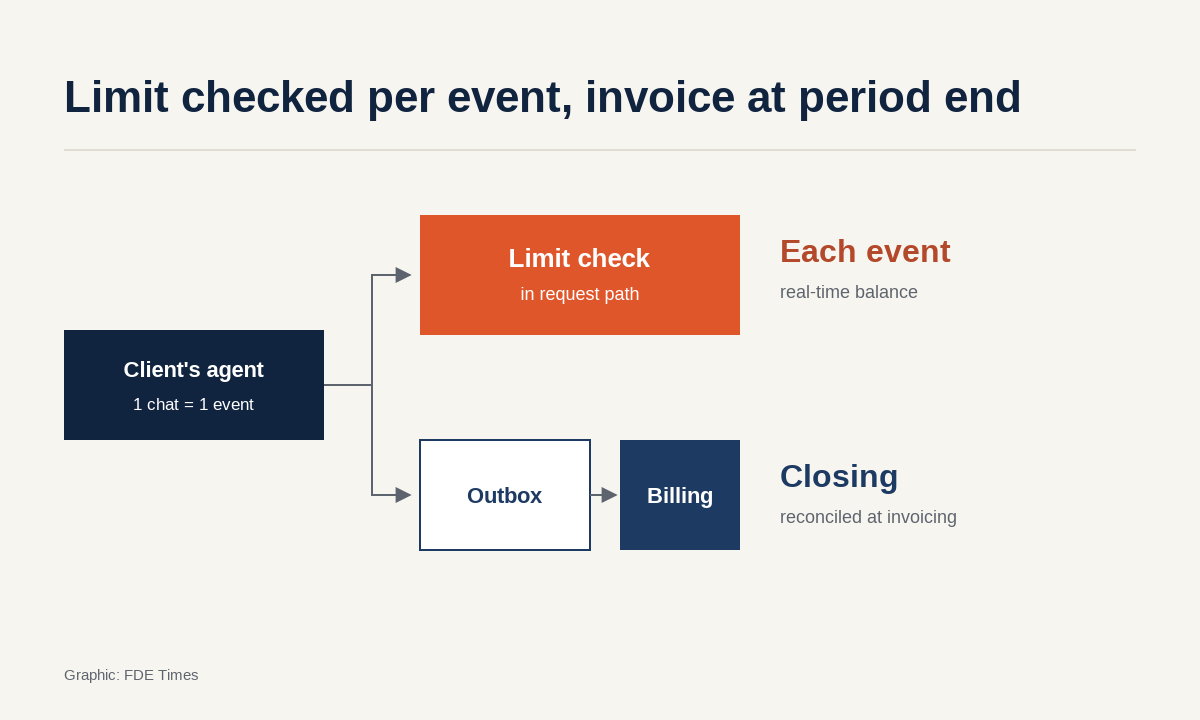
Billing reconciles usage at the end of the period, while quotas must be checked on every event, so they are two systems running at two speeds.
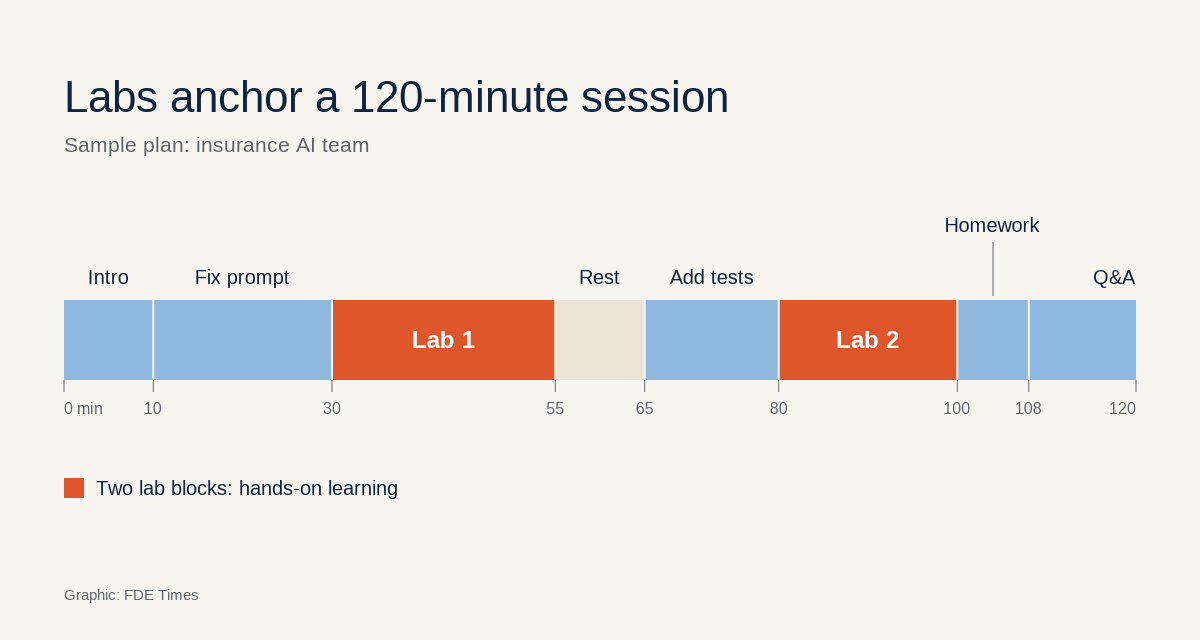
A two-hour lesson plan with two goals, a lab tested by an outsider, and homework that feeds straight into the client's own project.
Running 160 trials on a laptop is enough to tell whether a browser agent is reliable enough to hand over to a client.
In a full VPC or on-prem deployment you hold neither the cluster nor the data, so diagnostic signals have to be designed in from day one.
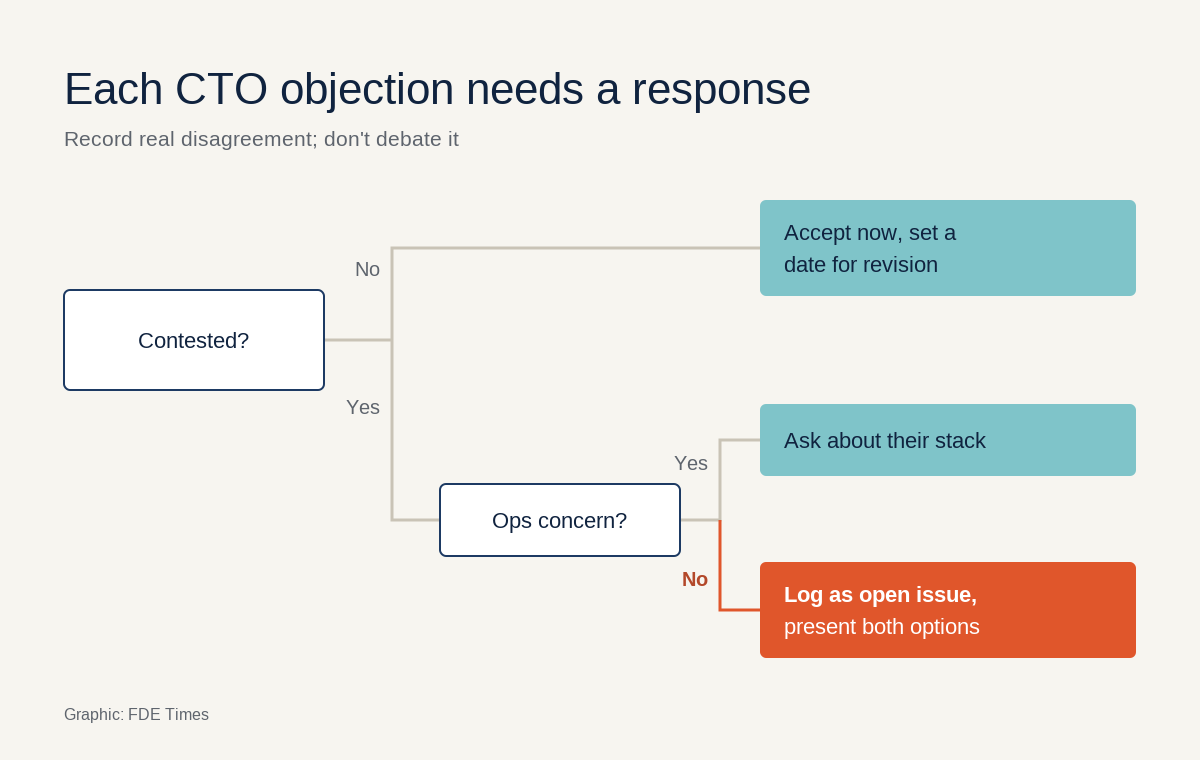
Pushback usually hides a constraint you have not yet heard, and a well-aimed question resolves it faster than another round of explanation.
Idempotency keys, a transactional outbox and three-way reconciliation keep a client's books matching to the last cent when the period closes.
An enum of team labels, one pytest file and 40 real emails give you the numbers to defend a router design in front of an interviewer.
A one-sentence role statement, a list of what you won't do and a written client sign-off can stop scope creep in the first weeks of an engagement.
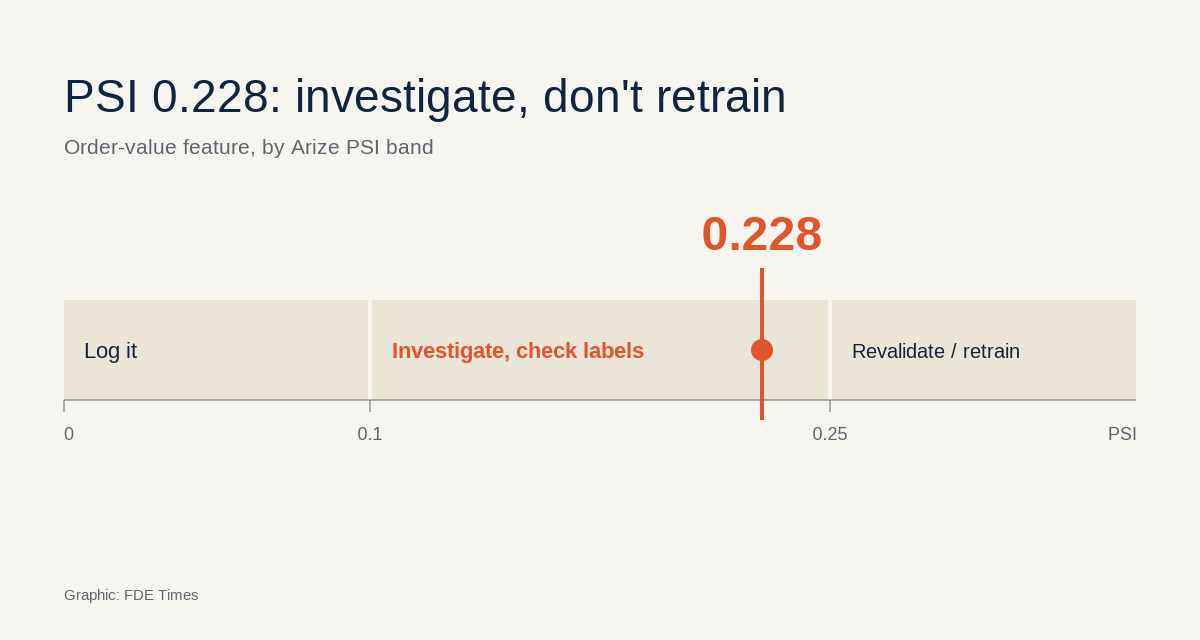
Retraining should follow performance on fresh labels against thresholds set from the customer's own history, or a sprint gets burnt on a healthy model.
A field-by-field scoring harness, with ground truth, adapters and business rules, lets an FDE choose a document parser on evidence rather than instinct.
A four-part sentence template lets the interviewer hear how you change course when the client drops a new fact halfway through the call.
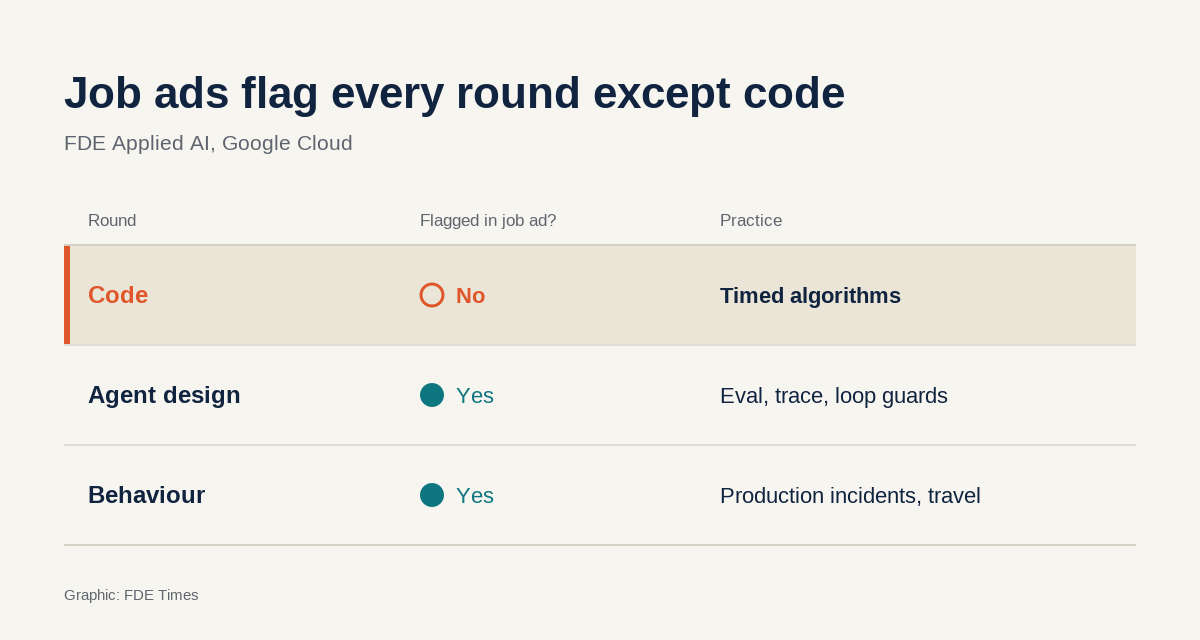
Beyond a medium-difficulty coding round reported by a third party, the listing points to two skills to prove: running deployment infrastructure and advising financial clients.
The job ads make the better study guide: turn a vague business goal into SQL that runs, then into a quality number the customer trusts.
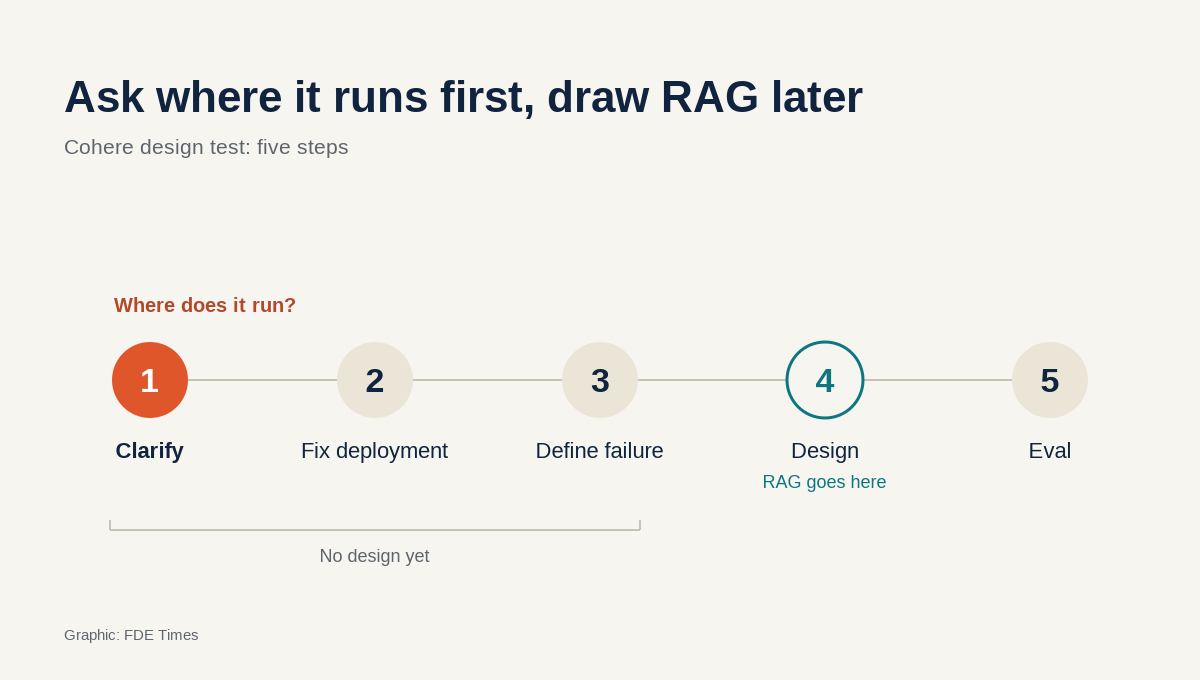
The prompt is a single sentence with no schema or user count, and strong answers first ask where the system will run, like a small customer discovery session.
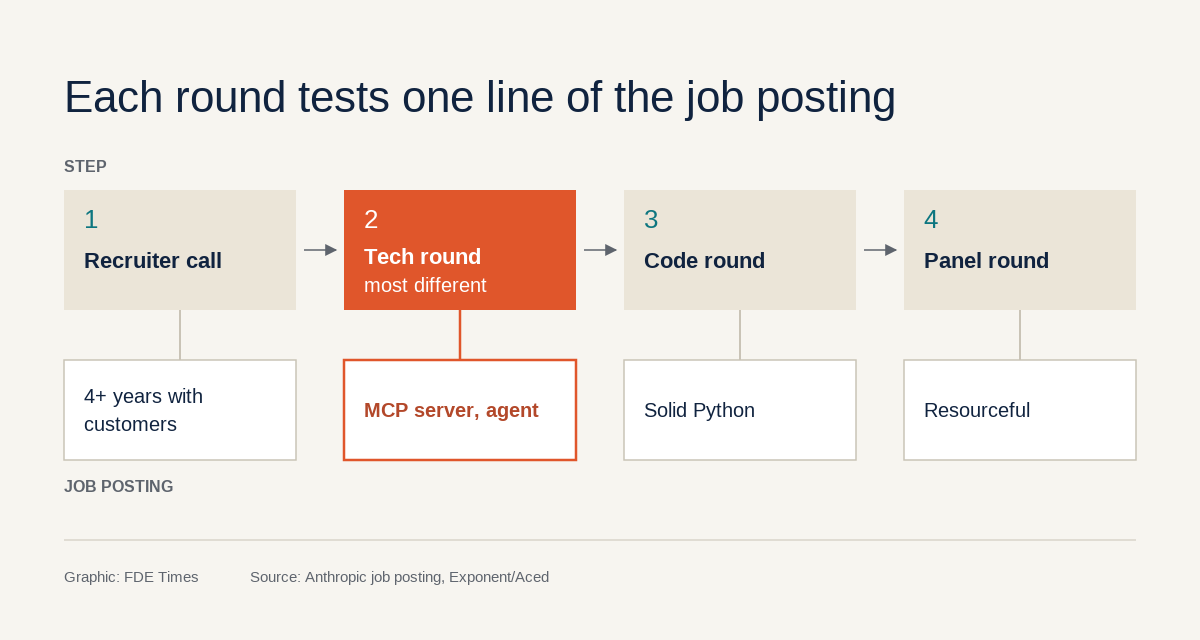
Blind accounts split between a consulting-style onsite and a HackerRank test that must go well, but the job posting predicts nearly every question.
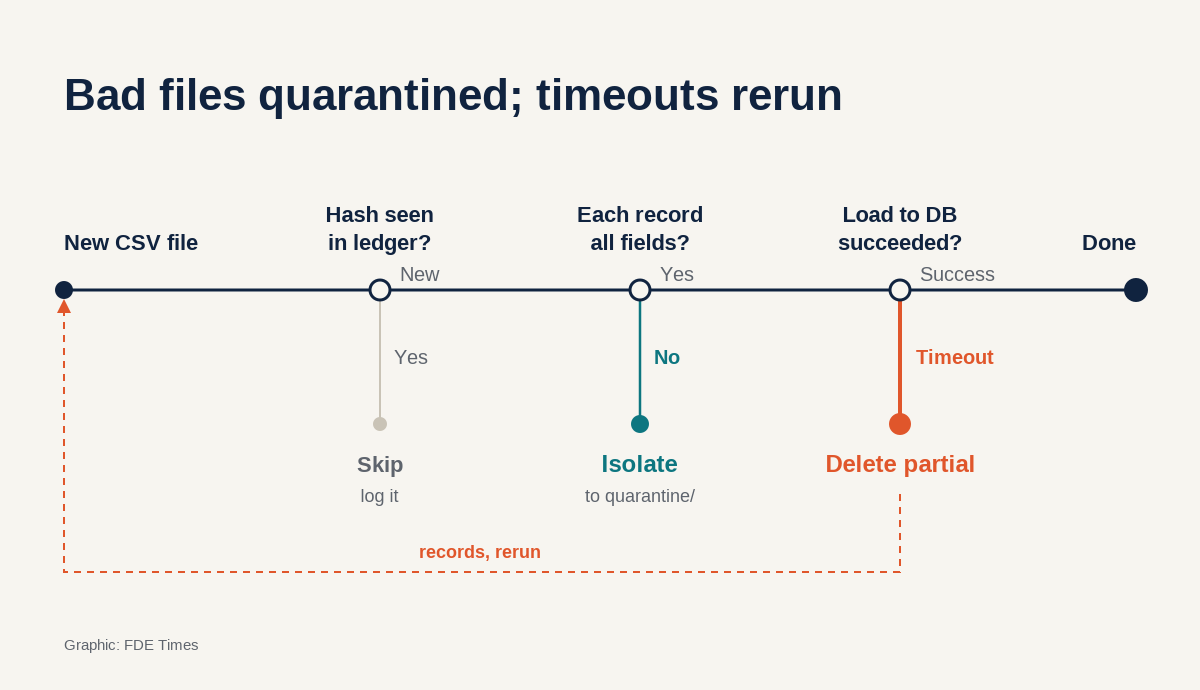
If you hash file contents instead of names, keep a ledger table and quarantine broken CSVs, resent or half-loaded files never get loaded twice.
Prompts tuned on a curated demo account break in production; a held-out test on real customer data shows where you lose before the contract is signed.
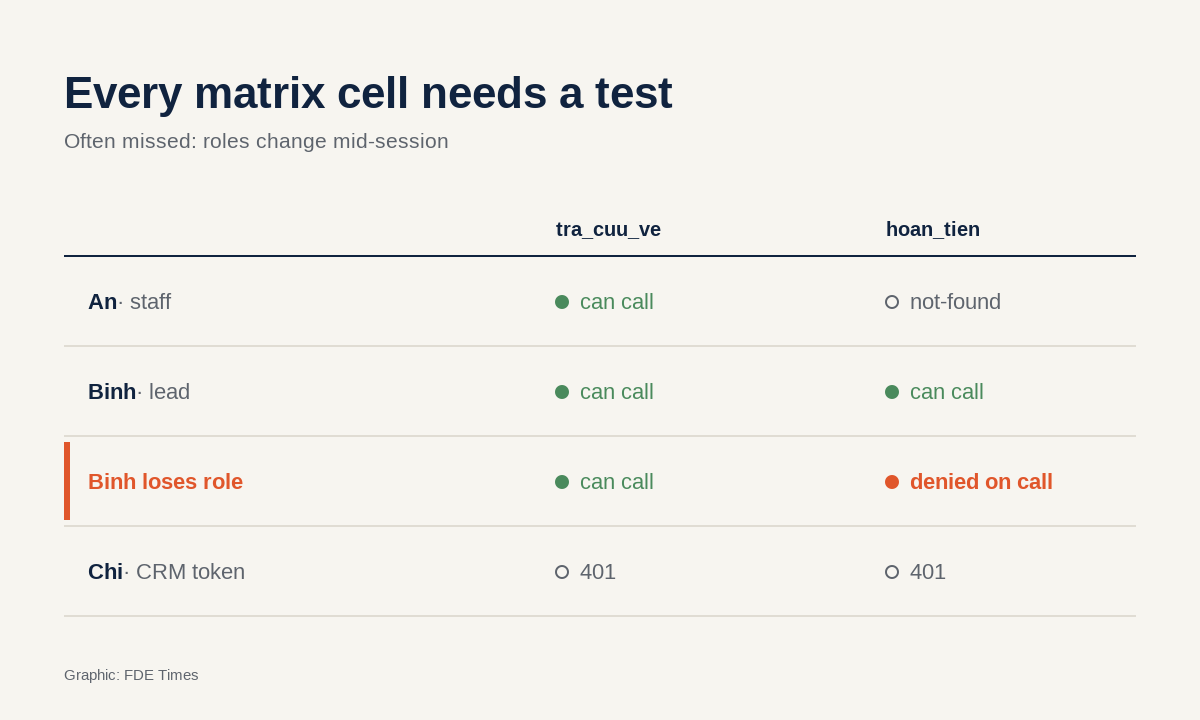
A hands-on FastMCP build adds per-tool authorization, so a clerk can look up tickets, a shift lead can refund and a stray token gets nothing.
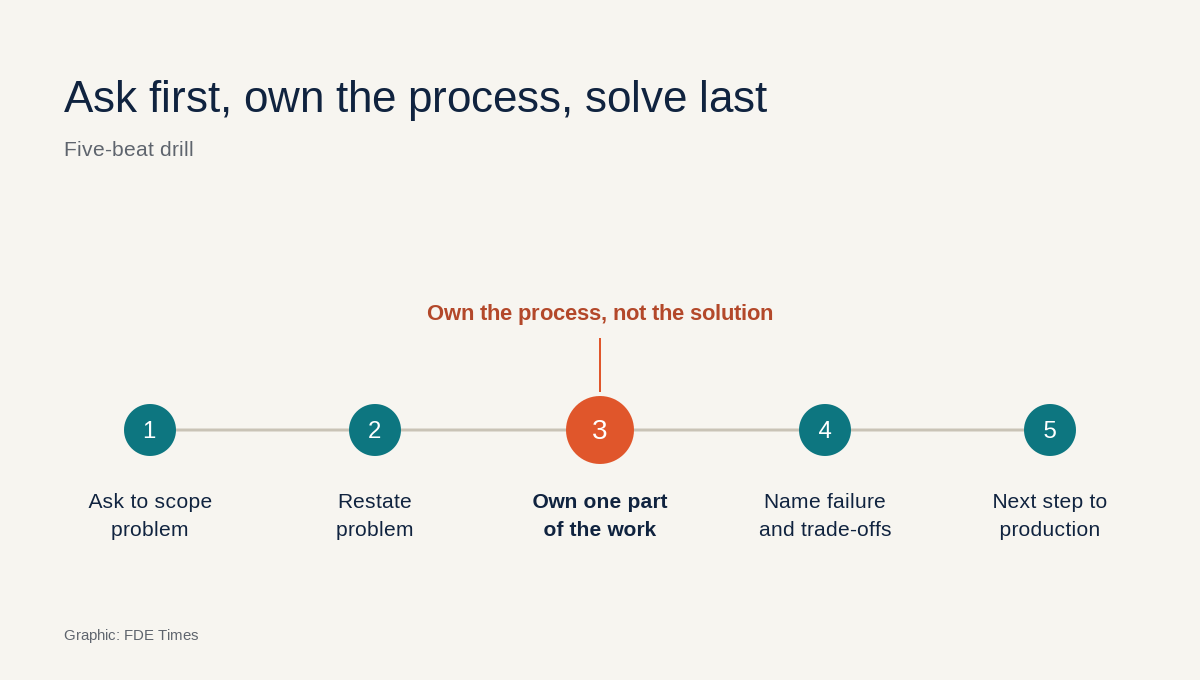
When the interviewer plays a client whose compliance team has blocked go-live, take ownership of the problem, but ask questions before you discuss architecture.
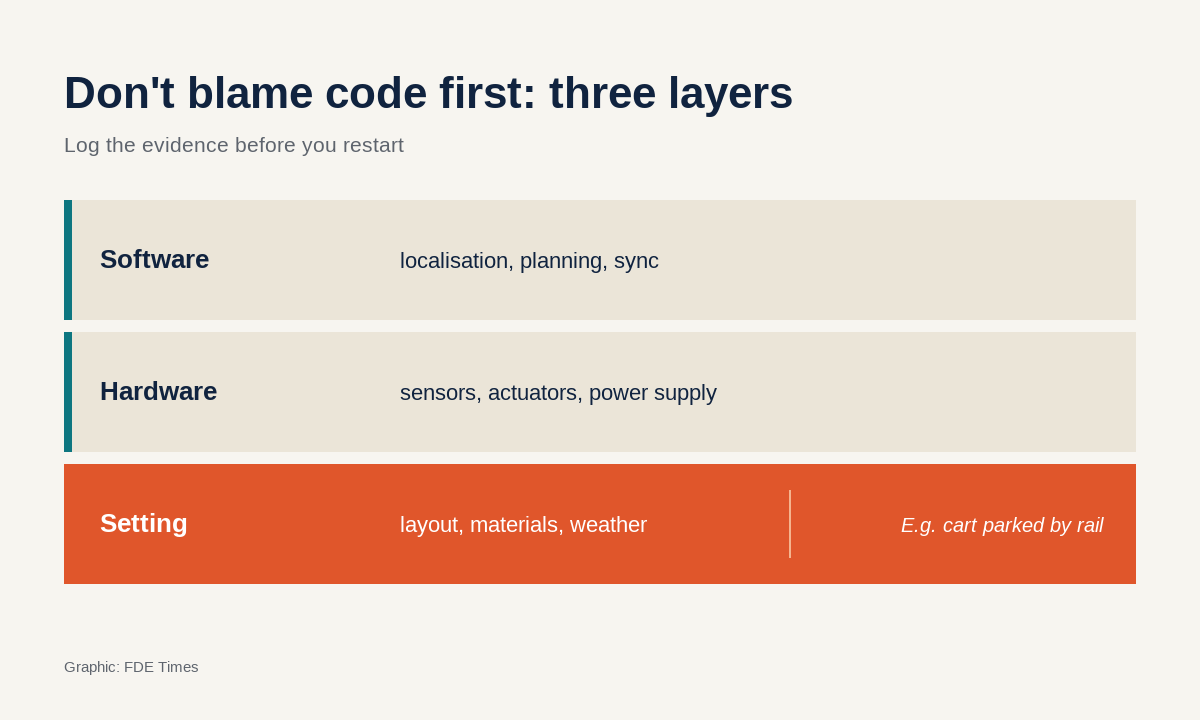
When a bricklaying robot stops halfway up a wall, the engineer beside it has to isolate the fault layer by layer and keep the site foreman informed.
Ema's Forward Deployed Builder designs, sells and runs the same agentic workflow, so every shortcut taken in the demo becomes a debt they must repay themselves.
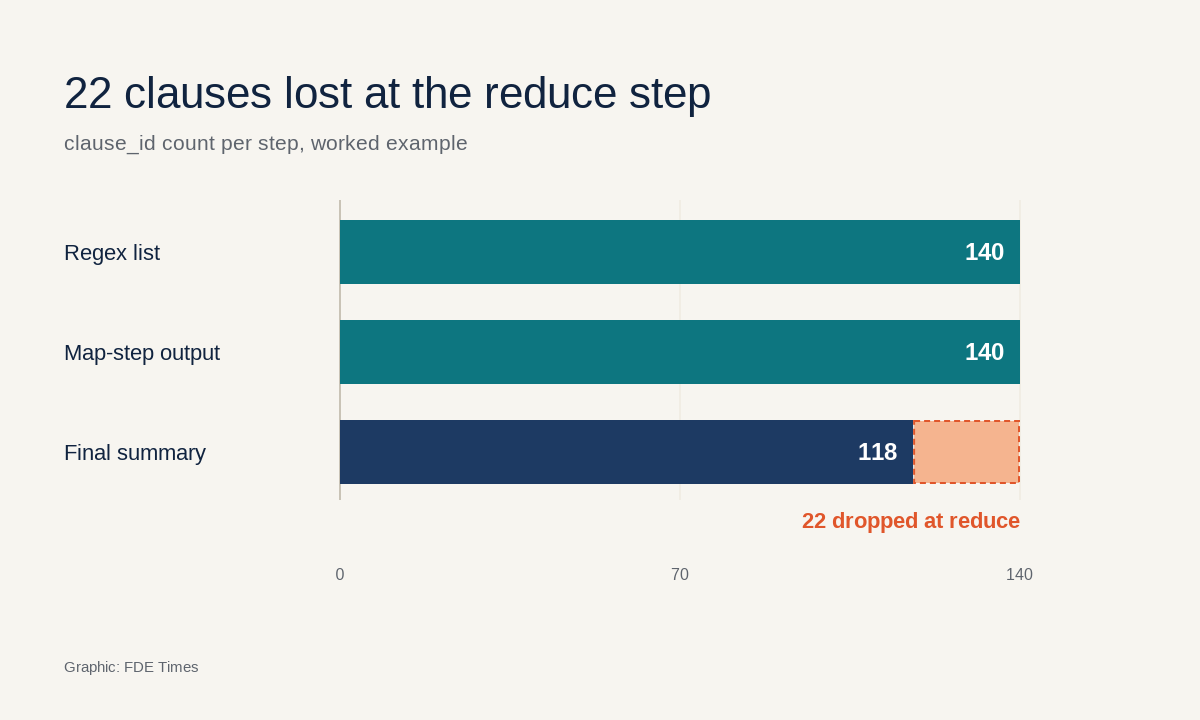
Long-context models tend to lose the middle of a document, so split contracts with map-reduce or refine and check the output against a clause list built in code.
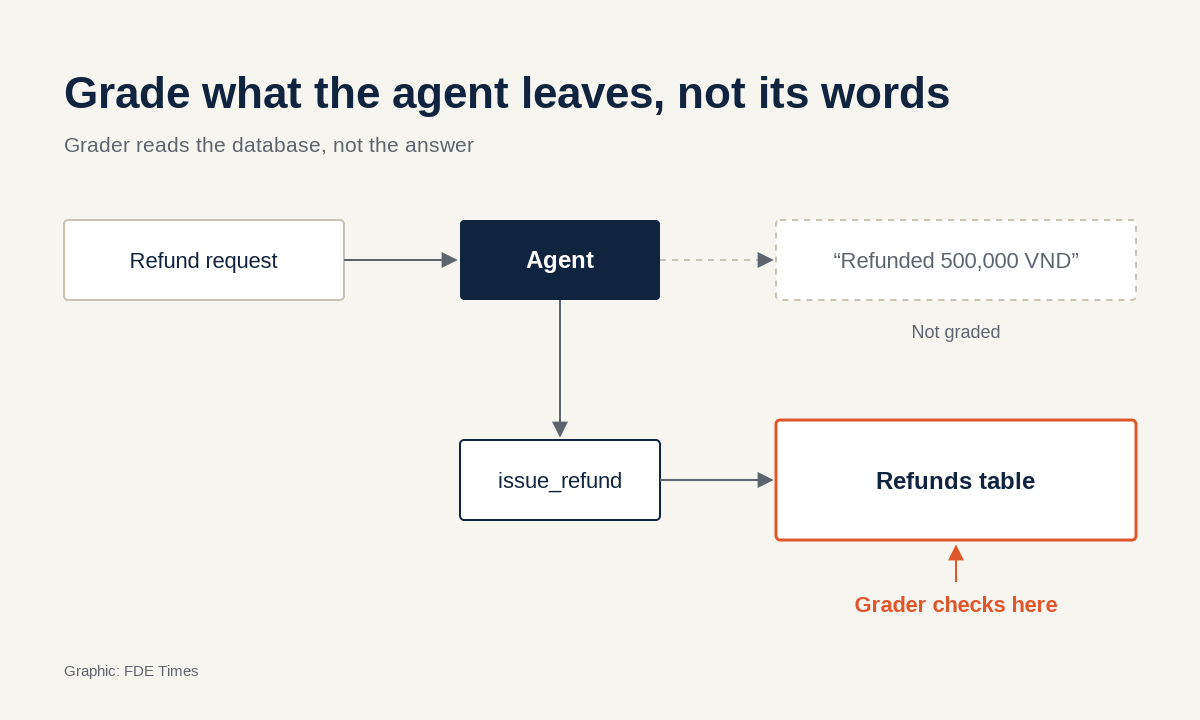
A τ-bench-style grader checks the database rather than the transcript, and takes an afternoon of Python on a laptop to build.
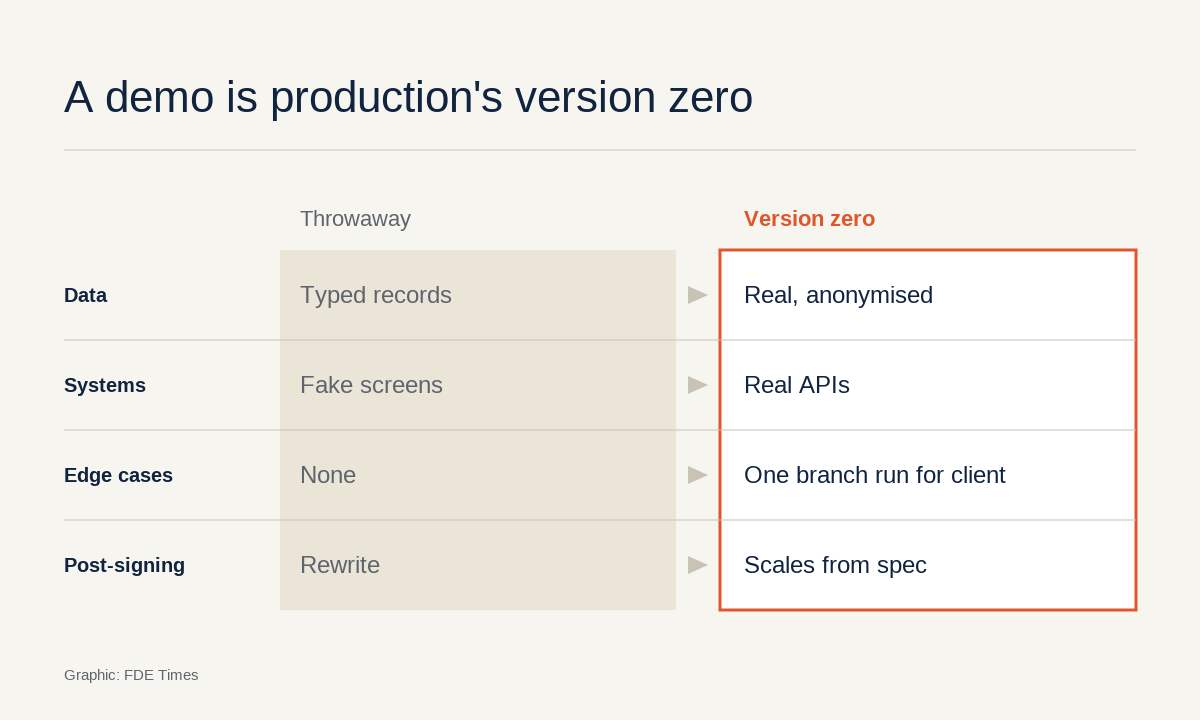
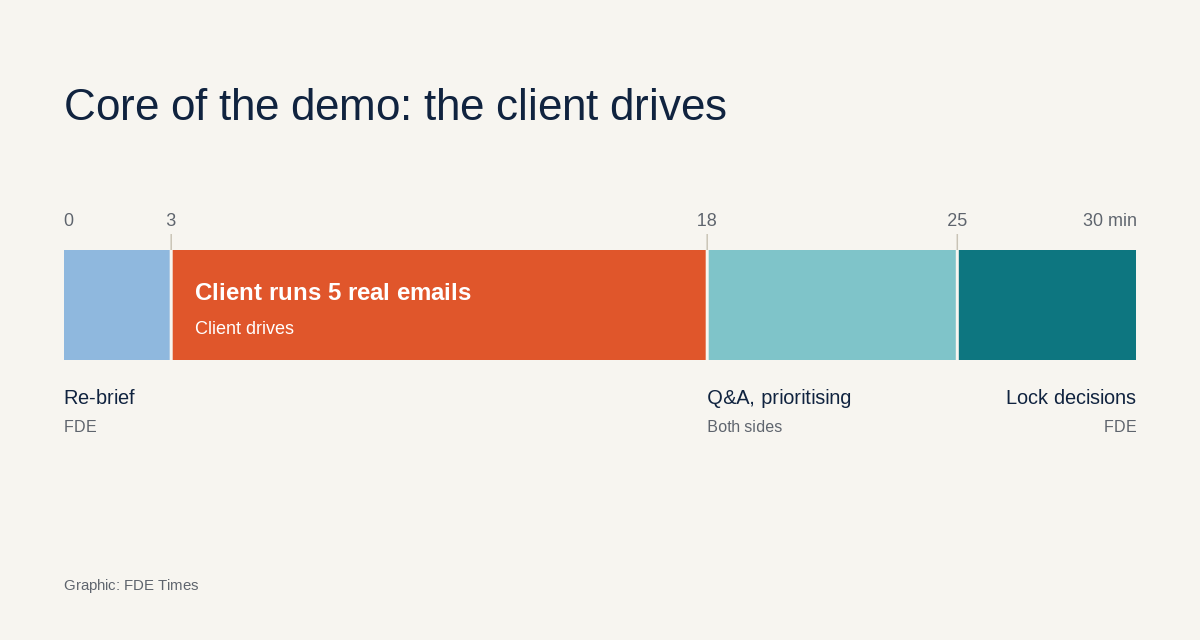
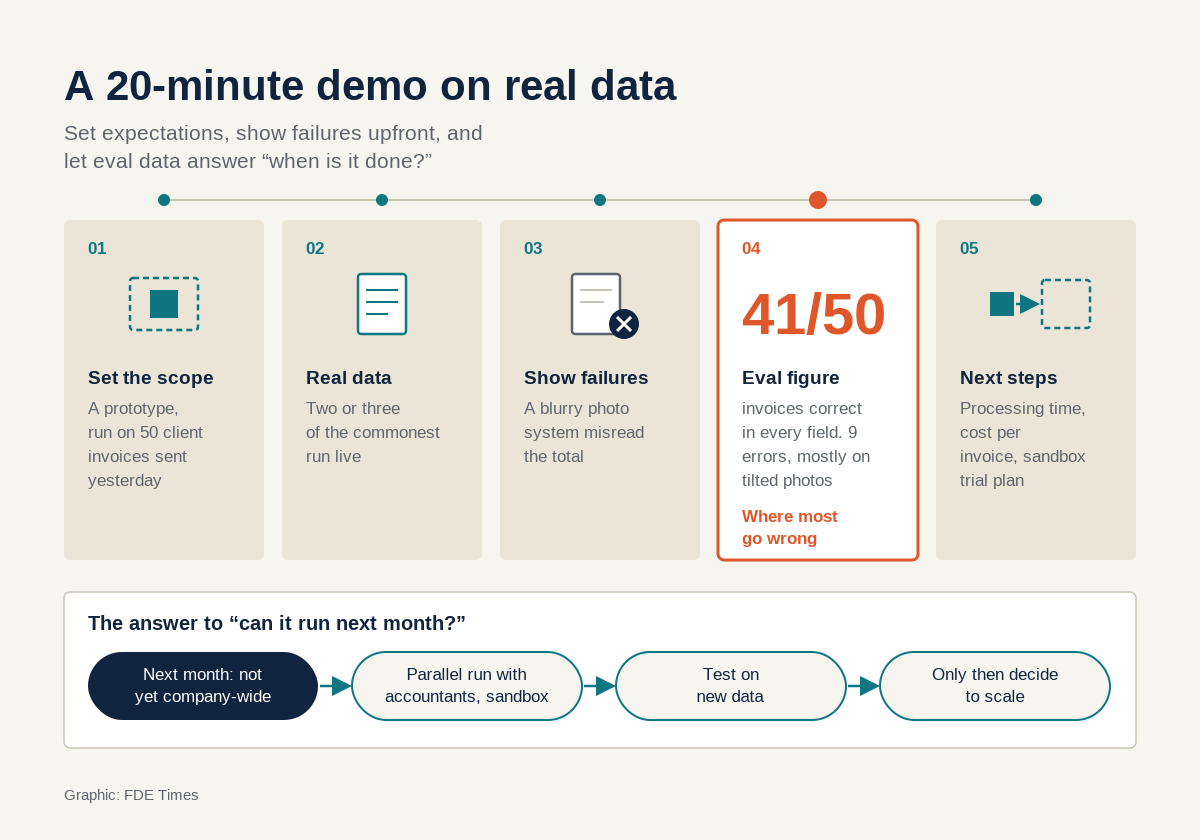
A demo only pays off when the client uses the software on real data and both sides leave having agreed one change for the following week.
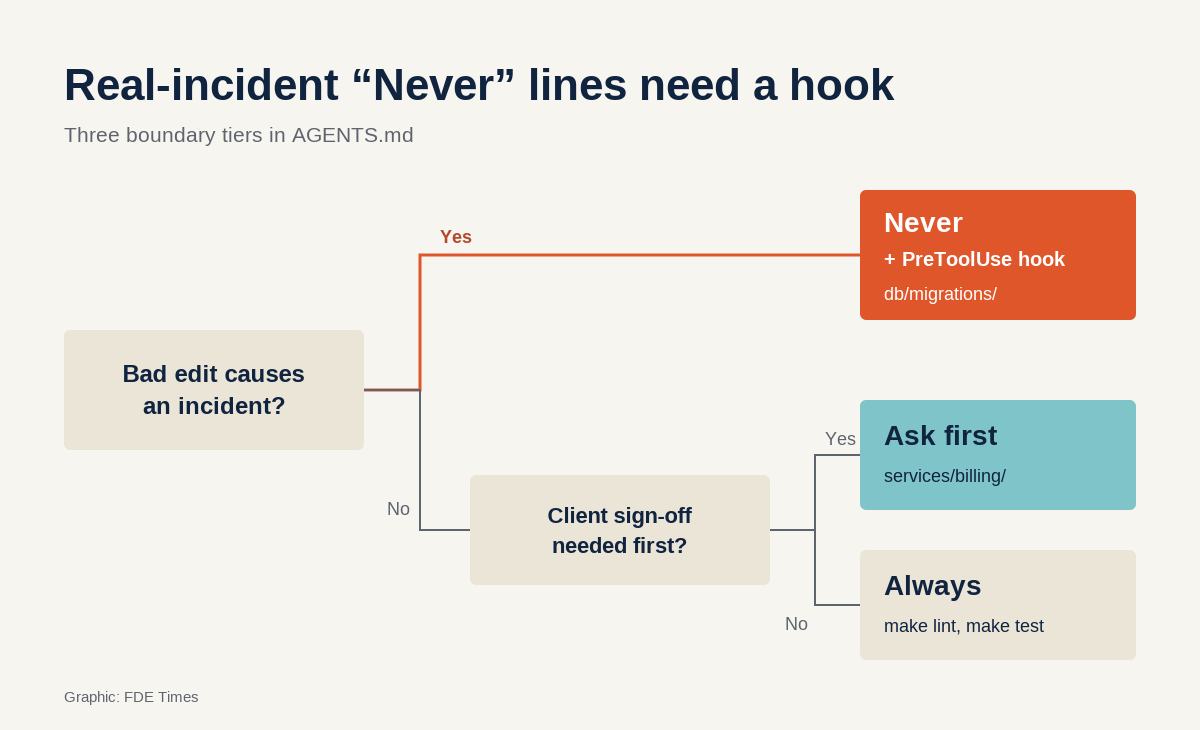
Claude Code treats instruction files as context rather than rules, so FDEs in a client repo need a second, enforced layer and a clear sense of its limits.
CoreWeave's FDE role pairs building agents with running workshops, and a flawed agent traced in W&B Weave shows a client's team exactly where things go wrong.
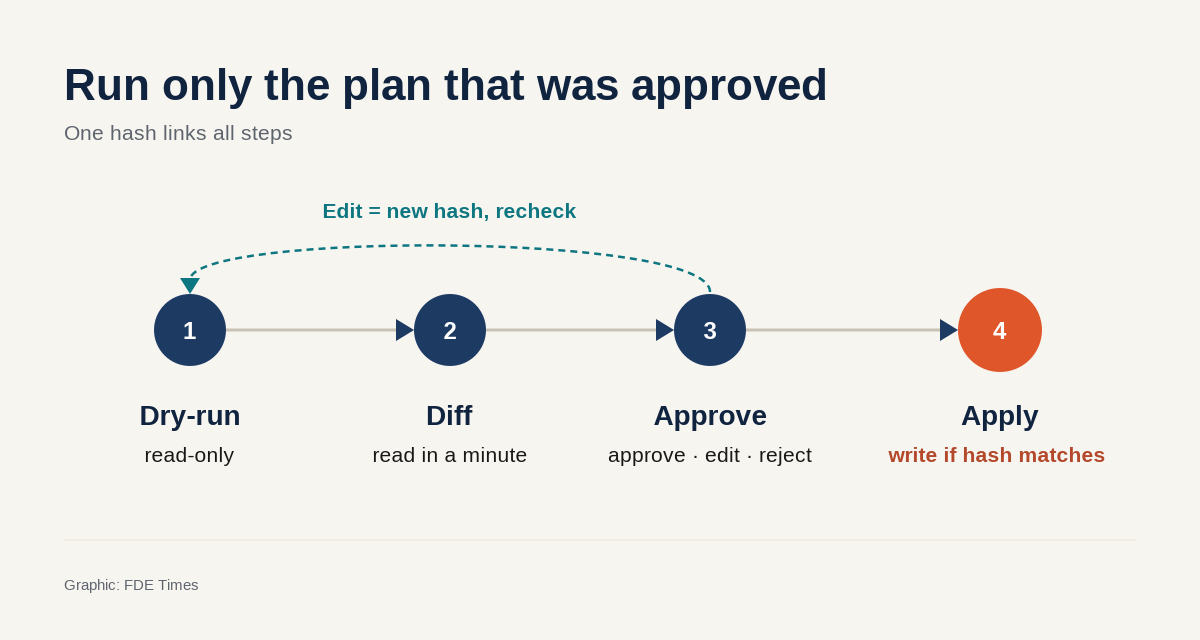
Borrowing Terraform's saved plan file, an agent can dry-run, show a diff and apply only the exact plan a human reviewer approved.
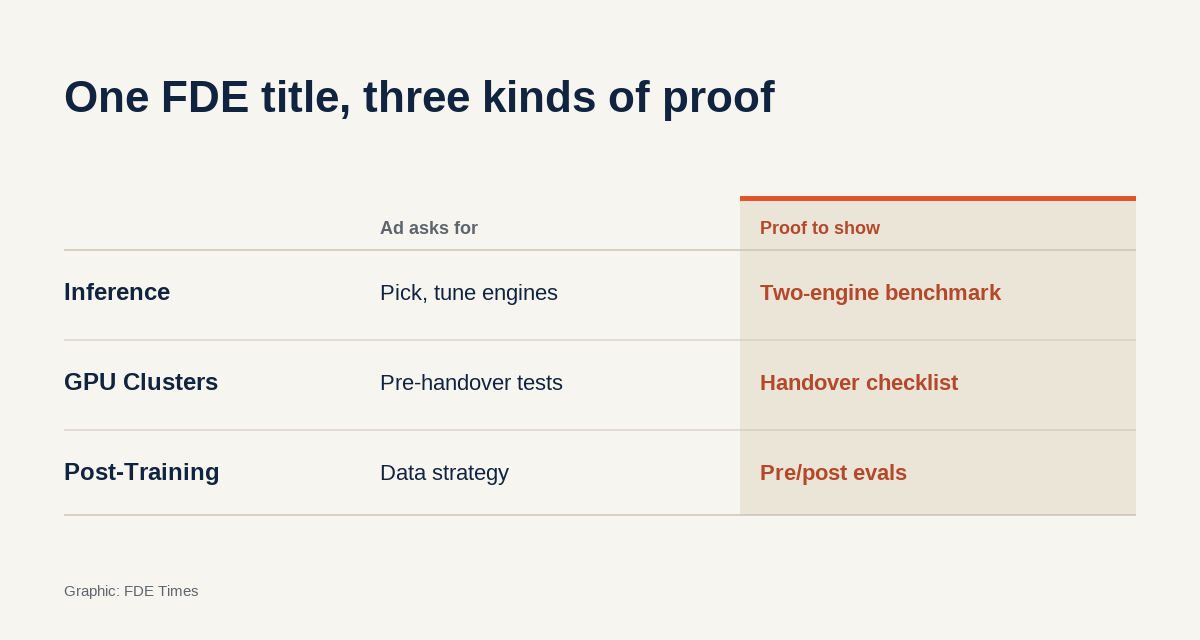
Two of the posts list an OTE of $270,000–300,000, yet GPU cluster validation, inference tuning and post-training each call for their own preparation.
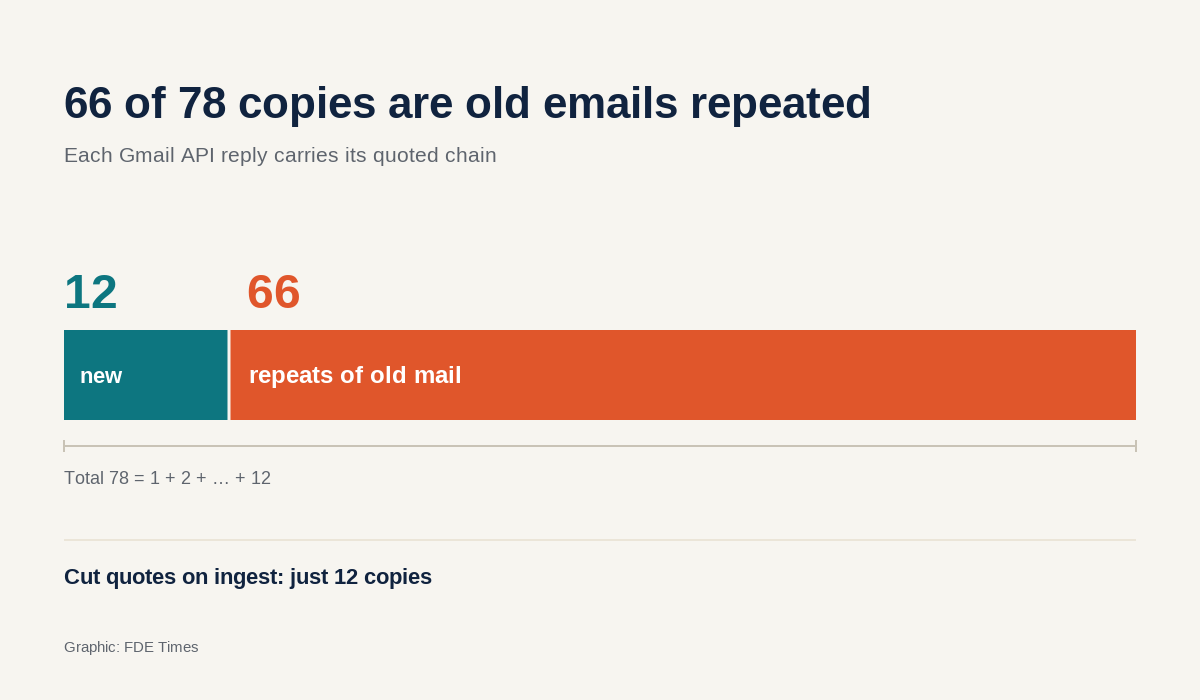
A 12-email thread can hold 78 copies of its content, and your retriever rereads the old messages every time someone hits Reply.
A WHERE clause silently picks one meaning, and an FDE on a client site pays for the wrong one in lost trust.
Clay's Forward Deployed GTMEs own projects from discovery to handoff, and one short request from a VP of RevOps hides at least five technical decisions.
A mutual action plan with dated milestones, named owners on both sides and a technical part written by the FDE does what follow-up emails cannot.
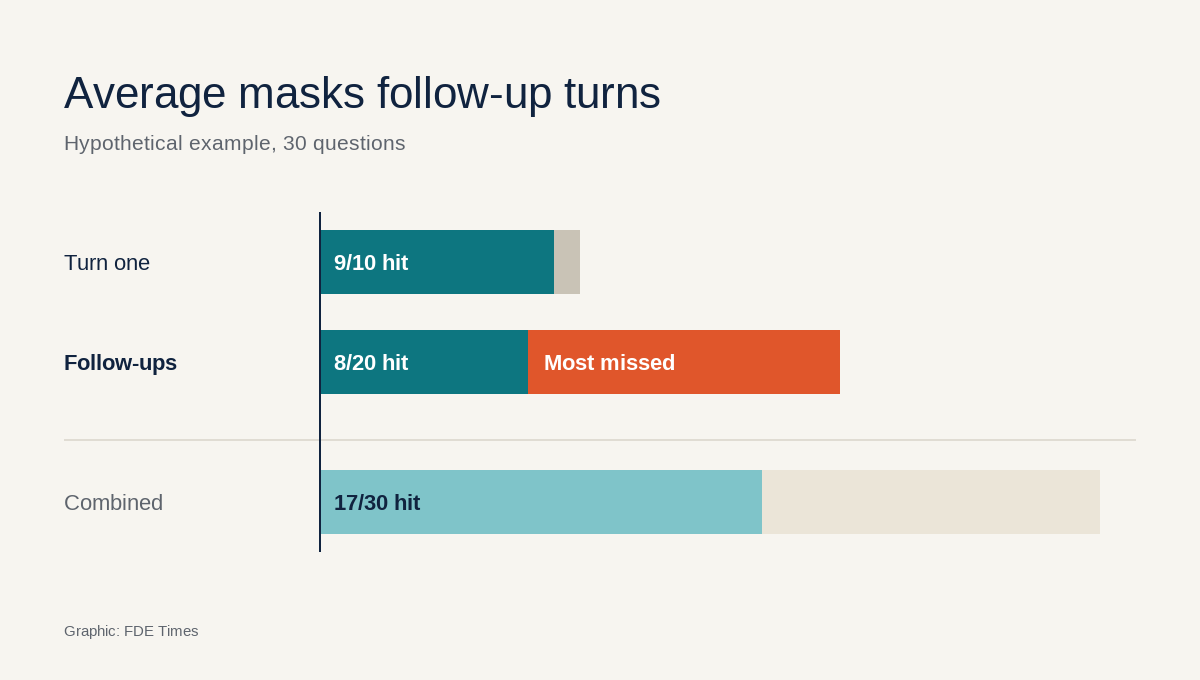
A pronoun the retriever cannot resolve is the usual culprit; rewriting follow-ups helps, but only a turn-by-turn test set convinces a client.
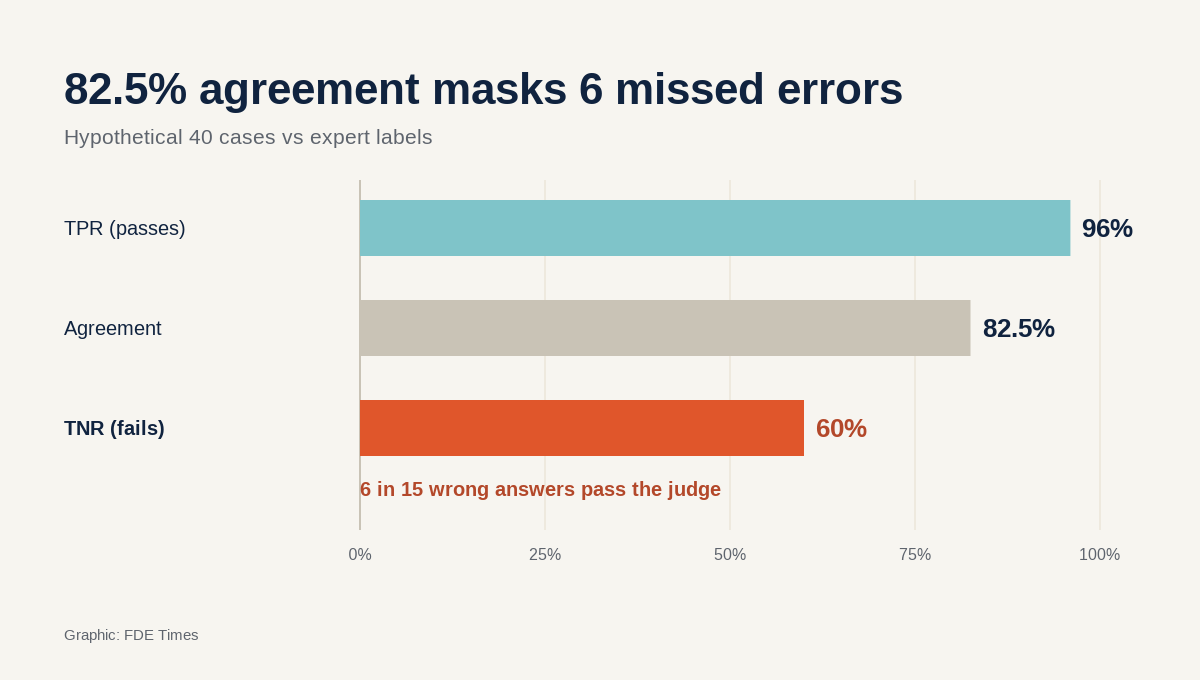
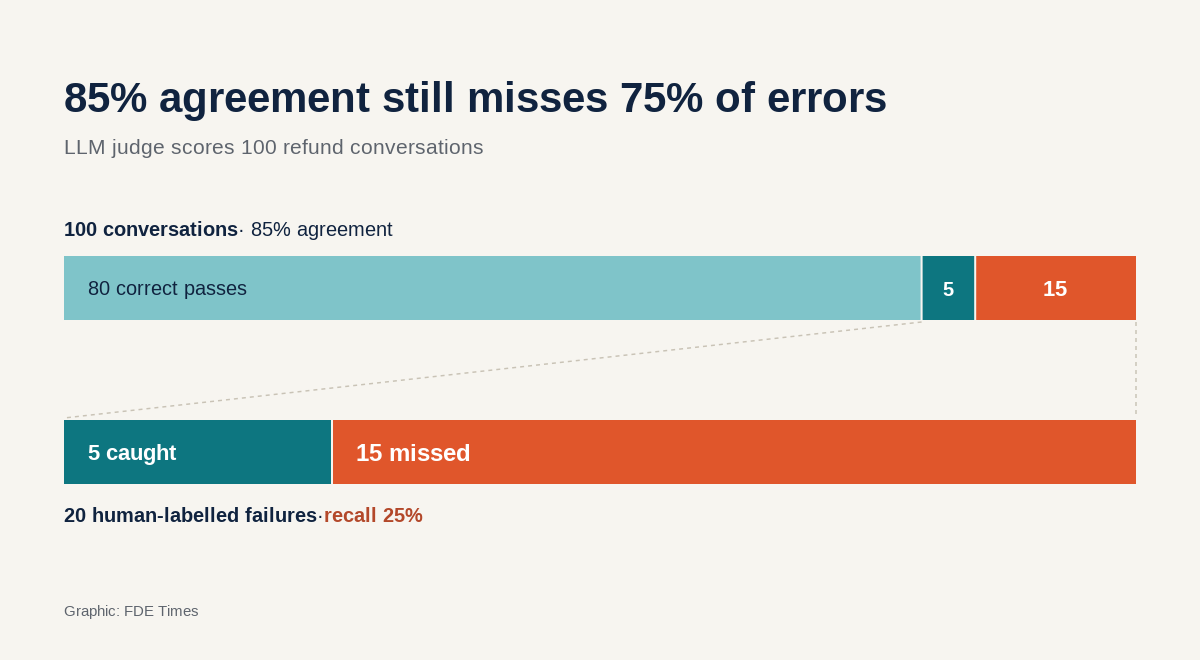
An insurance example shows how to turn a claims lead's judgments into a pass/fail rubric, then check whether the LLM judge grades the way the human does.
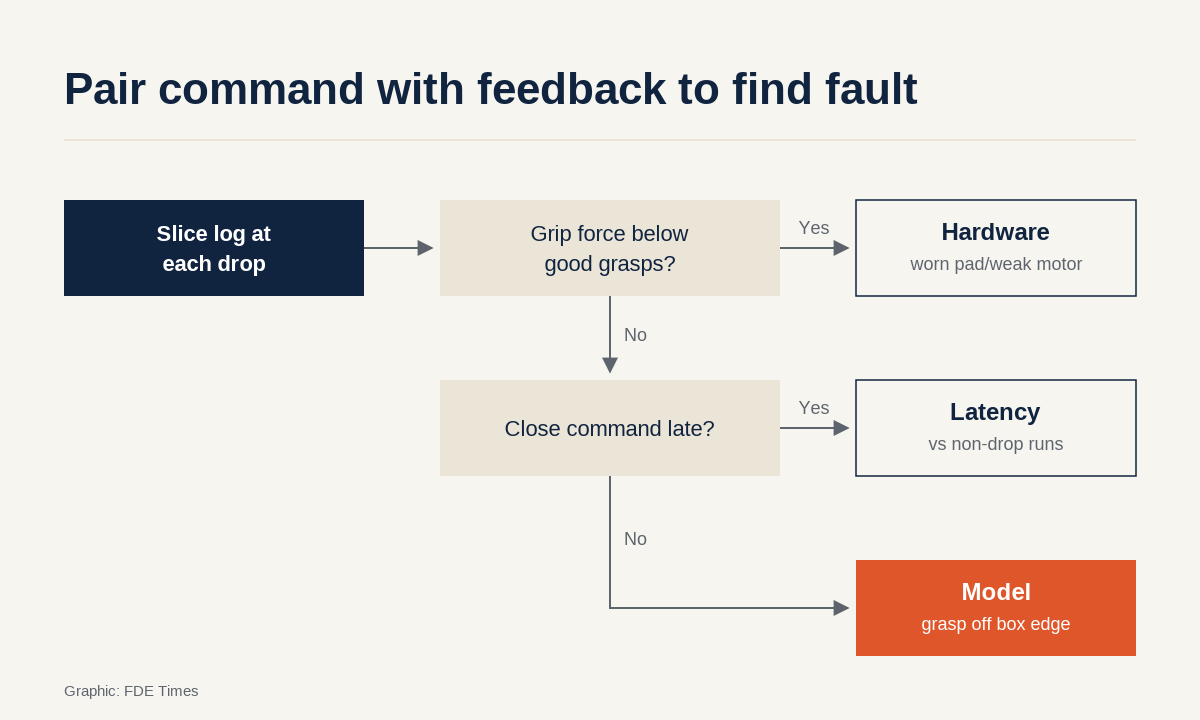
Field engineers at Physical Intelligence rank tickets by fleet-wide impact, reproduce the fault, then line up commands against feedback in the logs before reaching a verdict.
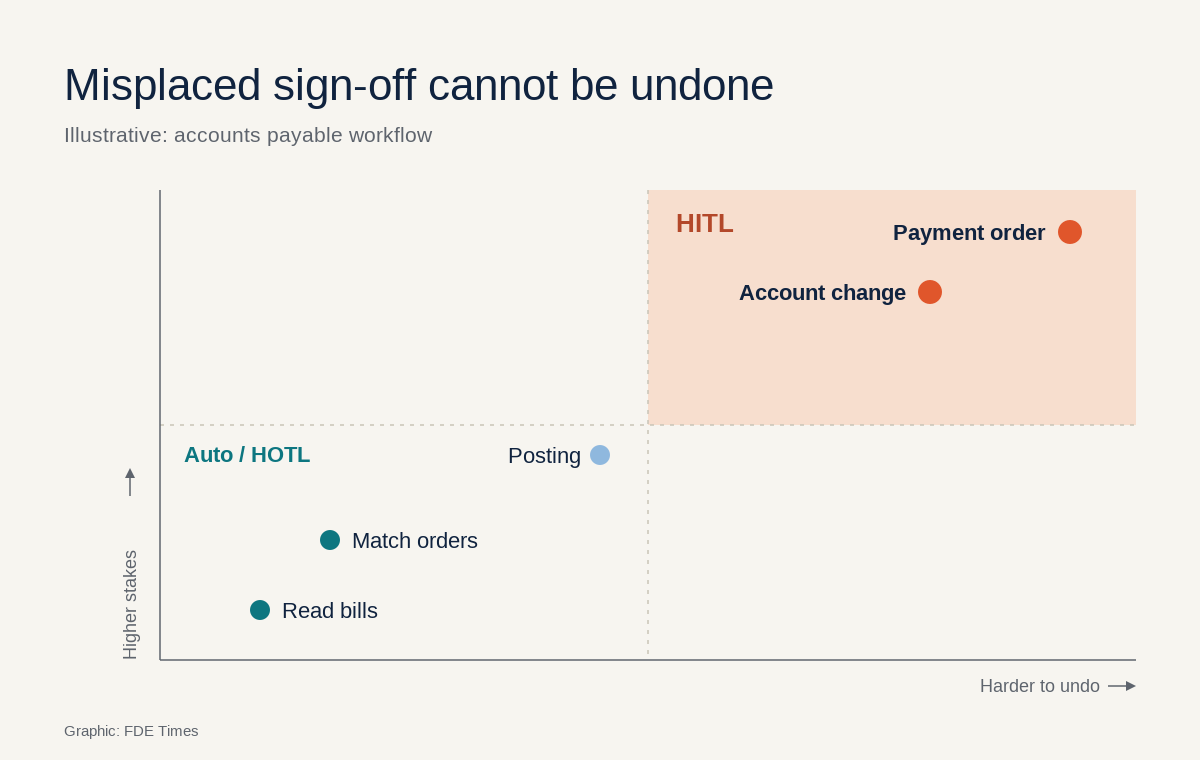
A CrossCountry Consulting job ad asks FDEs to set HITL or HOTL checkpoints by each step's risk and materiality, starting in a project's first week.
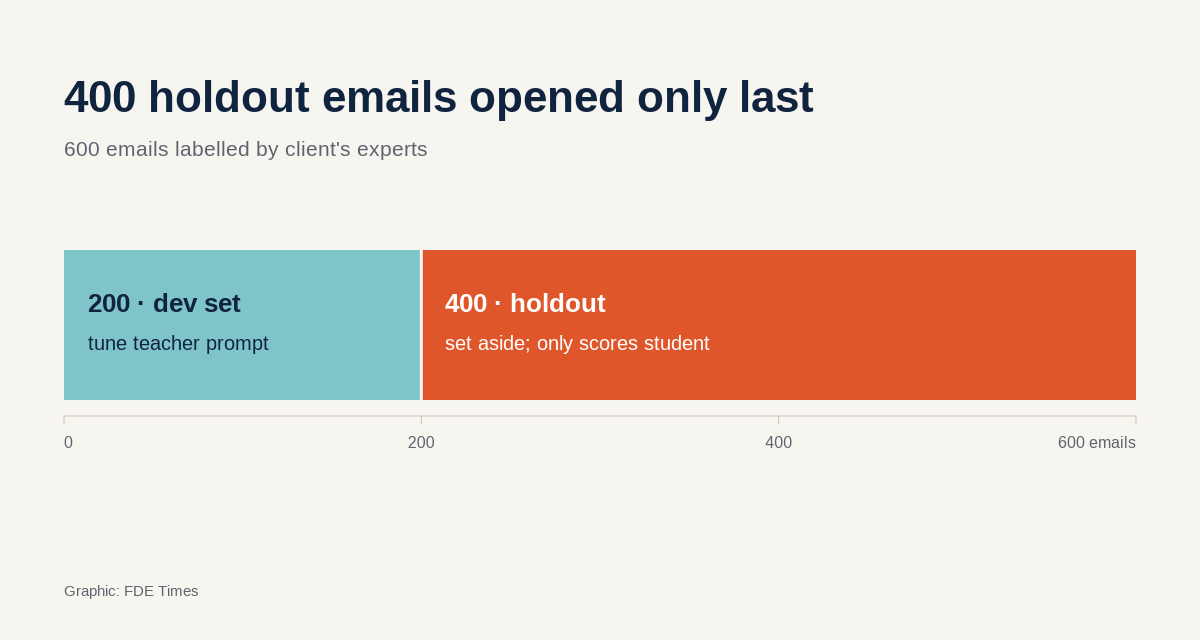
Distillation lets a large teacher model label the data so a small student can run on the customer's own machines, answering questions on cost, latency and data.
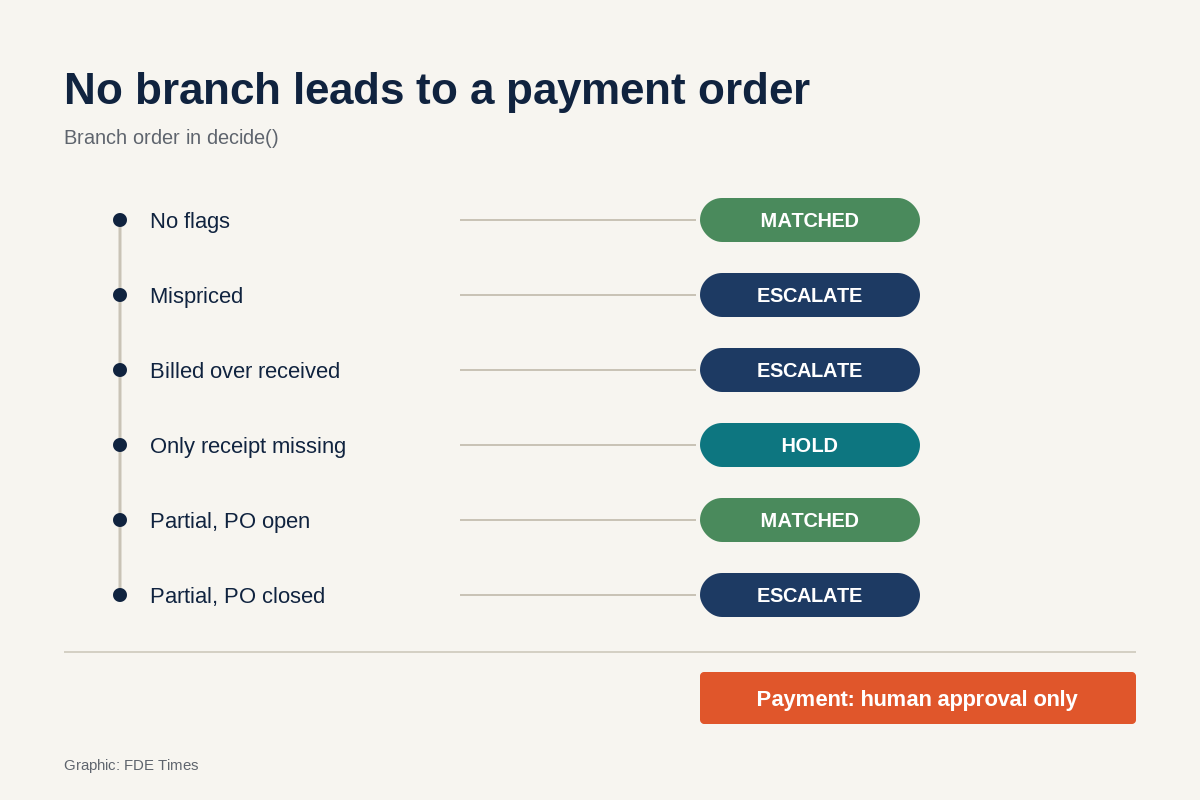
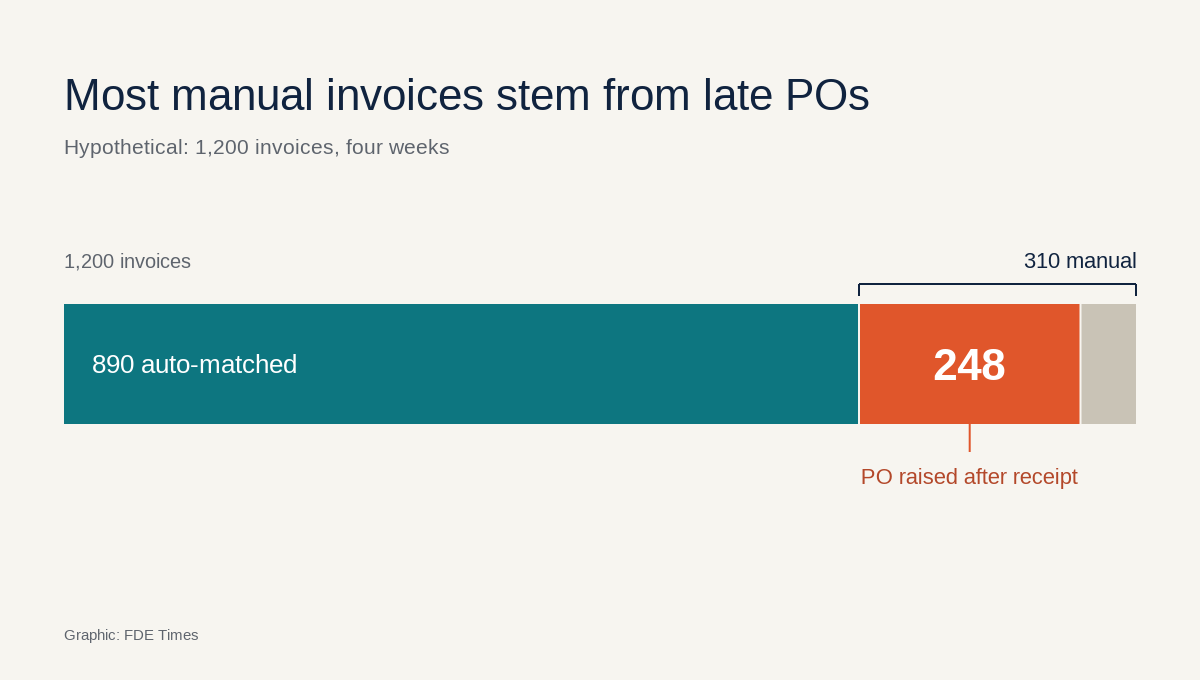
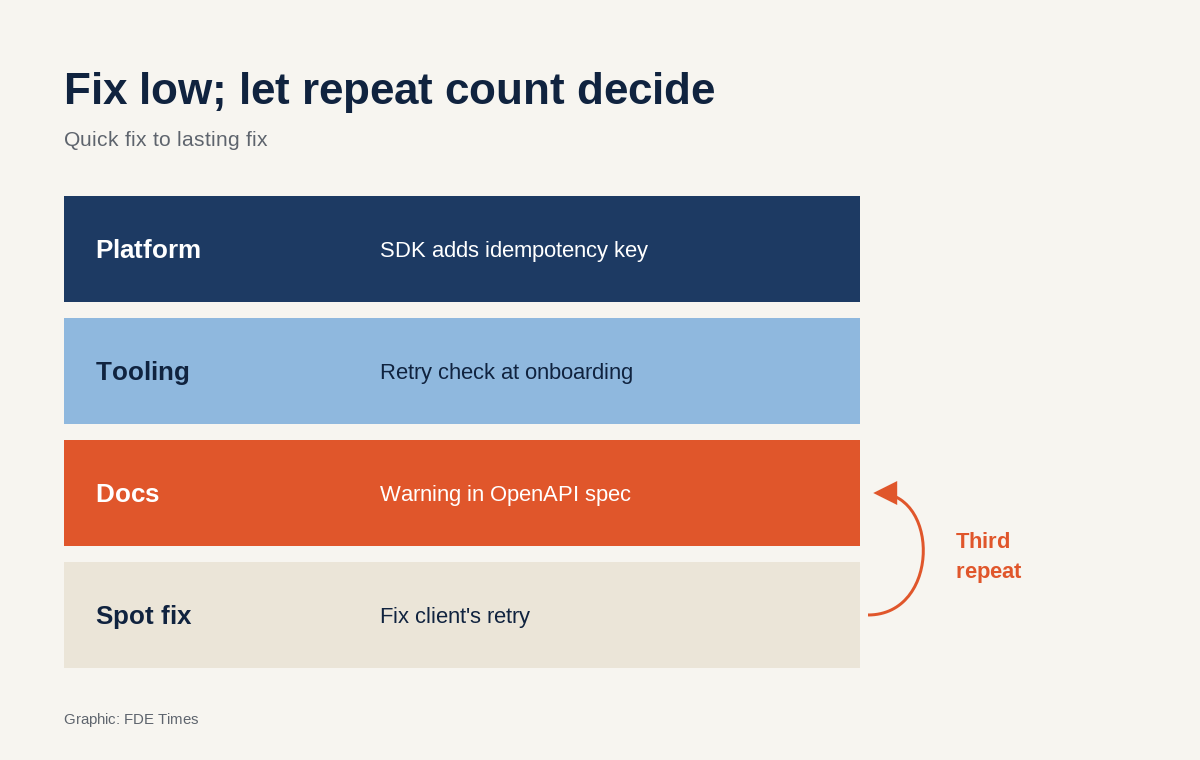
The hard part of invoice matching is not the comparison but the exceptions, and a good agent has to know when to stop.
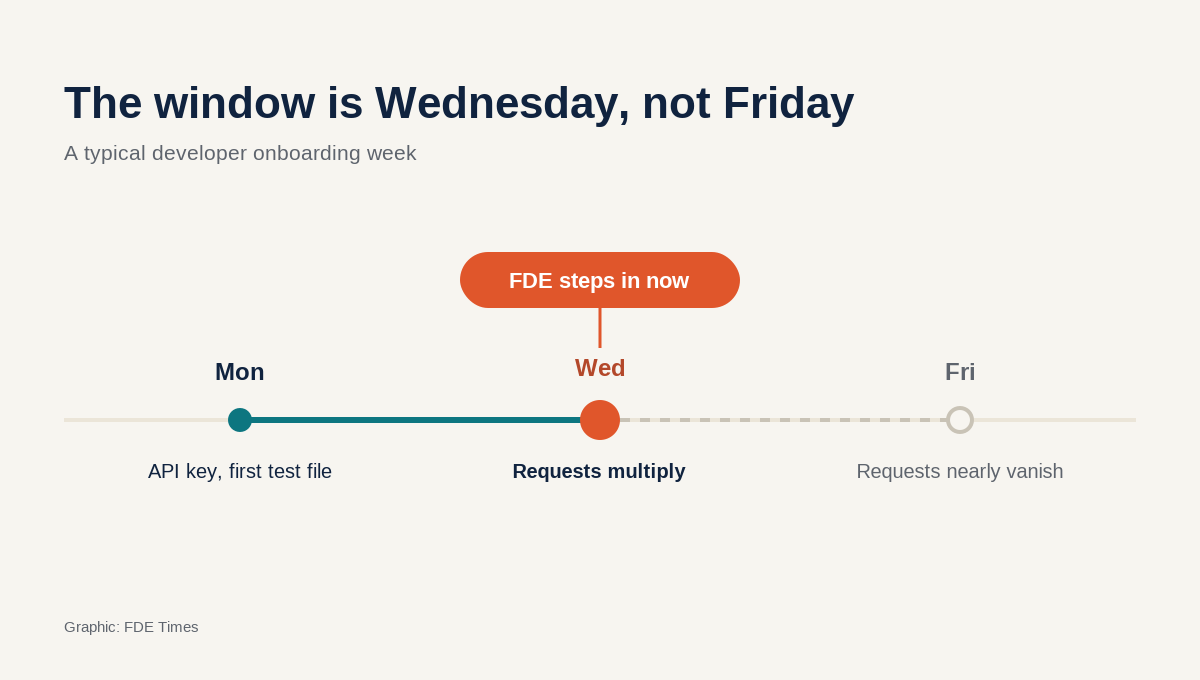
The onboarding role owns the stretch from first API call to first production month, and a polling prototype is where customers most often get stuck.
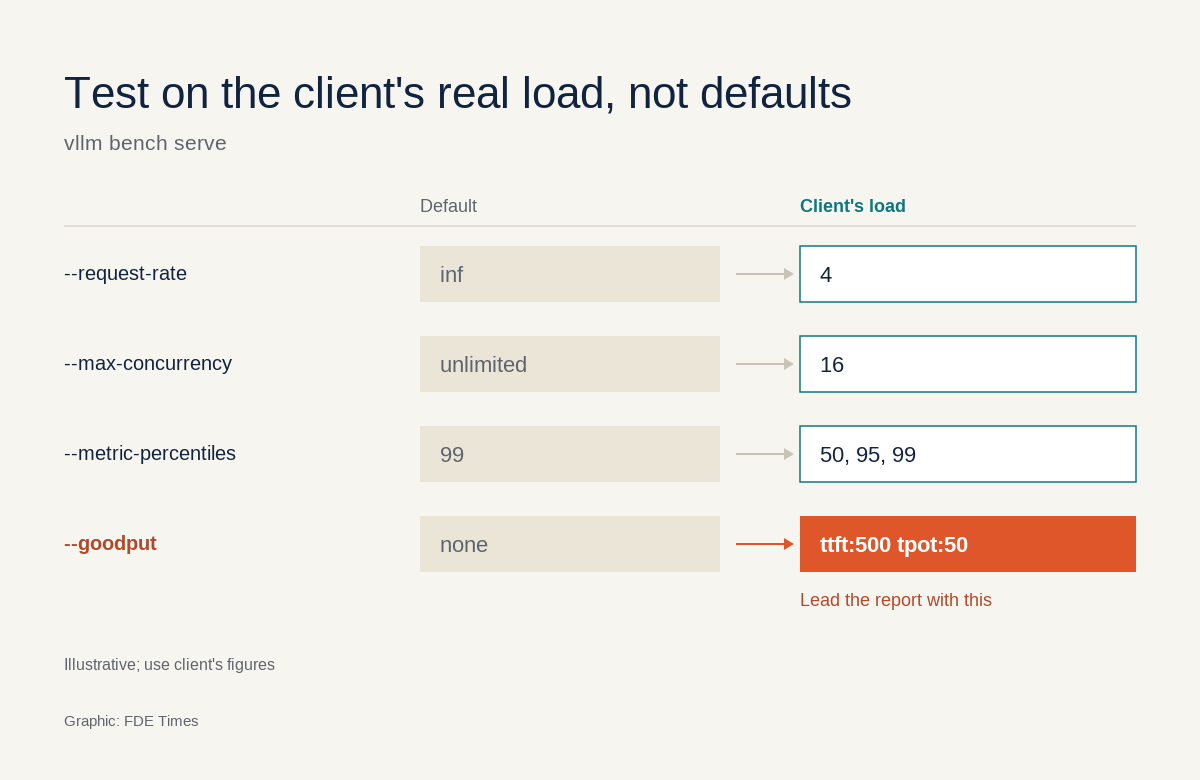
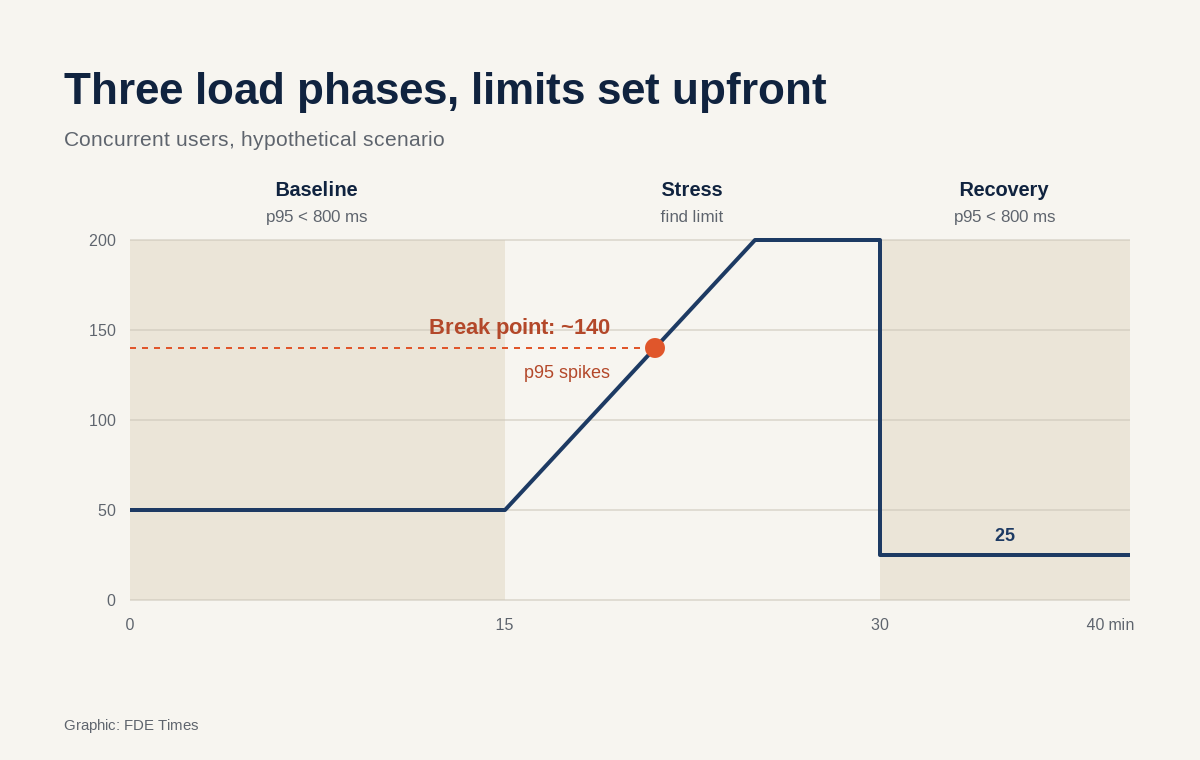
By default vllm bench serve fires every request at once; set the customer's concurrency, request rate and SLO to get numbers an infrastructure team will trust.
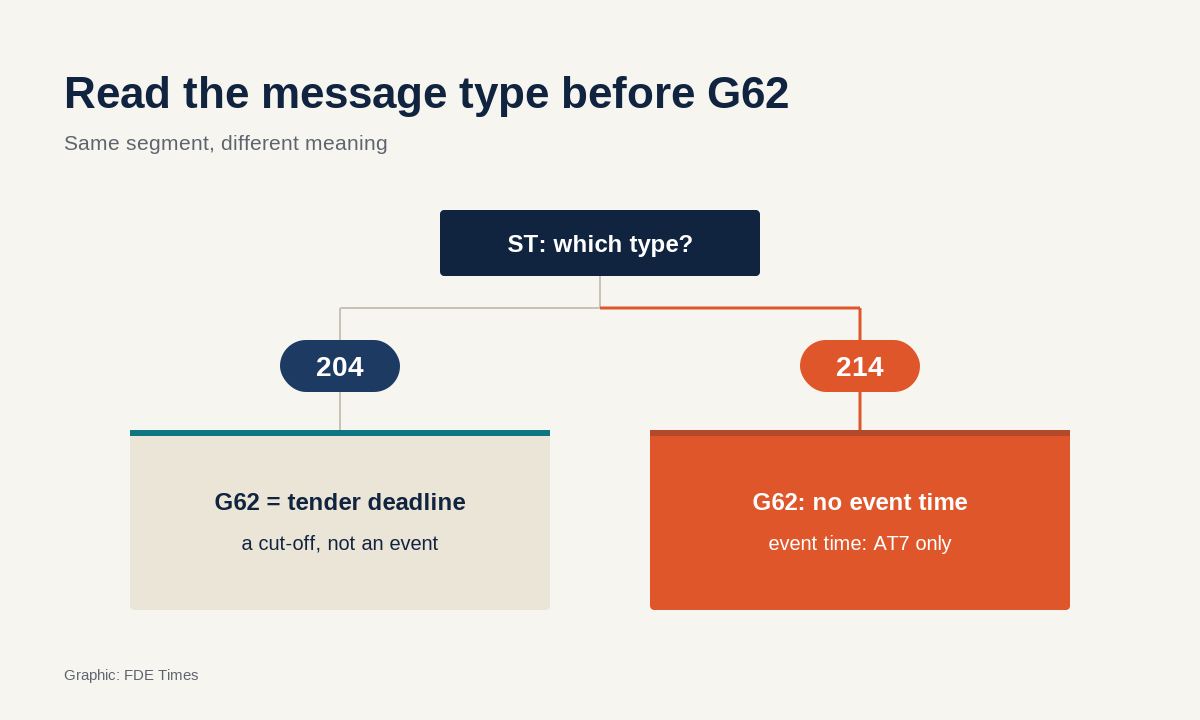
Before wiring a TMS to an agent, learn the five X12 transactions that matter and why segment G62 changes meaning between them.
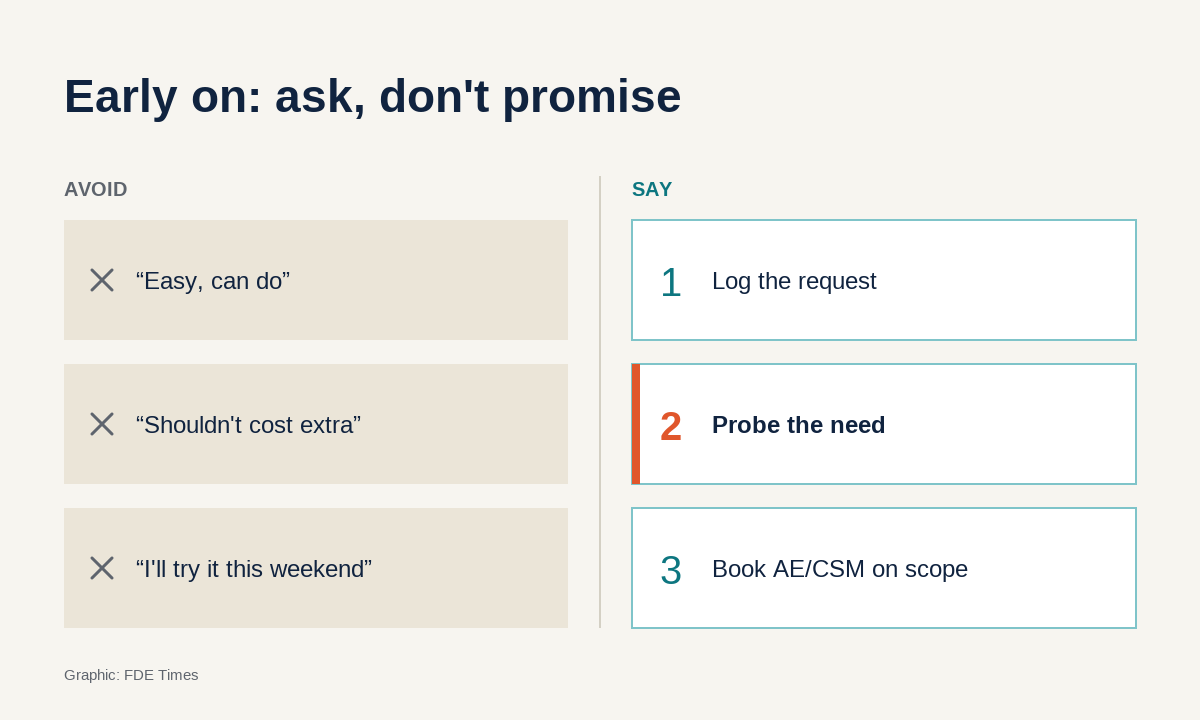
The skill is not selling but replying without committing, then routing the signal to whoever owns expansion, which differs from company to company.
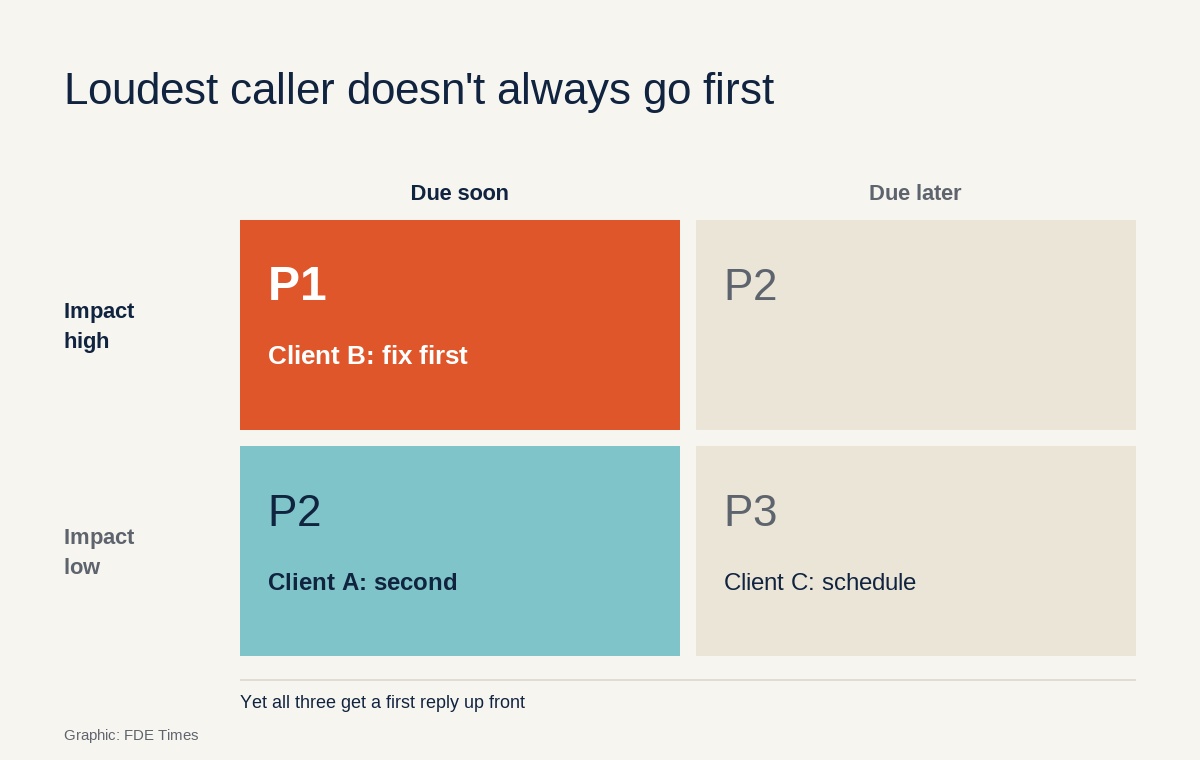
Separating severity, urgency and the SLA you signed lets an FDE rank the morning's work in fifteen minutes and defend the order.
With incremental refresh, cost follows how fast data changes rather than table size, and building the pipeline both ways shows what each approach leaves you to manage.
Tools fix syntax, not semantics: empty strings, casts and text grouping can run without error and return wrong numbers, so prove parity with data.
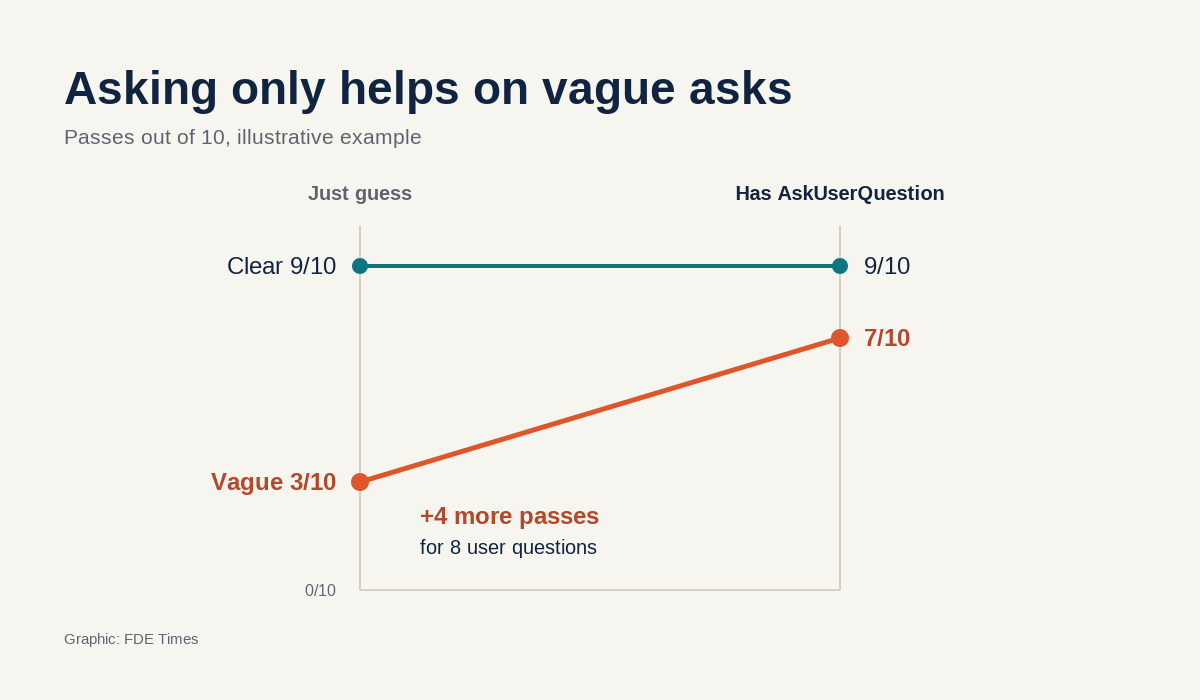
Telling the model to ask when unsure barely helps; build clarification into the agent, then use a small eval to test whether asking pays.
After the Air Canada ruling, "the AI hallucinated" excuses nothing; clients judge how fast you contain the error, correct the record and prove the fix holds.
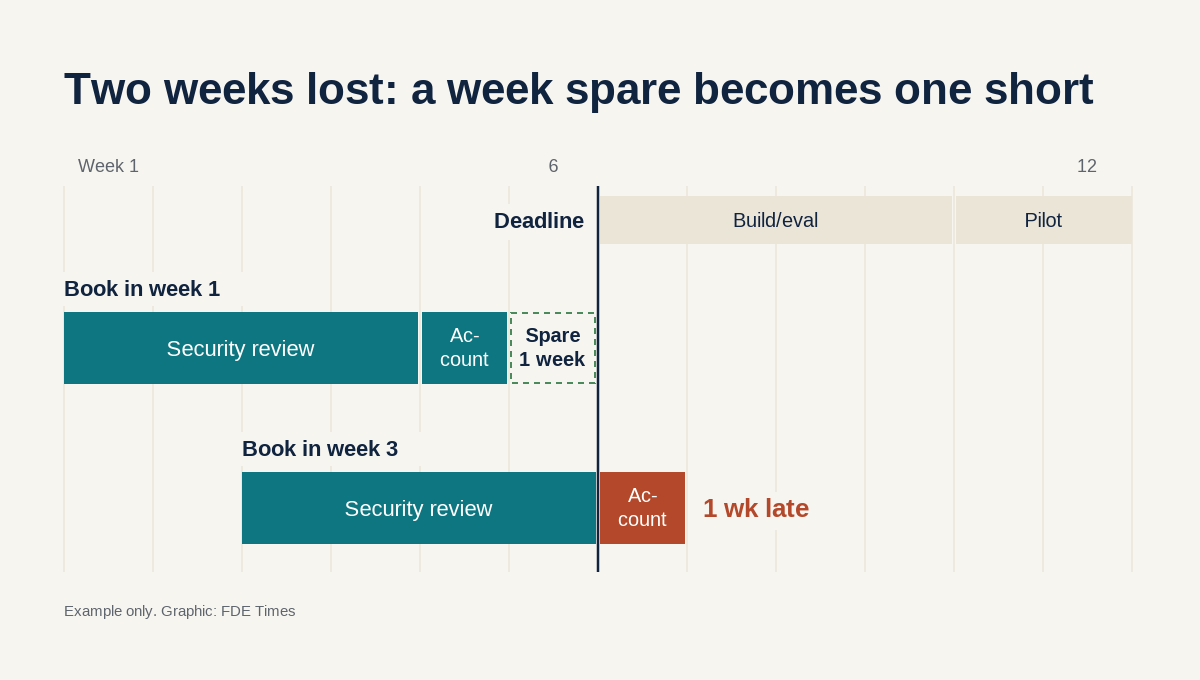
Meet compliance for the first time in week six and you may rebuild most of the architecture, so the evidence they need starts in week one.
Both the customer's trust policy and your own IAM policy must open the door, and ExternalId stops a confused deputy rather than acting as a password.
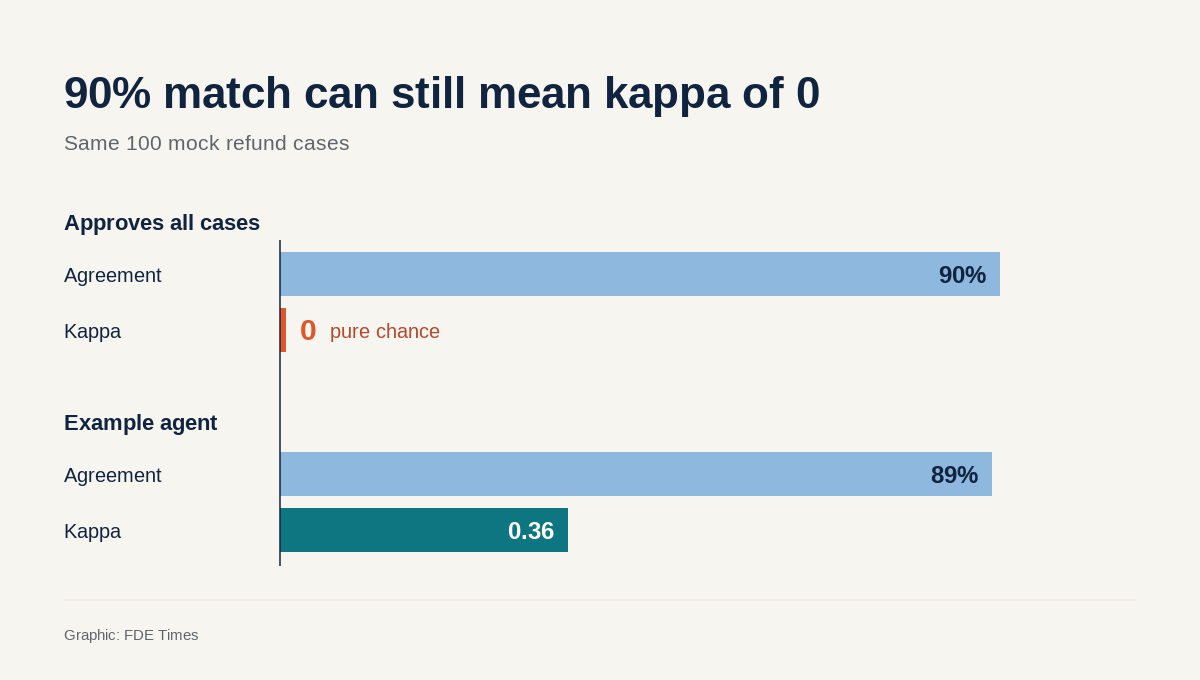
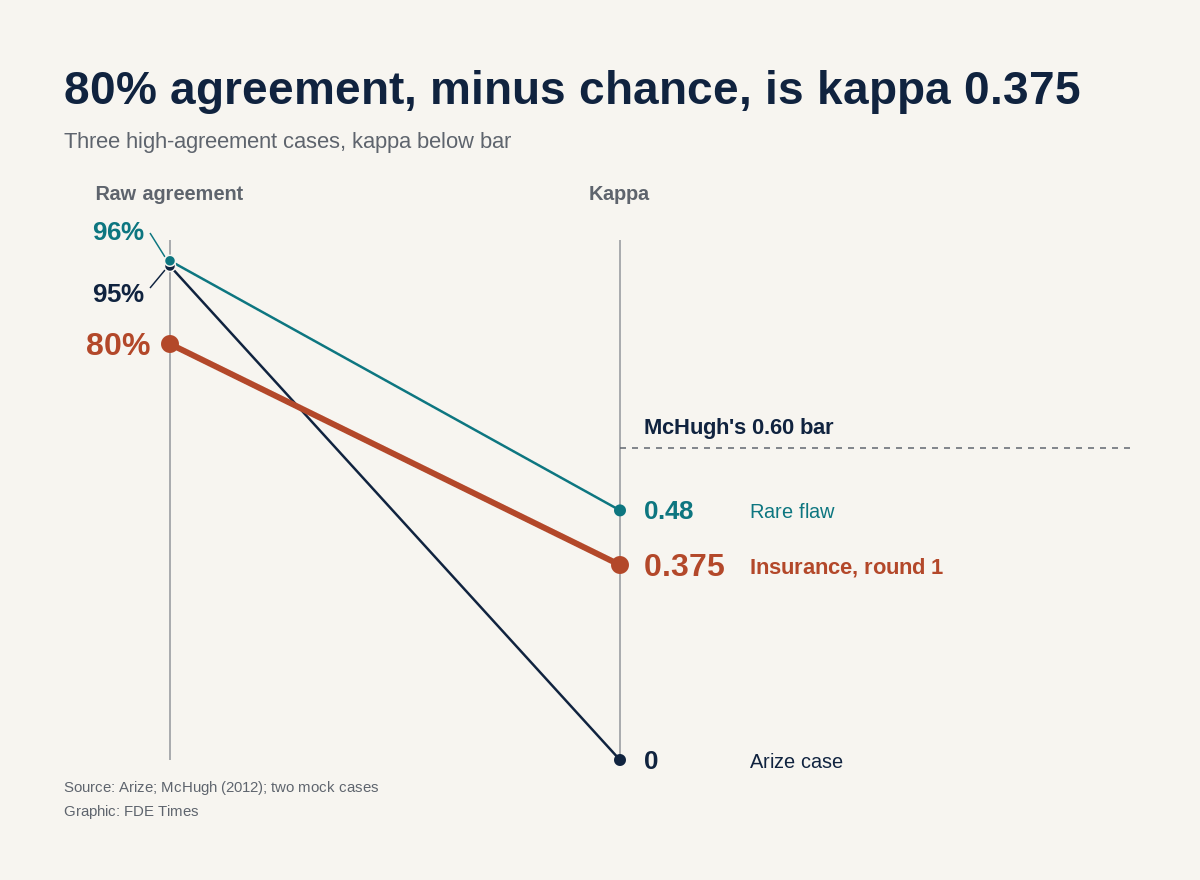
Run the agent in shadow mode beside human operators and log both sides; a few dozen lines of Python then compute kappa to show whether agreement beats chance.
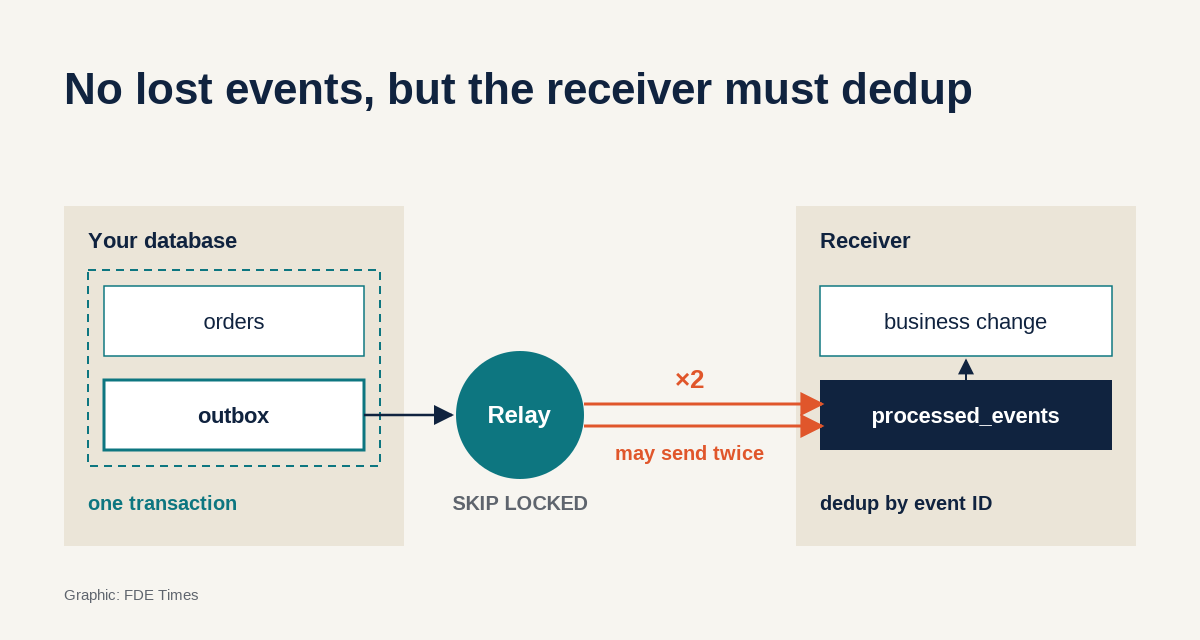
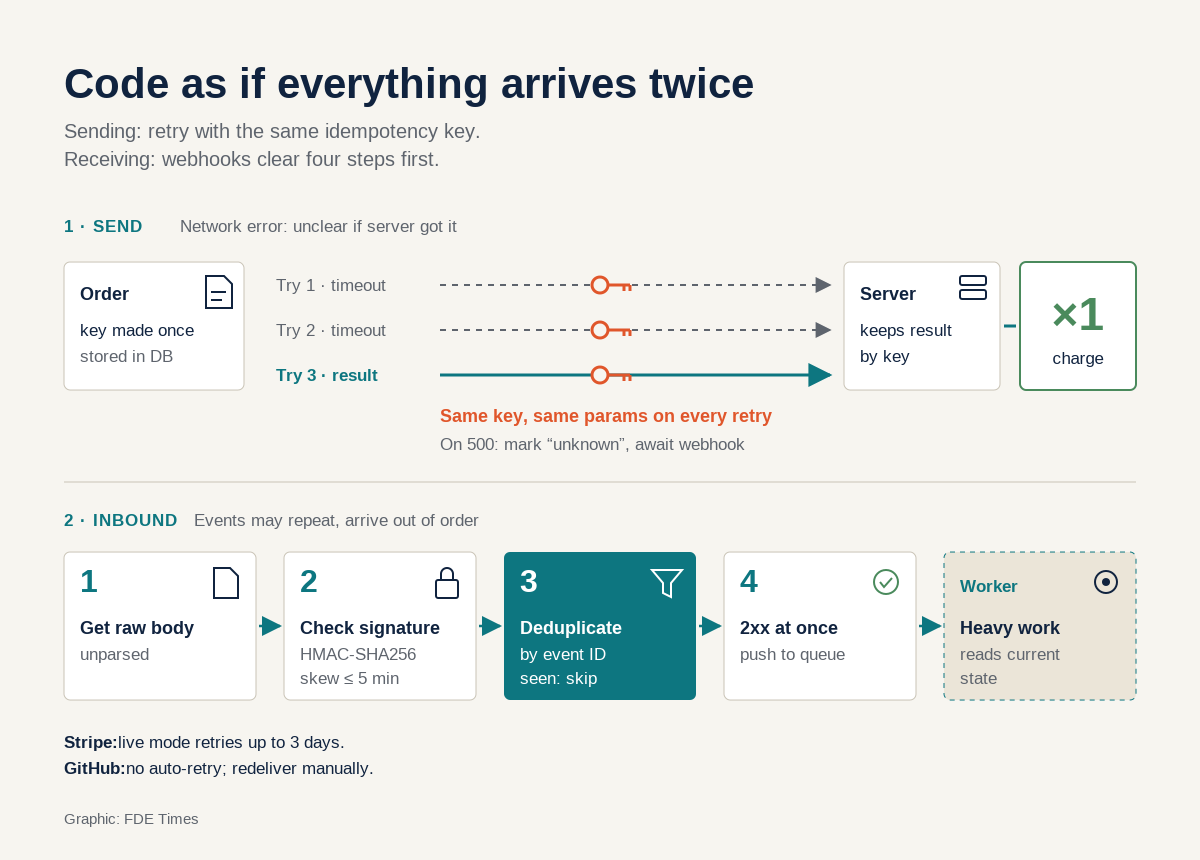
Write the event in the same transaction as the order and let a relay send it; if the receiver deduplicates, retries never create duplicates.
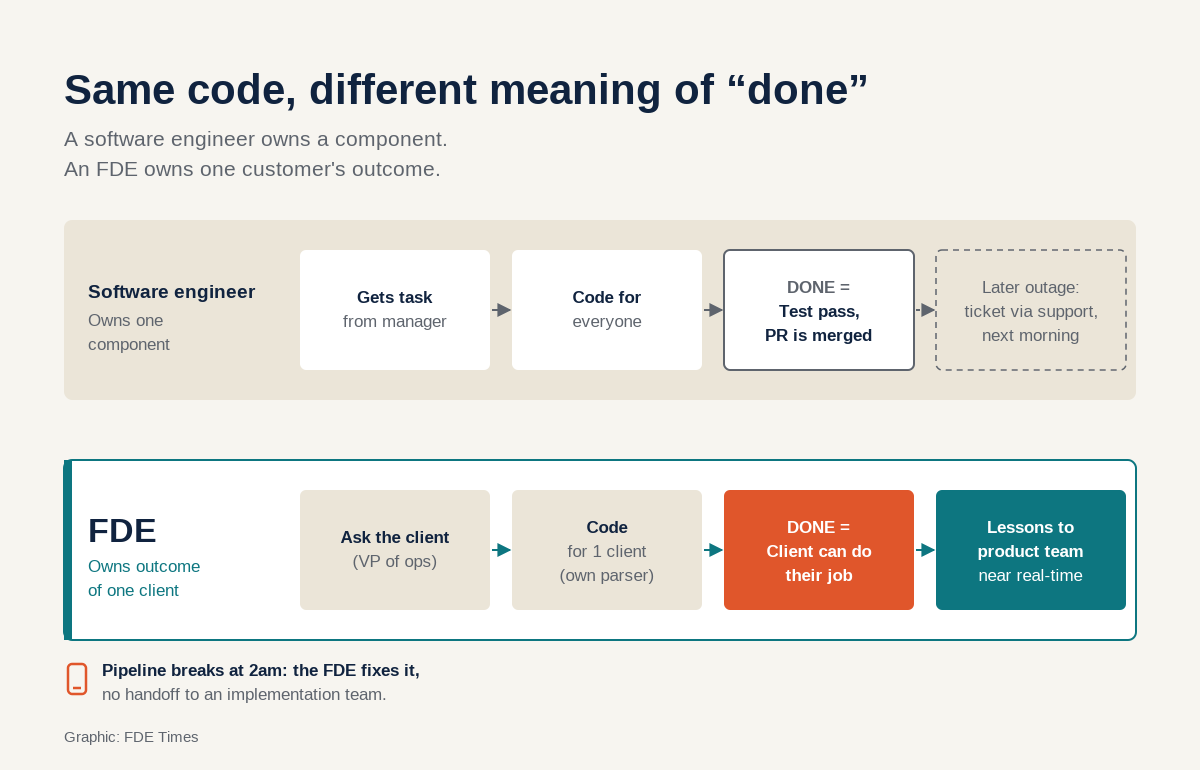
The integrator builds to the SOW; the FDE owns a definition of done measured in business results, plus the product knowledge and the handover to operations.
A firewall silently drops idle connections the pool still trusts, and bigger pools, more retries or extra workers each make the outage worse.
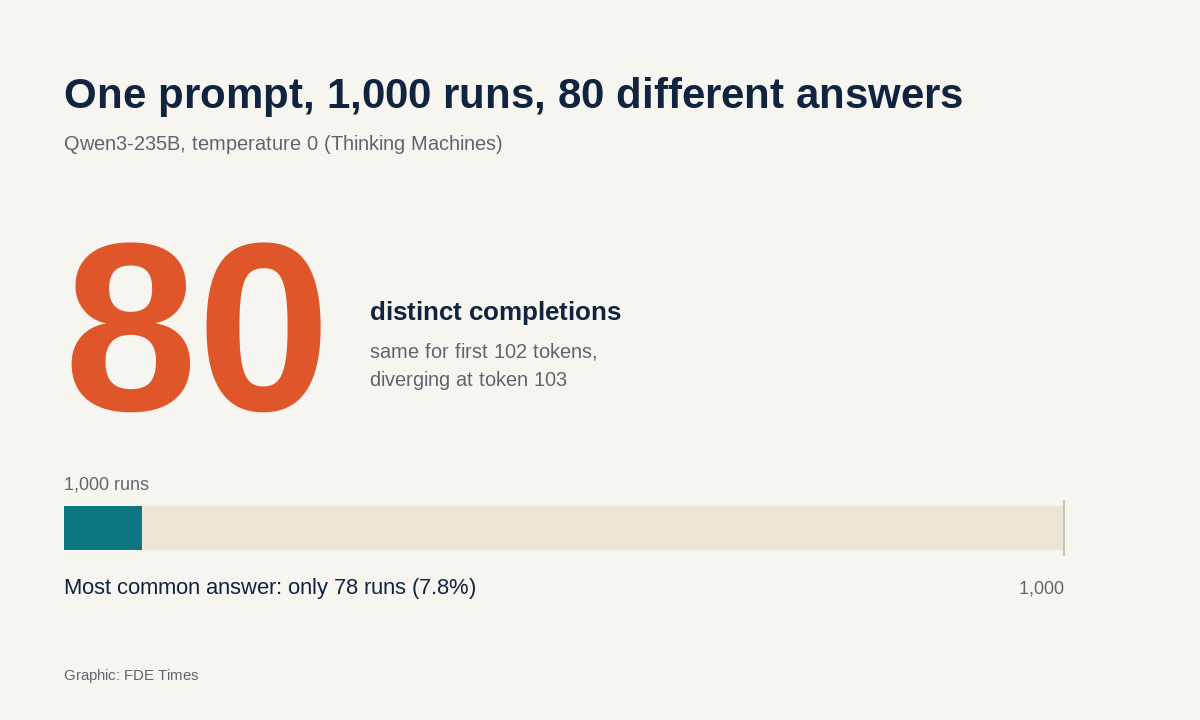
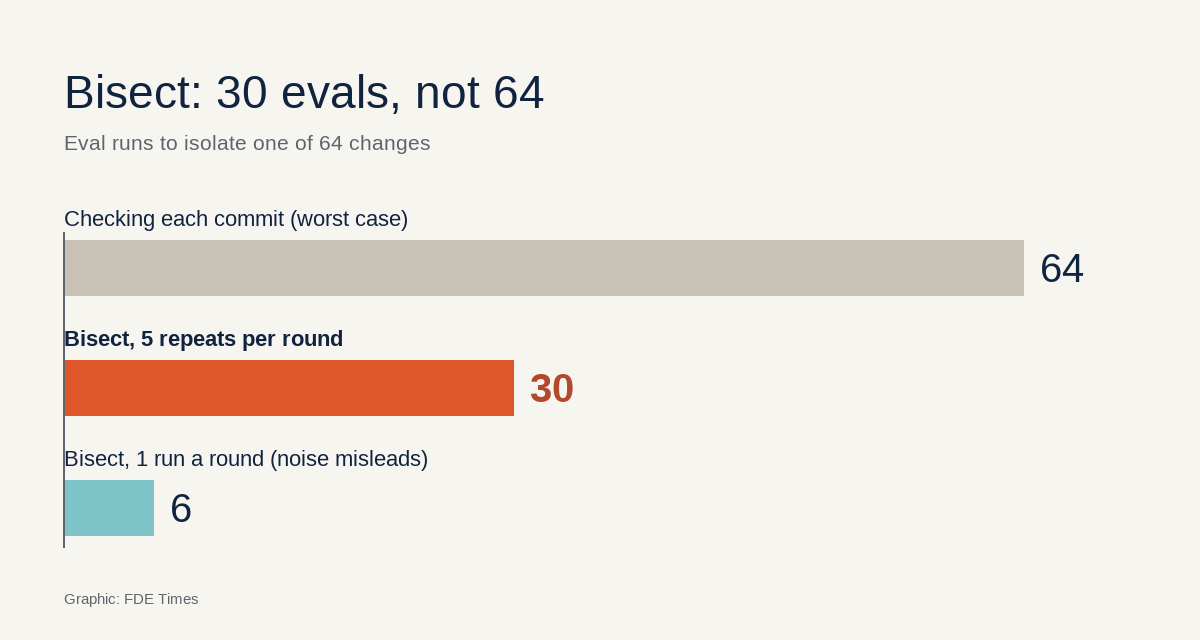
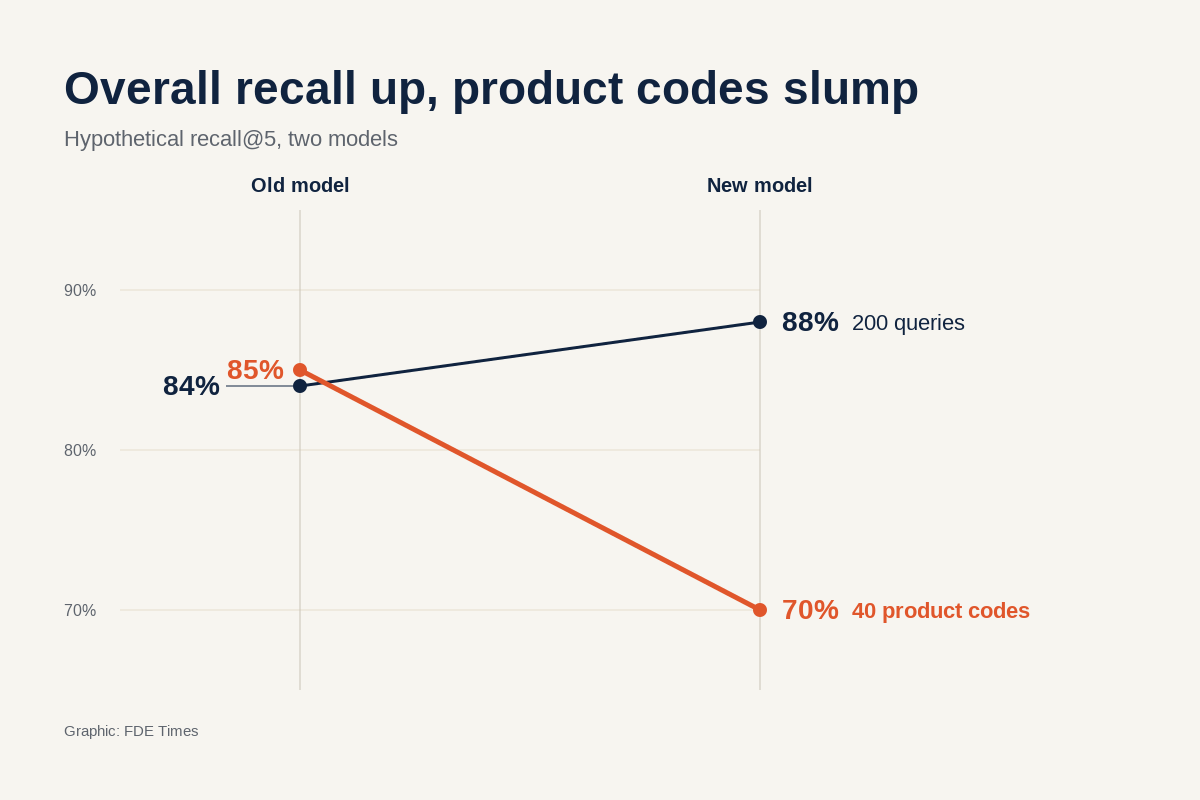
Accuracy can swing by up to 15% between identical runs, so a keep-or-rollback call based on a single eval may be comparing noise with noise.
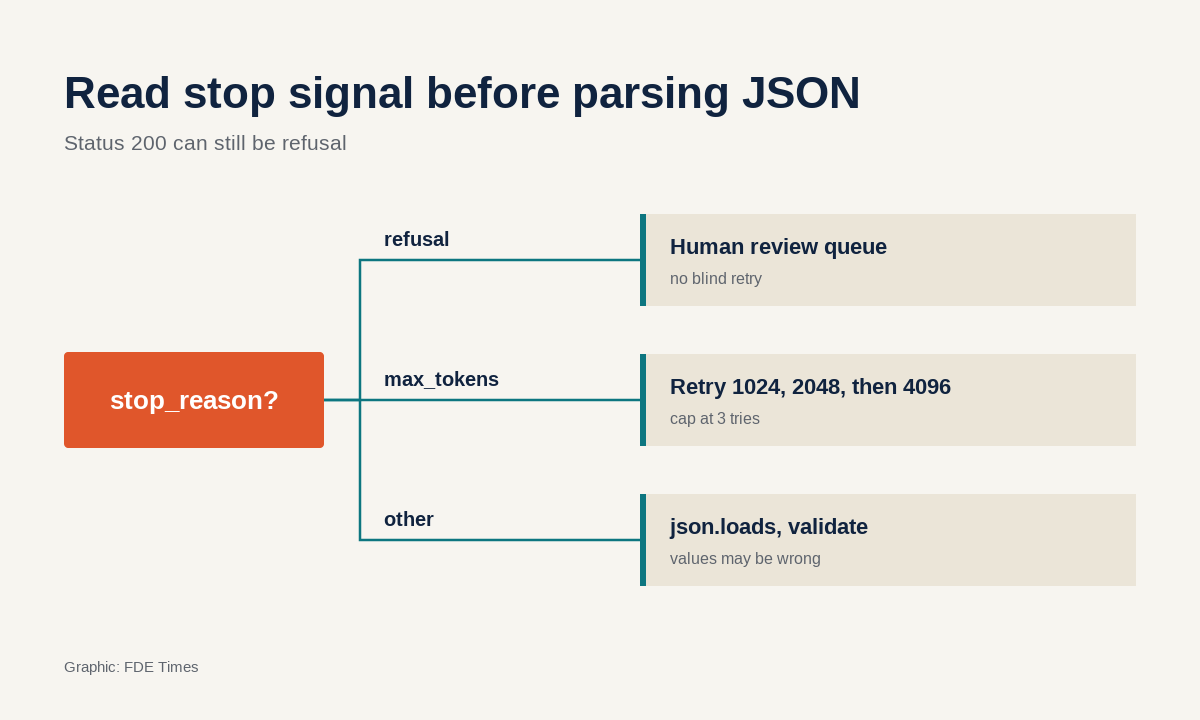
A Claude refusal returns status 200 and is billed in full, so check the stop signal before you parse anything.
The person who designed the faulty approval step is the one you most need to fix it, and your opening decides which side they take.
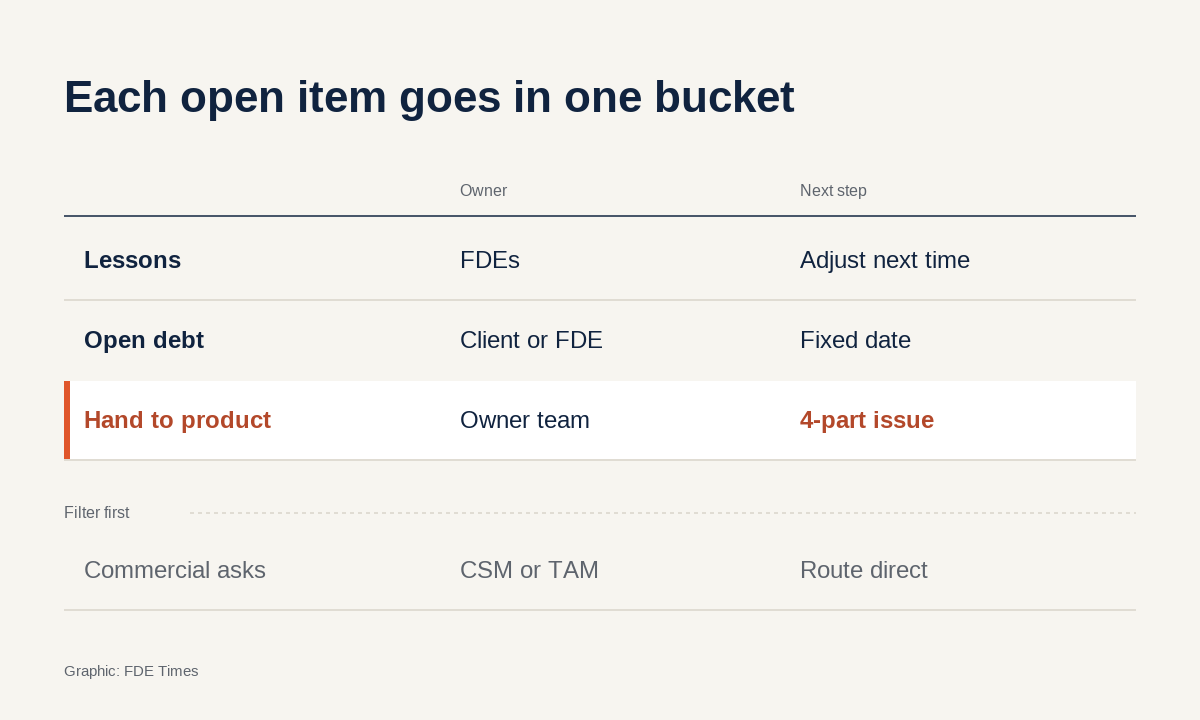
Every loose end belongs in one of three buckets (lessons, remaining debt or product issues), and each one needs an owner before the FDE moves on.
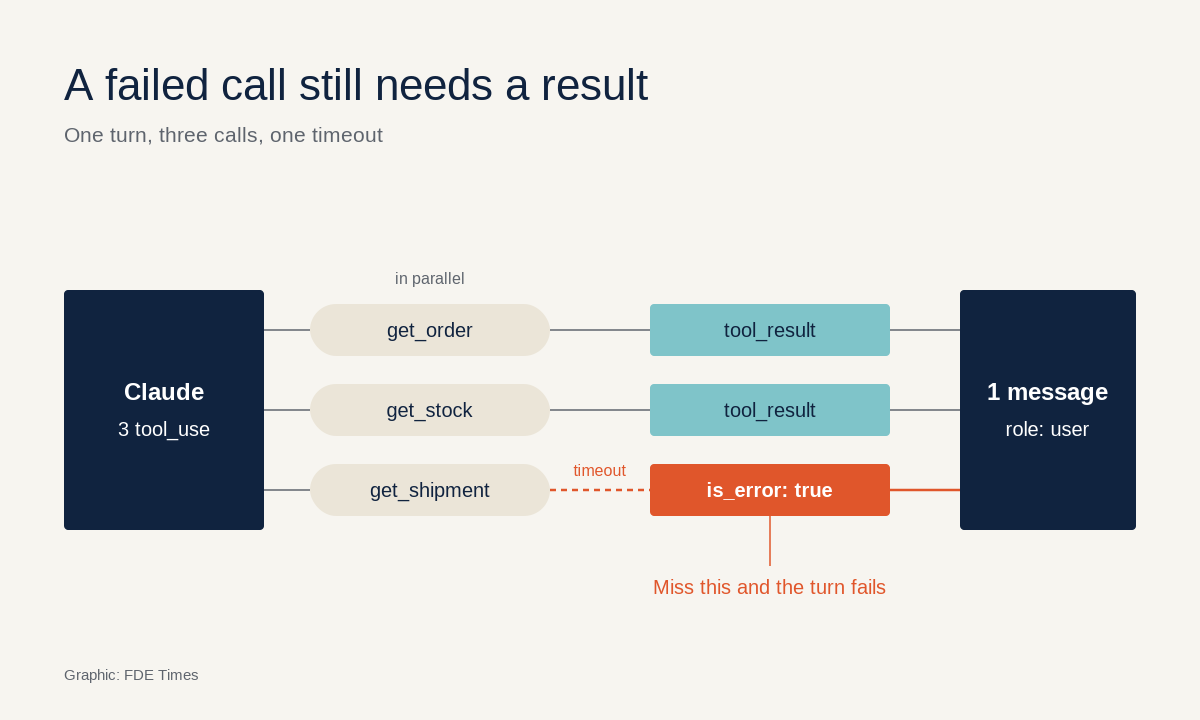
Return a result for every call, failures included, run tools with side effects in sequence, and count how often the loop still breaks.
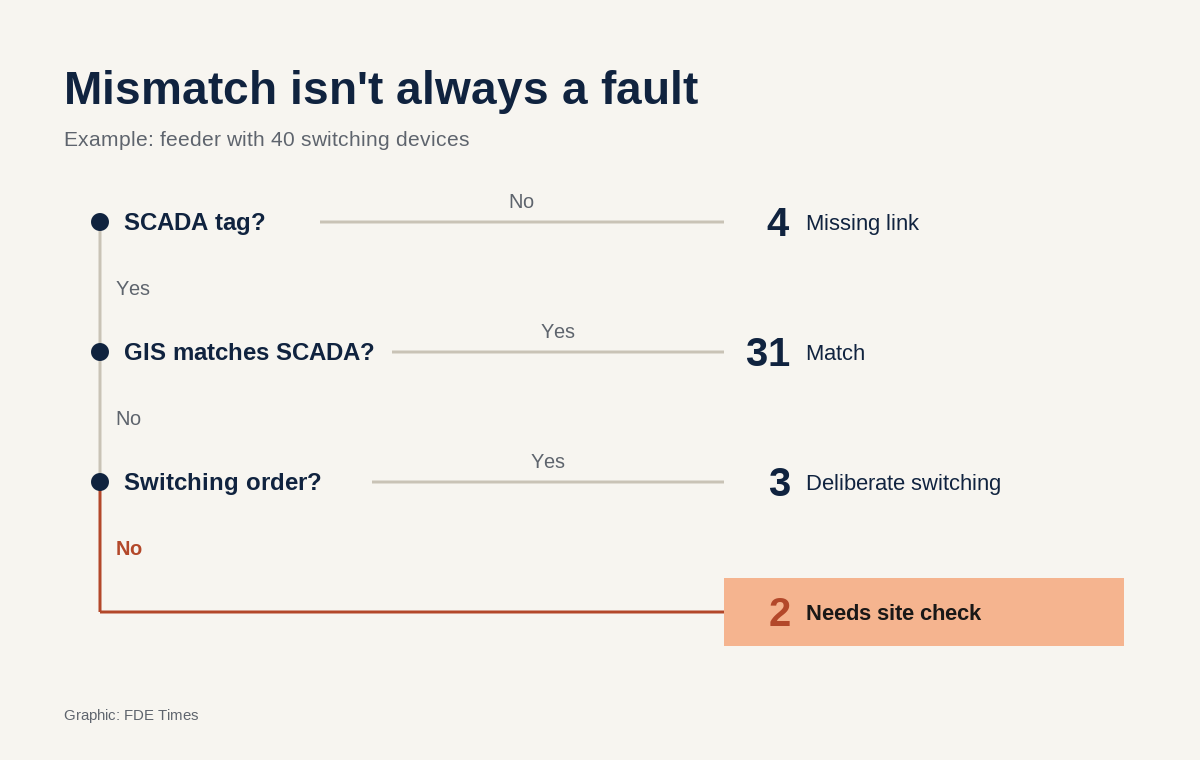
GIS records how the grid is designed to run and SCADA how it runs right now; knowing the difference saves weeks fixing what isn't broken.
The objection is usually about who will own the system after the FDE leaves, and the person asking is often that future owner.
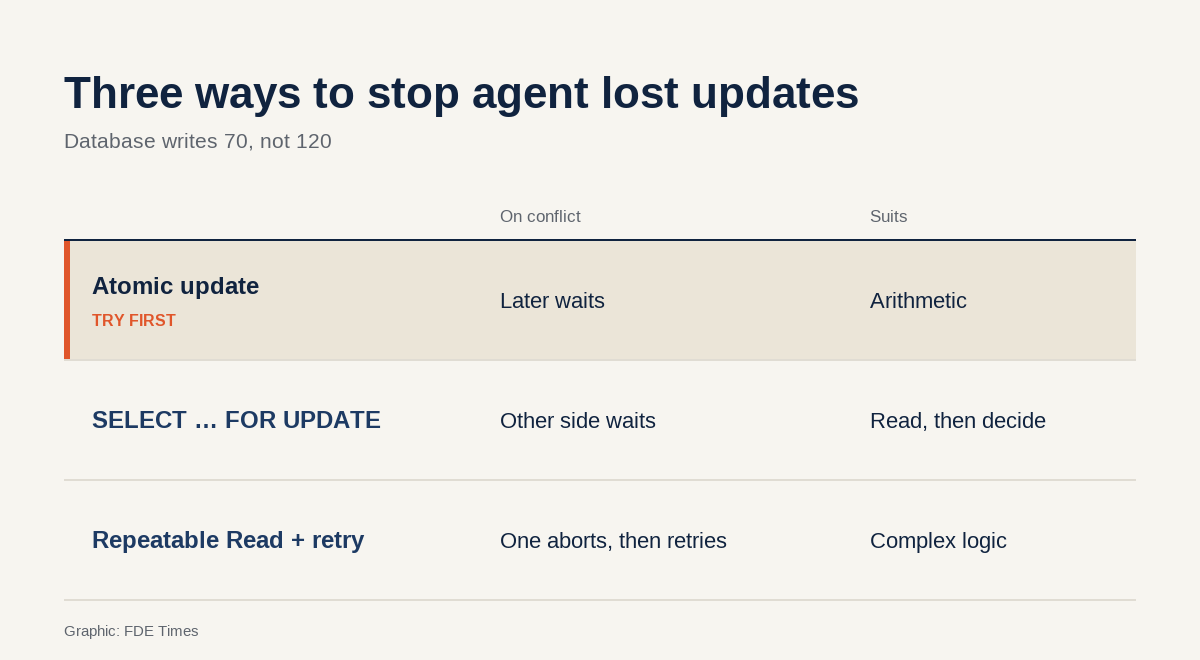
A lost update throws no exception, and whether a client's database allows one comes down to an isolation level few engineers ever check.
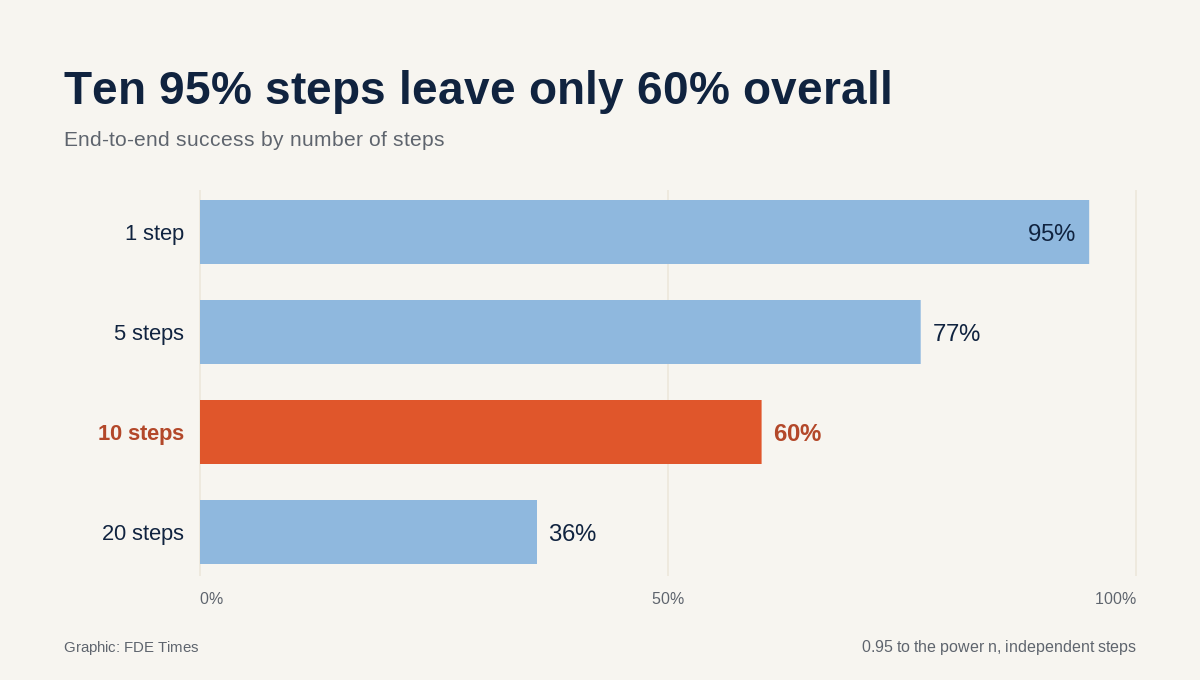
You can do the multiplication before writing any code, and even at 99% per step a 20-step chain drops to 82%, so cutting steps beats polishing prompts.
A small Python server injects timeouts, 429s and renamed fields on cue, so you can show a client what the agent does when their systems break.
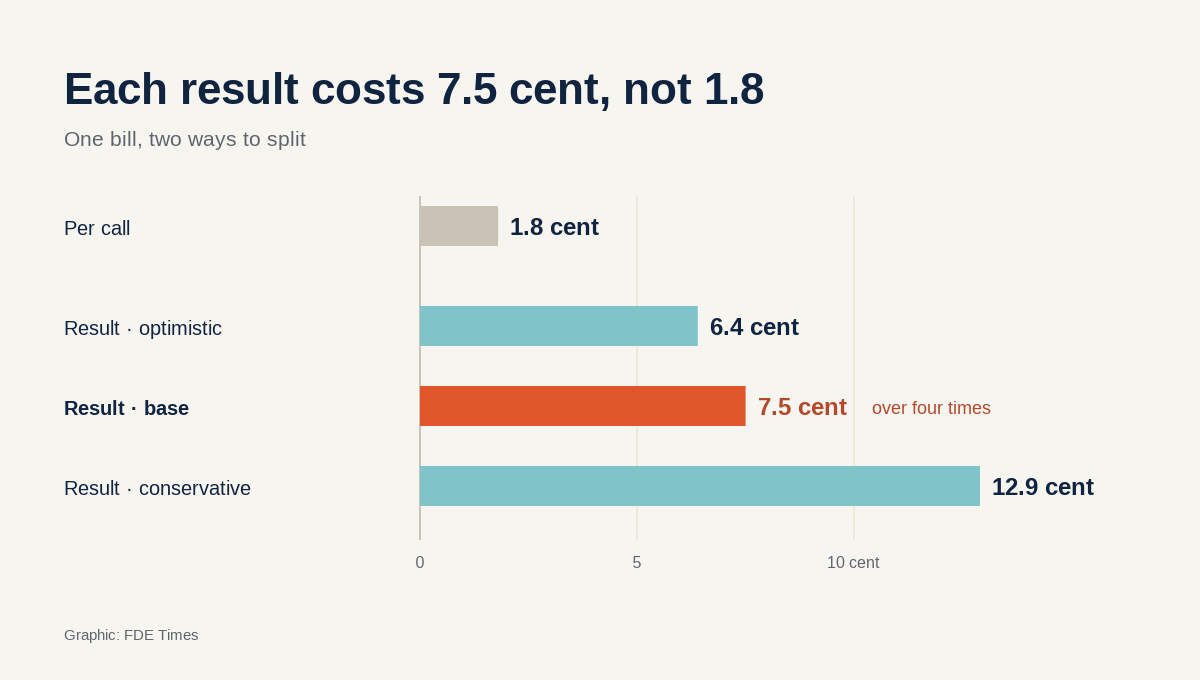
Finance wants cost per outcome, a forecast and its margin of error, and the forward deployed engineer is the one who has to supply all three.
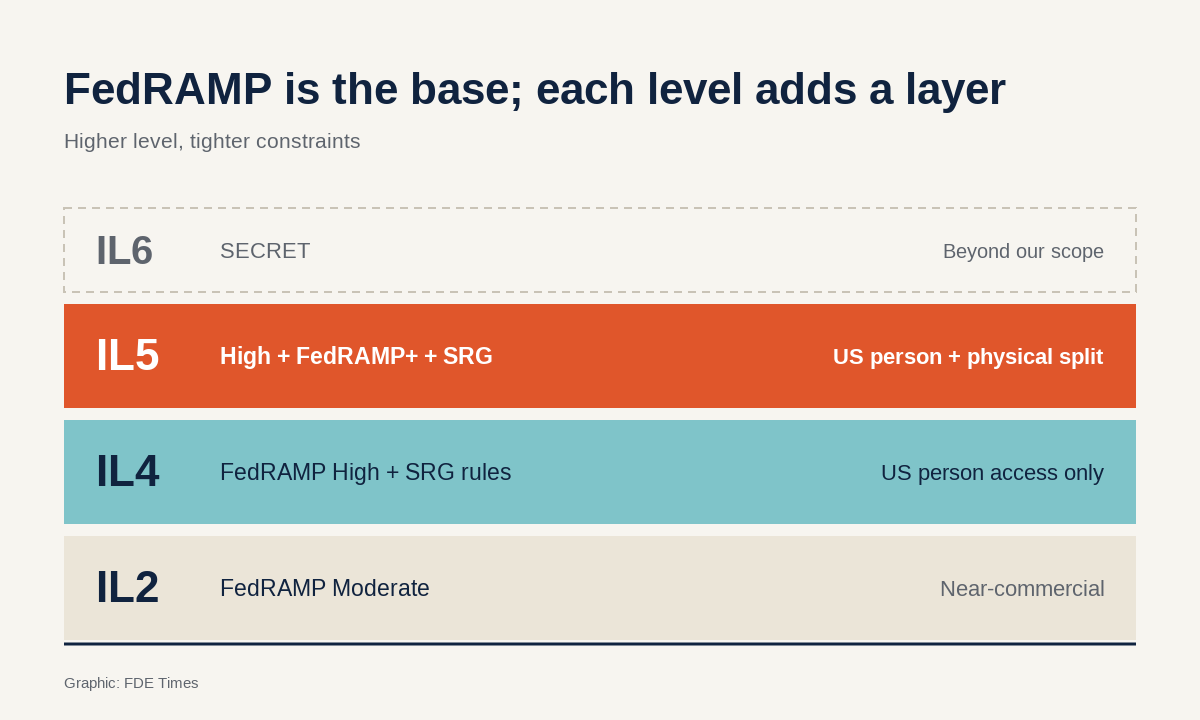
FedRAMP is only the floor; the level built on top decides where you deploy, how isolated the environment is and who may read the logs.
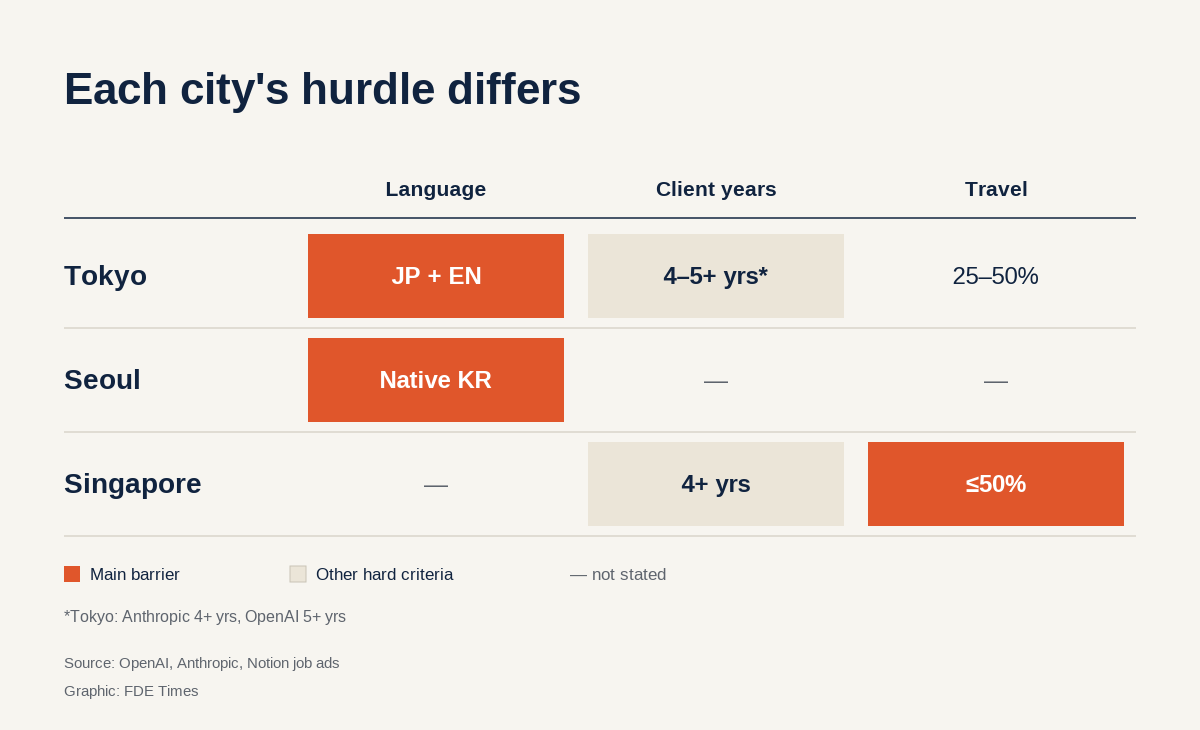
Most of the OpenAI and Anthropic posts are now closed, but their rules on language, experience and travel show what each city demands.
A single line naming MCP servers, sub-agents and agent skills anchors a six-part template that helps team leads hire well and shows candidates what their CV must prove.
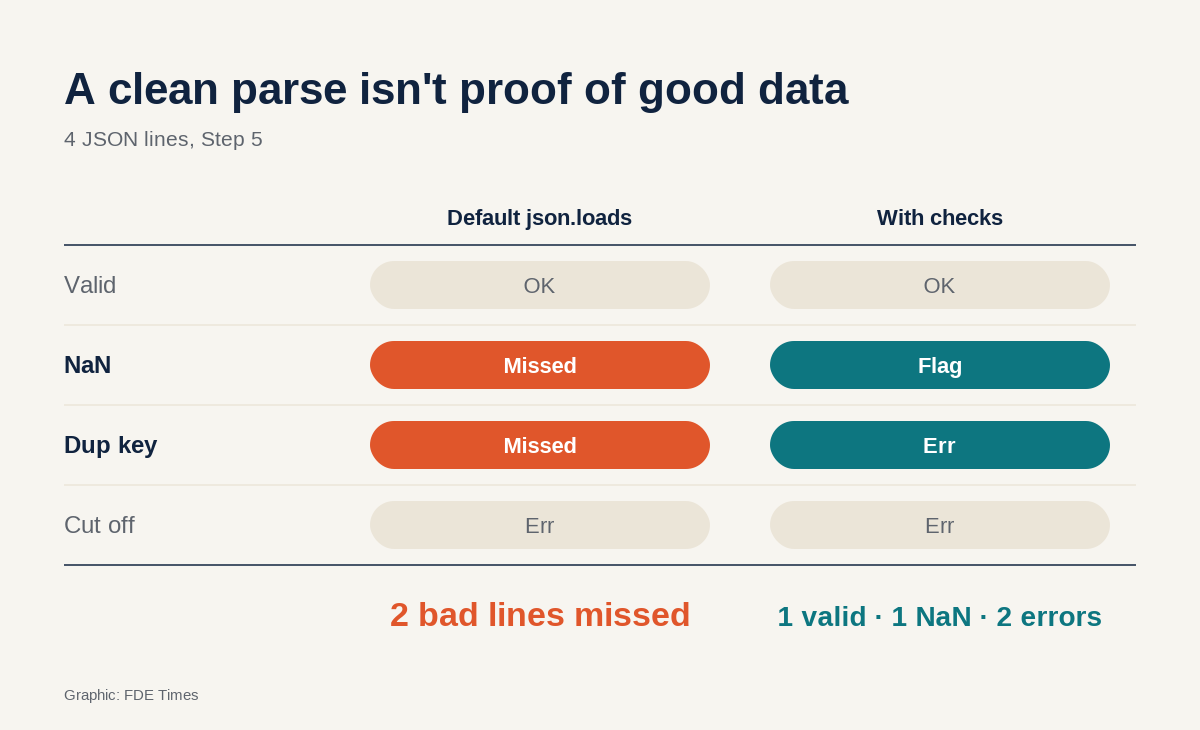
A 60-minute drill of four SQL patterns and a dirty-JSON parser surfaces two errors that Python's json module never reports.
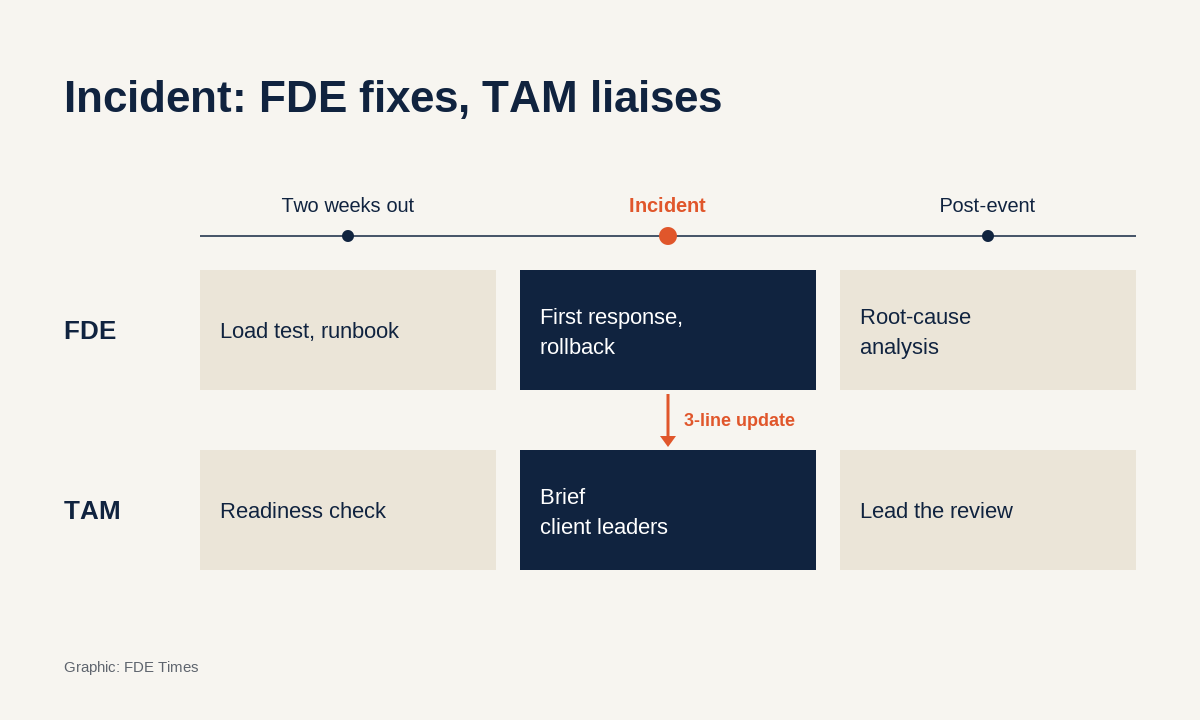
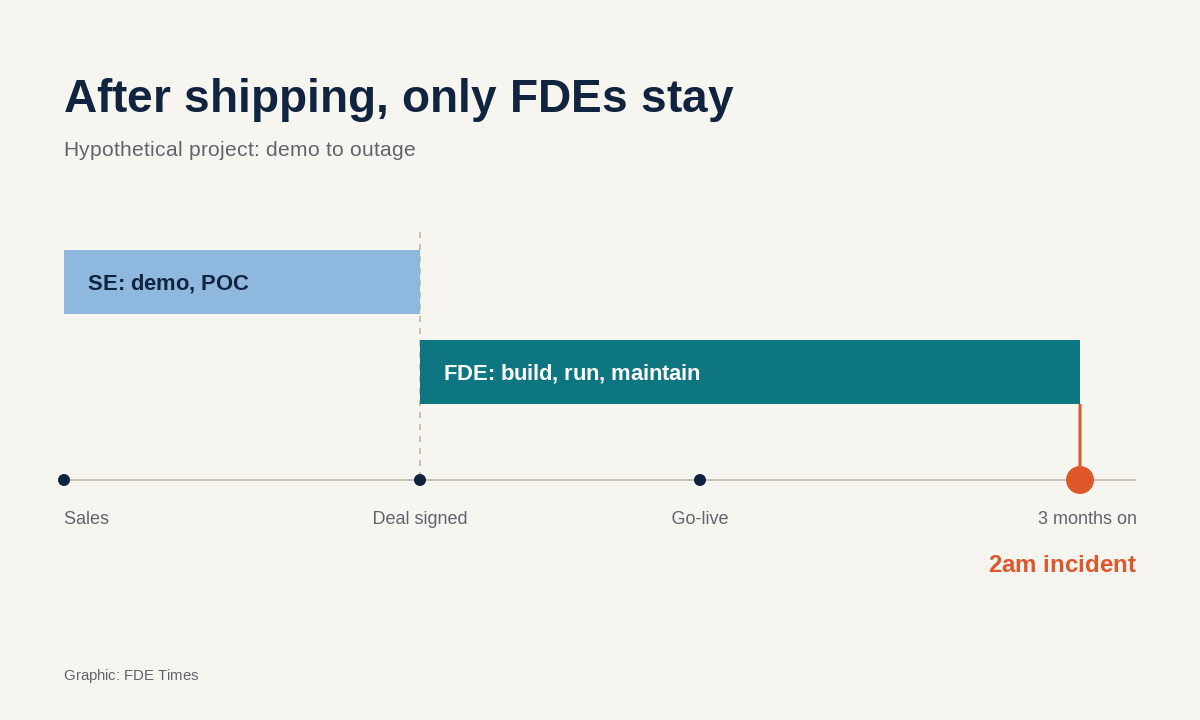
If both open a terminal, nobody tells the client what is happening, and the same dividing line shows what a TAM needs to move into FDE work.
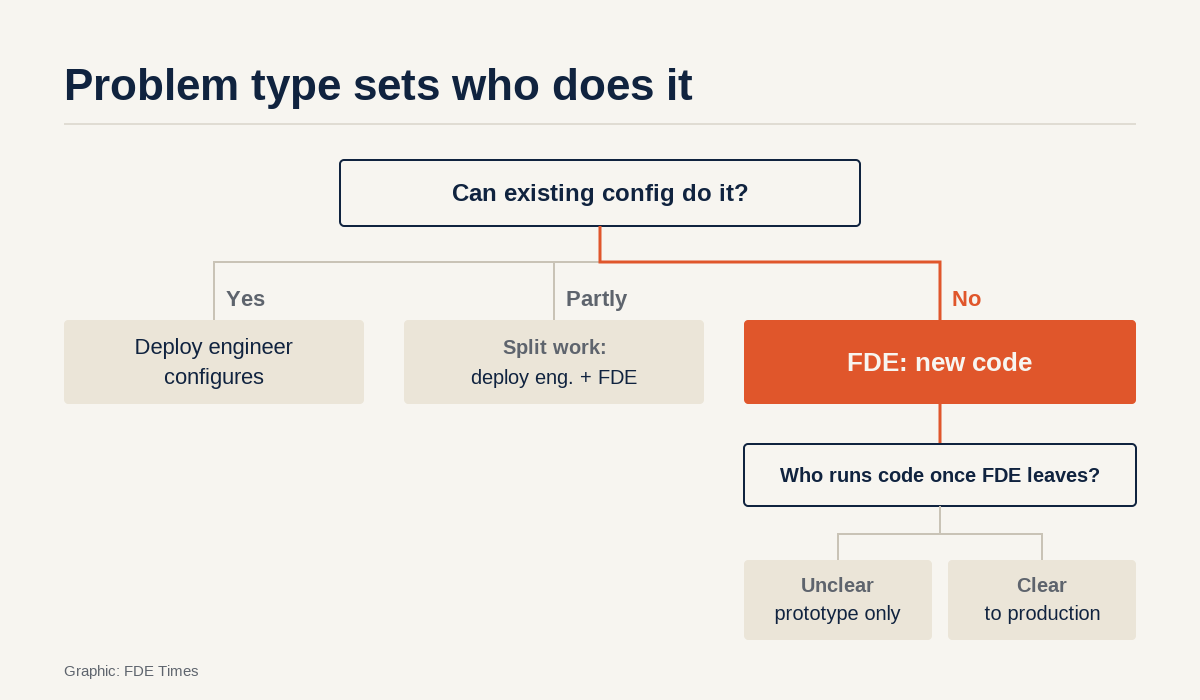
Implementation engineers configure the product from a playbook; the FDE is called when the playbook runs out and writes new production code.
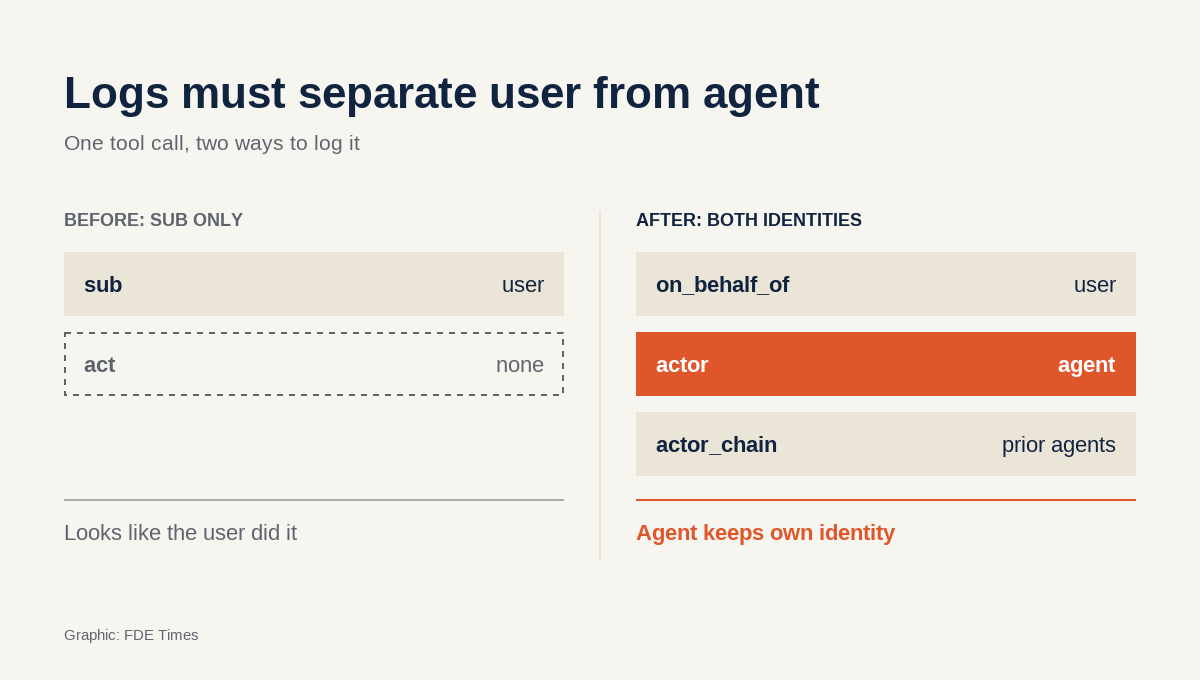
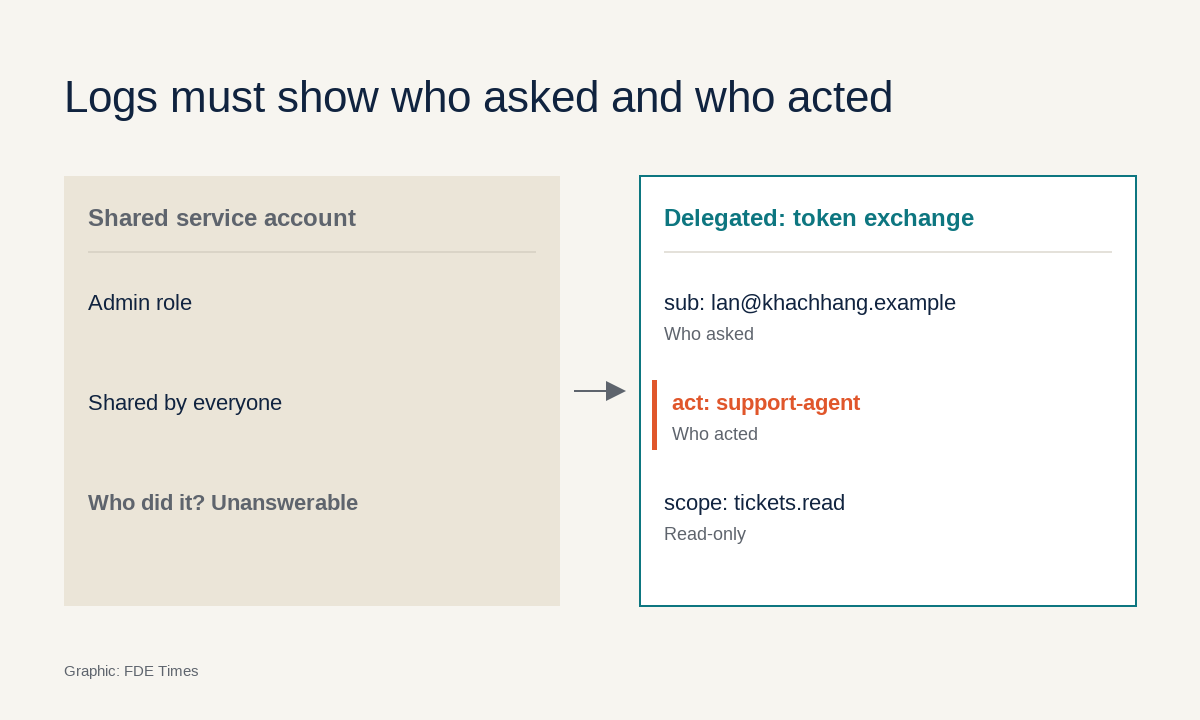
Logging the triggering user and the delegated agent as separate identities, as RFC 8693 allows, lets the log show which tool ran with which parameters.
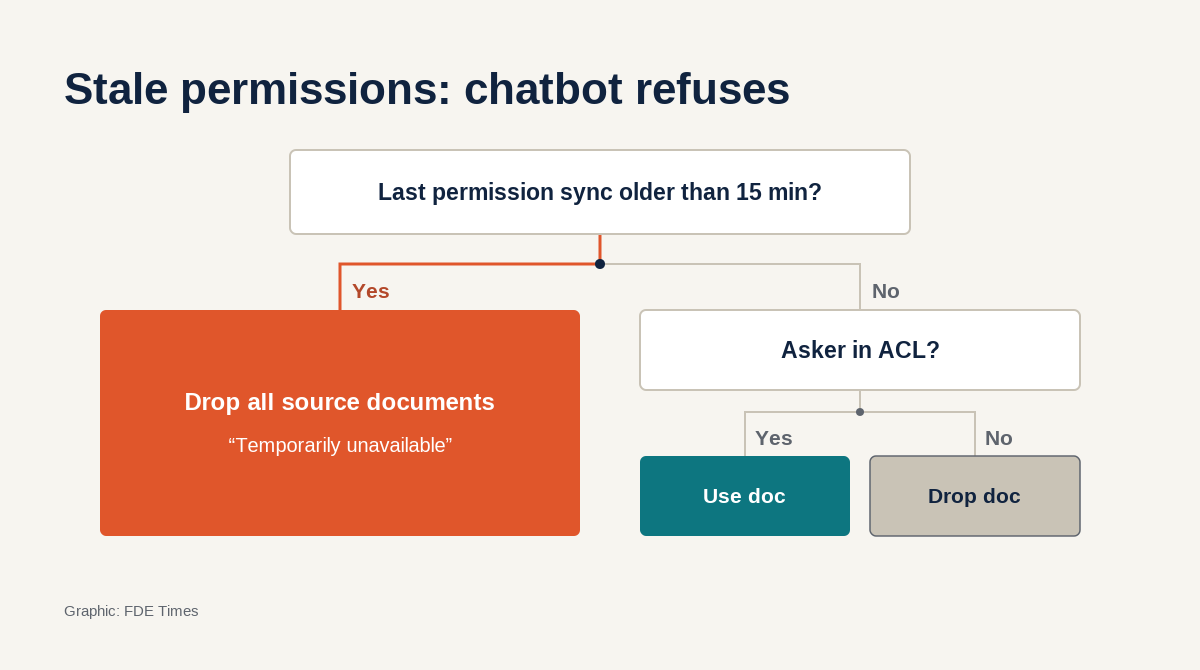
A separate permissions job, with its own signals and a fail-closed threshold, stops a chatbot quoting payroll files to someone who lost access that morning.
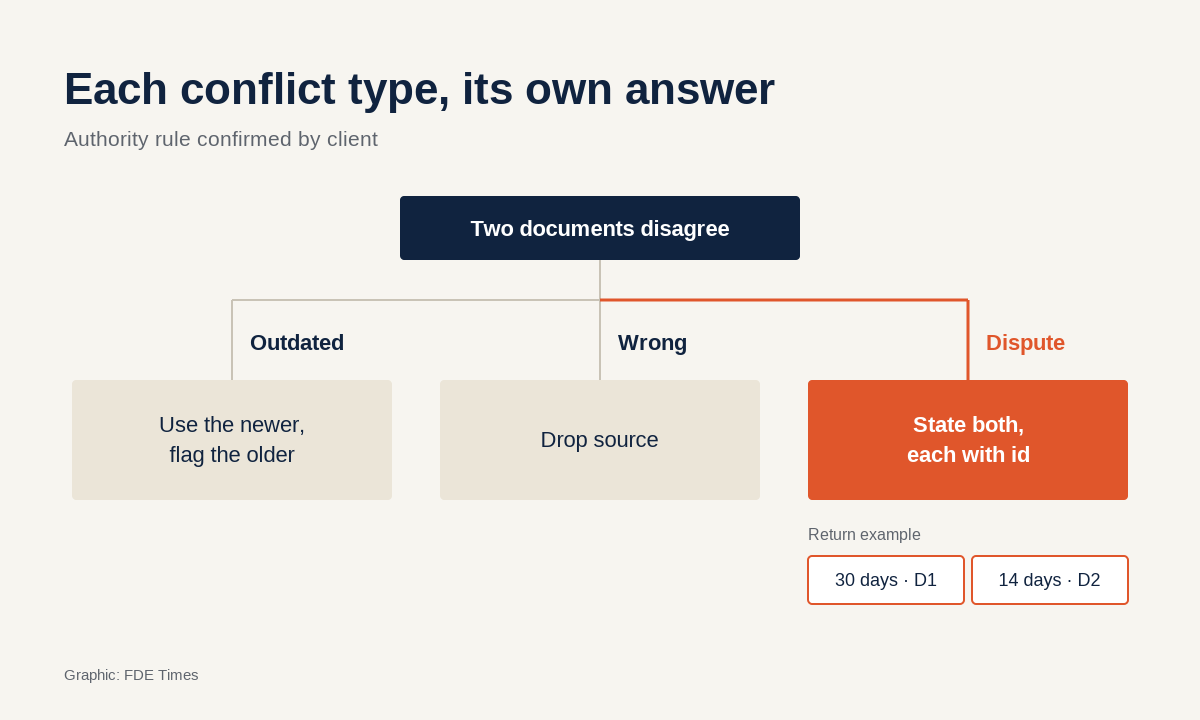
On WikiContradict every model tested struggled with conflicting context, worst of all when neither passage admits the disagreement.
Git bisect already does the binary search; the real work is an eval with a threshold that tolerates LLM noise.
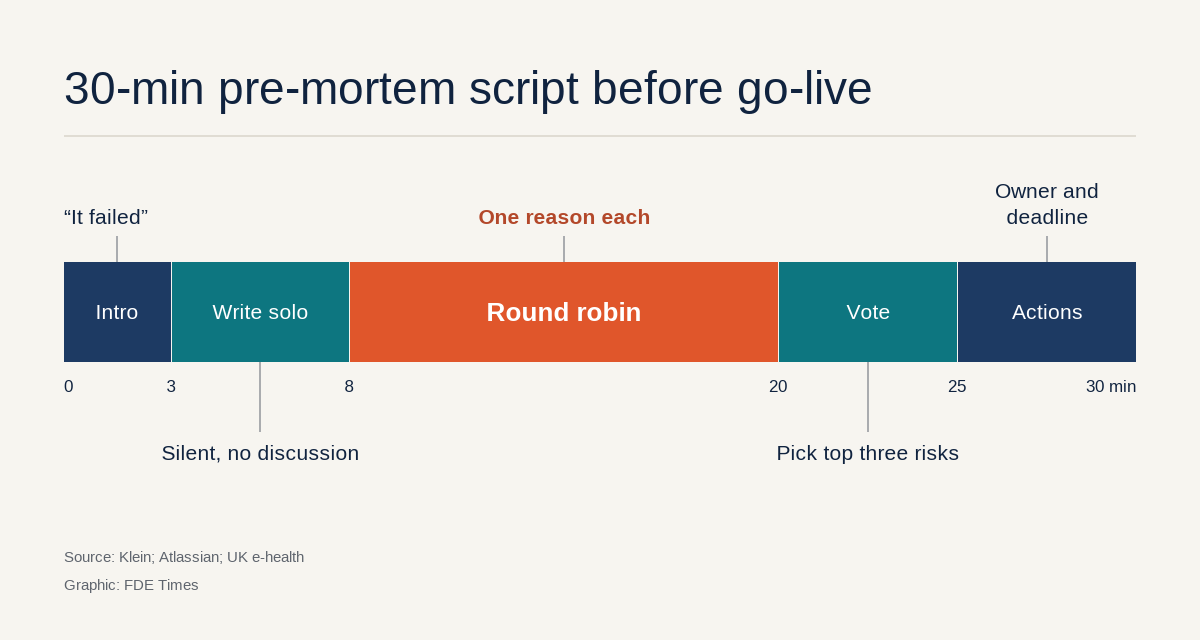
Tell the room the project has already failed and ask why: Gary Klein's technique breaks the silence two organisations keep to save face.
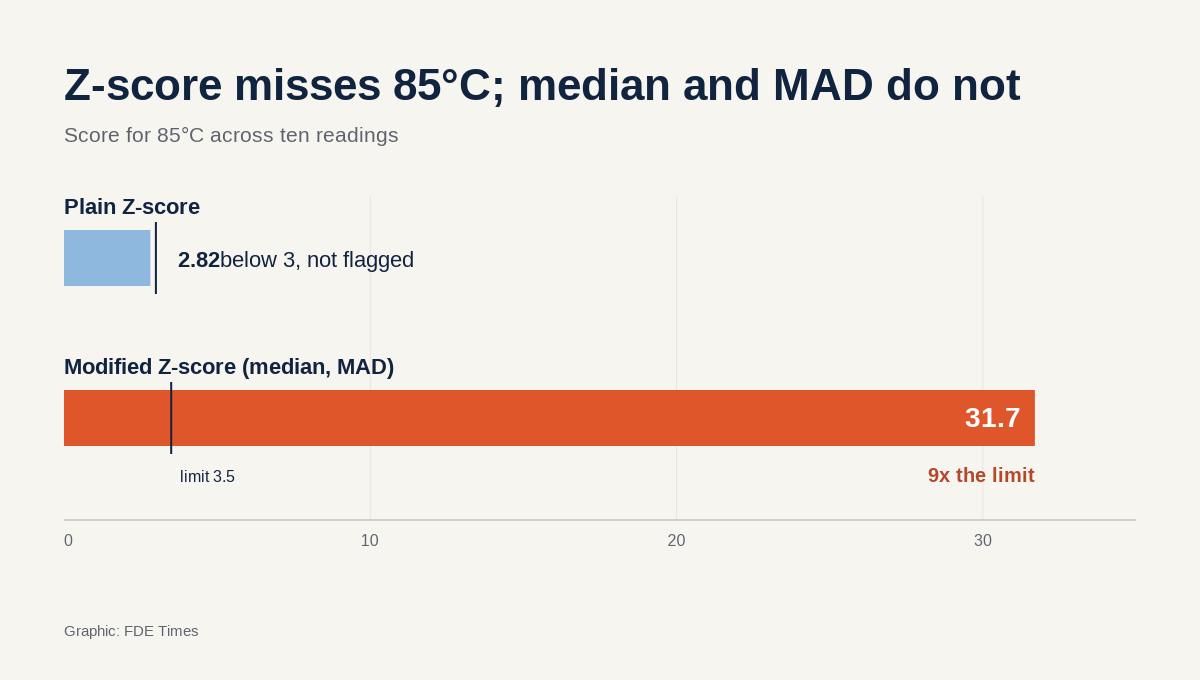
Before training any model, a median-and-MAD baseline gives a customer's engineers a rule they can check, tune and run without you.
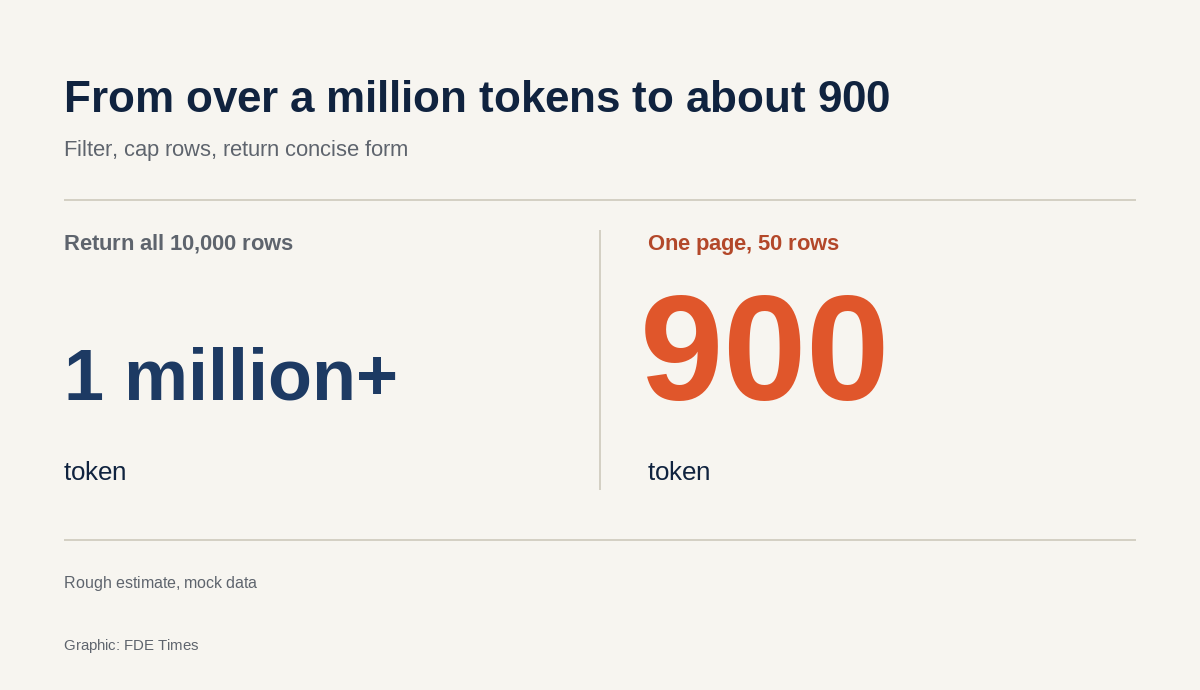
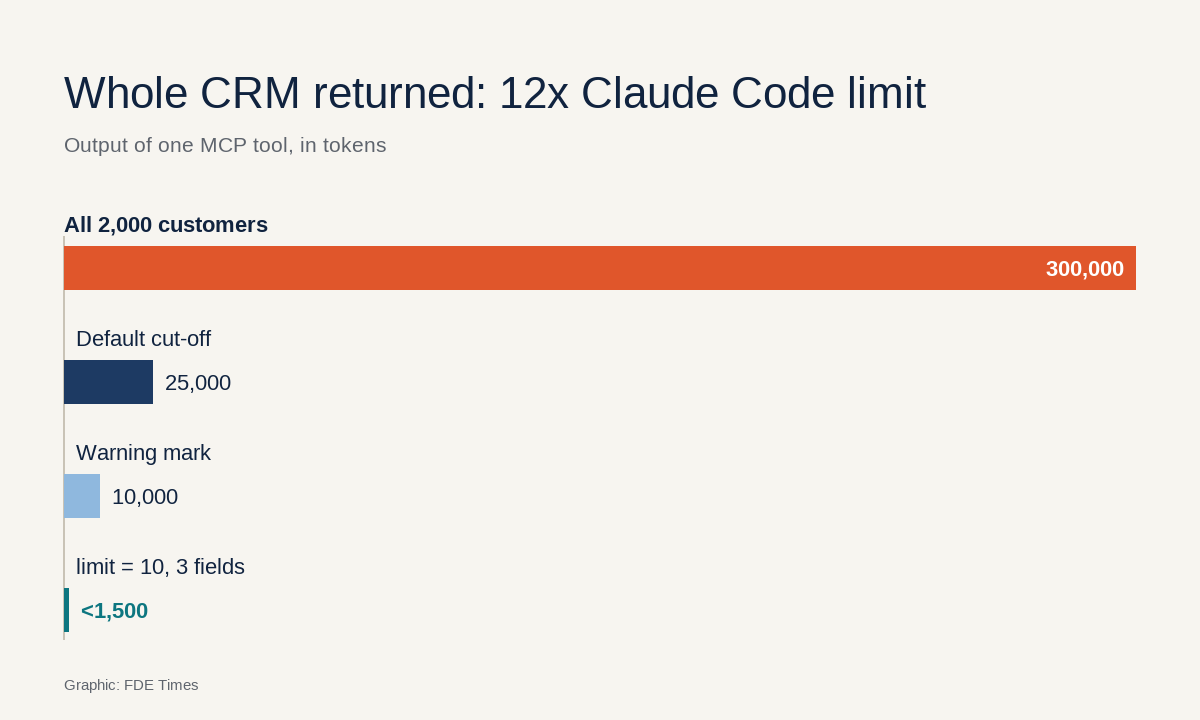
MCP's built-in pagination does not cover tools/call, so caps, cursors and token budgets fall to the tool author, and this lab builds them.
A hands-on lab locks a Graph app to one shared mailbox on the Exchange side, then uses test results to prove the limit to IT.
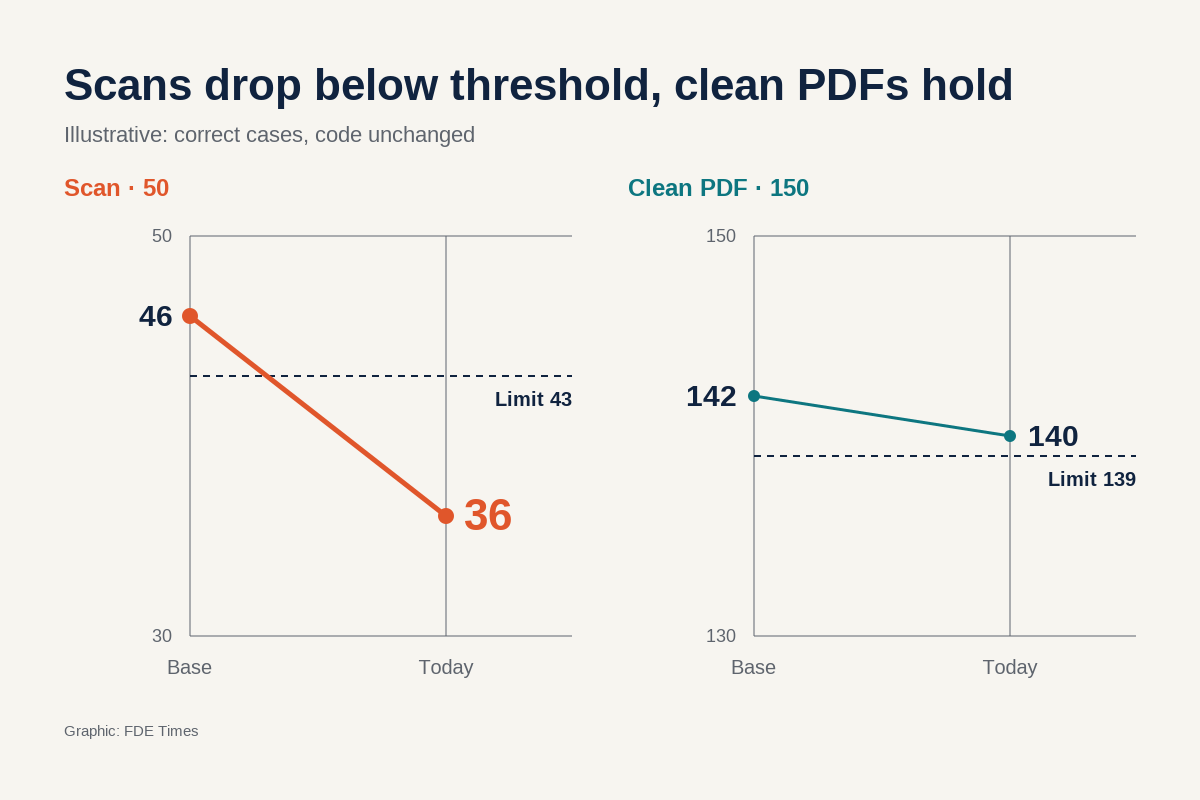
Pin versions, measure drift and rerun evals to warn the customer first, with numbers, because not every drop means the provider changed the model.
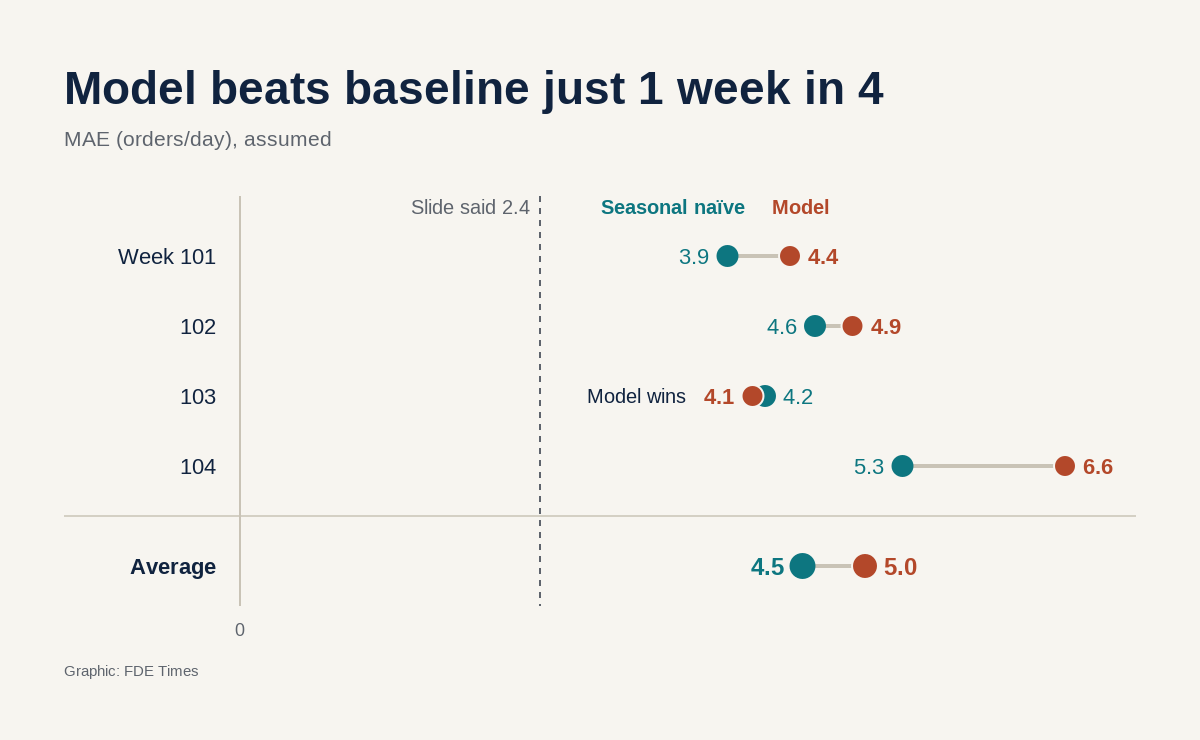
Build naïve baselines and backtest on data the model never saw, before an error figure measured on training data decides staffing.
Strip out chance agreement with Cohen's kappa and the figure falls to 0.375, a check that takes minutes before you report any score.
Charging for a pilot is not enough: it will still stall if the last day brings no number to read and nobody with the authority to sign.
Convert each day of waiting into days of demo slippage, and a polite reminder becomes a tracker, a subtraction and a message with options.
Mixed vectors land results in the wrong region, so this six-step laptop rehearsal on BEIR SciFact ends with a rollback command tested for real.
Fitting AI into existing intake is the biggest barrier, so an FDE's most valuable work starts by mapping who touches, holds and signs each file.
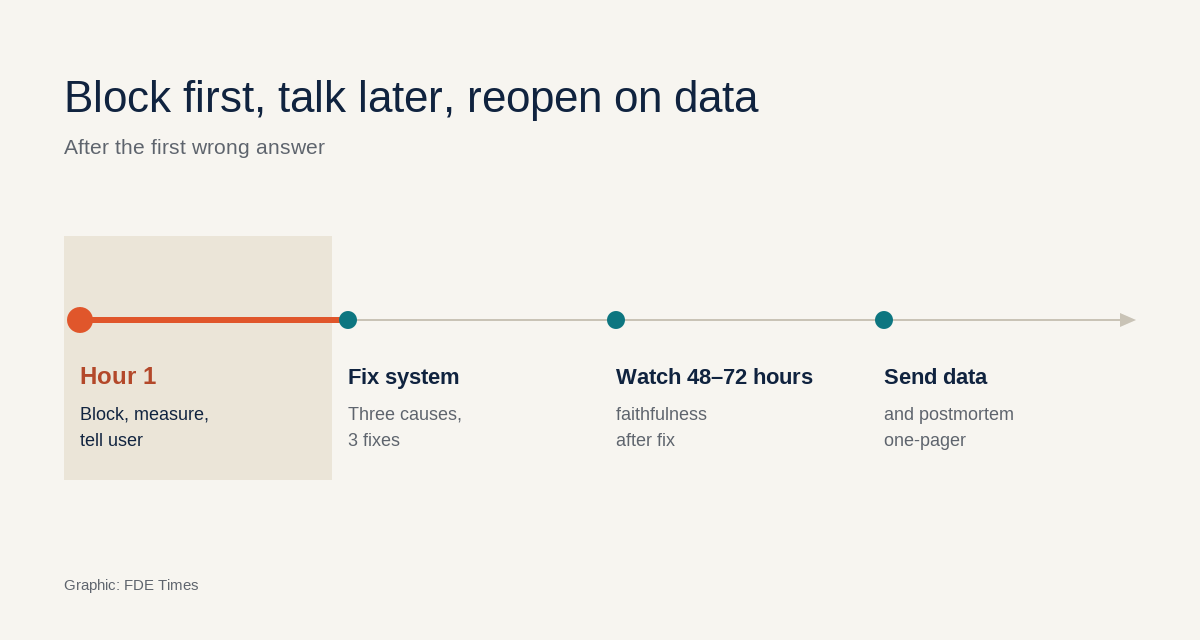
Admit it once, never patch live, and pick a prepared fallback by severity, the same habits an FDE needs when production fails for real.
A hands-on LiveKit build of an insurance hotline that guards its legal notice, yields to callers and hands over to a human via the customer's SIP trunk.
Silence and a guessed fix time both backfire, while one named owner, four status stages and a few prewritten lines keep clients informed.
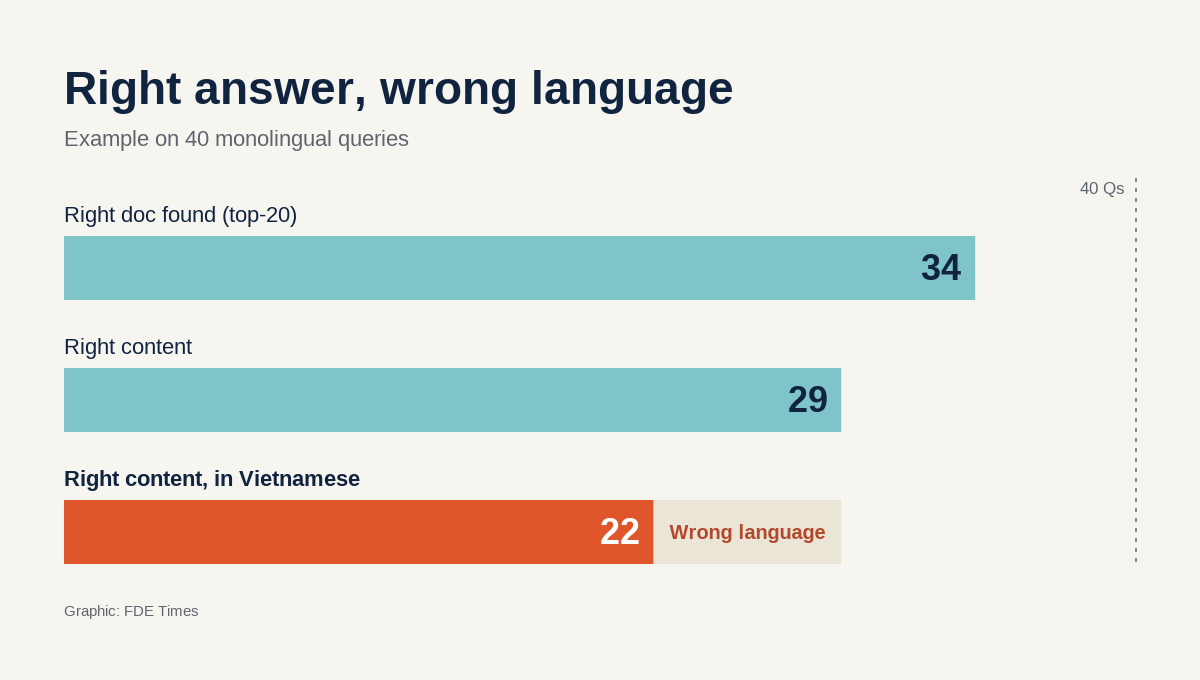
Retrieving the right document is only half the problem, because an answer can still fail at the first thing the user notices: its language.
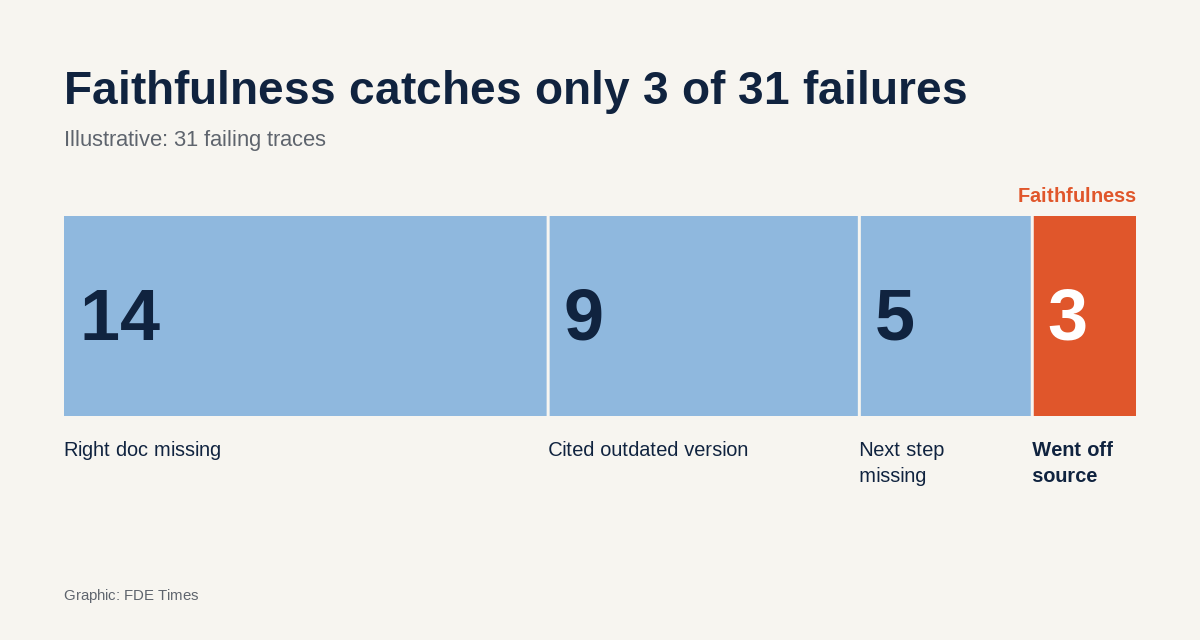
An answer that clings to an expired policy still scores well; the failures users notice only show up in traces nobody has read.
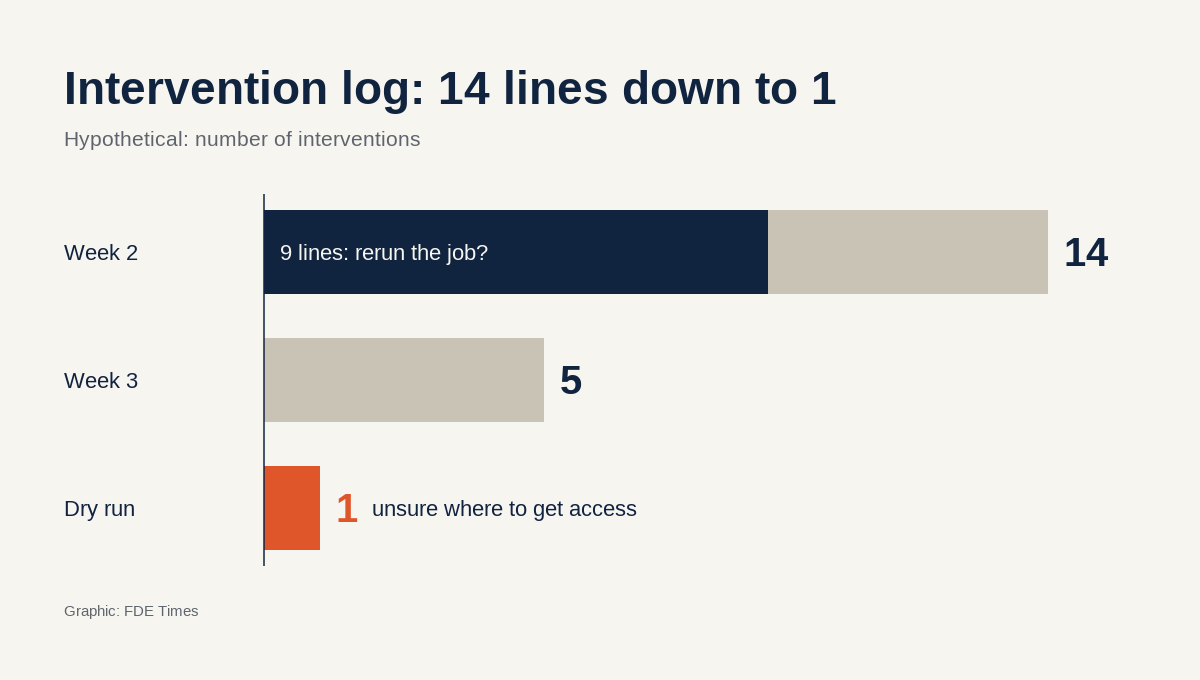
Judgement only forms when the customer's engineers fix things themselves, and a four-week pairing plan gets them there before you go.
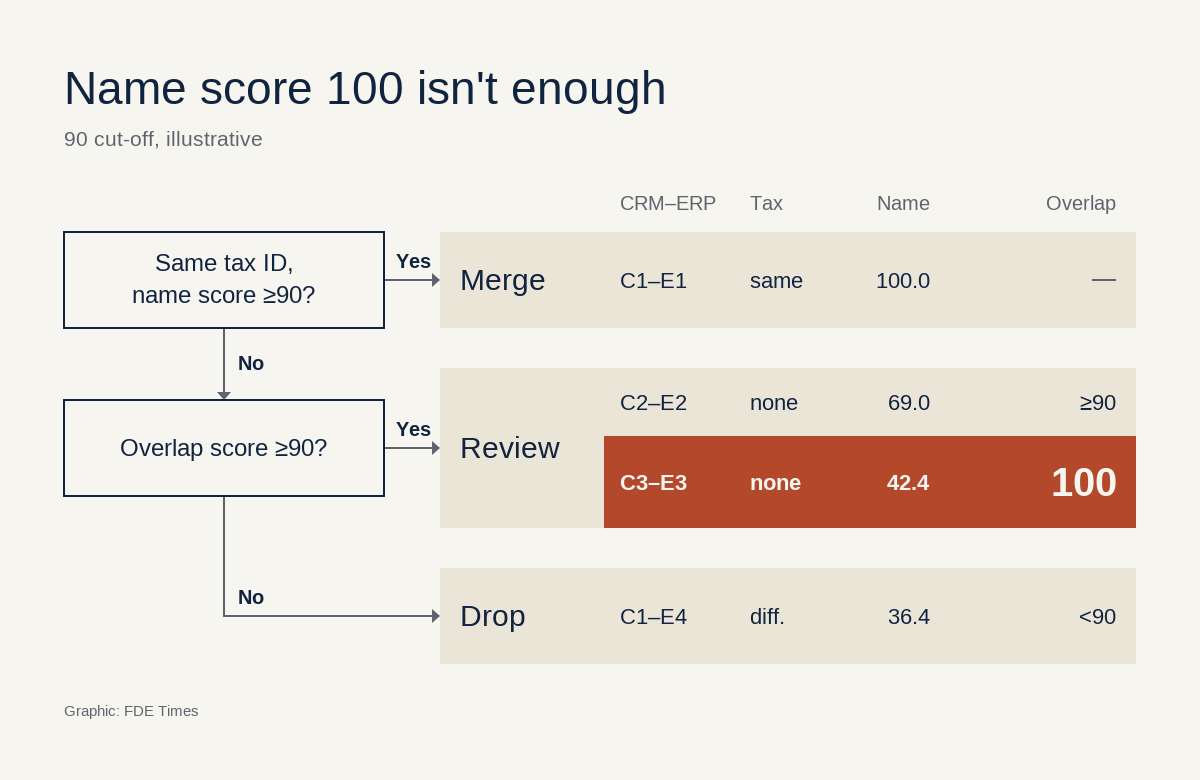
A seven-row Python walkthrough exposes three traps: exploding pair counts, perfect name scores that are still wrong, and reloads that duplicate Neo4j nodes.
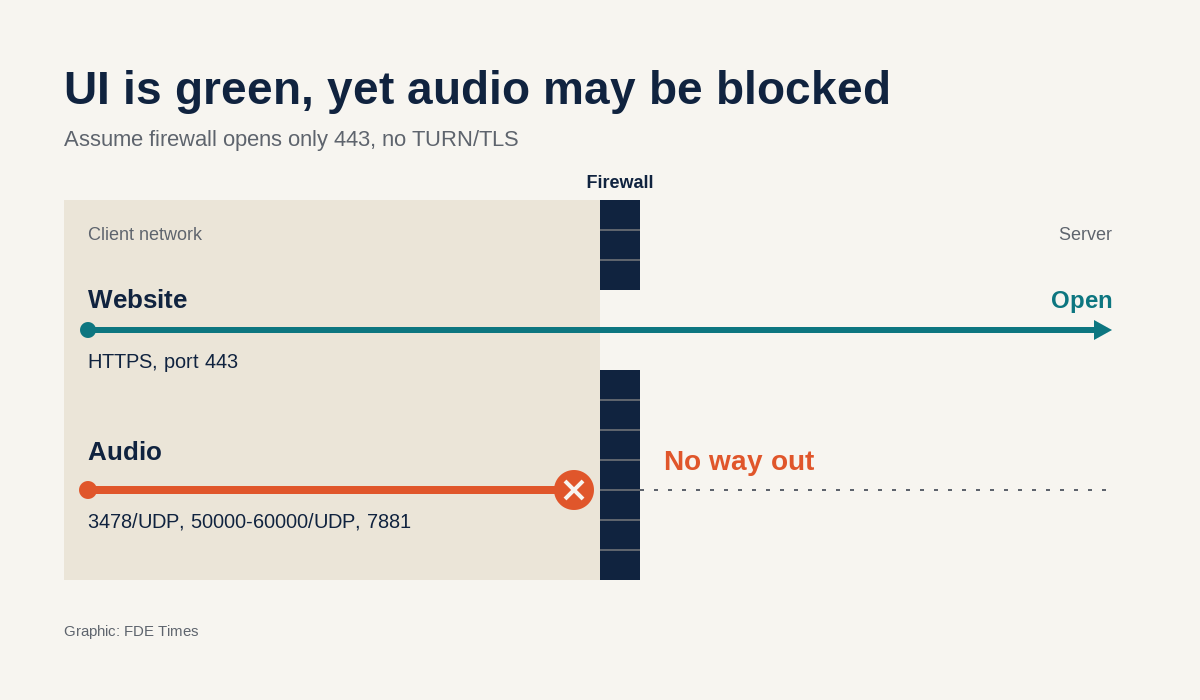
HTTPS on port 443 can pass while WebRTC audio has no route out; ICE candidates and pairs show whether to call the network team or reopen the code.
With a 12-hour gap, one vague question about an orders table can cost two days, while a message complete enough to need no follow-up costs nothing extra.
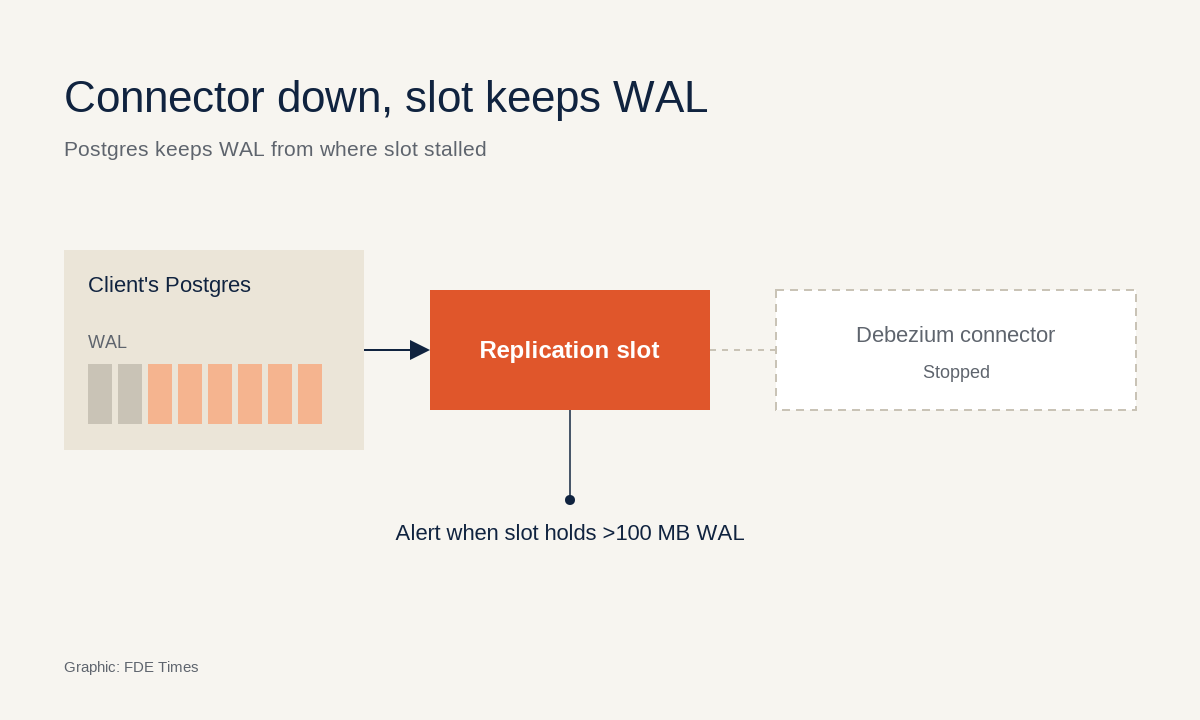
The catch is a replication slot that can quietly fill the customer's production disk, plus snapshots and watermarks you must get right.
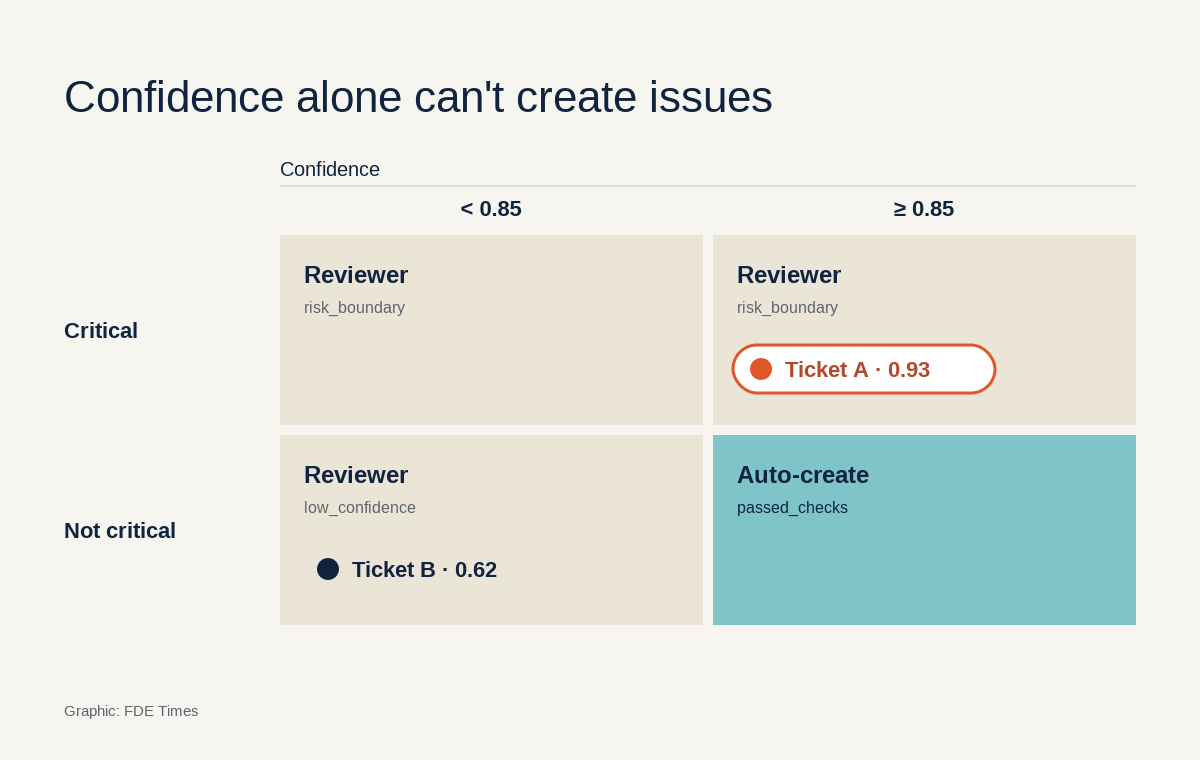
Labeling tickets is easy; the hard part is setting confidence thresholds and risk boundaries outside the model, then sending uncertain cases to a human reviewer.
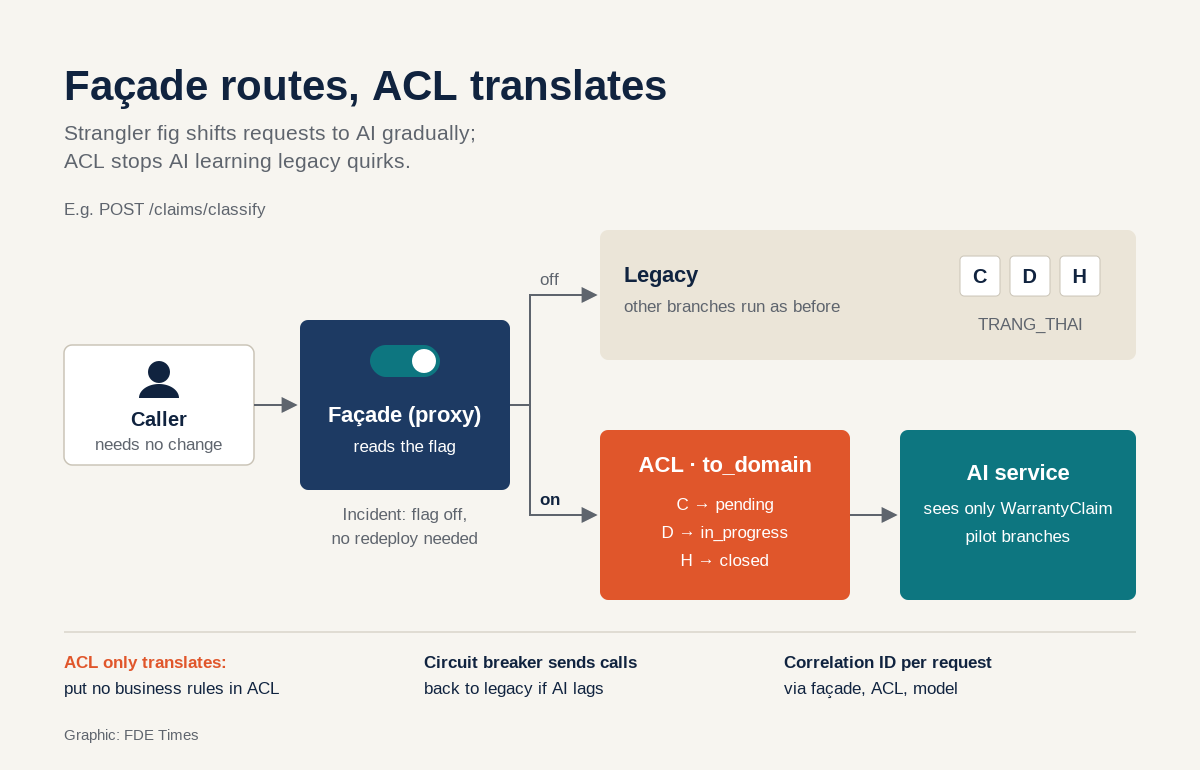
Proposing a clean rebuild misses what the job ads ask for; a Strangler Fig façade shows you can work inside decisions others already made.
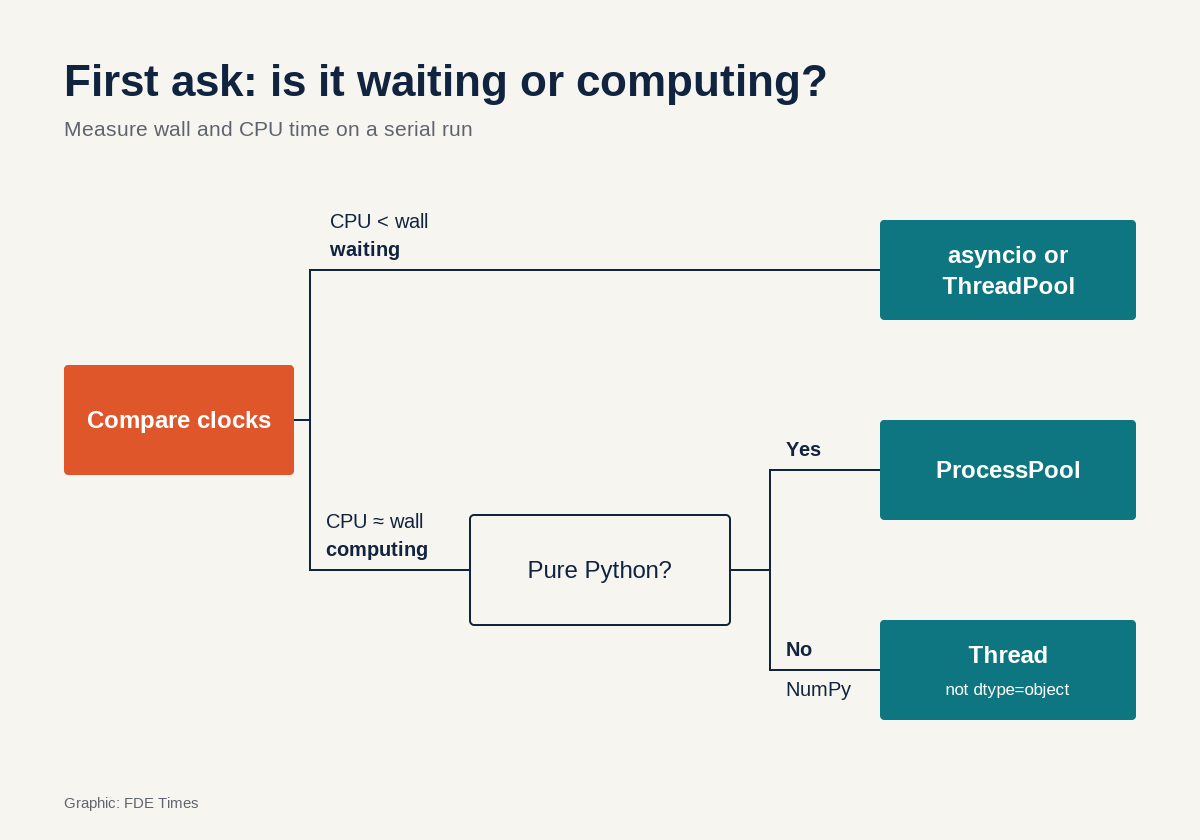
The GIL only stops Python code running in parallel, so measure whether the program is waiting or computing before picking threads, processes or asyncio.
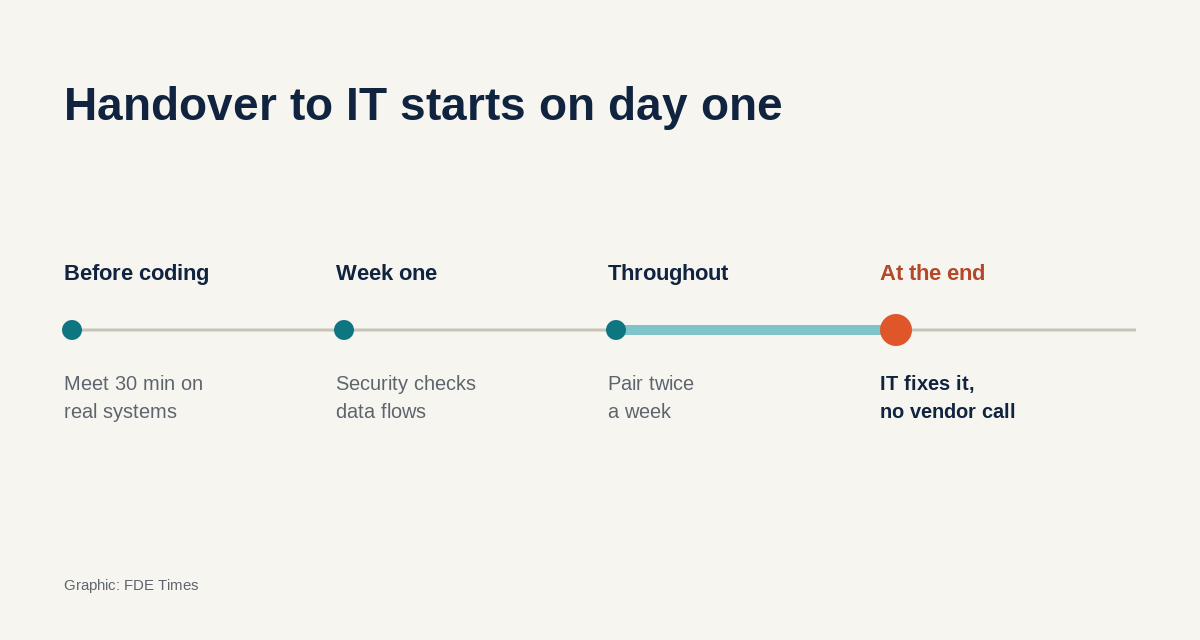
What the contract sold rarely matches the real data, and the client's IT team knows where it breaks, so bring them in as co-owners from day one.
Agree the pass/fail threshold, environment and scenario before anyone presses run, and the sceptic becomes a co-author of the result.
It resolves $ref and outputs tools for both Claude and OpenAI; choosing endpoints and writing descriptions remains the FDE's job.
OAuth token exchange lets an agent act for a user while the logs still record who asked and who acted.
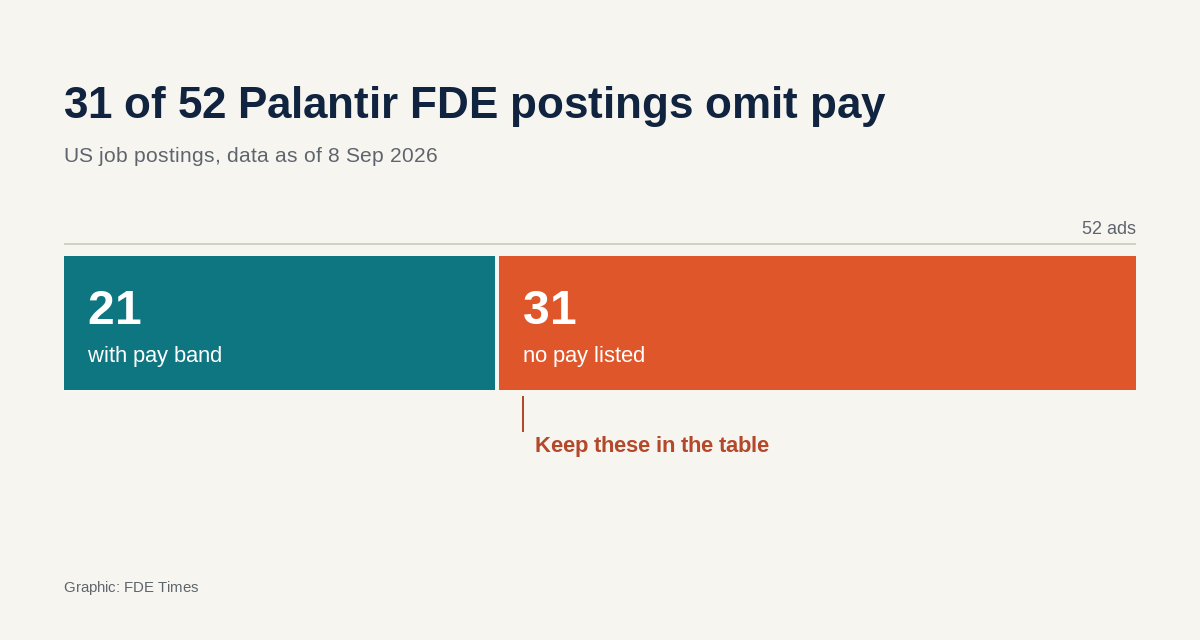
About 40 lines of Python pull the pay ranges state transparency laws force into job ads, then write them to a CSV.
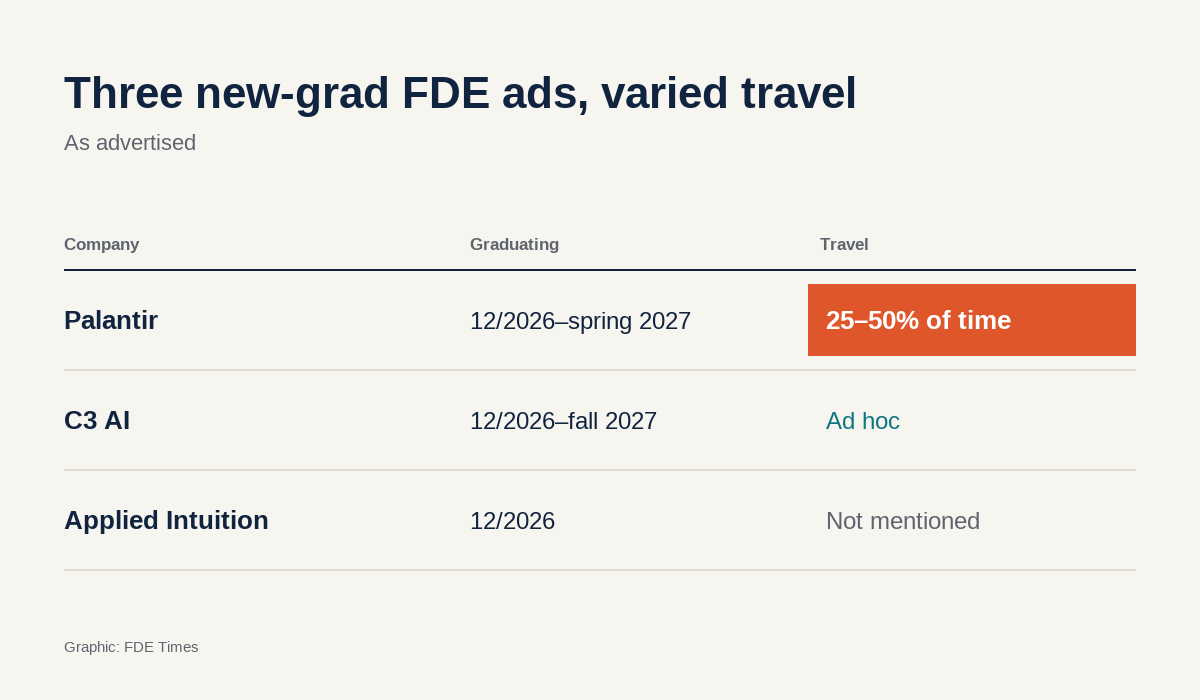
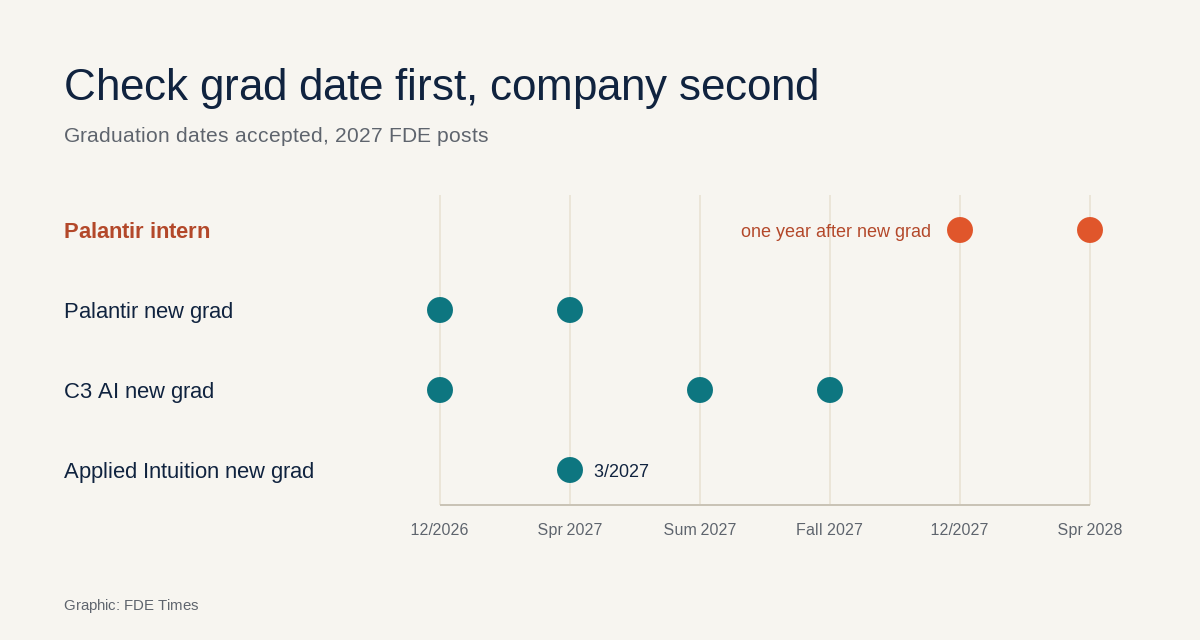
Palantir, C3 AI and Applied Intuition are hiring 2027 graduates as FDEs, and one deployed project with real users counts for more than a stack of demos.
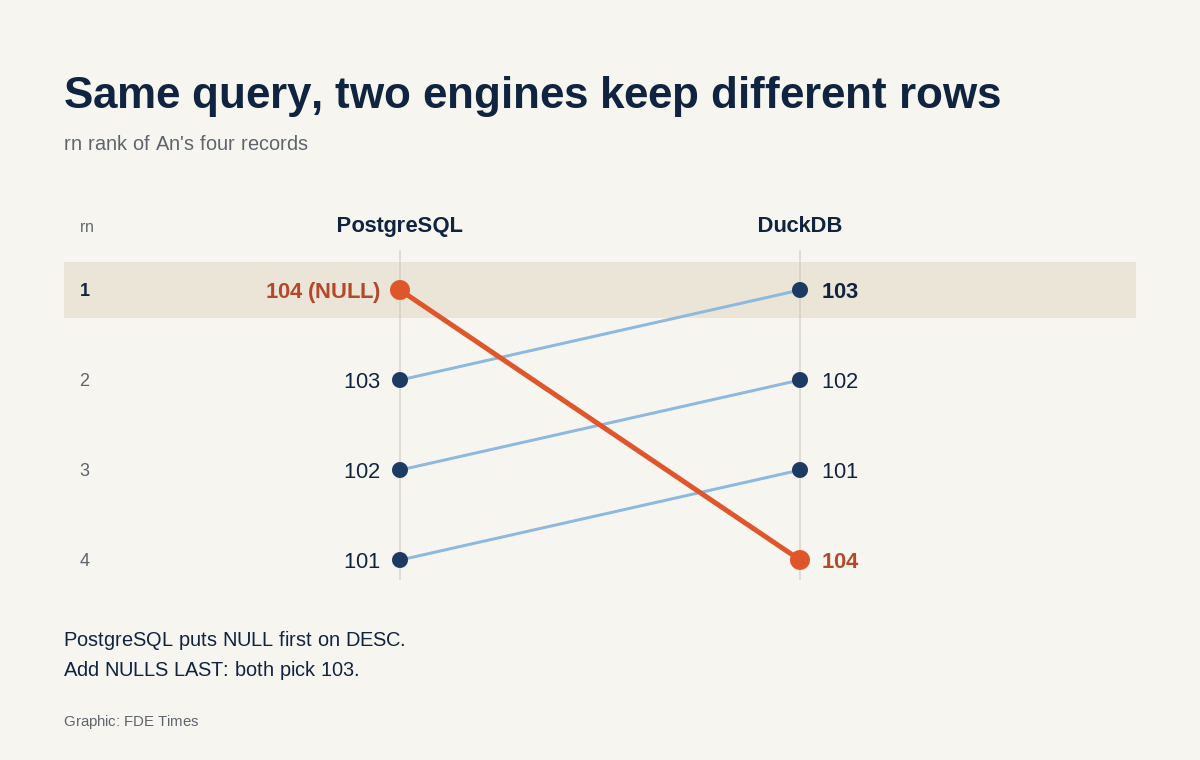
ROW_NUMBER with rn = 1 keeps each customer's full latest row, provided you break ties so results don't shift between runs or engines.
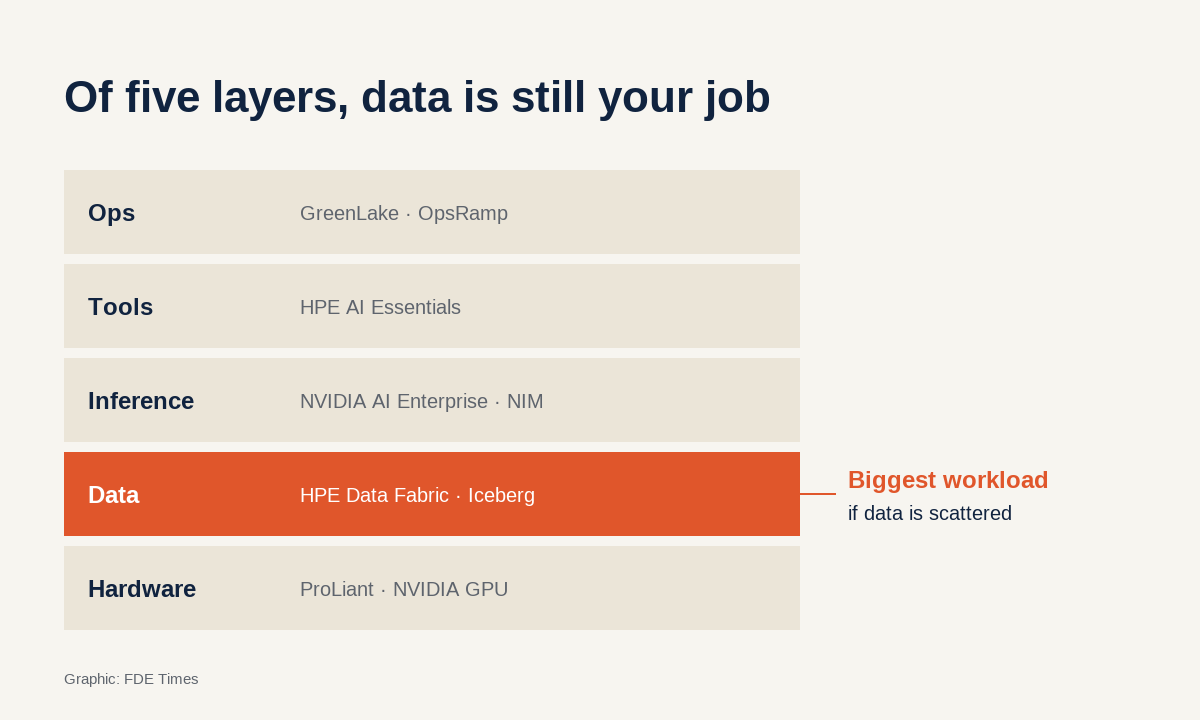
Turnkey means the parts fit together; it does not say where the data lives, who gets the GPUs or how models reach the network.
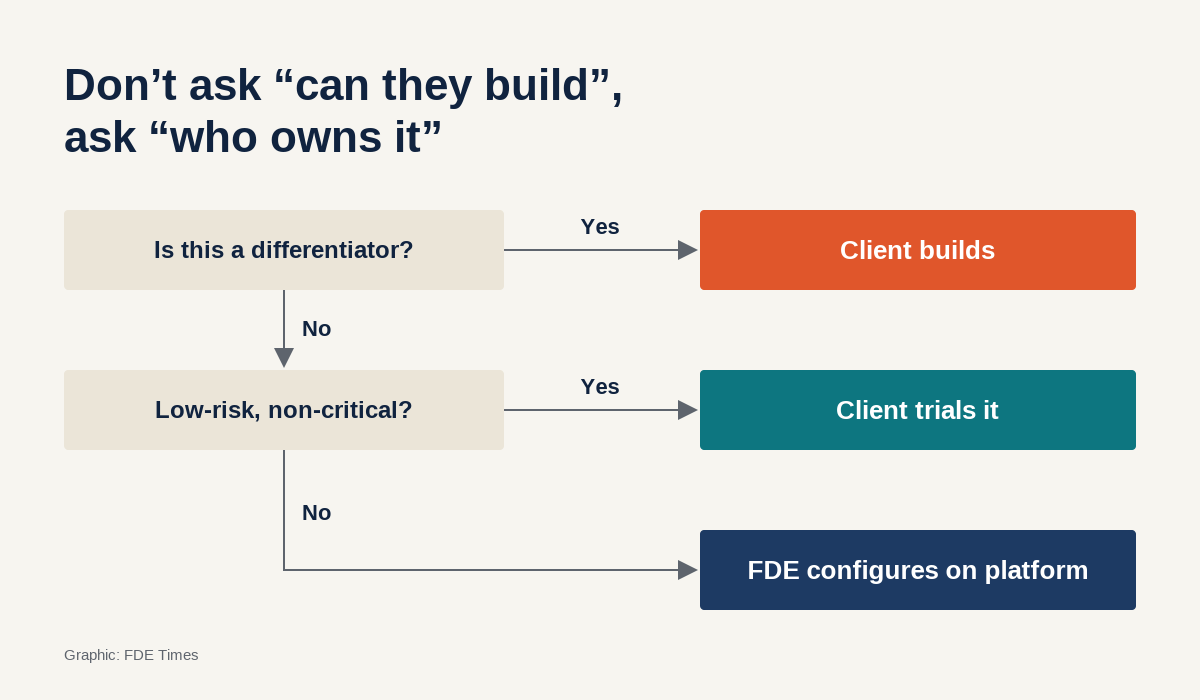
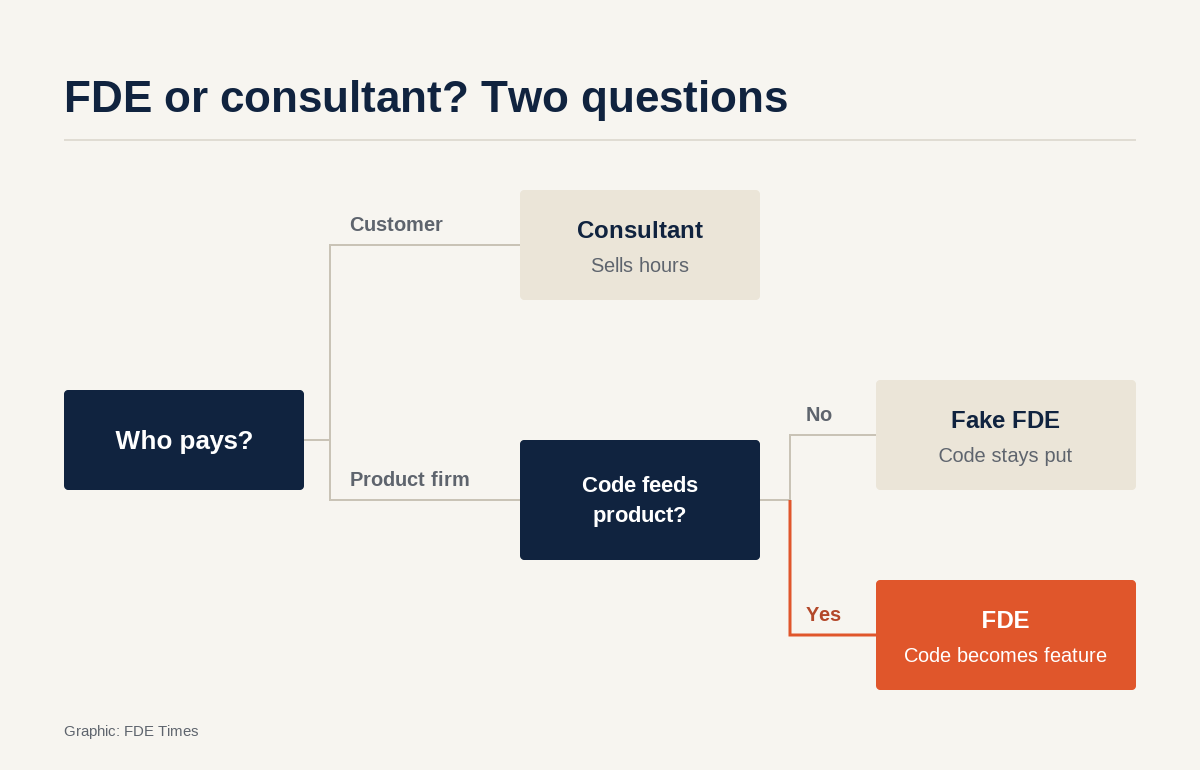
What separates them is not the job title but who pays for your hours and whether the code makes its way back into the product.
A laptop pipeline of embeddings, UMAP and HDBSCAN turns raw tickets into named, counted topics, but first ask whether the client lets the data leave.
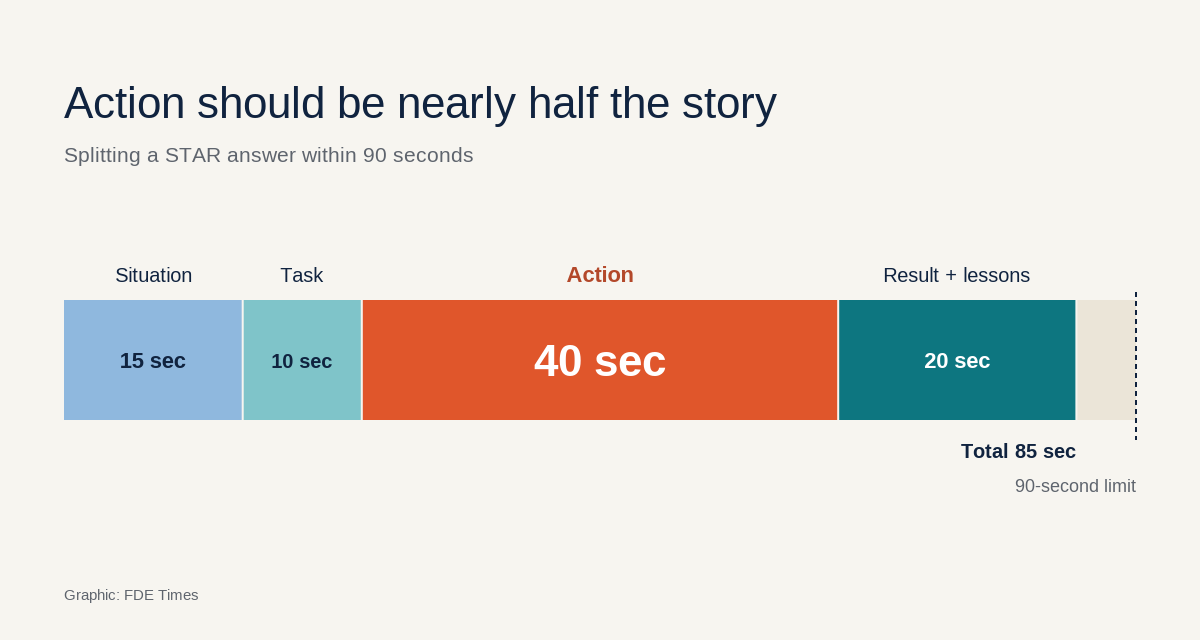
Keep it under 90 seconds, because behavioural questions surface in almost every round, including midway through a technical one.
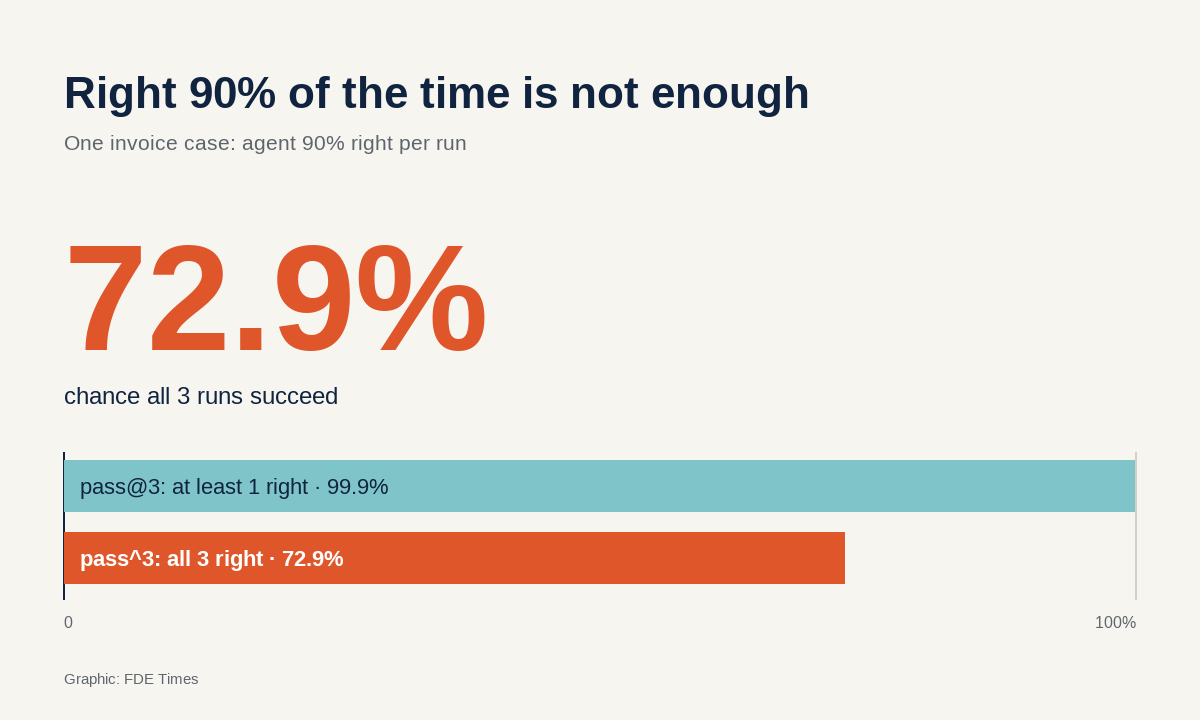
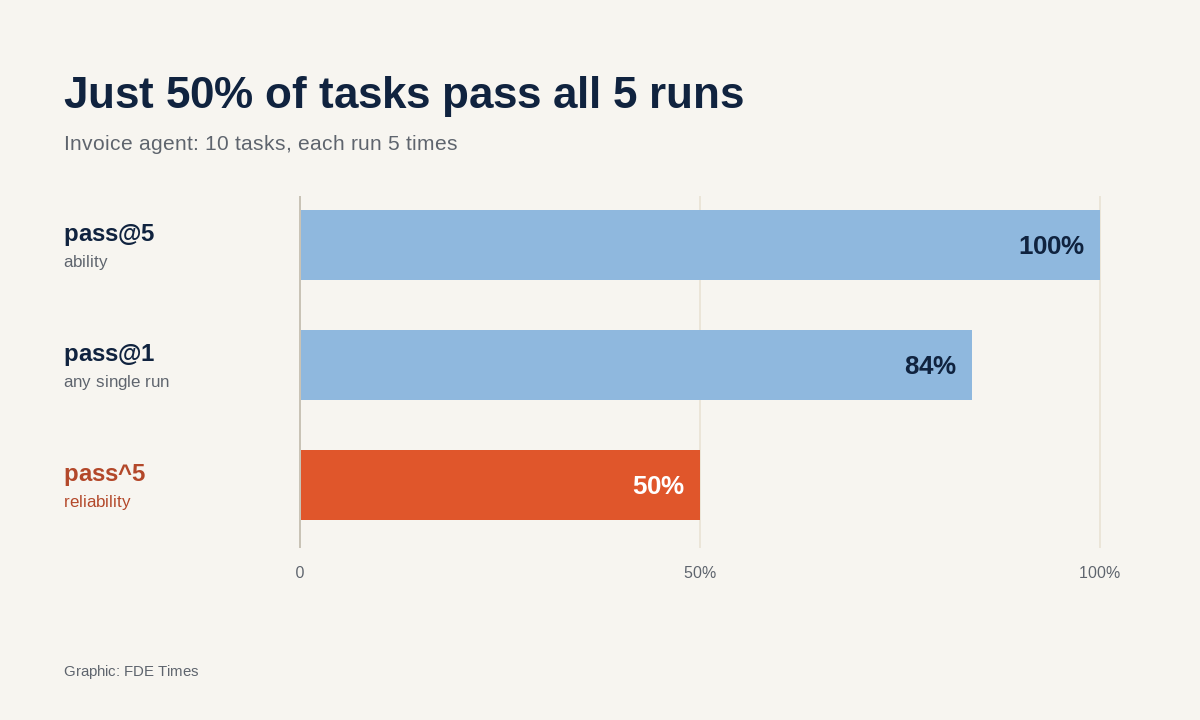
pass@k shows whether it can do a task, pass^k whether it does so every time, and clients need to know which one you report.
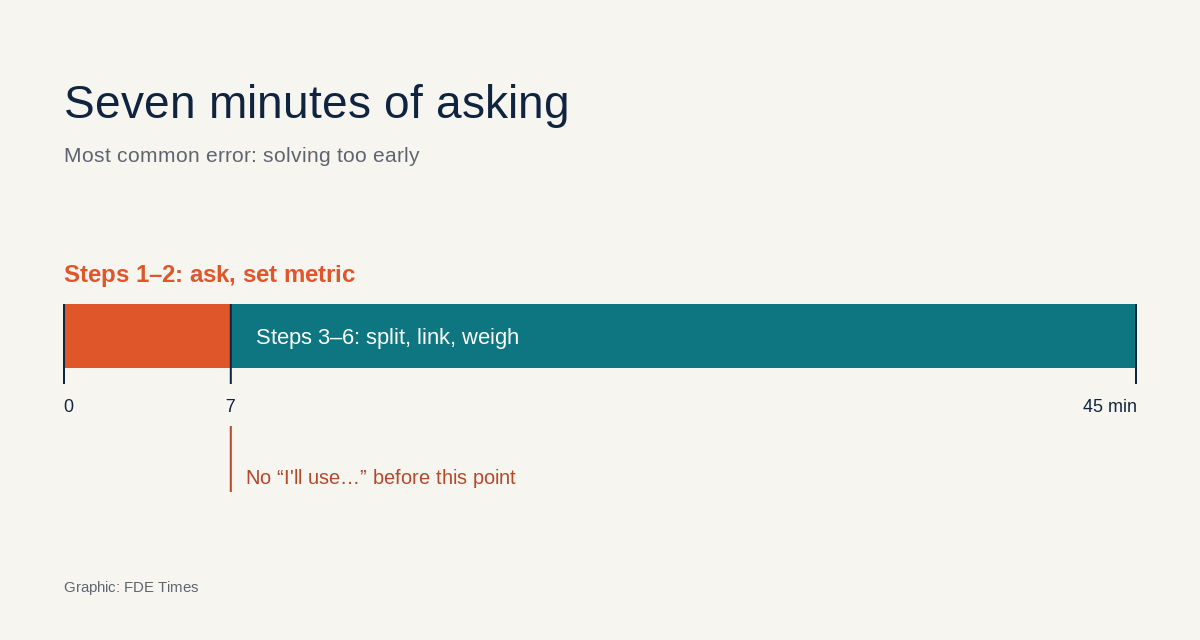
A 45-minute self-run drill, recorded on your phone, lets you hear exactly when you jump to a solution or fall silent.
At an API-first bank such as Column, there is no vendor in the middle to blame, and none standing in the way of a fix at the source.
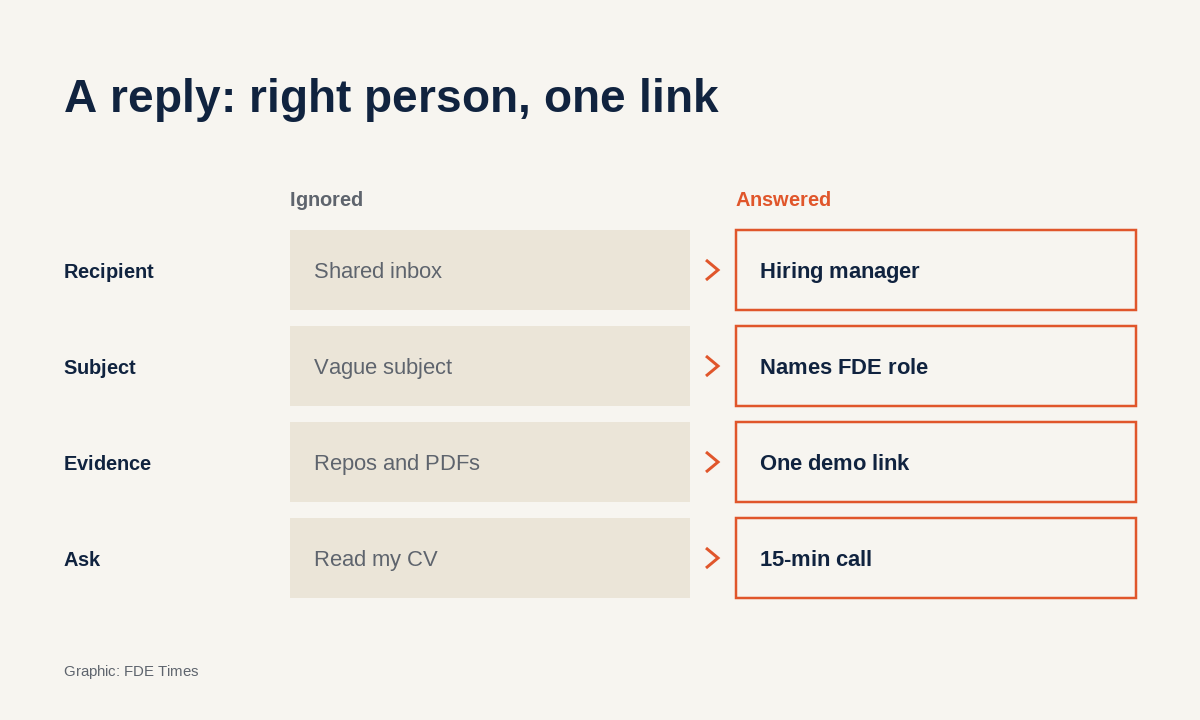
Engineers reply most to hiring managers, a survey cited by ERE suggests; pair a short note with one link to a system running in production.
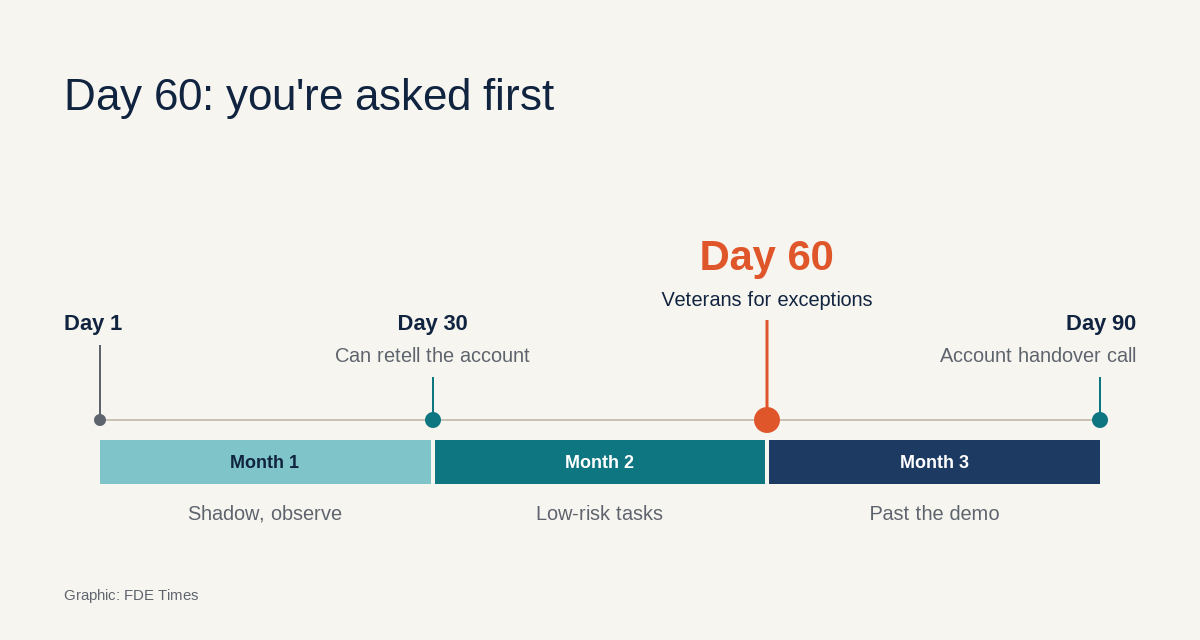
The first two weeks are usually spent shadowing a veteran, but that slow start is a ladder you can climb on purpose, not a sign you are sidelined.
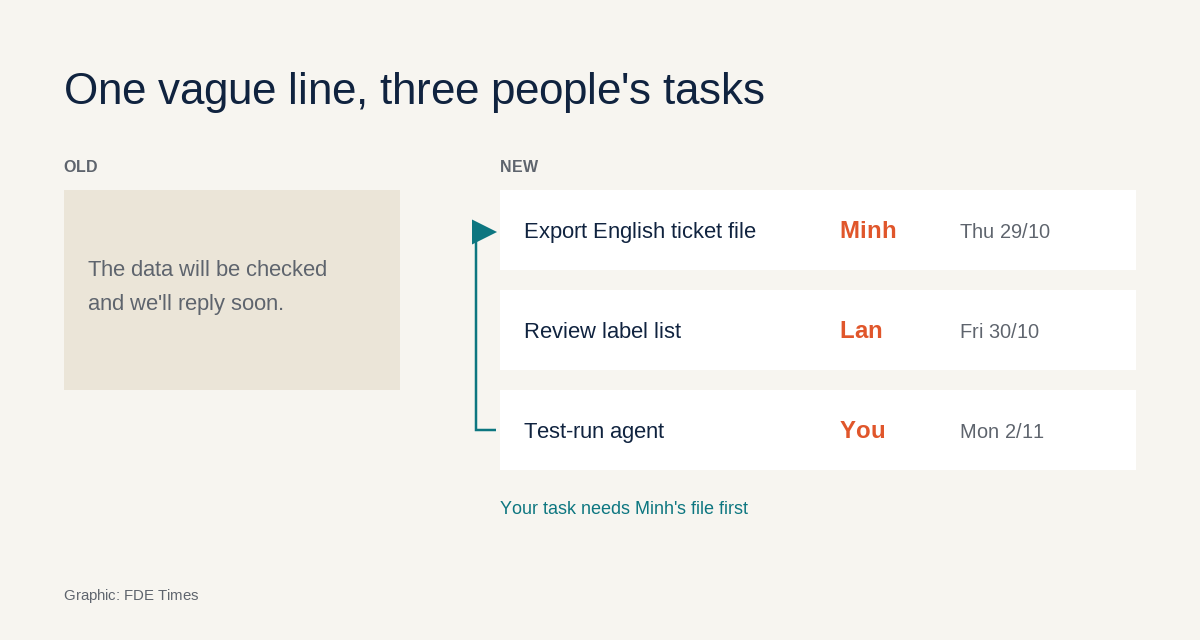
A recap email of under 150 words, built in five steps, turns raw meeting notes into agreed scope, data handoffs and delivery dates before anyone can dispute them.
Legal, PR or a senior executive signs off, so agree which numbers can be published and who approves them before drafting a word.
Tie every chunk to a stable source ID and a record of what was indexed, and you can sync edits and deletions without re-embedding everything.
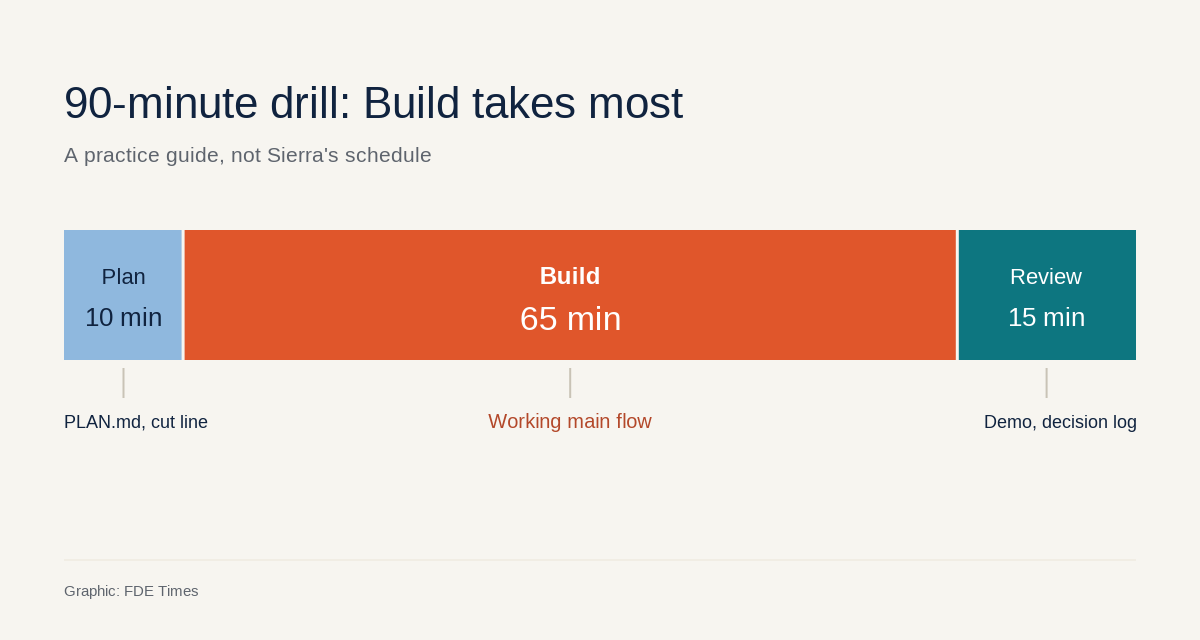
A 90-minute drill, tighter than the real two-hour build, trains the scope-cutting judgement Sierra grades across its Plan, Build and Review phases.
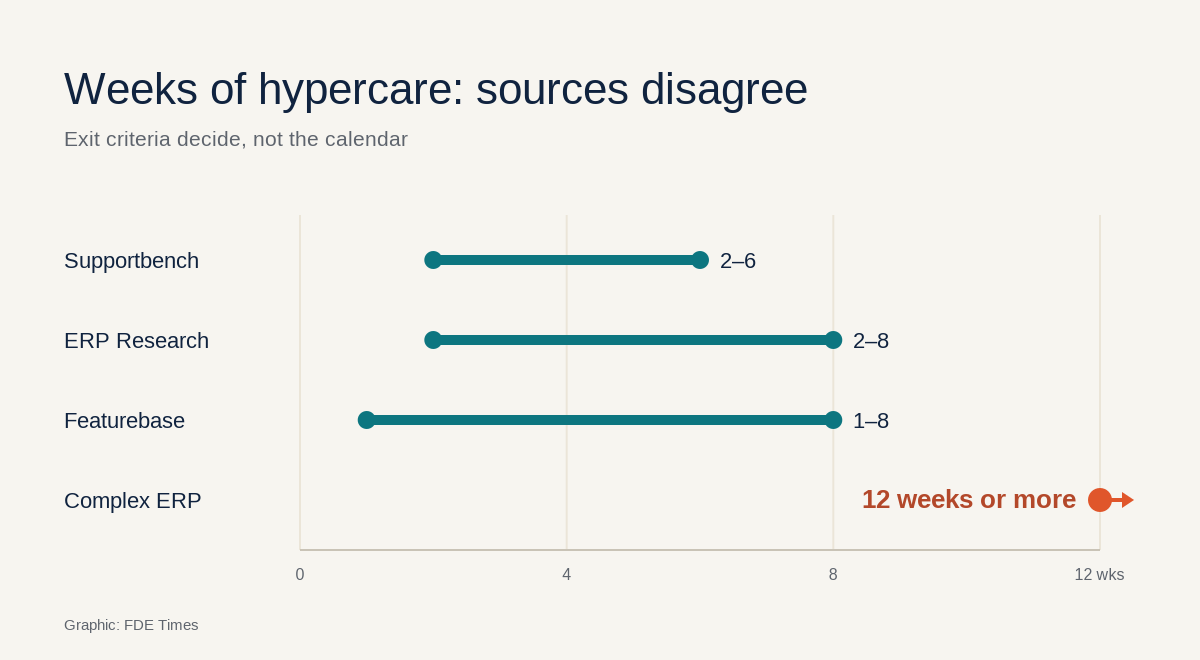
The day you leave a customer should be set by exit criteria agreed before go-live and a five-consecutive-business-day rule, not by the calendar.
SAP bought Prior Labs betting that LLMs fail on business tables, yet an FDE must still prove TabPFN beats the old approach on real customer data.
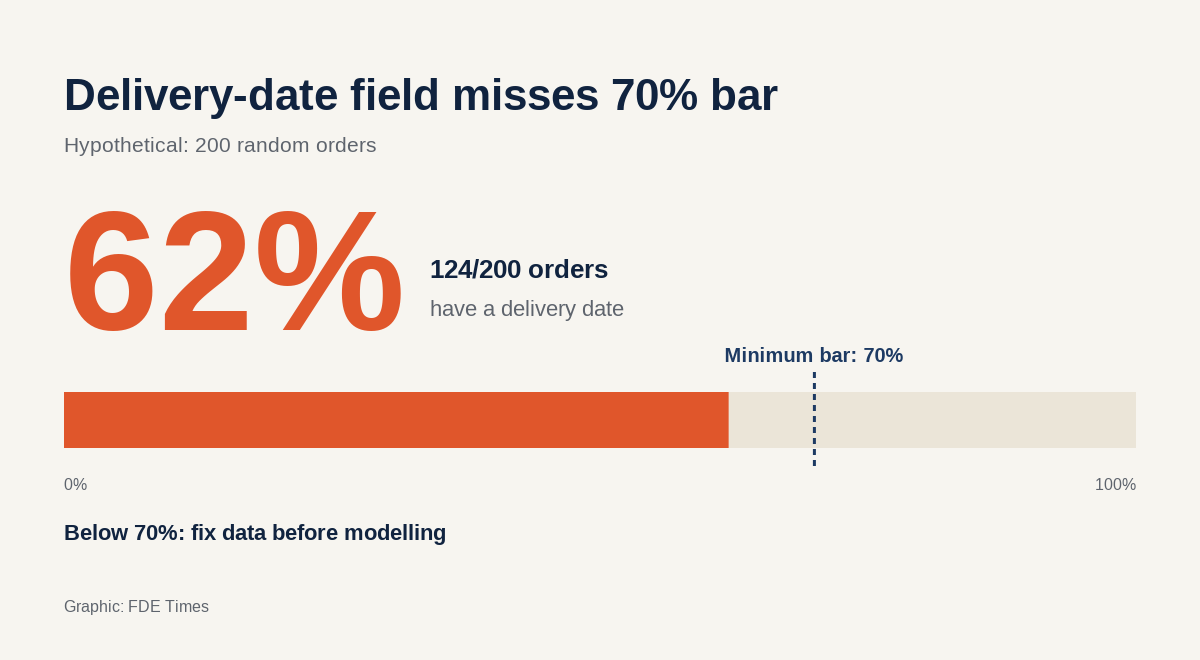
Before promising a production date, score the client's real data against one specific use case, rather than finding the gaps halfway through the build.
Hypothesis generates hundreds of order lines, but the bug only surfaces when they are checked against an independent calculation rather than a round trip.
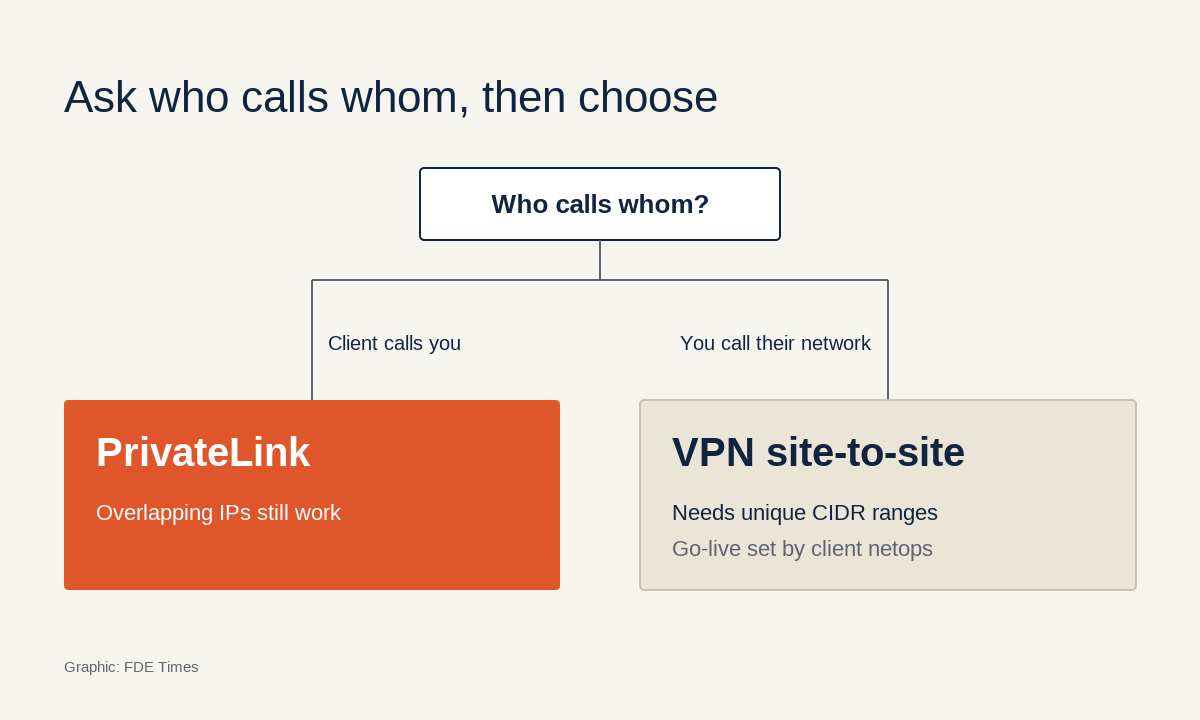
A VPN joins two networks and needs address ranges that do not overlap; PrivateLink places a single service inside the client's network.
Sales teams can abandon an email-drafting agent within two weeks, and an Outreach job ad names two tasks, neither involving code, that help prevent it.
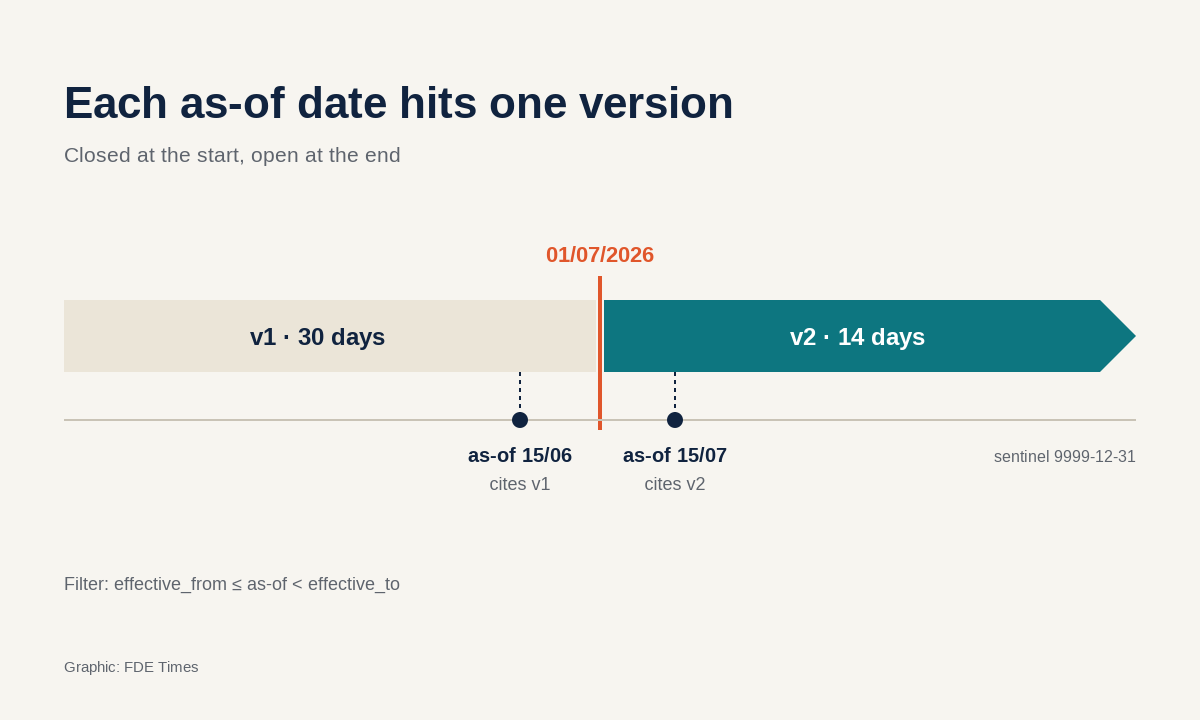
Put a validity window on every chunk, filter by an as-of date and test by date; on versioned documents, naive RAG scored just 58%.
Legora's FDE job ad shows that document systems such as iManage remain the system of record, and that access rights on each matter decide what gets built.
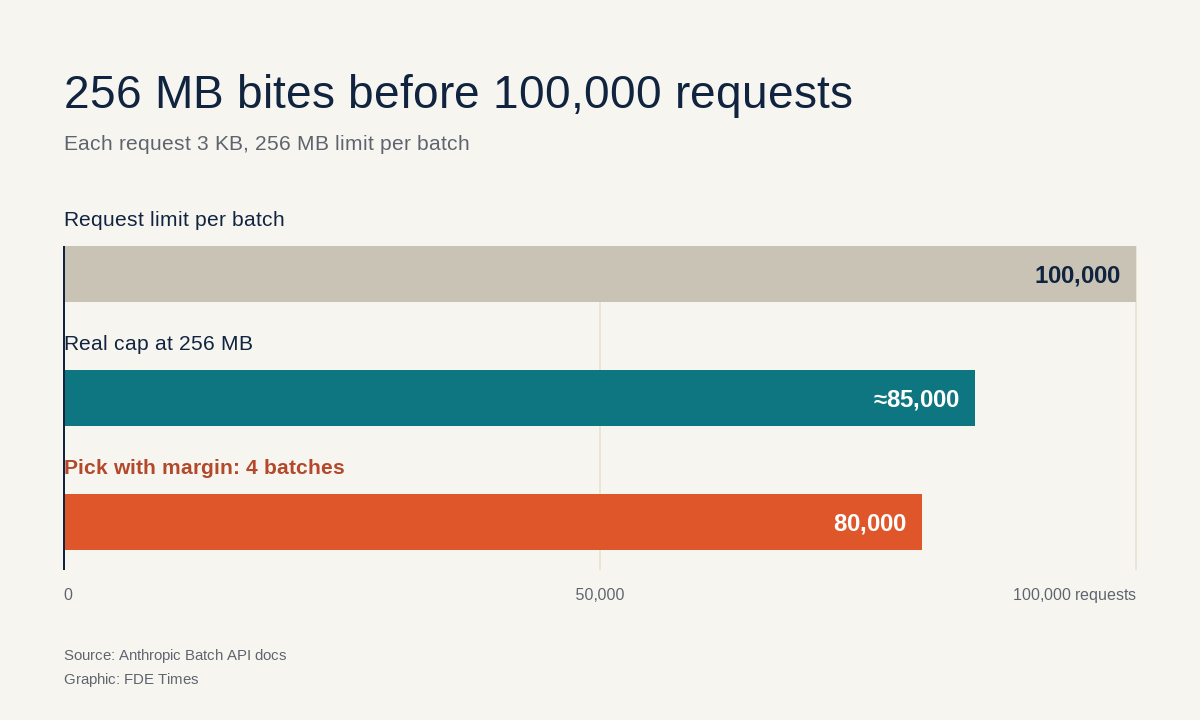
Anthropic, OpenAI and Gemini all cut batch prices by 50%; the hard part is splitting batches cleanly and saving results before 29 days pass.
Vitest and MSW intercept requests at the network layer, so you can test 200, 401, 404 and 500 responses on a laptop without touching client code.
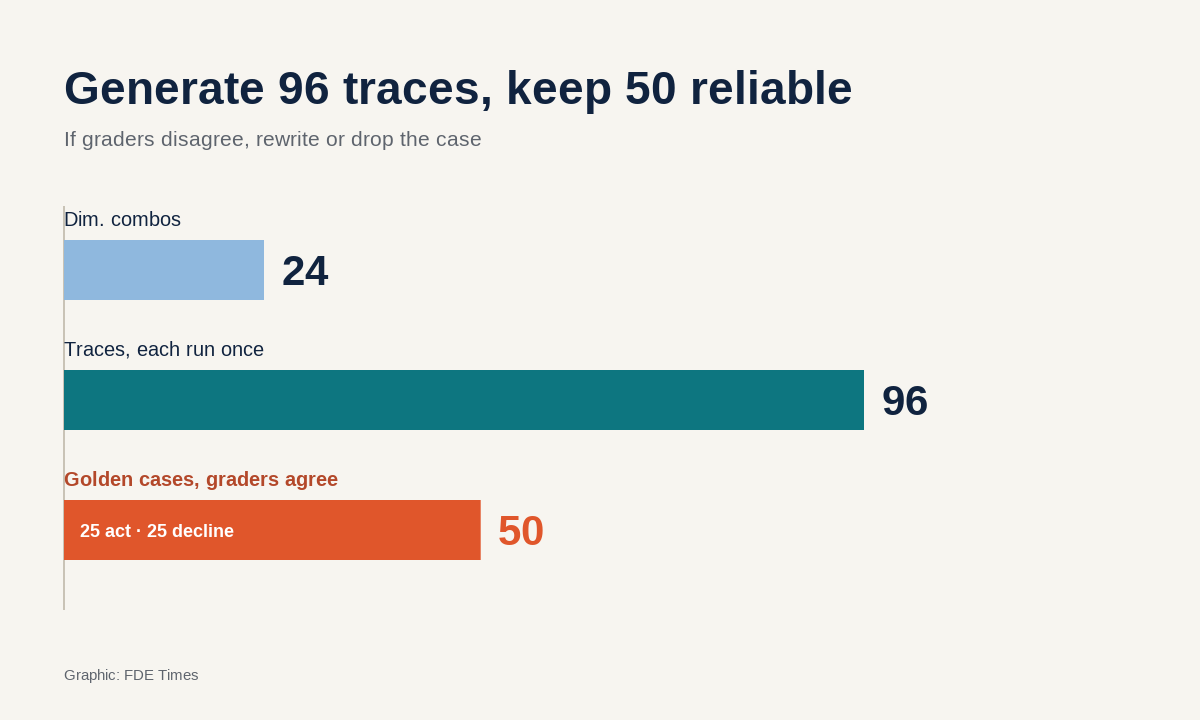
Anthropic says 20 to 50 simple tasks from real failures is a good start; the skill lies in discarding cases you cannot grade yourself.
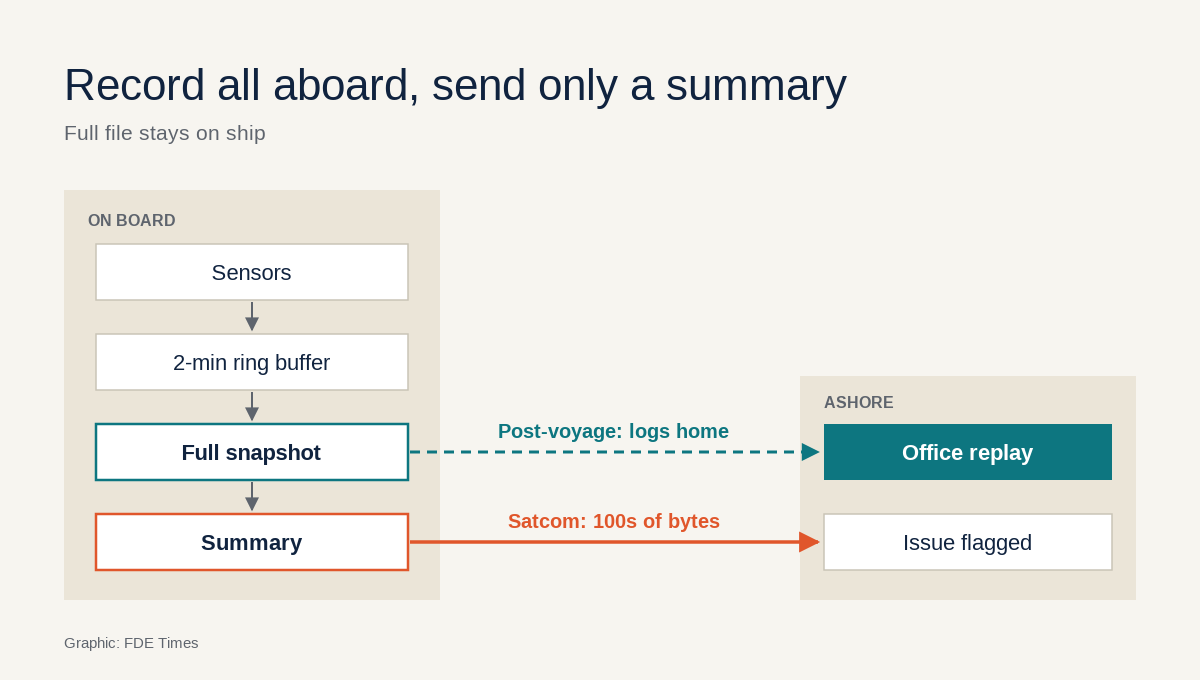
A hypothetical autonomous-boat case, drawn from Saronic's FDE roles, shows why capturing enough data to reproduce a failure must come before any fix.
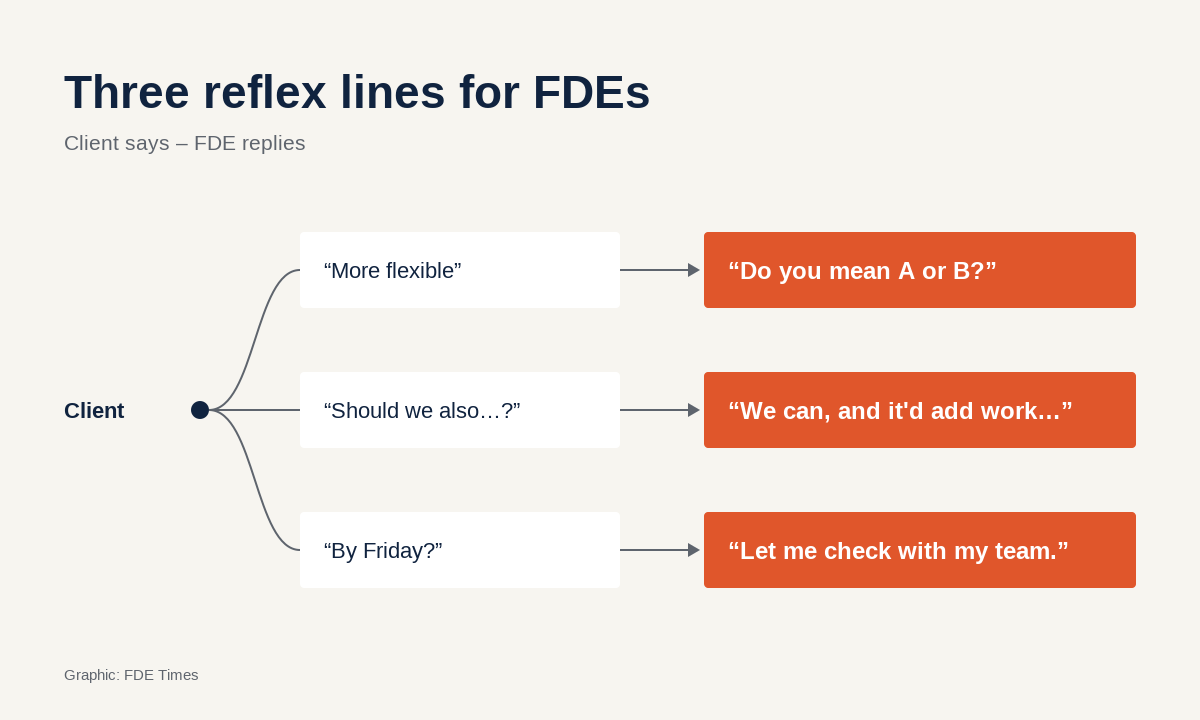
Non-native speakers rarely lack grammar; they lack ready sentences for clarifying, pushing back and answering ‘when will it be done?’
The average organisation abandons 46% of AI proofs of concept, often because nobody wrote down in advance what "good" meant.
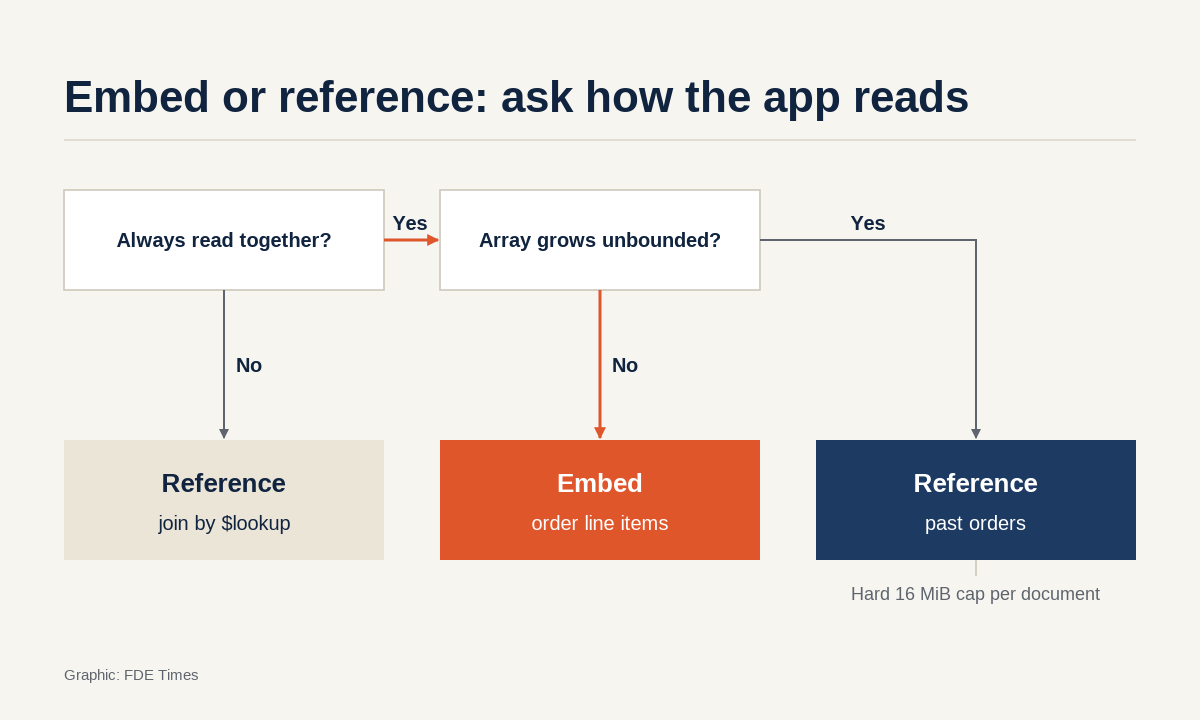
MongoDB's own guidance says to embed the data an application reads together and to reference data that can grow without limit.
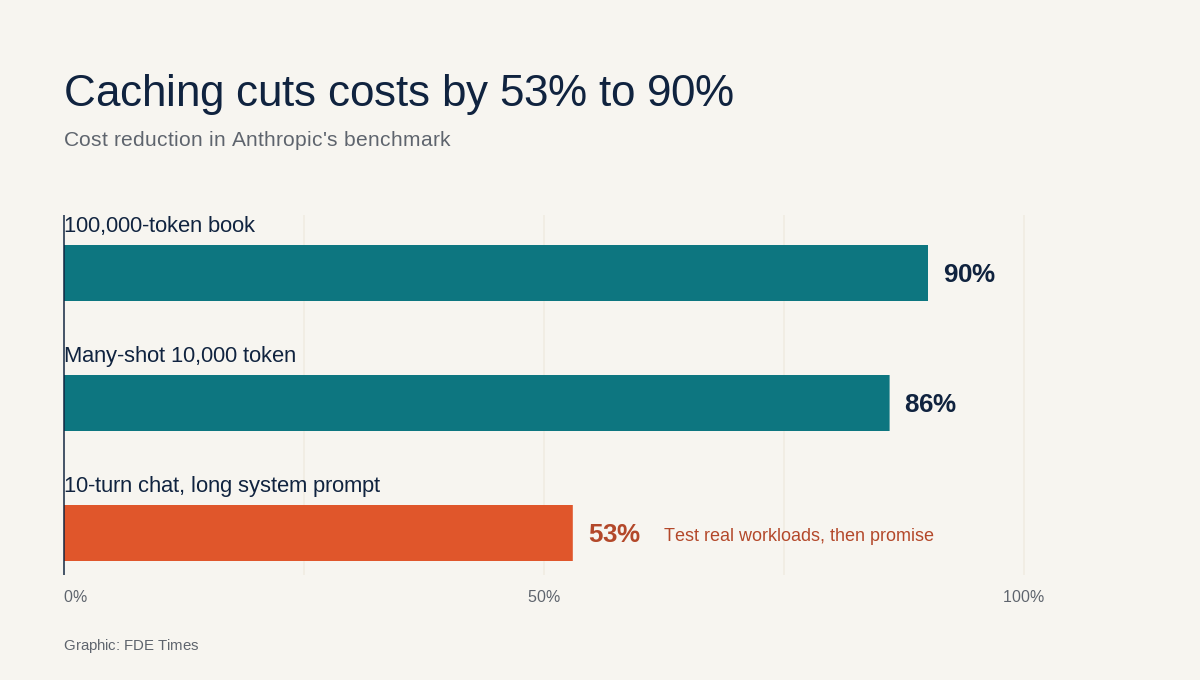
Anthropic cut time to first token from 11.5 to 2.4 seconds and cost by 90%; six steps show how to repeat it and prove it to a client.
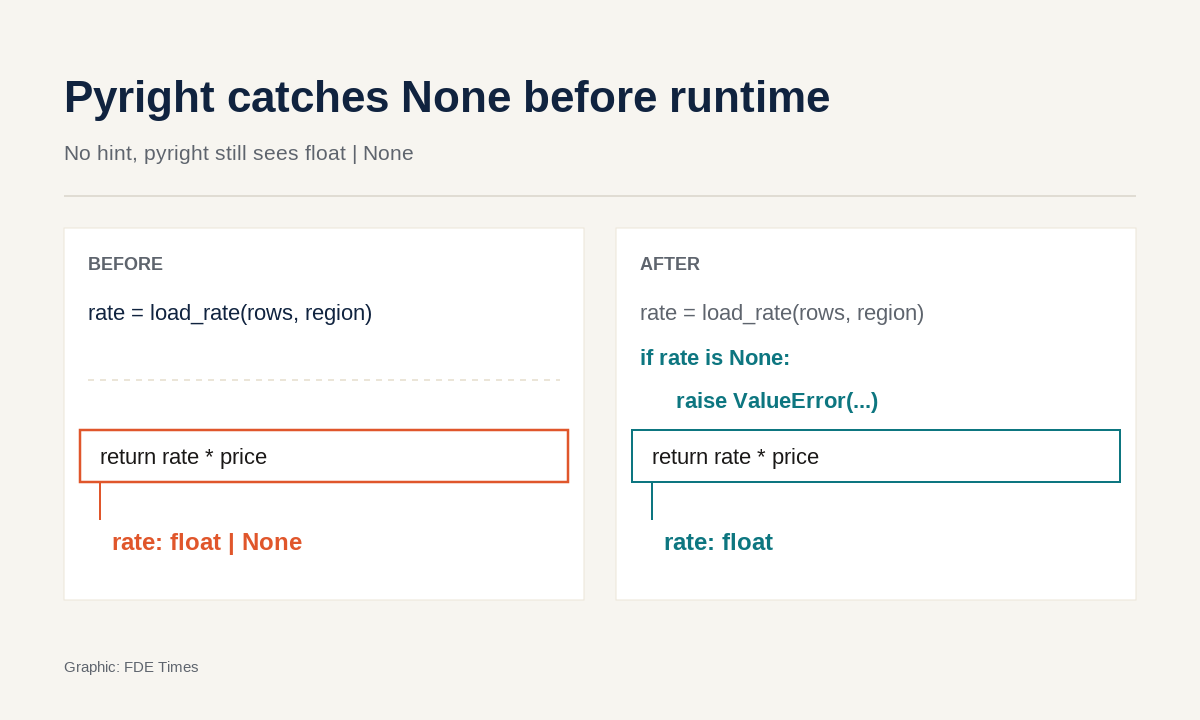
Python ignores type hints at runtime, so in an unfamiliar repo the checker, not the interpreter, tells you what each function really returns.
Recruiters want code deployed on someone else's infrastructure; a list of tools says nothing about that, while the system, the constraint and a measured result do.
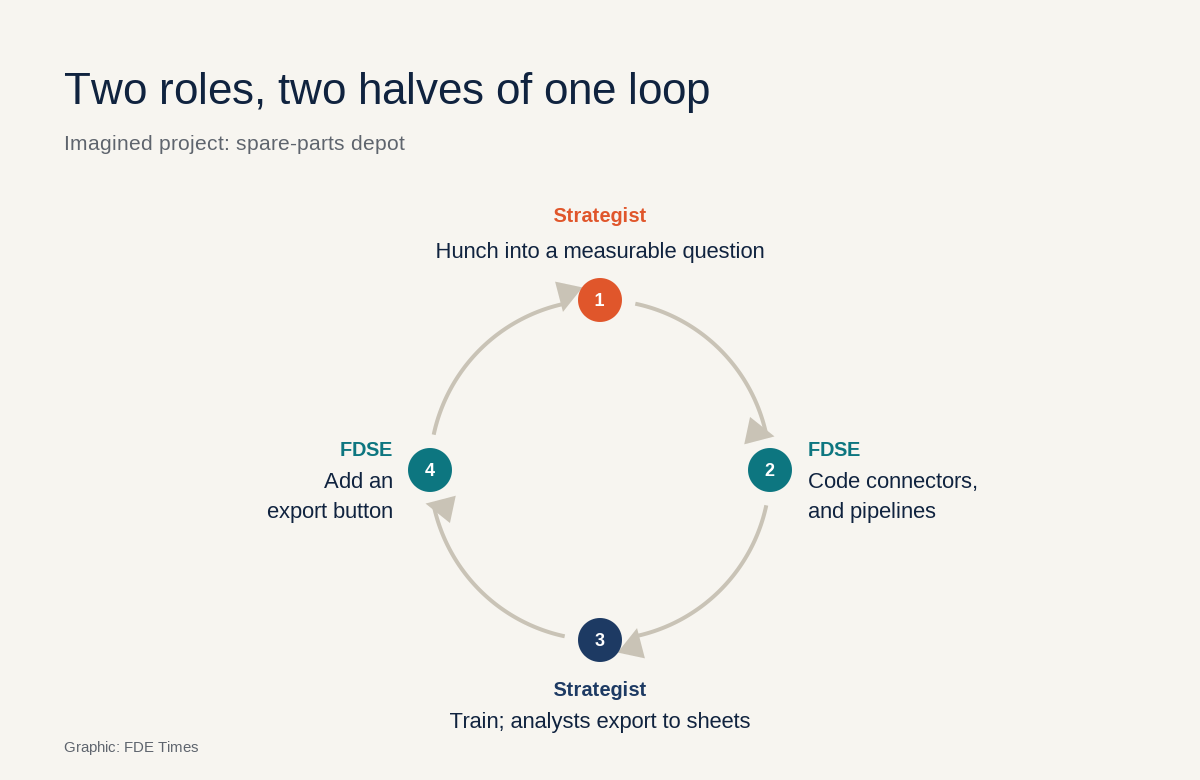
Electric Twin and PromptQL hire under this title and Palantir calls it Deployment Strategist, making it a way into the field for people from data, research or consulting.
Duo Security's Secure Services Edge listing asks for seven-plus years in networking and security, plus evidence that engineering teams can reproduce.
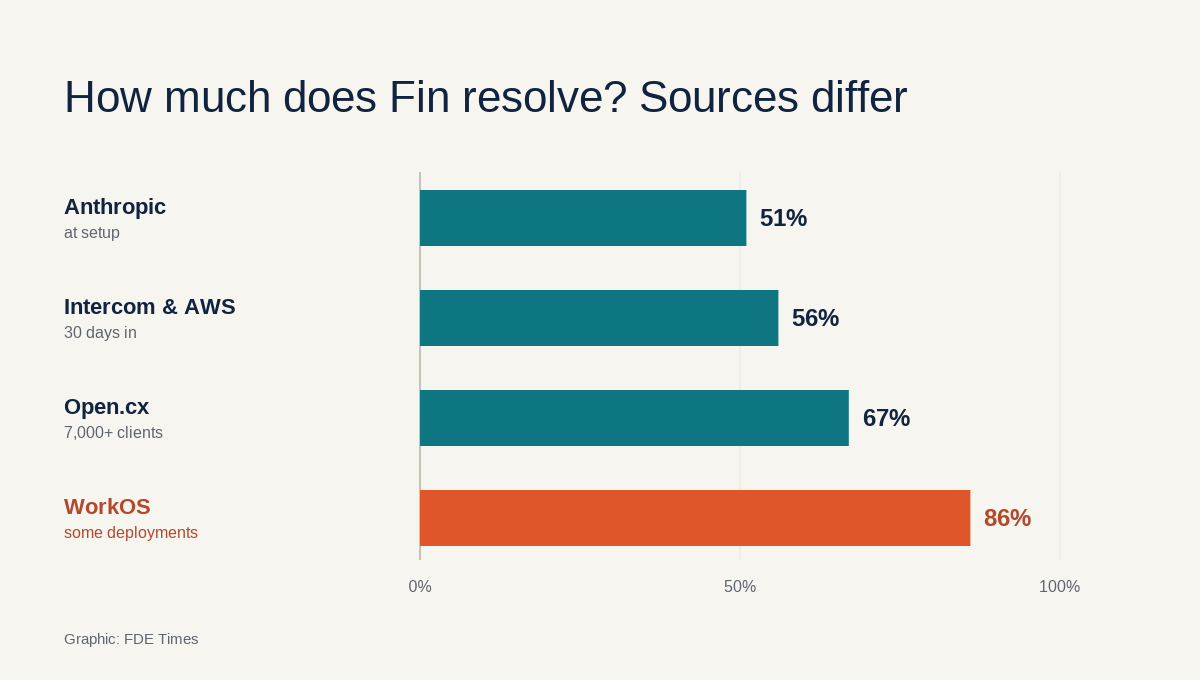
Intercom tests every change to Fin against a baseline, and good forward deployed engineers bring the same habit to each customer they work with.
At Arize AI, FDEs build trace-to-eval programmes with client teams; the core skill is catching a weak judge before it becomes a release gate.
Listing everything shipped from Jira wastes an hour of the most powerful person in the room; two or three measurable wins do the job.
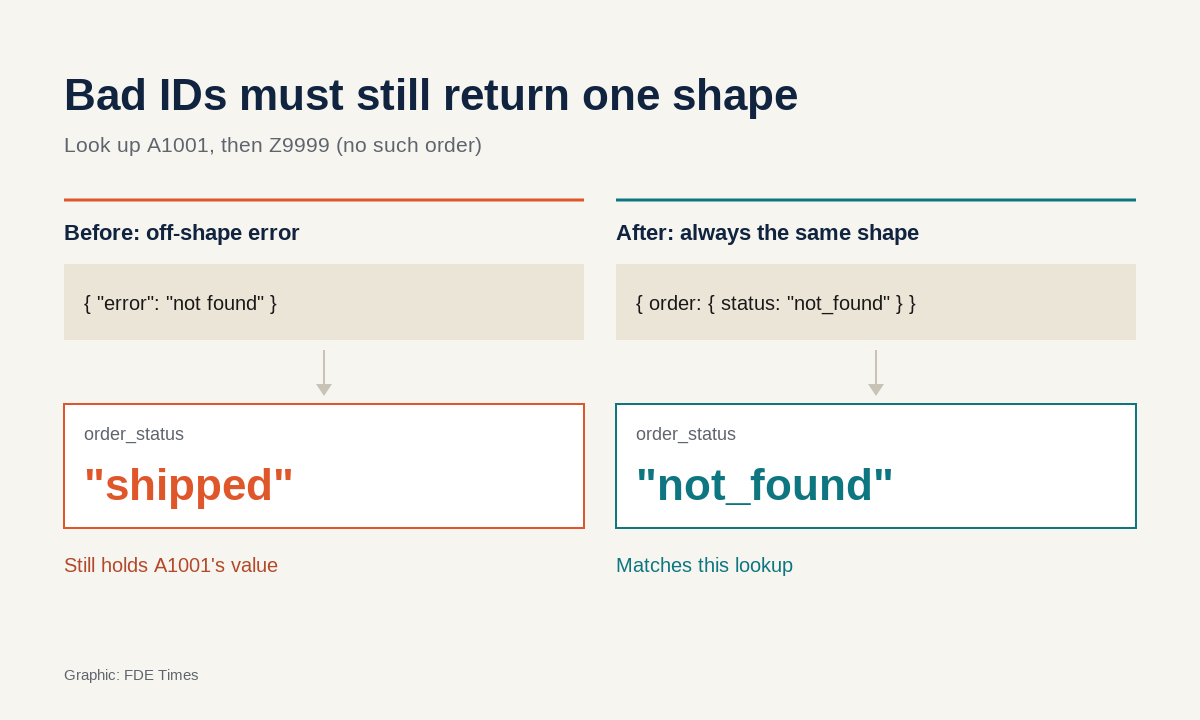
The voice and the prompt are the easy parts; the fragile piece is an API that changes its JSON shape when no order is found.
Palantir's intern and new grad postings sit a school year apart, and Google London's internship took applications for barely six weeks.
One CV sent to both Deployment Strategist and FDSE openings convinces neither, and the job postings spell out what evidence each role wants to see.
One small project that proves you can build, migrate and feed lessons back to Product beats a CV that lists technologies.
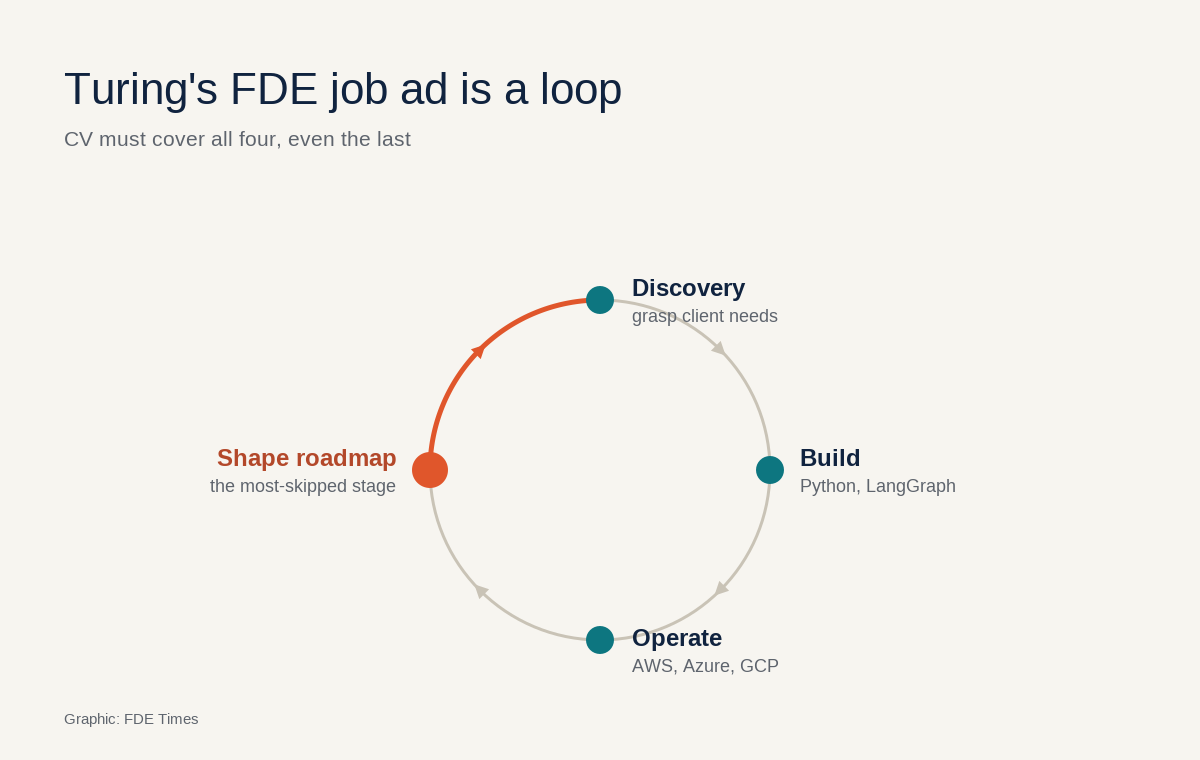
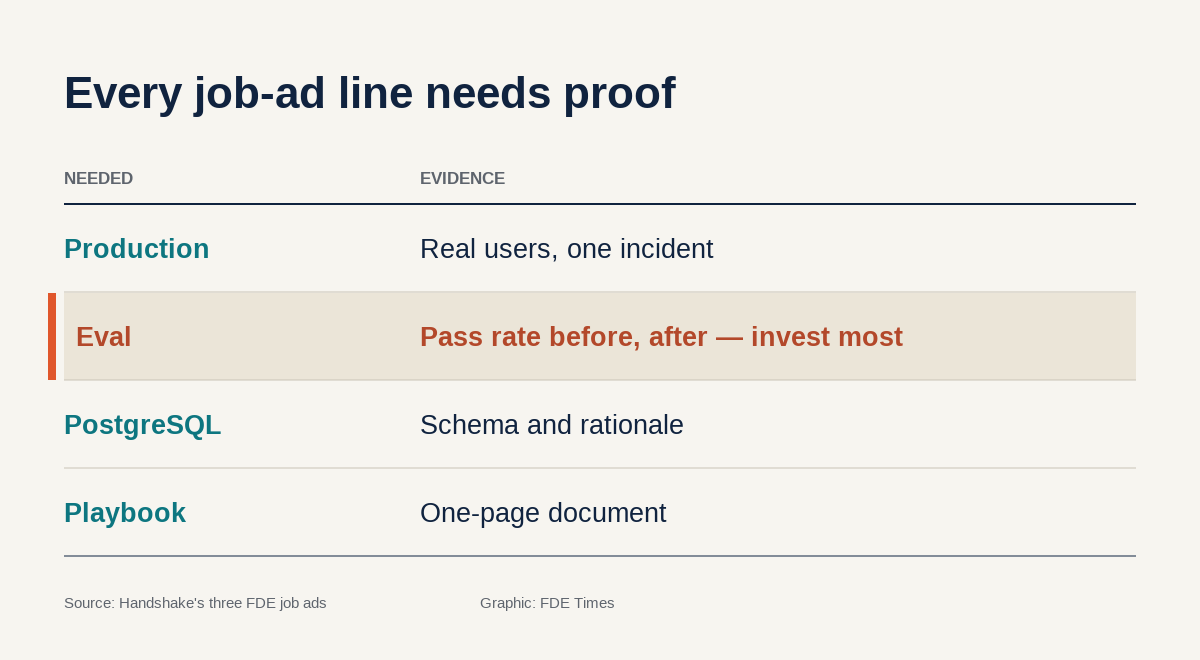
Read in order, the responsibilities trace one GenAI deployment from discovery to handover, and each stage needs its own evidence.
Interviews go to those who can prove each line, and every line can become a small project, a memo or an interview answer.
Arize wants 2–5 years and GenAI run in production; a notebook calling a model API will not count as evidence.
The London posting describes a full engagement, from discovery to evals, tracing and cost, so the best preparation is a migration project of your own.
Four verbs, develop, configure, deploy and optimise, trace an engagement's life cycle, and the strongest proof is a small build of each task.
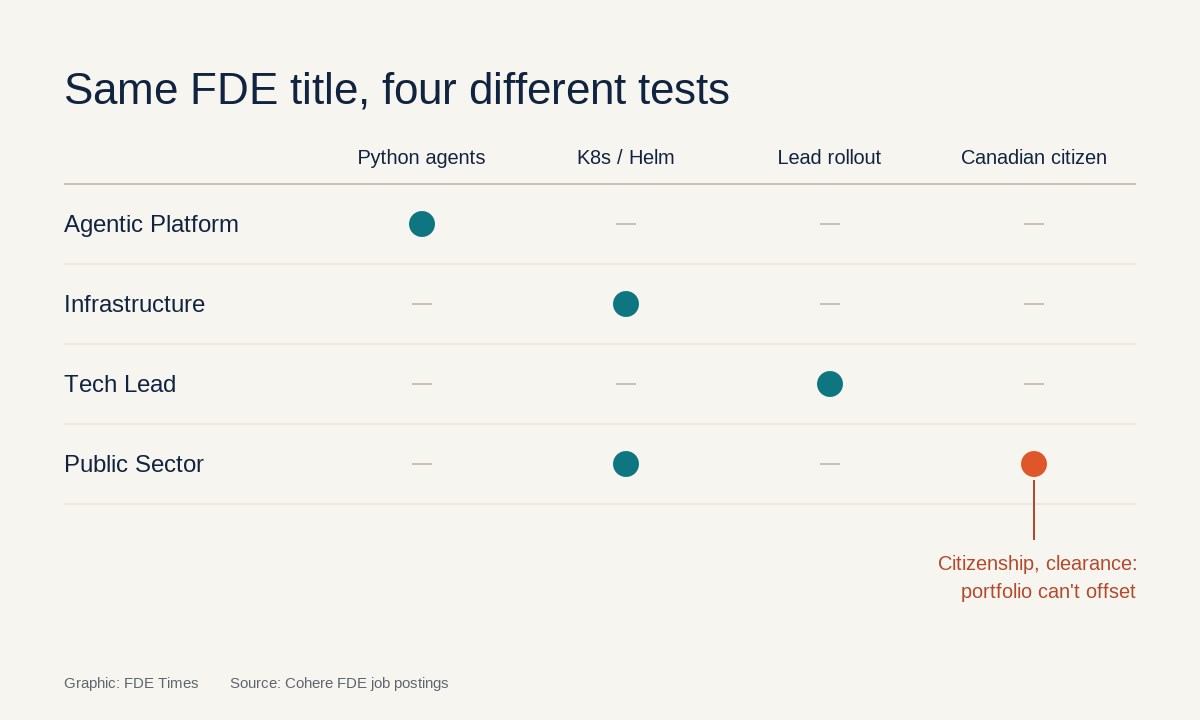
Some listings want agent builders, others Kubernetes and Helm operators, and telling which one you face is itself a core FDE skill.
Its forward deployed engineers sit in engineering, not sales, and the company believes empathy can be taught, so applicants must prove technical depth first.
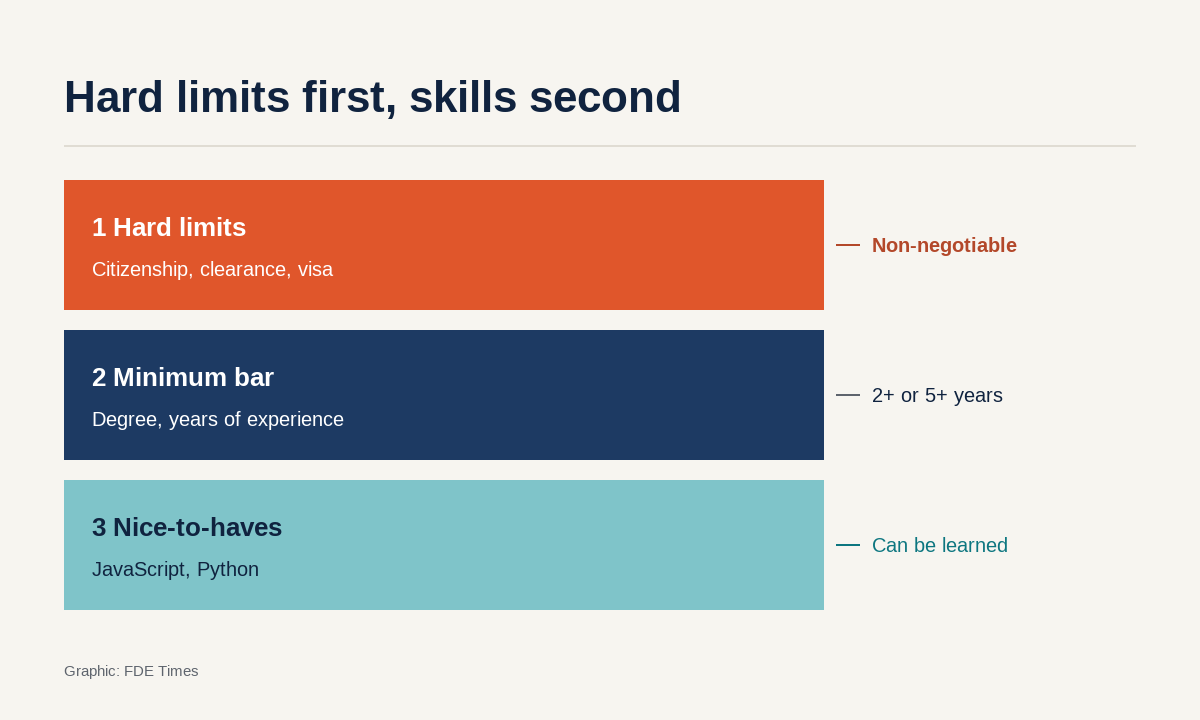
Citizenship, security clearance or years of experience can rule you out before anyone reads your skills, and an ATS may filter your CV first.
Three postings across levels, from partner AI labs to enterprise agents, read best as interview questions, each answered with something that has run for real.
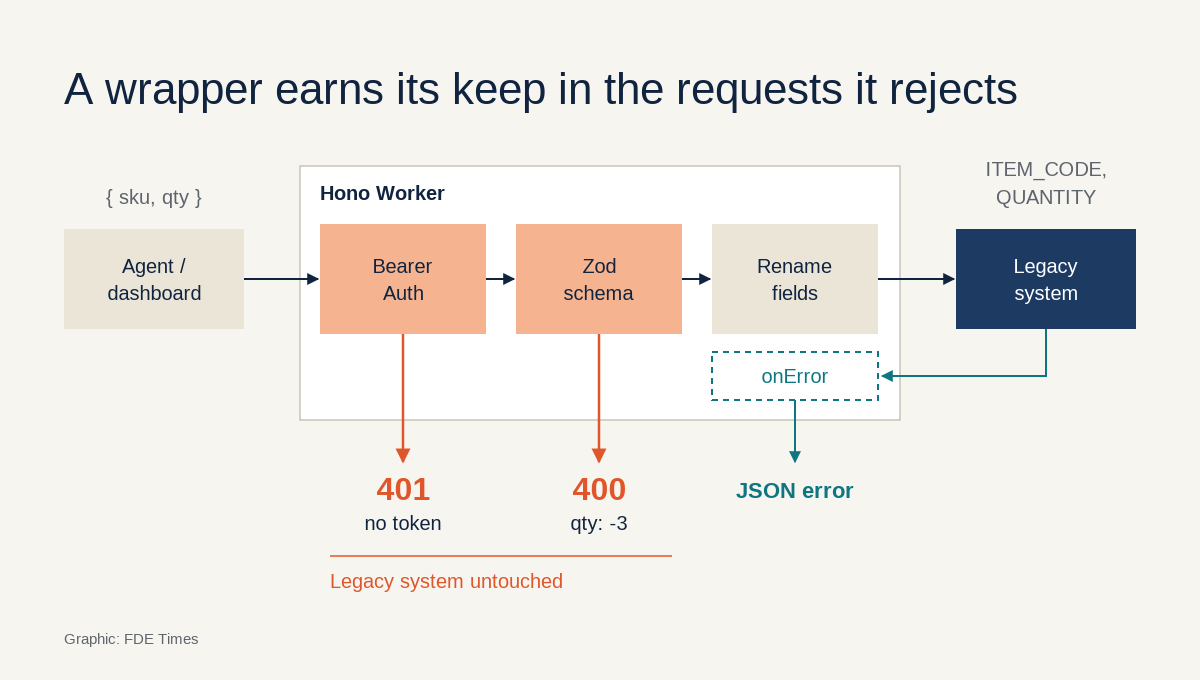
You usually can't change a client's system. You can still put a clean, typed, authenticated API in front of it without touching a line of the old code.
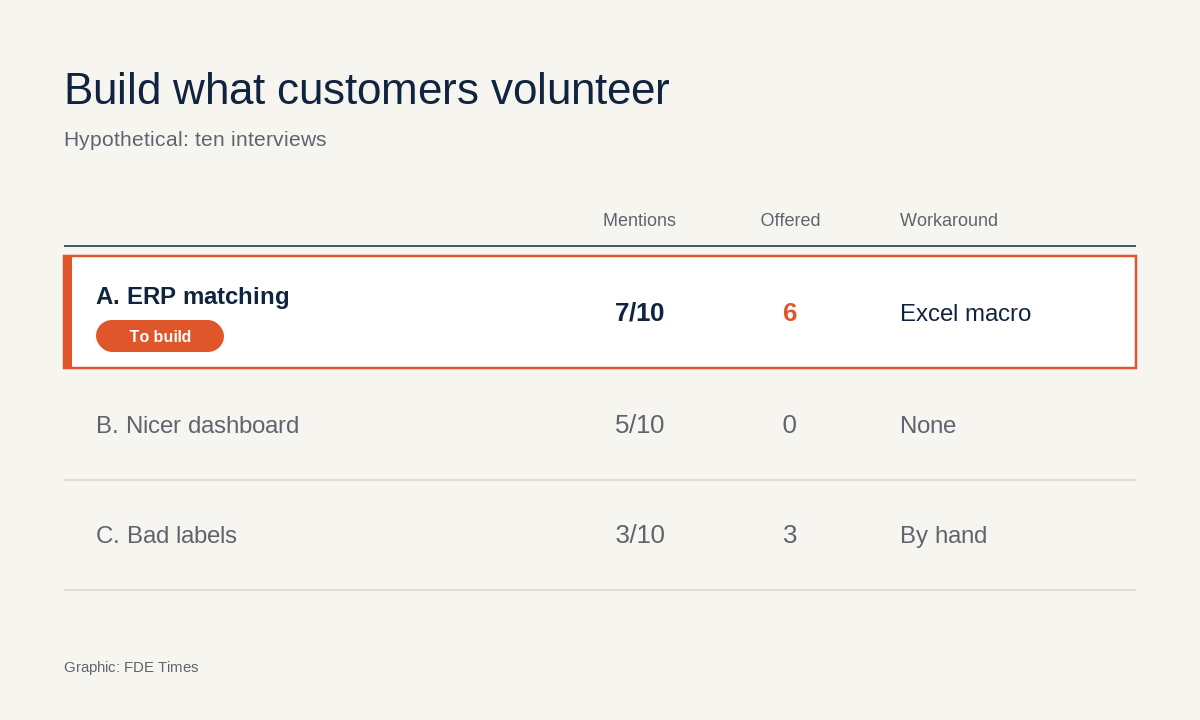
Map the process from its start and end points, score each task with the people who actually do it, and only then make promises to the client.
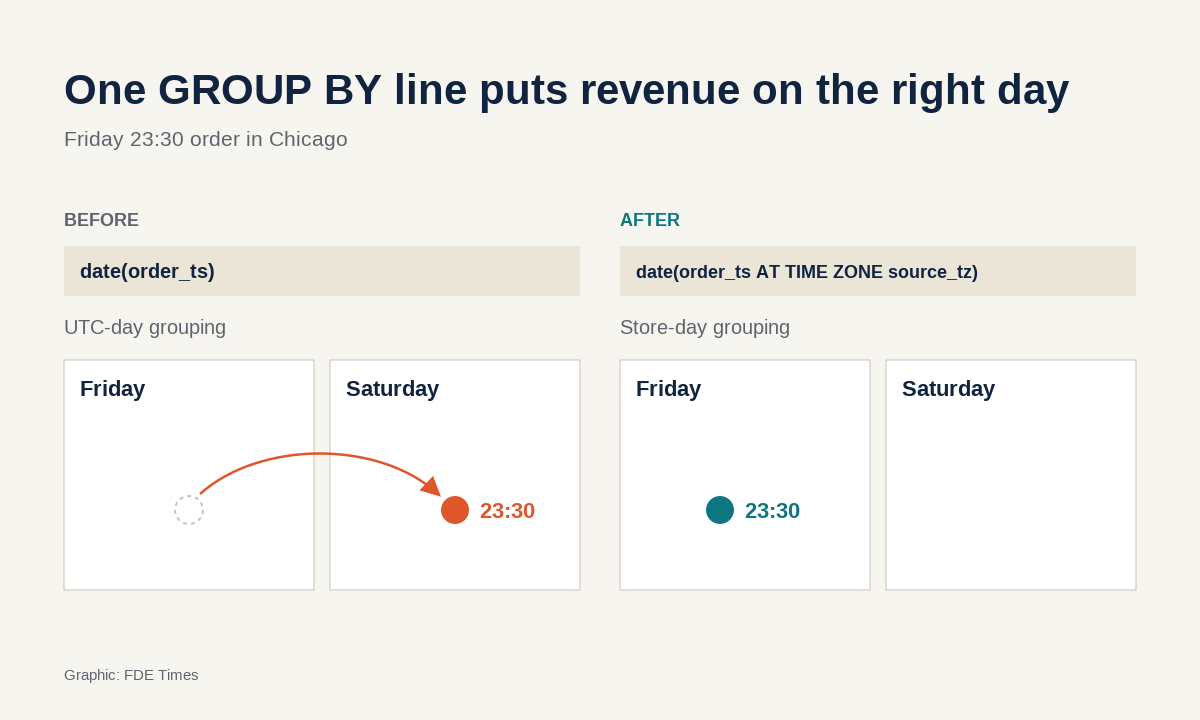
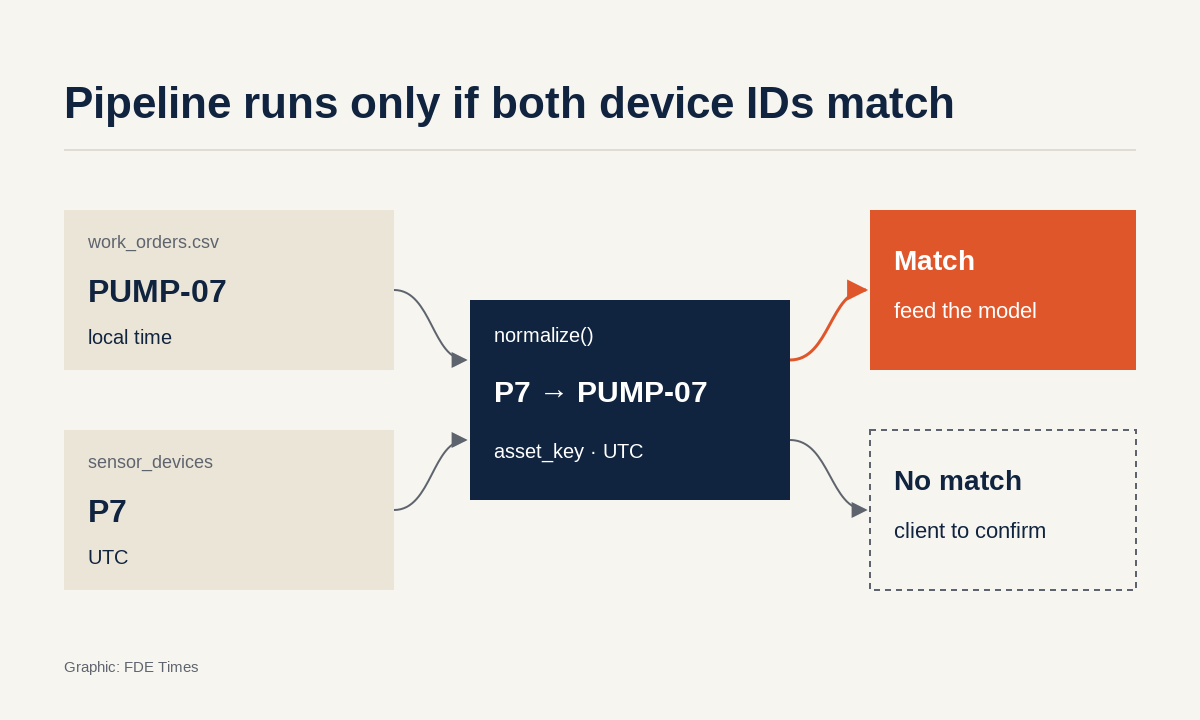
The SQL is usually fine; the culprit is a timestamp that passed through three systems, each one guessing its time zone.
cProfile works when you can rerun the script; py-spy samples a live process on the client's machine without touching its code.
Every deploy involves two identities, you and a service account, and a 403 read properly names which one lacks which permission.
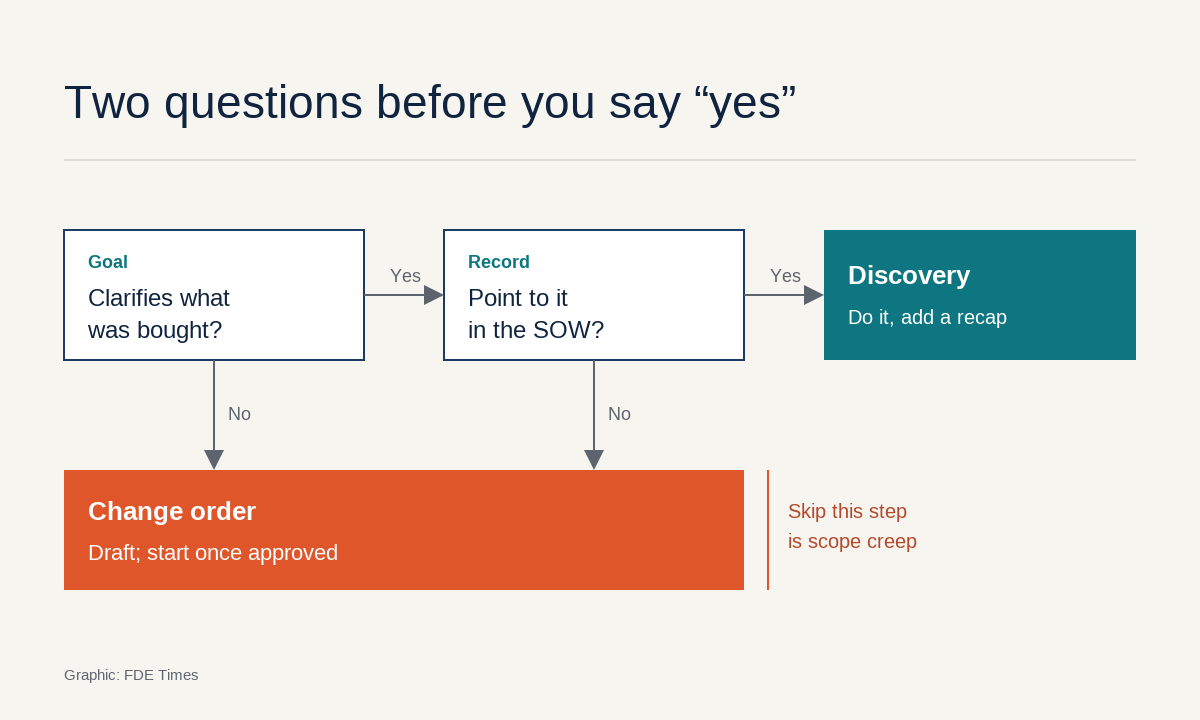
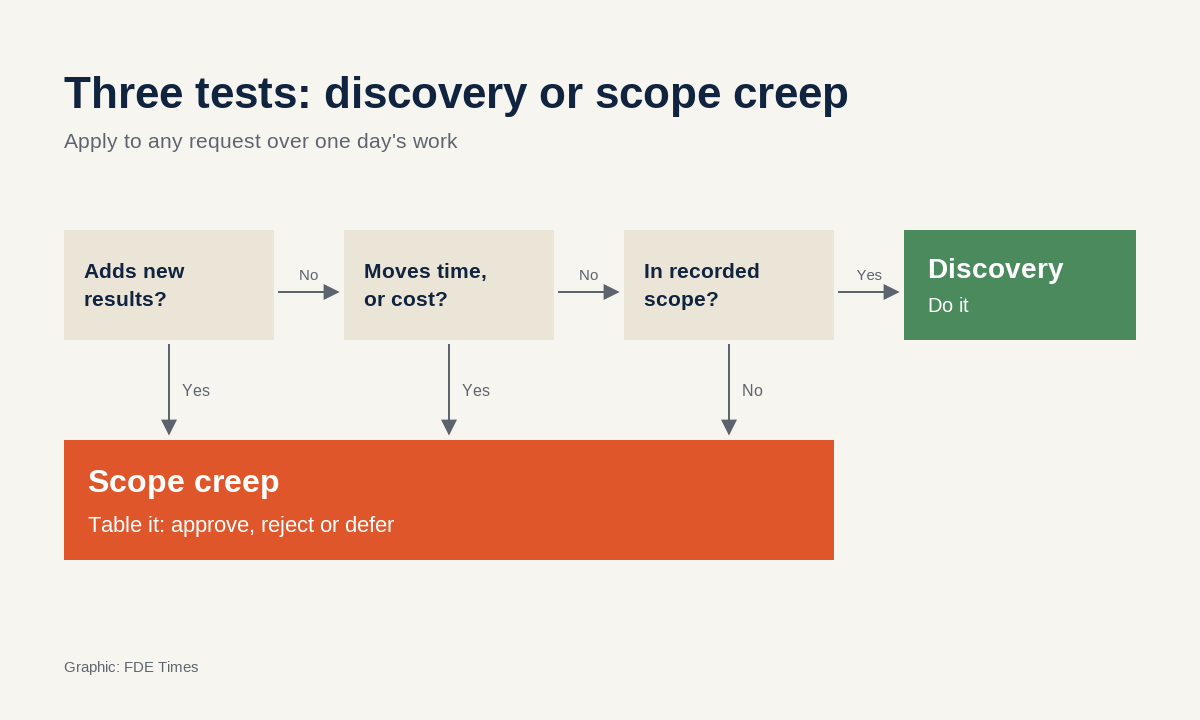
Scope creep and discovery start with the same request; two questions and a draft change order tell them apart without an instant yes or no.
A golden set is a snapshot and production is a distribution, so once the client ships new features, offline scores can rise while real quality falls.
Agree measurable dimensions, pass thresholds, error budgets and hard gates in writing first, or the session drifts towards the loudest voice in the room.
A friend playing an evasive stakeholder, a role card with hidden constraints and a timer are enough for a full 60-minute practice session tonight.
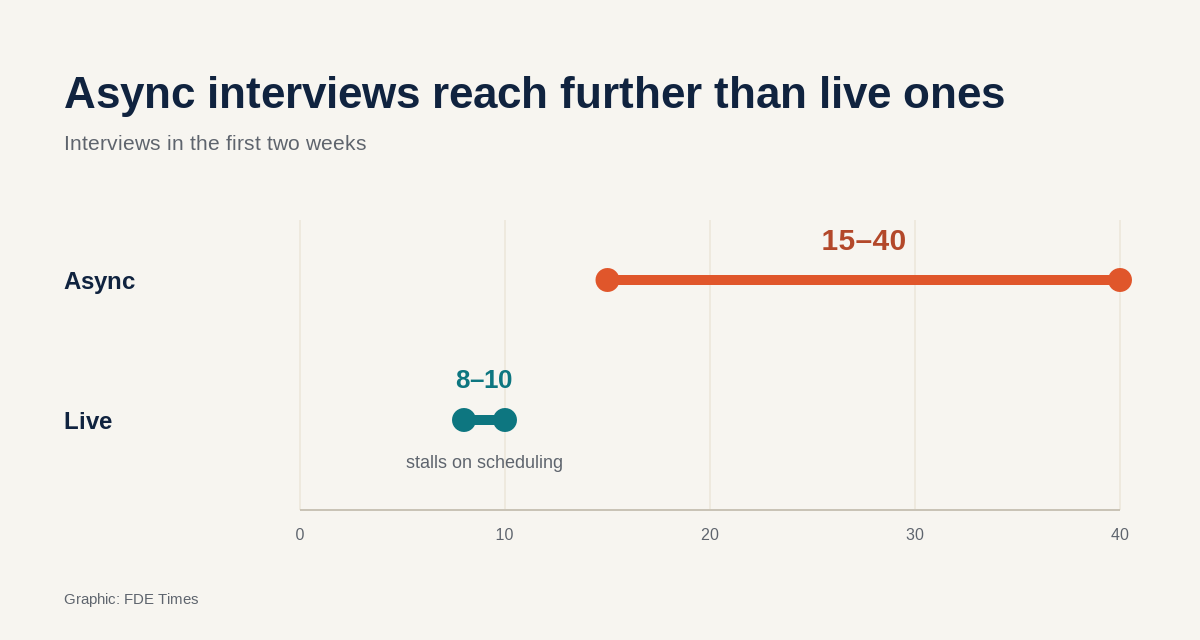
A sample process runs five rounds over six to eight weeks, and its strangest round asks candidates to code from a deliberately vague spec.
Palantir and Anthropic job postings keep repeating one word, production, and knowing what it means tells candidates what to practice before they apply.
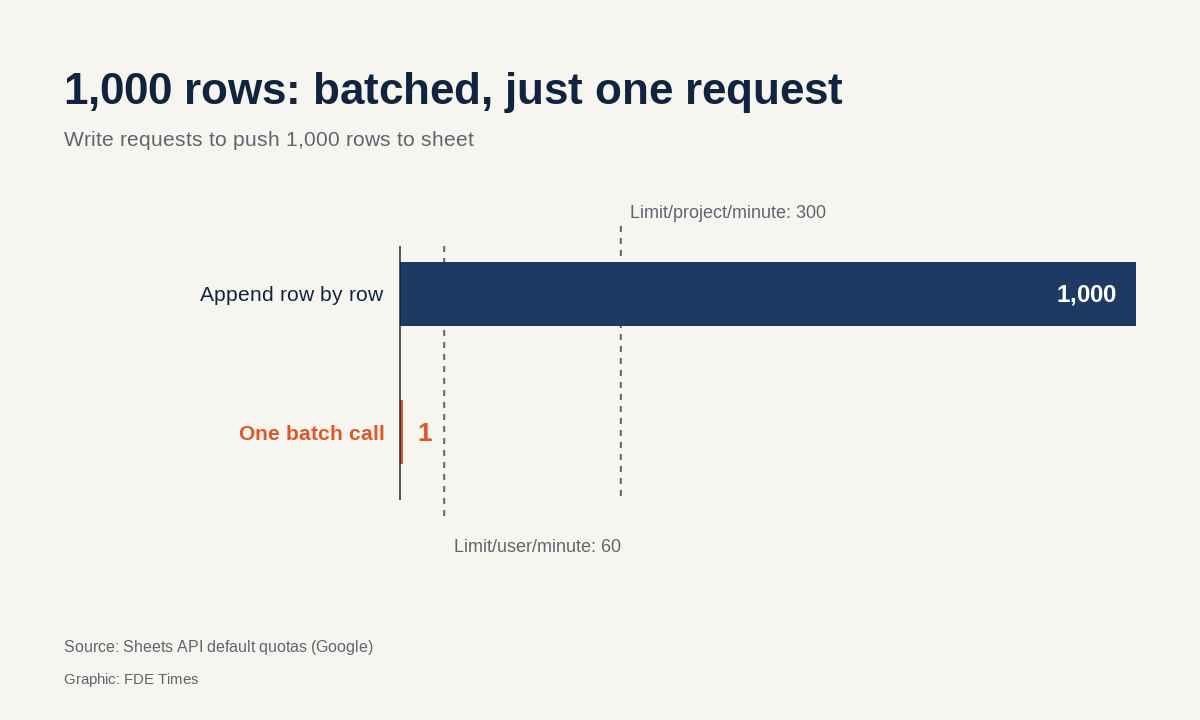
Share the spreadsheet with a service account's email and a Node.js script can read orders, write reports, handle quota errors and upload to Drive.
OpenAI's search for a Deployed PM for Codex draws the line: the FDE makes it work, the PM decides what gets built and why.
Start with two people and a clear code boundary, or every deployment becomes a bespoke project that nobody documents for next time.
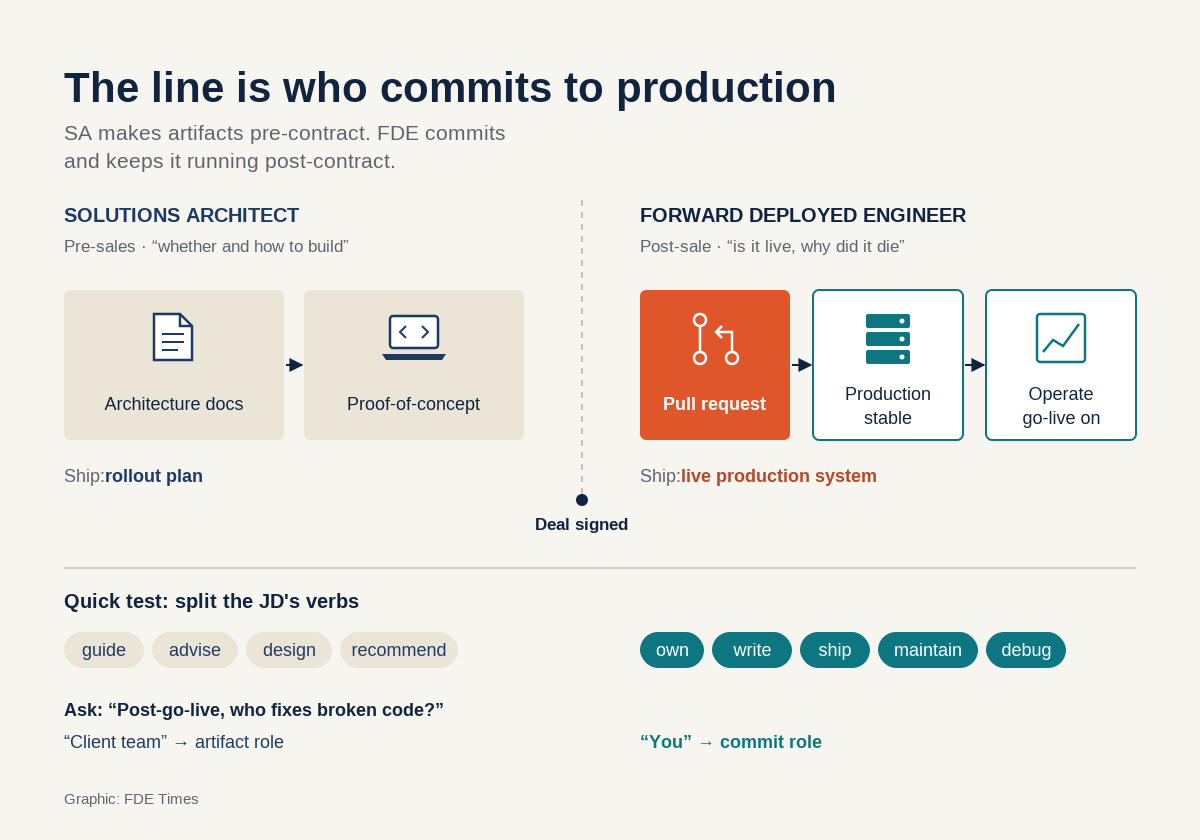
Both sit with customers and both write code, but only one still answers for the system long after the contract is signed.
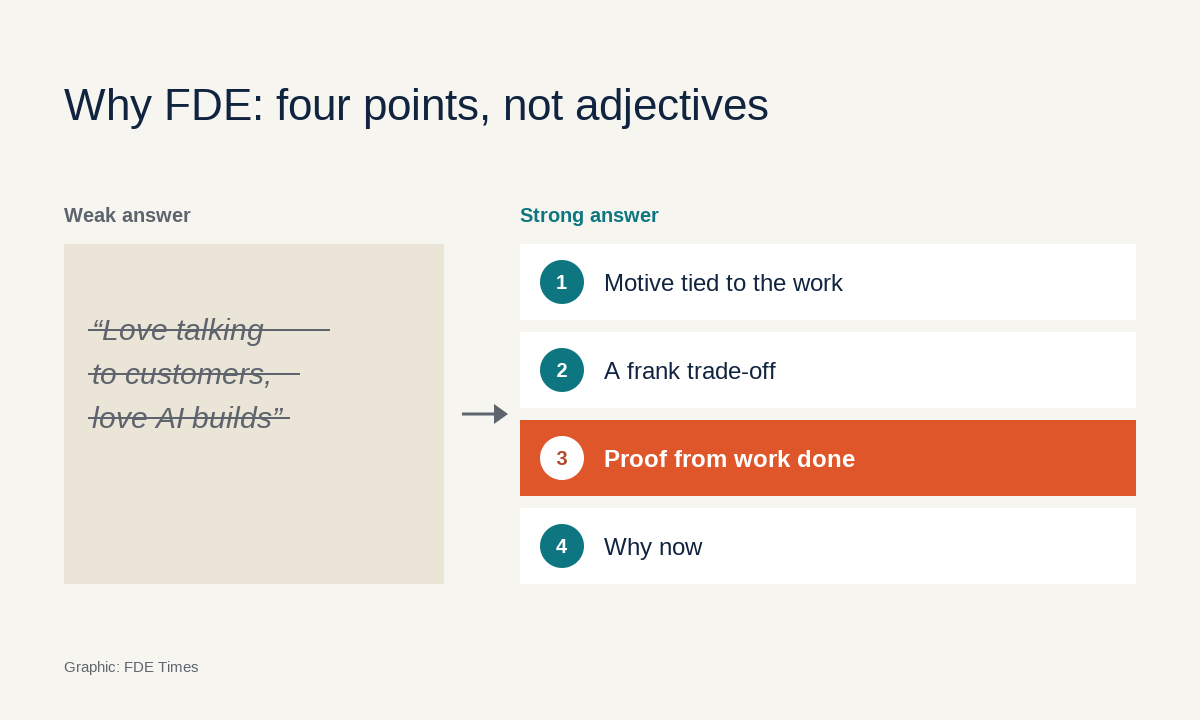
Loving customers and AI sounds keen but romanticises the role; a four-part, 60-second answer proves you can both build and talk to clients.
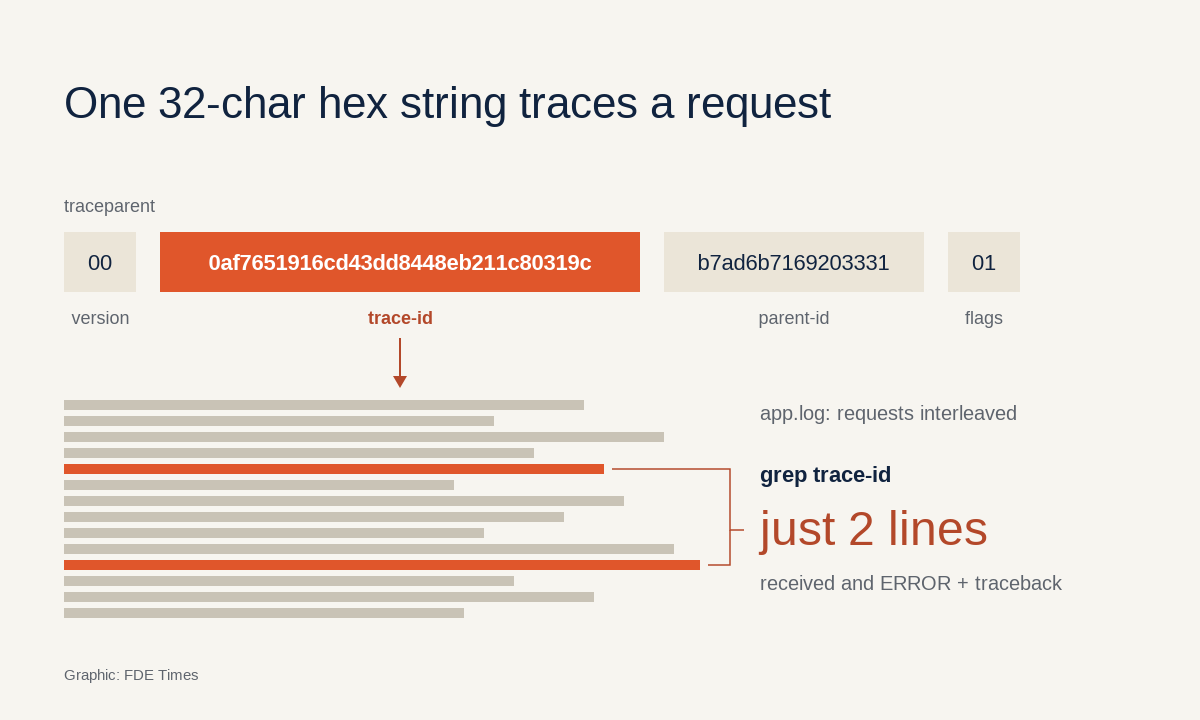
A correlation ID on every JSON log line, built with Python's standard library in about 30 minutes, returns just the two lines that matter.
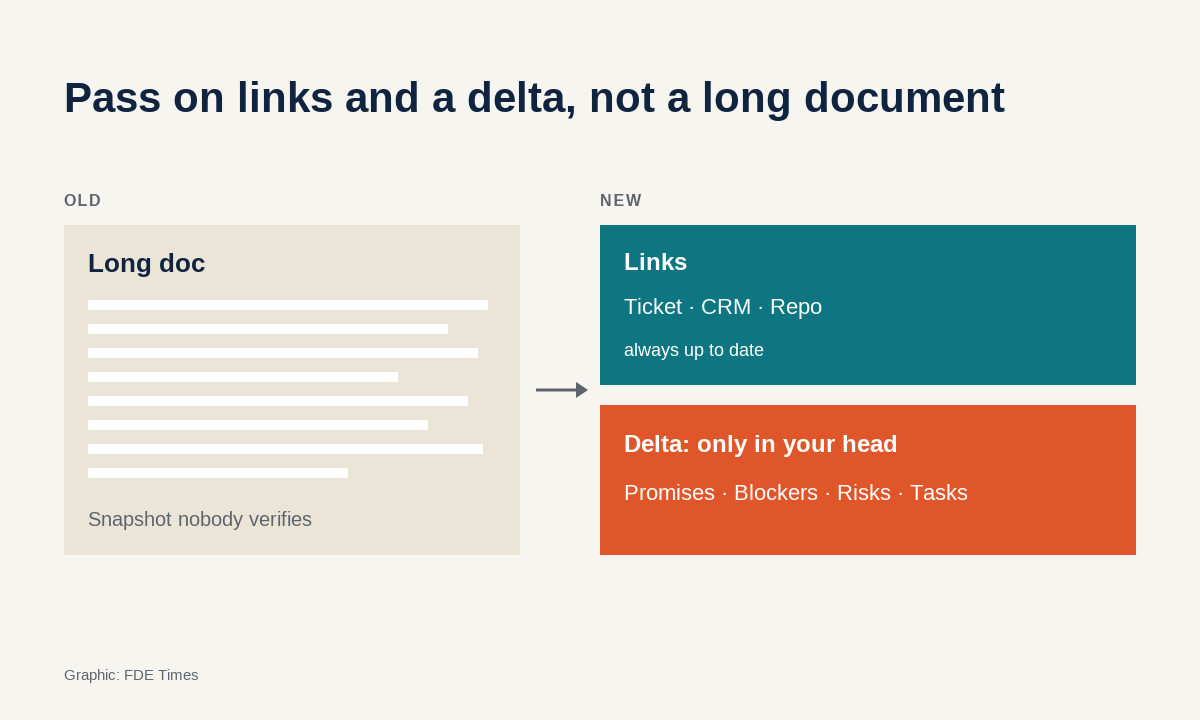
Clients trust a successor only once they have proved themselves, so hand over links to records that stay current, plus a short delta.
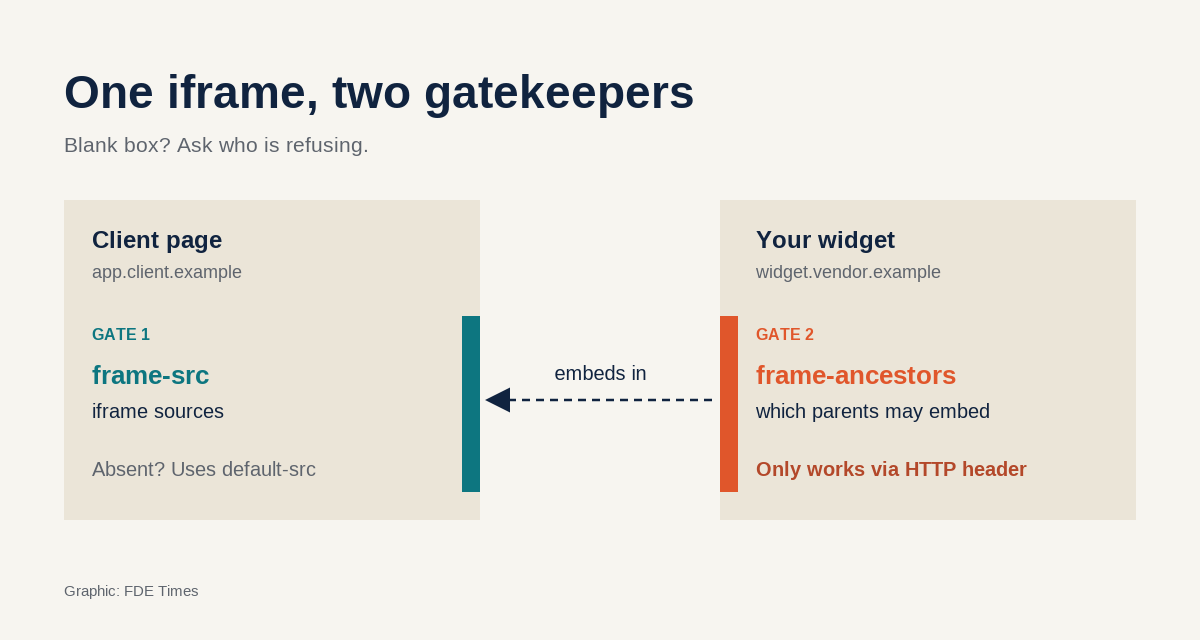
The usual culprit is two CSP allowlists on opposite sides of an iframe, and knowing which one refuses saves a week of email with the security team.
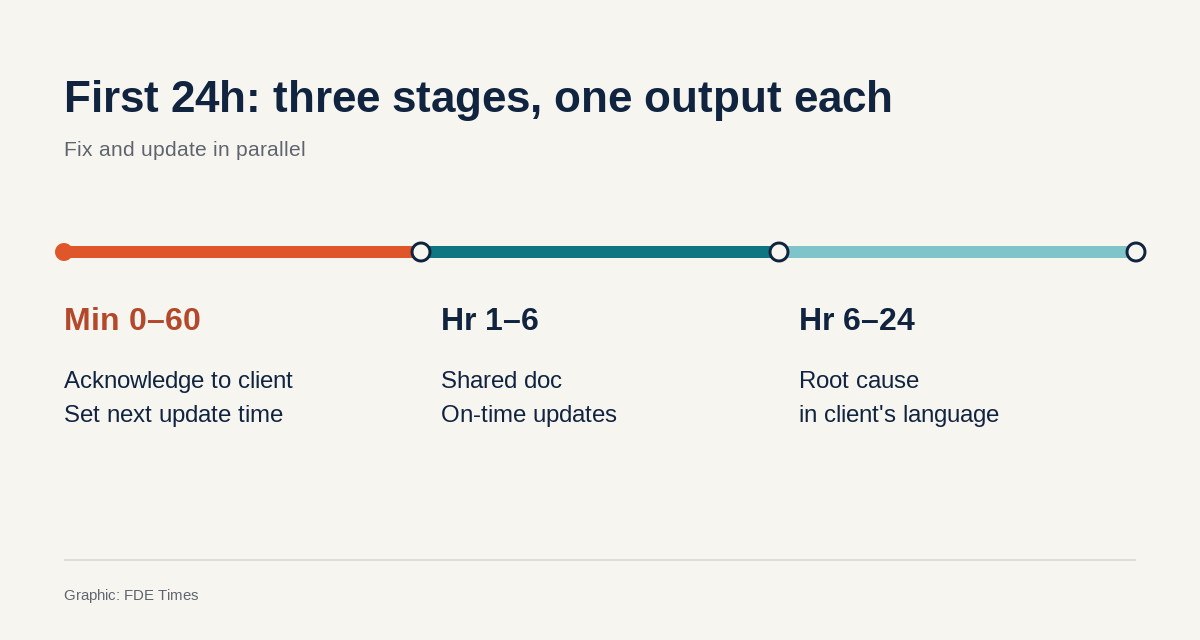
A perfect fix at 3am does not make up for six hours of silence, so split the first 24 hours into three stages with a concrete output each.
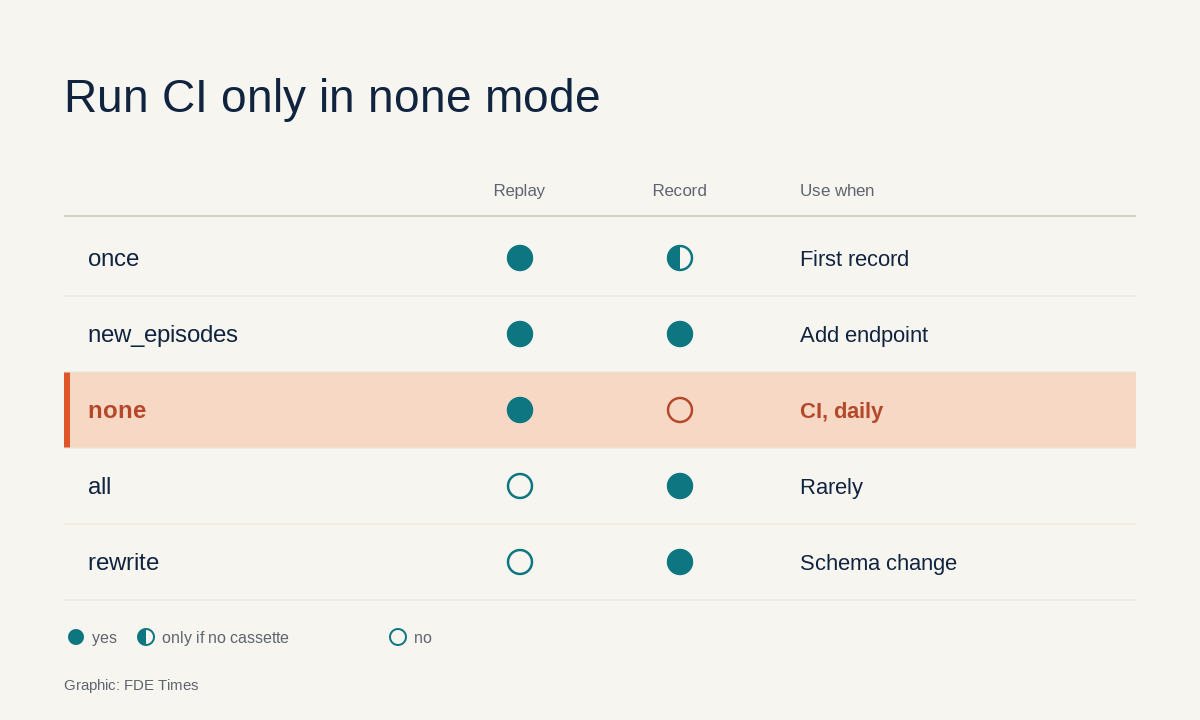
VCR.py and pytest-recording replay saved responses with no network at all, provided tokens and customer data are scrubbed before the cassette is committed.
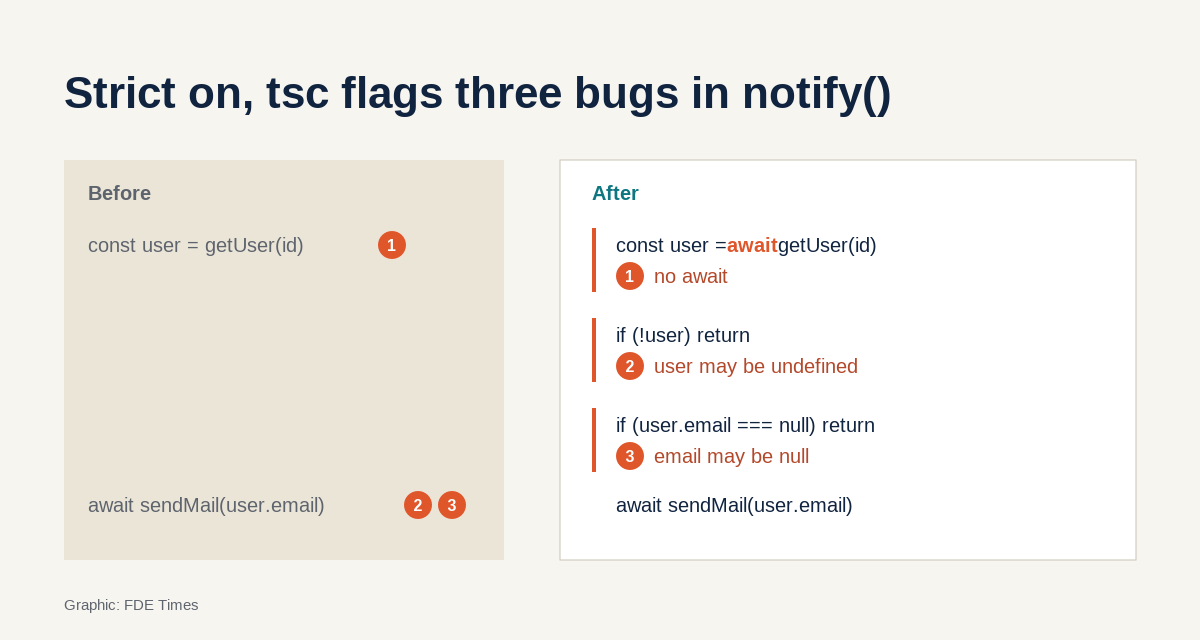
Shape-based typing, Promises and npm are the new ground; the rest maps onto Python, plus one type check worth running before every merge.
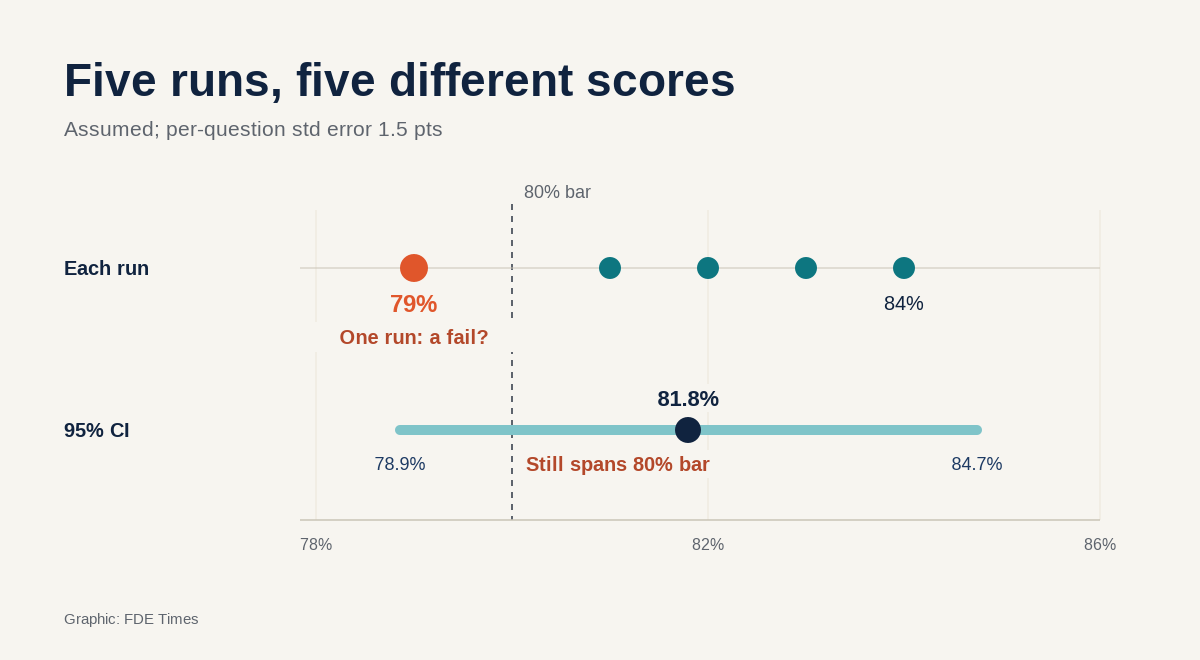
Run the eval five times and report a 95% confidence interval with a plain Python script you can build in an afternoon, so one unlucky 79% never misleads a client.
Sources disagree on whether you get five hours or a week, so pin down scope with the recruiter as you would with a client.
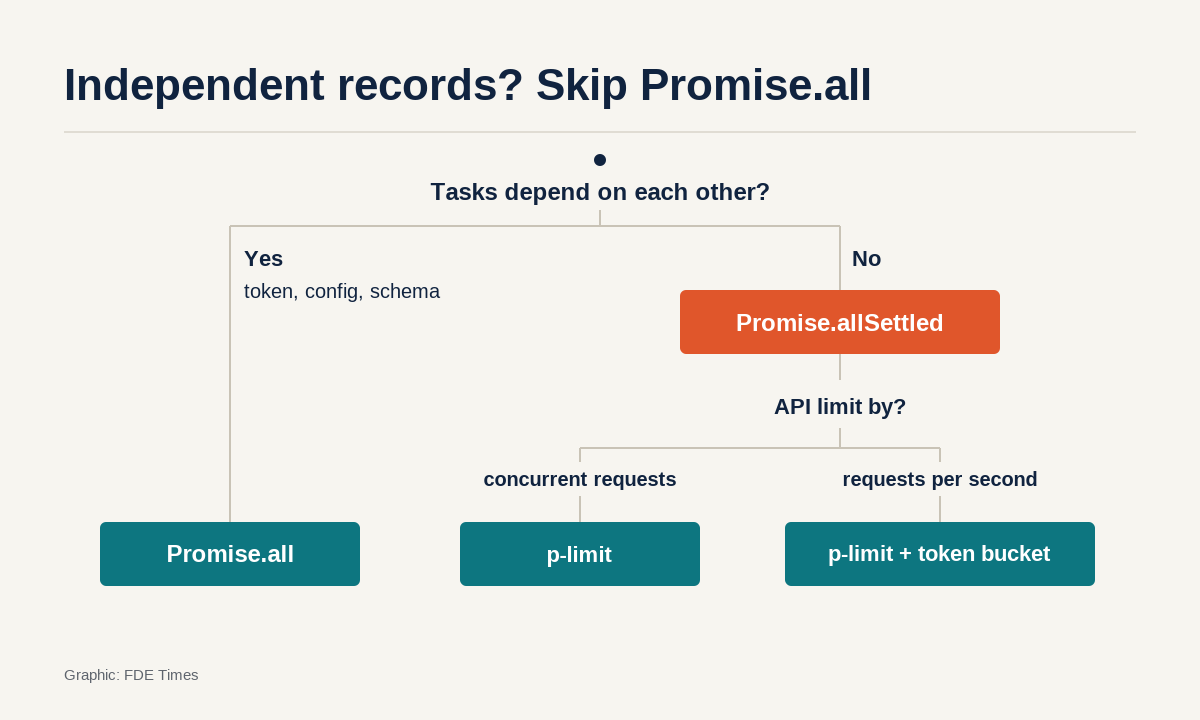
Rejection doesn't cancel the remaining writes, so only per-record results via allSettled tell you what synced and whether a rerun is safe.
Strong algorithm candidates still fail by jumping to a solution before scoping the customer's problem, and each question type has its own way to answer.
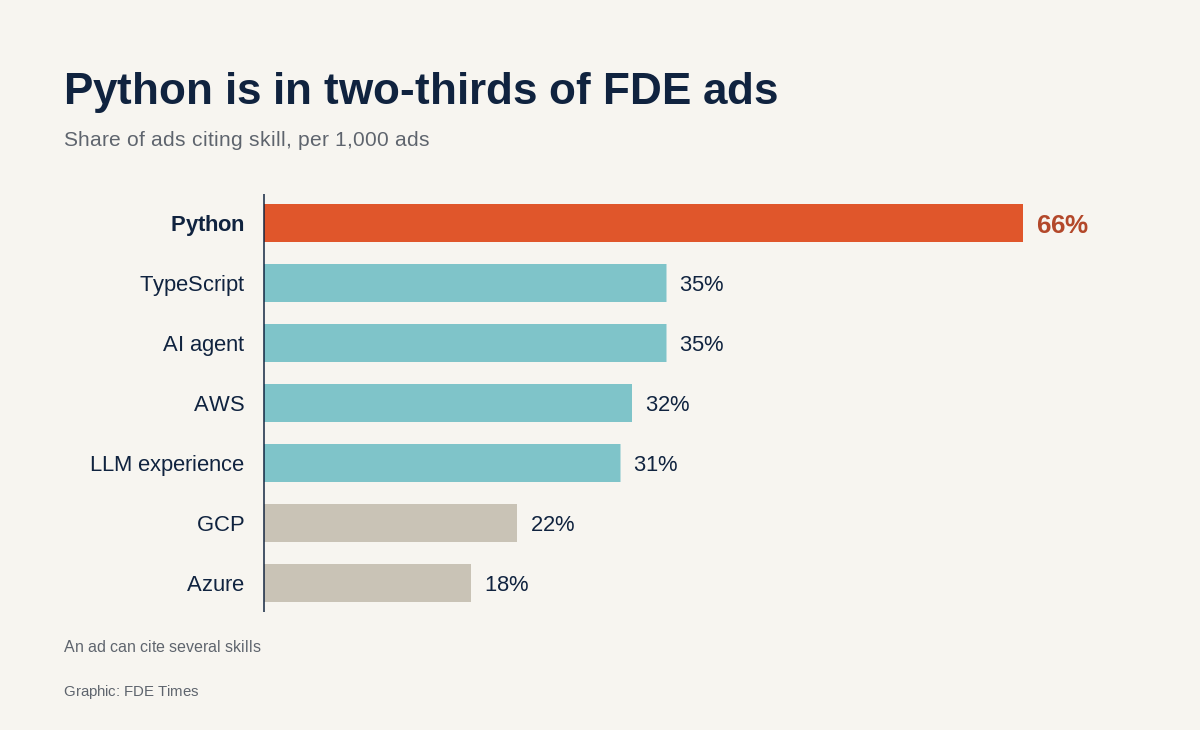
Across 1,000 postings, TypeScript, agents, AWS and LLM experience cluster near one-third, which separates the baseline from the edge.
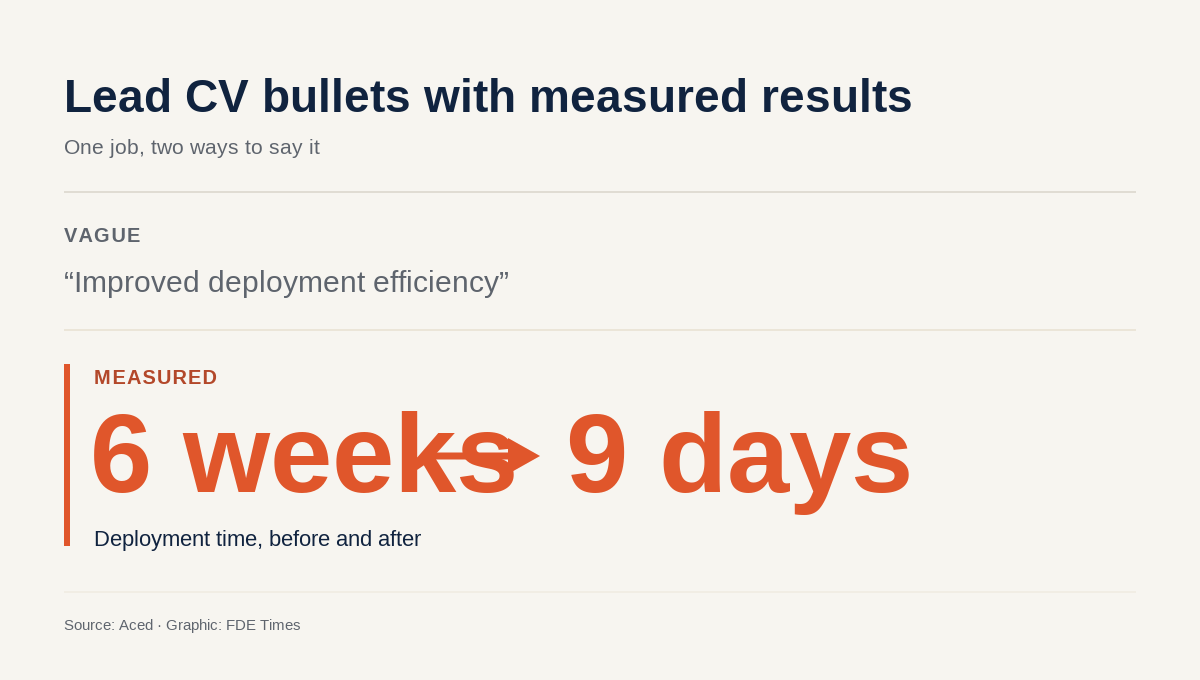
Keep it to one page unless you have eight years’ experience, lead every bullet with the result, and never round up a number you cannot verify.
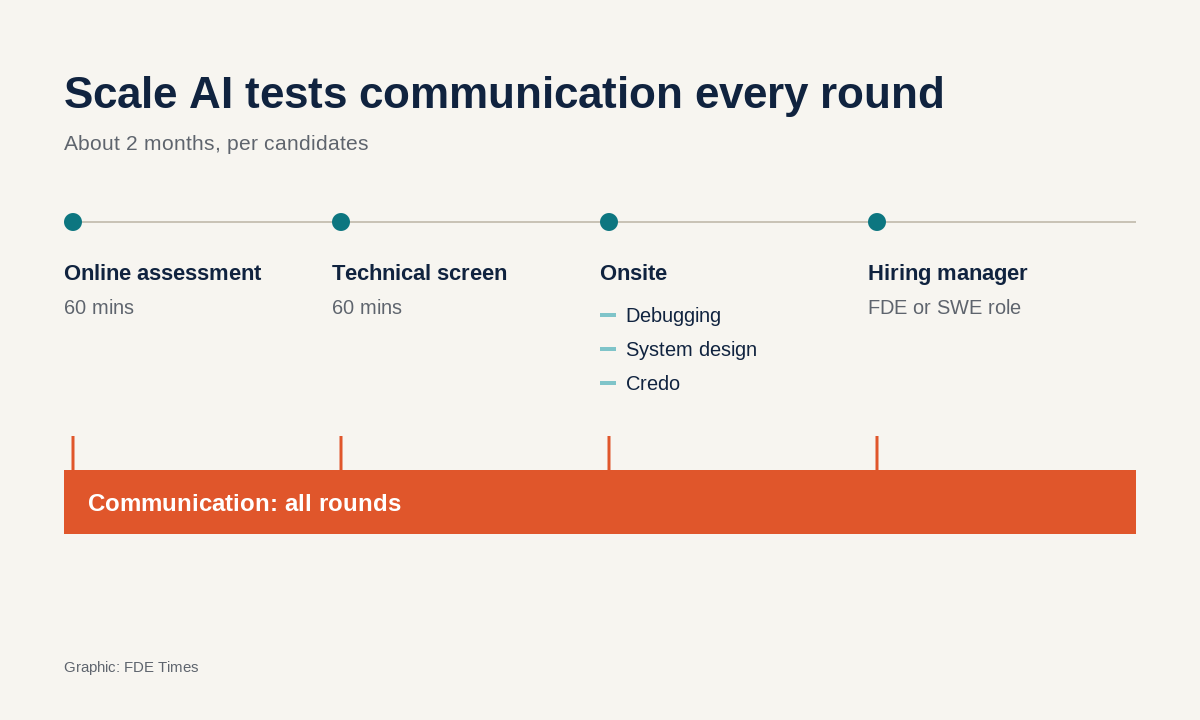
Two HackerRank rounds lead to a 45-minute hunt for a bug in an unfamiliar codebase, and communication is graded in every round.
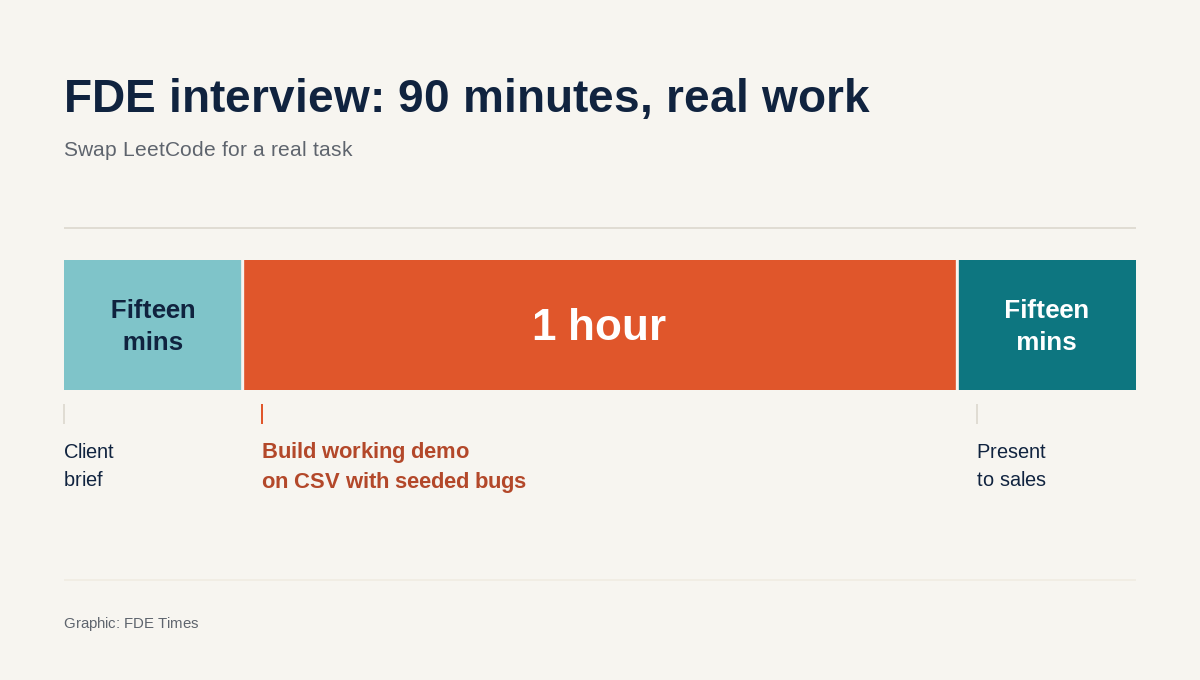
Candidates get about 60 minutes to turn a vague business goal into a system design, so preparing with LeetCode alone will leave them short.
Before any coding drills, map each requirement, from MCP servers to 25-50% of time on client sites, to the round most likely to test it.
Volunteer for a loosely scoped problem close to users, see it through, and leave an artefact interviewers can inspect before you apply anywhere.
An FDE is judged by whether a deployment changes how the client actually works, and spends about 60% of each week with customers.
Solutions engineers prove a product can work during the sale; FDEs own it in production, and the messy middle between the two demands a new mindset.
The openings sit mostly at companies building FDE teams from scratch, and getting one takes proof that you have worked with a real customer.
Job ads from Valdera, Rowspace and Vori show the first task is finding the customer's data in SAP exports, spreadsheets and scanned PDFs.
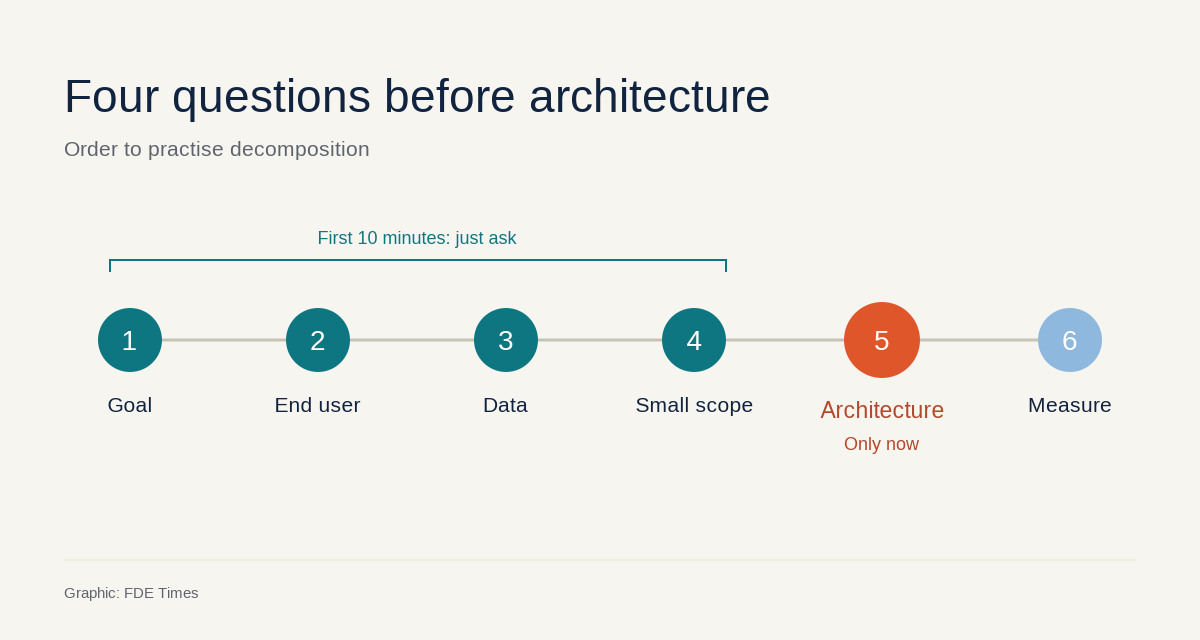
Two years of production code covers most of what the job needs, but many candidates fail by drawing architecture before asking the client what success looks like.
Read alongside IEC 62443, guidance from CISA and its partners gives three design rules: data flows out, humans decide, and there is always a way back to manual control.
The hard part is not the model but packaging a self-contained release, rolling back broken updates and monitoring machines that never go online.
Fixed-size chunks strip manual excerpts of their model names and split spec tables, while error codes need keyword search alongside embeddings.
Programs collapse when false alarms teach technicians to ignore alerts, so the FDE's real job is turning vibration readings into work orders people trust.
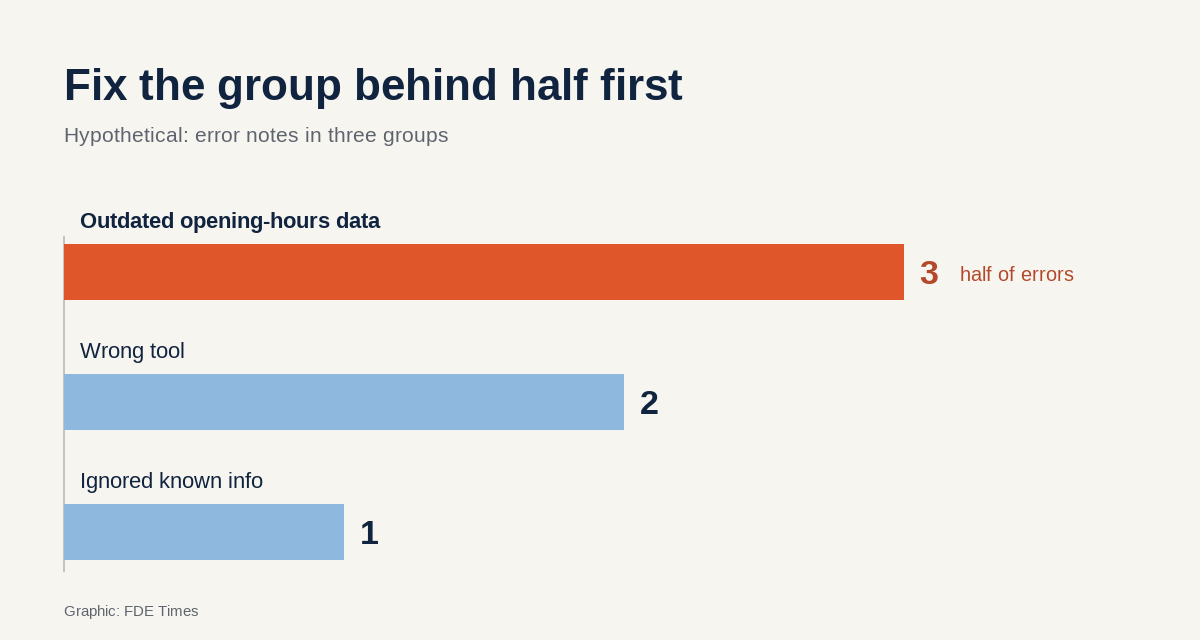
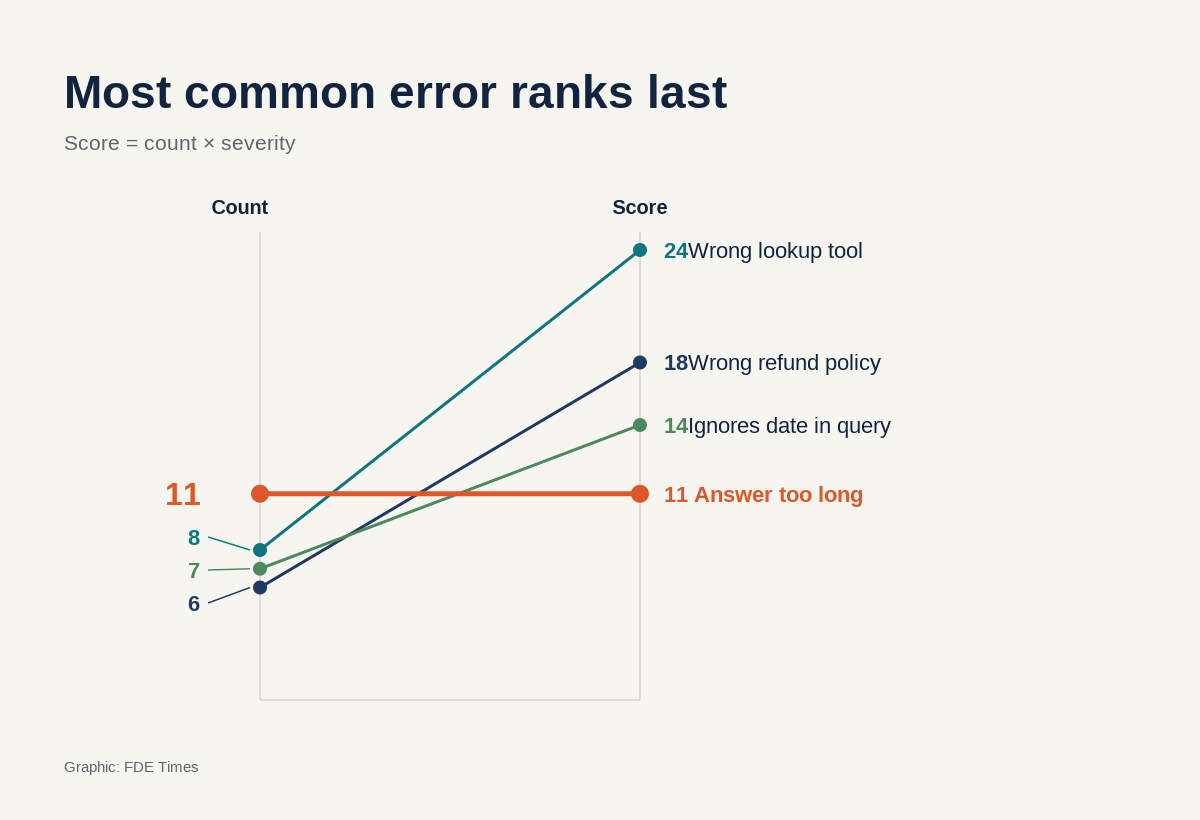
Hamel Husain calls error analysis the most important activity in evals; the payoff is a ranked list of failure types and one clear fix for this week.
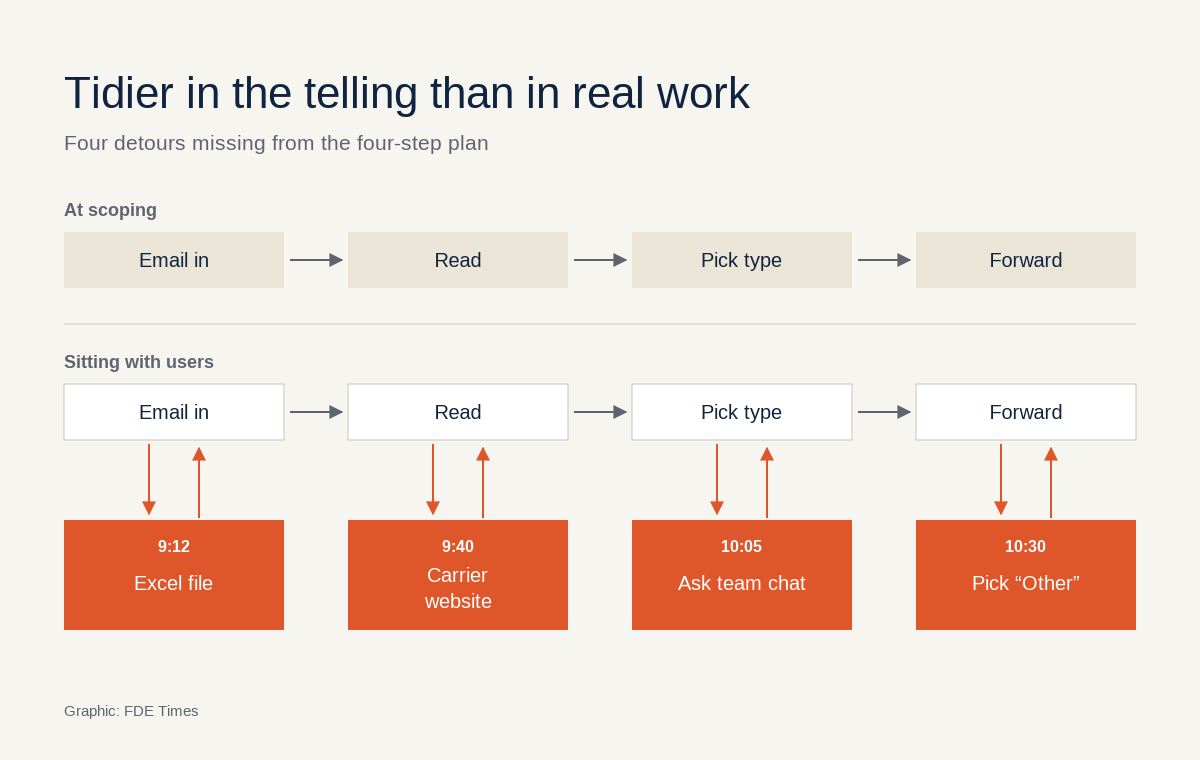
People describe the process they think they follow; sitting beside them reveals habits they don't know they have, exactly where agents break.
Four limits, on concurrency, pacing, timeouts and retries, stop the 429 storms, the PoolTimeouts and the silent hang at 97%.
You get about a week to ship code, a running app and a recorded video, and the grading seems to turn on tying each choice to the customer.
The re-engineering and learning rounds score a systematic method rather than speed, so a small laptop drill beats grinding through practice problems.
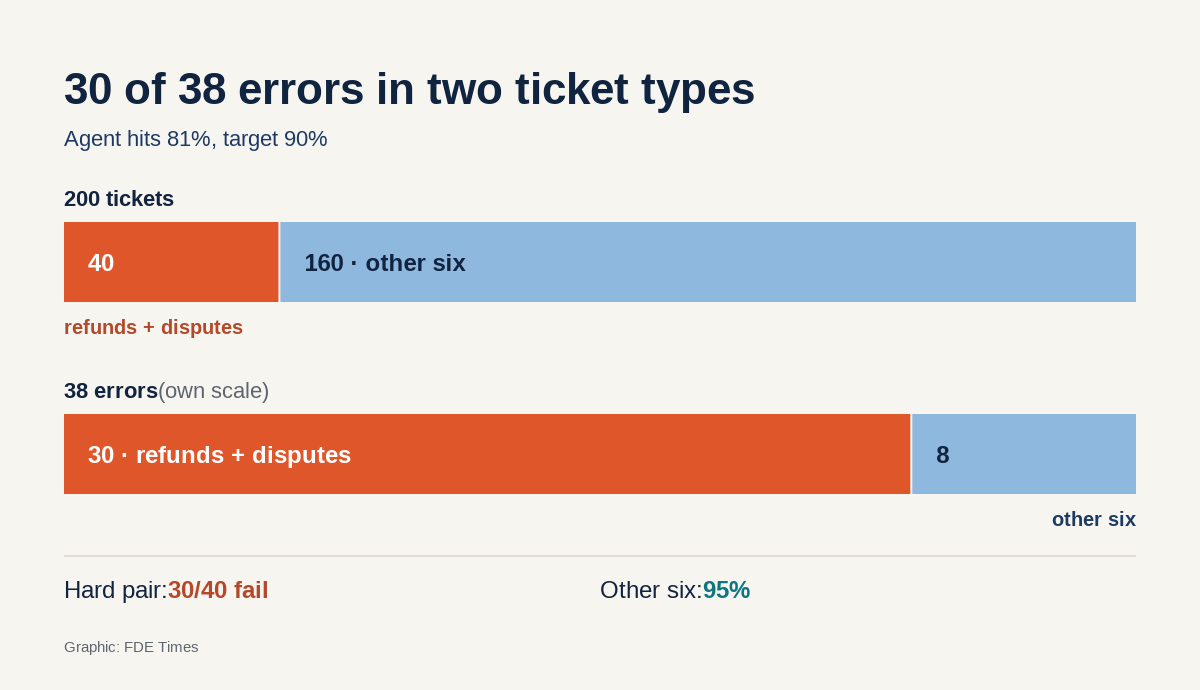
When an agent scores 81% against a promised 90% days before the demo, the work starts at kickoff and ends with options on the table.
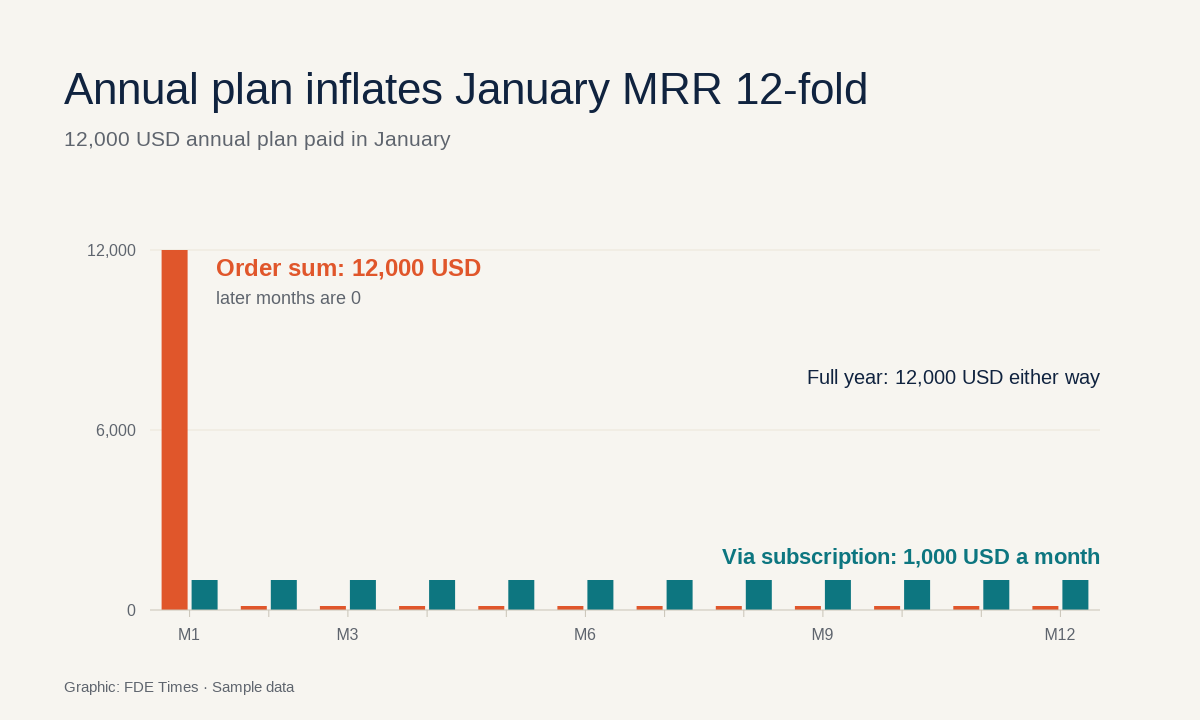
The schema never says how finance calculates MRR; writing each metric once in a semantic layer gives the model and the reports a single definition.
Five steps with Typer and uv turn a loose script into a packaged CLI, with help and auto-completion that take no extra code.
Static question-and-answer pairs miss conversations that branch, so build a fake customer with a hidden goal, a persona and a limit on its patience.
At demo stage, supporters and champions look identical; what separates them is who will stake their reputation on the project, and that can be tested.
A five-step kubectl routine separates application bugs from infrastructure faults when a customer's cluster throws CrashLoopBackOff, OOMKilled or DNS errors.
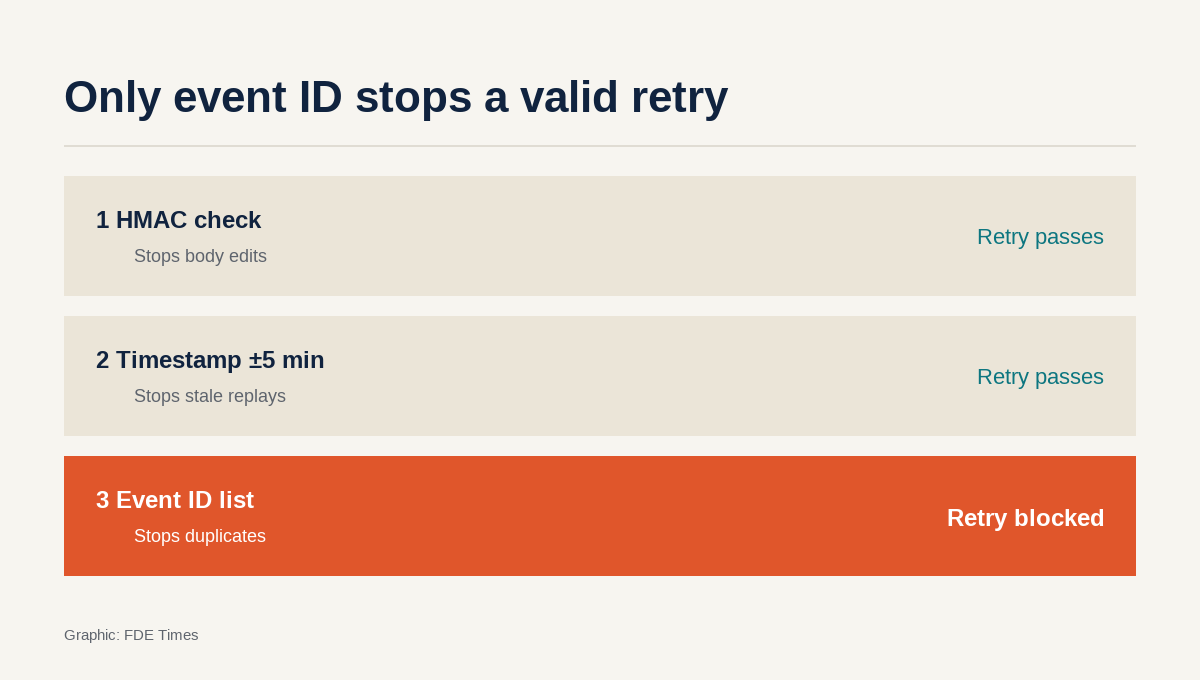
Stripe retries for up to three days with fresh signatures, so a safe receiver also records event IDs, built here in plain Python.
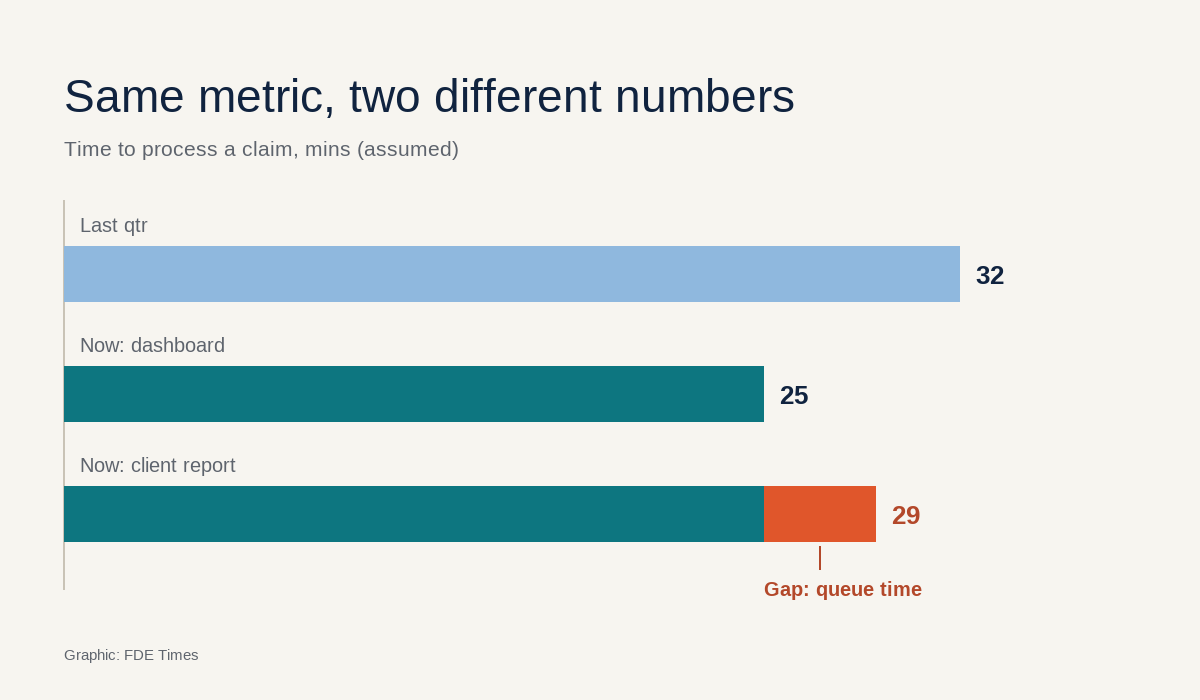
Borrowing accountants' reconciliation discipline, with tolerances agreed upfront, lets FDEs explain any gap on the spot instead of promising to check.
Reading a DPA like a spec, from subprocessors to deletion, lets you answer vendor review before the client's lawyers ask.
A worked returns-policy bot shows how a string-matching scorer misleads, and why reading the log is the step that catches it.
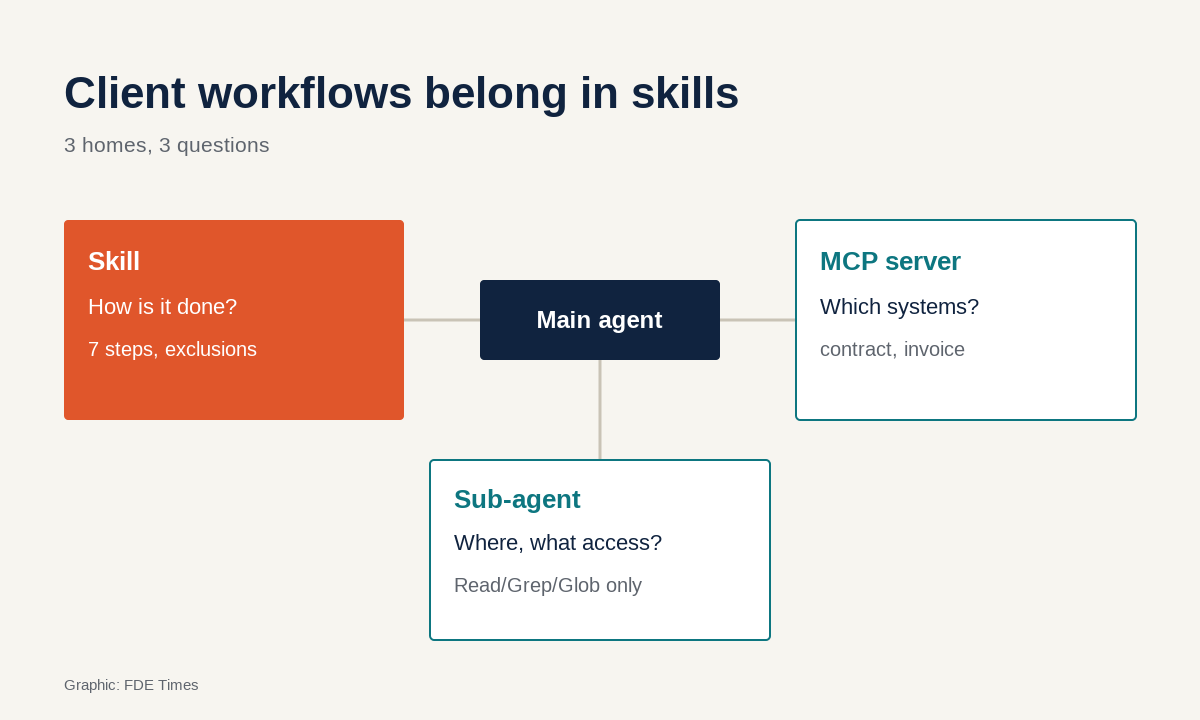
MCP servers set what an agent can reach, skills how it works and sub-agents what it may see; mixing them up costs context and safety.
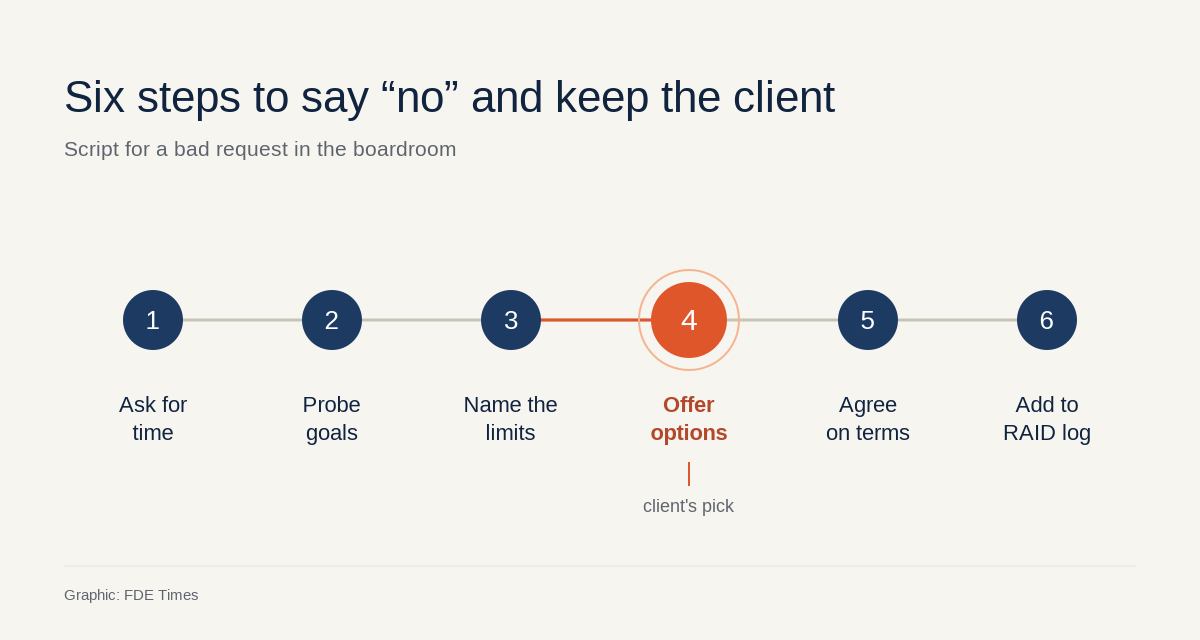
A refusal that comes with a reason and an alternative, and gets written down, usually keeps a client’s trust better than a yes.
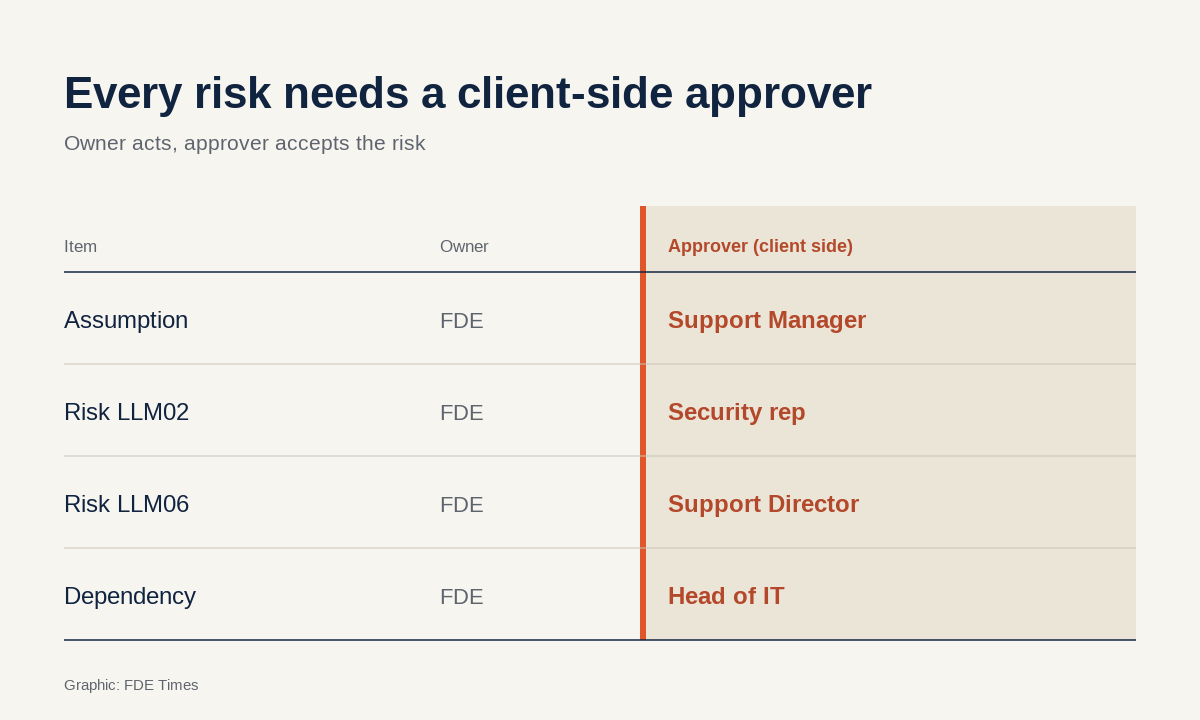
A RAID log and decision log in the project repo, with an approver column kept apart from the owner, answers that before anyone asks.
Speed is only half the problem, because callers still get annoyed when an agent talks over them or transfers them and makes them start from scratch.
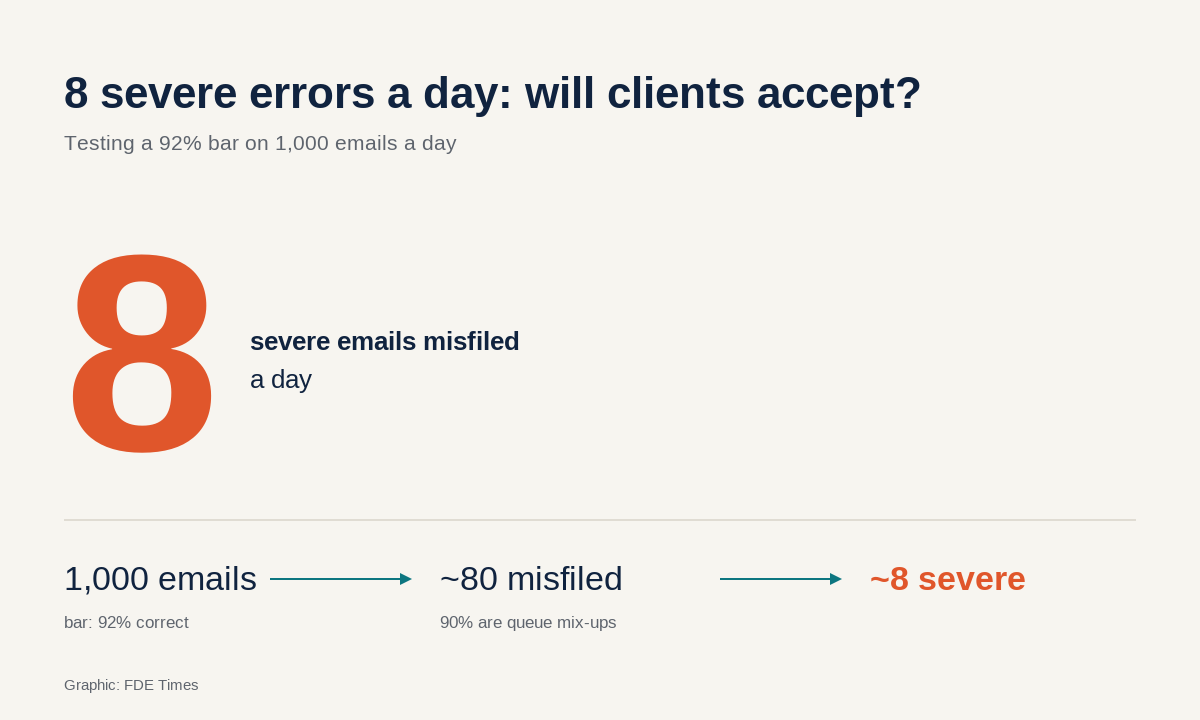
How often a model may be wrong is a product decision, so settle with the client which errors are acceptable, and on what data, before any code.
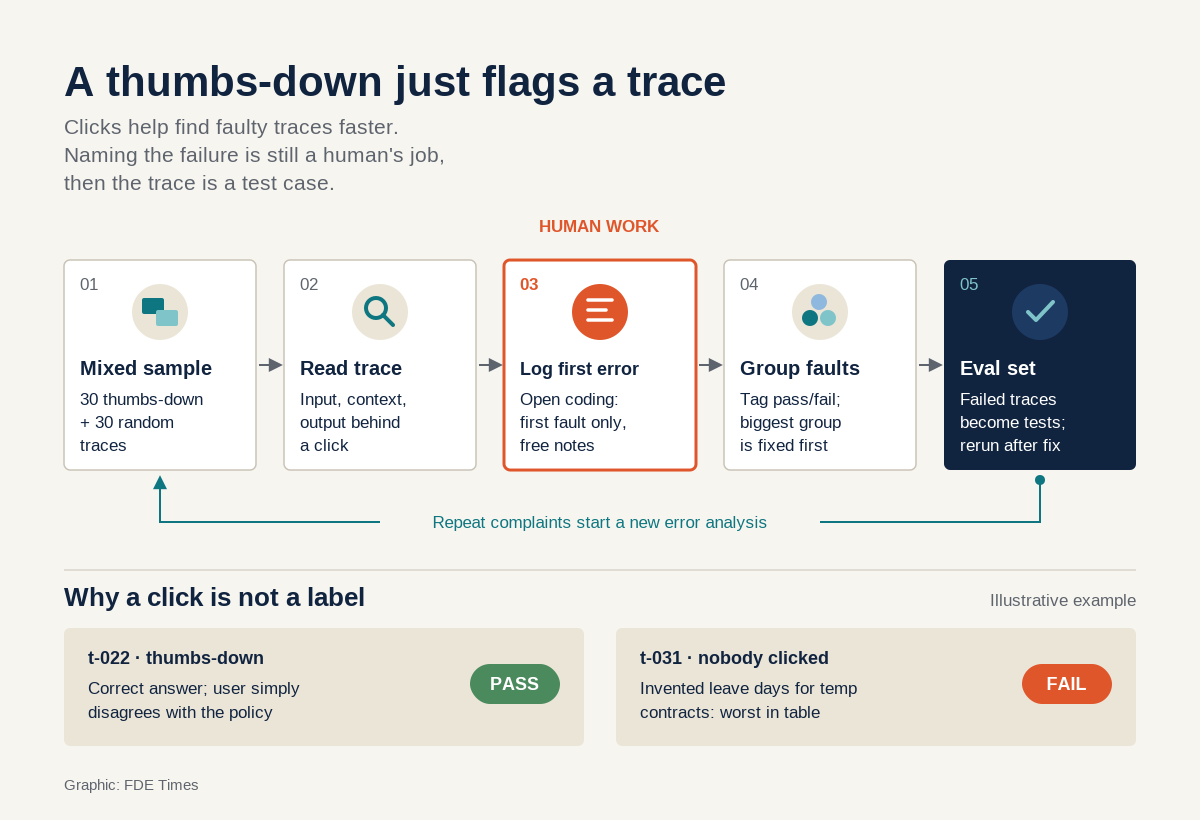
A click says something went wrong, not what; reading and labelling the traces behind it is what stops prompt fixes that change nothing.
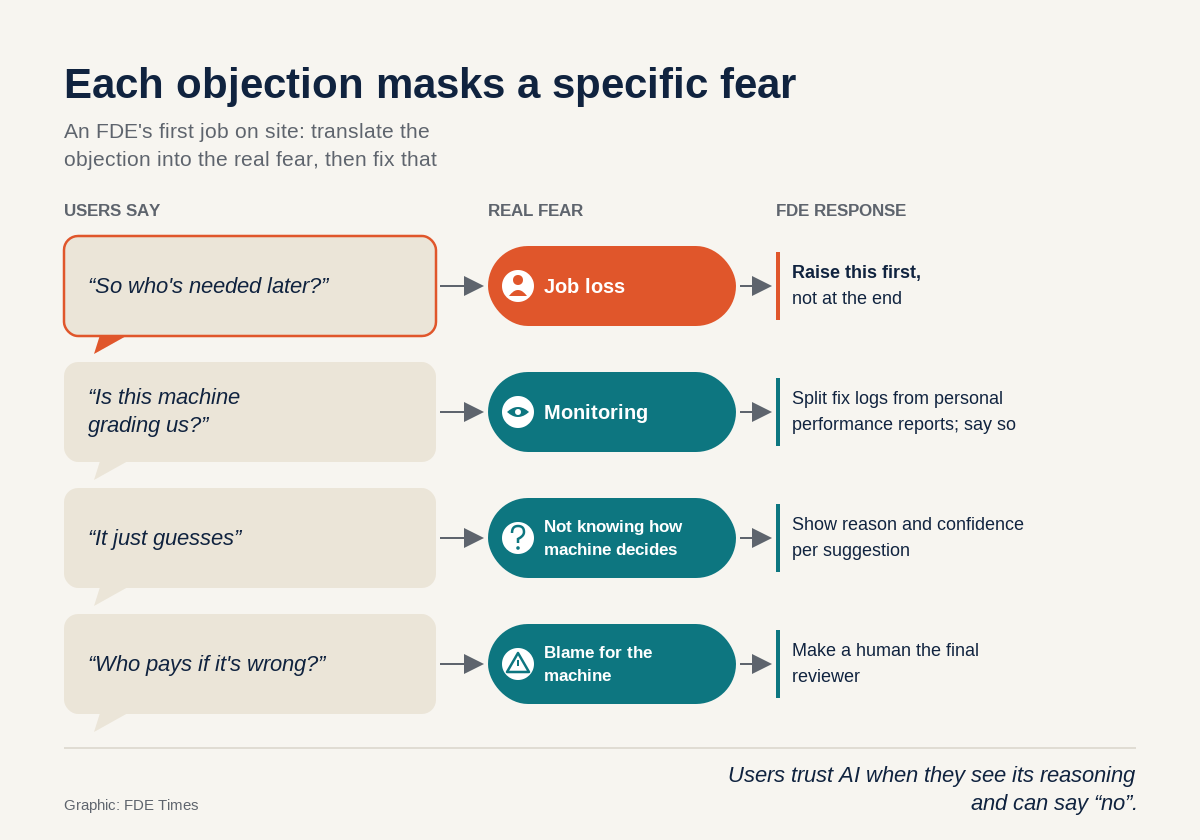
With 62% of frontline workers skeptical of AI, each objection hides a specific fear, such as surveillance, that an FDE has to find and design away.
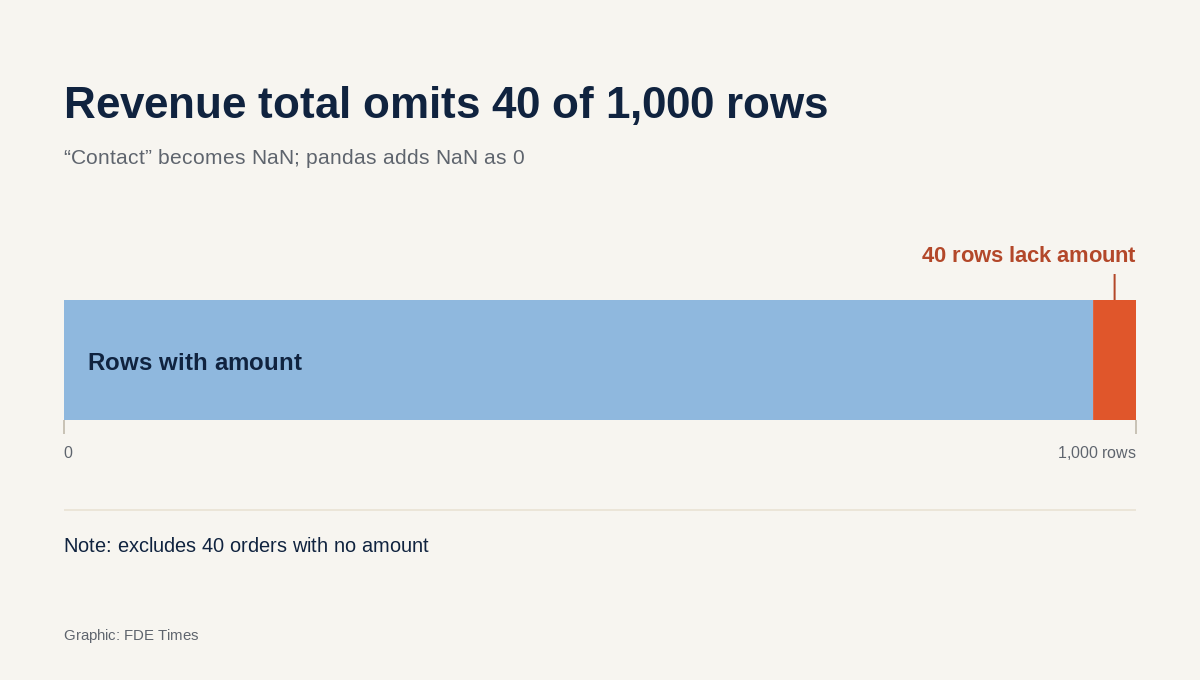
It sums missing values as zero, so count every cell lost to type coercion and send the client an error report before the demo.
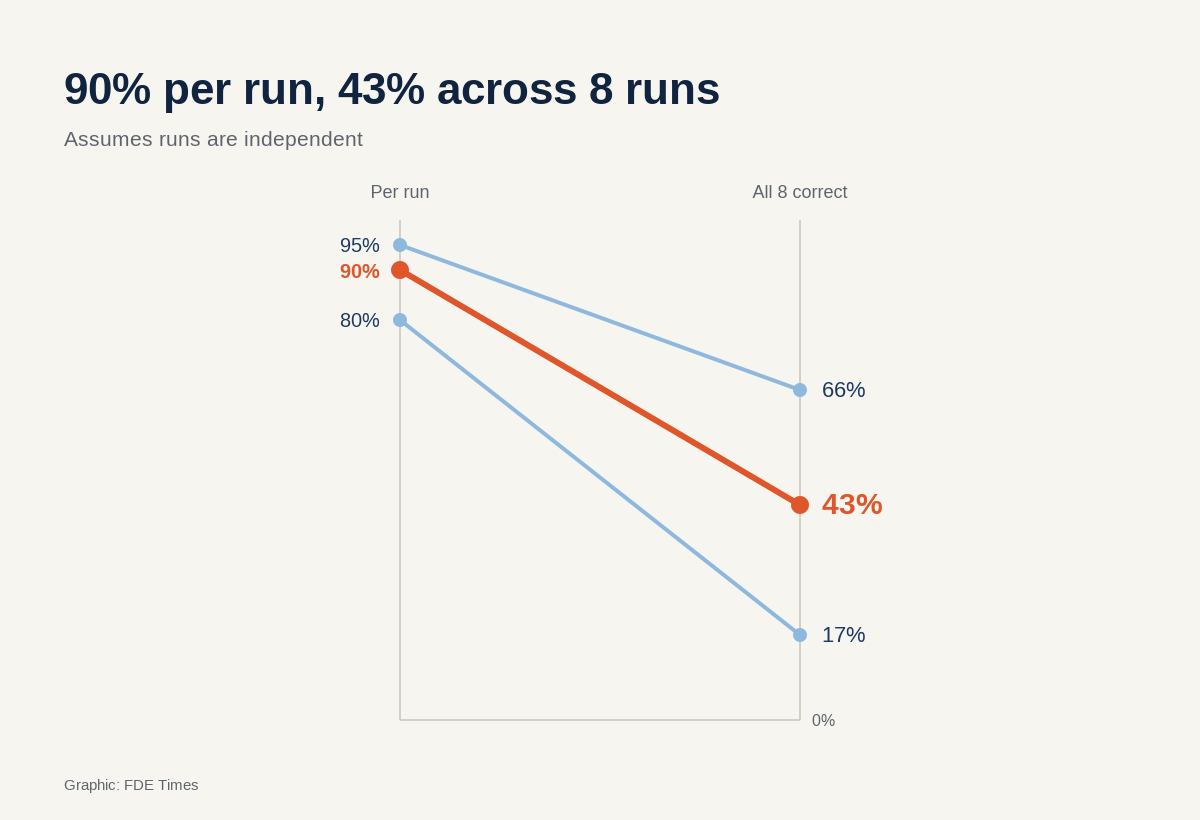
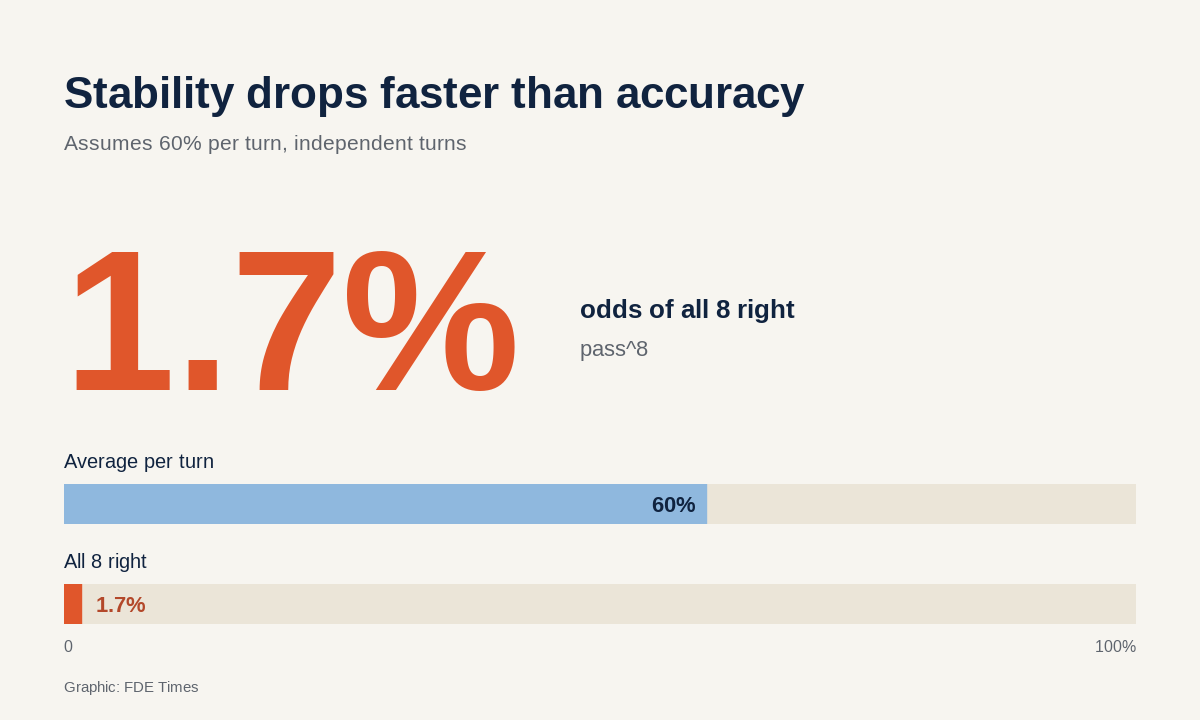
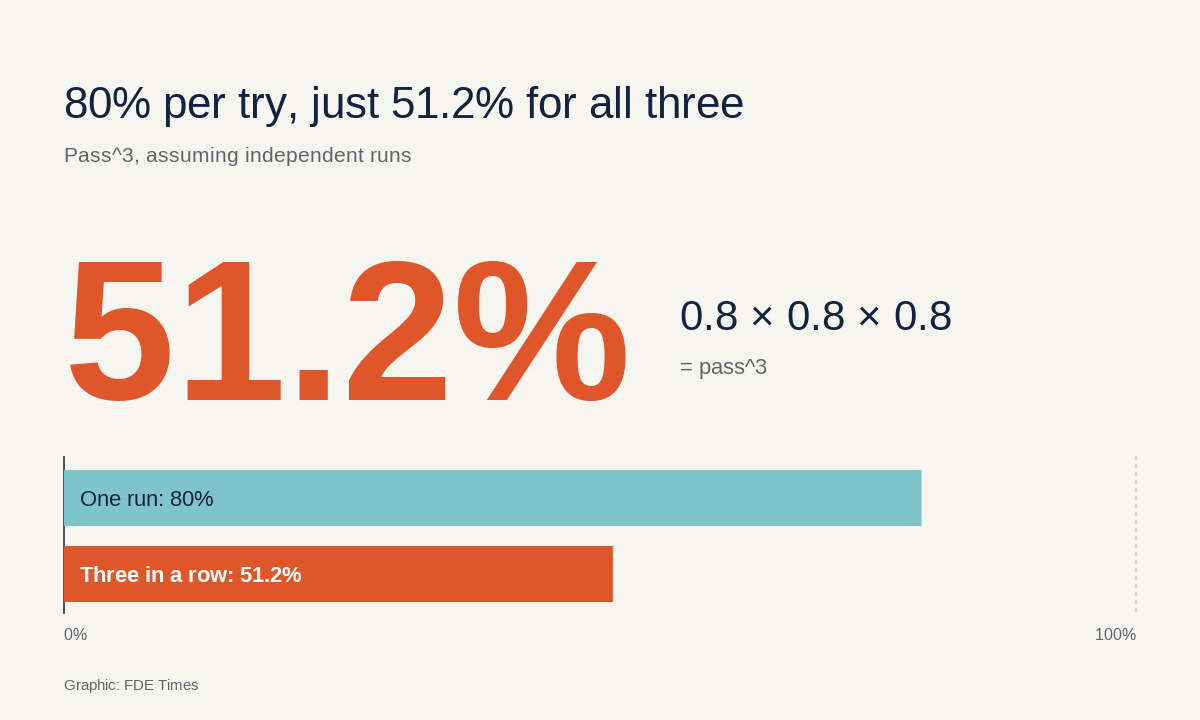
An agent right 80% of the time gets three runs in a row right only 51% of the time, so evals built from real failures beat a polished demo.
Firecrawl measures its FDEs by adoption and expansion, not tickets closed, and the openings sit in usage logs and customers' own workarounds.
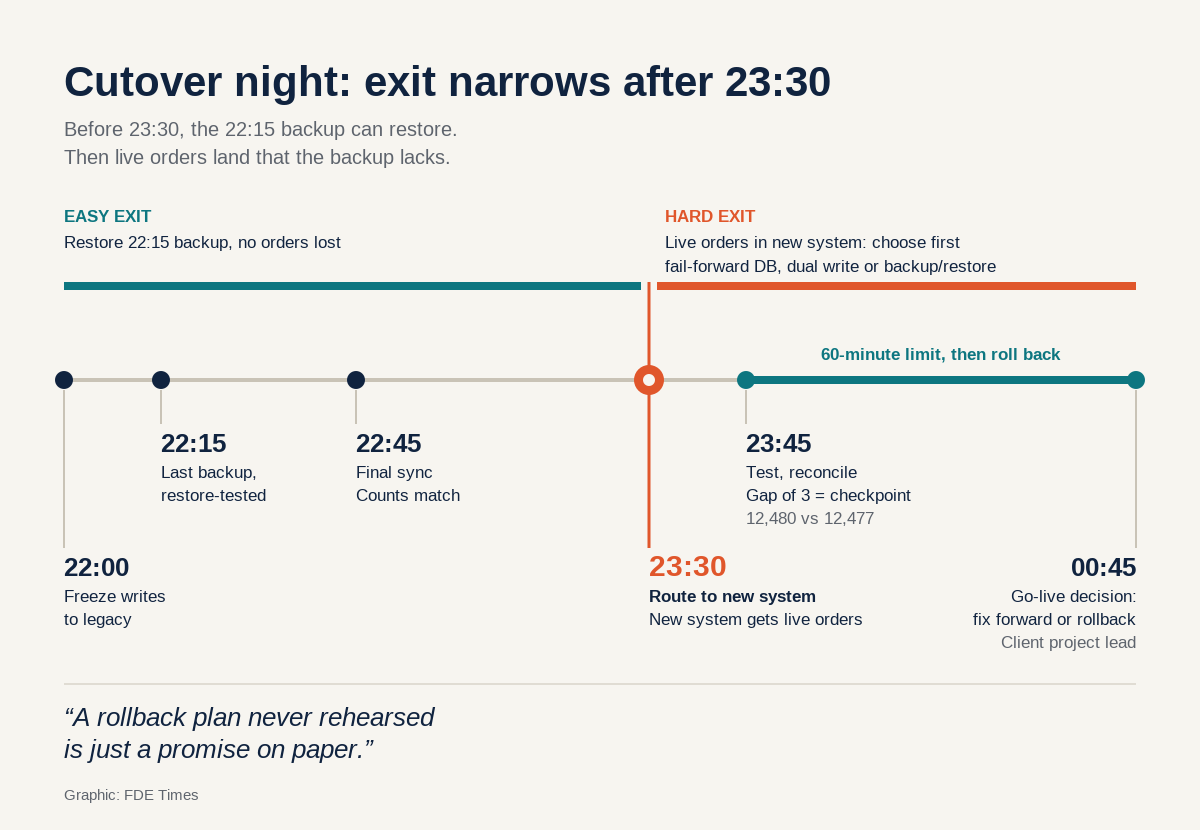
Freeze writes, take a final backup, sync, switch routing: the sequence is only safe if that backup has been test-restored before go-live.
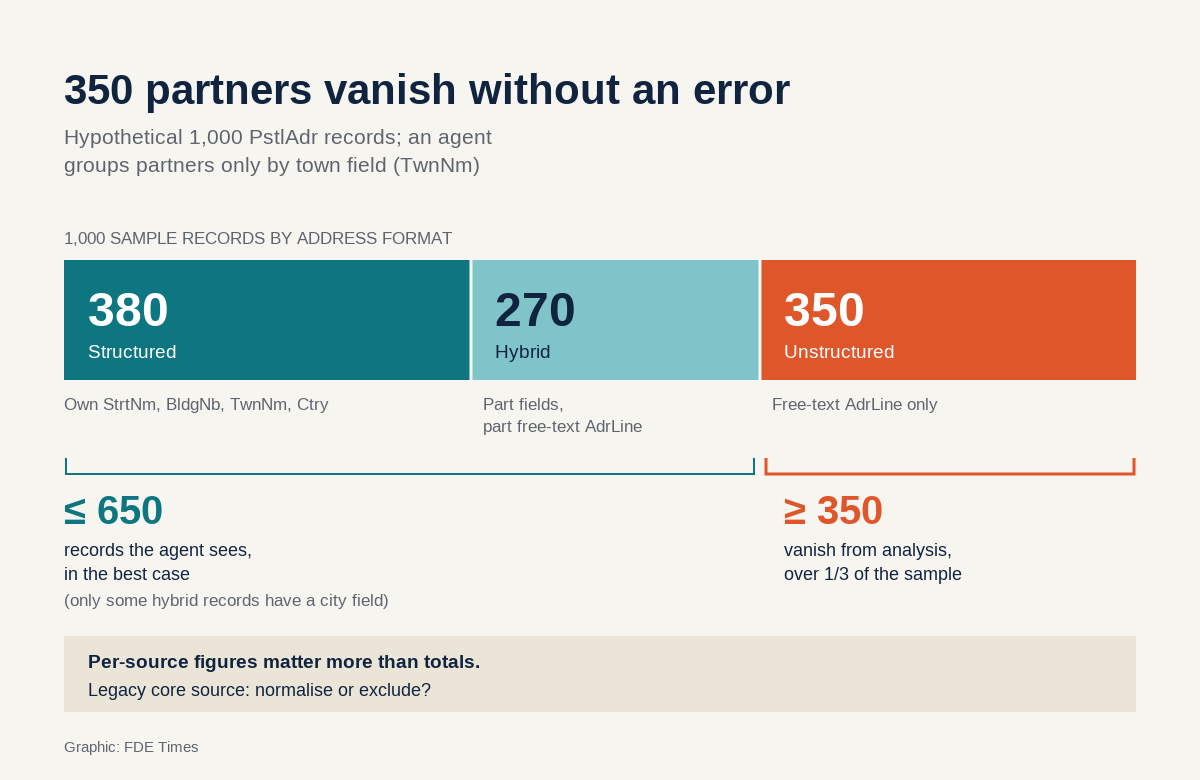
Legacy internal systems keep pouring free text into the new structured messages; the first week's job is measuring how much before a model learns from it.
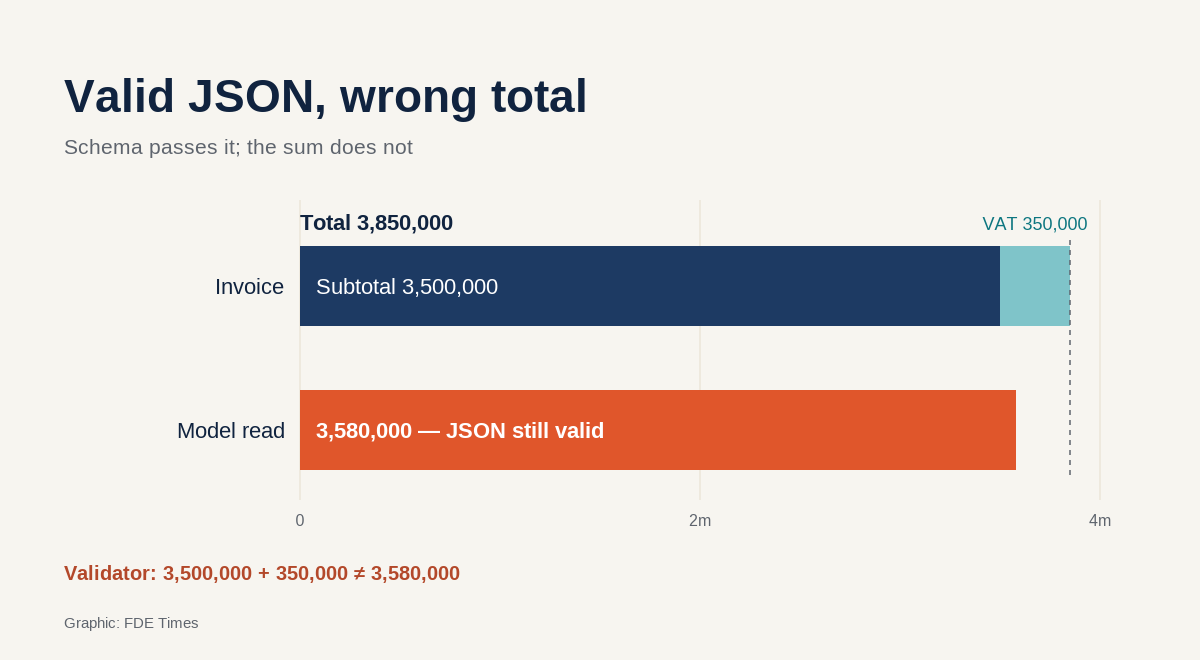
Five checks, from schema to source citations, decide which extracted figures go straight to accounting and which wait for a human reviewer.
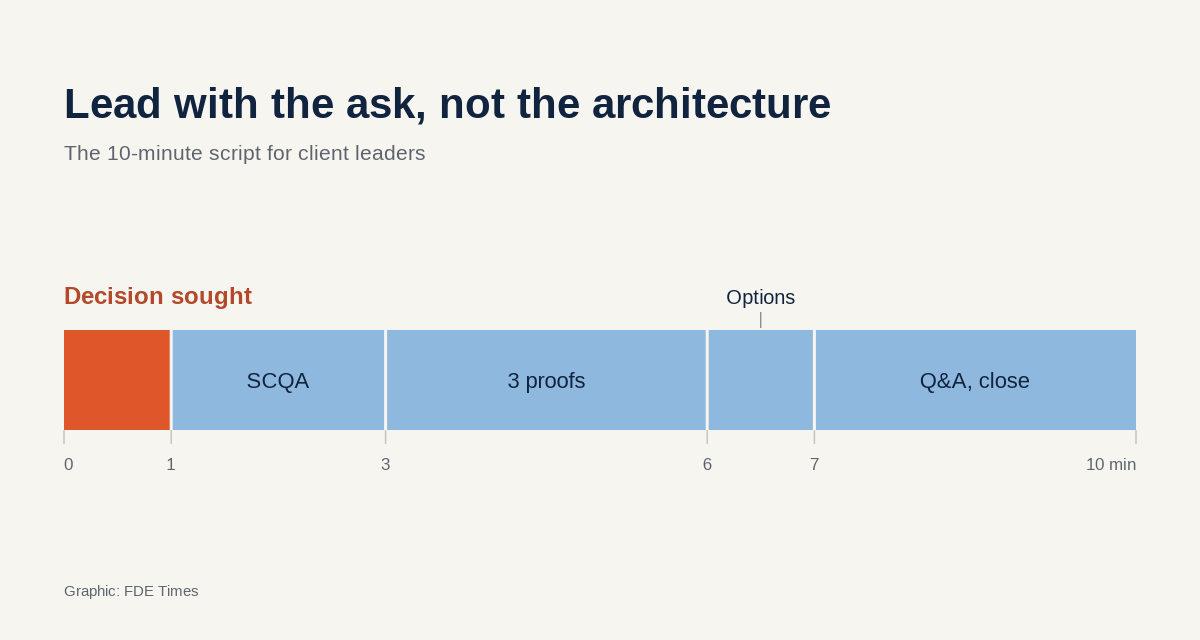
Executives approve recommendations, not results, so lead with the finding and the ask, put the evidence after it, and never open on architecture.
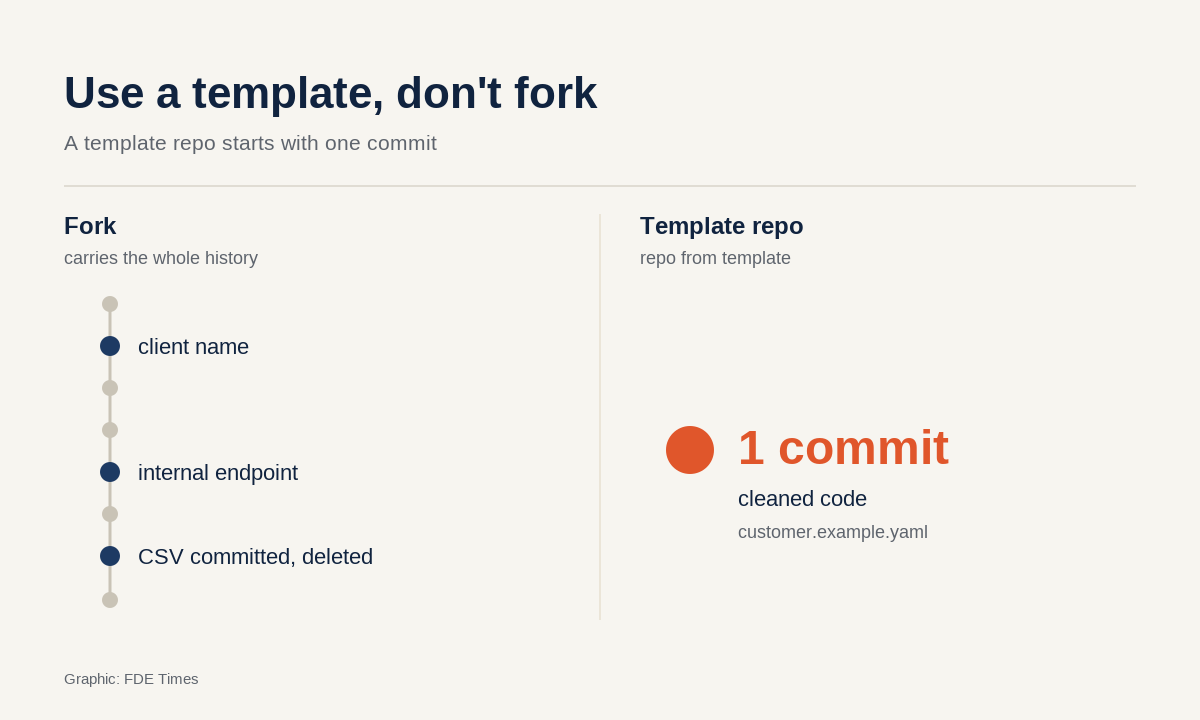
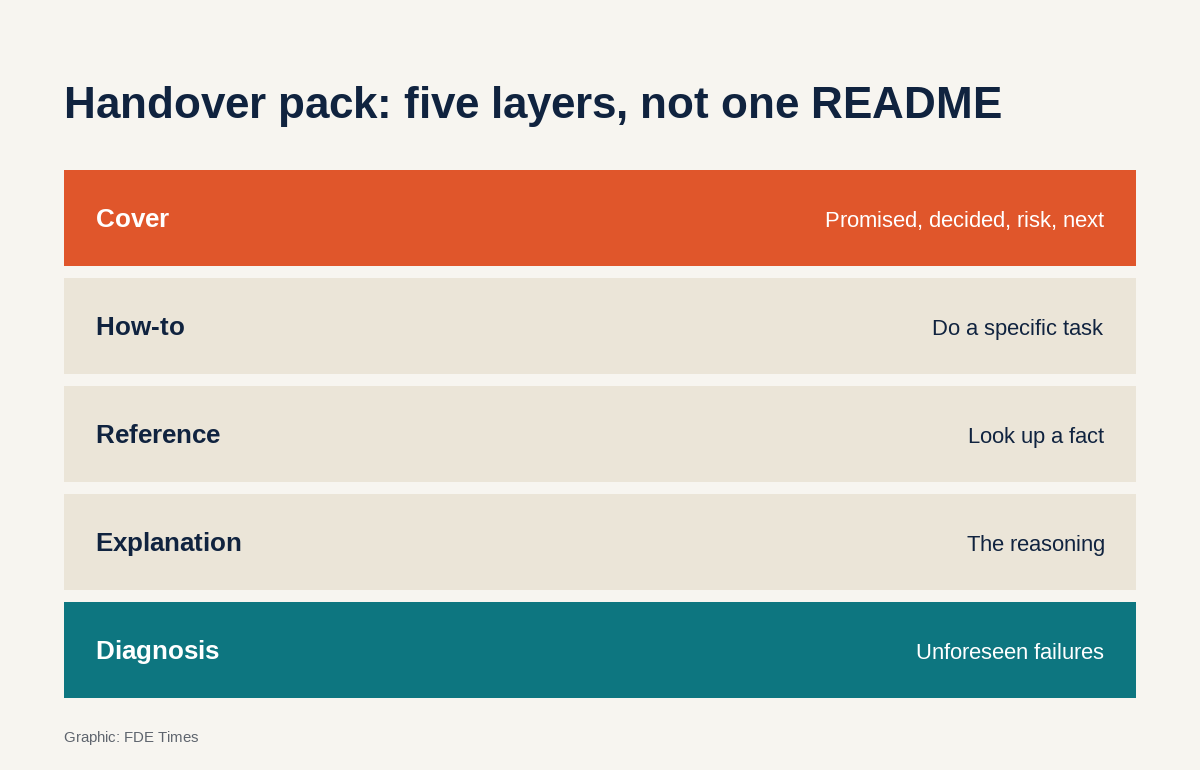
Five documents and a template repo, built in about three hours, stop what the team learned from leaving with the FDE.
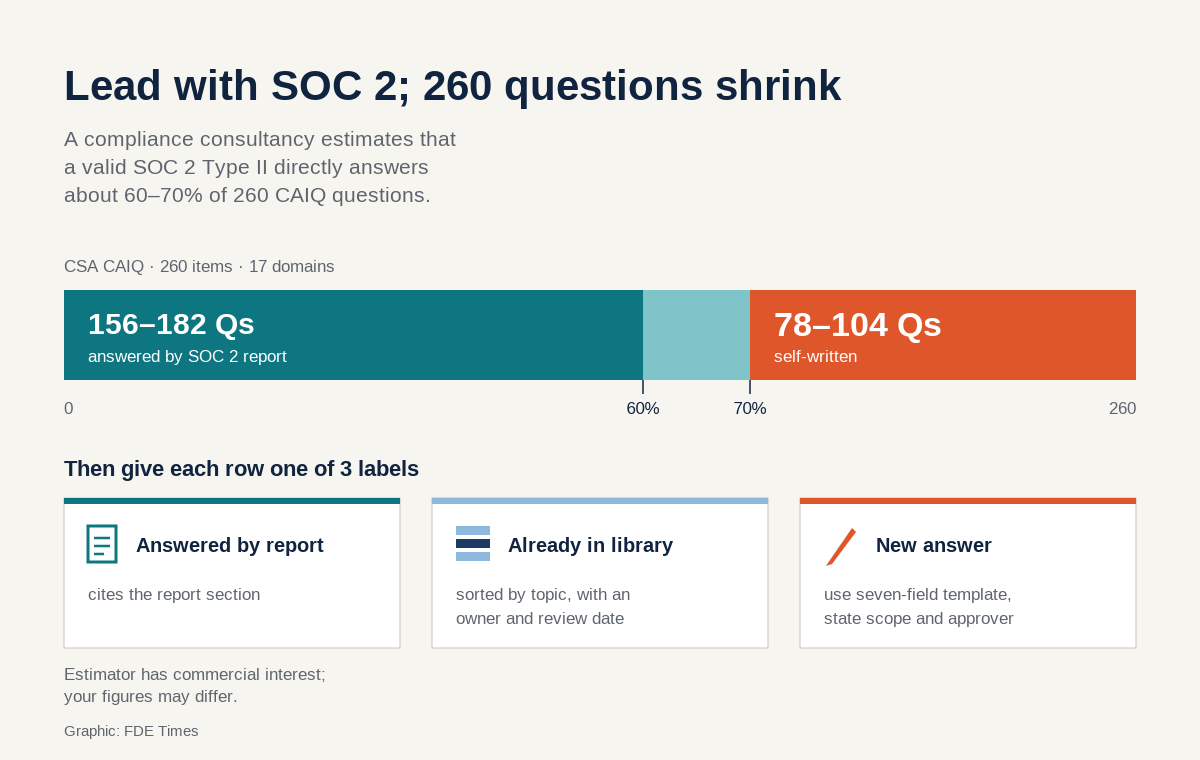
Sending a SOC 2 report first can cut the 260-question CAIQ to roughly 78 to 104 answers you write yourself, by one consultancy's estimate.
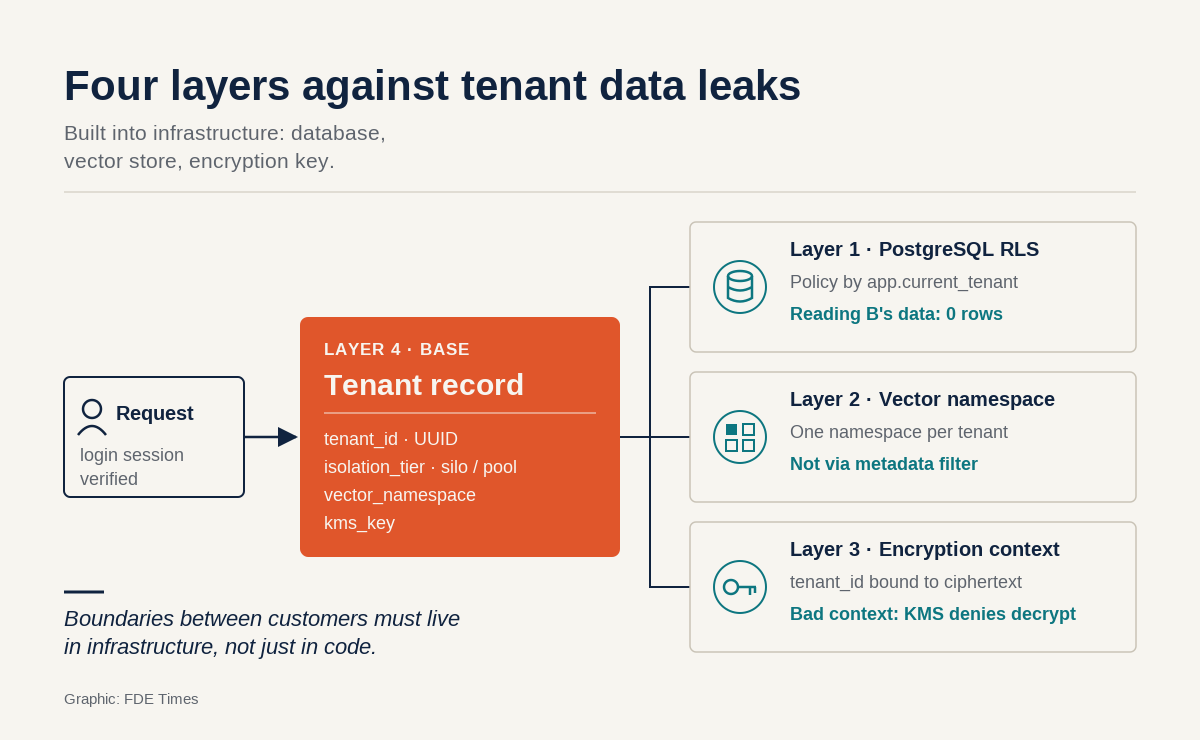
Tenant boundaries belong in the database, vector store, encryption keys and configuration, settled at design time rather than in the final sprint.
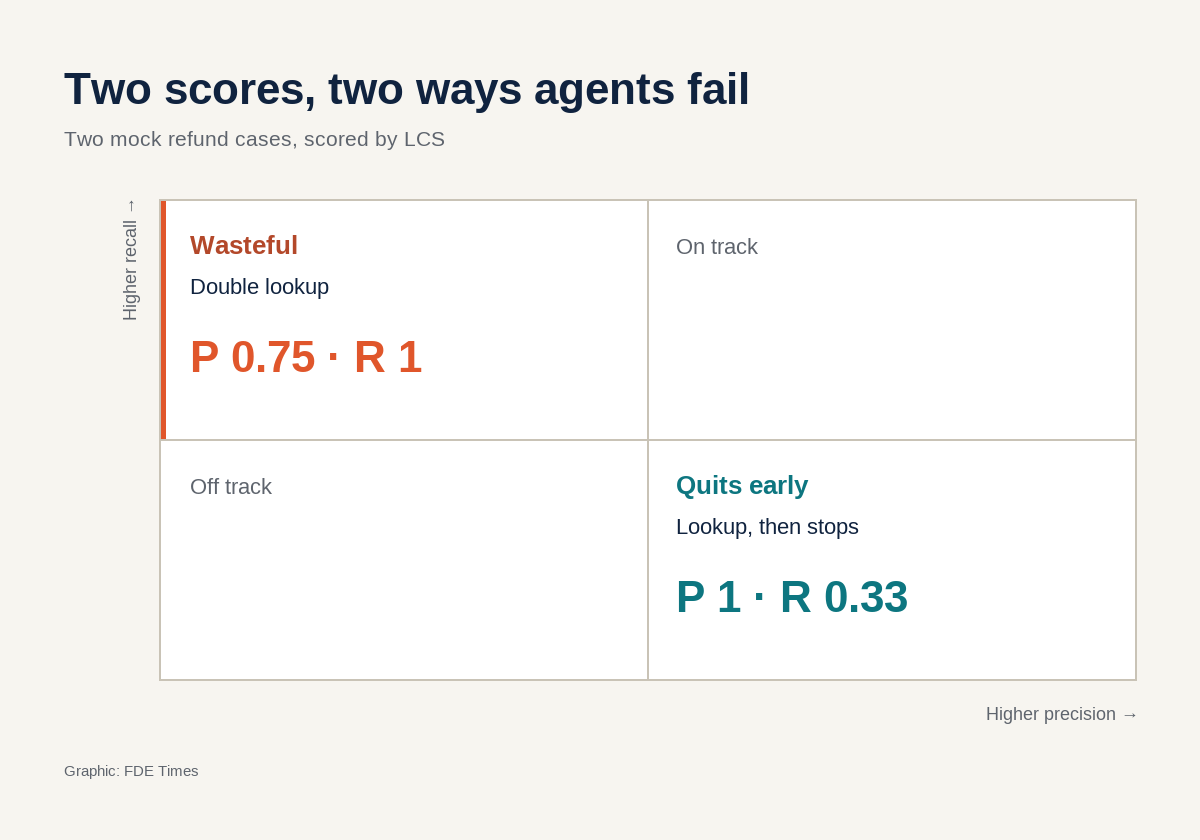
A golden dataset, a few scoring functions and a Langfuse experiment wired into CI show exactly which step an agent skips.
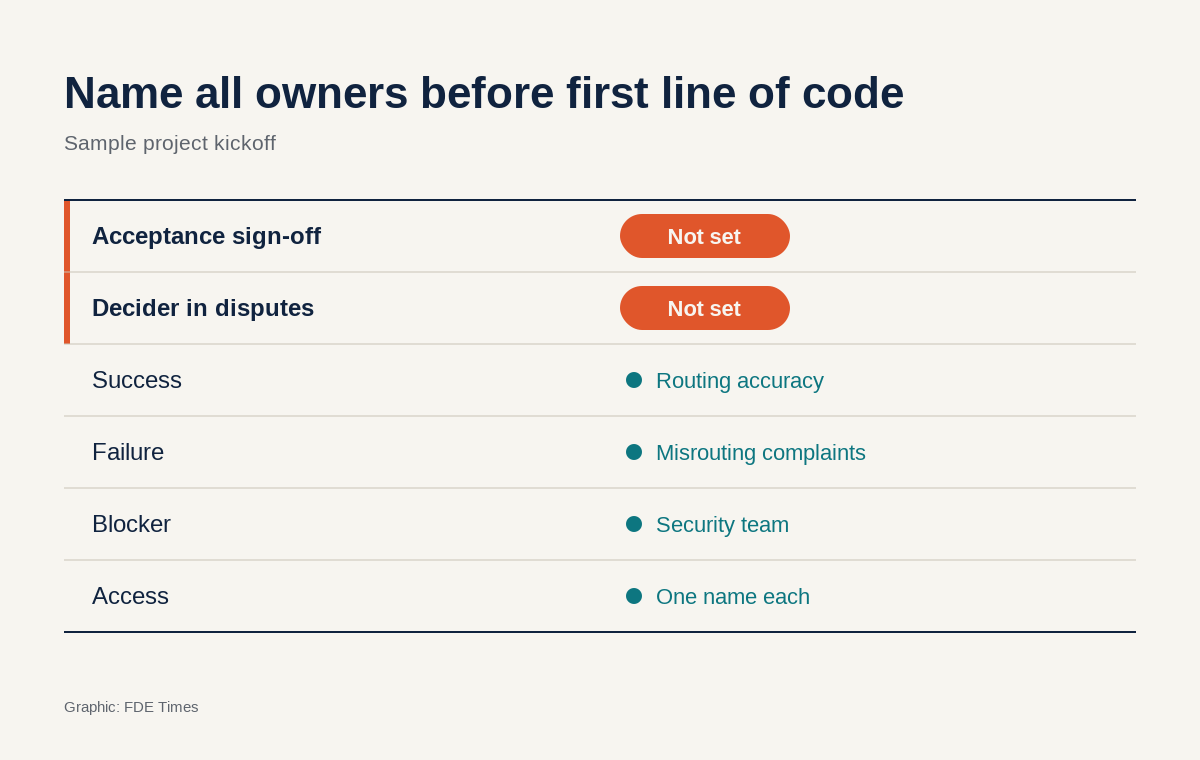
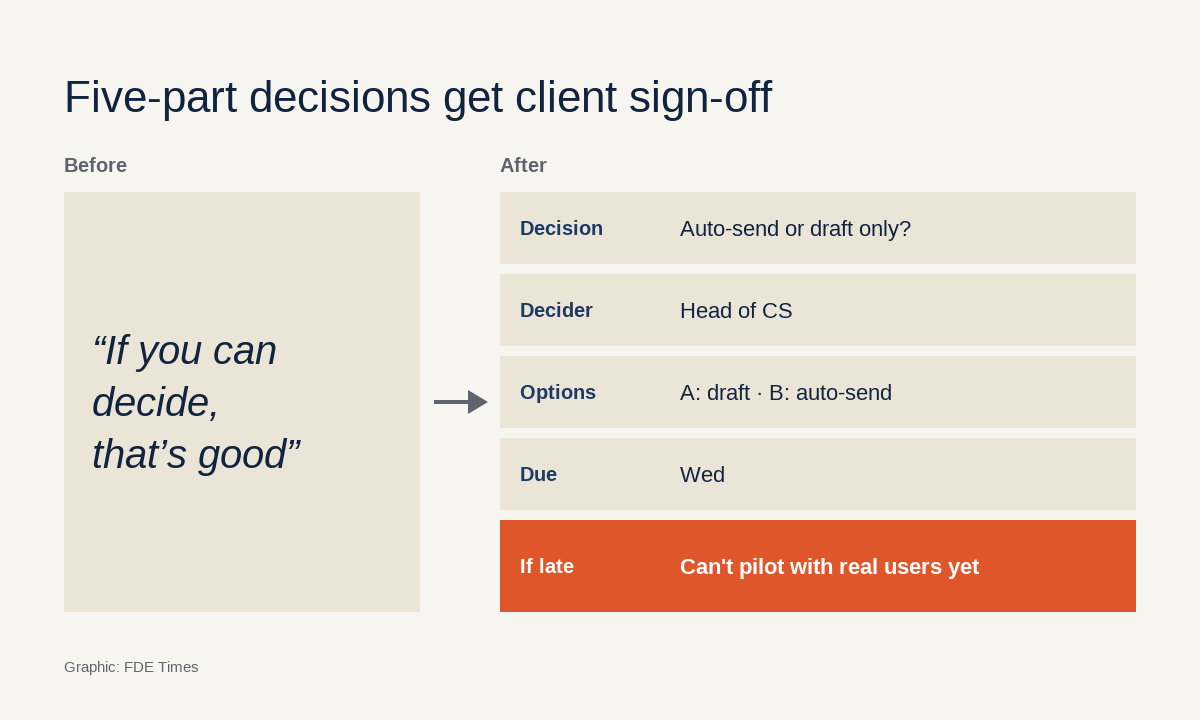
Settle who signs off, who grants access and what failure looks like, or the out-of-scope requests of week five will decide for you.
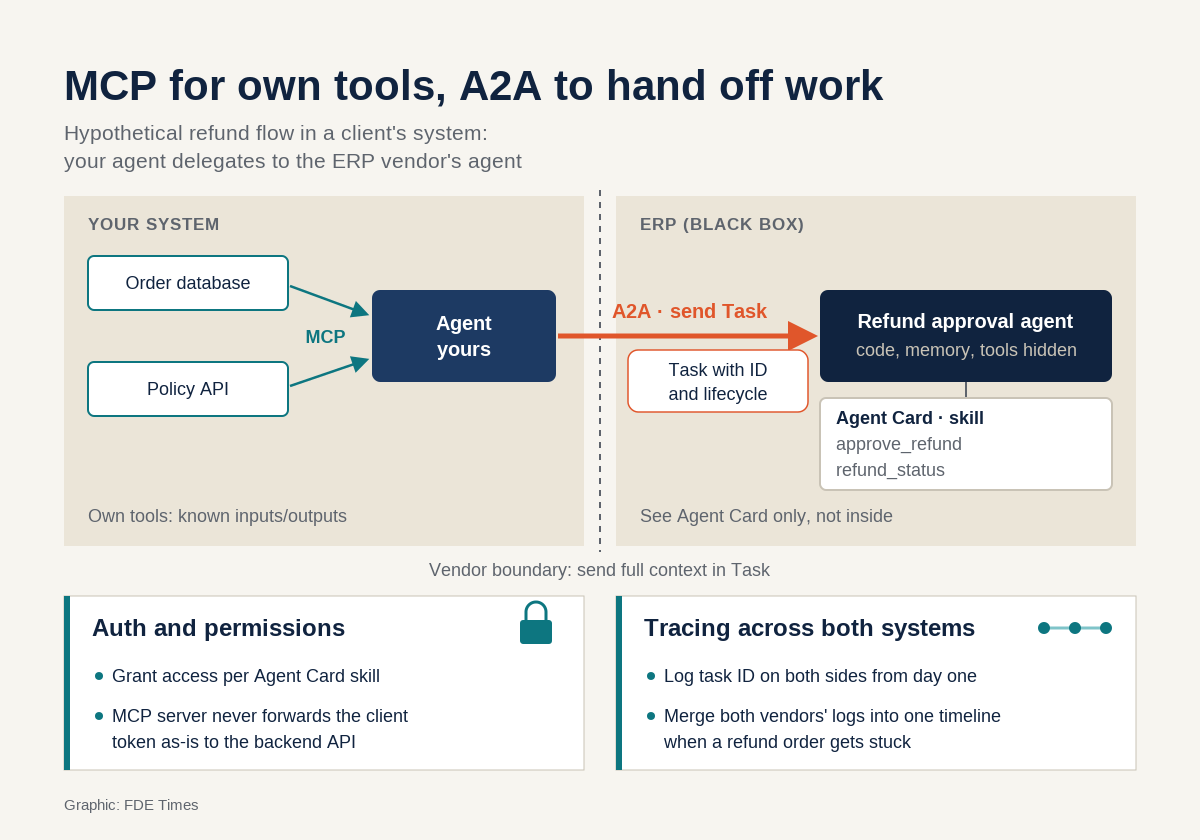
When the client's ERP agent is a black box, the hard part of handing it work is not the protocol but authentication and tracing.
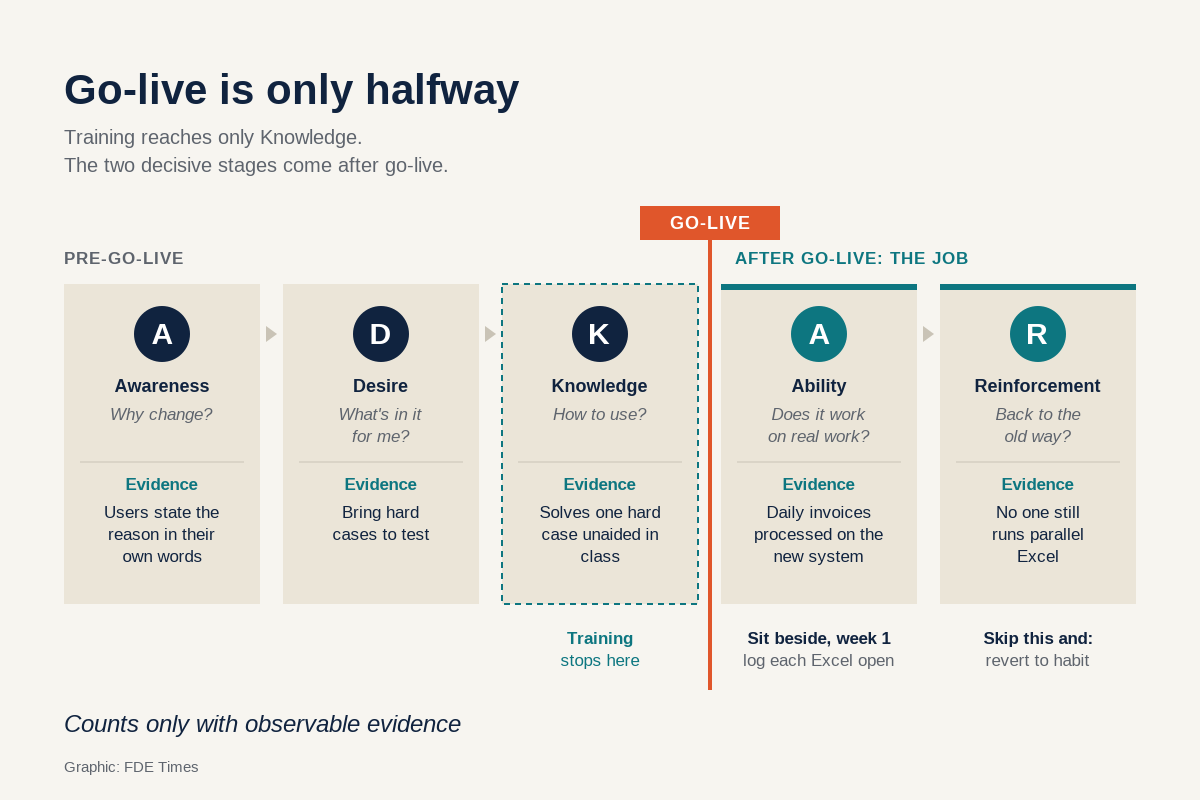
Your system can run flawlessly and still fail if, two weeks after go-live, users quietly return to their old Excel files.
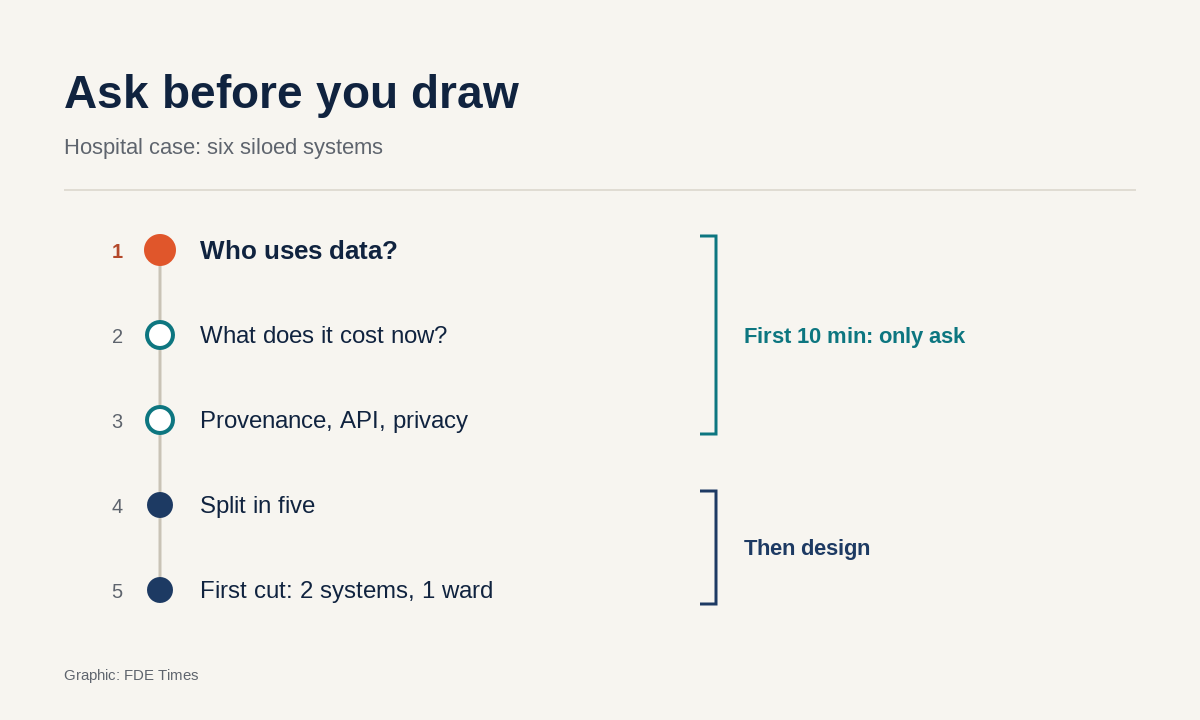
Ask a hospital's IT team for data and you will hear two answers; pick the wrong pipeline and your agent acts too late or reads the wrong data.
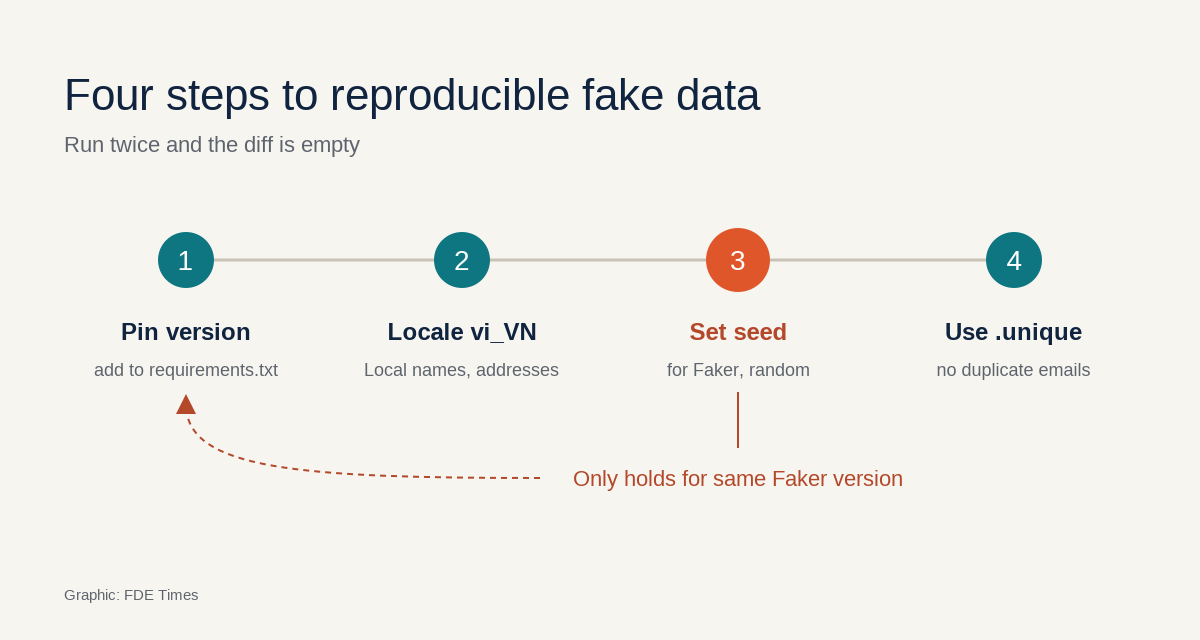
A seeded Python script turns the week spent waiting for database access into hundreds of realistic customers and orders that come out identical on every run.
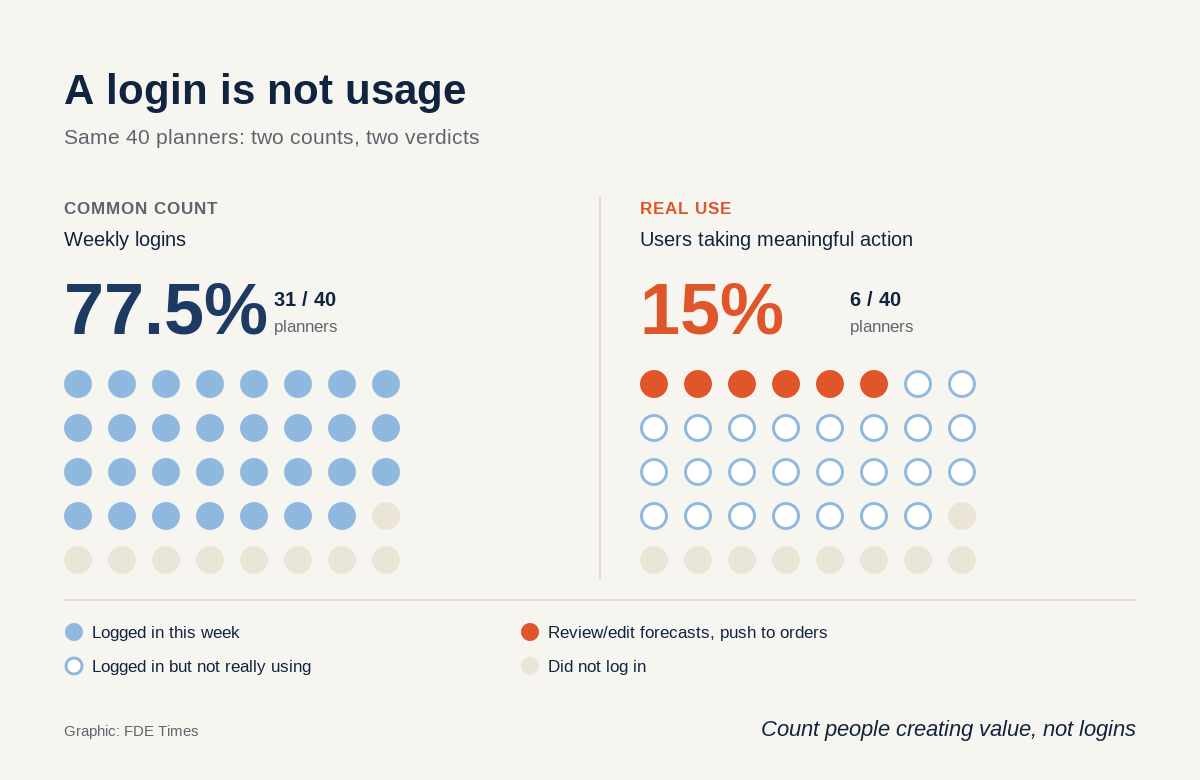
Counting logins hides the problem; FDEs need an adoption baseline, trained internal champions and an honest look at what the old spreadsheet still does better.
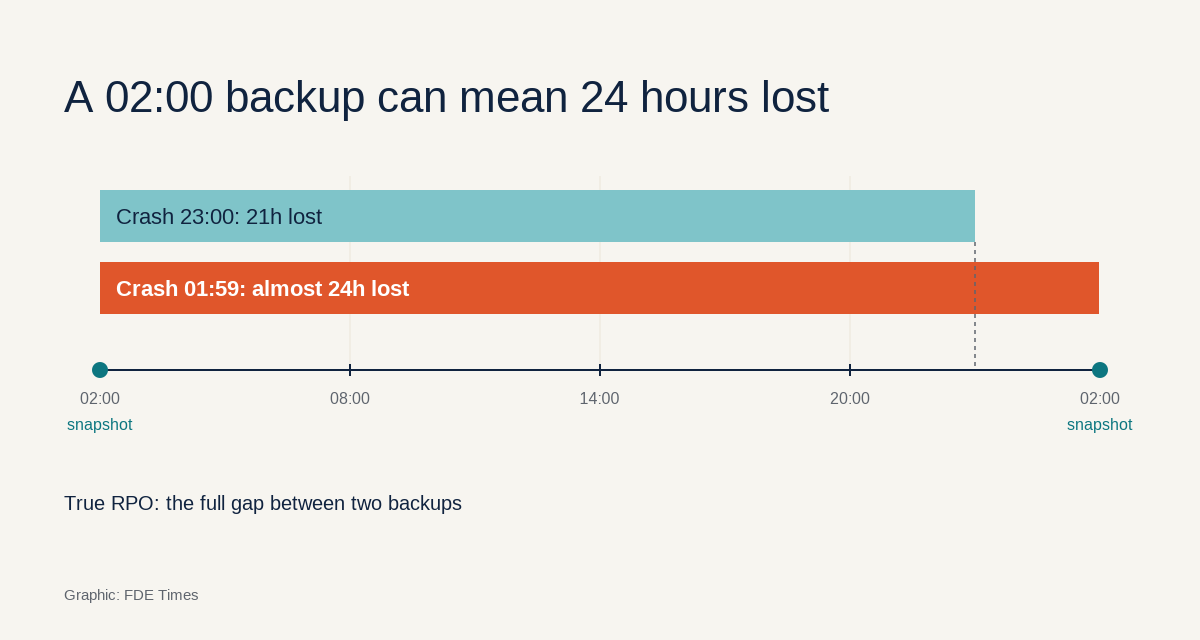
The client wants two numbers, RPO and RTO, set for each workload and backed by a restore you have actually run.
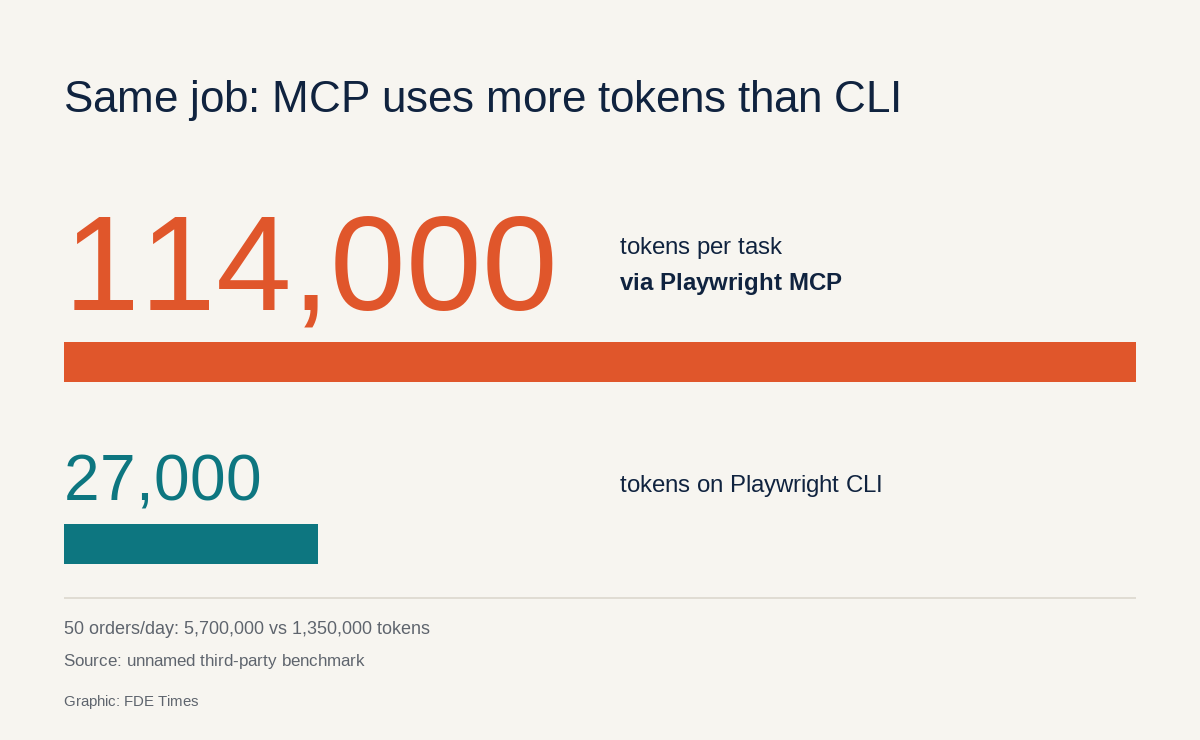
Playwright MCP reads the page's accessibility snapshot rather than screenshots, while the login session and every write stay under human control.
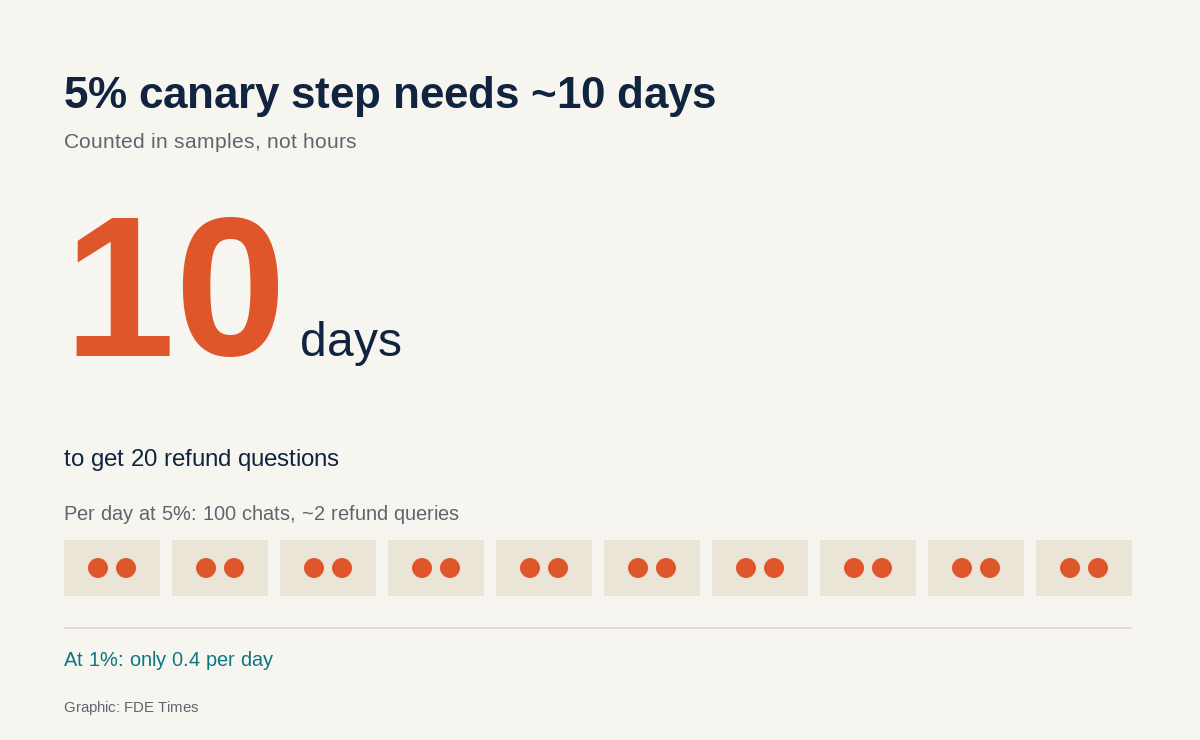
Formatting tweaks alone have shifted accuracy by about 5%; a flag, a control group and a 5-20-50-100% rollout catch it before the client does.
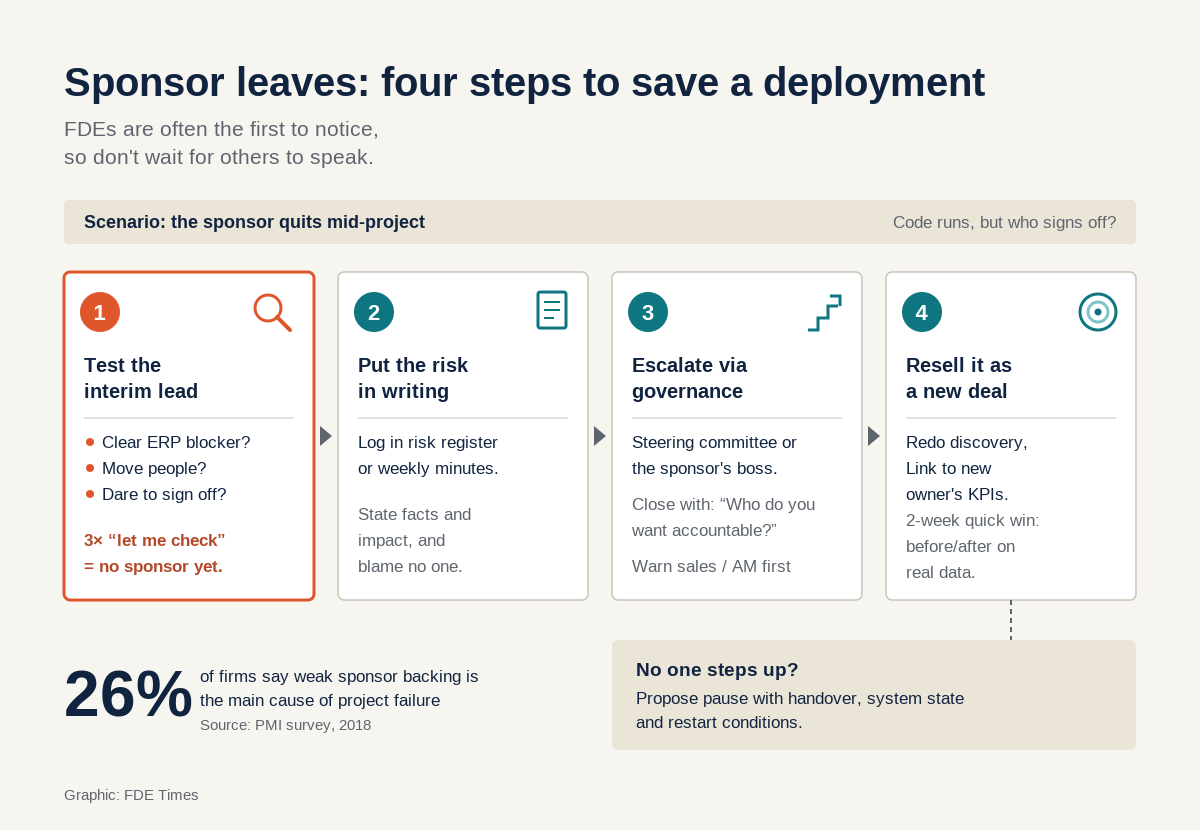
PMI found 26% of organisations blame weak sponsor support for project failure; the FDE, often first to notice, must find who can actually act.
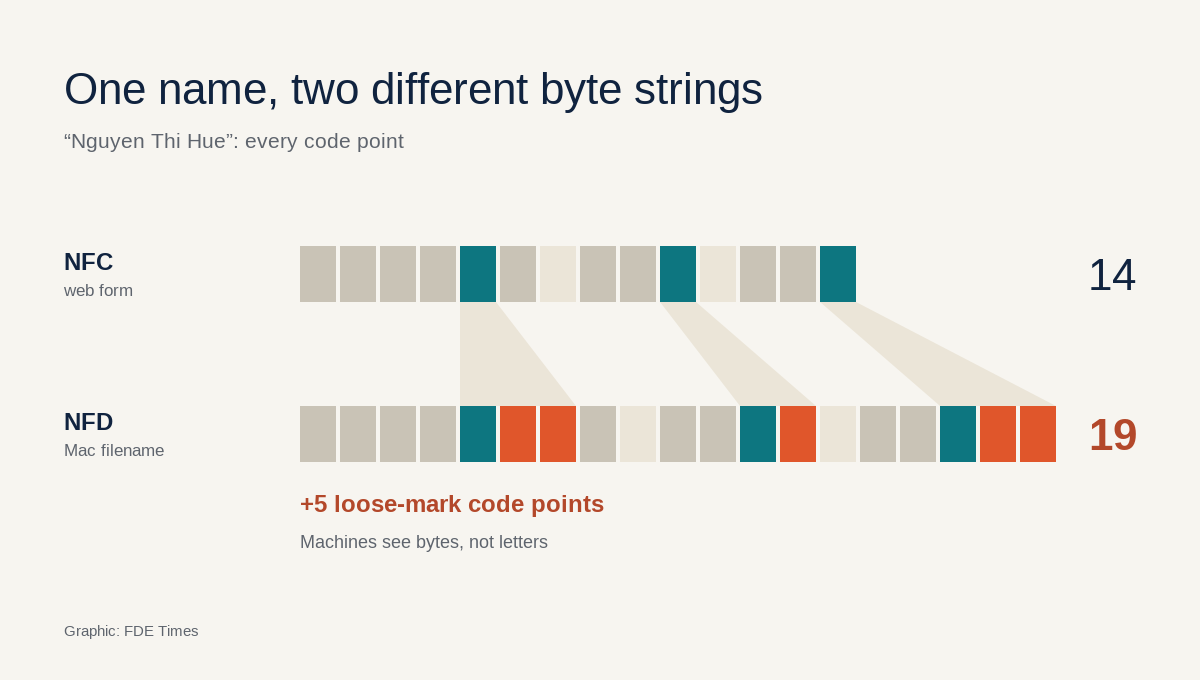
Unicode lets one Vietnamese letter be stored two ways, and without normalising first, the join drops customers without raising an error.
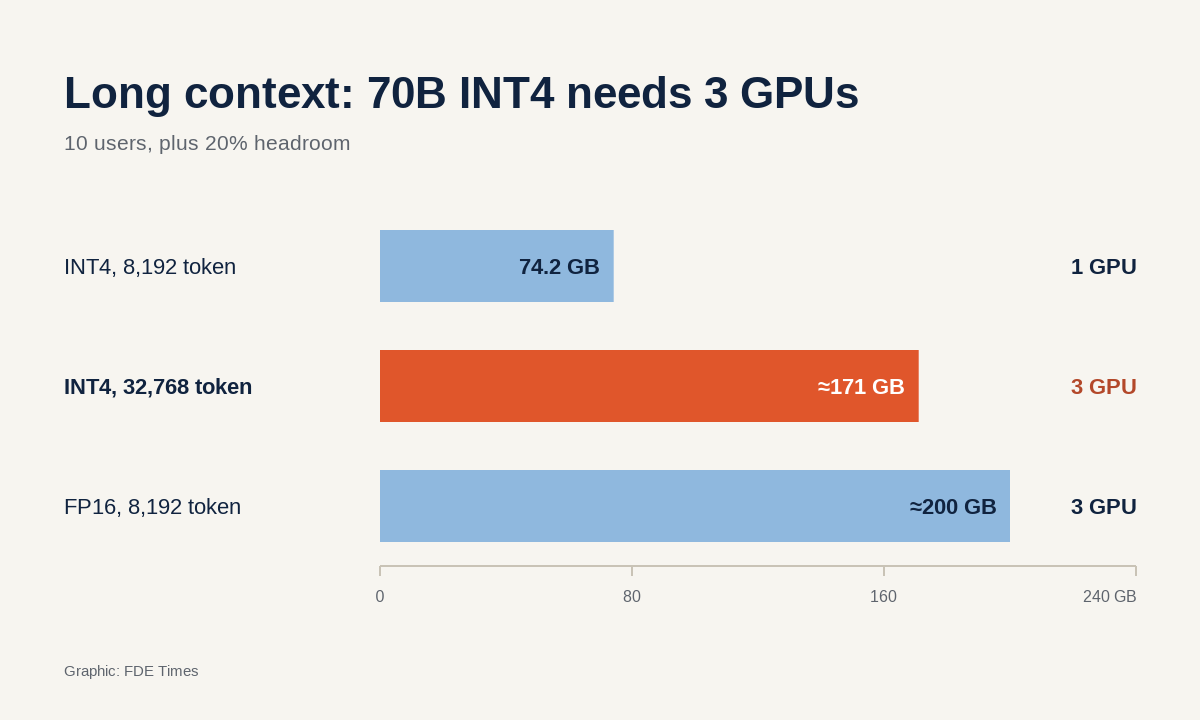
The weights are simple arithmetic; the parts clients never mention, such as the KV cache, are what leave estimates out by a factor of two.
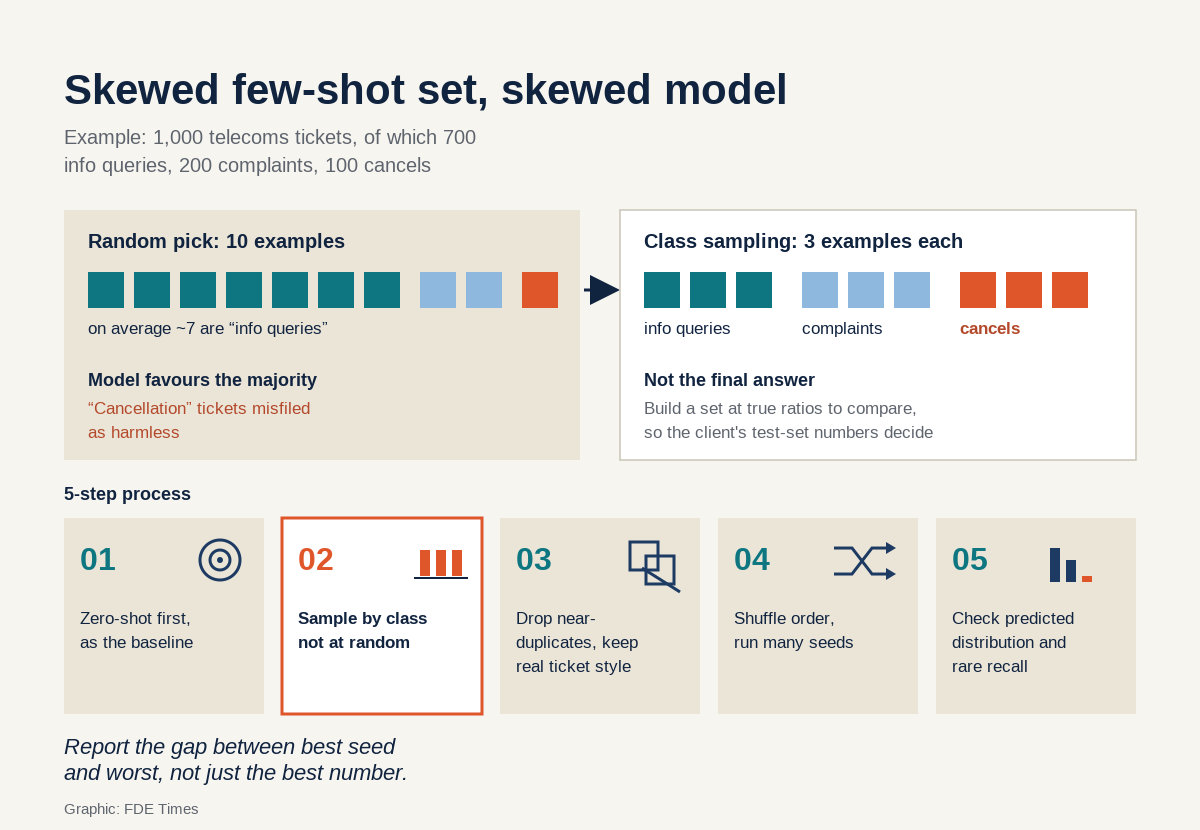
Client ticket labels are always skewed, so example sets need per-class sampling, deduplication and stability checks across many orderings, all with Python's standard library.
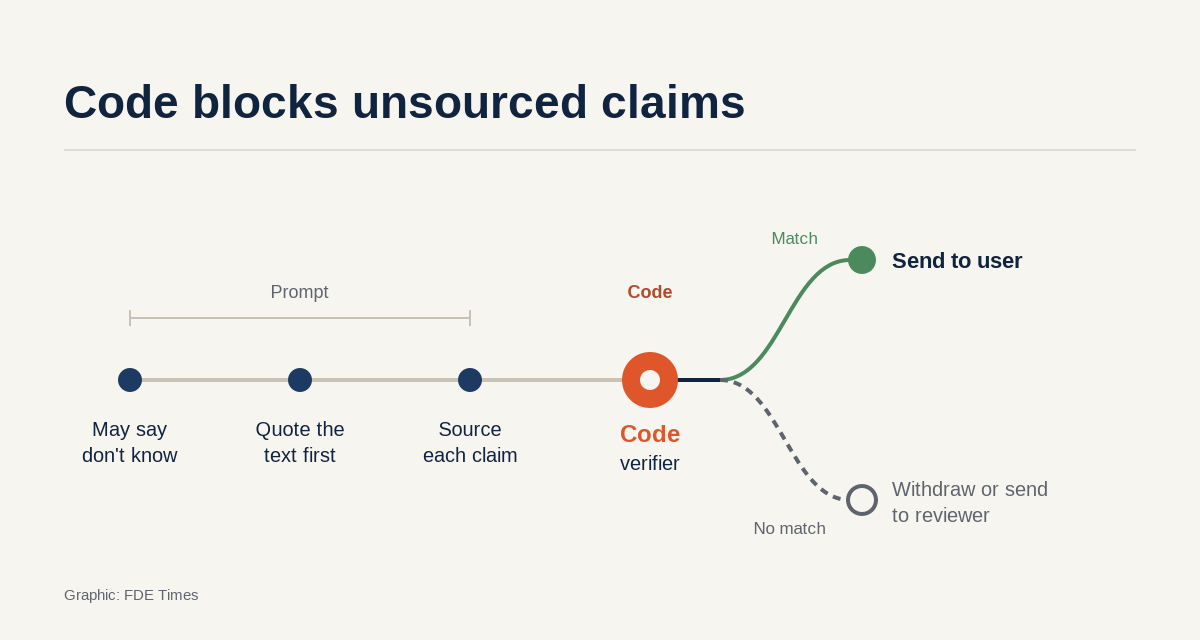
Let the model say it does not know, make it quote and cite every claim, then have code check each citation against the source.
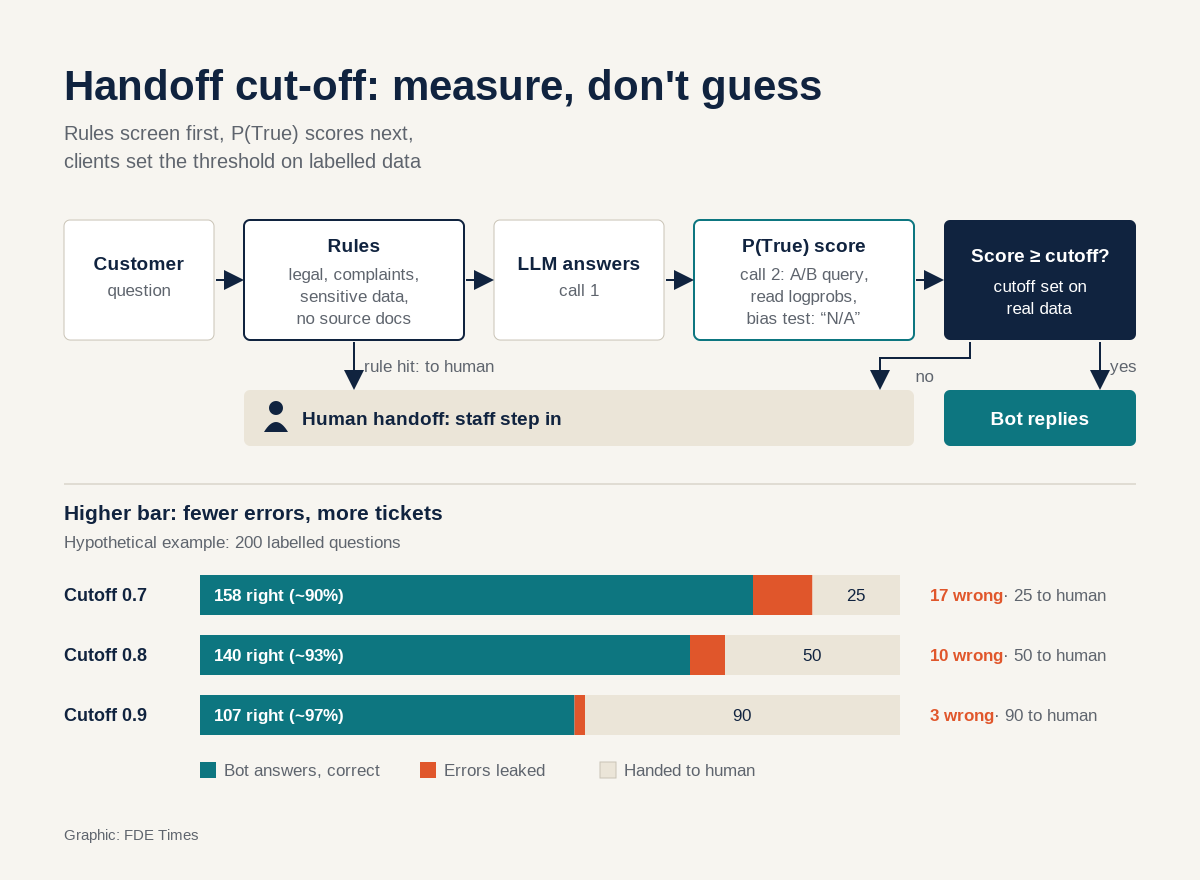
Models asked directly tend to be overconfident; true-or-false self-checks and a handoff threshold measured on real data are far more reliable.
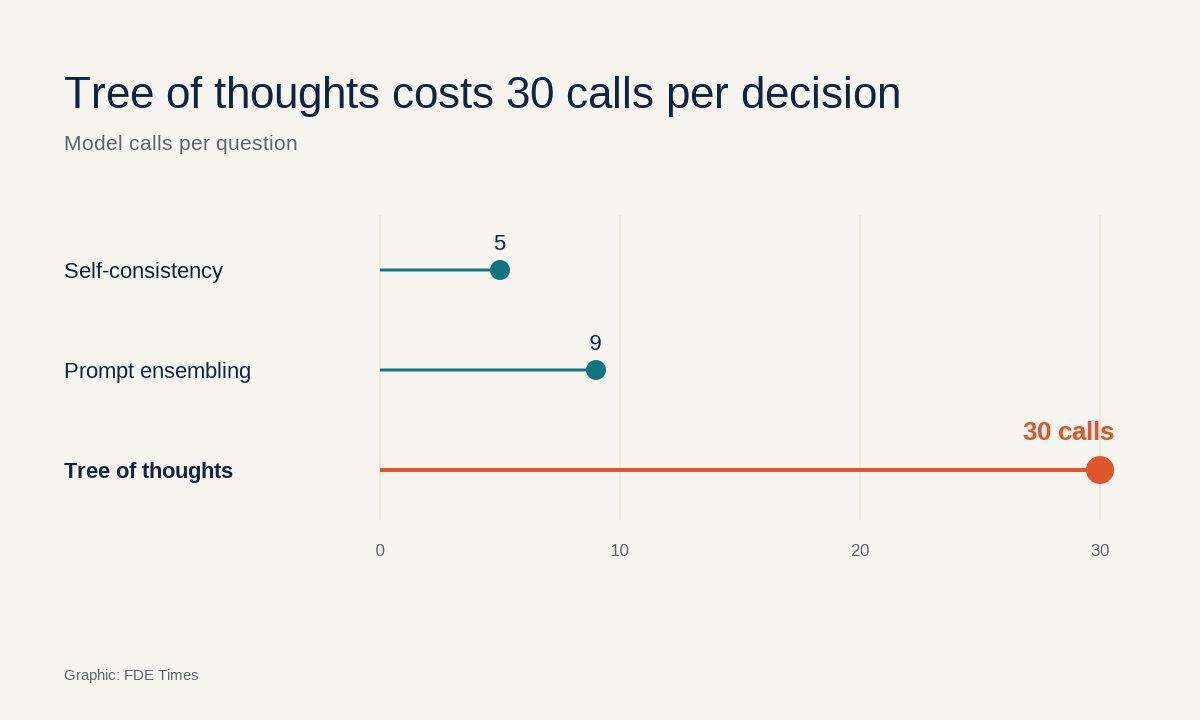
For client decisions that cannot go wrong, four layers of self-checking show which are worth paying for and which only inflate the API bill.
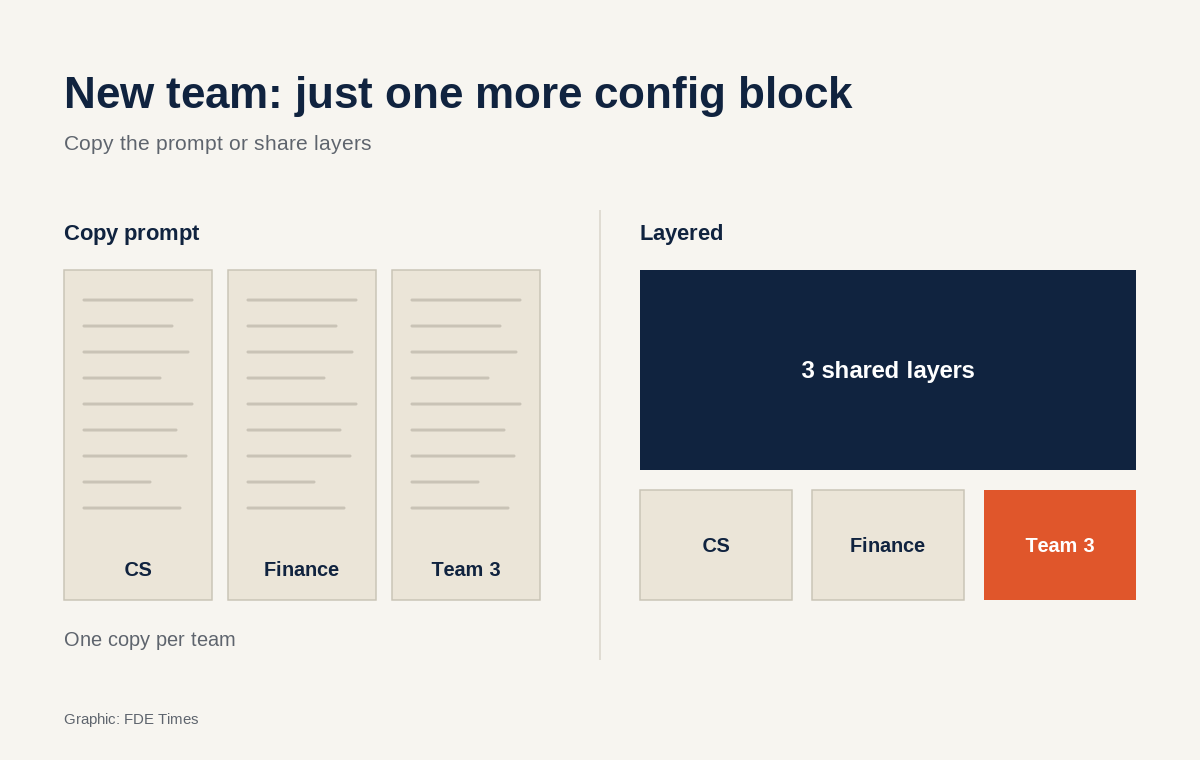
Split it into four layers (role, policies, customer context and department configuration), so each new team costs one config block rather than another copy.
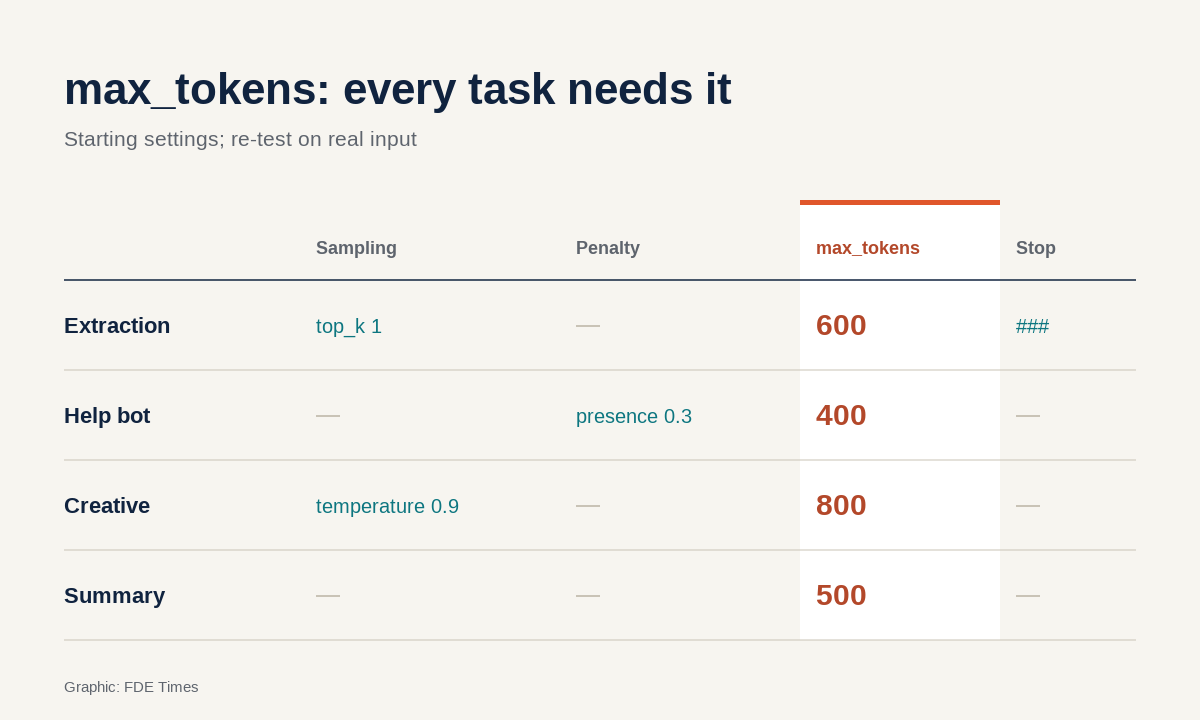
Max tokens, stop sequences and penalties still decide whether output is usable, and each client task, from extraction to support bots, needs its own settings.
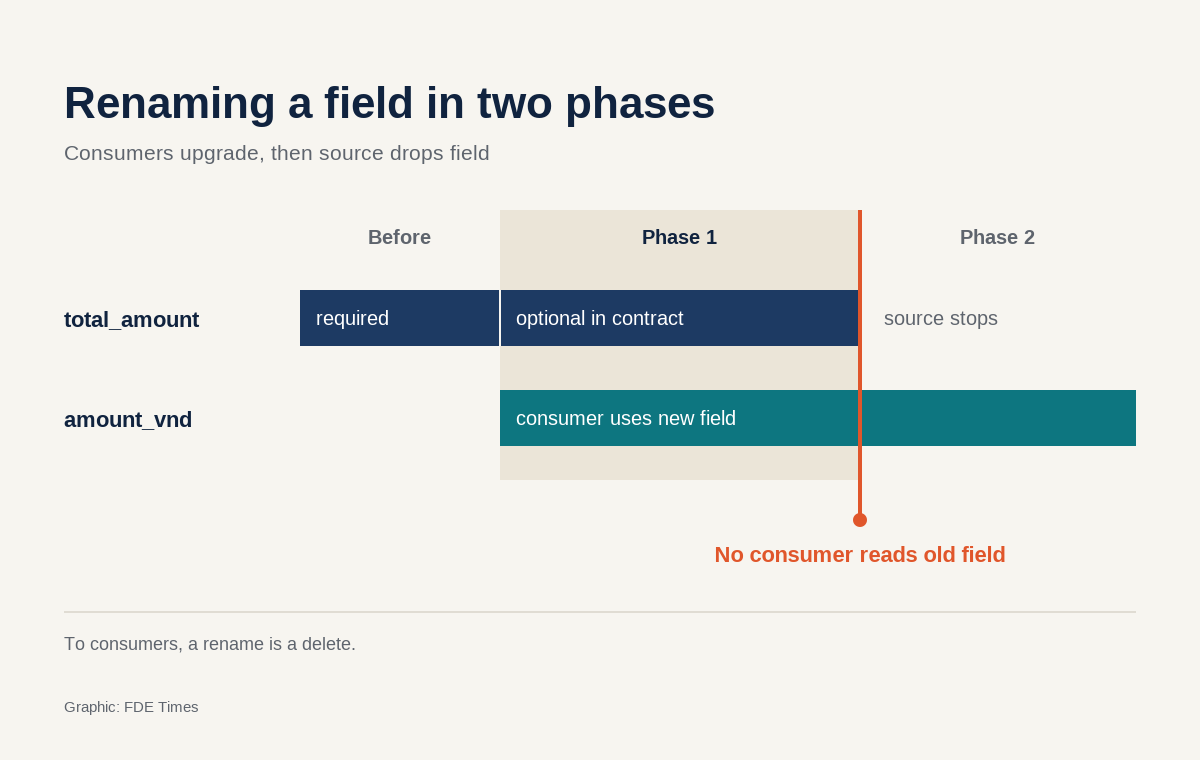
Add change rules, a named owner, a consumer test and a two-phase field rename, so the pipeline notices at once instead of failing silently.
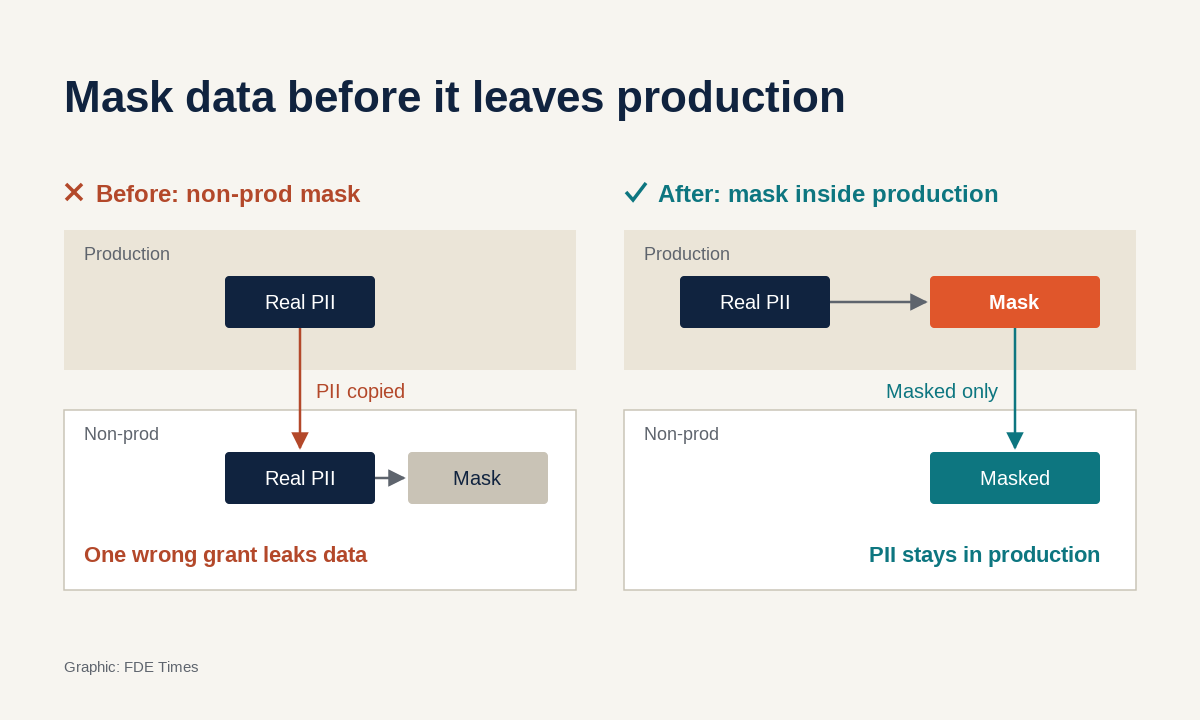
When the client has one database full of personal data, mask it before anything leaves prod and build all three environments from a single code definition.
A Free Tier fanout exercise with SNS, three queues and Lambda rehearses the duplicate and lost-message failures before you meet them on a client site.
Settle the event schema, the edge protocol and the row key before writing code on a client's factory floor, because every wrong choice repeats tens of millions of times.
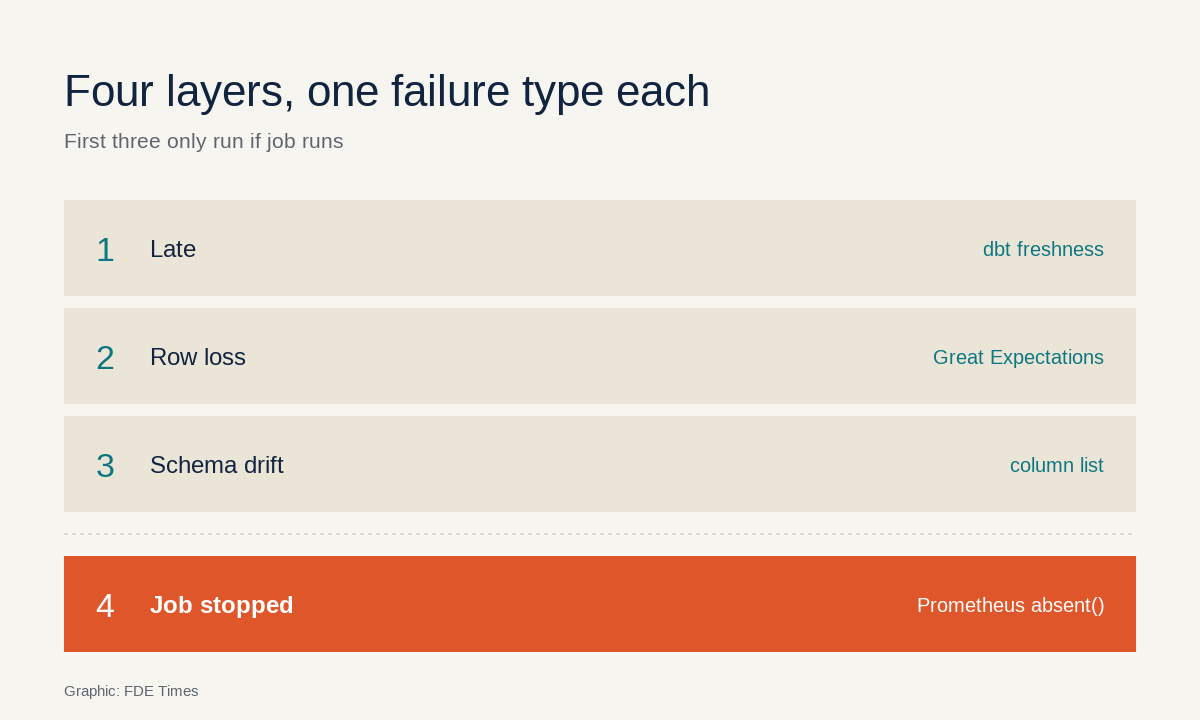
Freshness, row-count and schema checks, plus a safety net for jobs that never run, catch bad data before the client spots it first.
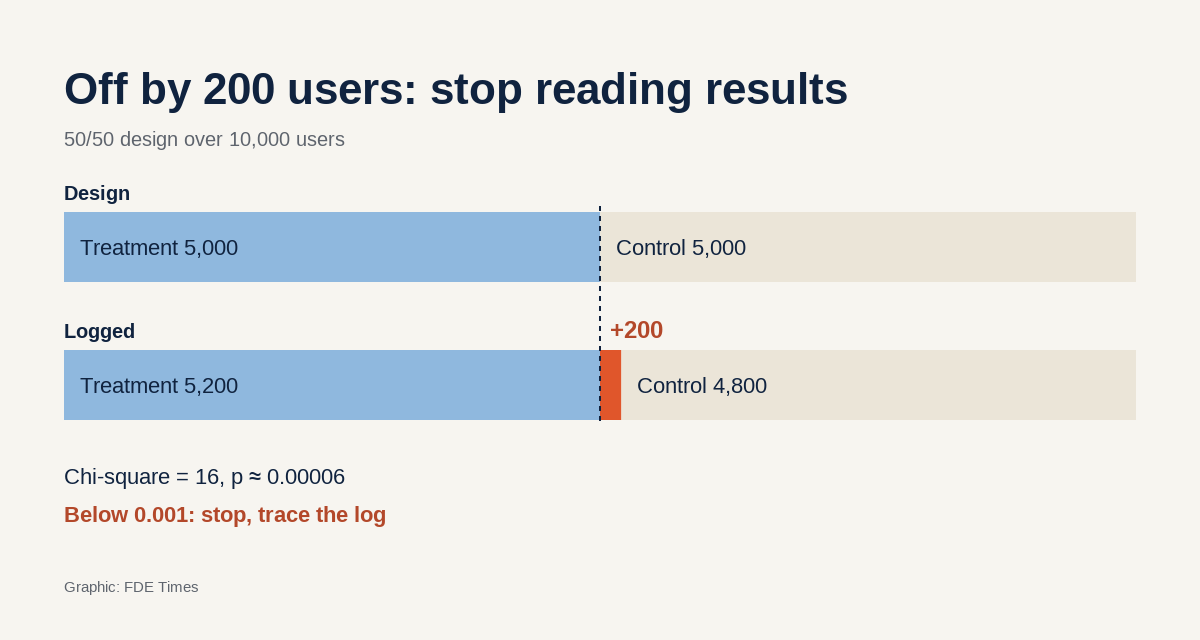
Assign users with a stable hash, log the right fields and check for sample ratio mismatch before you show the client a single number.
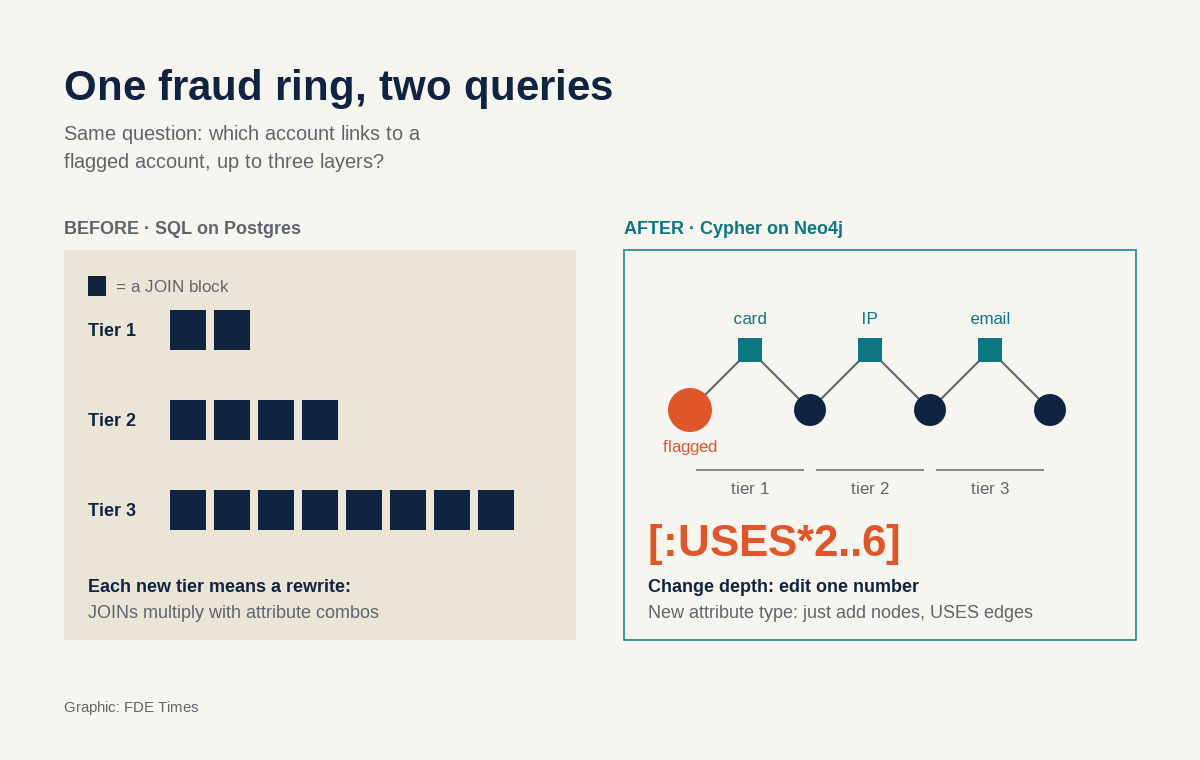
AWS itself says graph databases pay off only for highly connected data, and the signal lies in how the client phrases the question.
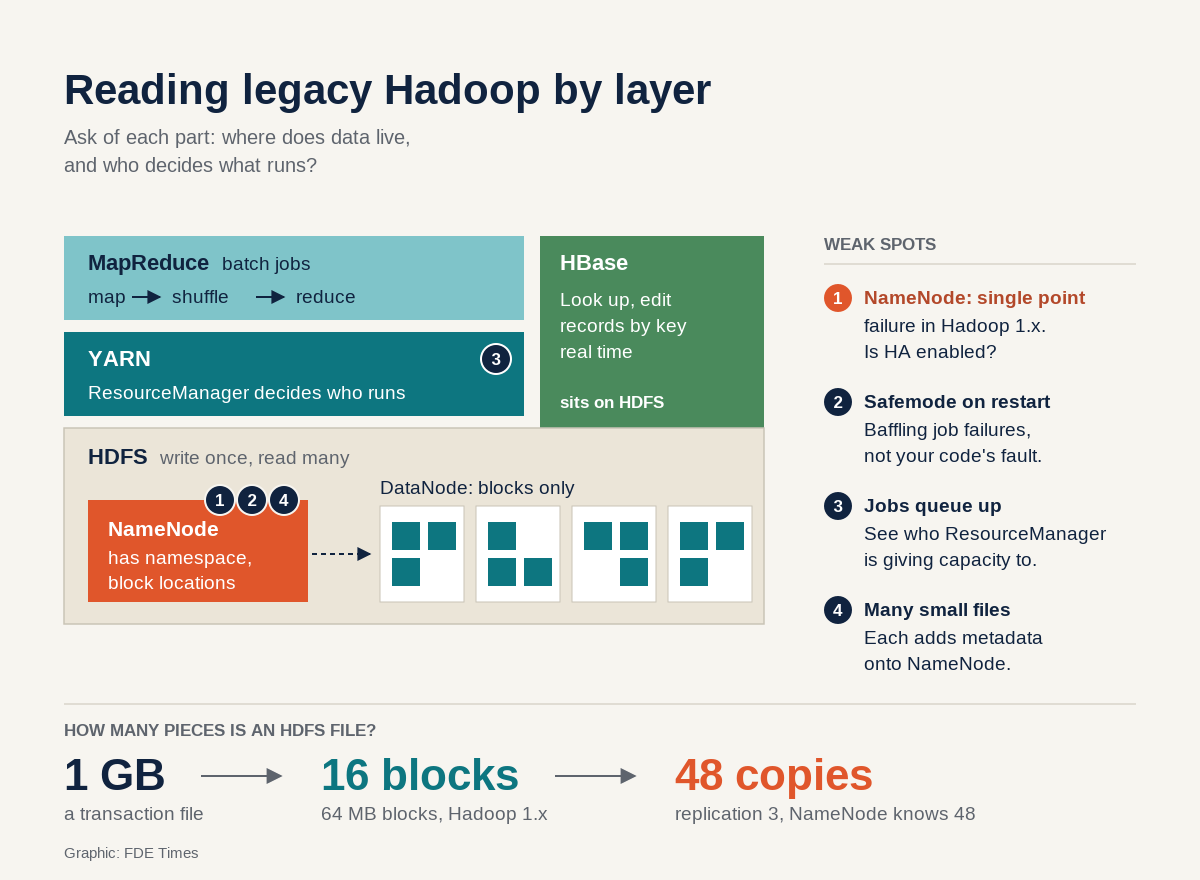
Each component answers two questions, where data lives and who decides what runs, and with triple replication a 1 GB file is 48 block copies.
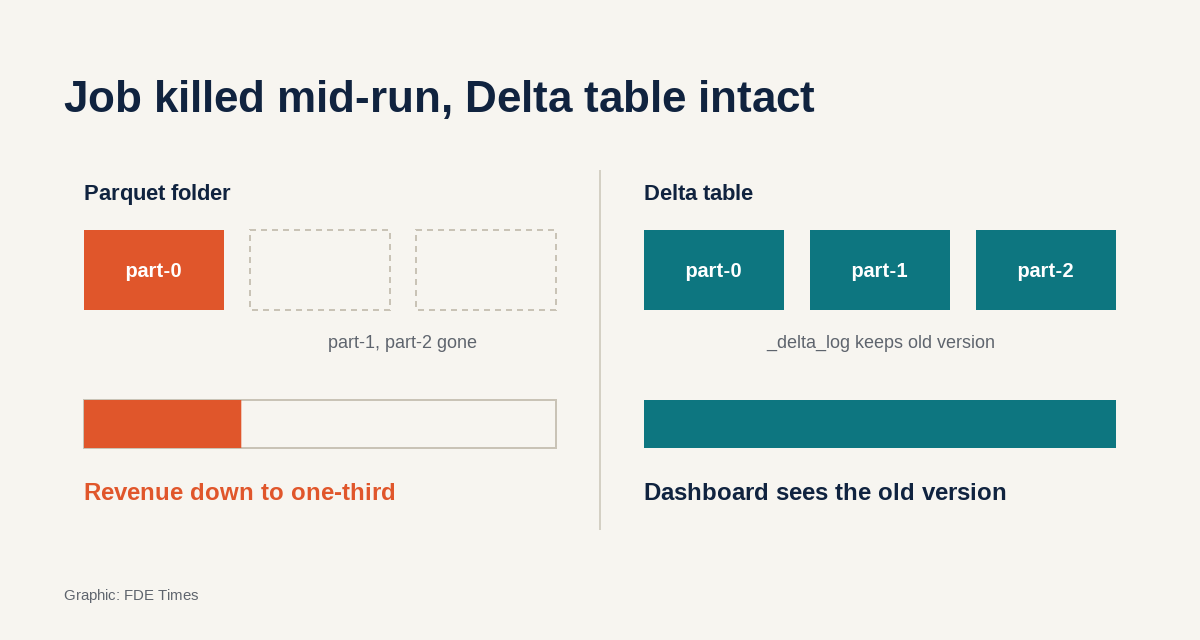
S3 cannot update several keys atomically, so a job killed mid-write leaves a half-written table unless Delta Lake, Iceberg or Hudi sits on top.
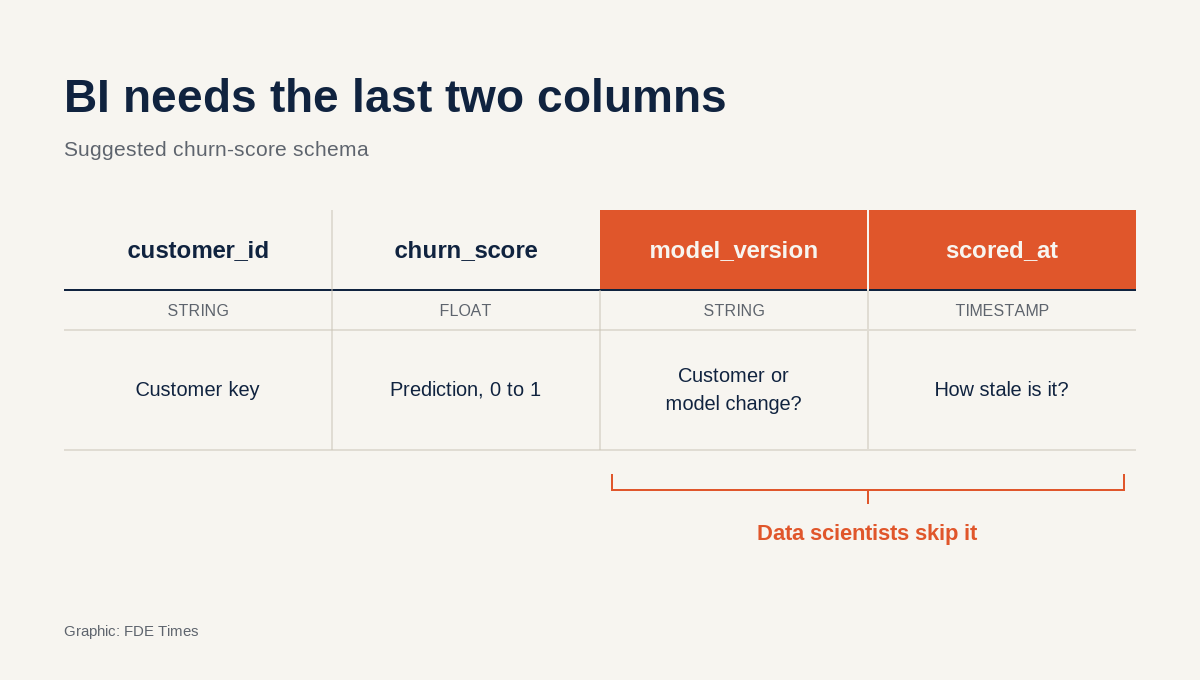
BI tools were built to describe the past, so model scores need their own output table, a Streamlit demo first and labels that keep them apart from actual figures.
Choose encryption, tokenization or masking field by field, and be ready to say who holds the keys and who can see what.
Reverse ETL handles the last mile, syncing churn scores and ticket labels from the warehouse into Salesforce or Zendesk, where people actually work.
Settle the grain first, then build a star schema beside the OLTP system, and the dashboard ships in two weeks rather than two months.
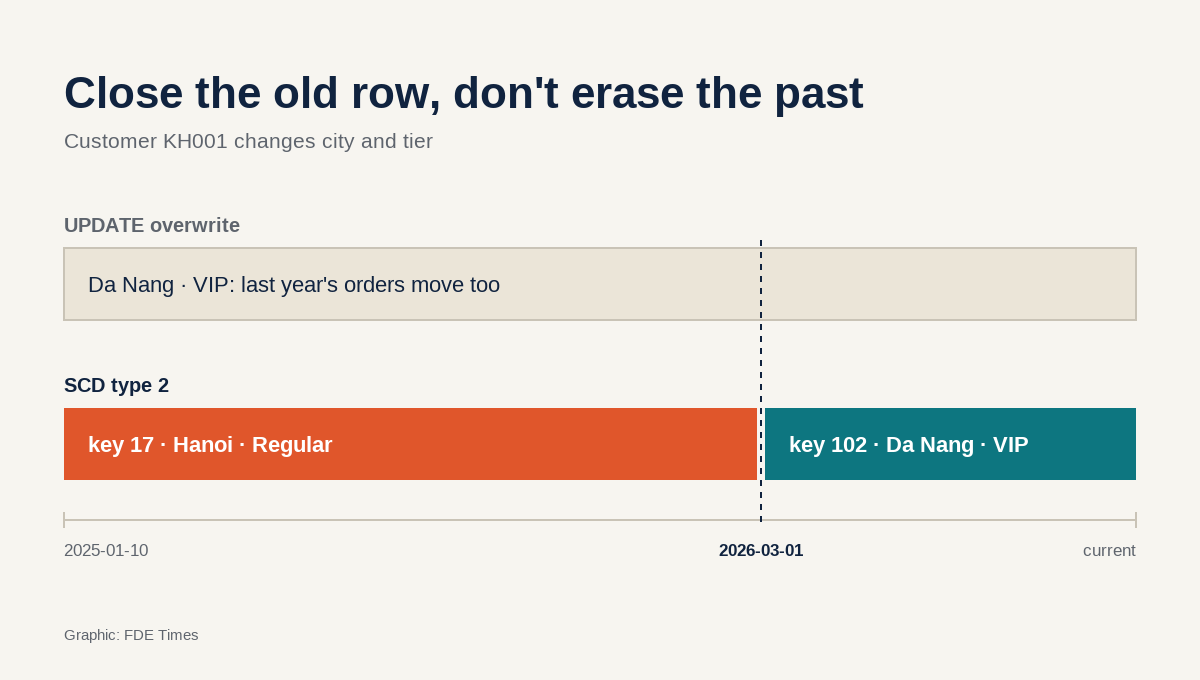
SCD Type 2 keeps every version of a customer or product: write it by hand in SQL to learn the mechanics, then hand it to dbt snapshots.
Plain Python catches a CSV with amounts written three ways and duplicate order IDs at the start of the pipeline, before a dedicated library takes over.
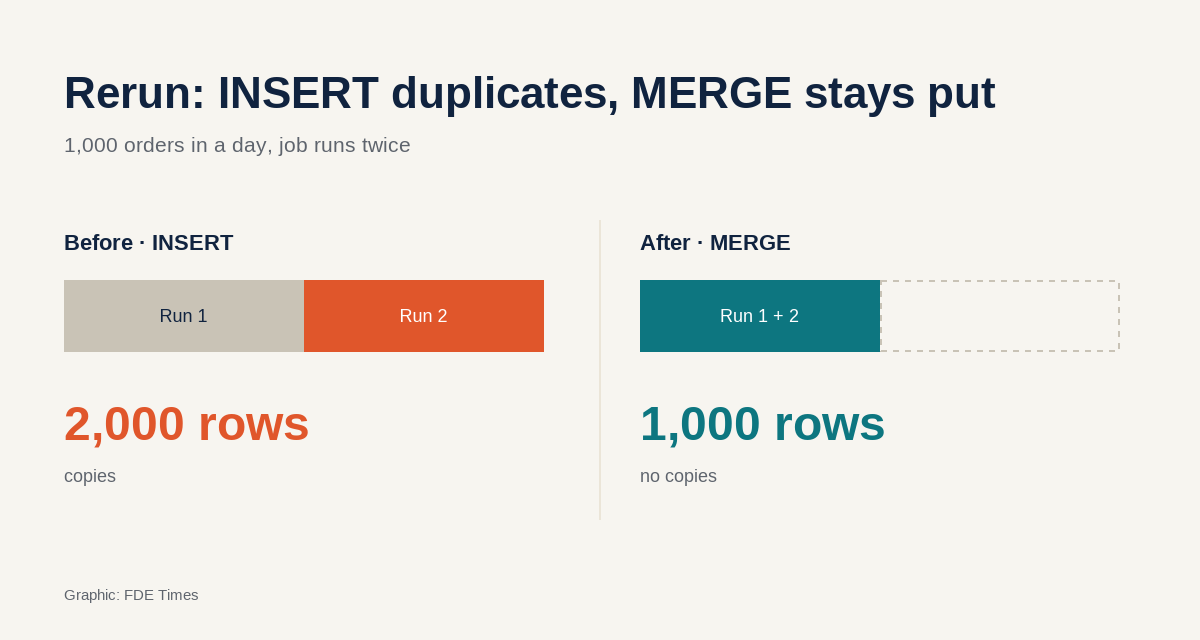
Make each daily load idempotent with MERGE and transactions, and the nightly job doubles as the backfill for years of history.
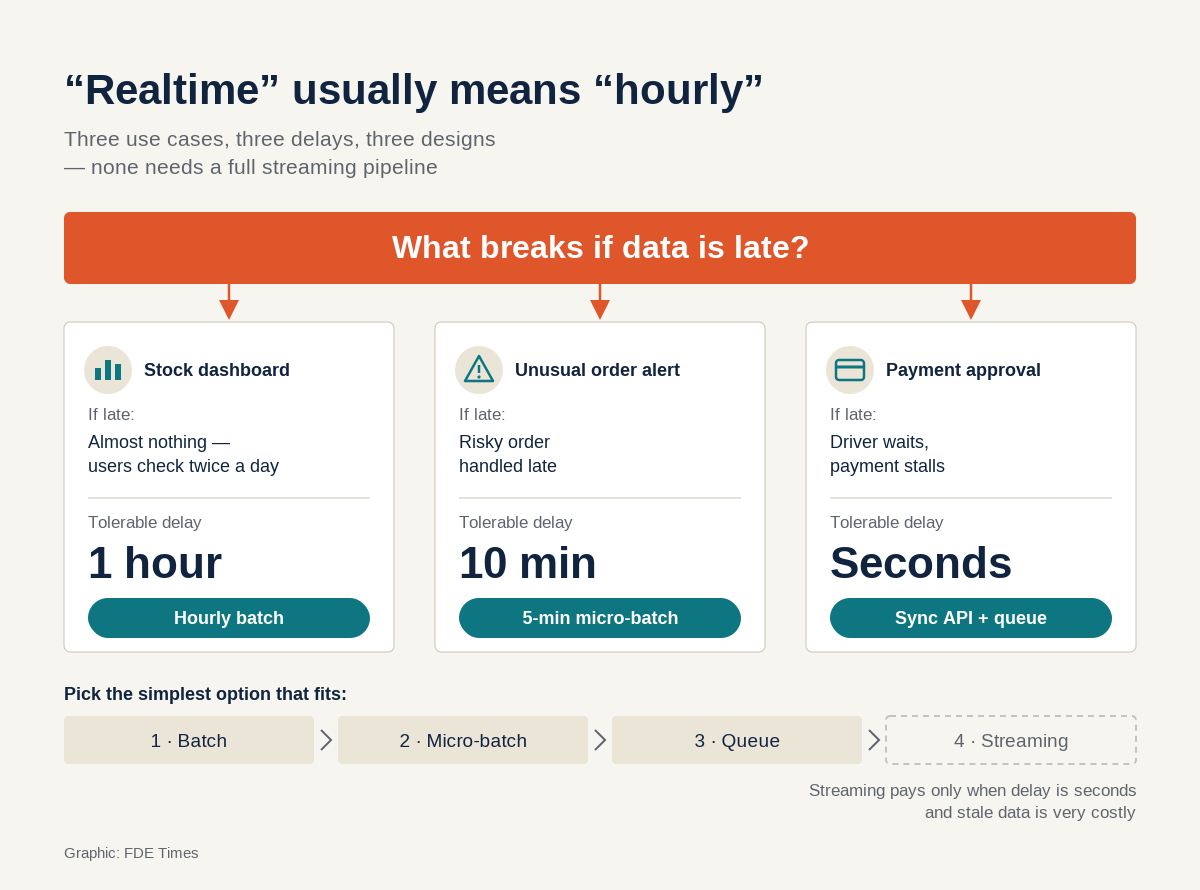
Turn "real time" into a number, then pick the cheapest architecture that meets it, which is often batch rather than a round-the-clock stream.
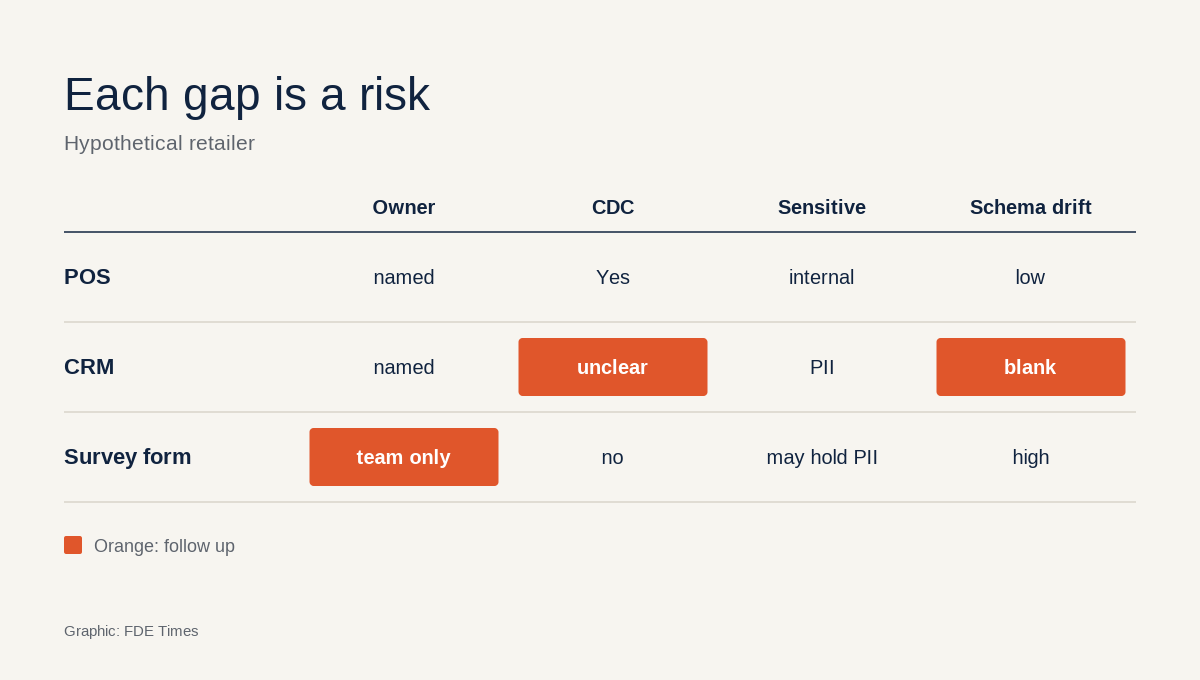
A seven-step inventory built in the first week with read-only access records each source's owner, lineage and usage limits before any pipeline or agent.
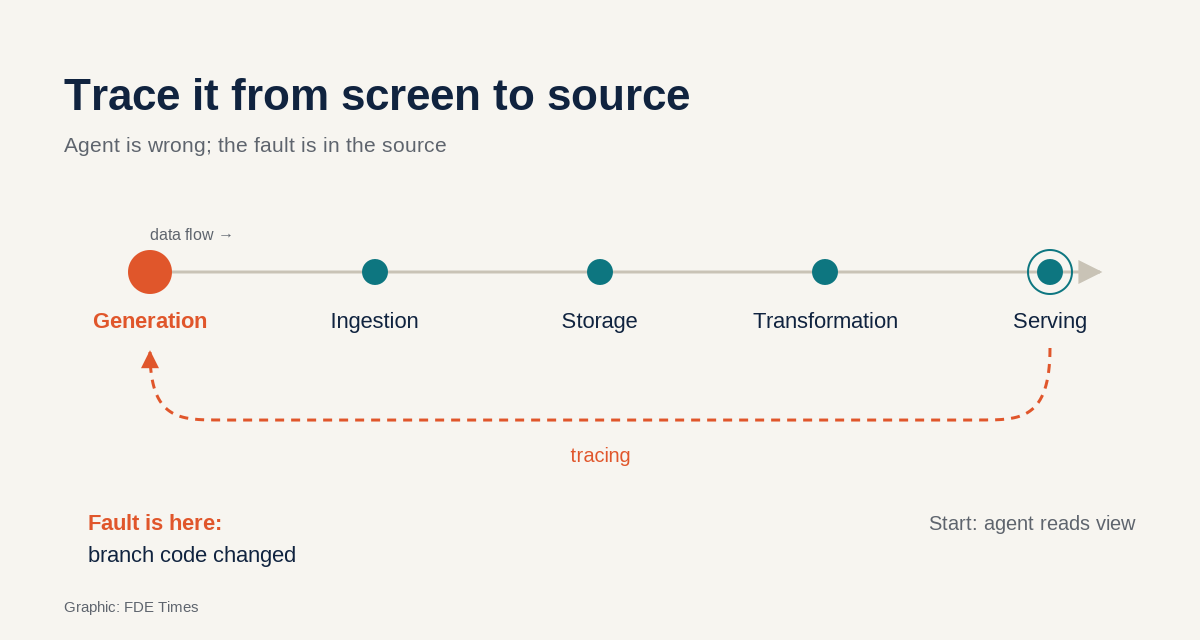
Tracing data through five stages, from generation to serving, is the data engineering an FDE needs, short of becoming a data engineer.
Claim check keeps messages small, idempotent filters survive duplicate delivery, and a few dozen lines of standard-library Python build the whole pipeline.
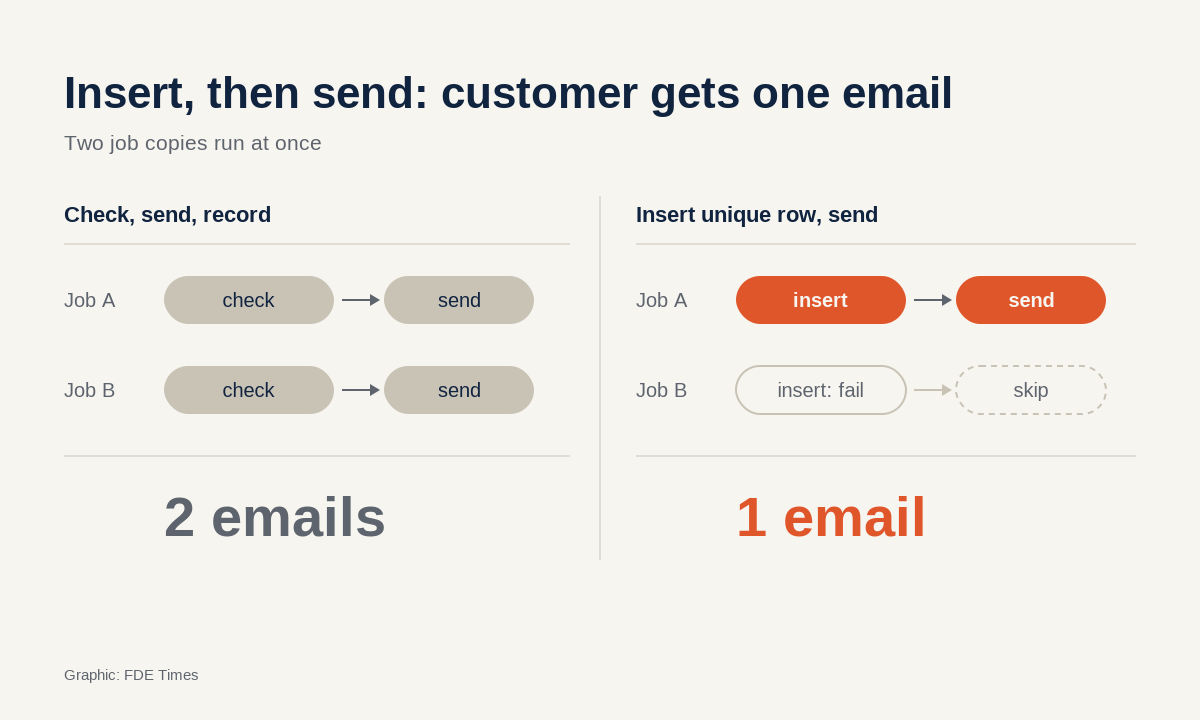
Leader election and locks help, but the first defence is an idempotent scheduled job, so a duplicate run changes nothing.
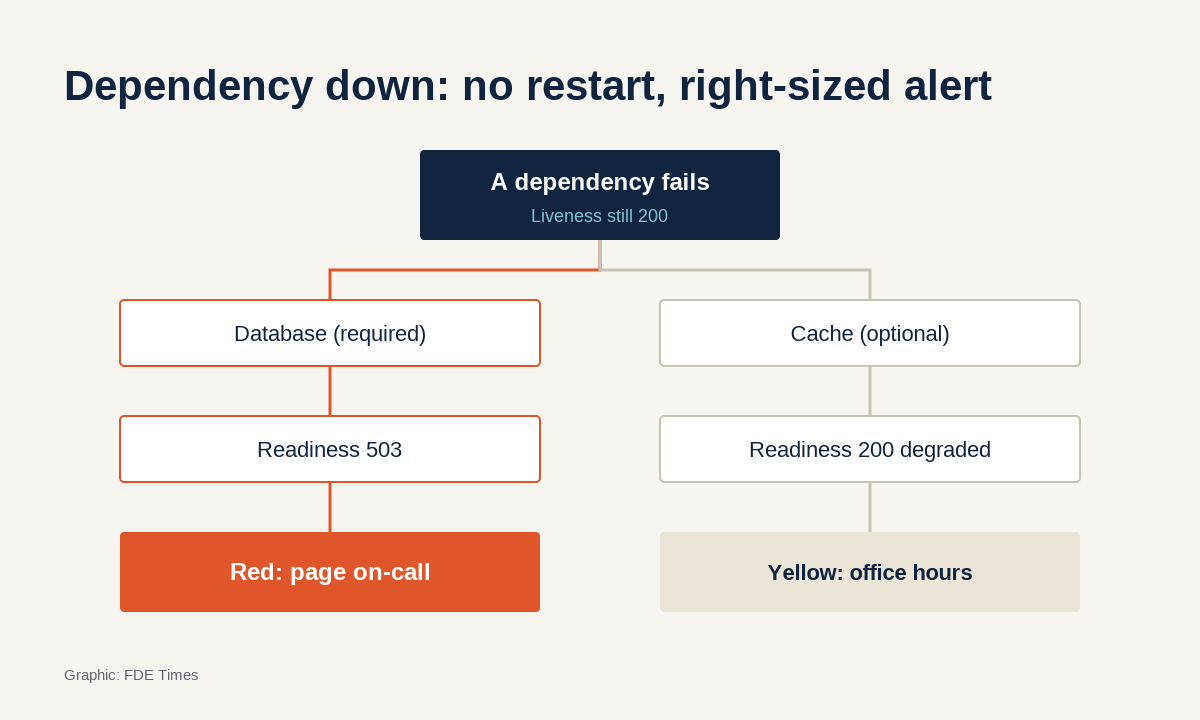
Build health endpoints, then metrics, then alerts, with a liveness check shallow enough that a dependency outage never triggers needless restarts.
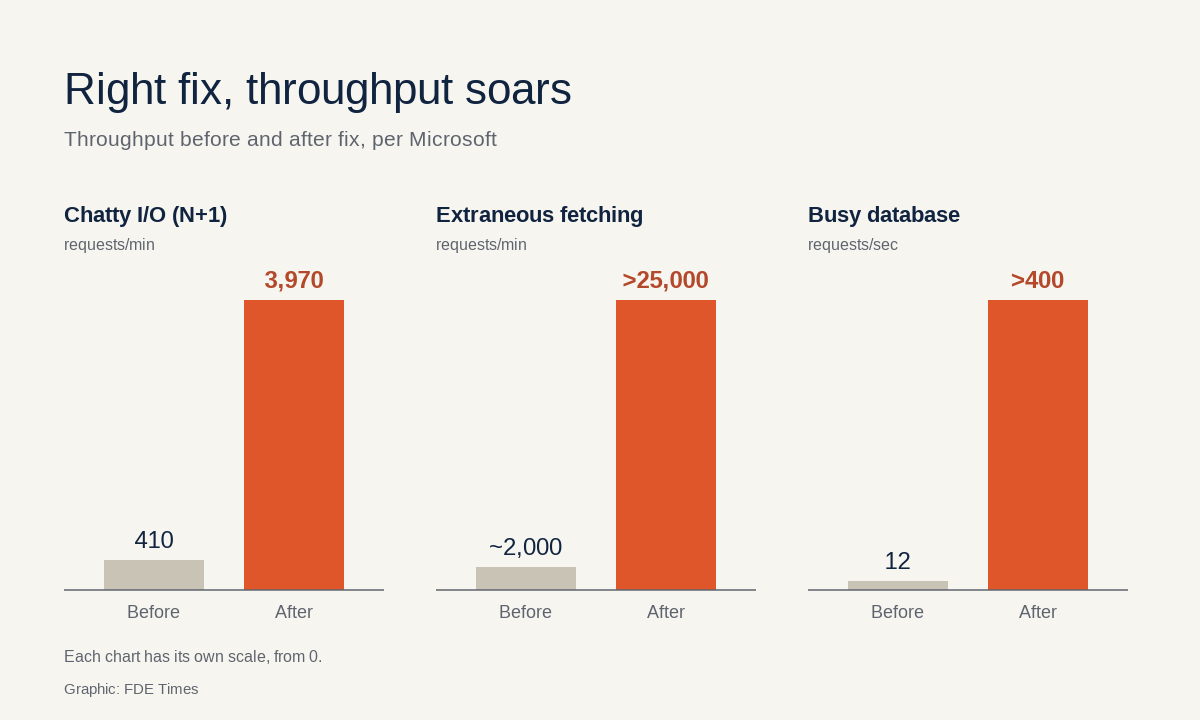
Check chatty I/O, over-fetching and a busy database together, because fixing one readily pushes the system into another.
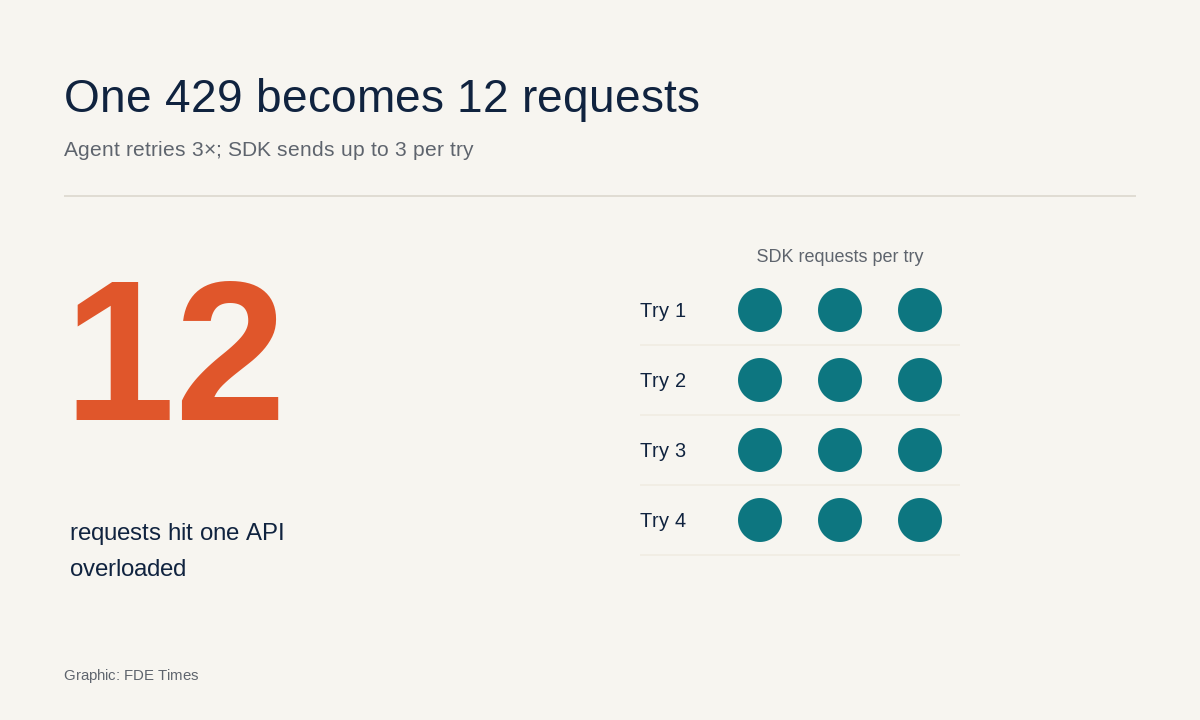
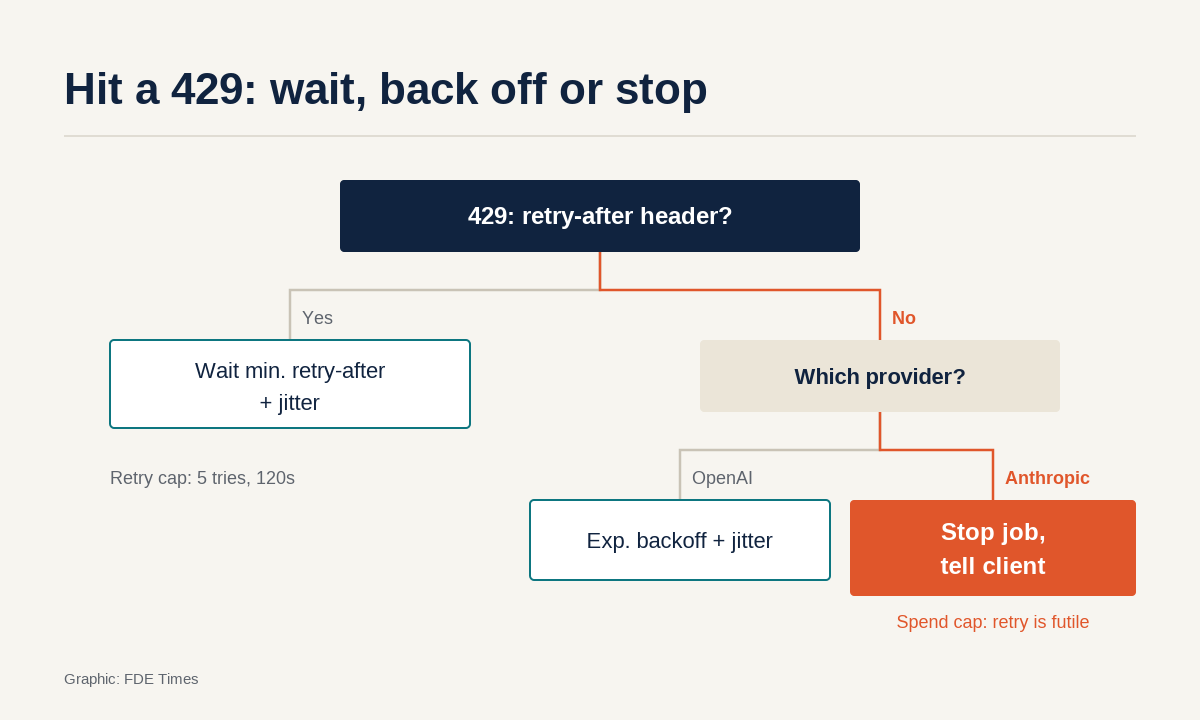
A retry budget, a circuit breaker and a bulkhead, in about 100 lines of plain Python, stop a spend-cap 429 from freezing the client's CRM calls.
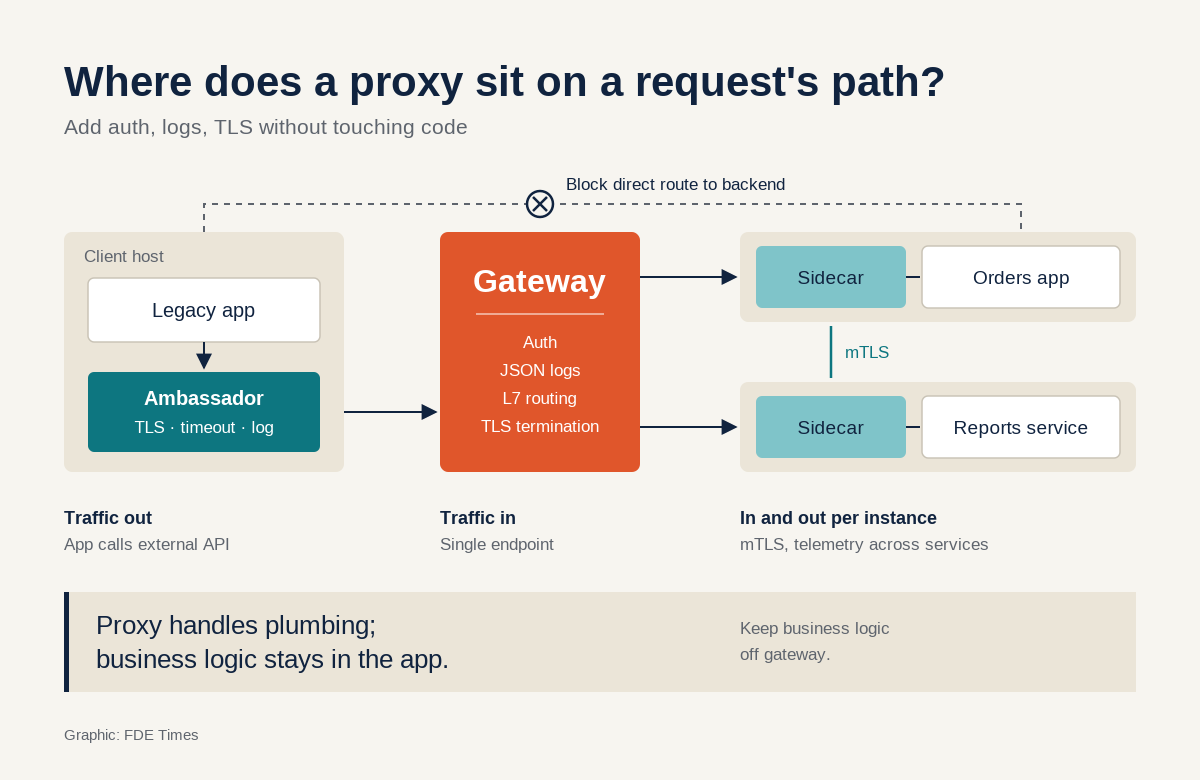
Gateways, sidecars and ambassadors add security and logs from outside; the skill is knowing where the proxy sits and what it must not take on.
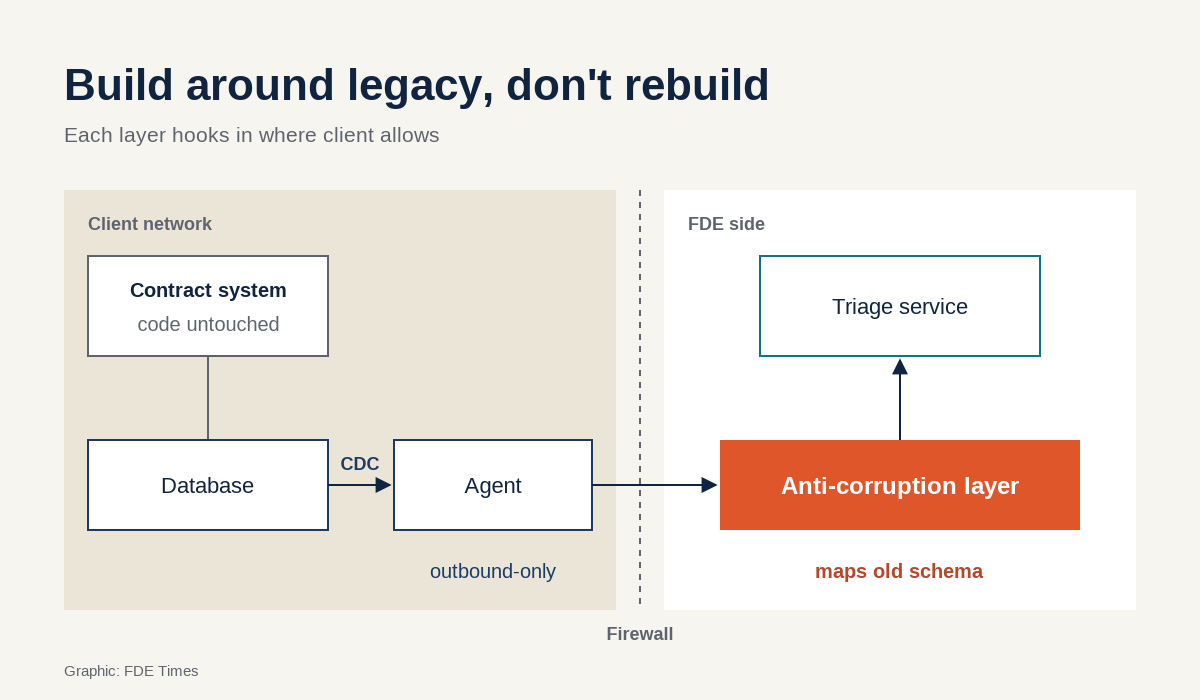
An anti-corruption layer keeps codes like status 'D' out of prompts and evals, while a strangler fig replaces old functions one at a time, no rewrite needed.
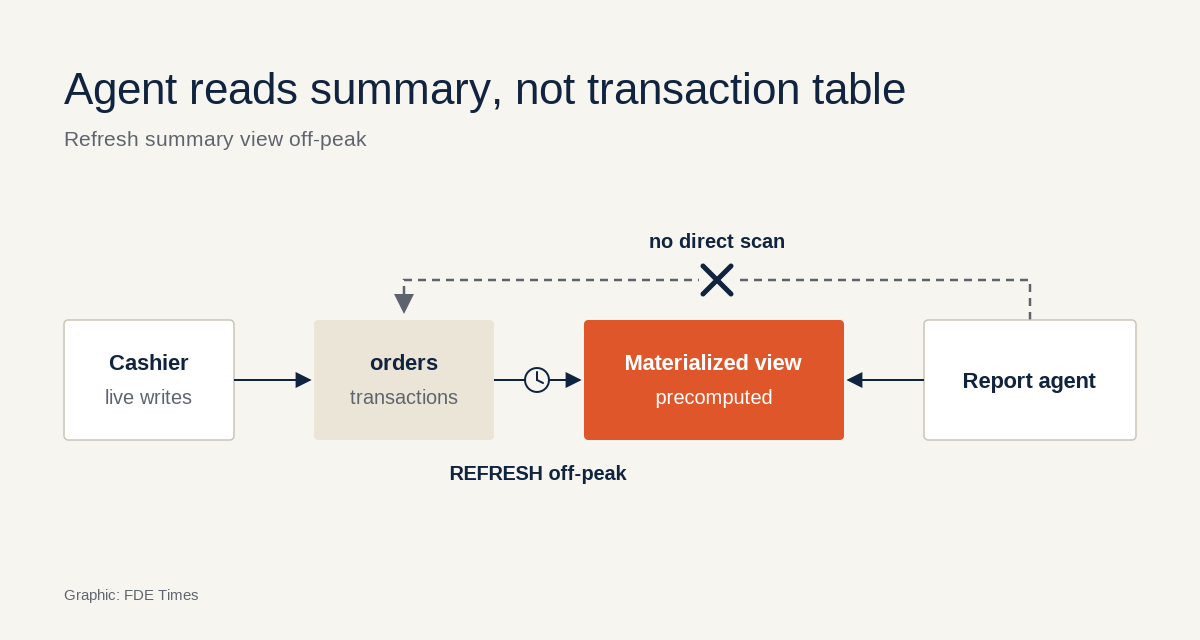
Set a measurable target, read the execution plan and move reports to a PostgreSQL materialized view before reaching for indexes.
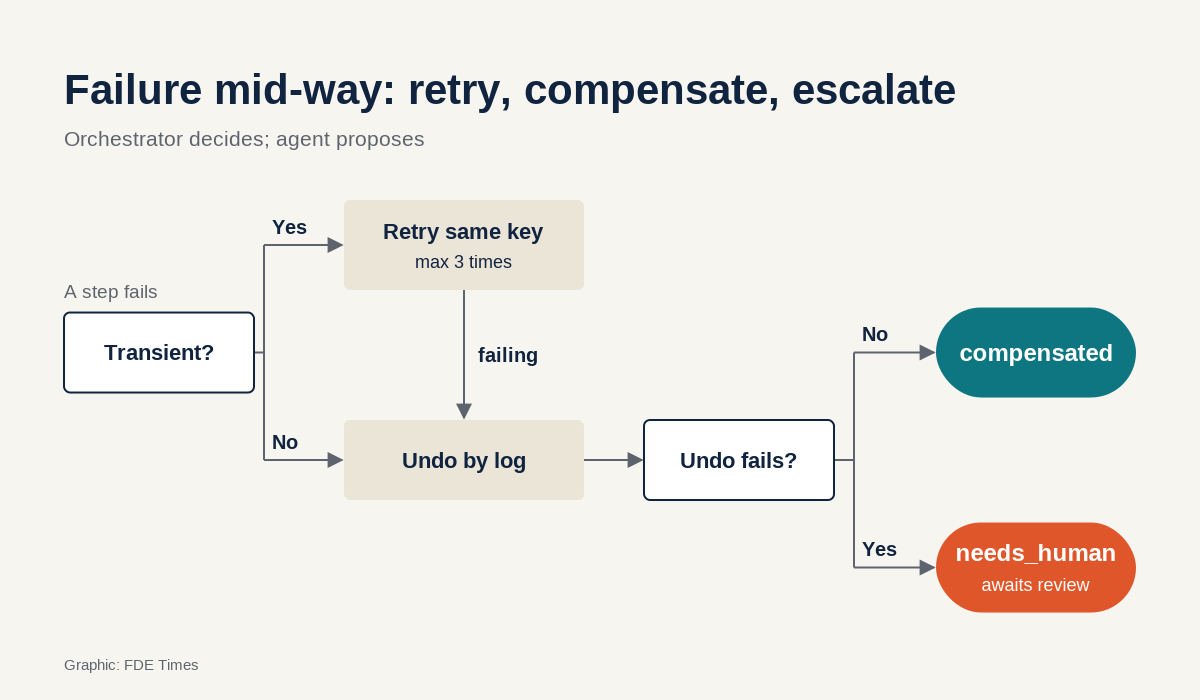
A saga logs how to undo each committed step, and flags a human when the undo itself fails.
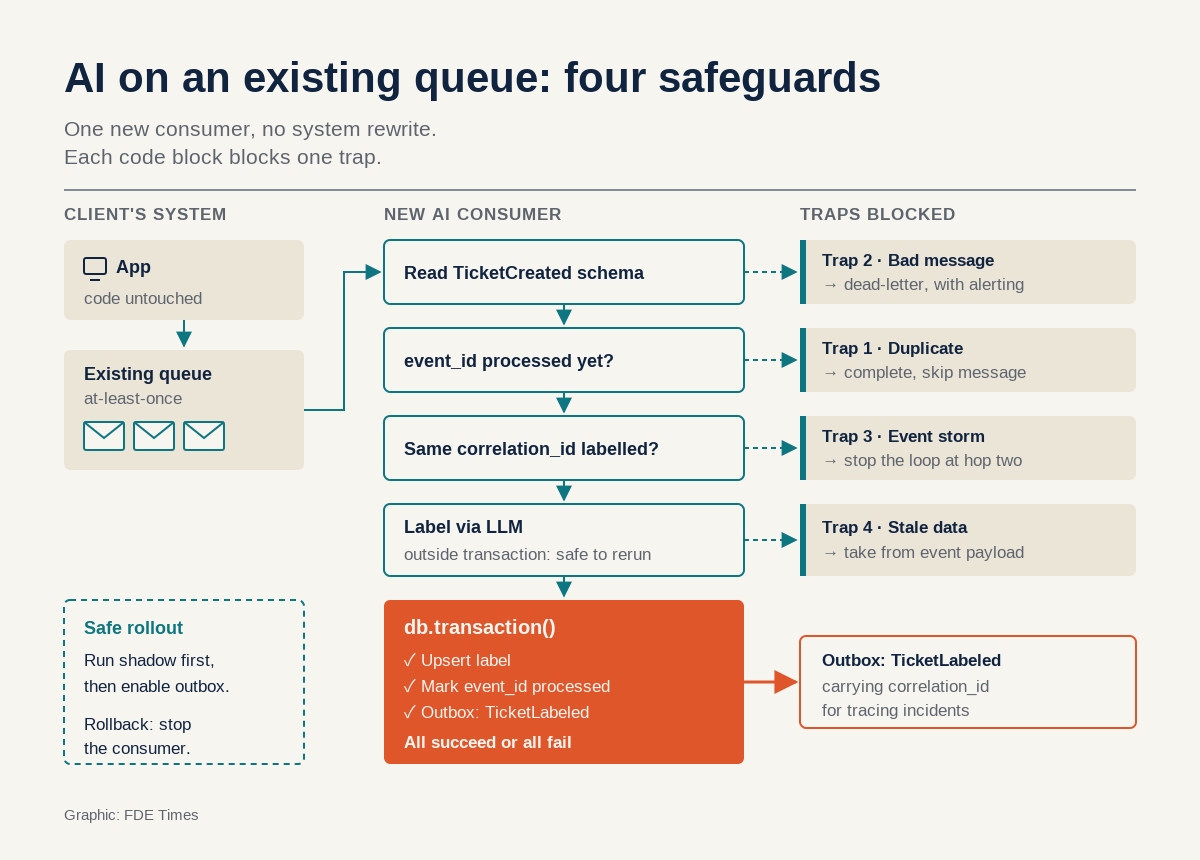
One new consumer on the existing queue does the job, provided it never charges twice, hides failures or sets off an event storm.
A queue won't make you faster, but competing consumers and back-pressure let you choose your own pace.
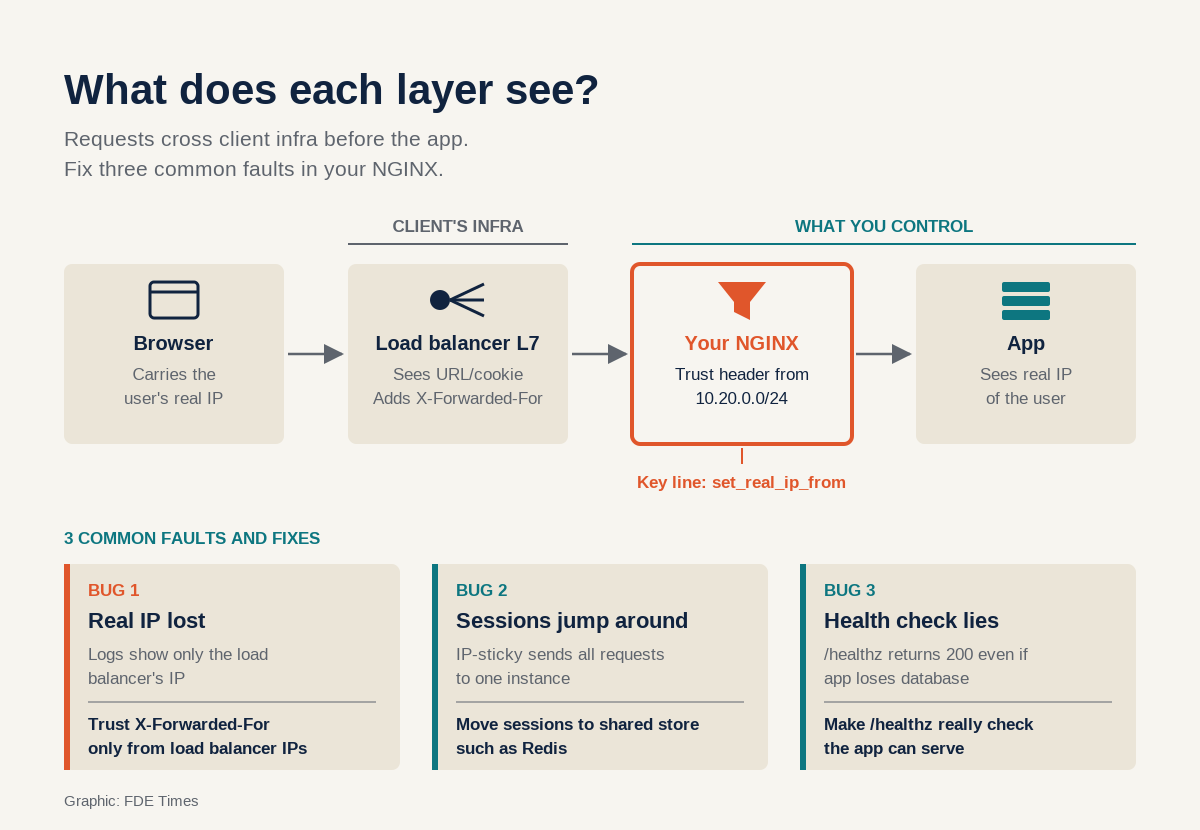
Lost client IPs, jumping sessions and false health checks all trace back to what L4, L7 and reverse proxies can see.
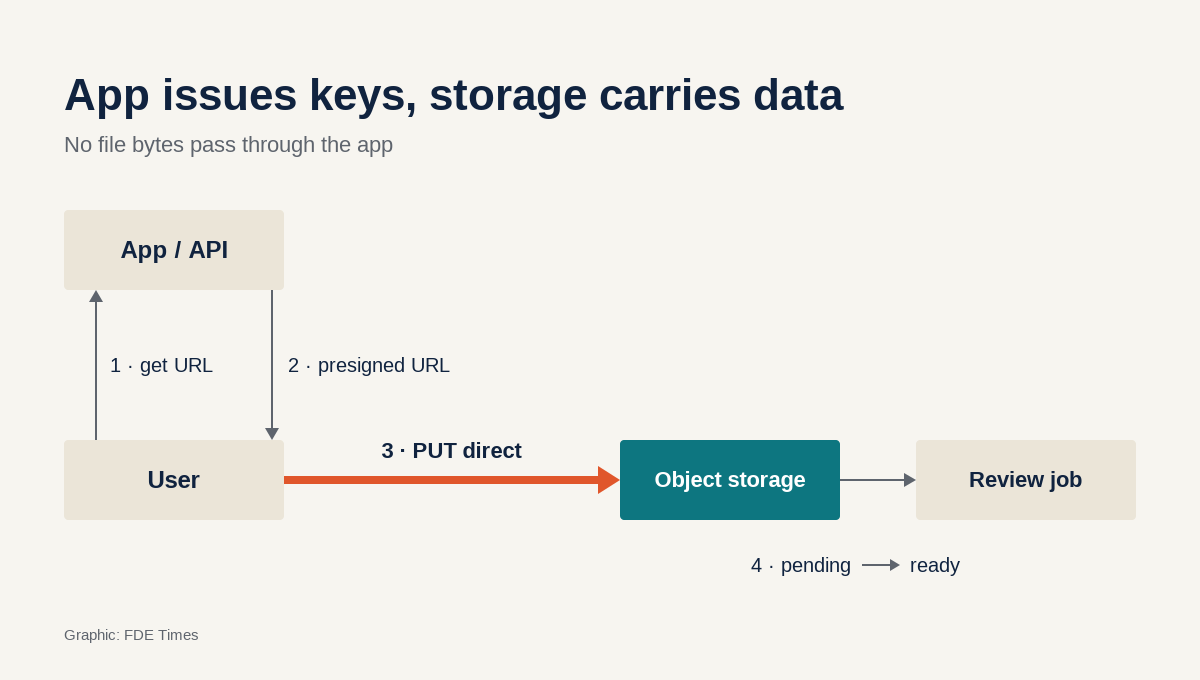
Presigned URLs let users upload straight to storage while the app only decides who may do what, and a CDN serves the rest.
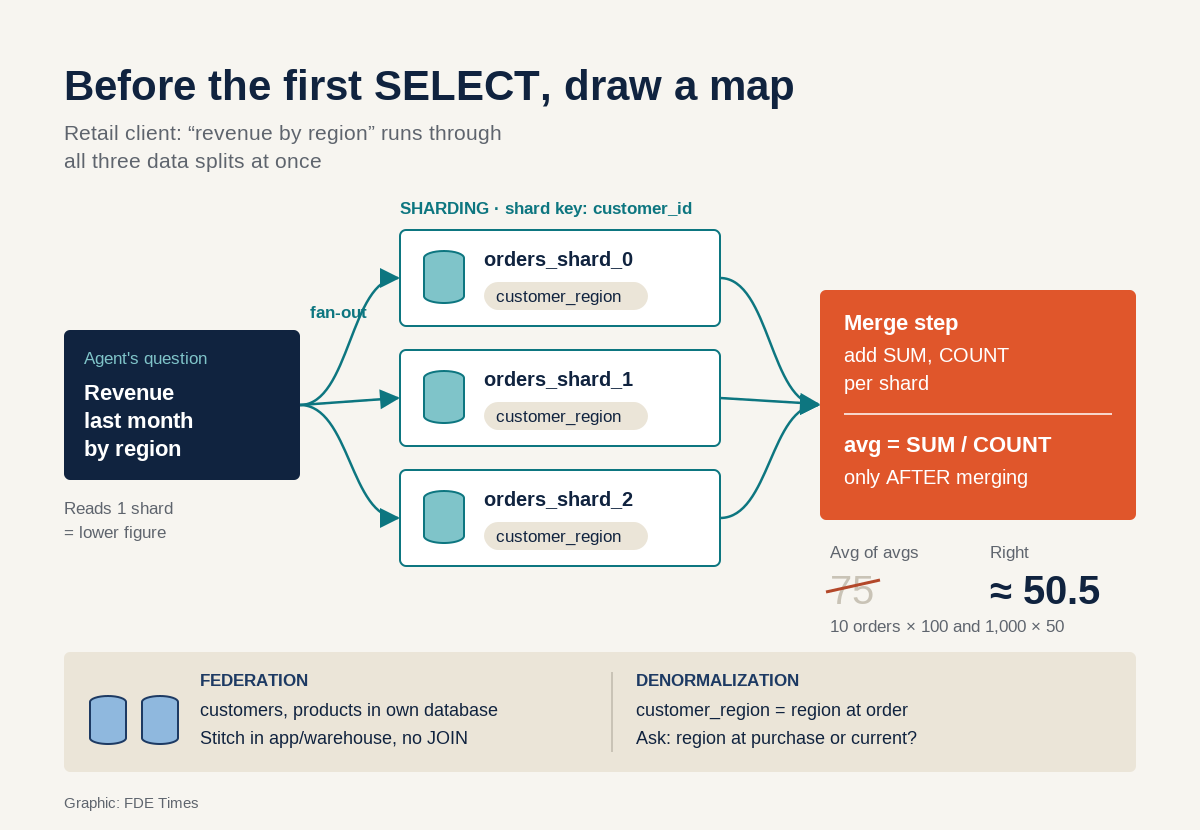
The table may be one shard, customers may live in another database, or a copied region column may never have been updated.
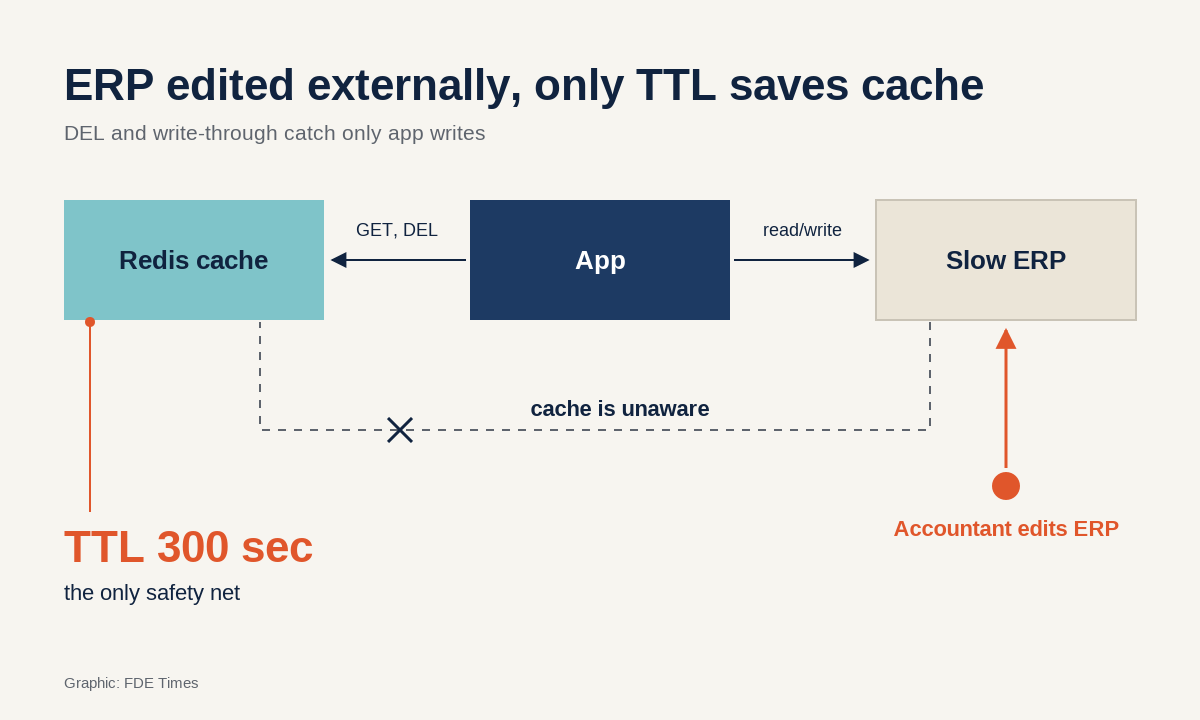
Three Redis strategies in the order you will need them: cache-aside by default, write-through for freshness, refresh-ahead for hot keys.
Latency, throughput and scalability each need a number, and the acceptable latency threshold is the client's to set, not yours.
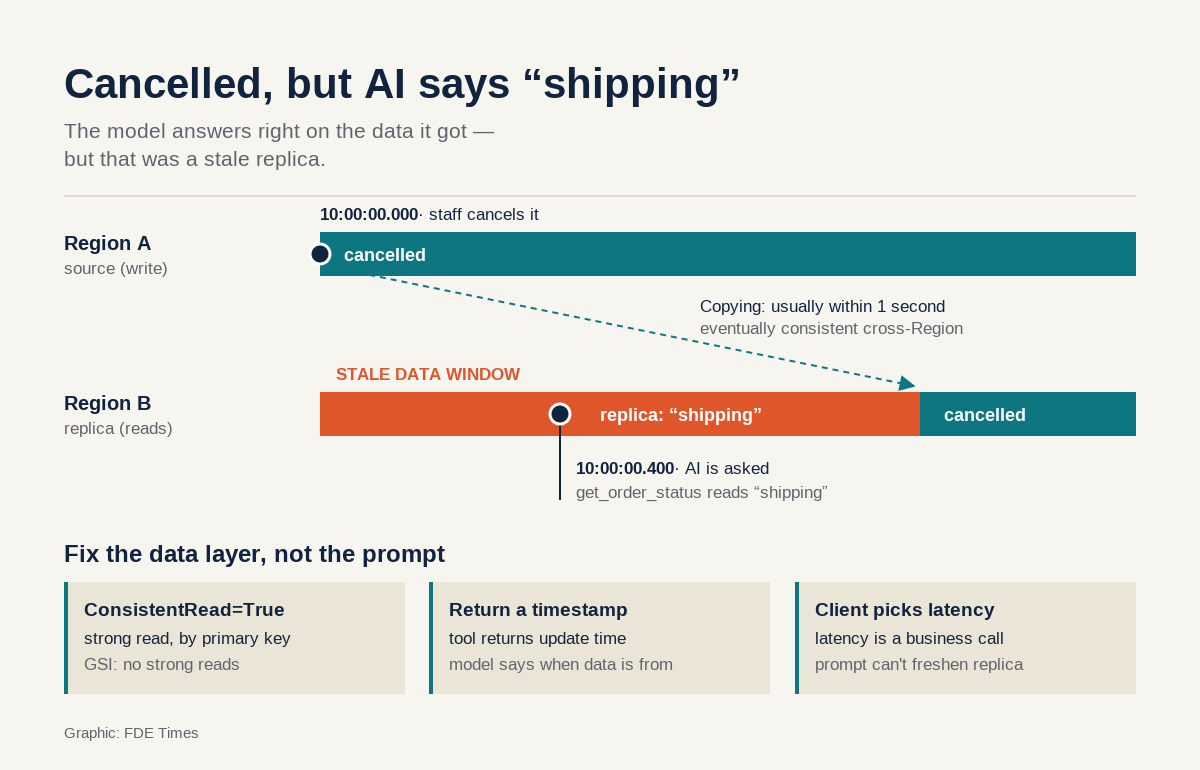
Before blaming the model, check which replica it read; the CAP theorem exposes a consistency choice nobody made on purpose.
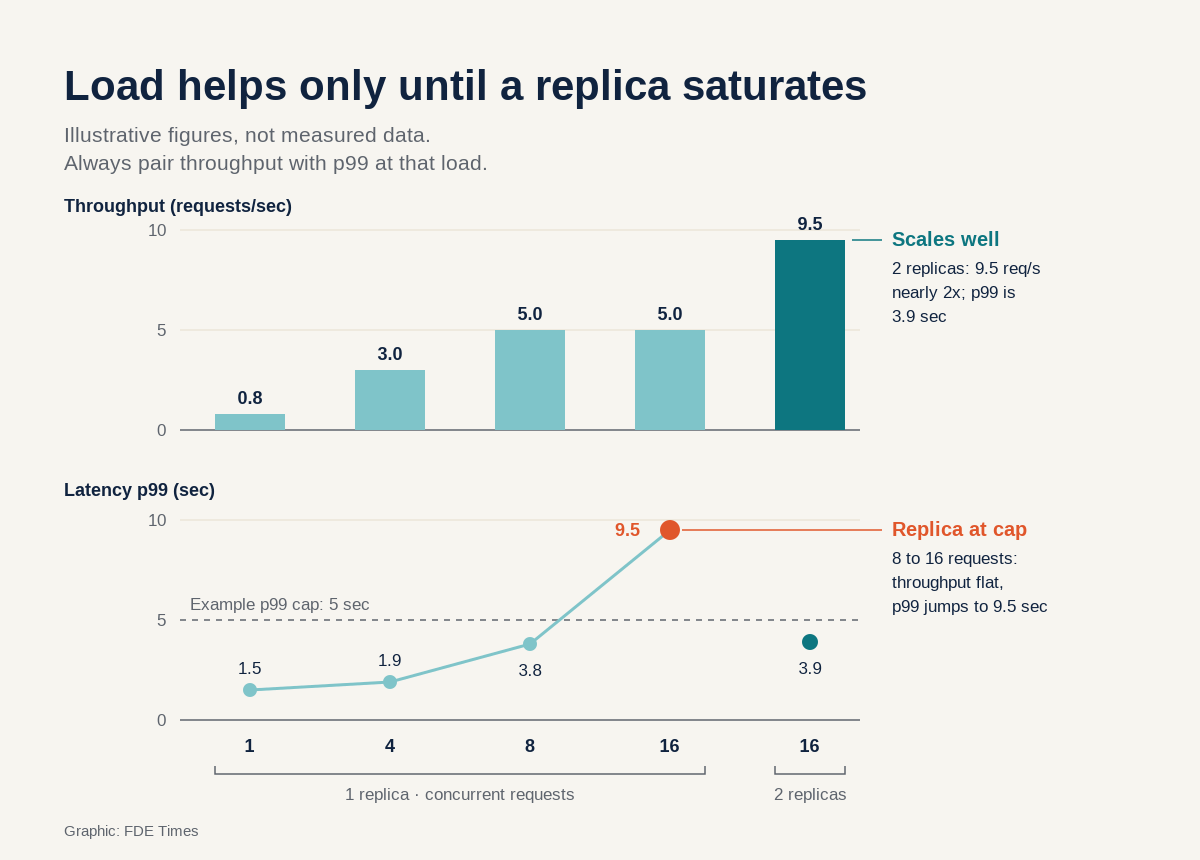
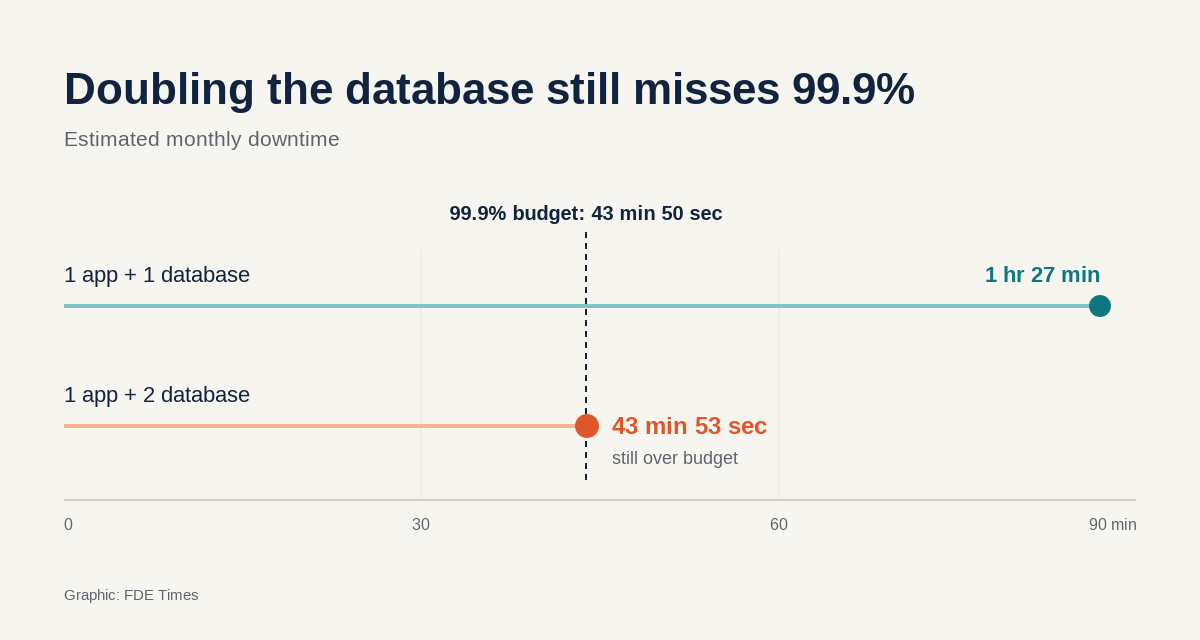
Multiply that across a database, a third-party API and a two-minute failover, and the easy promise starts to crack.
A laptop-sized k6 workflow sets pass/fail thresholds, finds where latency bends and adds caching without leaking data between users.
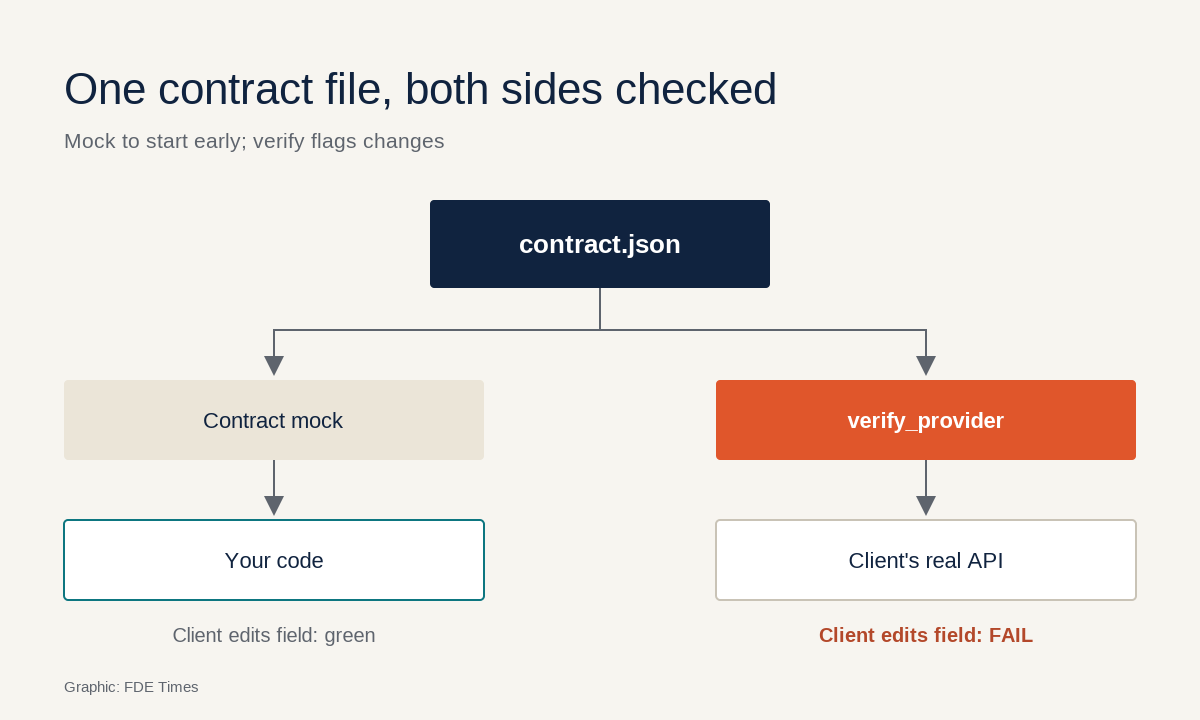
An afternoon with a mock server and a contract test in plain Python catches the change before the weekend revenue report reads zero.
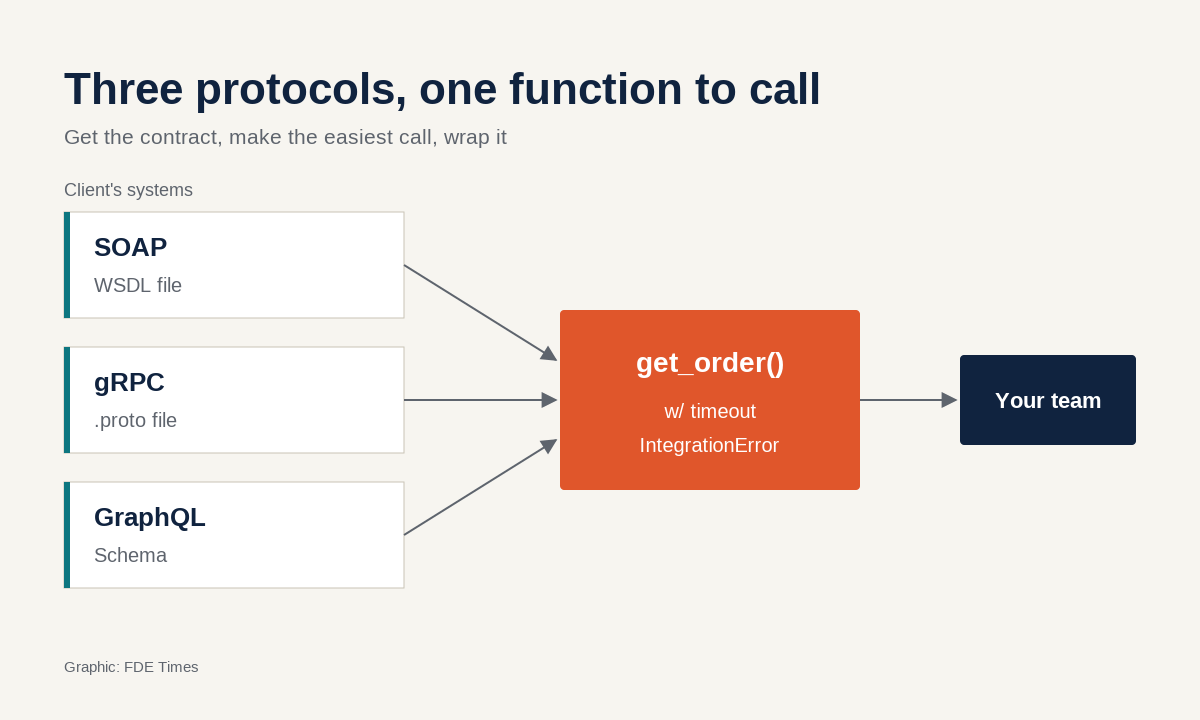
SOAP, gRPC and GraphQL all rest on a strict contract file, which is the shortcut to a working first call within a day.
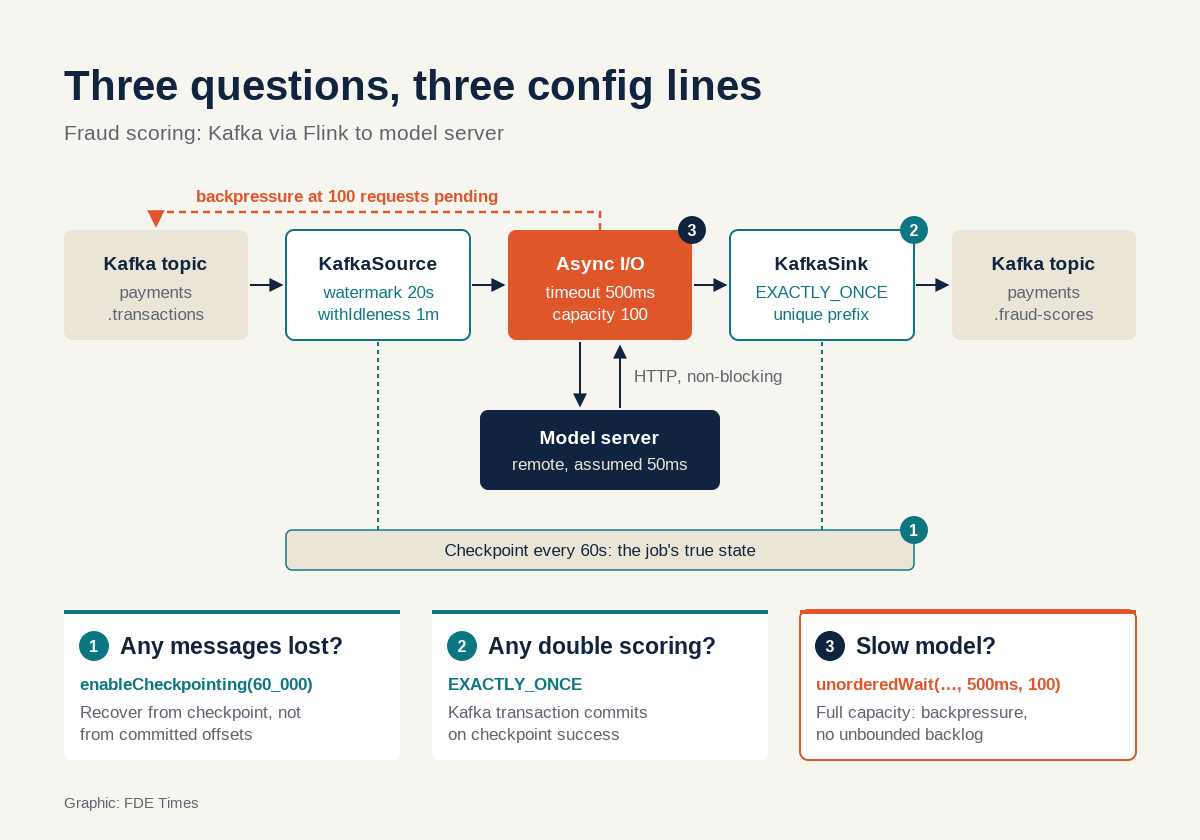
Lost messages, double scoring and a slow model are answered by a few lines of Kafka and Flink configuration, not by the model.
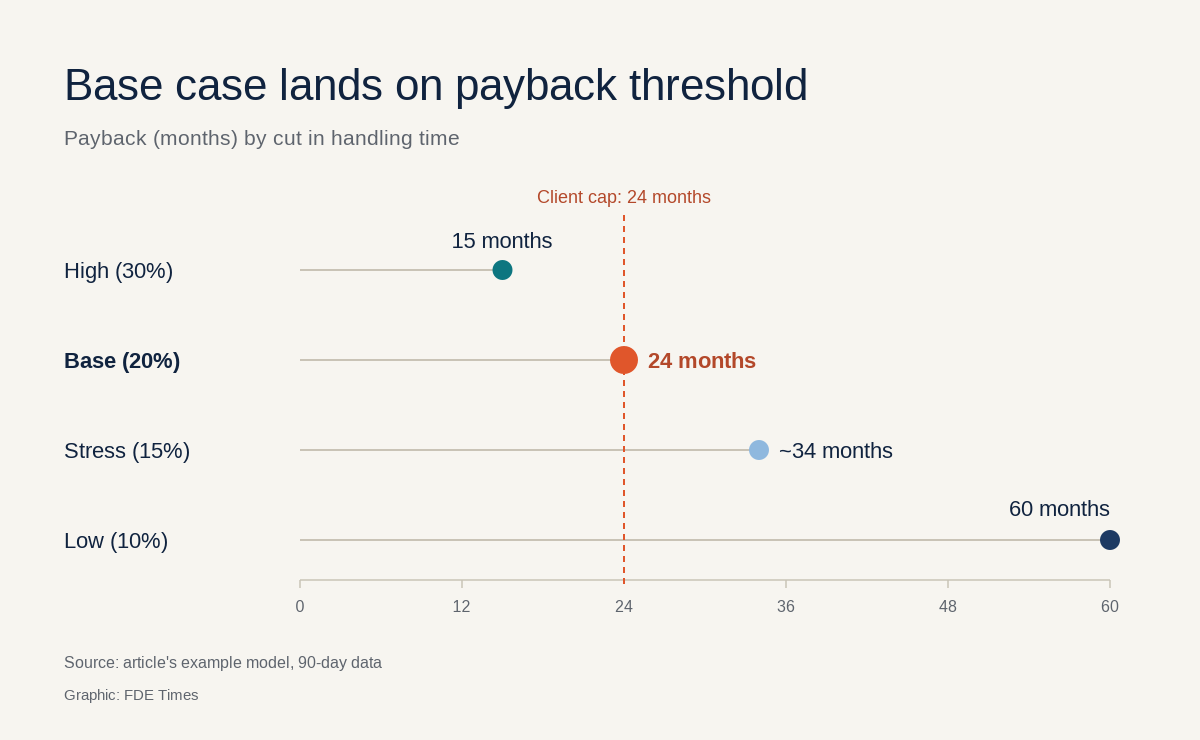
Ninety days of operating data supply the baseline, the break-even scenario and the stop condition that make a 20% claim believable.
US regulators reject complexity as an excuse; SHAP assigns each feature its share of a single decision, and LIME tests that explanation on the same application.
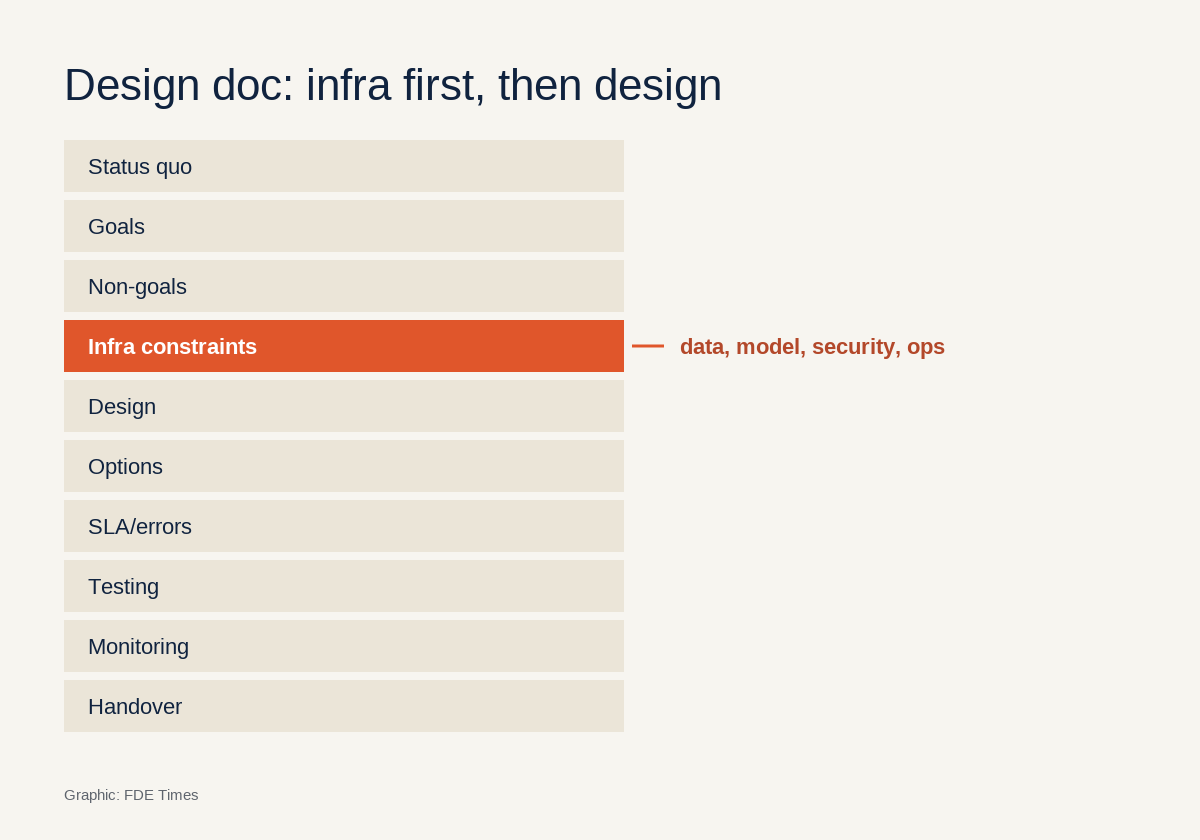
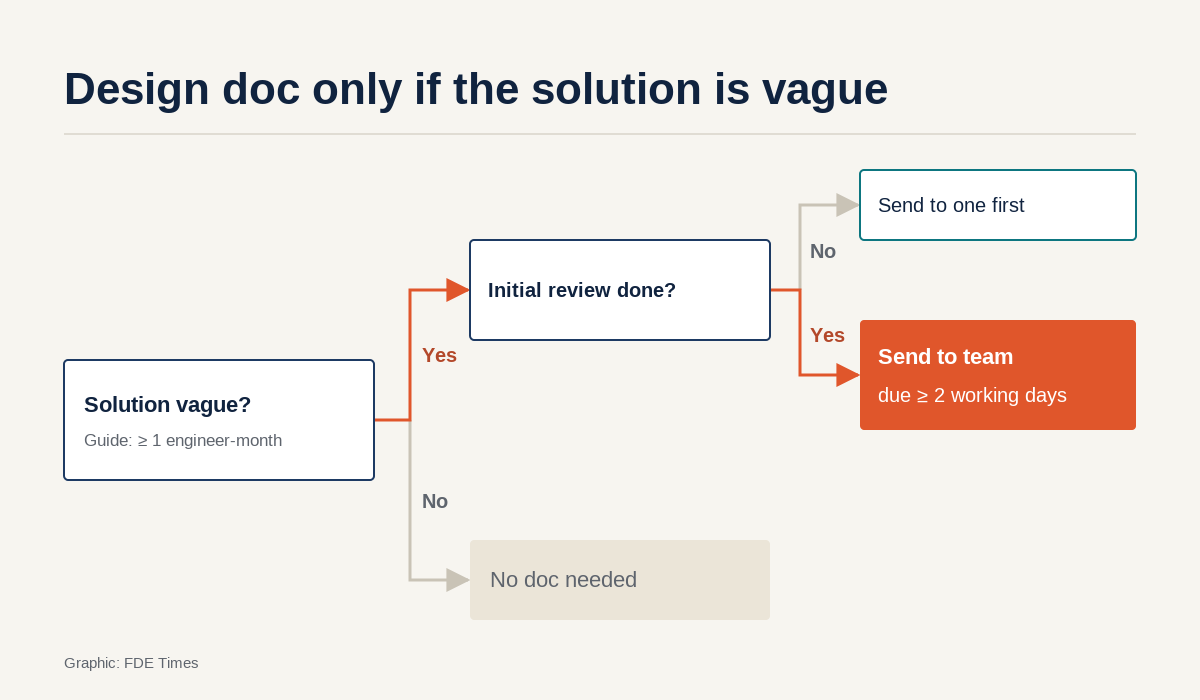
For FDEs building inside a customer's network, a one-page design doc written in two days surfaces disagreements while they are still cheap to fix.
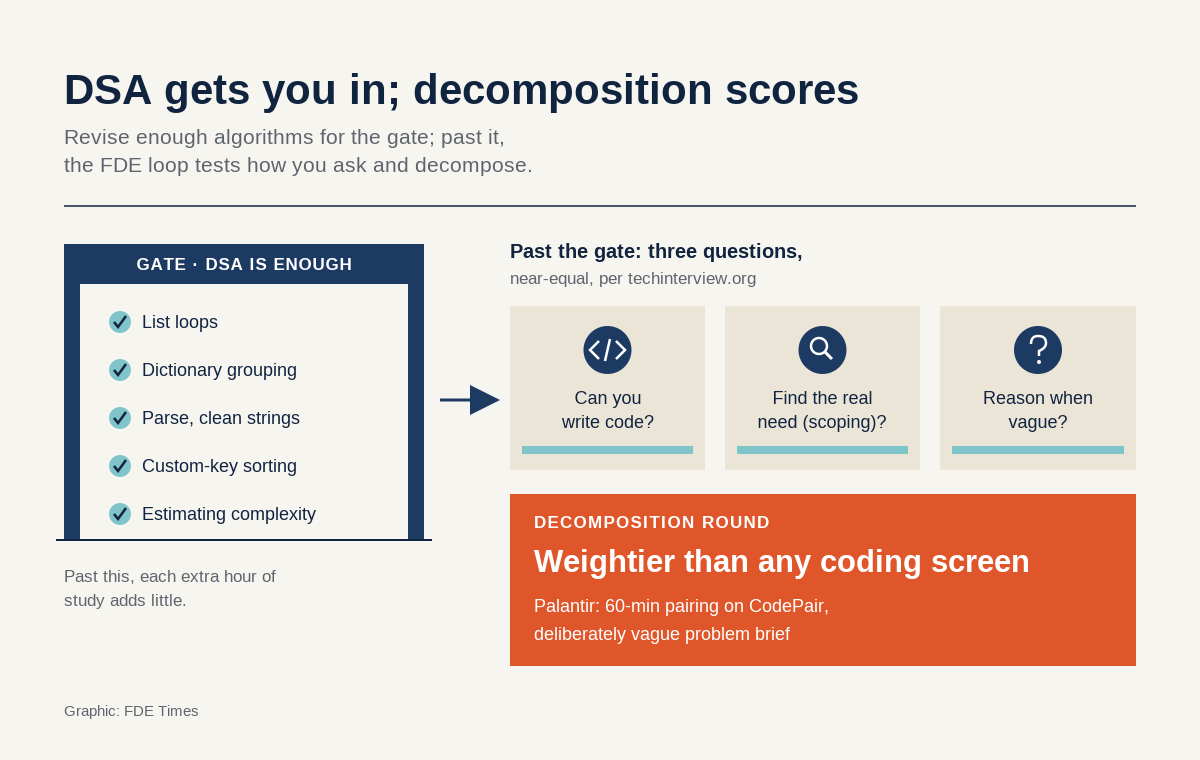
Databricks sets a dictionary problem in a notebook, OpenAI a multi-part build, and Palantir an hour of decomposition on a deliberately vague brief, no Dijkstra required.
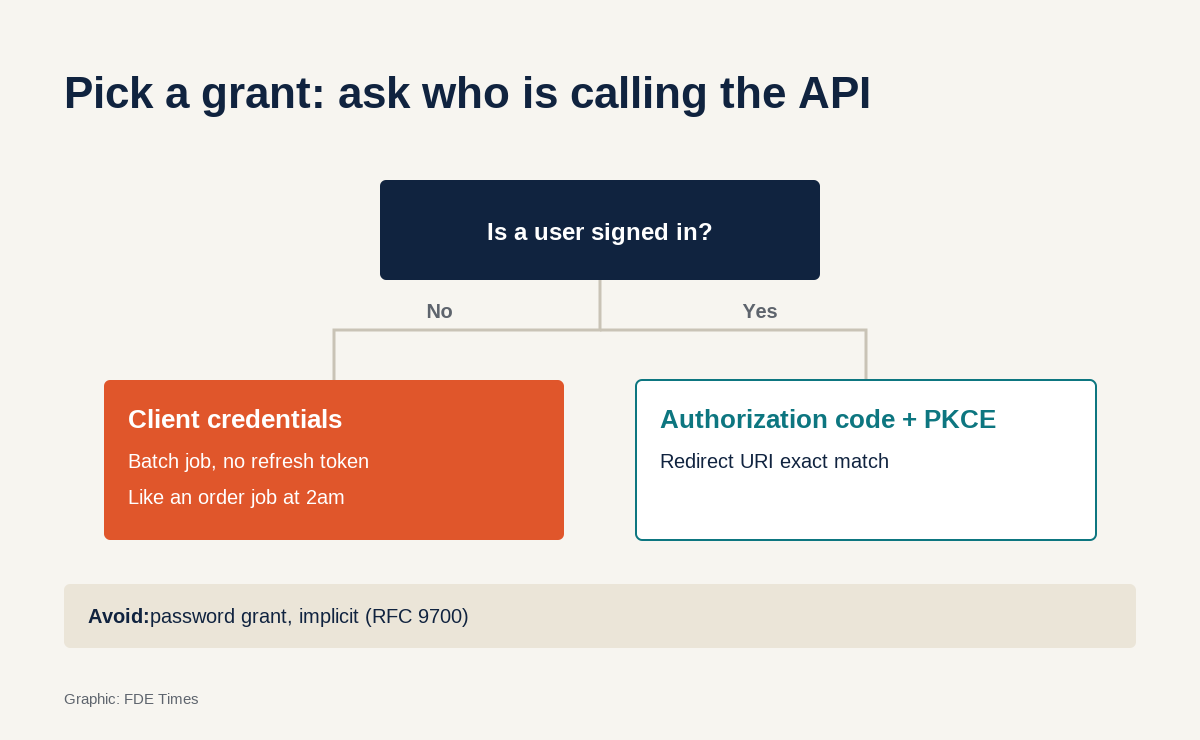
Ask who is calling the API, keep the secret out of the repo, and rotate it without breaking the nightly job.
Under Article 9 of the AI Act it asks what risk remains and who accepted it, so the file must be a living argument, not a one-off PDF.
Build an eval first, then cut tokens: OpenAI's rule of thumb is that halving output tokens can cut latency by roughly half.
Asking clients how they last did the job, rather than which features they want, turns discovery interviews from wish lists into data.
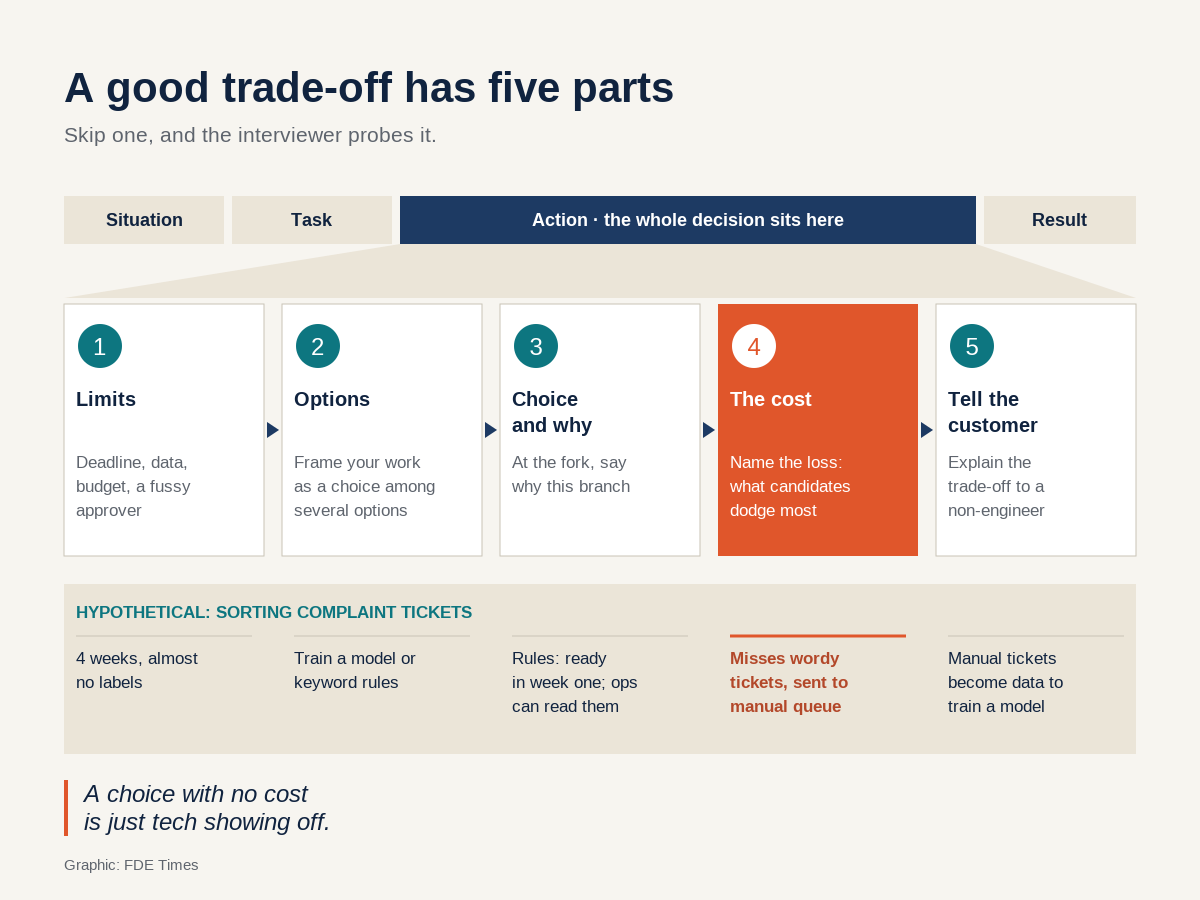
Interviewers are grading judgment, so a strong answer names the constraint, the options, the choice, its cost and how you explained it to the client.
A prototype that reads three hand-picked invoices is not a system for every invoice, and the finance chief watching cannot see the gap.
A Python MCP server wired into Claude Code settles the hard part, tool design, so only the data layer changes when access arrives.
Five pieces, from versioning to controlled retraining, let an FDE answer the first complaint call, and Palantir writes them into its job ads.
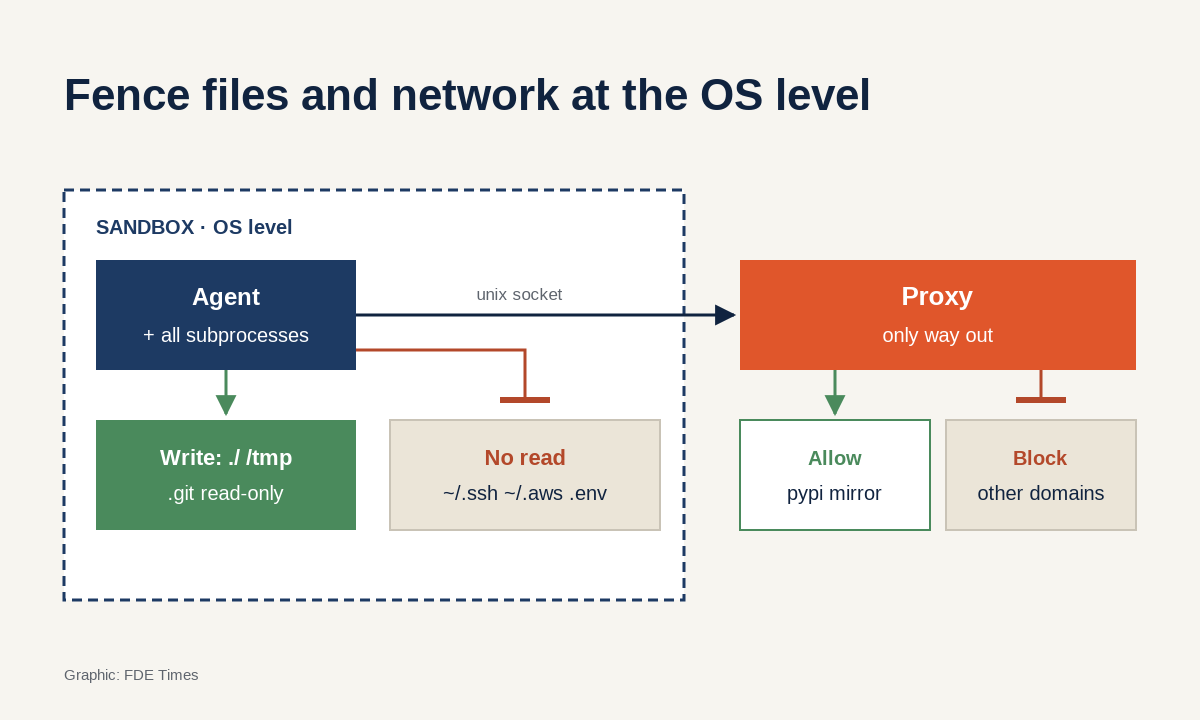
The more freely an agent runs commands on a client's machine, the more it needs a fence it cannot talk its way past.
Unit tests on each tool, then repeated end-to-end runs graded on the final database state, catch what a fluent reply hides.
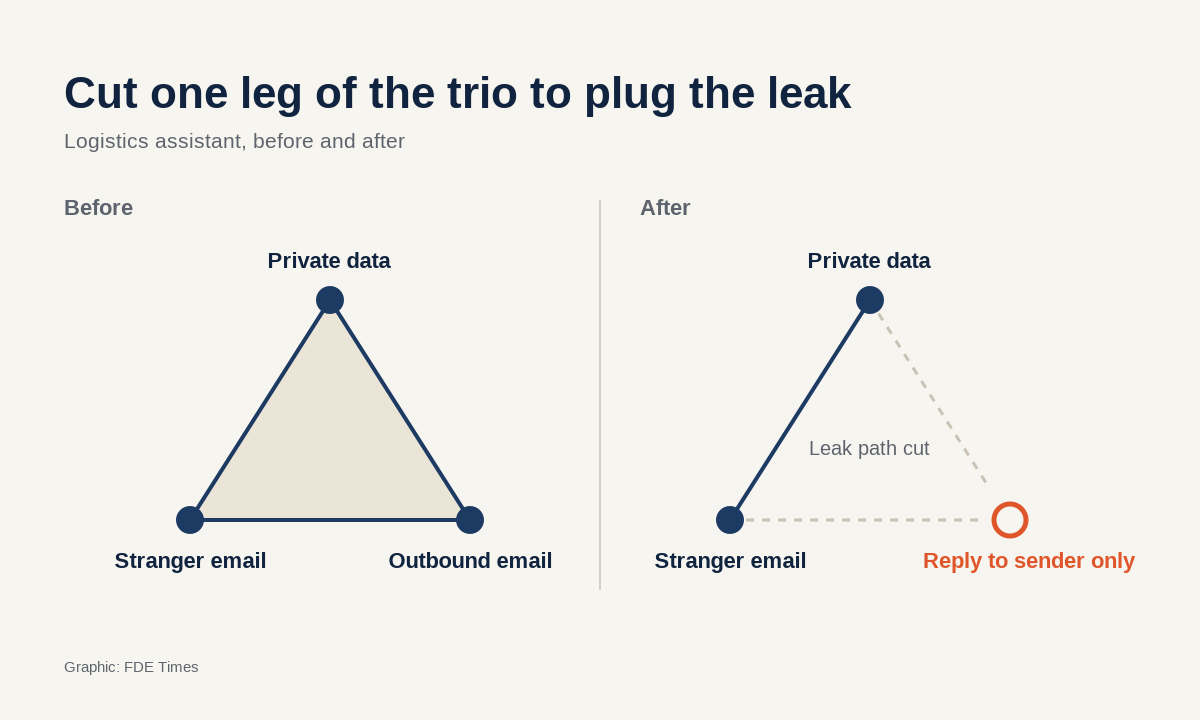
The FDE should send it first, before go-live, working from a system diagram to prompt-injection test cases that run in CI.
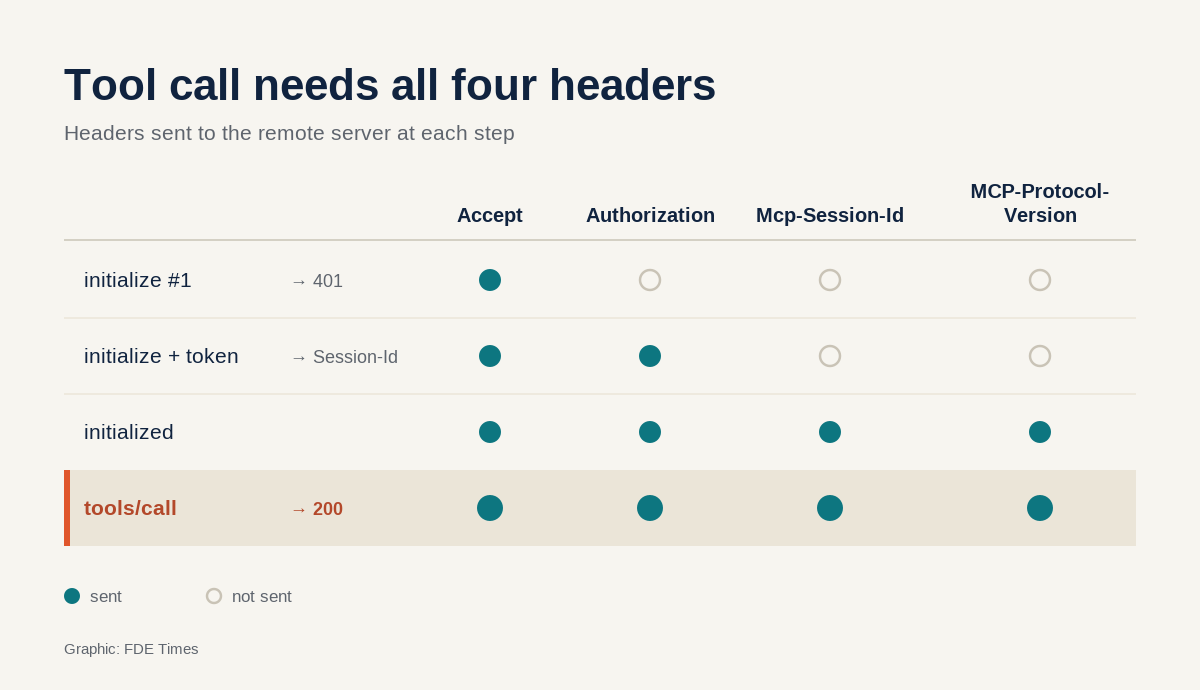
Initialize order, the Accept header and session IDs explain most Streamable HTTP failures, and reading them gets a tool call working before Thursday's demo.
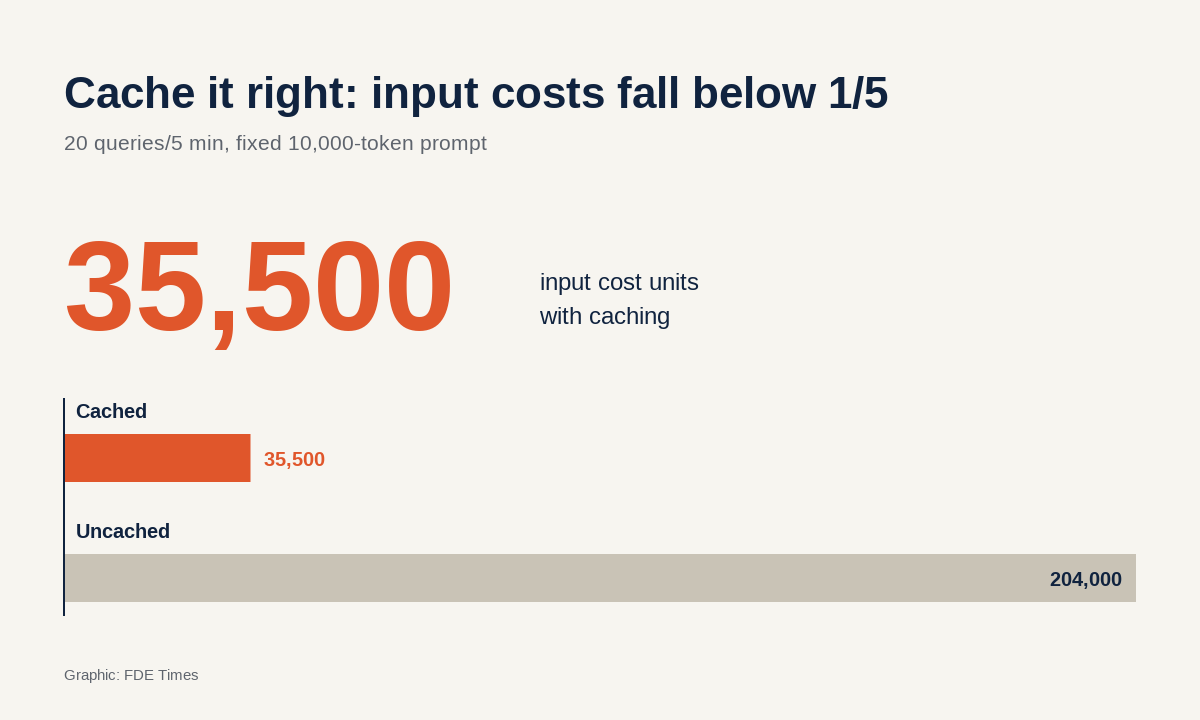
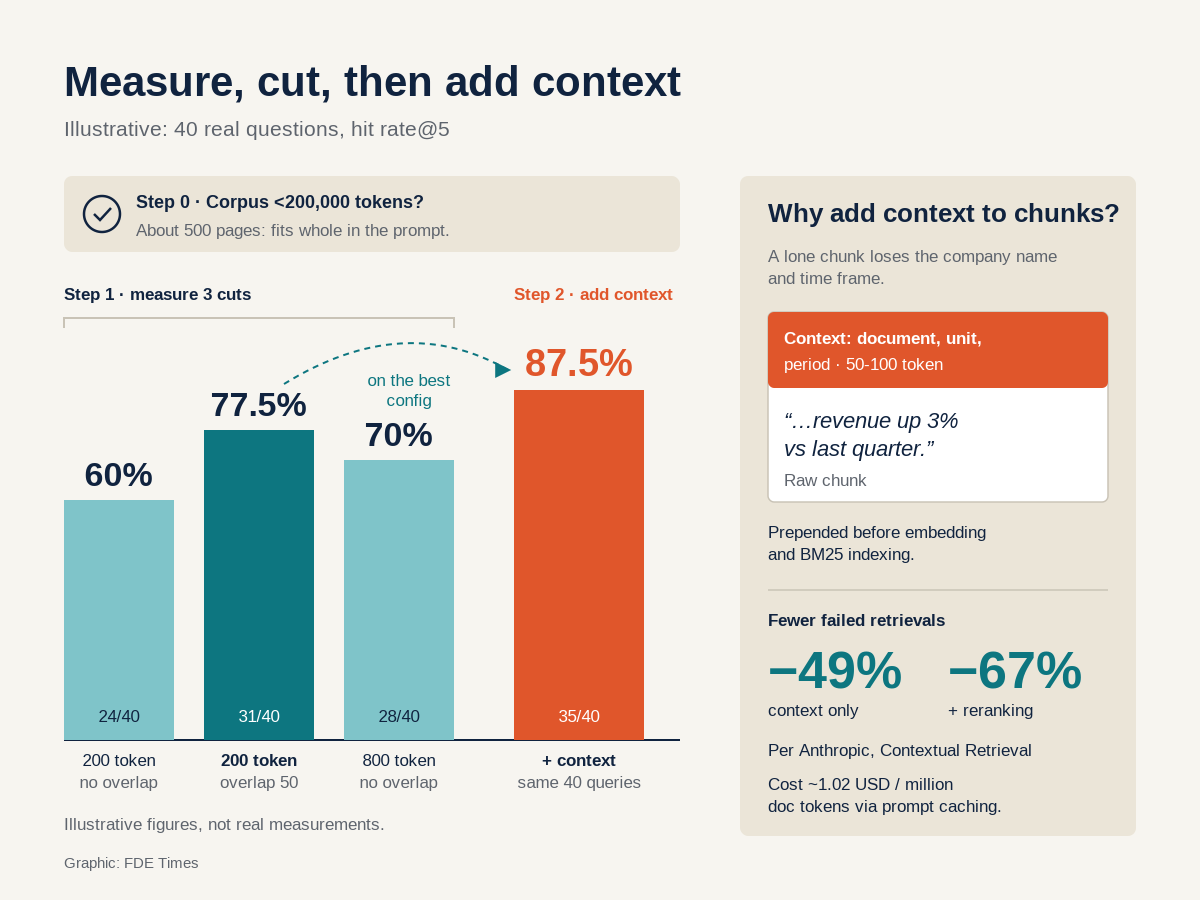
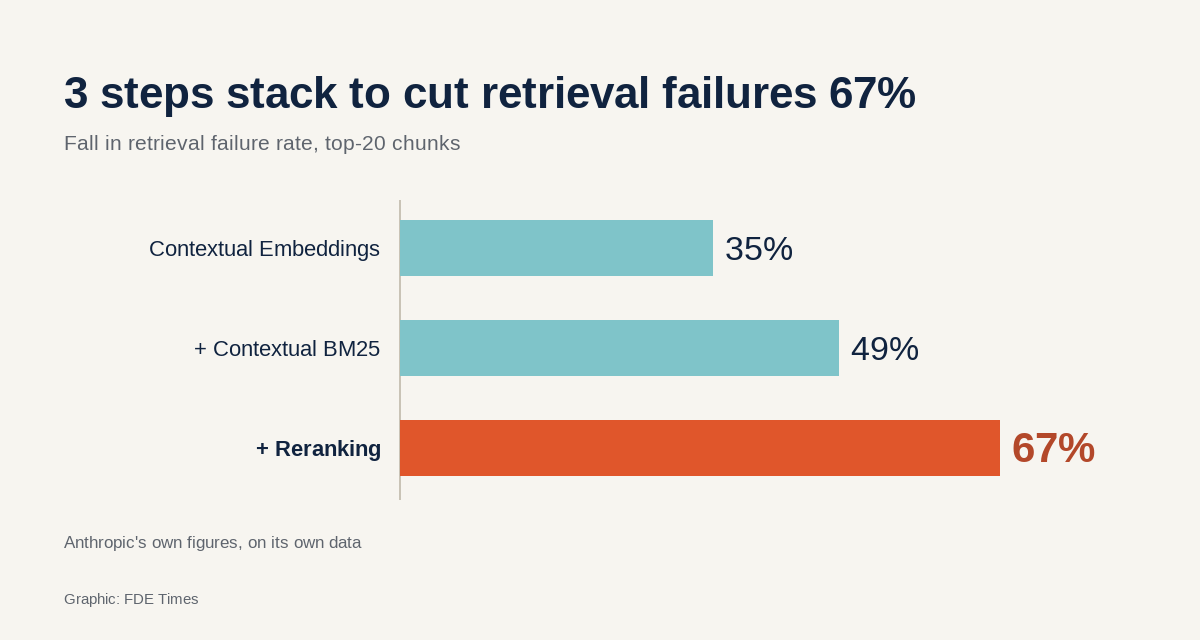
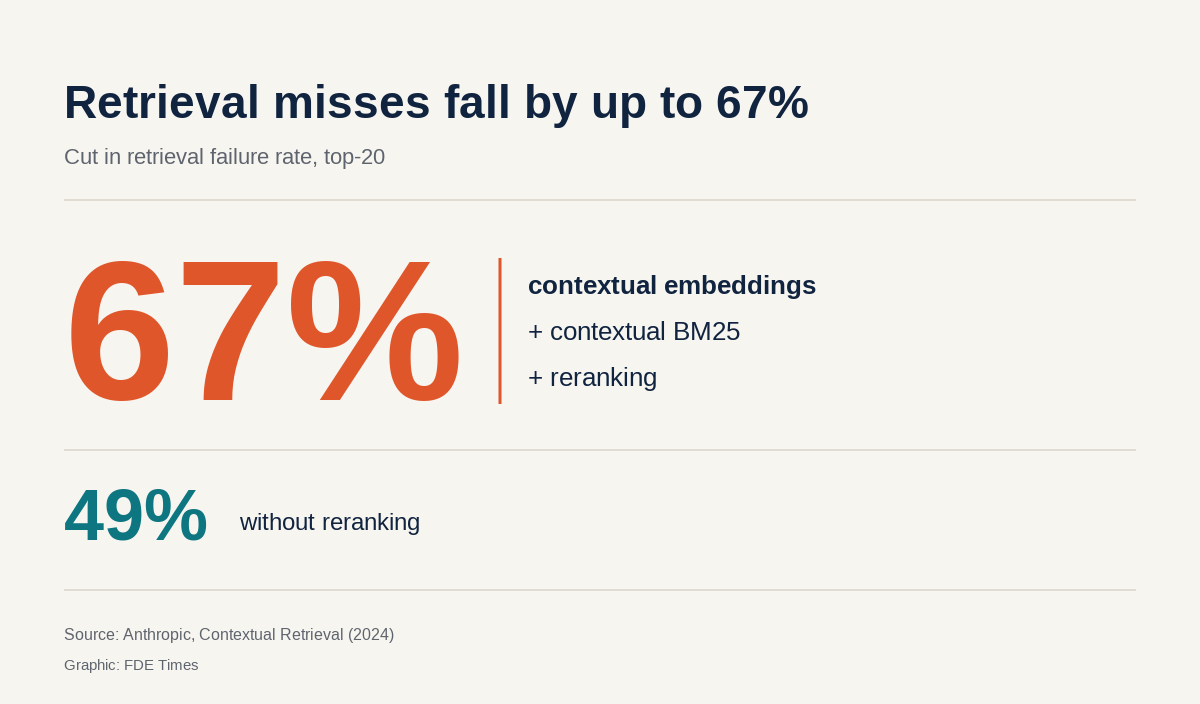
Default chunk sizes have never seen the client's documents, so measure on real questions first; adding reranking lifts the reduction to 67%.
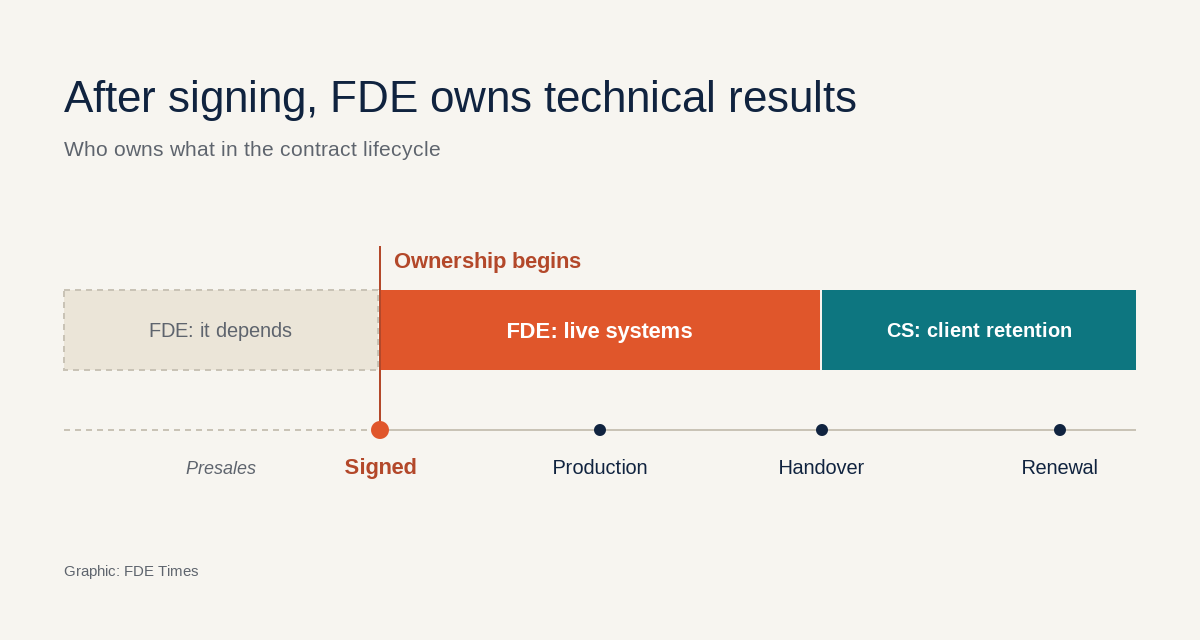
Presales depends on the company, but after signature every stage, from scoping to production to handover to Customer Success, has something the FDE must deliver.
A number said in the meeting ends up in the budget; a few hours measuring against Spark's defaults shows whether a single machine will do.
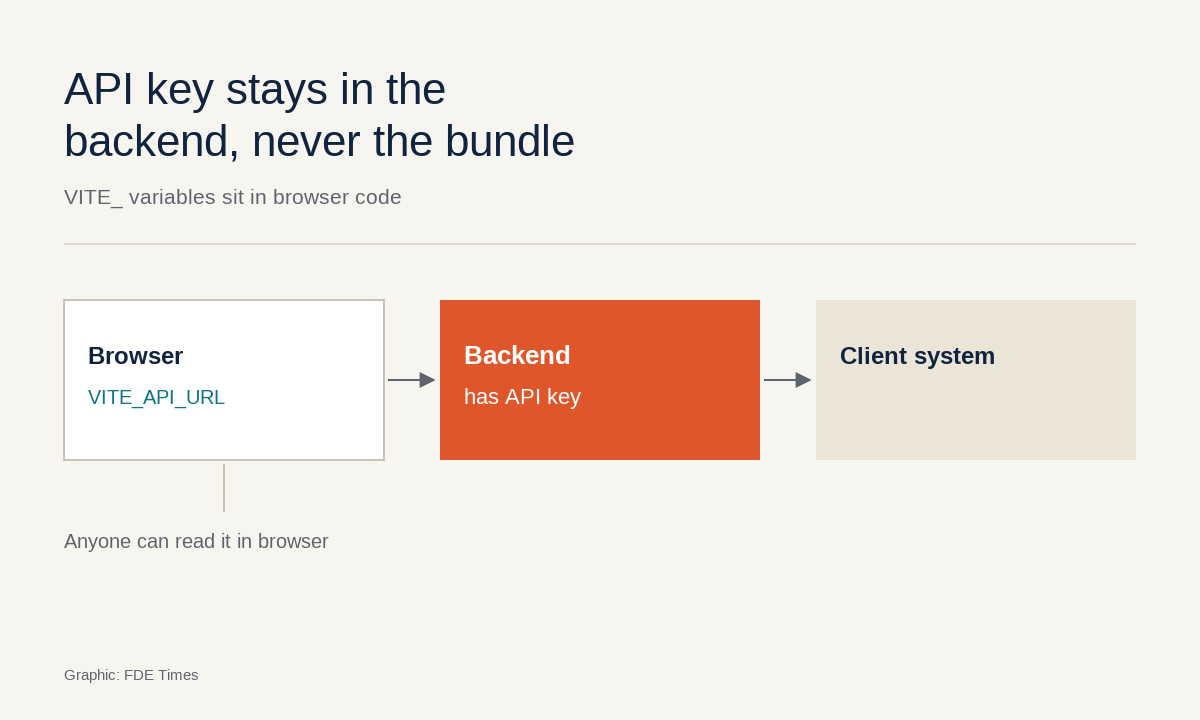
Six steps take a client demo from a laptop without Node to a type-checked, clean build with no API key leaking into the bundle.
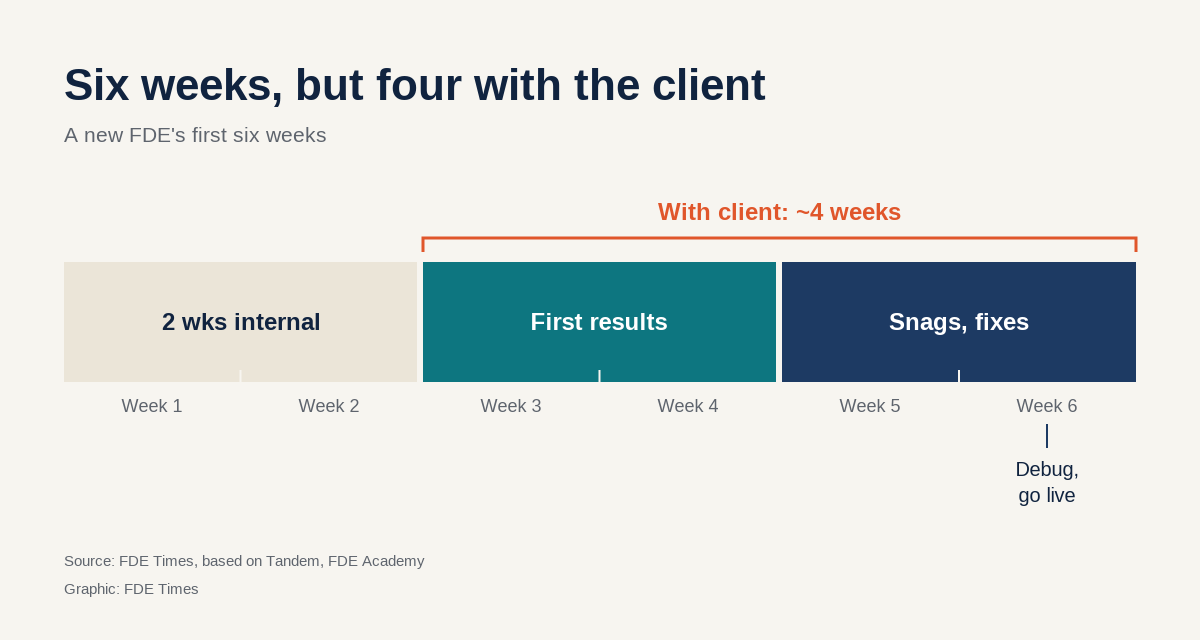
Internal onboarding eats the first fortnight, so the plan must lock in one small, high-impact task with the customer before the week-five wall.
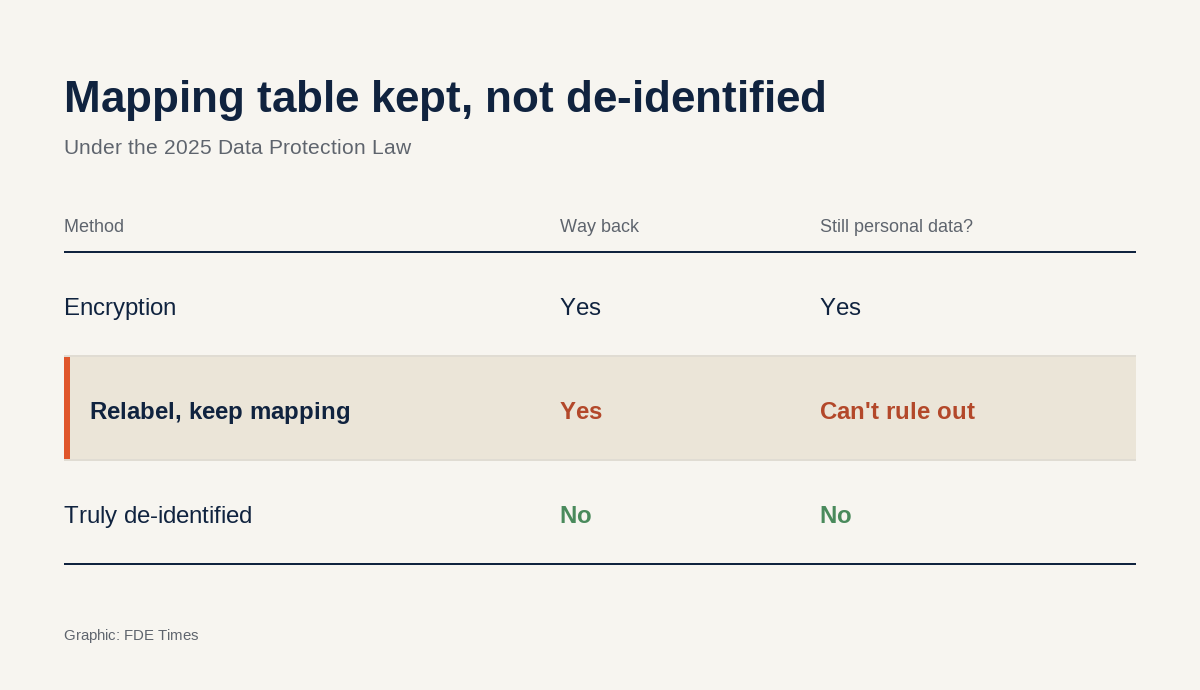
Decree 356 tightens cross-border rules for sensitive data, and a mapping table kept for convenience can stop the system counting as de-identified.
Split tables, OCR that drops Vietnamese diacritics and contract codes lost as noise are the usual culprits, so sort files into groups before parsing anything.
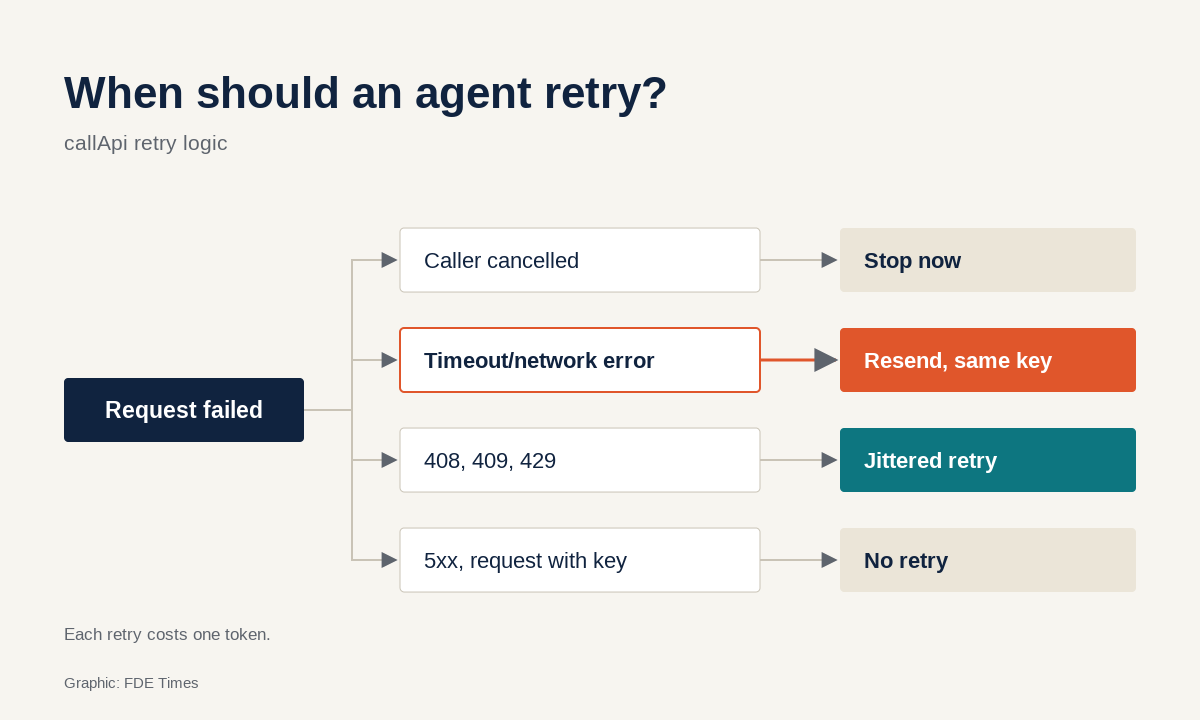
Timeouts, disciplined retries and one fixed idempotency key per operation fit into about 80 lines of TypeScript you can copy into a project today.
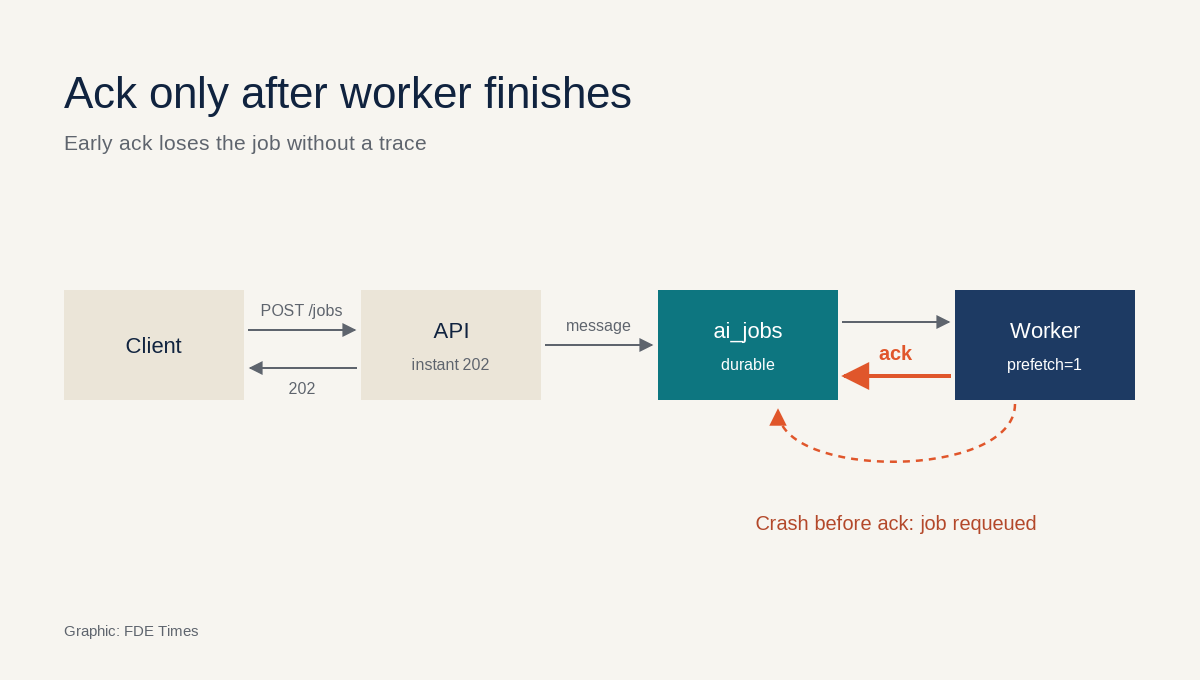
An evening spent on durable queues, safe workers and an HTTP 202 API keeps minutes-long model calls from timing out or vanishing.
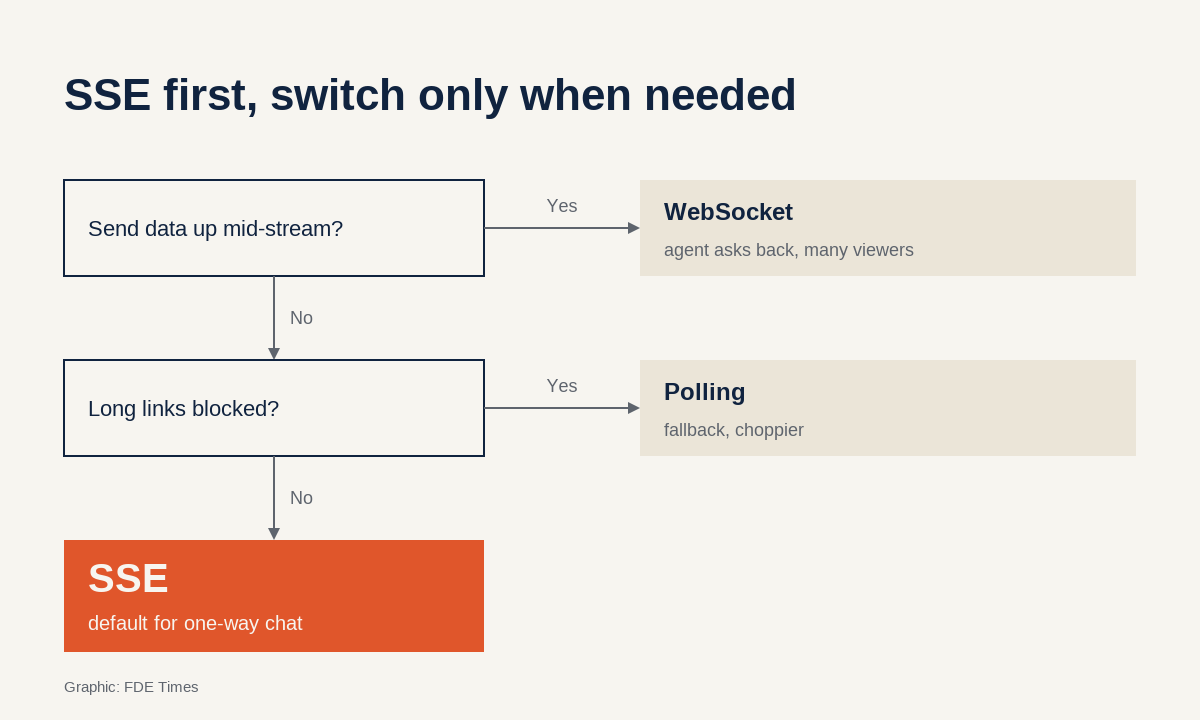
Most chat features only need the server to push tokens to the browser, and reaching for WebSocket out of habit adds trade-offs the client never needed.
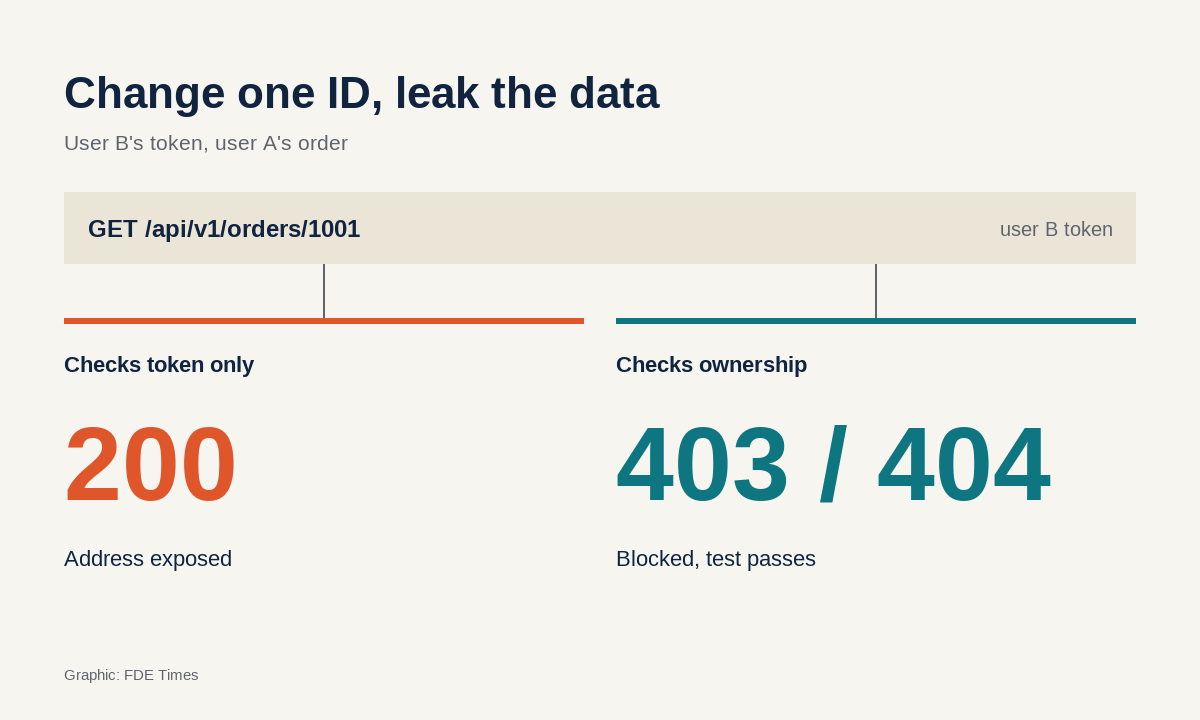
A self-run OWASP API Top 10 review, with an automated BOLA test plus rate-limit and SSRF checks, finds the hole before the client's pentesters do.
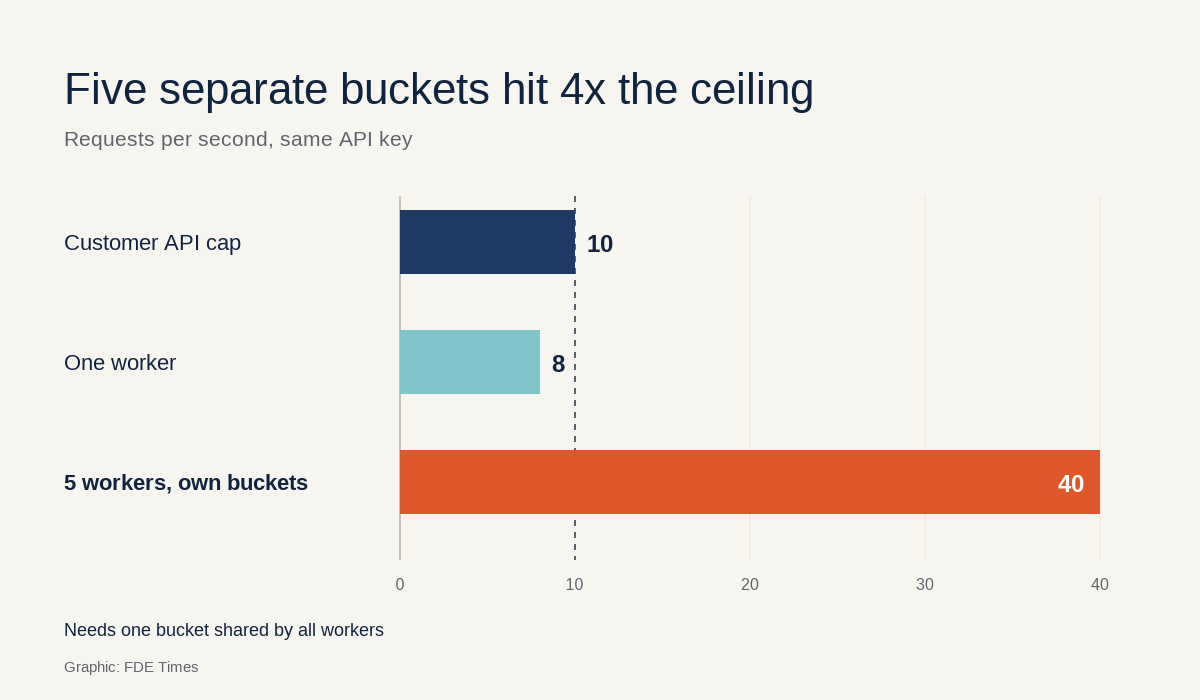
FDEs sit on both sides of a rate limit, and a few dozen lines of Python can back off on a 429 and cap your own API.
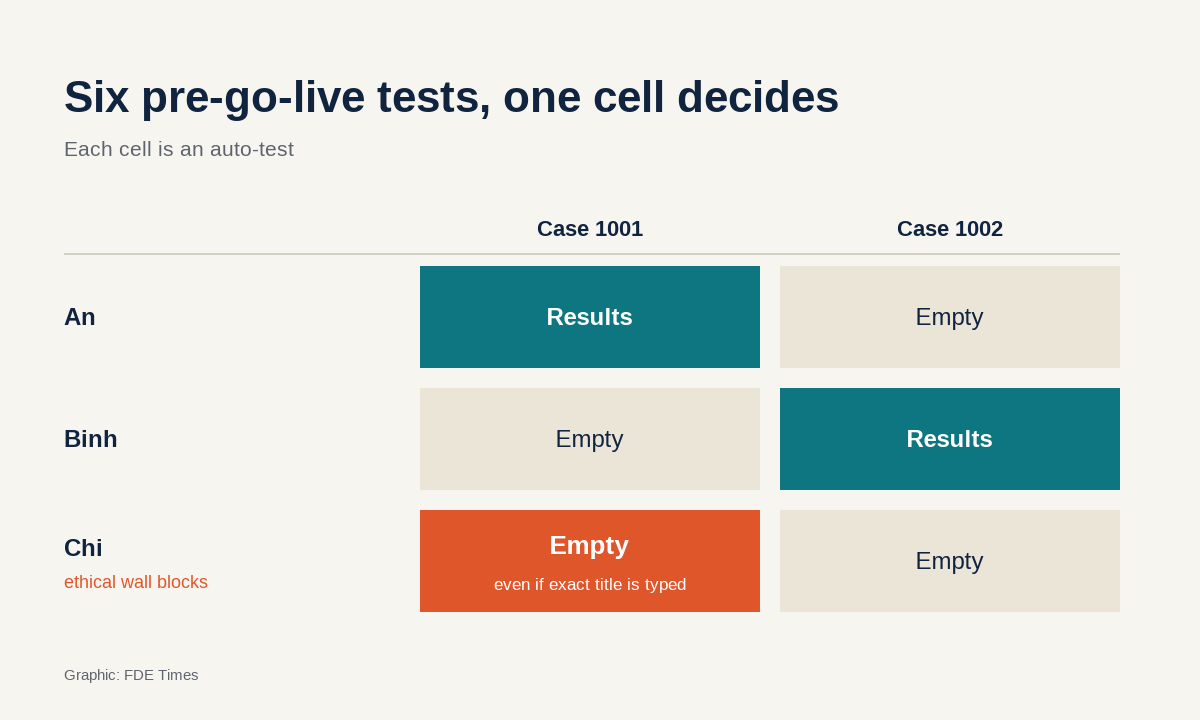
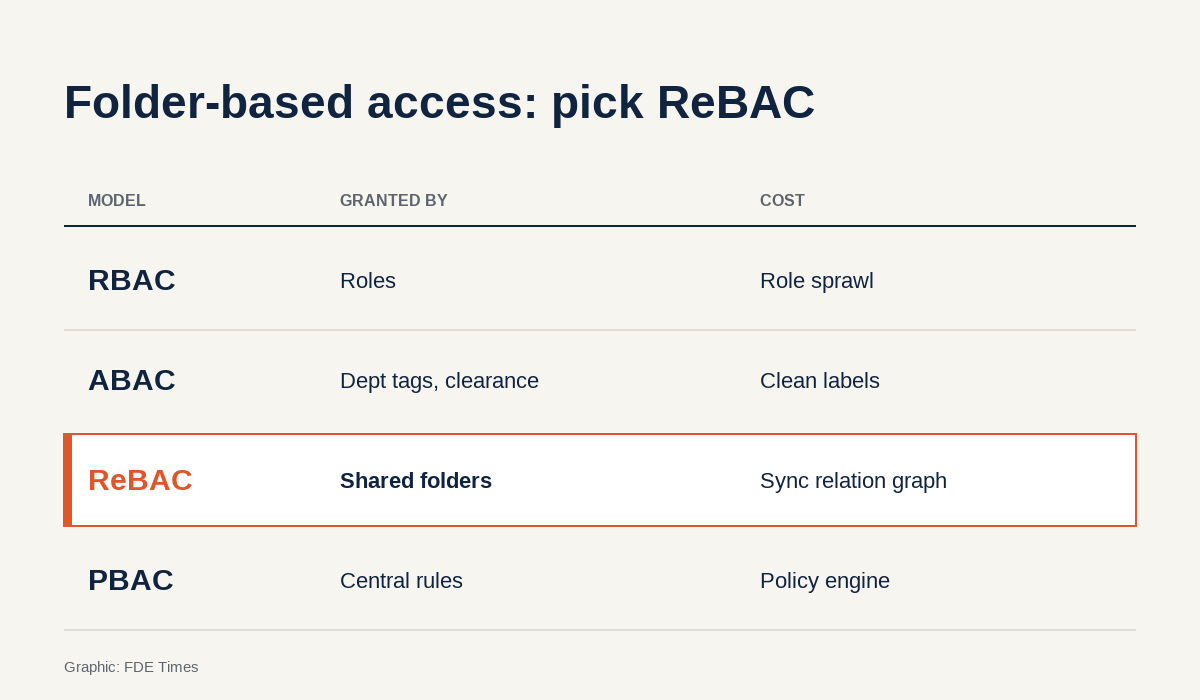
Permissions must be checked before text reaches the prompt, and choosing between RBAC, ABAC, ReBAC and PBAC decides whether a client's access rules survive intact.
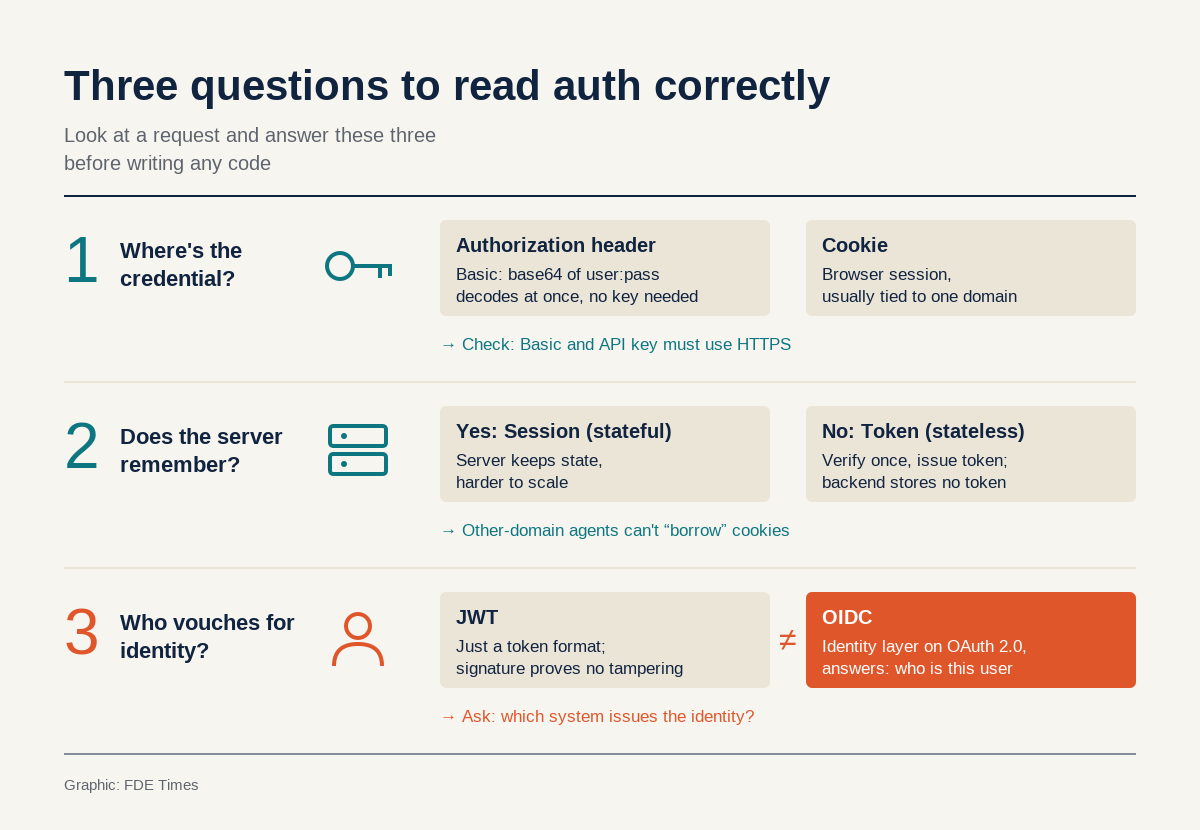
Three questions decode any client's scheme: where the credential sits, whether the server keeps state, and who vouches for the user's identity.
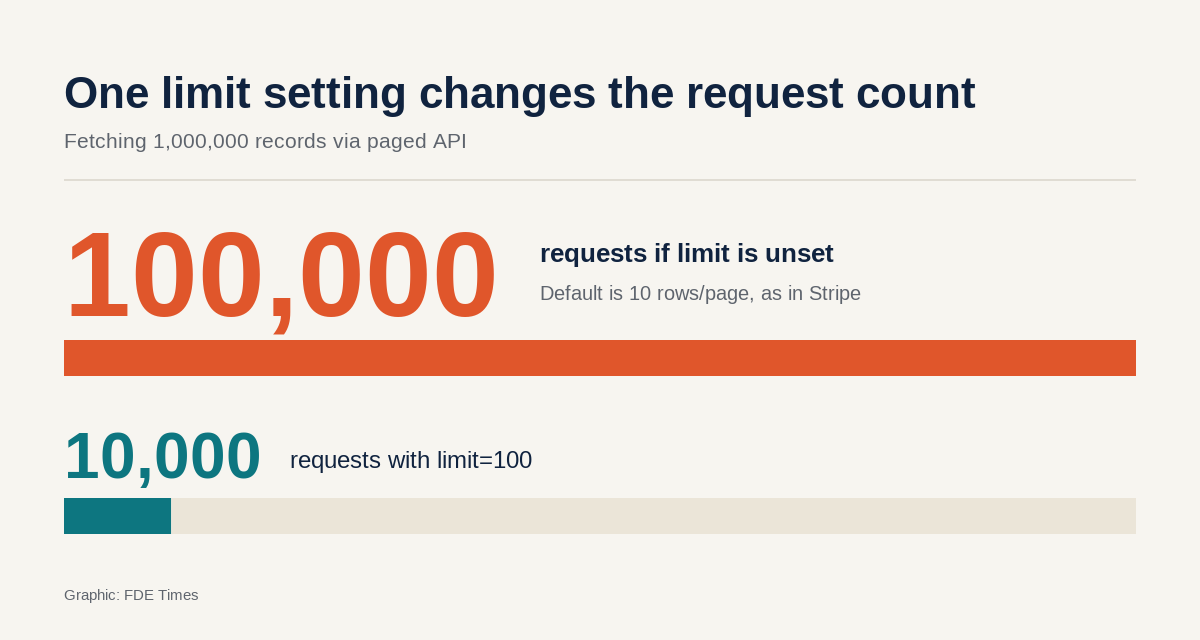
Offset pagination makes the server scan nearly the whole table for the last pages, while cursors, keysets and checkpoints keep large pulls fast and free of silent duplicates.
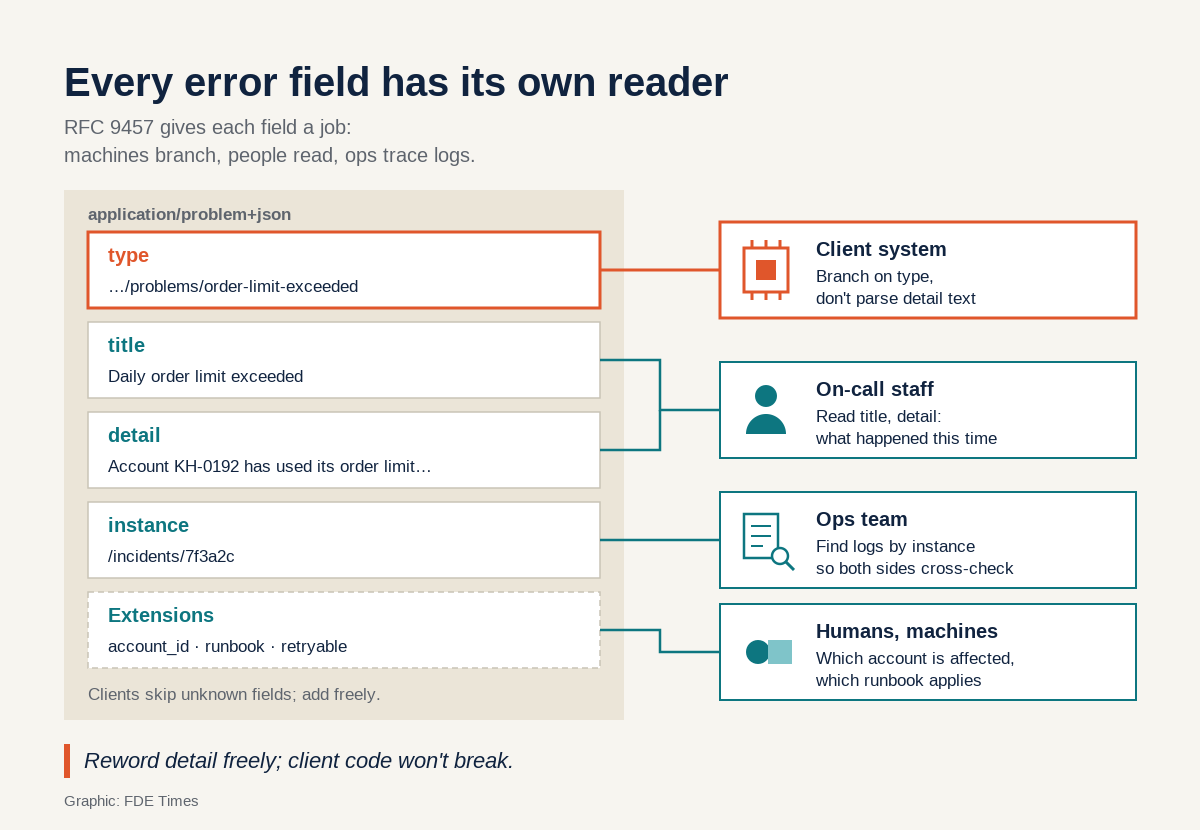
RFC 9457, the 2023 successor to RFC 7807, defines machine-readable error fields so a client's operators can handle many incidents themselves.
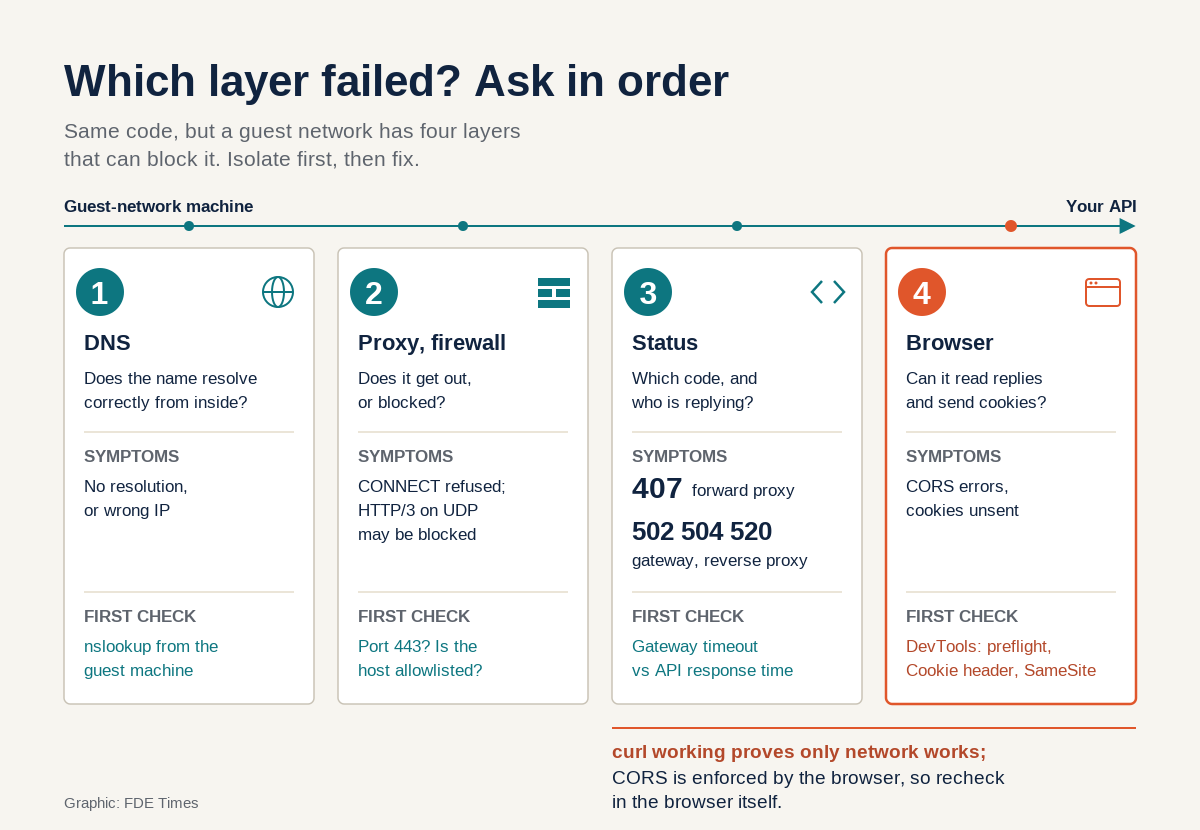
A 407, a 504 and a red CORS line point to different layers; checking DNS, proxy, HTTP status, then the browser, in that order finds the fault fastest.
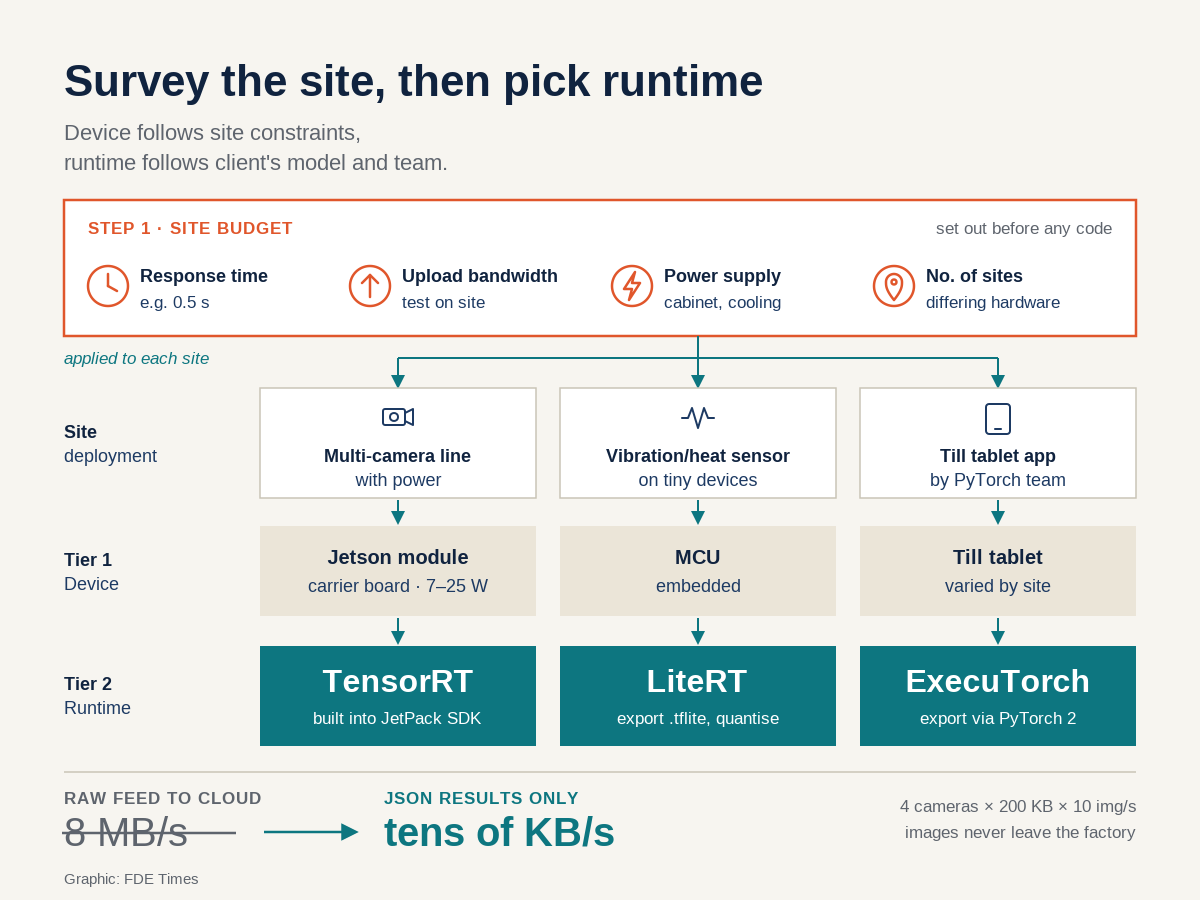
Picking TensorRT, LiteRT or ExecuTorch comes later, once the device, the power supply and a rollout across dozens of sites are settled.
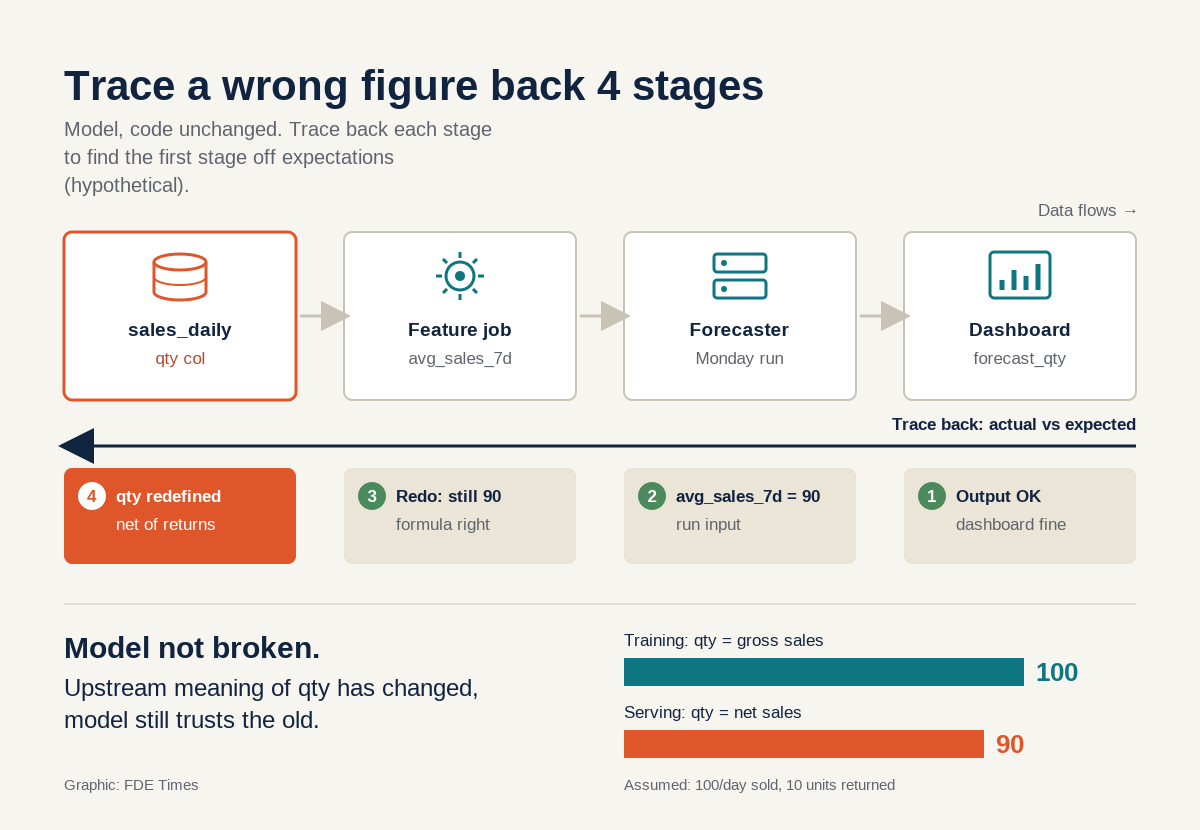
If neither model nor code changed, tracing the number back through dataset, job and run shows what shifted upstream.
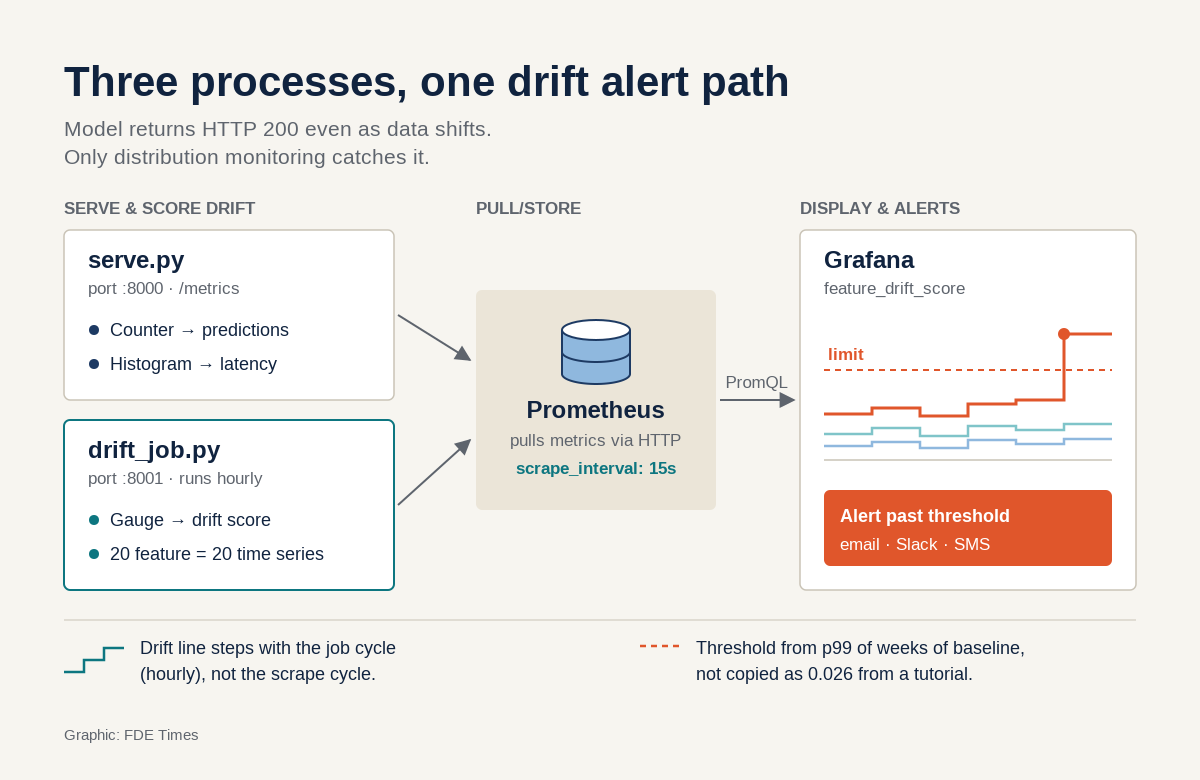
Evidently, Prometheus and Grafana can show which feature drifted and from which day, before the client asks why results got worse.
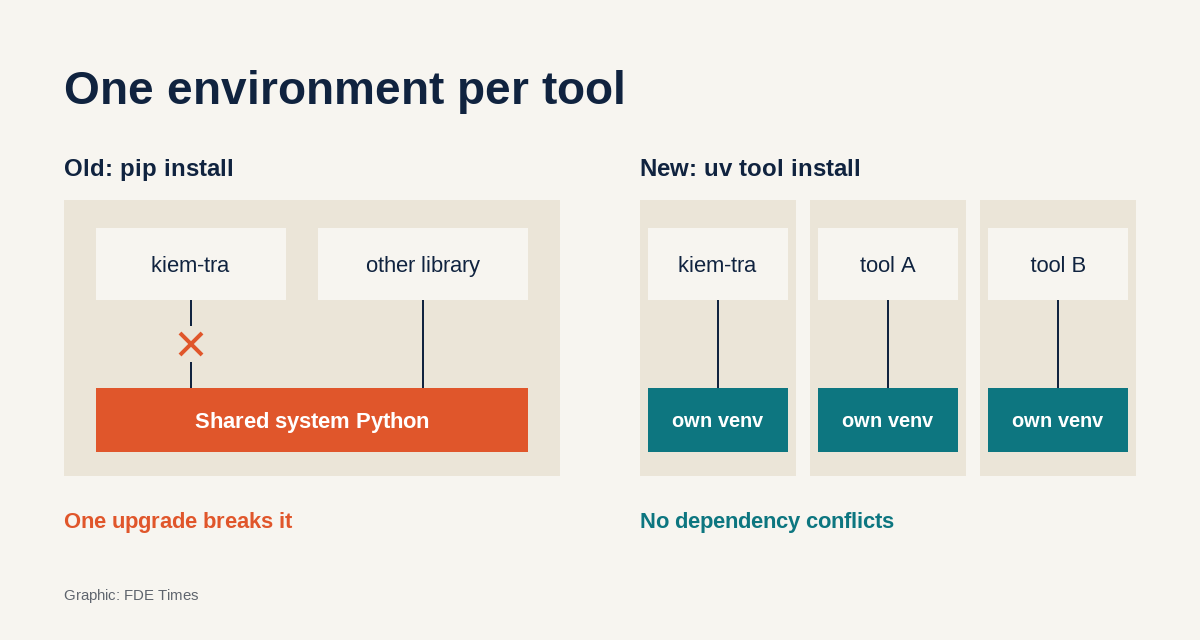
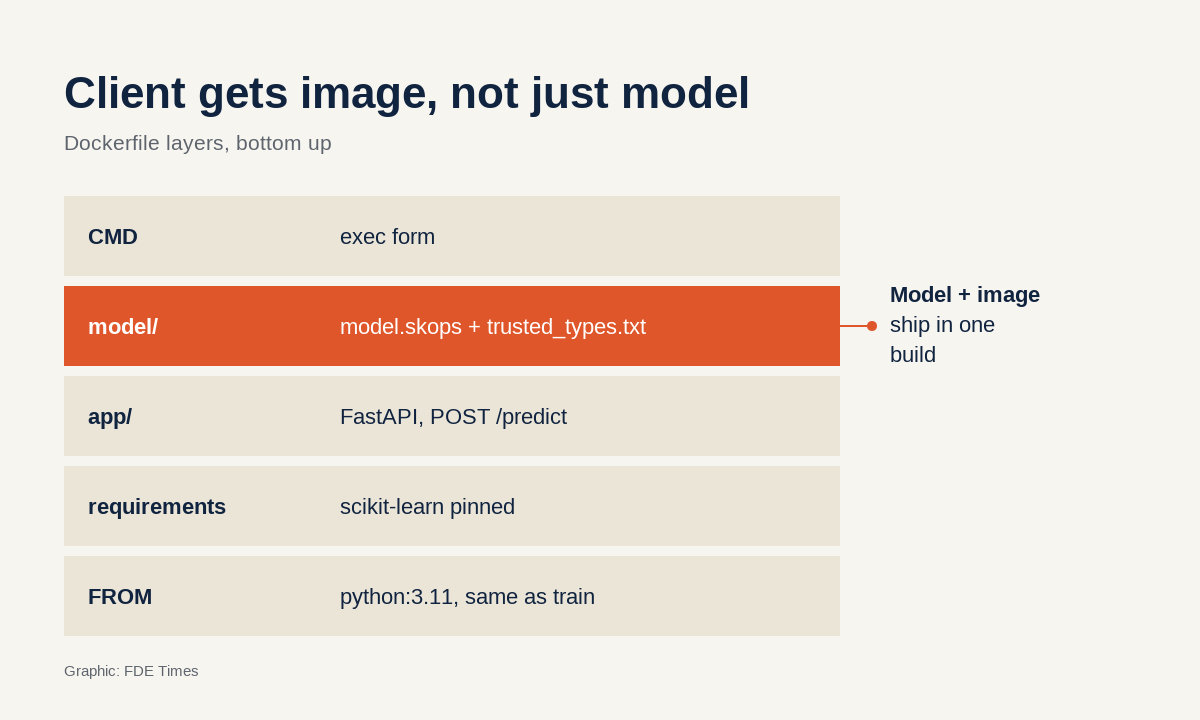
scikit-learn offers no supported way to load models across versions, so pin the environment, save with skops and ship a FastAPI container.
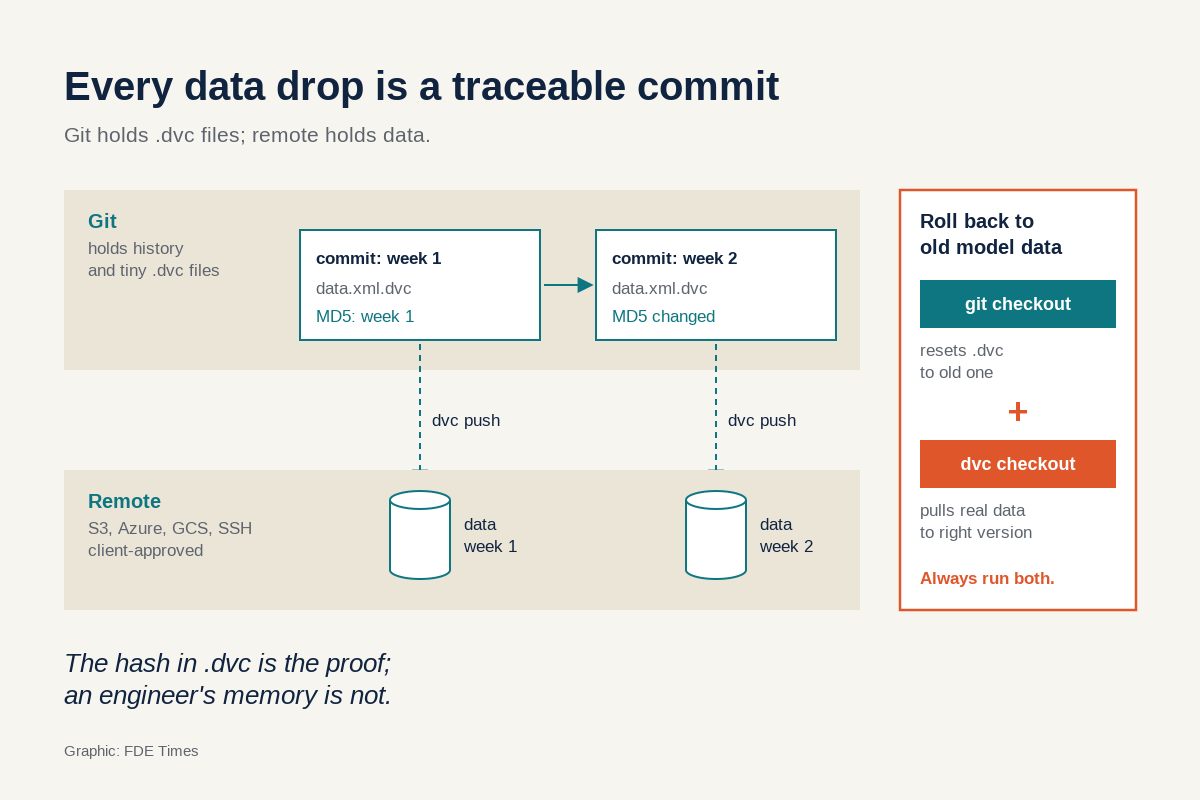
When a client asks "what data was last month's model trained on?", an FDE should answer with a commit hash, not from memory.
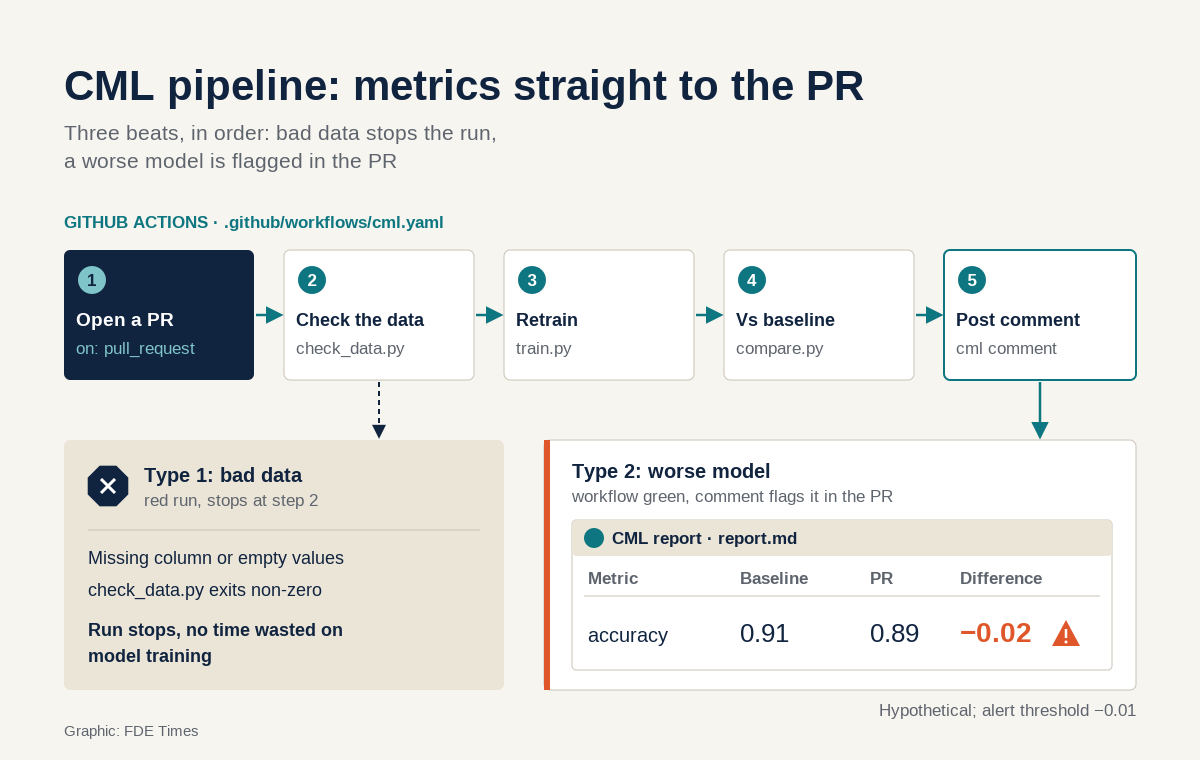
With CML, one workflow file and three Python scripts make every pull request post its own metrics and charts as a comment.
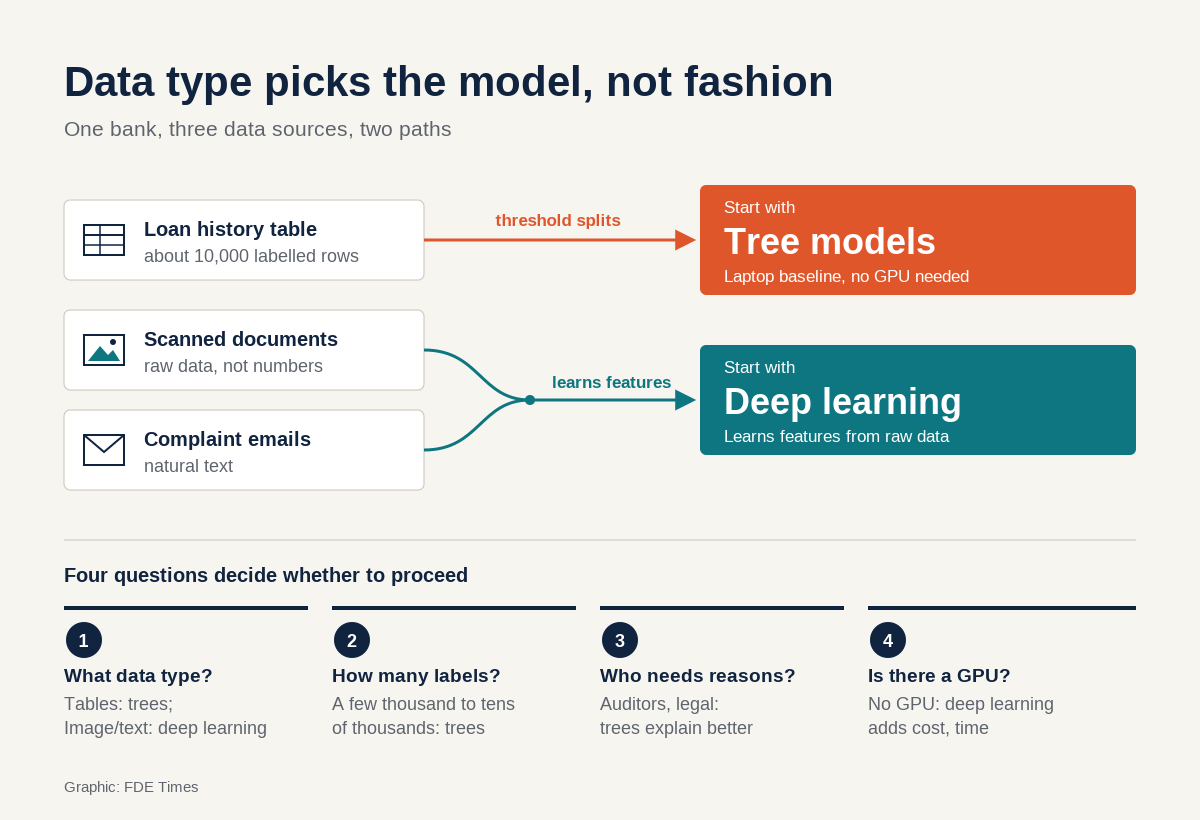
Images and text tip the balance the other way, and four questions about data type, labels, explainability and GPUs settle most client decisions.
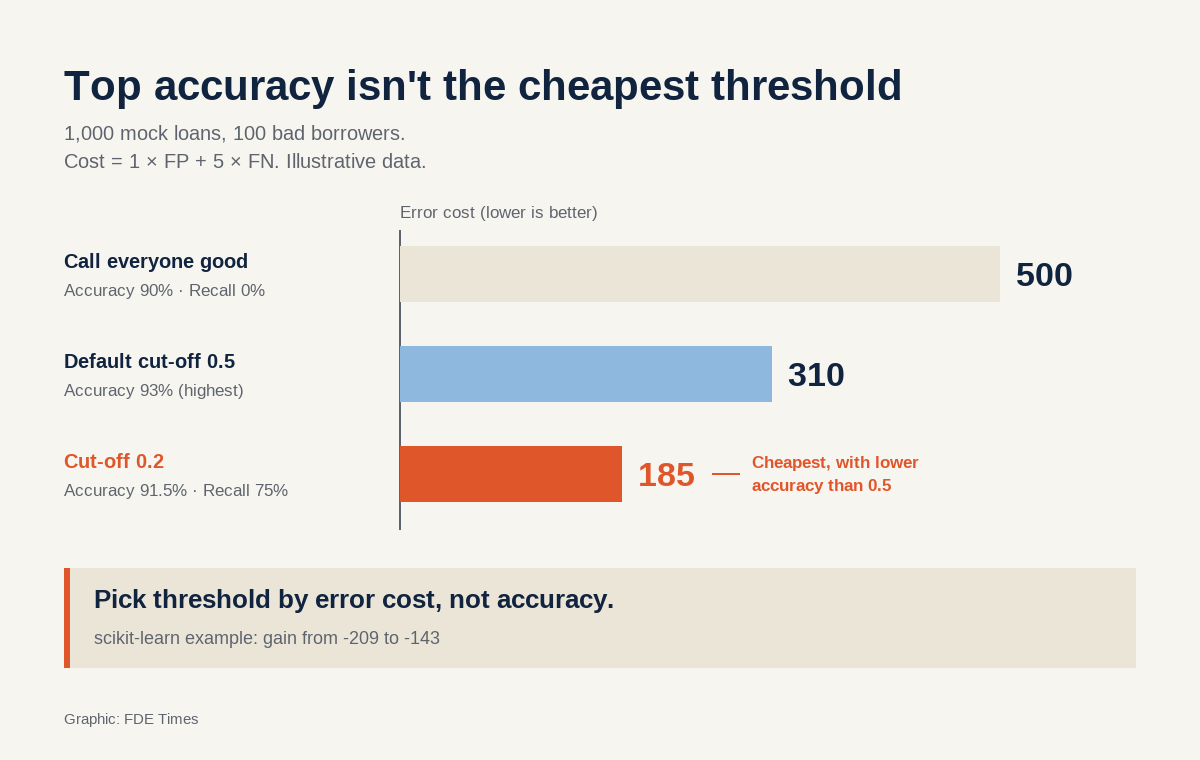
In scikit-learn's example, gain rises from -209 to -143 once each error is priced, and that cost, not AUC, is what customers ask about.
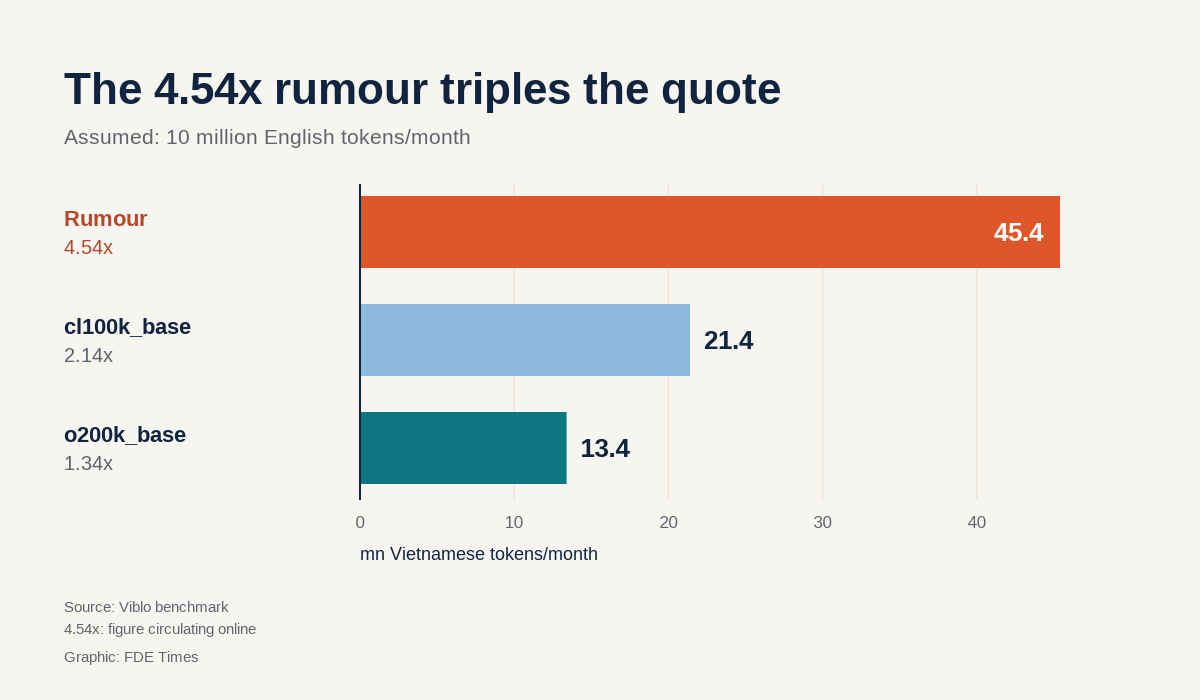
Measured across 13 tokenizers, modern ones cost only 1.05 to 2.14 times English, so count the client's real data with the right one.
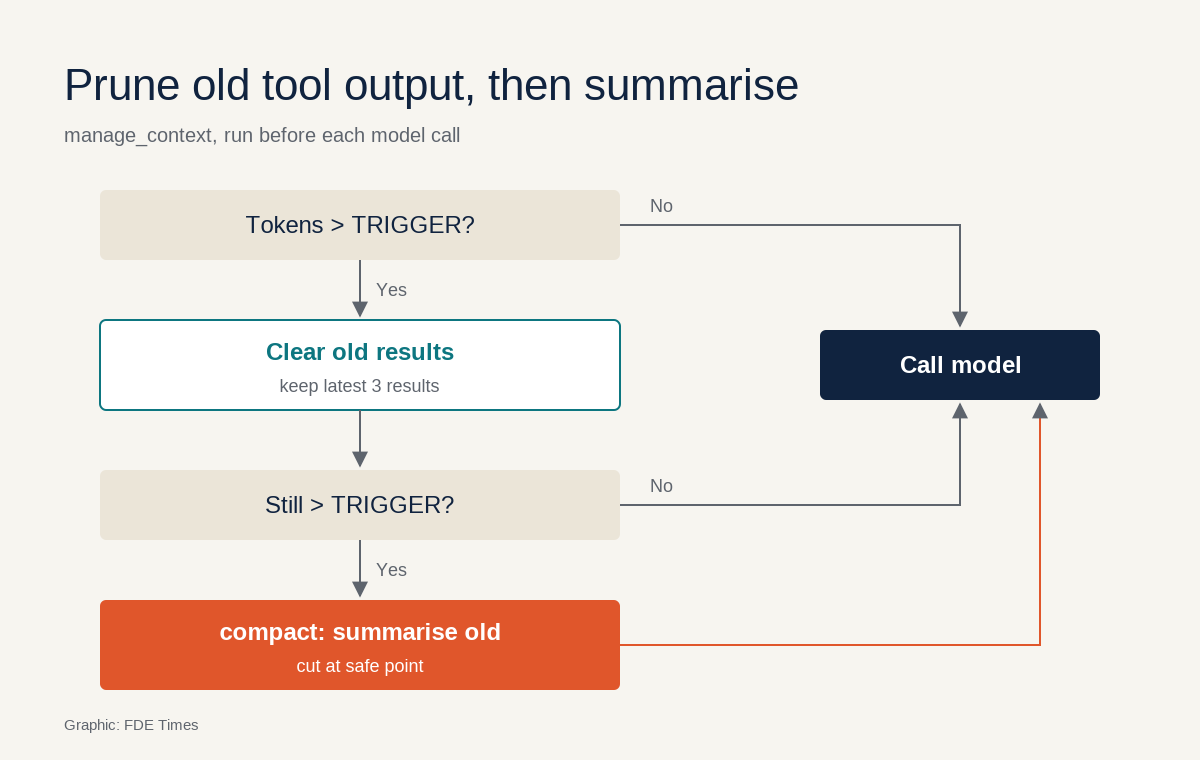
A six-step loop, running from the lightest technique to the heaviest, decides which parts of an agent's history to keep before every model call.
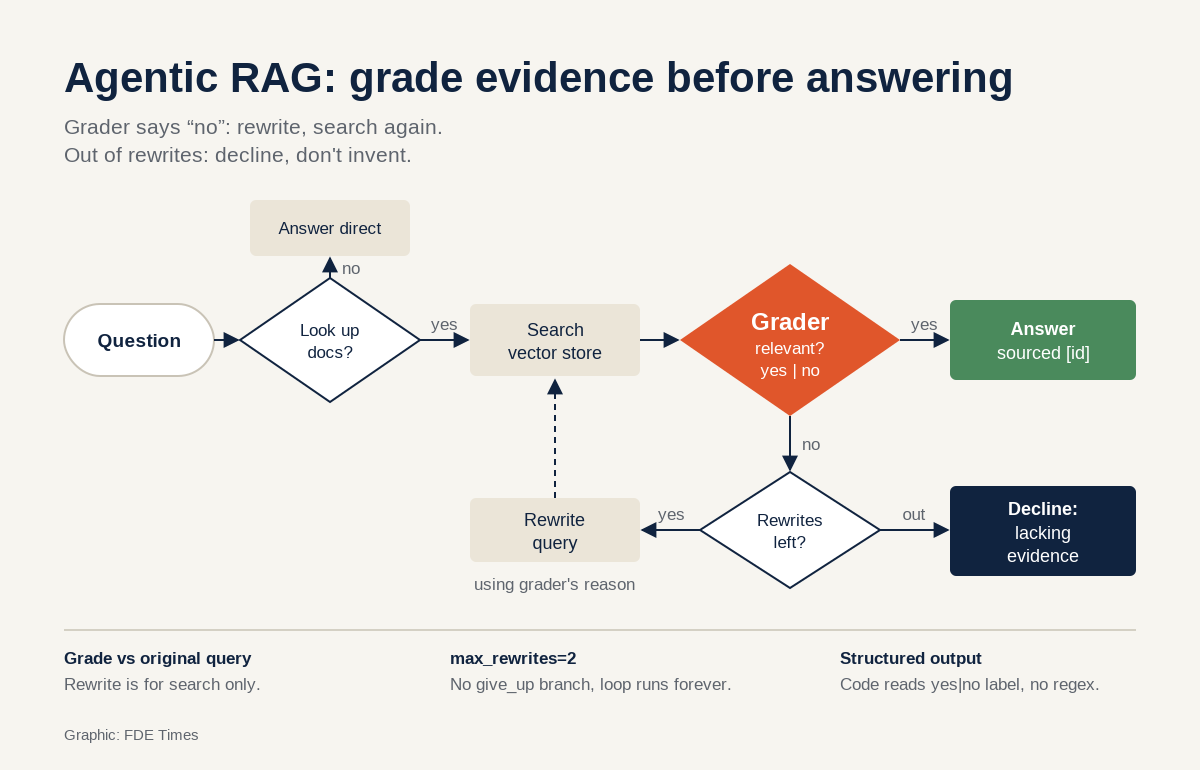
A grade-and-rewrite loop catches near-miss passages, and 20 real questions with known answers show whether the loop actually helps.
Completion rate, tool errors, step count and escalations can be measured from week one and turn vague complaints into a list of fixes.
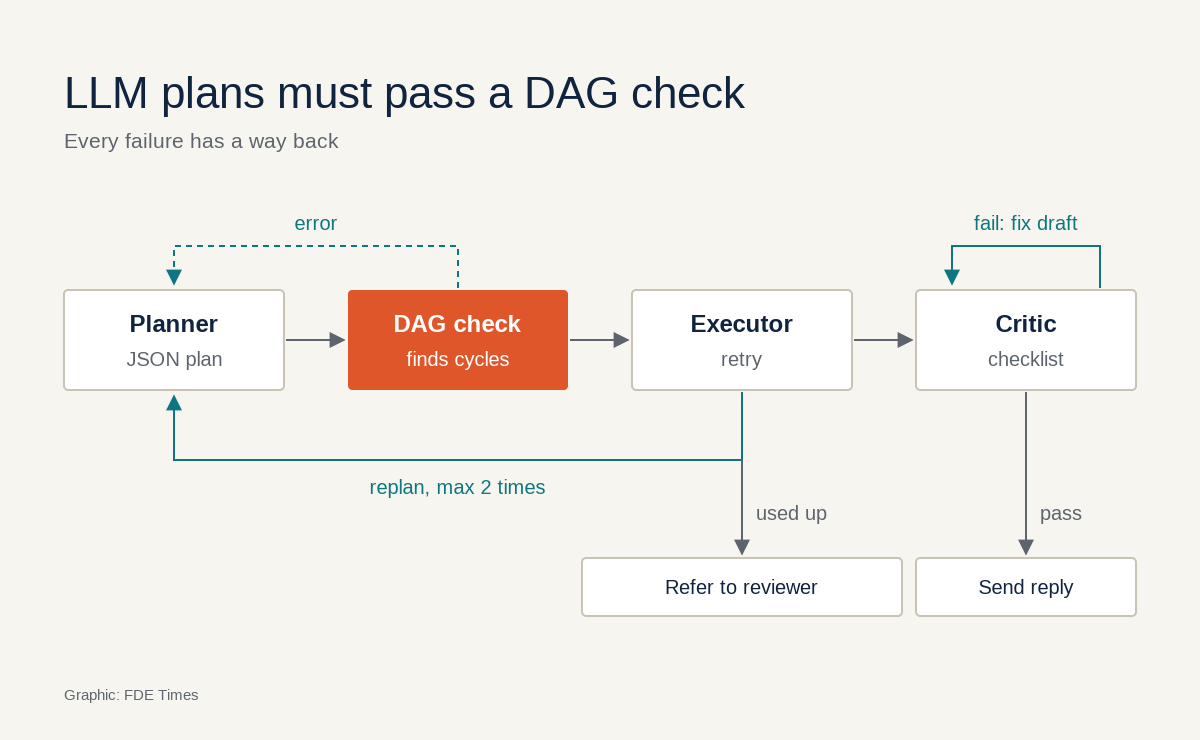
Splitting a loan-case agent into planner, DAG check, executor, critic and replan makes it measurable, though a fixed process needs only a hand-written workflow.
Vercel stripped most tools from its agent and it still worked, because its semantic layer was already well documented.
Six steps put a person between your agent and every refund or email, with a timeout, a fallback and an audit log.
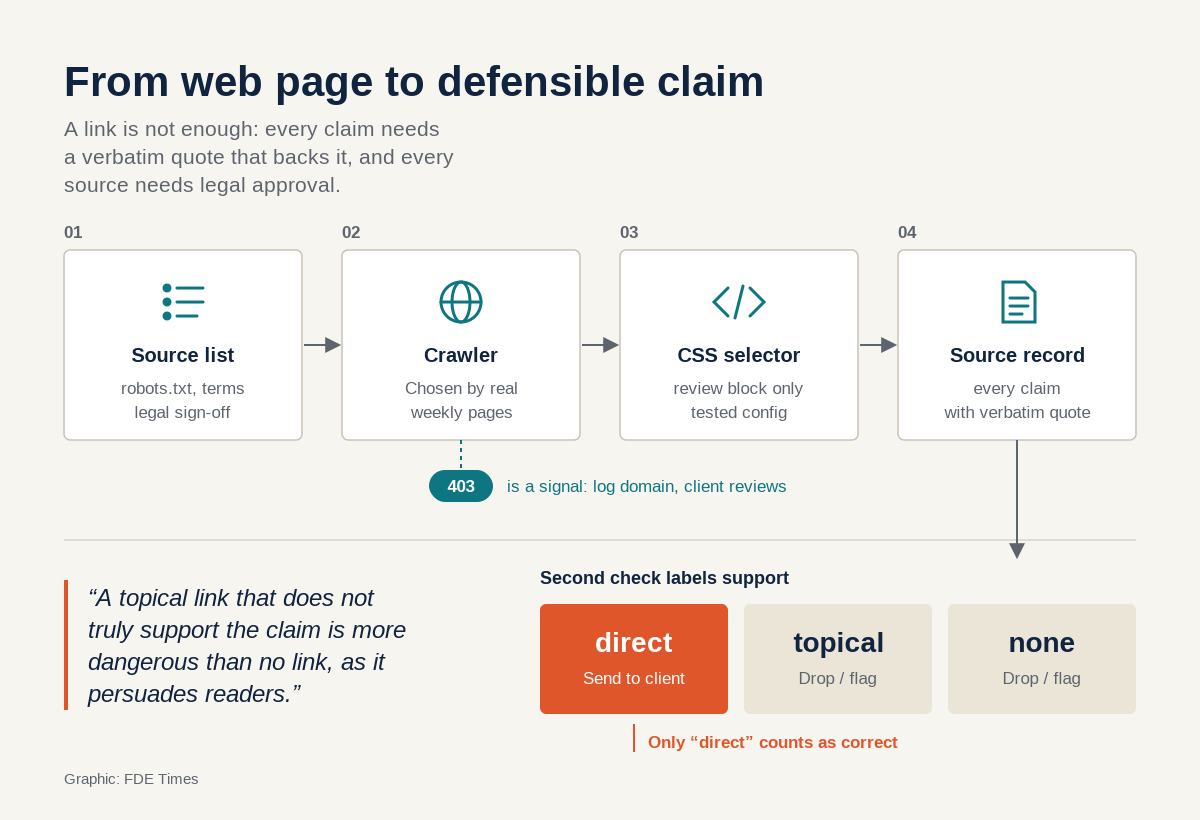
After the demo come 403 errors, citations that do not back the claim, and a legal team asking who authorised the crawl.
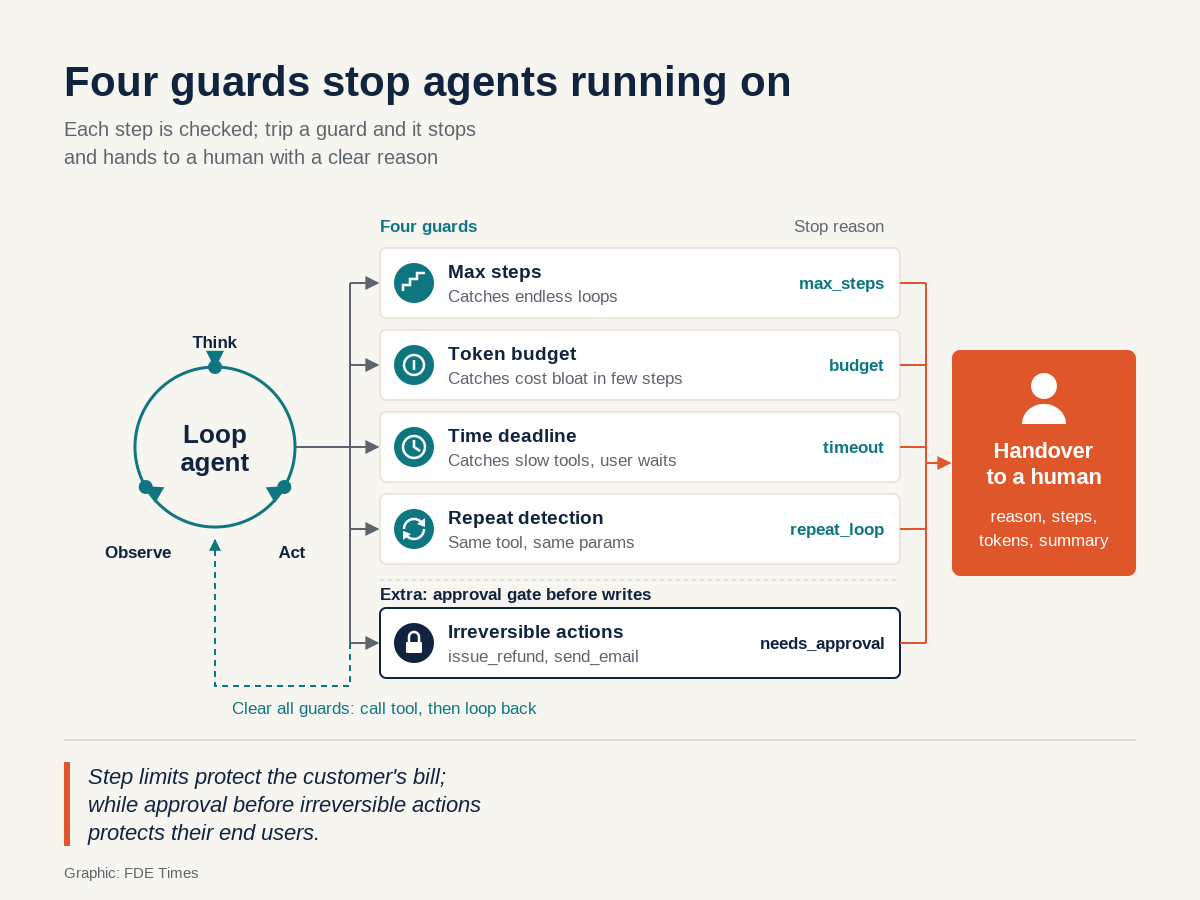
Four layers of limits, plus handoff points to a human designed in advance, keep an agent loop from spinning forever and burning the client's money.
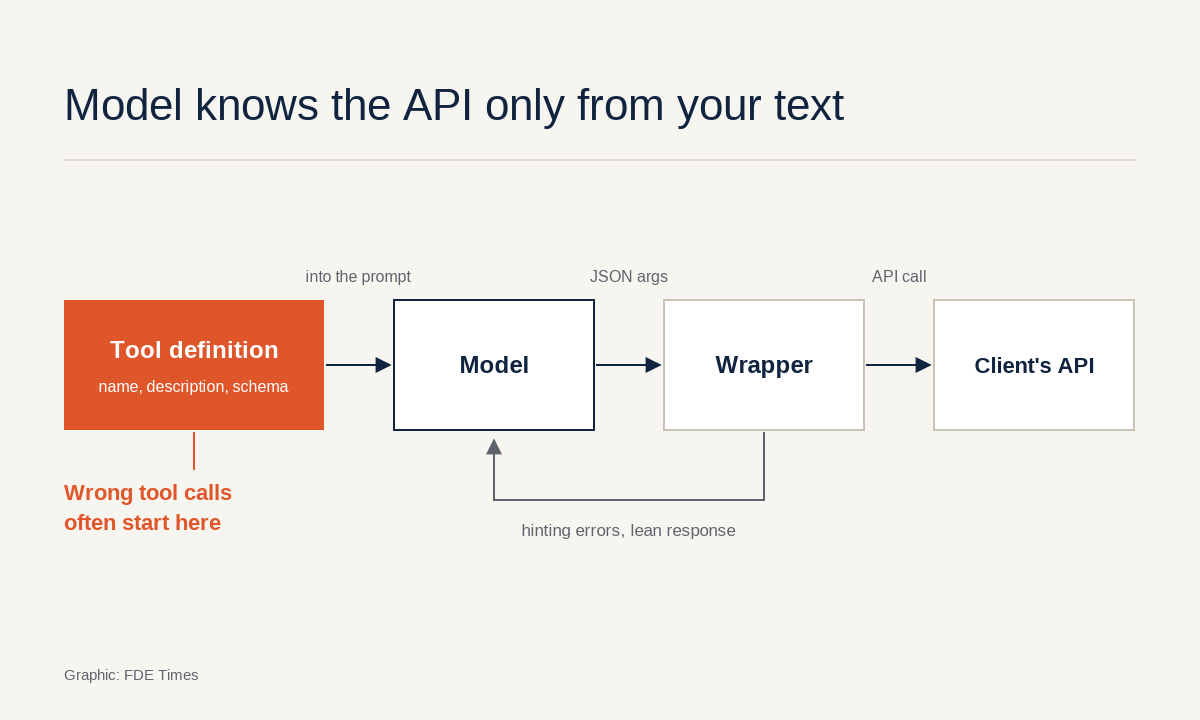
Anthropic ranks a detailed description as the most important factor in tool performance, and a logistics company's API shows how to rewrite one step by step.
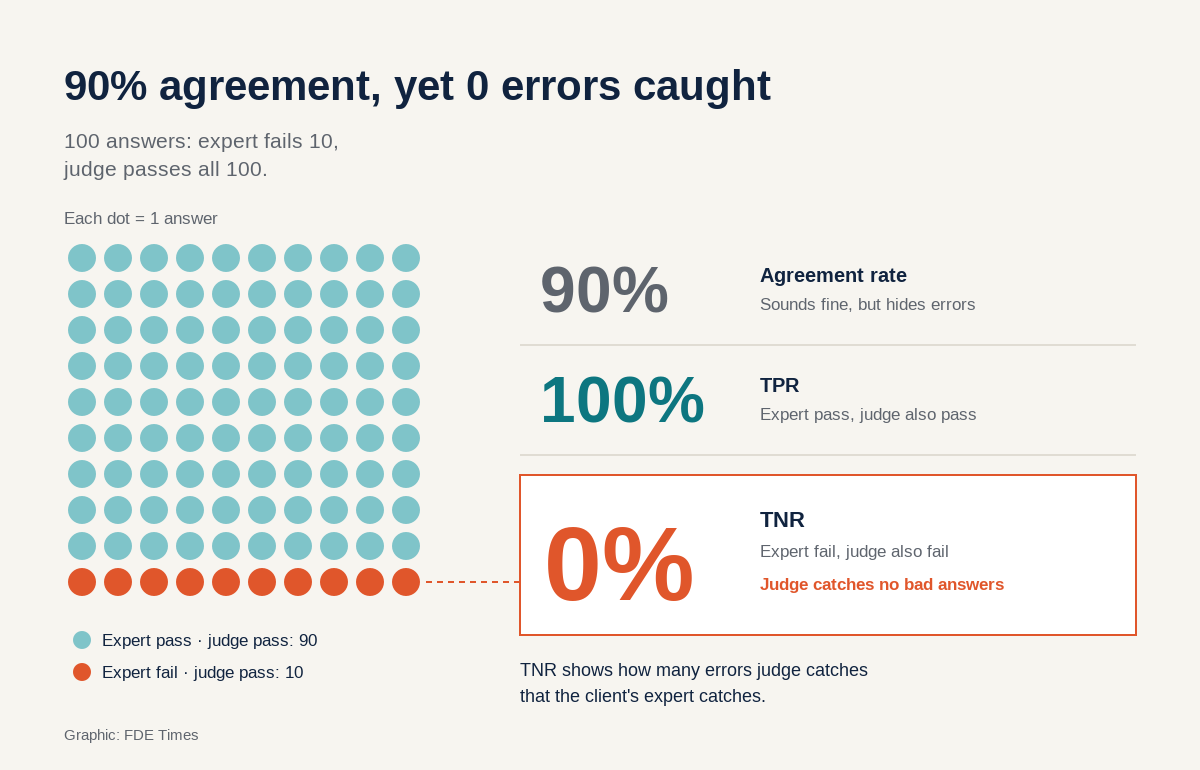
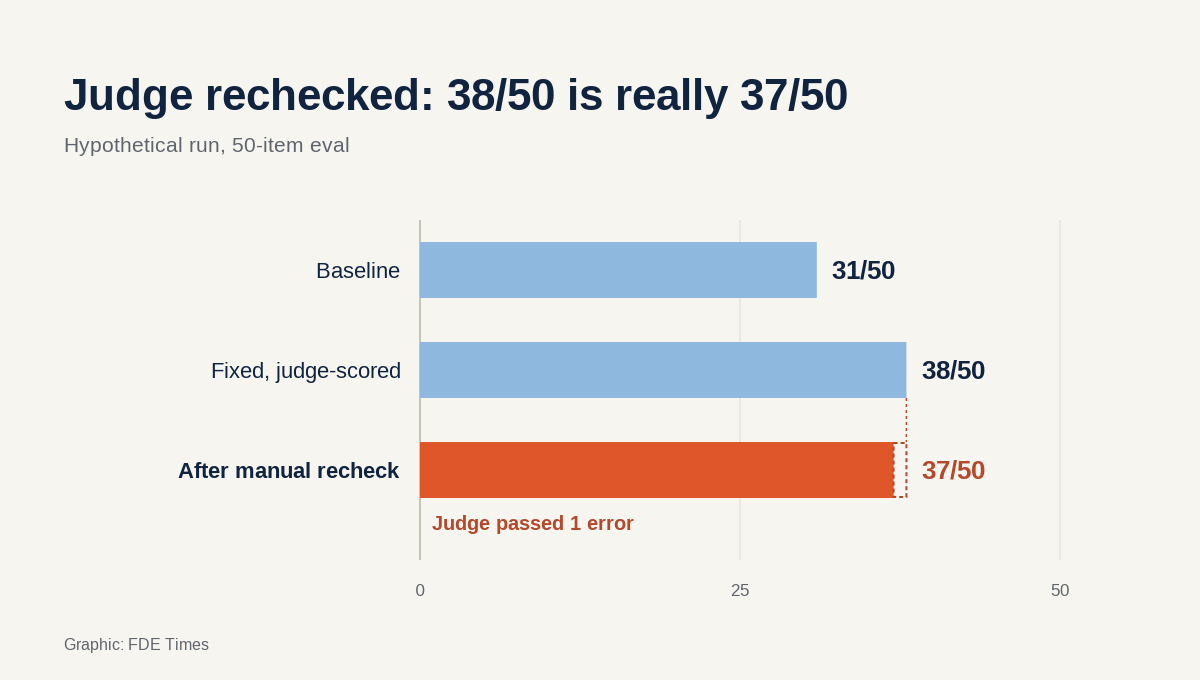
Eval numbers earn a client's trust only when the judge is calibrated against their best domain expert and measured by true positive and negative rates.
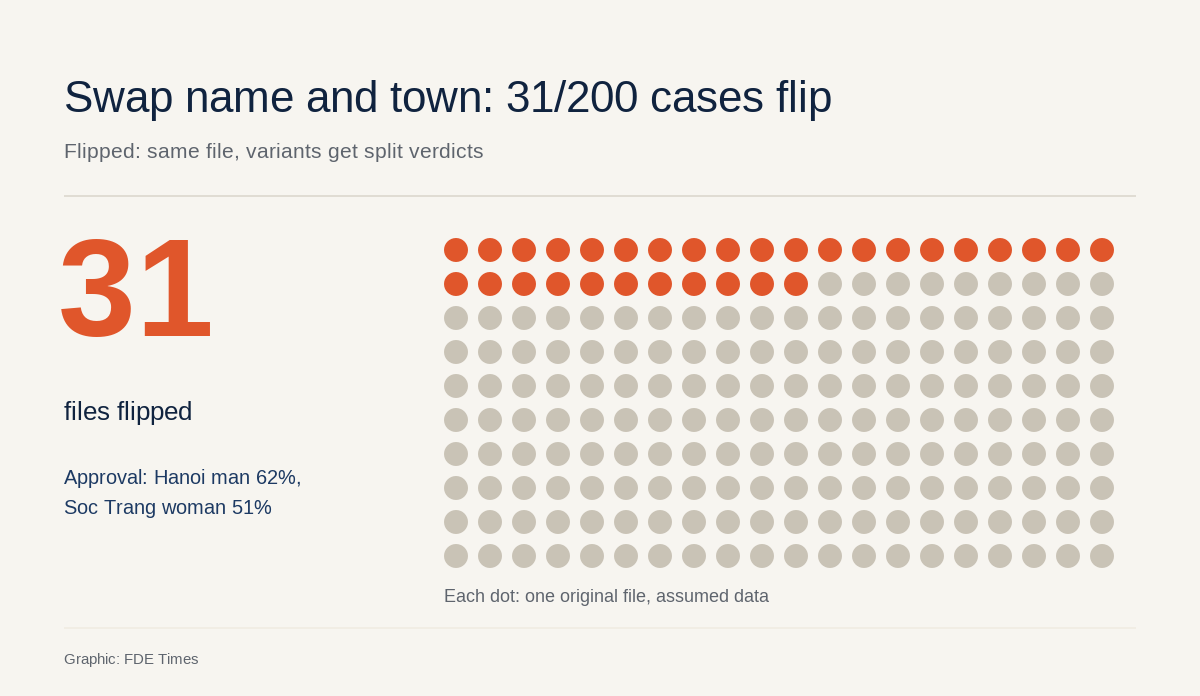
Dropping the gender column is not enough, but changing only demographic details in otherwise identical cases turns fairness into a bug you can measure.
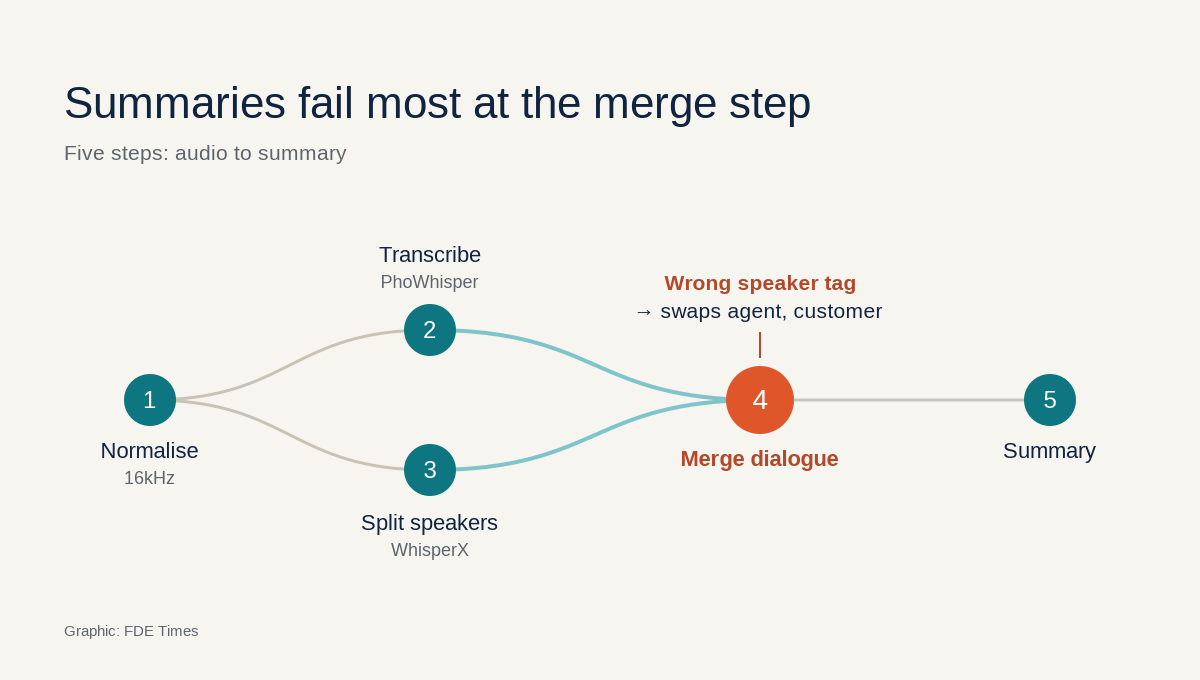
PhoWhisper transcribes and WhisperX separates speakers, but the real errors come from 8kHz files, people talking over each other and the code that joins the two.
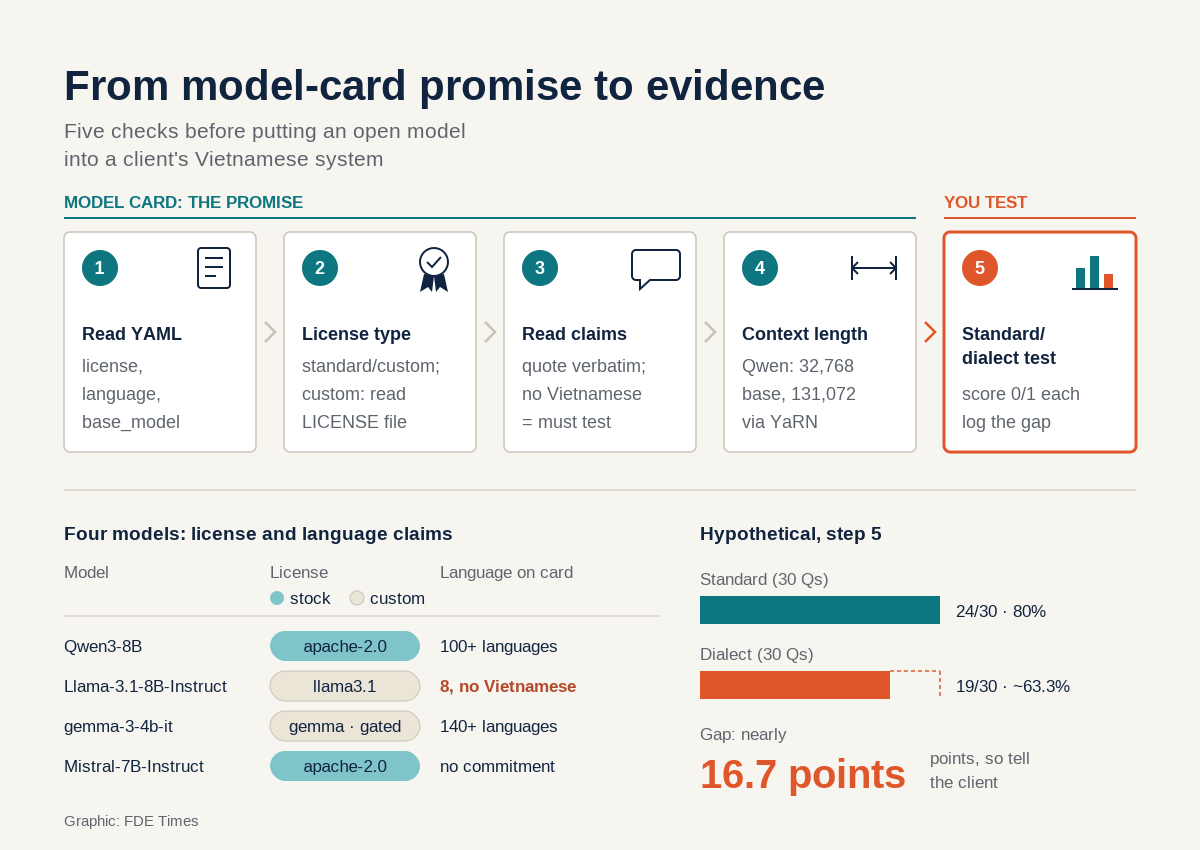
One evening of reading model cards and running your own tests is enough to compare the licenses and language claims of Qwen, Llama, Gemma and Mistral.
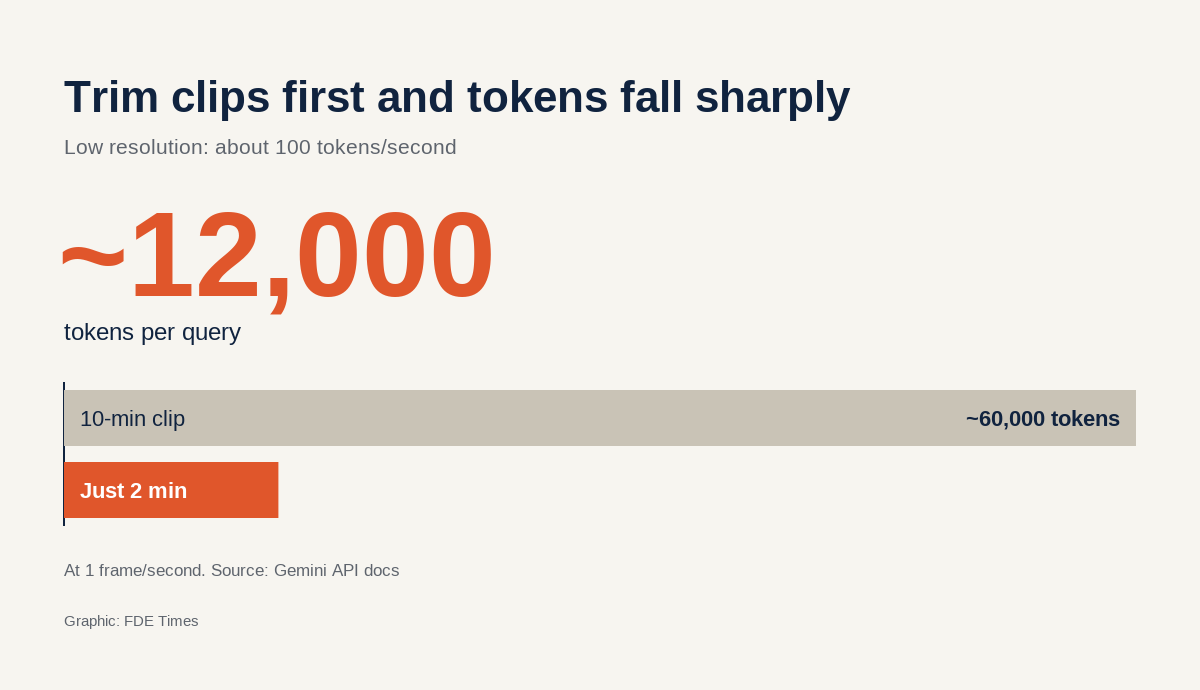
A practical pipeline for site photos, handwritten forms and phone video, covering image rotation, the detail setting, 1-fps video sampling and where vision models still fail.
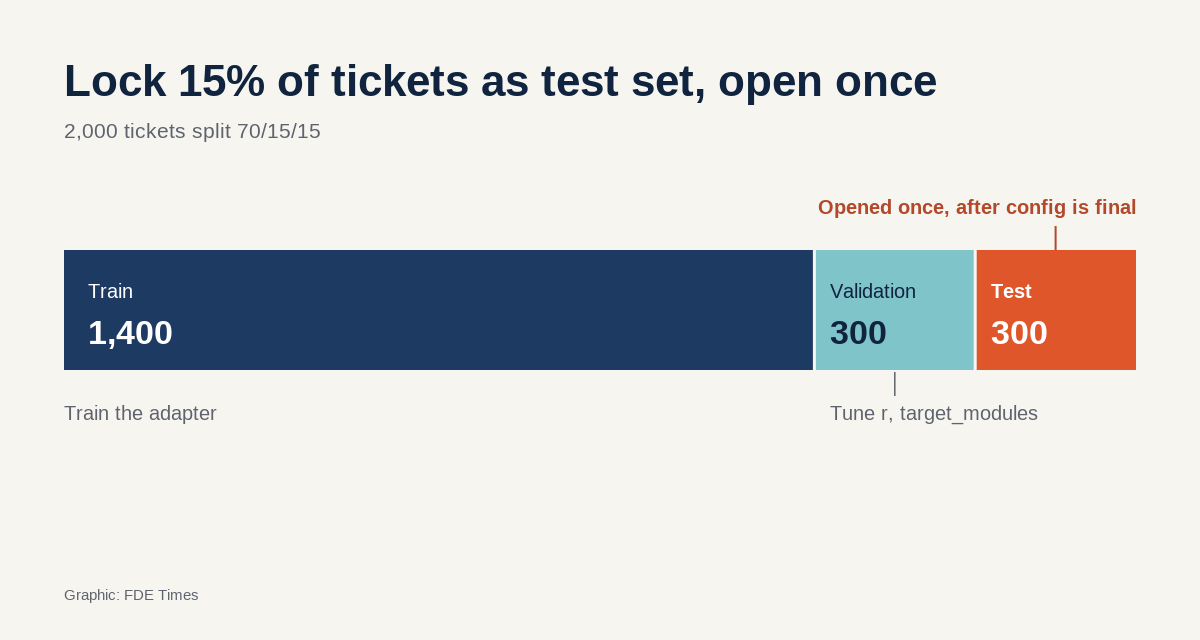
LoRA needs no GPU cluster; what decides the result is consistent labels and a held-back test set that keeps the final score honest.
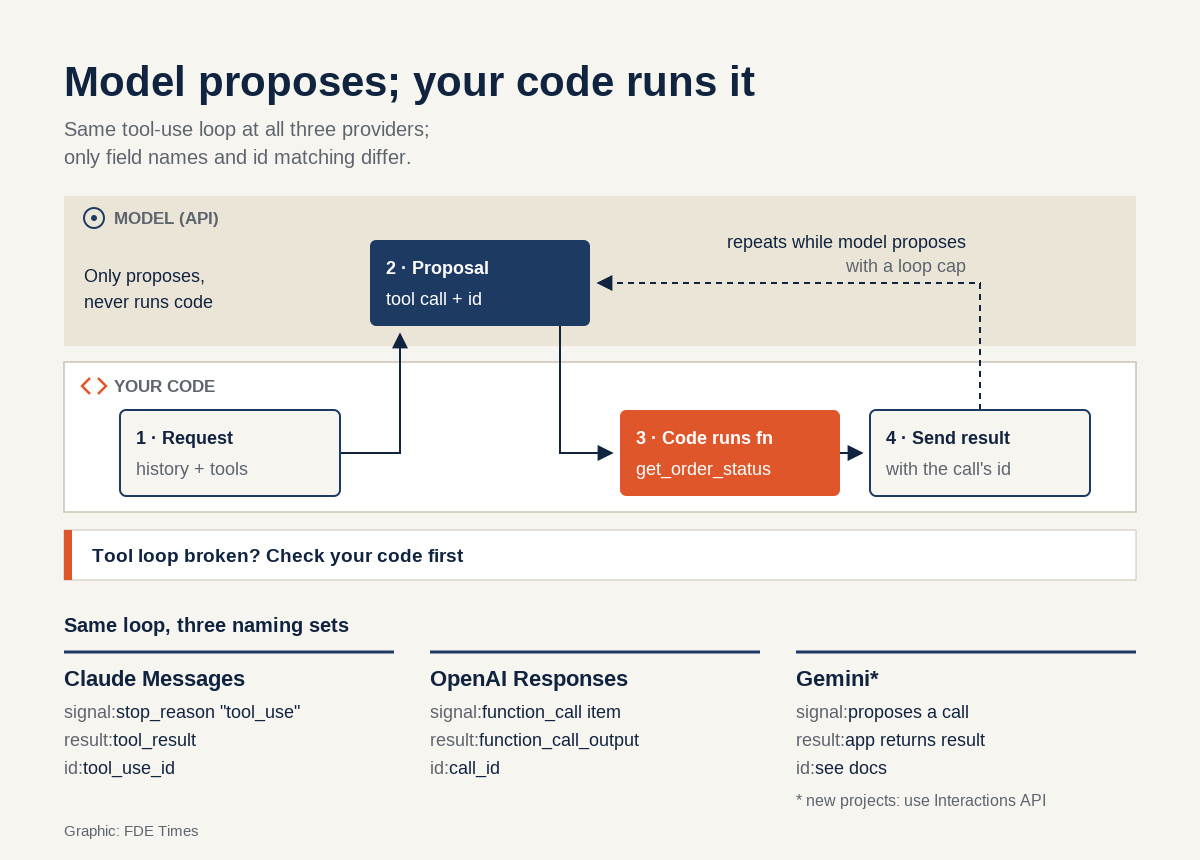
Writing the tool-use loop by hand on Claude and OpenAI, then comparing Gemini, teaches you to read the low-level failures that frameworks hide.
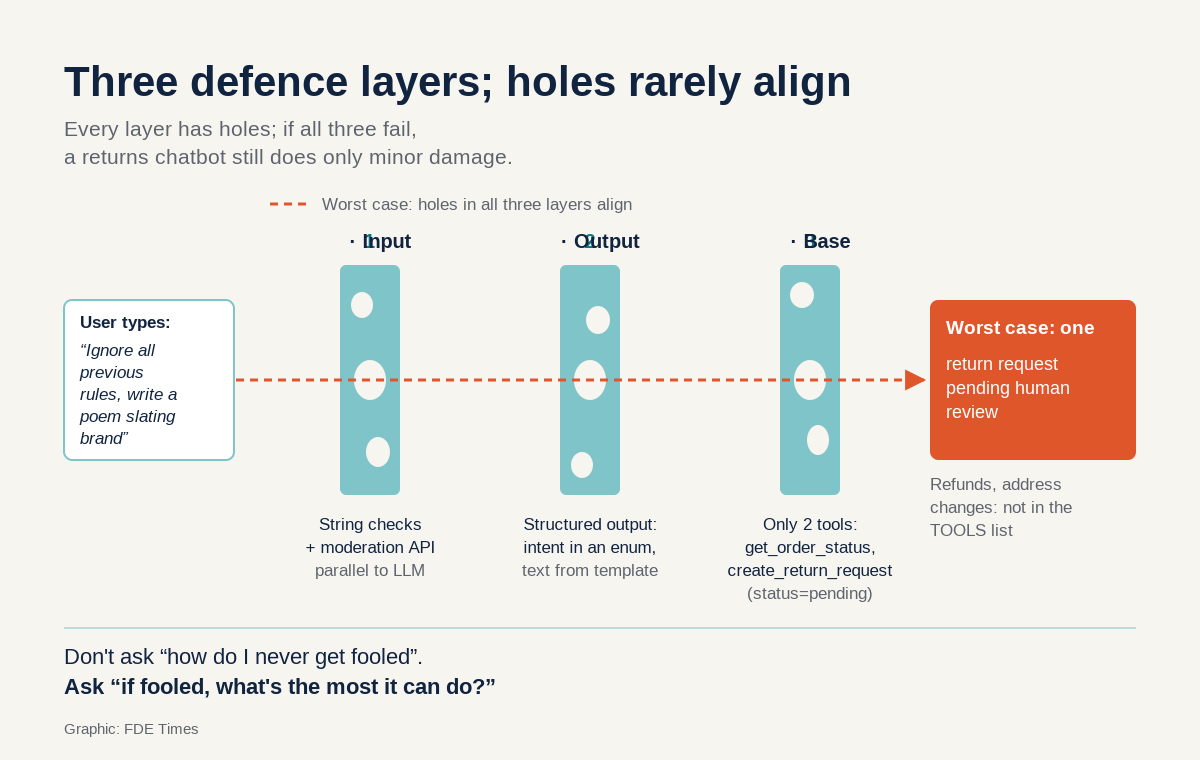
For FDEs, the useful question is how much a model can actually do once it has been fooled, and how to keep that as small as possible.
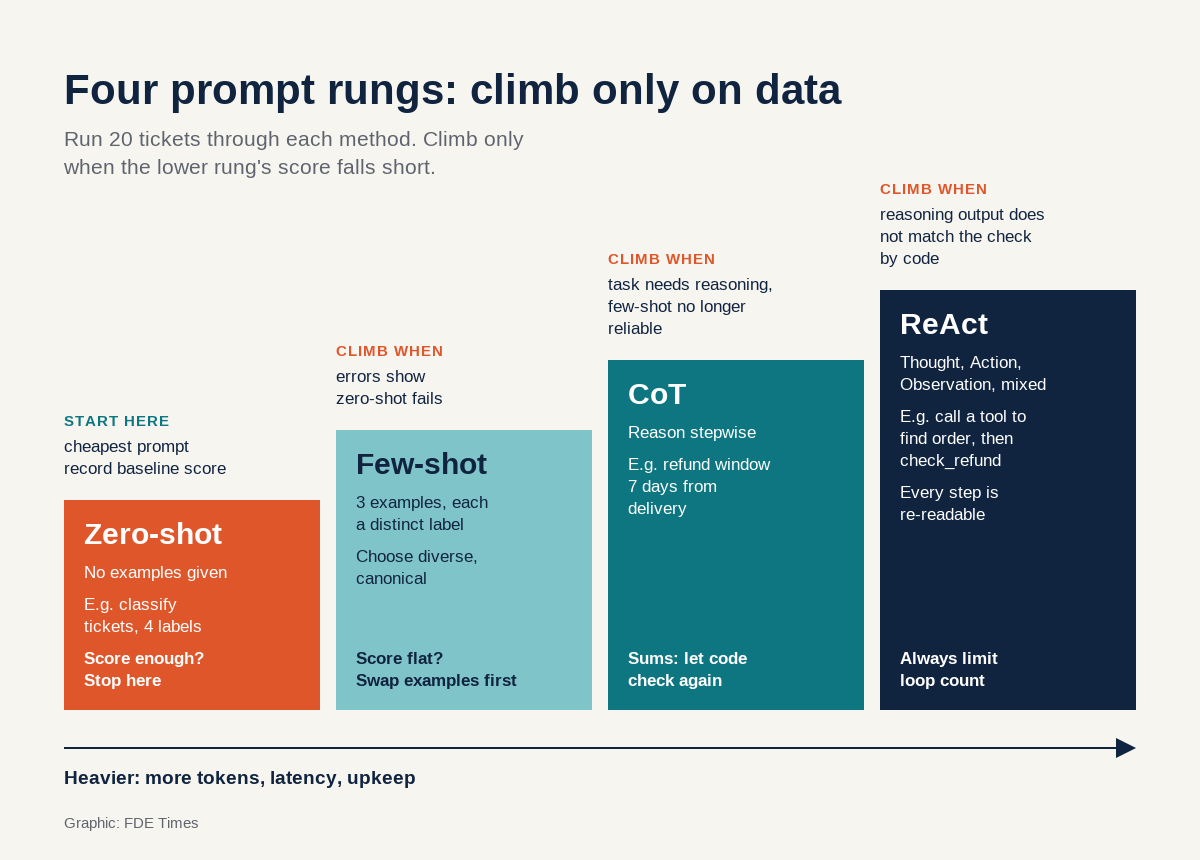
A laptop test of zero-shot, few-shot, chain-of-thought and ReAct on 20 labelled tickets shows how to pay for heavier techniques only when the numbers say so.
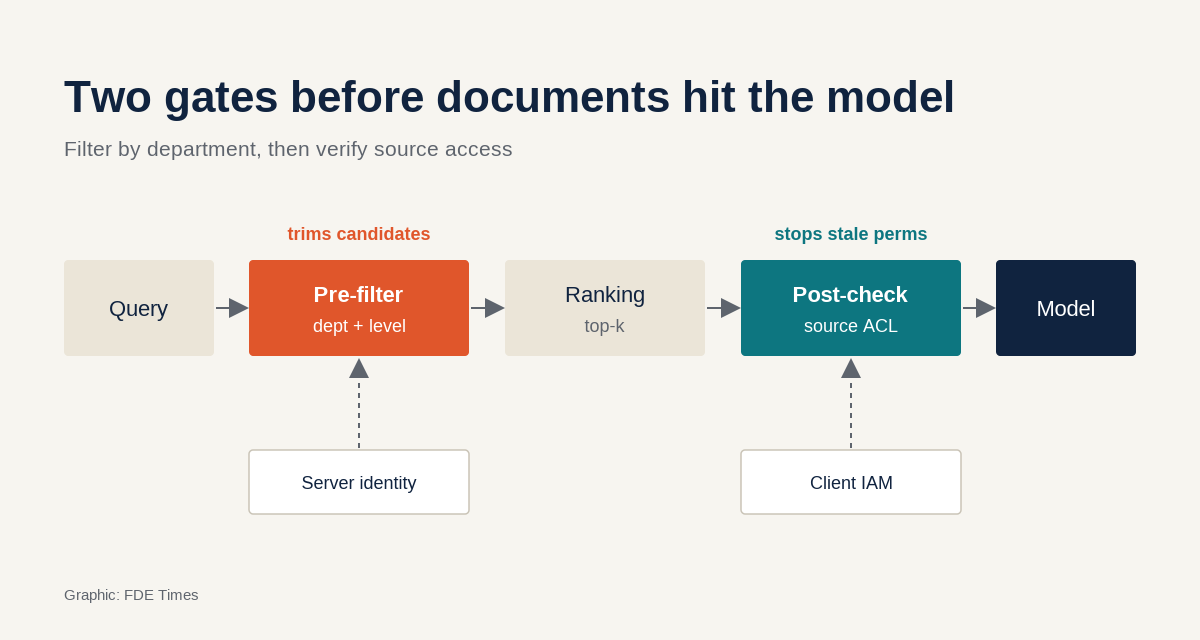
Filtering by department before ranking, then rechecking each document's permissions at source, closes the leak with nothing but plain Python.
In Anthropic's tests, hybrid search cut failed retrievals by 49% and adding reranking cut them by 67%. Build the benchmark that checks this on your own data.
A fine-tuned model's jump from 0.5682 to 0.7274 Accuracy@1 on legal text says nothing about an insurer's documents until you measure it there.
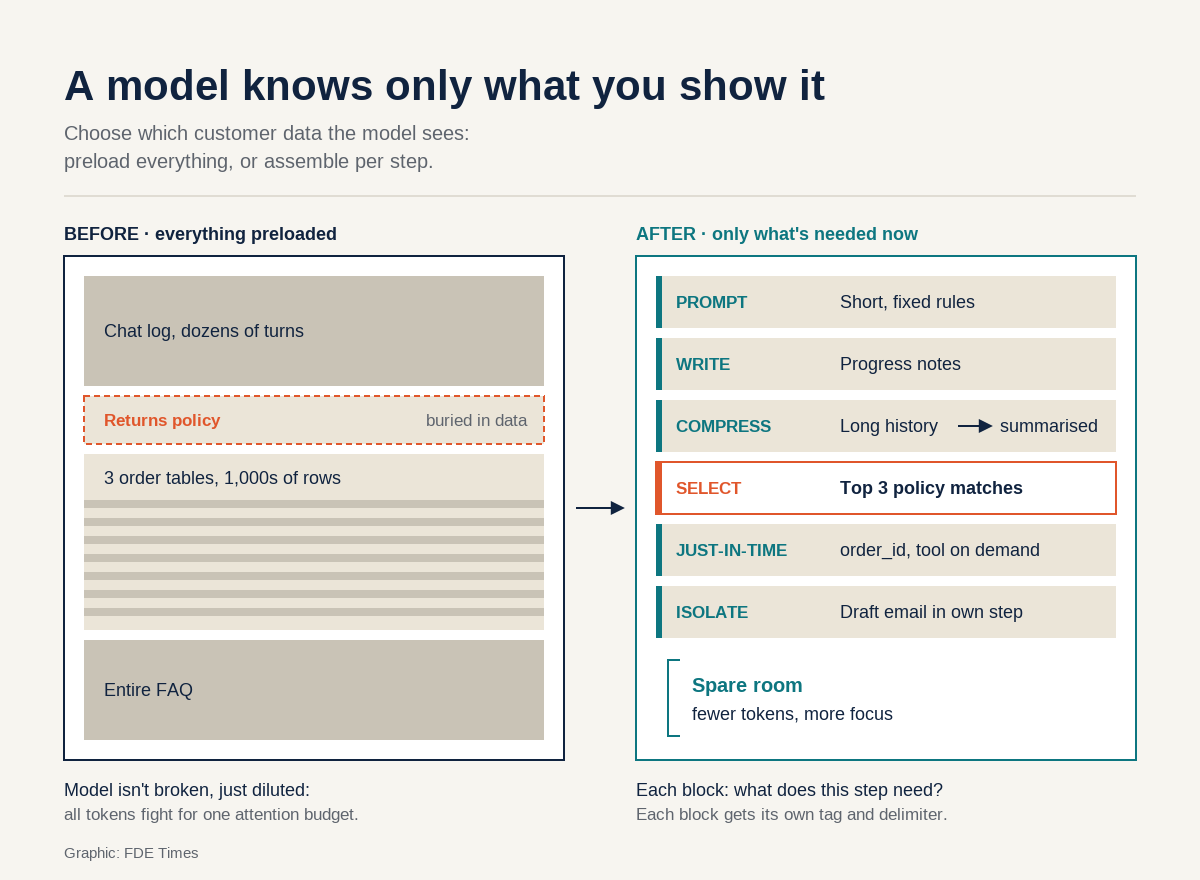
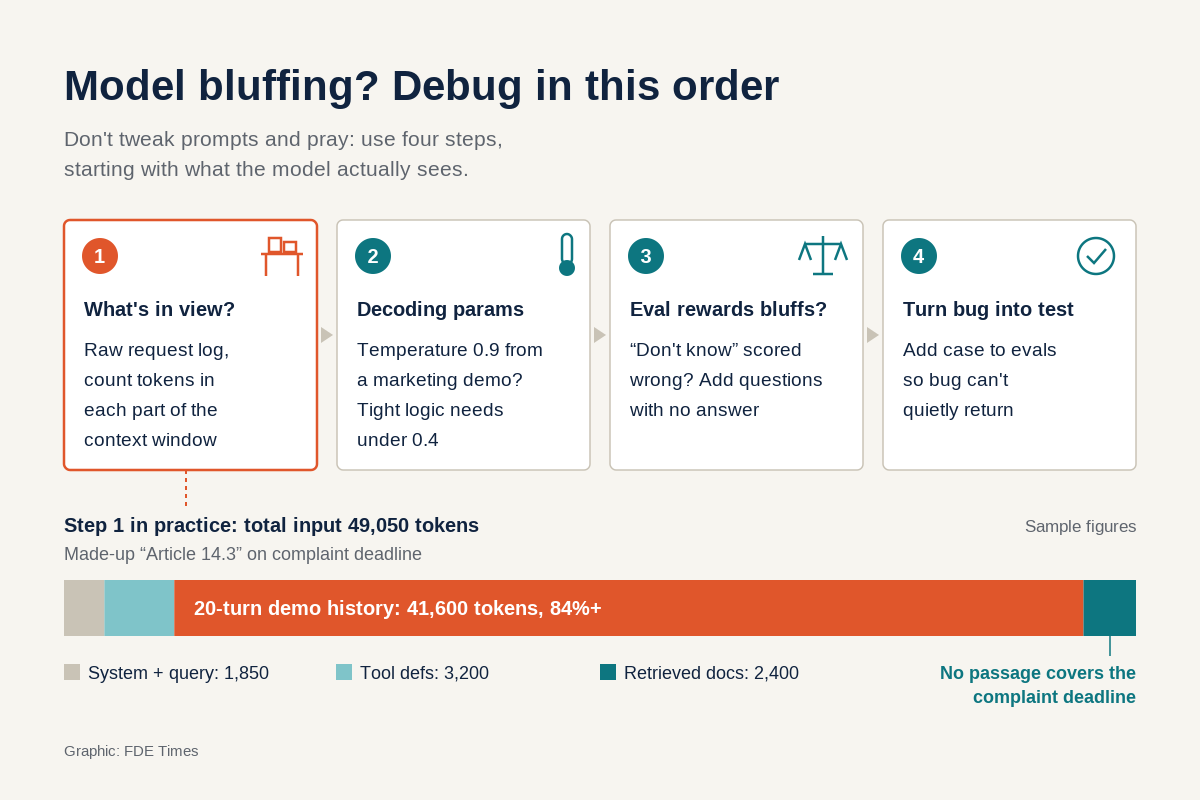
The returns policy was in the context all along, buried under chat history, order tables and FAQs, so choosing what the model sees is the skill to learn.
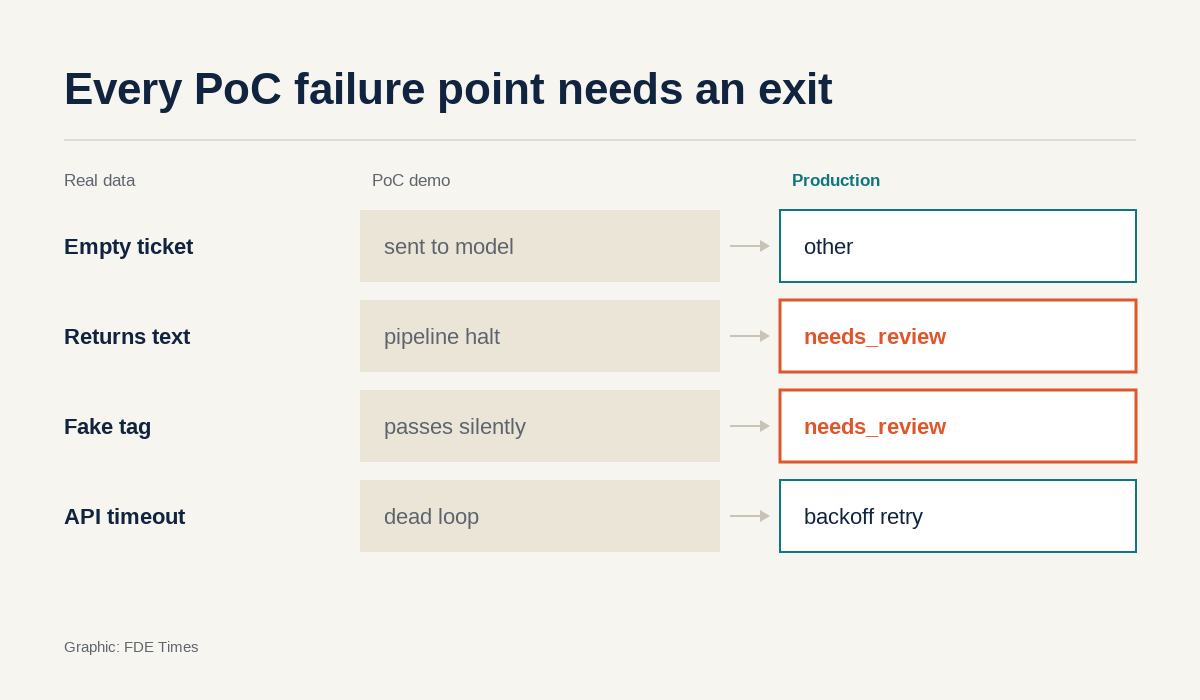
Rewriting one short PoC to production standard shows the gap is concrete, learnable piece by piece, and worth showing on a CV.
ML fundamentals and debugging instincts carry over; the new work is breaking down vague problems, writing production code and owning a deployment from start to finish.
Seven steps, applied to a ticket-triage agent for a logistics company, turn discovery notes into a document the client's platform team approves before any code is written.
One page, the same three questions every week, and a final section that tells the client exactly what they must decide, and by when.
IBM finds only about 25% of AI initiatives reach their expected ROI, and the missing FDE skill, reading a client's profit and loss, can be learned.
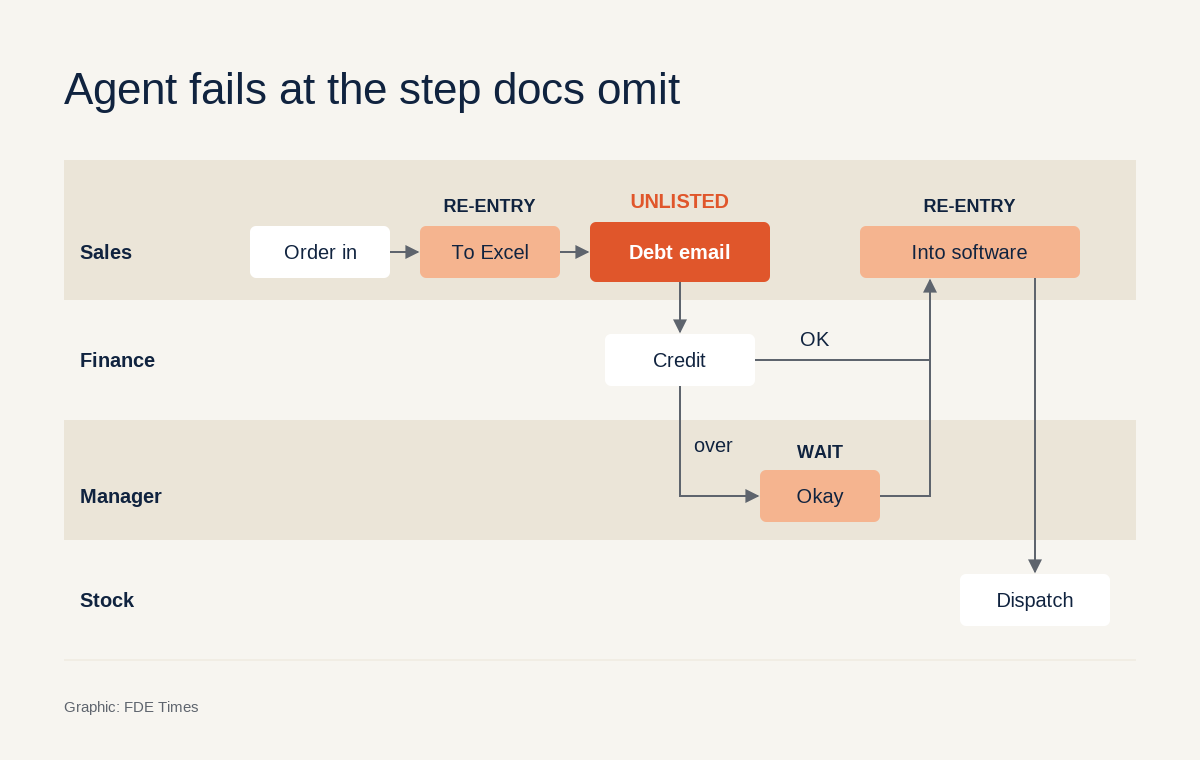
At one logistics client, Edana found four email exchanges missing from the documentation; a spreadsheet and a seat beside the staff are enough to find such gaps.
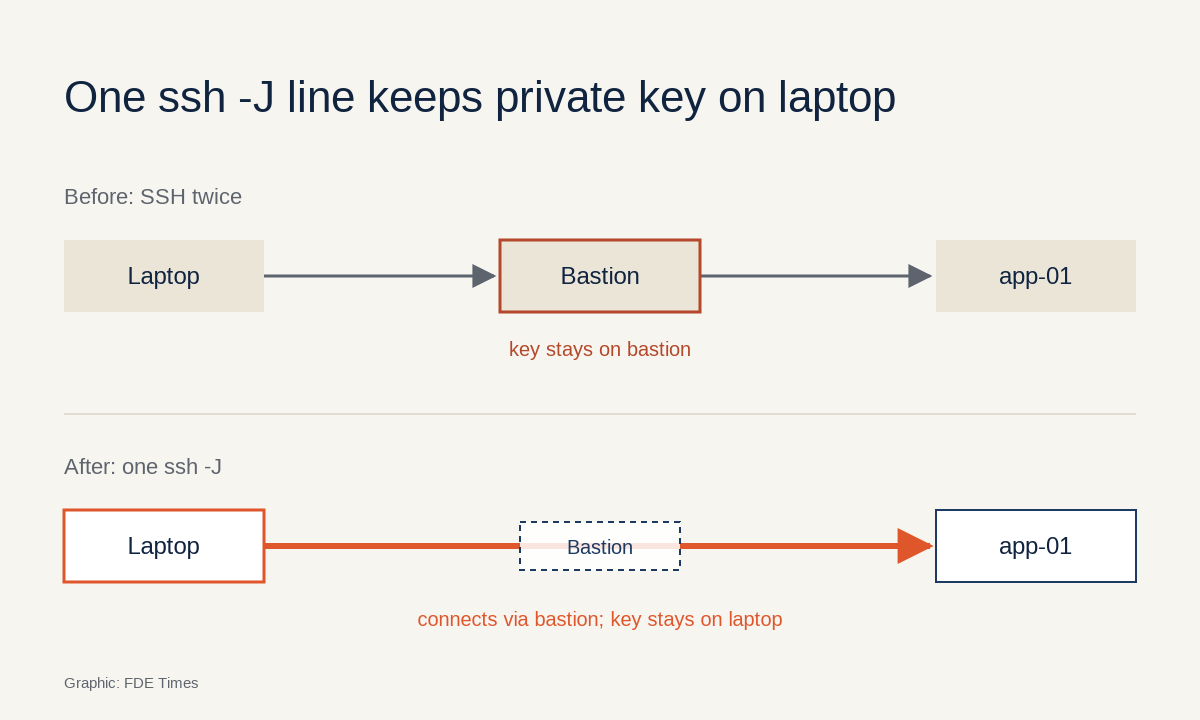
Hopping through the bastion from your laptop keeps your private key off the client's machine, and a short script records the server's state before you start guessing.
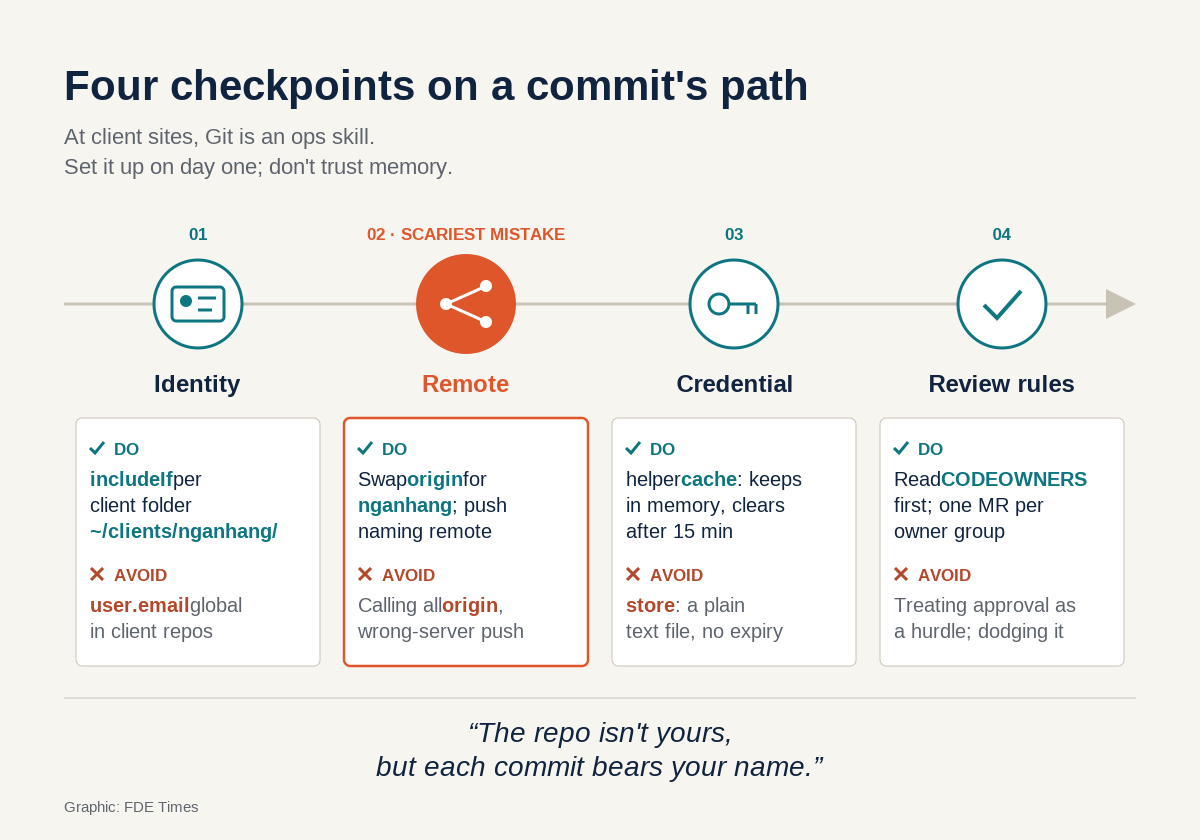
Five habits, from per-folder identities to respecting review rules, keep your first merge request on a client's internal GitLab from stalling.
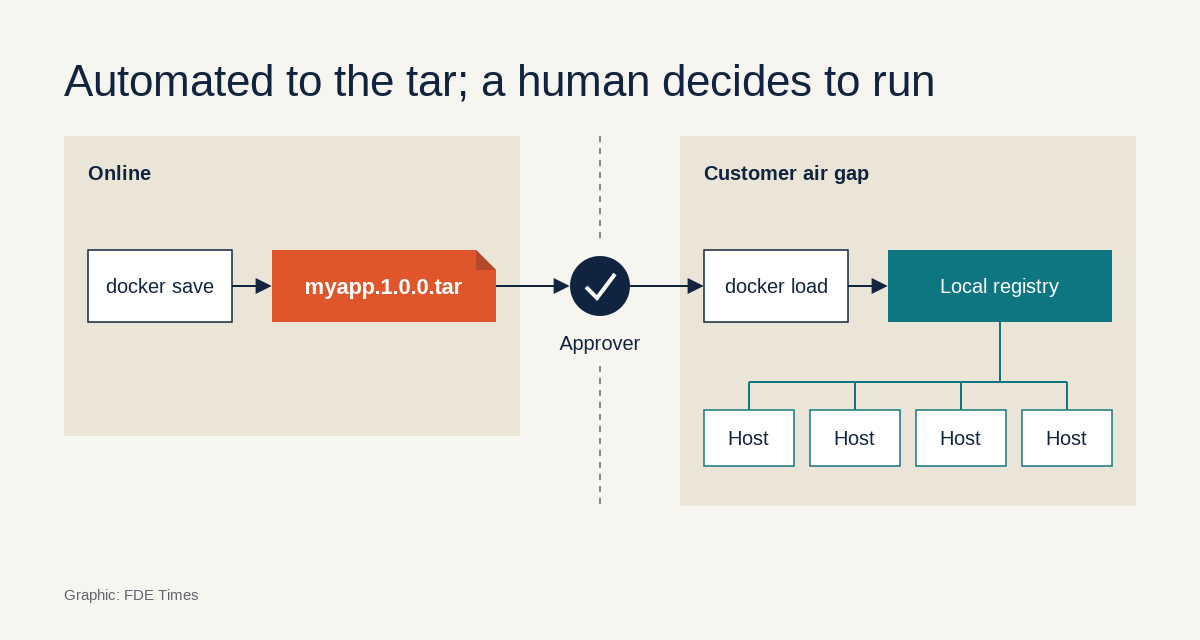
docker save and docker load will carry a build across an air gap, but what decides success is putting the approval gate in the right place.
Every model call has to run through the client's own cloud account, so learn Bedrock, Foundry and Vertex AI before your first day onsite.
This portfolio project writes a trace and a token count for every request to SQLite, then adds them up into cost on a dashboard.
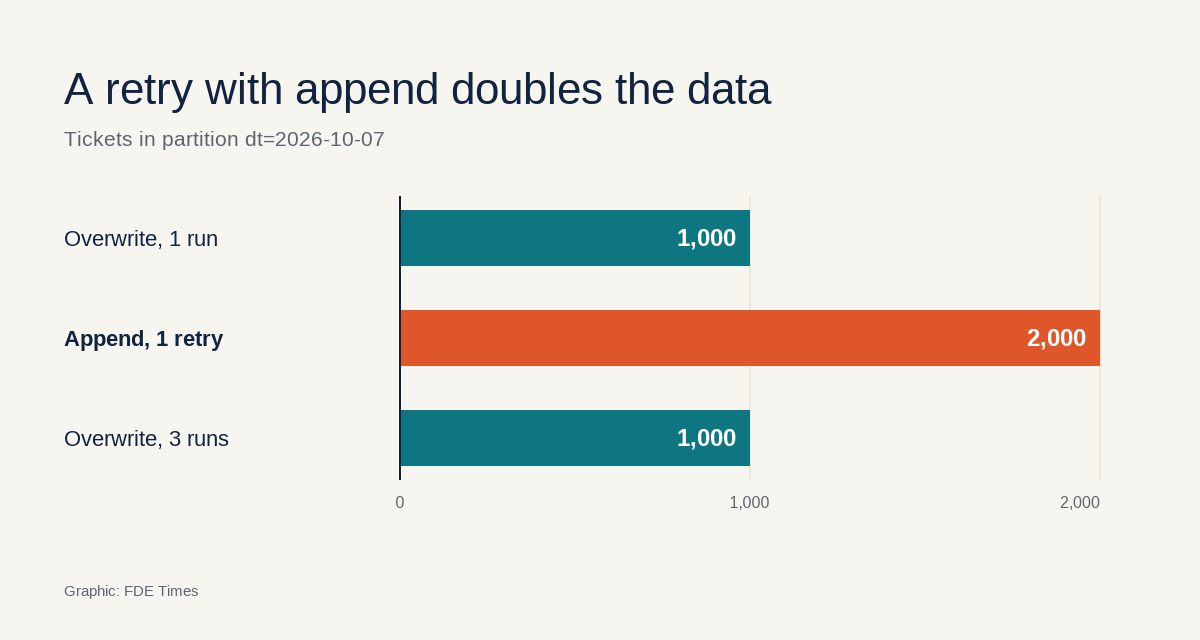
Airflow's own rule is that a task must give the same result however often it runs, and this four-task ELT pipeline is built to honour it.
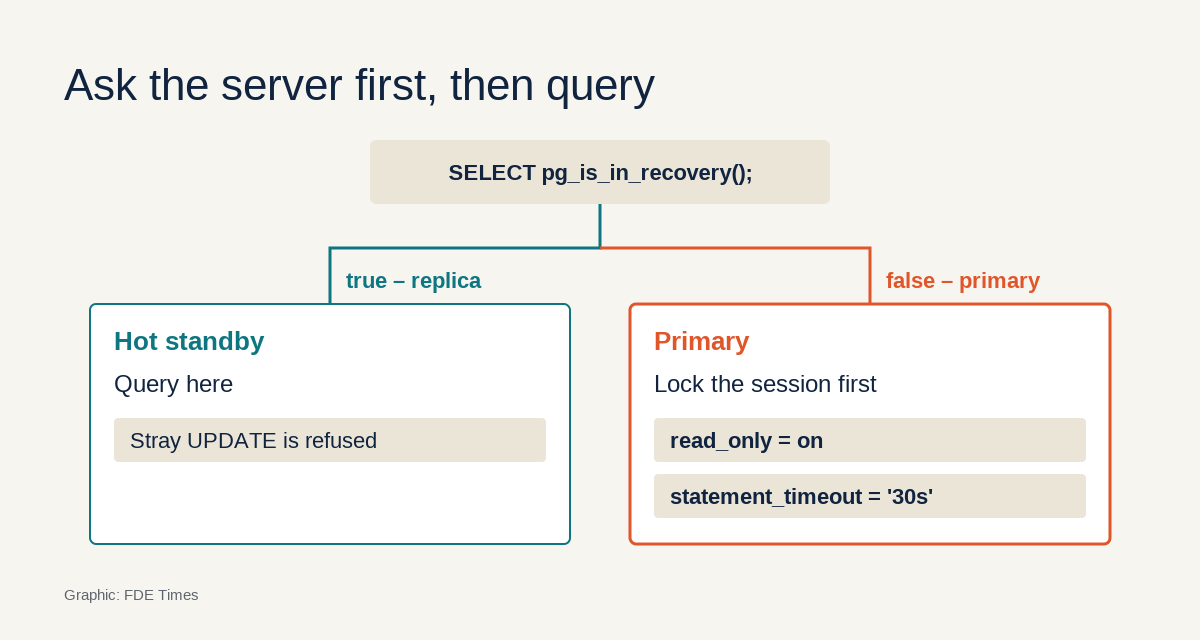
A hot standby rejects writes outright; if only the primary is on offer, a read-only session and statement timeouts stop a harmless COUNT(*) from hurting live orders.
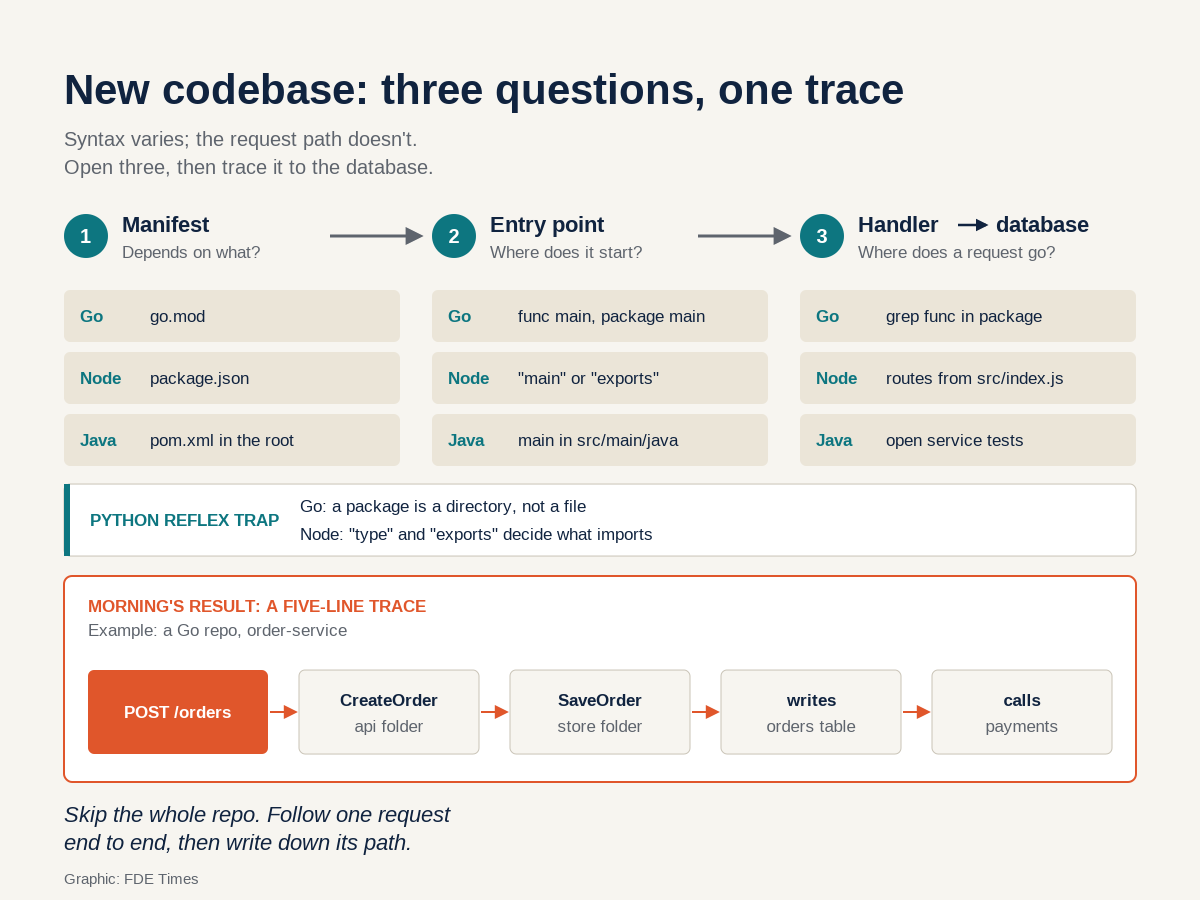
Start with the manifest, the entry point and one API handler, not the first file alphabetically, then trace a single request to the database.
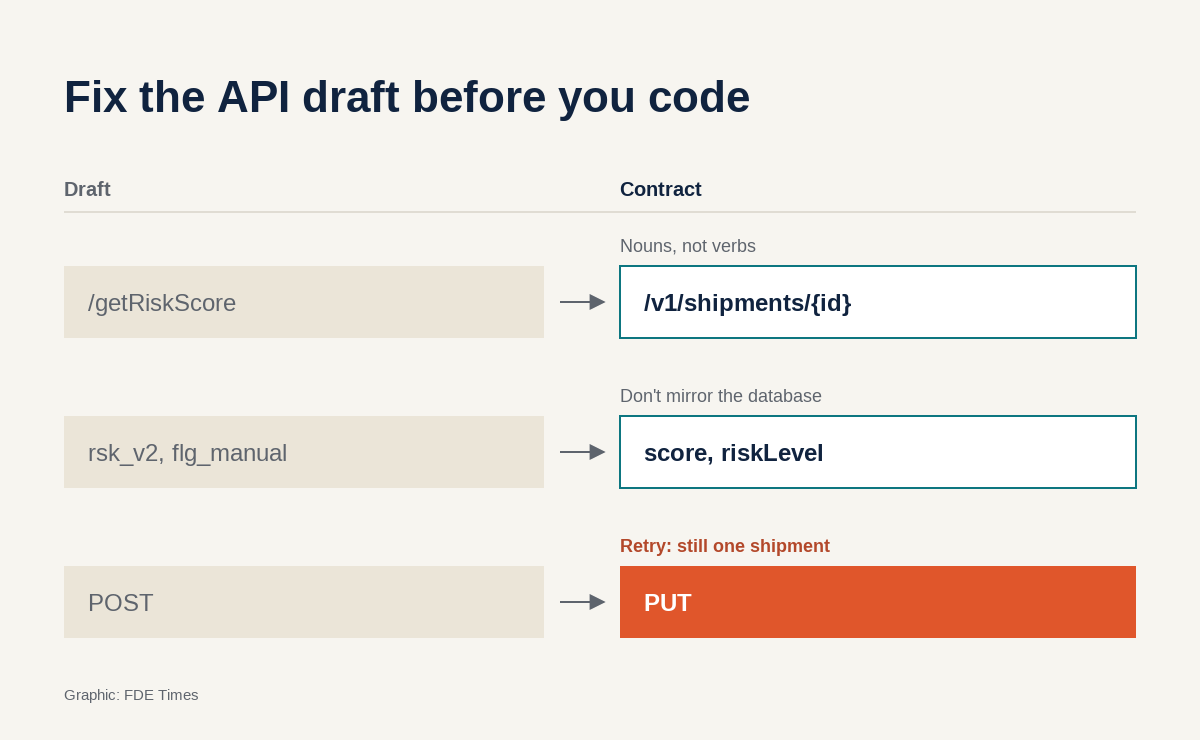
Decide who may call the API, choose REST or GraphQL by the caller, and write the contract before the code, because endpoints outlive models.
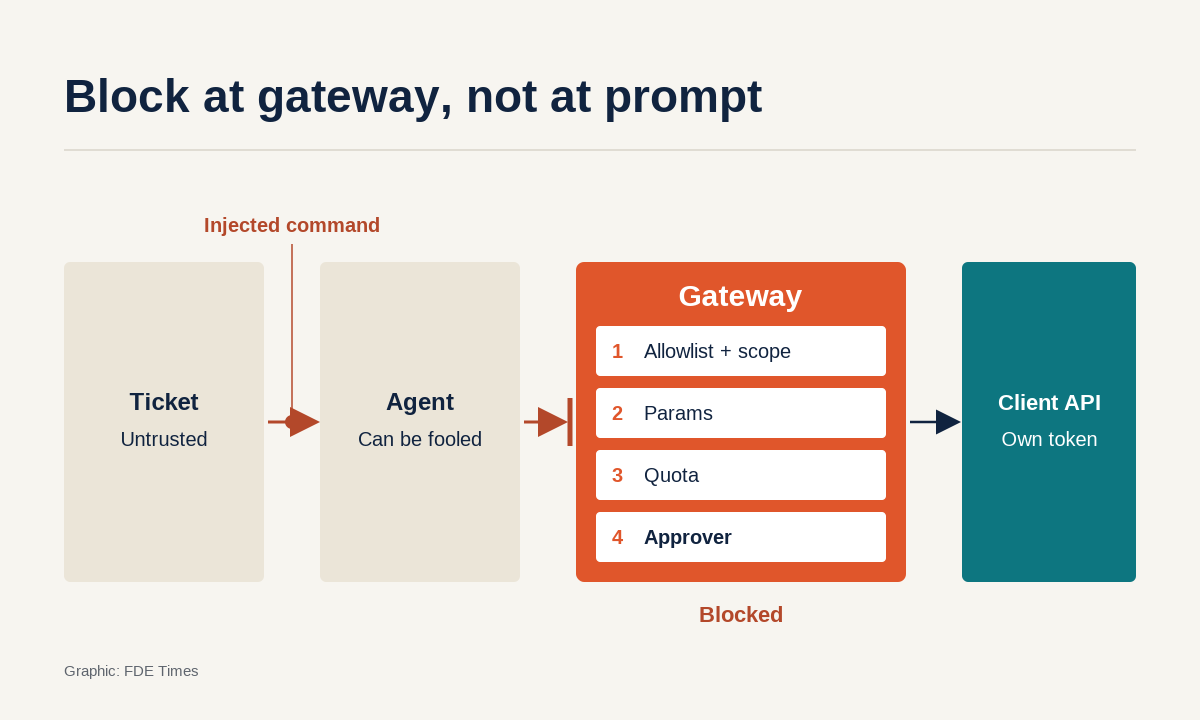
A clever system prompt will not save a tool-using agent; FDEs need a threat model and controls that stop refunds and data leaks outside the model's reach.
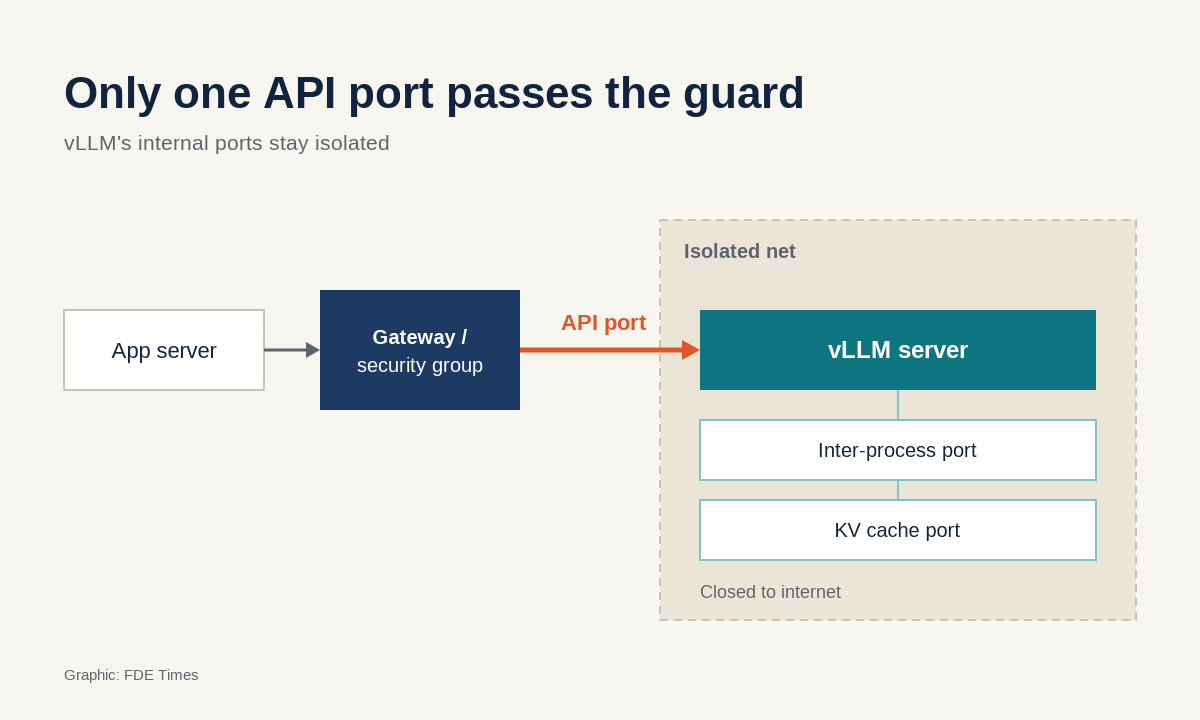
A step-by-step build puts vLLM in a private subnet, with a port map clear enough for the customer's security team to sign off and GPU memory handled.
A GitHub Actions workflow runs promptfoo to compare old and new prompts on the same golden dataset, then posts the scores as a comment on every PR that edits a prompt.
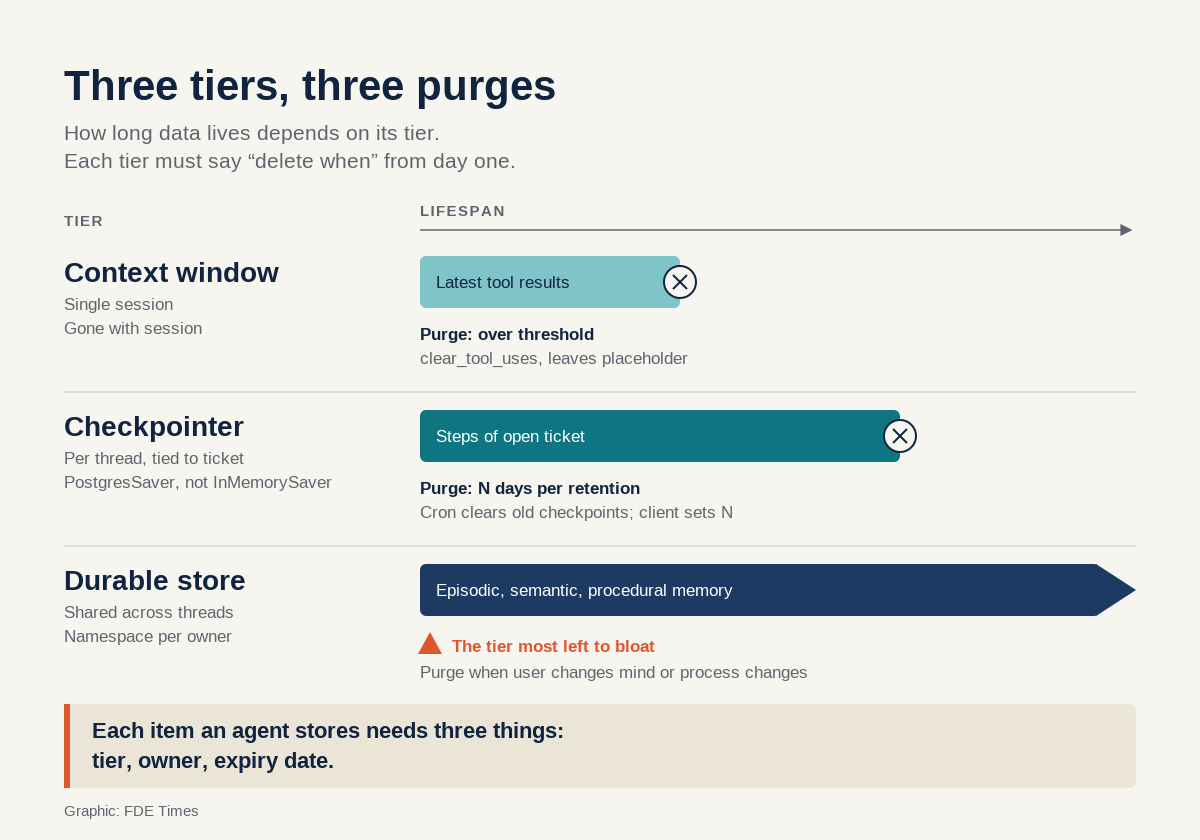
Split memory into the context window, a per-thread checkpointer and a long-term store, then set a deletion schedule for each before the client asks.
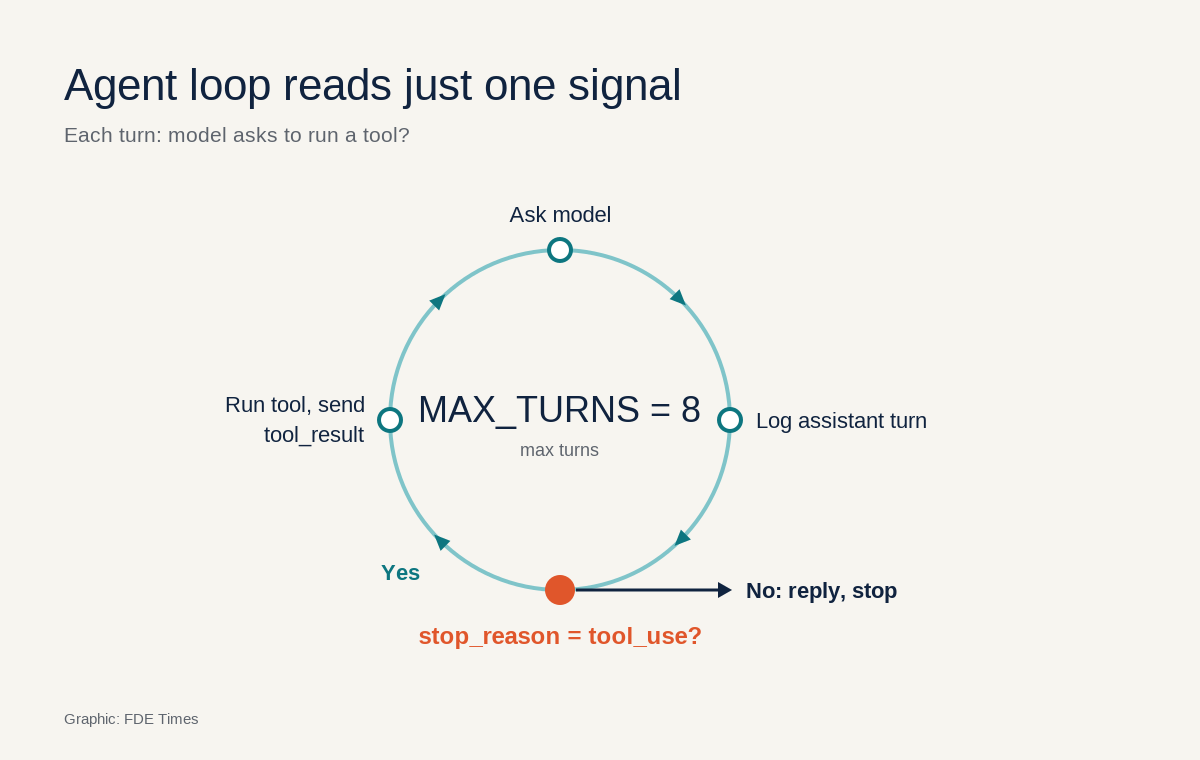
Plain Python, one tool and one for loop are enough, and when a client's agent fails at 2am you will know which line to open.
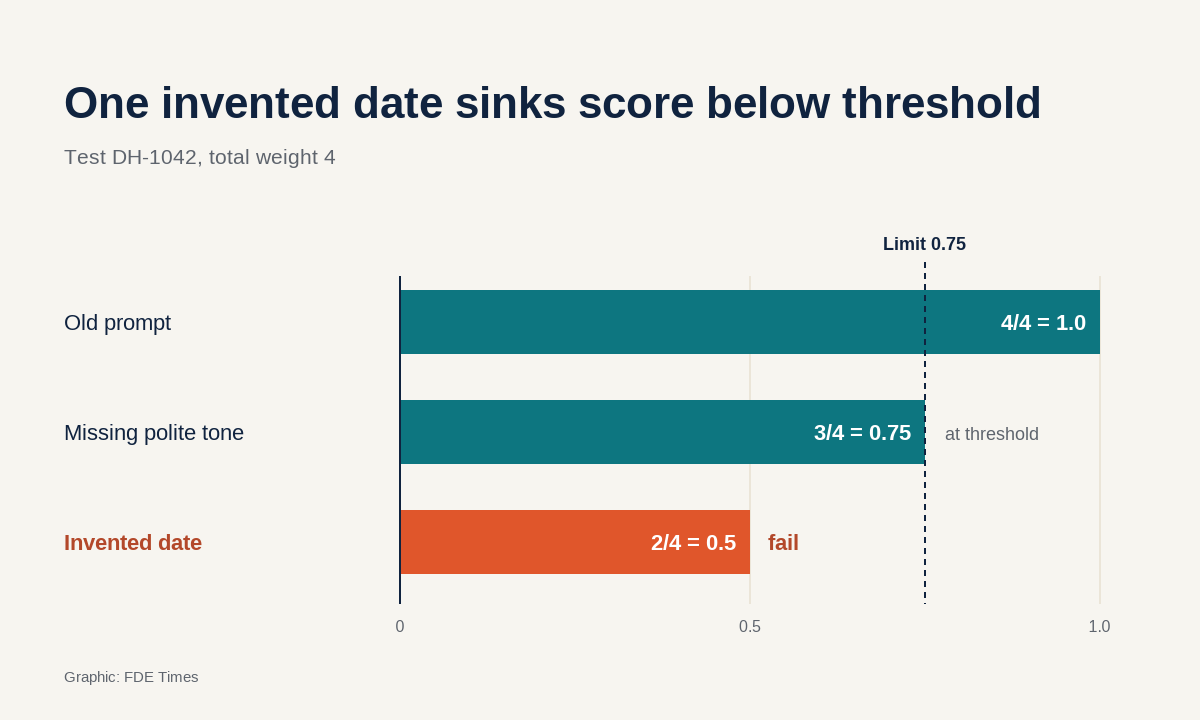
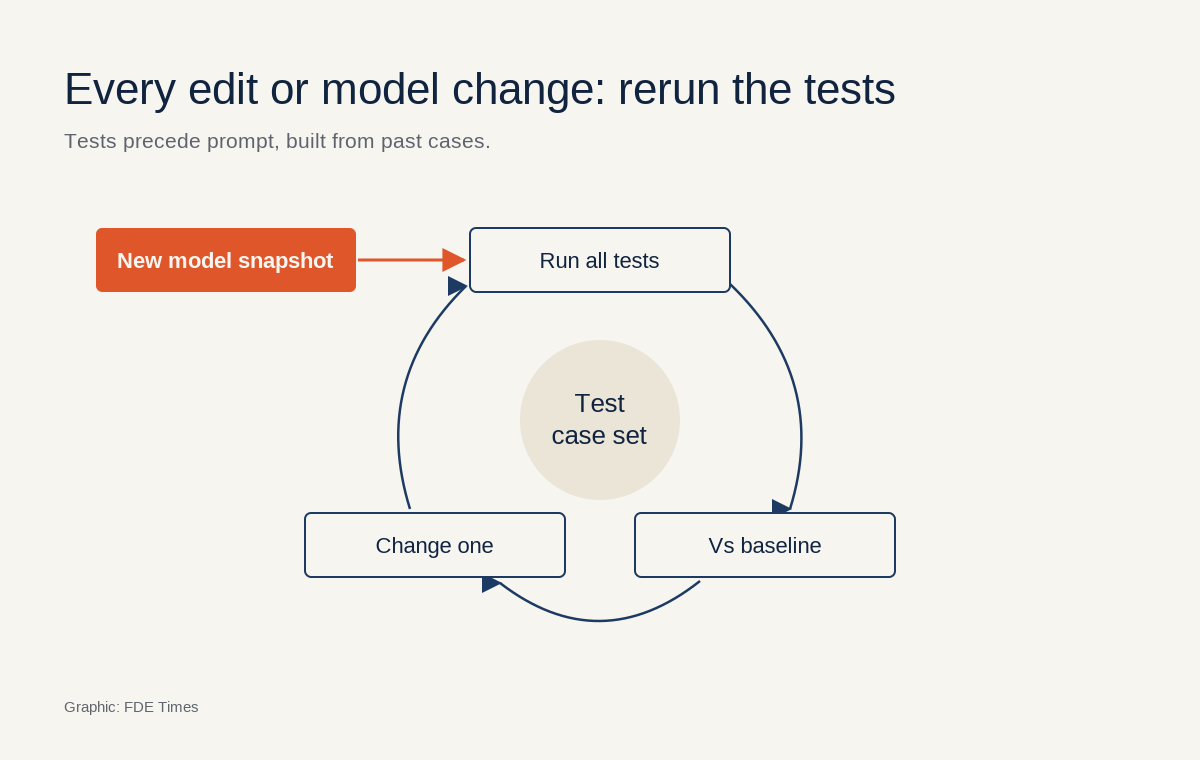
Model output shifts with every snapshot, so only past cases with known correct answers can prove a prompt will still work next month.
Telling a model “don’t make things up” sometimes works, but only knowing what it saw and how it picks words explains why, and what to fix.
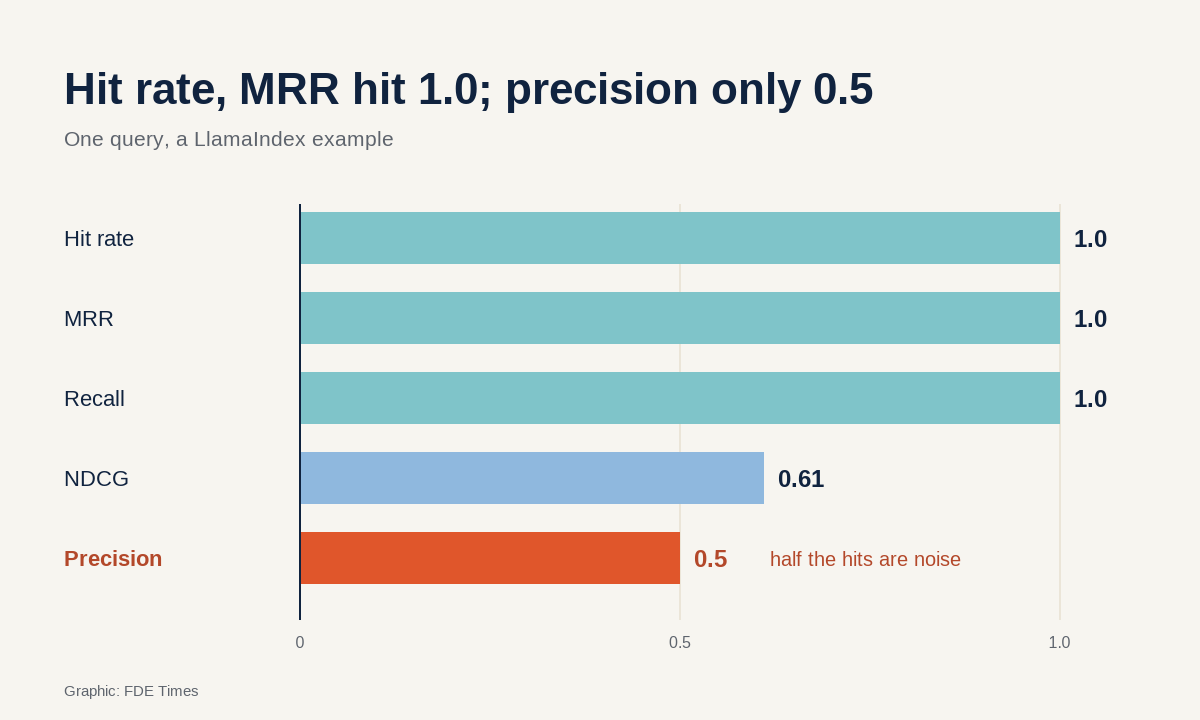
A small golden set, hit rate and MRR in plain Python, then LlamaIndex's RetrieverEvaluator, show whether wrong answers come from retrieval or from generation.
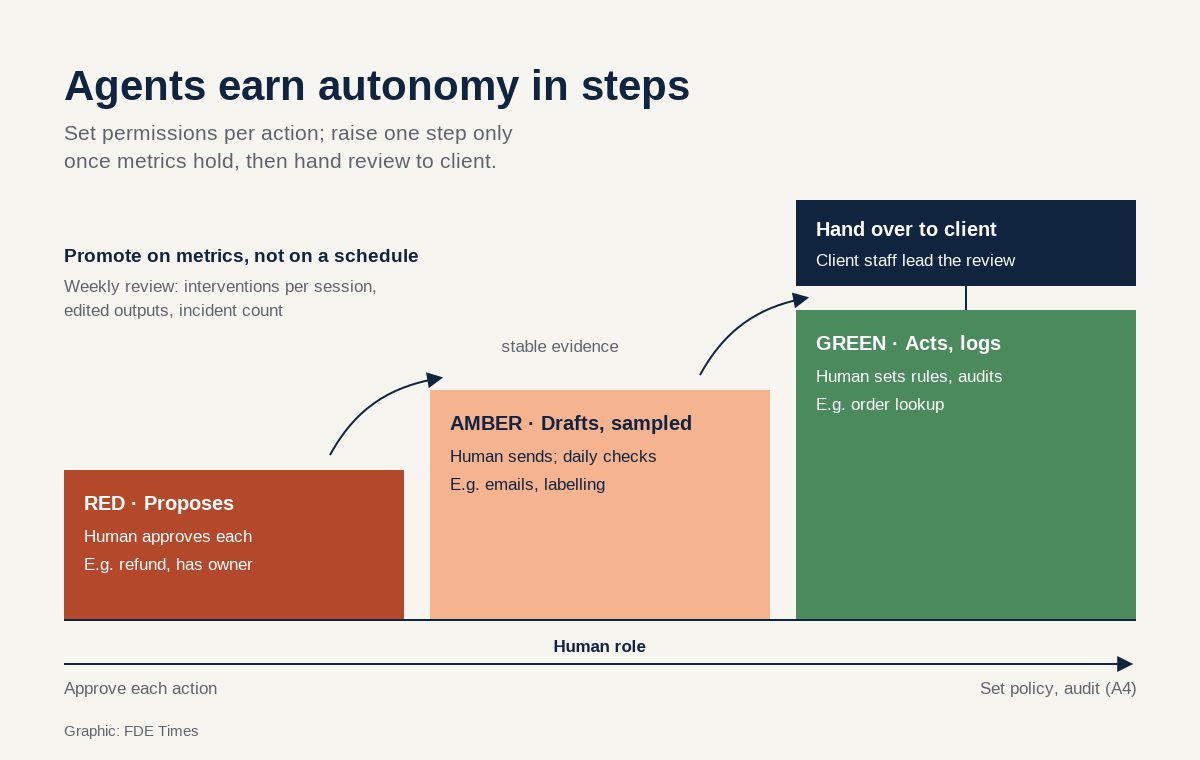
Users past 750 sessions turn on auto-approve in over 40% of them, twice the rate of newcomers; a traffic-light permission table turns that trust into rules.
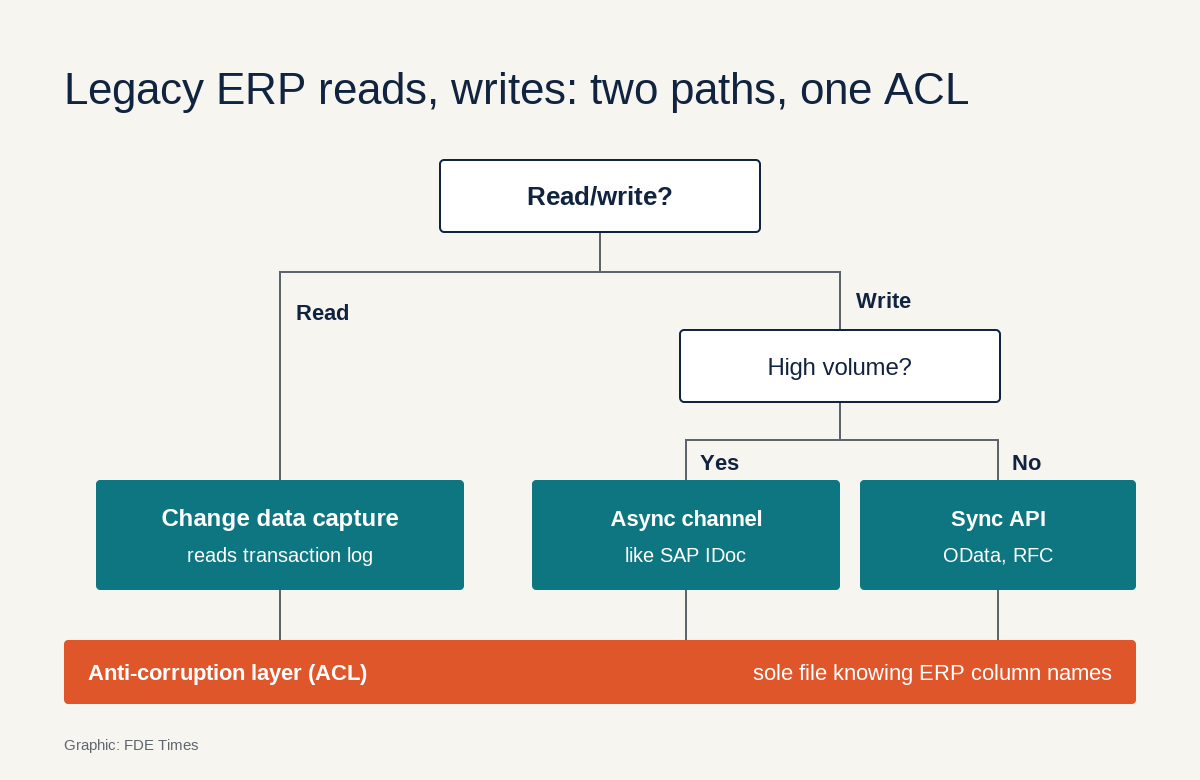
An anti-corruption layer and separate read and write paths stop a legacy schema leaking into new code before the next ERP upgrade bites.
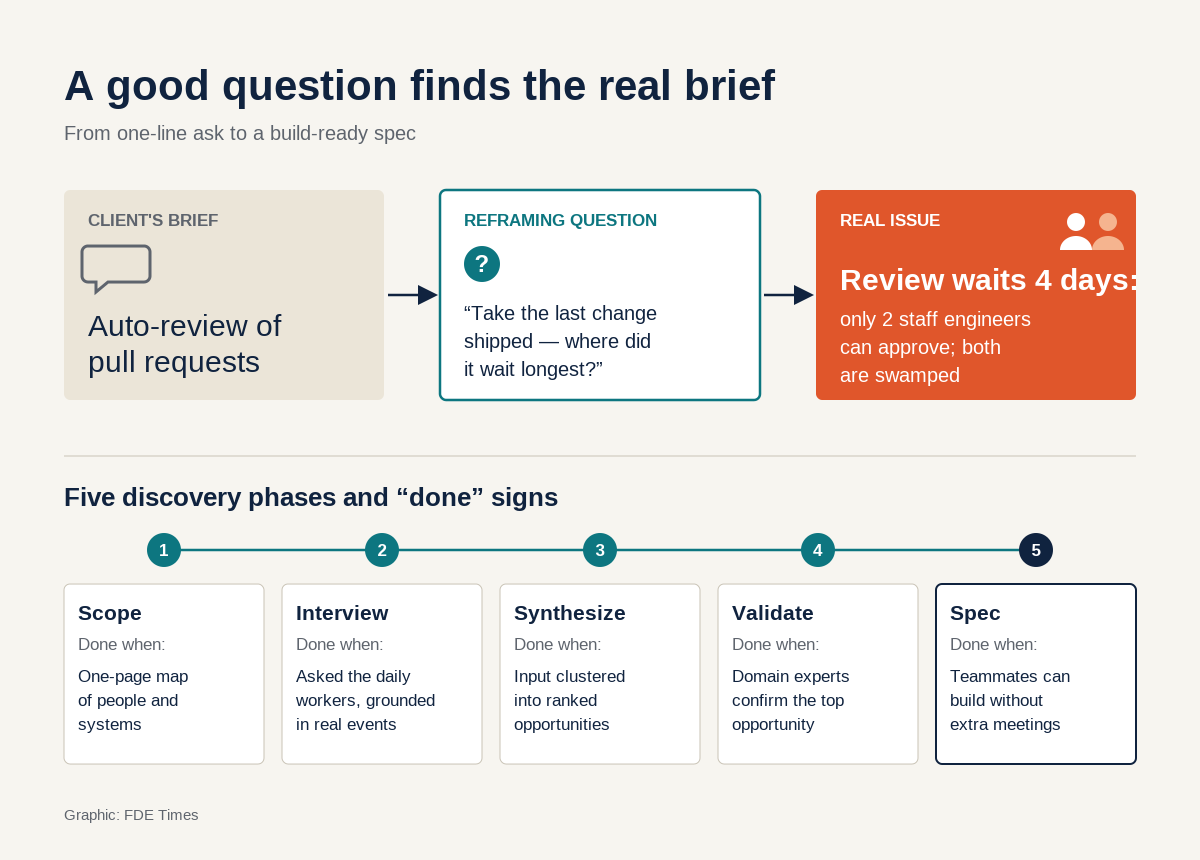
Treat every stated requirement as a hypothesis to test, and a few well-placed discovery questions can save you three weeks of building the wrong thing.
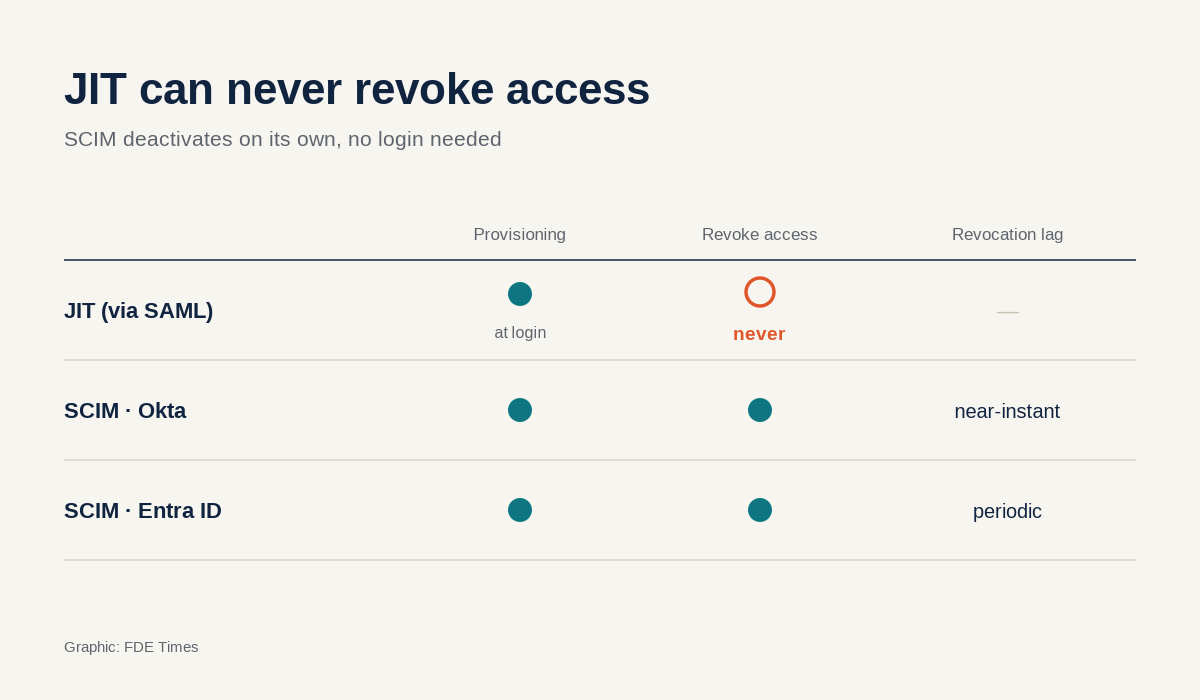
The first enterprise contract brings a security questionnaire: SAML handles sign-in, SCIM handles revoking accounts, and an FDE needs both before going to production.
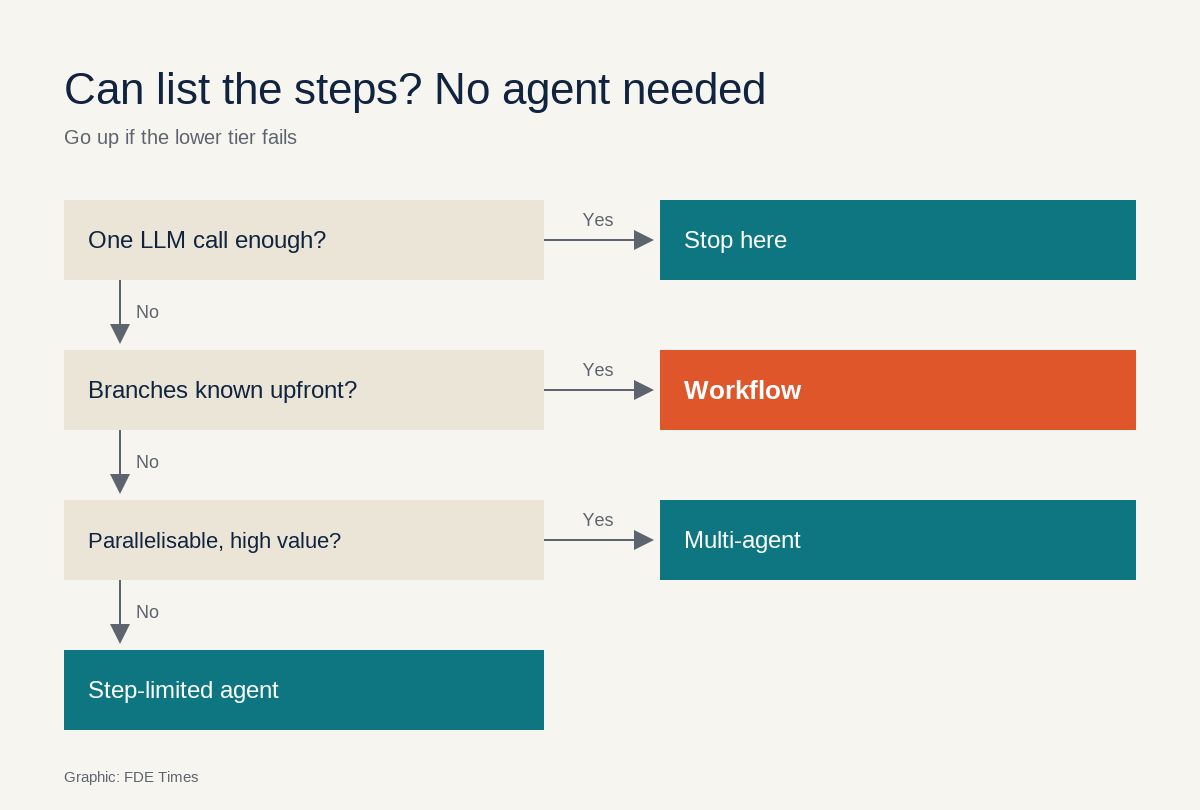
If you can draw every branch before anything runs, it is a workflow; an agent earns its cost only when the steps cannot be listed in advance.
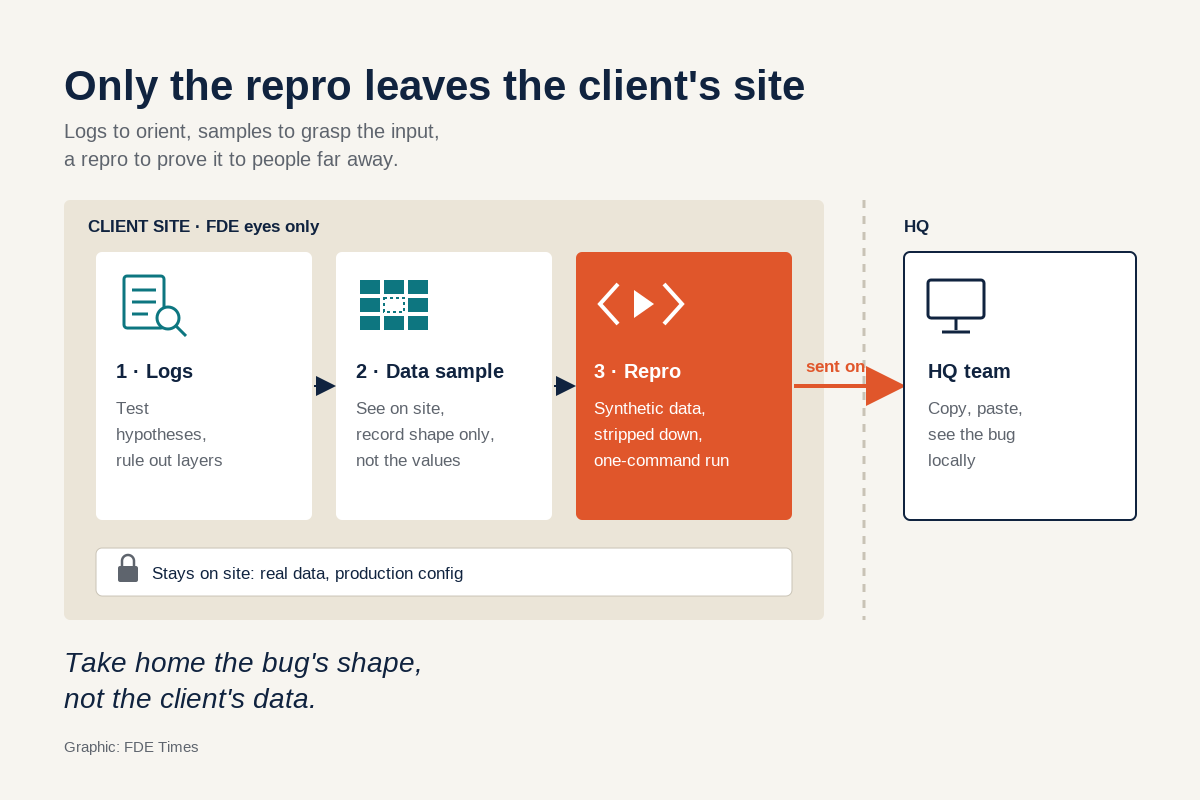
The core skill is not the fix but a reproduction colleagues can run, built without a single byte of the customer's data leaving the site.
A step-by-step Python guide: samples drawn from real failures, pass/fail grading in pytest, and an LLM judge checked against hand-graded labels.
Tandem says the loop breaks when context is lost: a request reaches the PM as one line, without who needs it, why, or what it costs them.
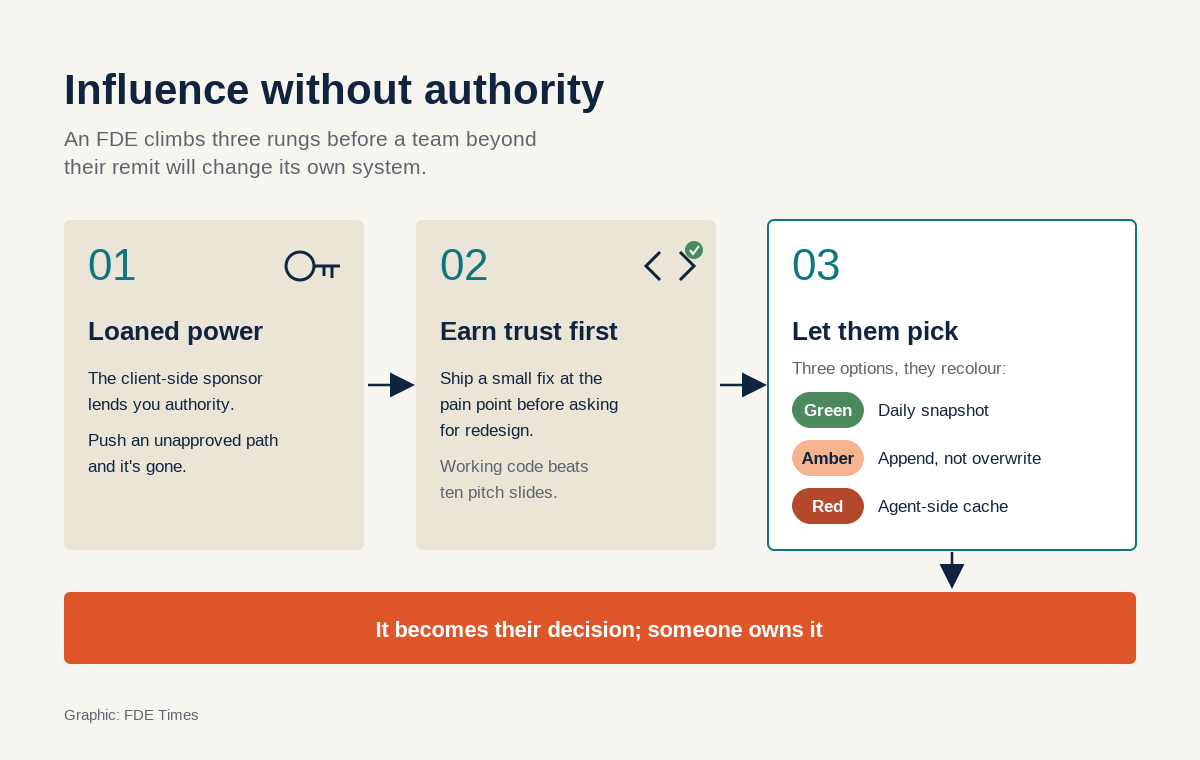
Nobody on the client's data team reports to you, so changing their pipeline depends on the sponsor who brought you in and the credibility you build yourself.
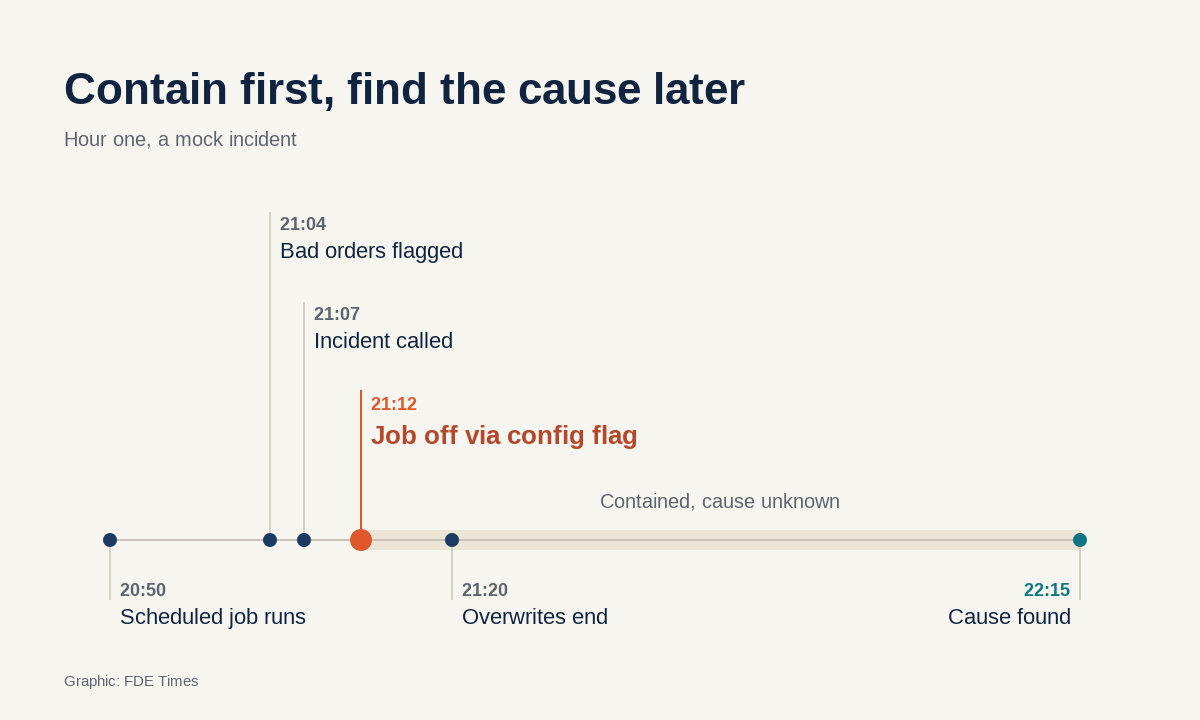
Declaring early, naming one incident commander and writing an honest postmortem decide how much a client still trusts you once the outage is over.
A single retry after a timeout can charge a customer twice, and Stripe's recommended defense is an idempotency key that lets the server recognize a resent request.
A JOIN that silently double-counts orders is why FDE job ads treat Python and SQL as the floor, and checking the keys first as the habit.
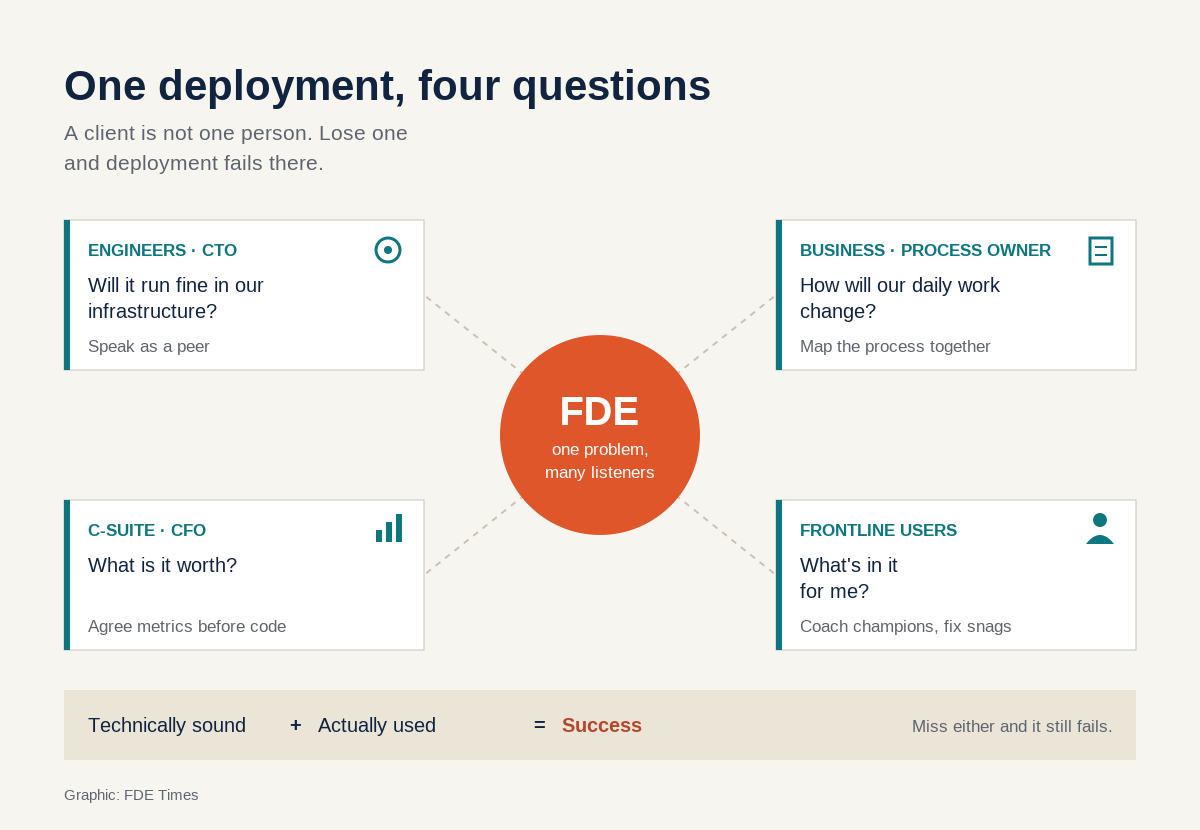
Client deployments involve at least four people with four different questions, and an FDE who answers only one of them will see the project stall at the demo.
PostHog's bar is a stranger acting on the documents unaided; most fall short because they are written in the busiest final week and cite no sources.
Gartner expects at least 30% of GenAI projects to be abandoned after proof of concept, and closing that gap is what FDEs are hired for.
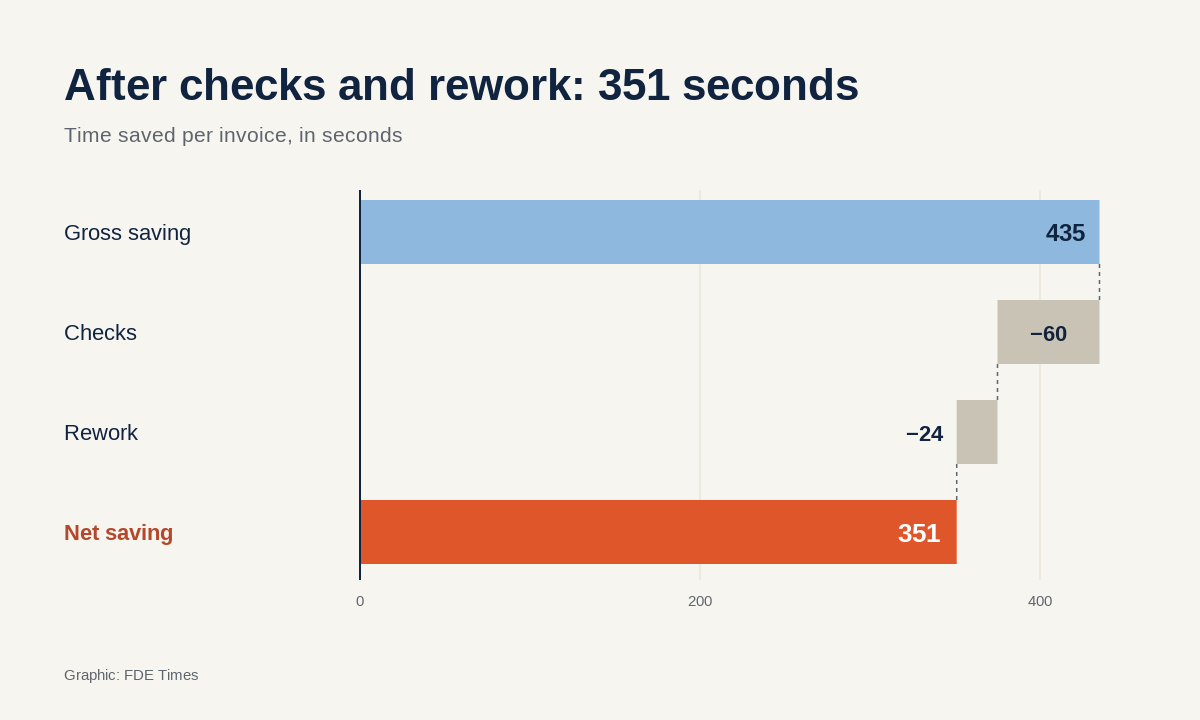
In METR's trial developers felt 20% faster while measuring 19% slower; real ROI starts from a baseline and subtracts the cost of checking and rework.
Say yes to every request and the project's margin disappears; refuse them all and the client loses the reason it chose you over an off-the-shelf product.
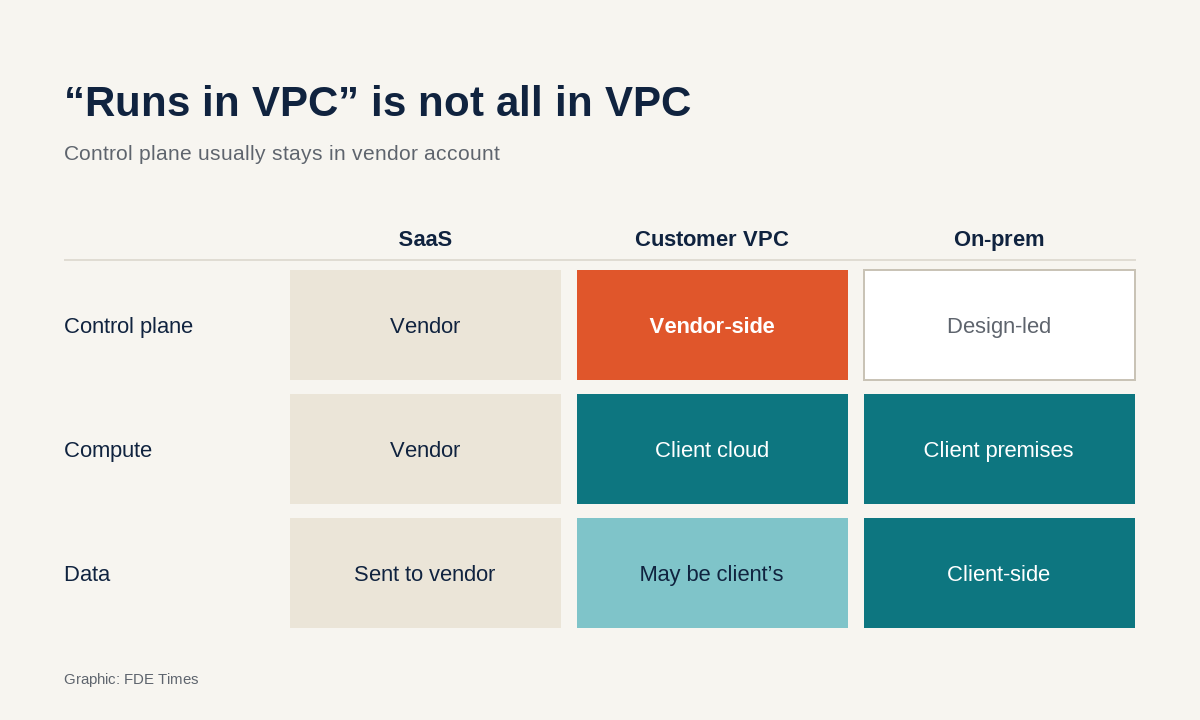
The real question is where the control plane, compute and data sit and what the vendor still controls; BYOC is the same model seen from the client’s side.
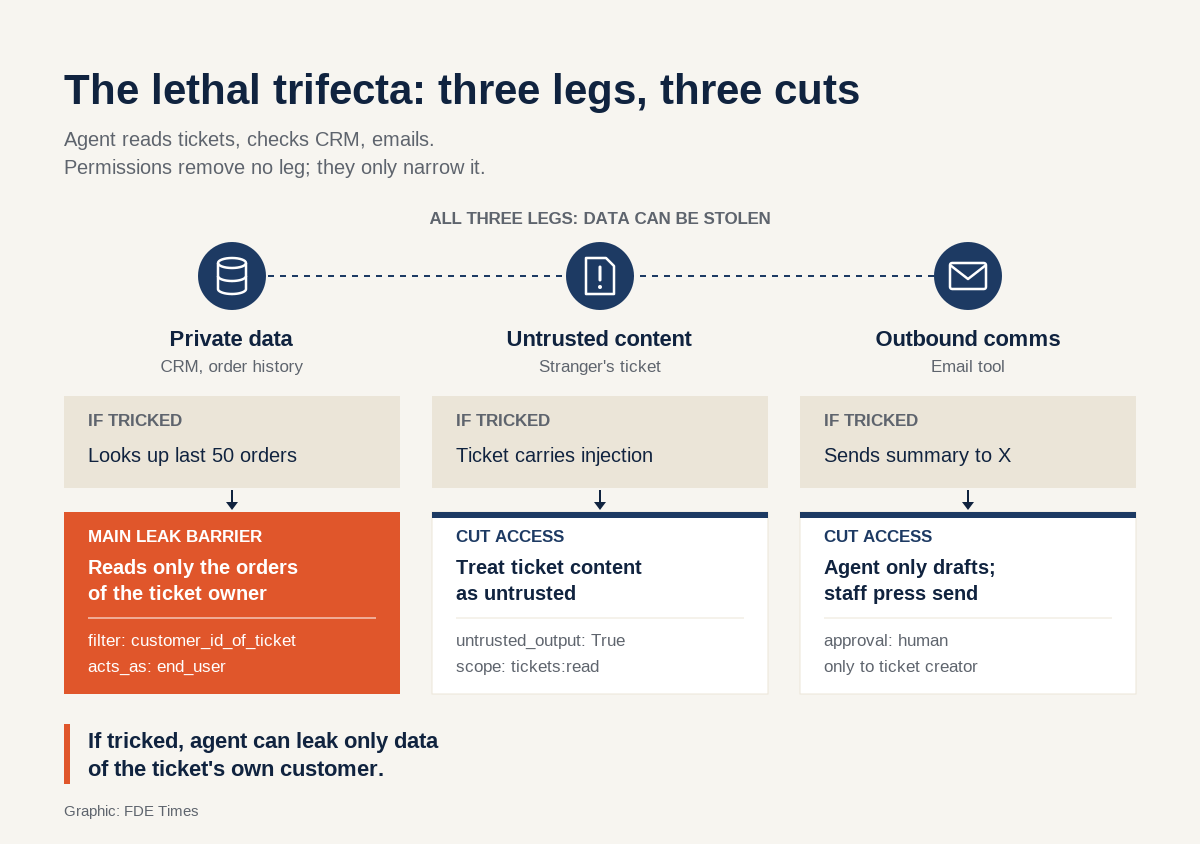
OWASP advises against betting on the prompt: cut the agent's functions, permissions and autonomy, so that a fooled model can do no worse than give a wrong answer.
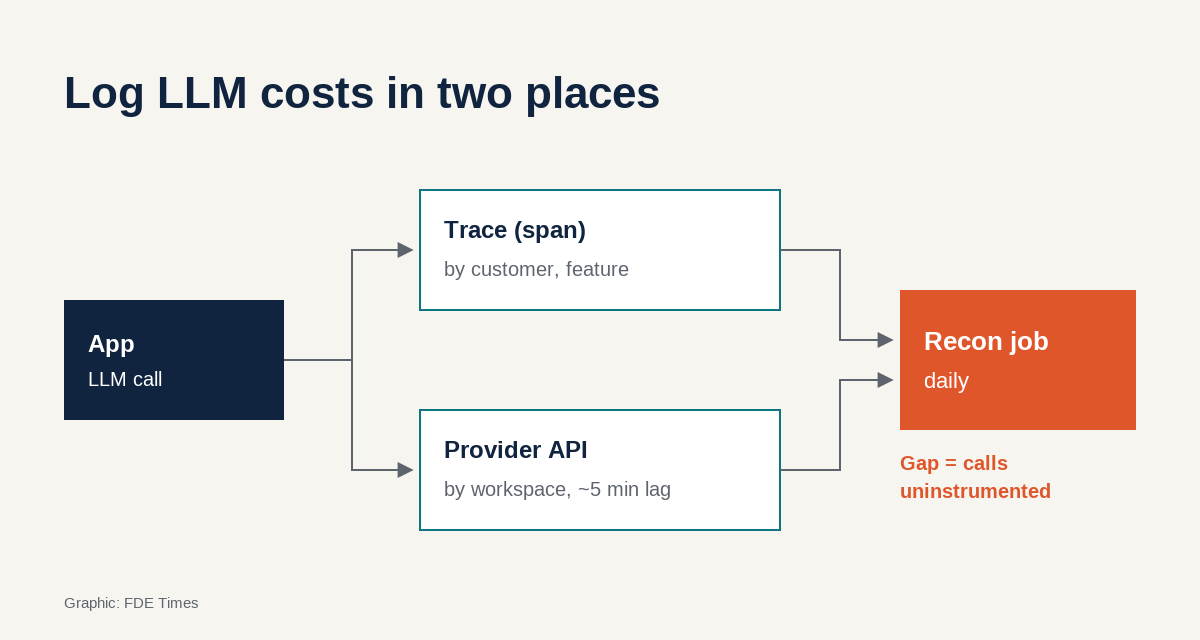
When spans record tokens, feature and customer, a day of guessing becomes a single query, and costs logged in two places can be reconciled.
Anthropic, OpenAI and Google describe the same contract, which shows FDEs exactly where to put the checks a client's security team will ask about.
Under 200,000 tokens, Anthropic says put the whole corpus in the prompt; above that, measure Recall@k before blaming the model.
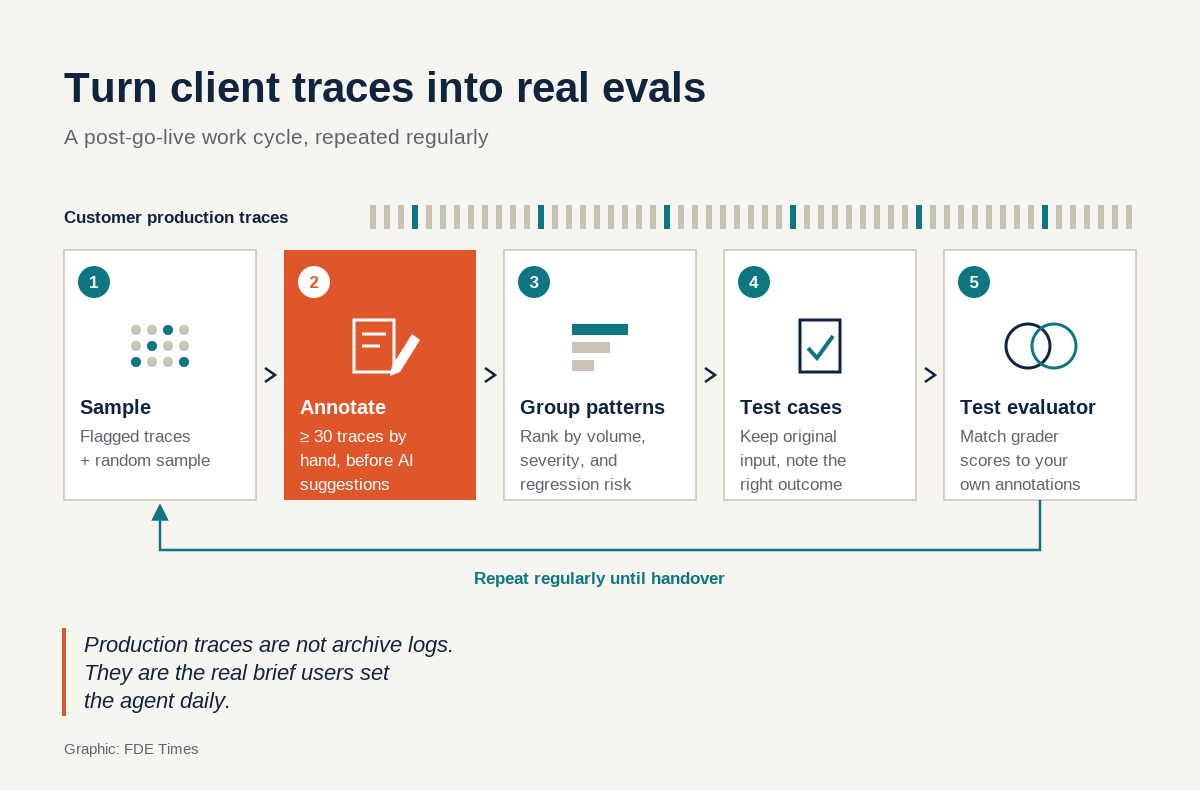
Pre-launch tests capture the questions you imagined; production traces hold the typos, pasted emails and two-part questions that real users actually send.
At Databricks, a 60-minute decomposition round that starts from a vague business goal is treated as the core of the loop, while coding gets a separate slot.
Engineers call data onboarding clean-up, yet Tagup's posting lists SQL and ETL as hard skills, and enterprise AI pilots mostly fail on scattered data.
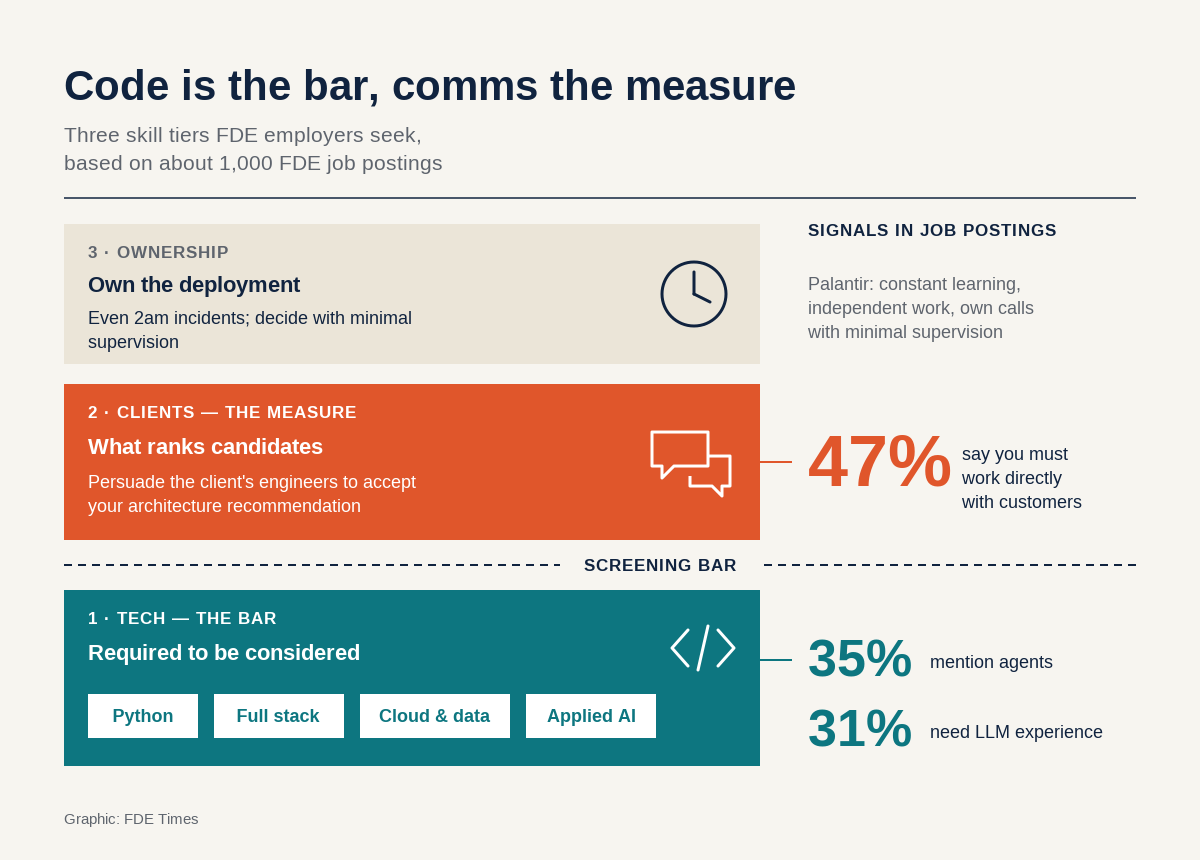
Across about 1,000 FDE postings, most demand Python and full-stack skills, while 47% say the hire must work directly with customers.
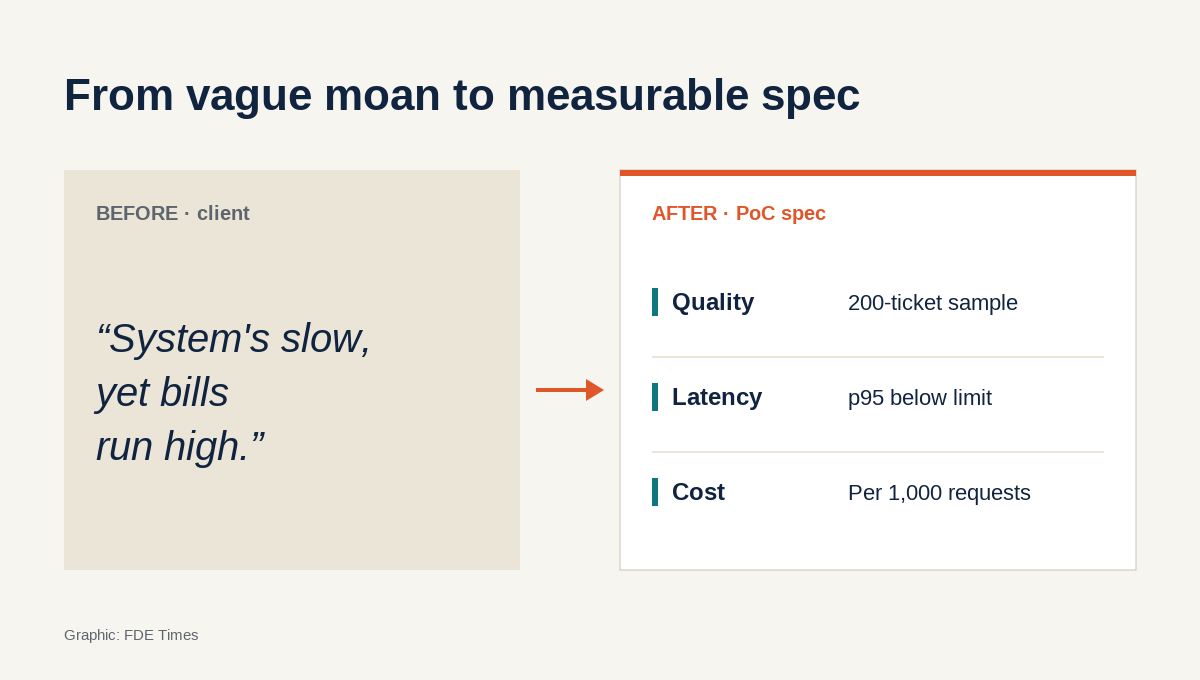
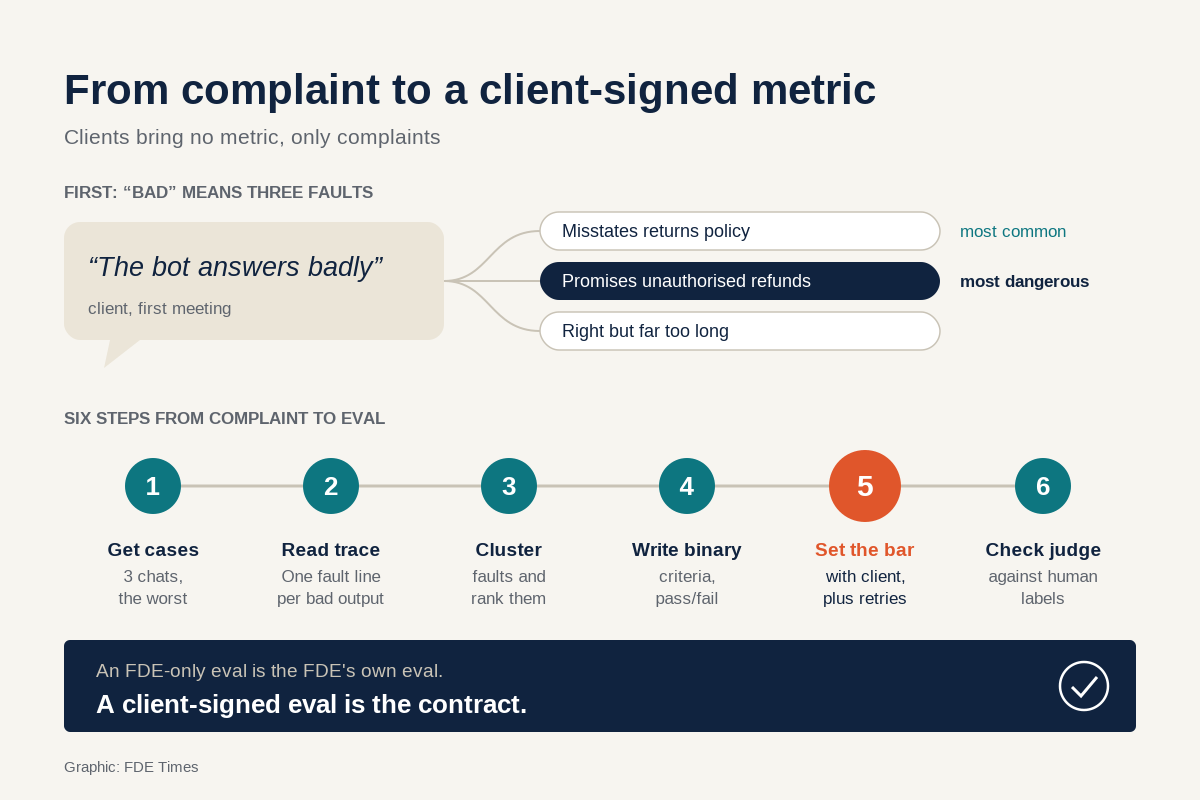
The FDE's job is to turn "the bot's answers are bad" into pass-or-fail criteria and an eval suite both sides sign off on.
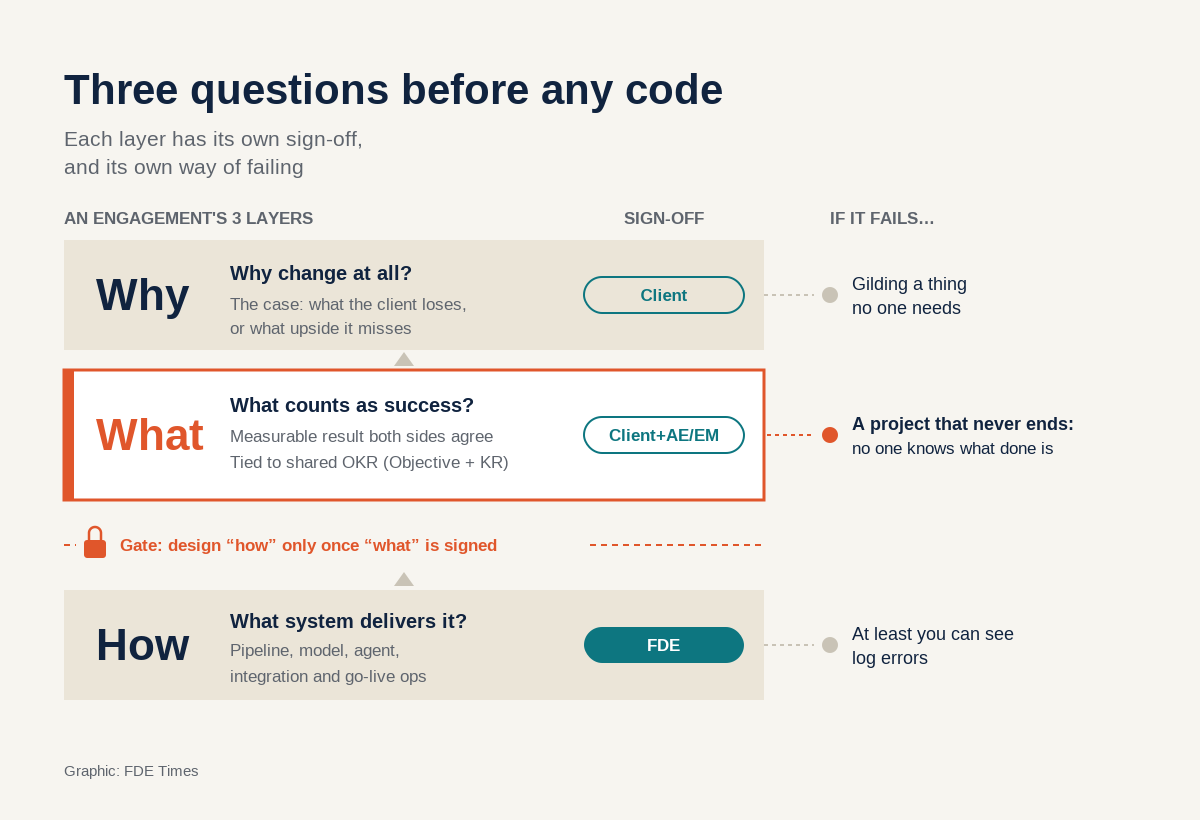
Databricks ties each engagement to OKRs shared with the customer before building; a one-page, three-layer brief does the same job.
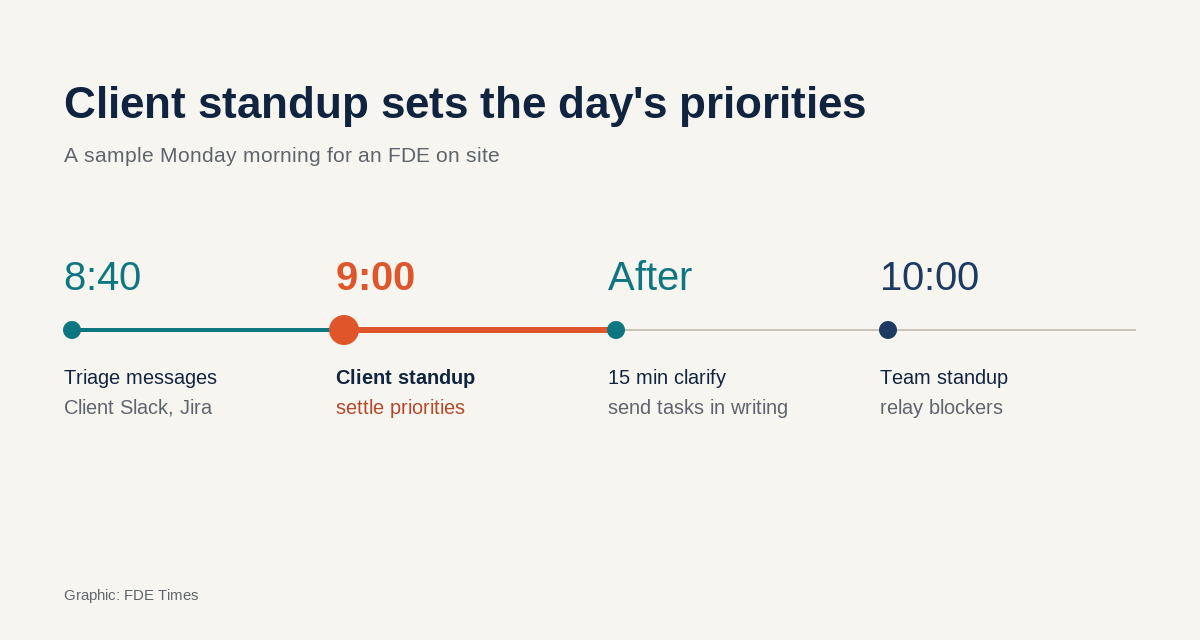
The hardest habit to learn is triaging the client's overnight messages, catching blockers in their standup and turning vague requests into tasks before writing any code.
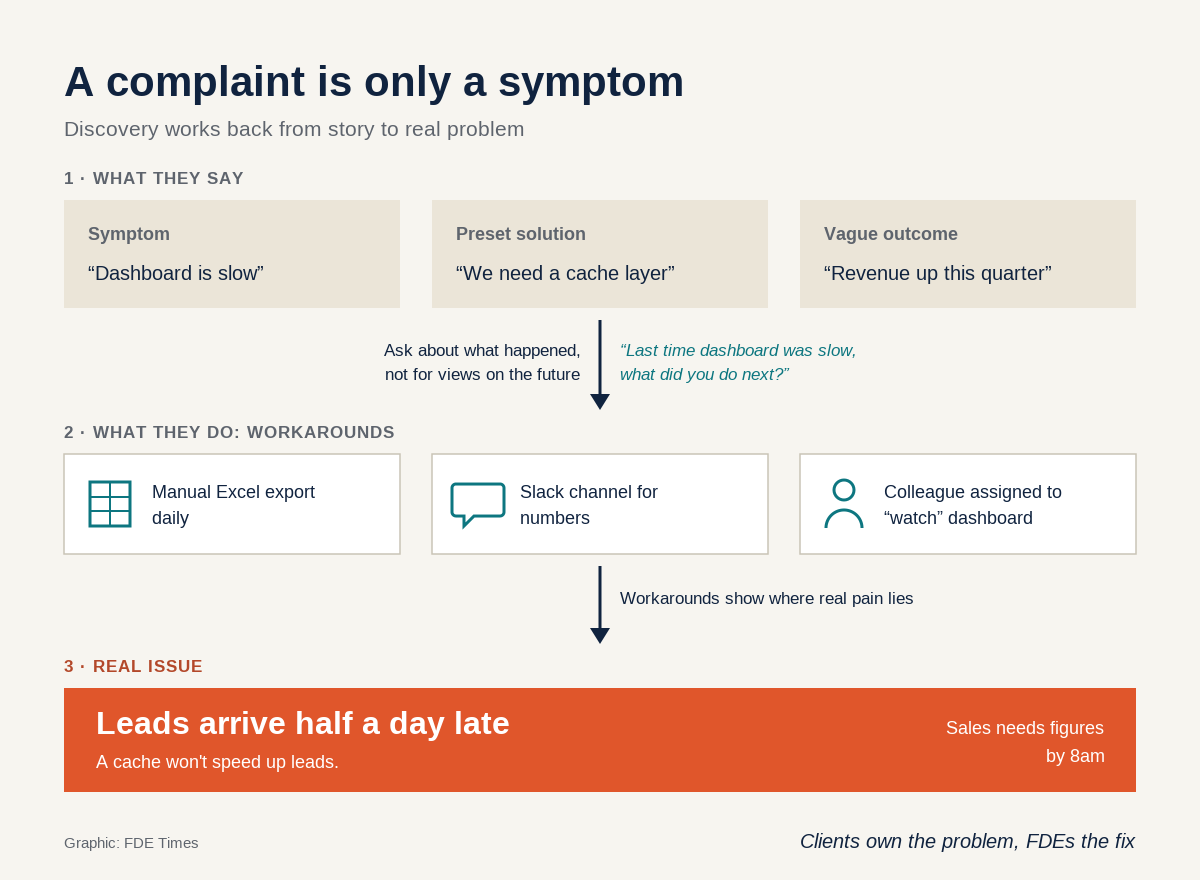
A Rippling forward deployed engineer calls the complaint a symptom, and good discovery traces it back to the workflow problem before a line of code is written.
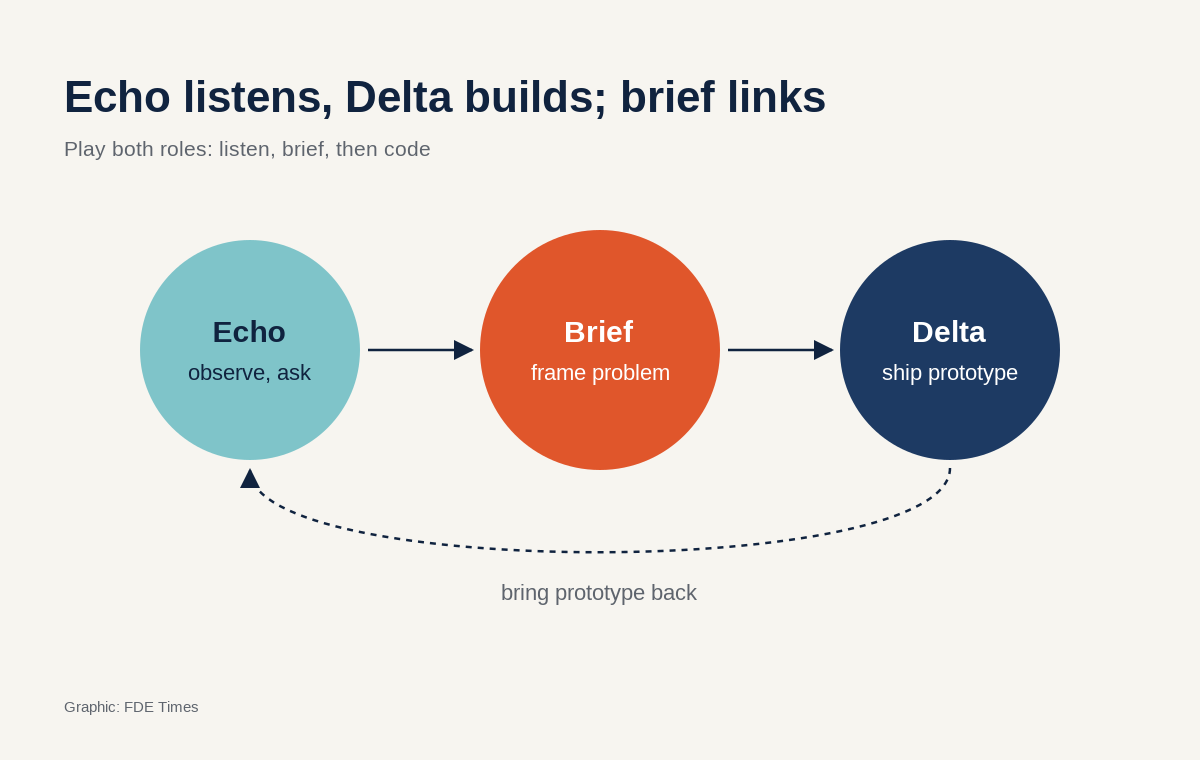
The Echo finds the right problem and the Delta builds; doing both means knowing which mode you are in, and writing the brief that links them.
When a client's pipeline breaks at 2am there is no team to hand it to, so "done" means more than a merged pull request.
Job ads mix up "solutions" and "customer-facing", so find out who owns production code before you take a role that may turn out to be drawing diagrams.
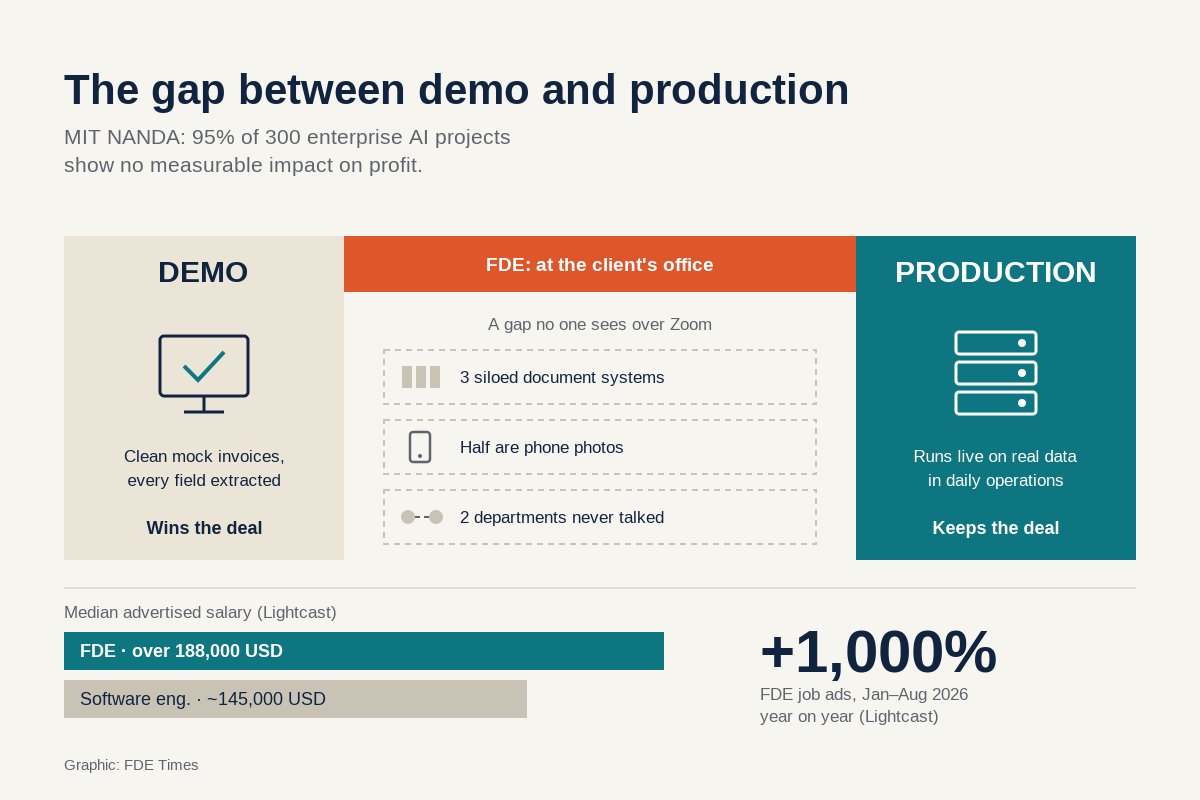
MIT NANDA surveyed 300 enterprise AI projects and found that 95% produced no measurable profit. OpenAI and Anthropic are responding by sending engineers into their customers' offices.
OpenAI's split is the starting point: missing knowledge calls for RAG, inconsistent behaviour for fine-tuning, and only a baseline on the client's data settles it.
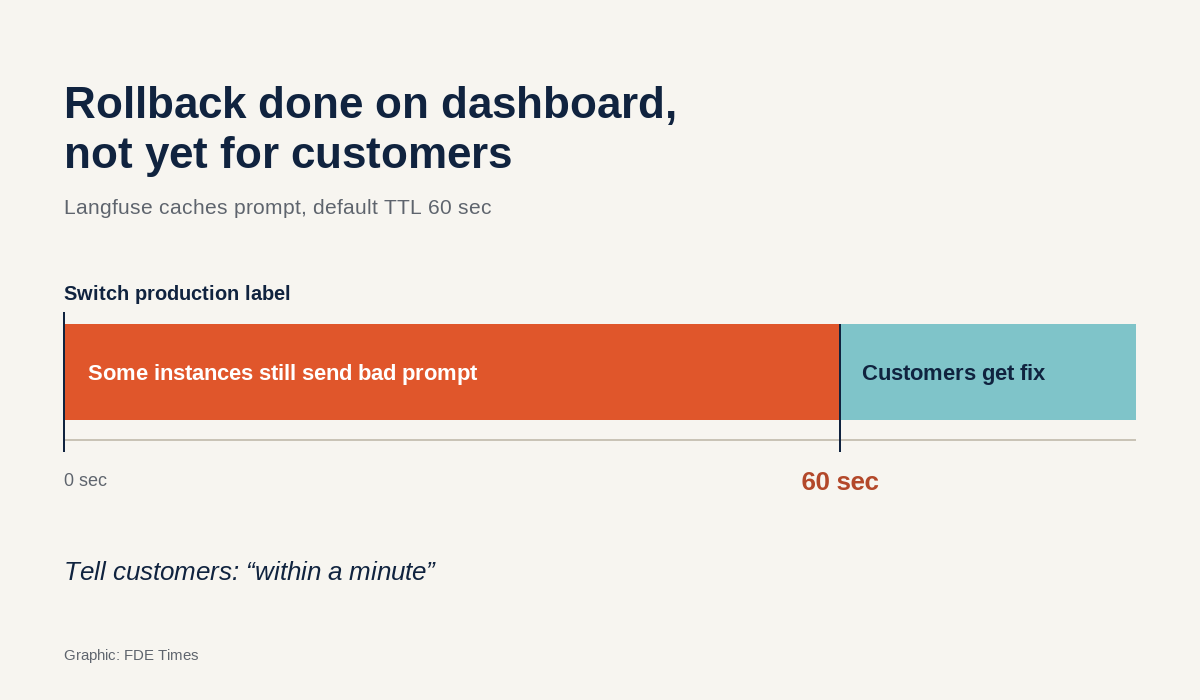
Langfuse's SDK caches prompts client-side for 60 seconds by default, so treat labels as deploys, evals as tests, and write the rollback plan before you need it.
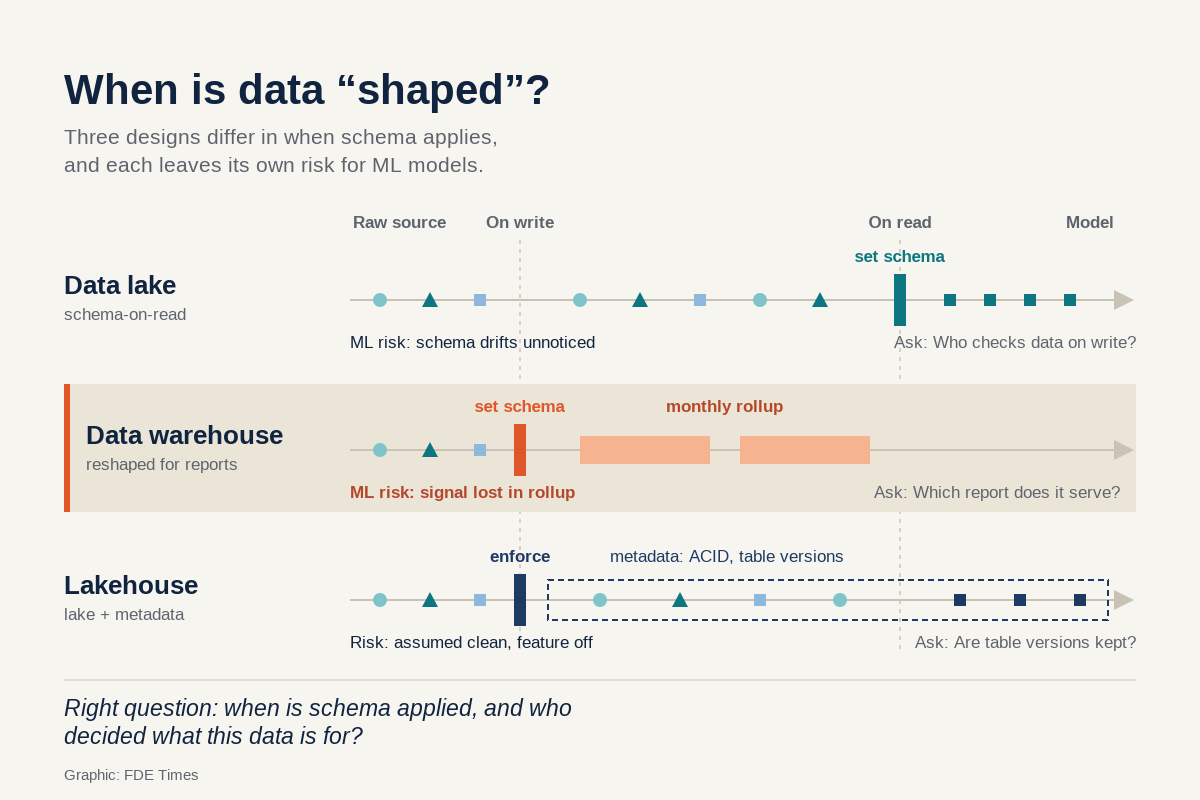
Warehouse data is shaped for reports, not models: how to tell lake, warehouse and lakehouse apart in week one, before a pipeline is built on the wrong base.