Kong is hiring FDEs to pull customers off legacy API platforms
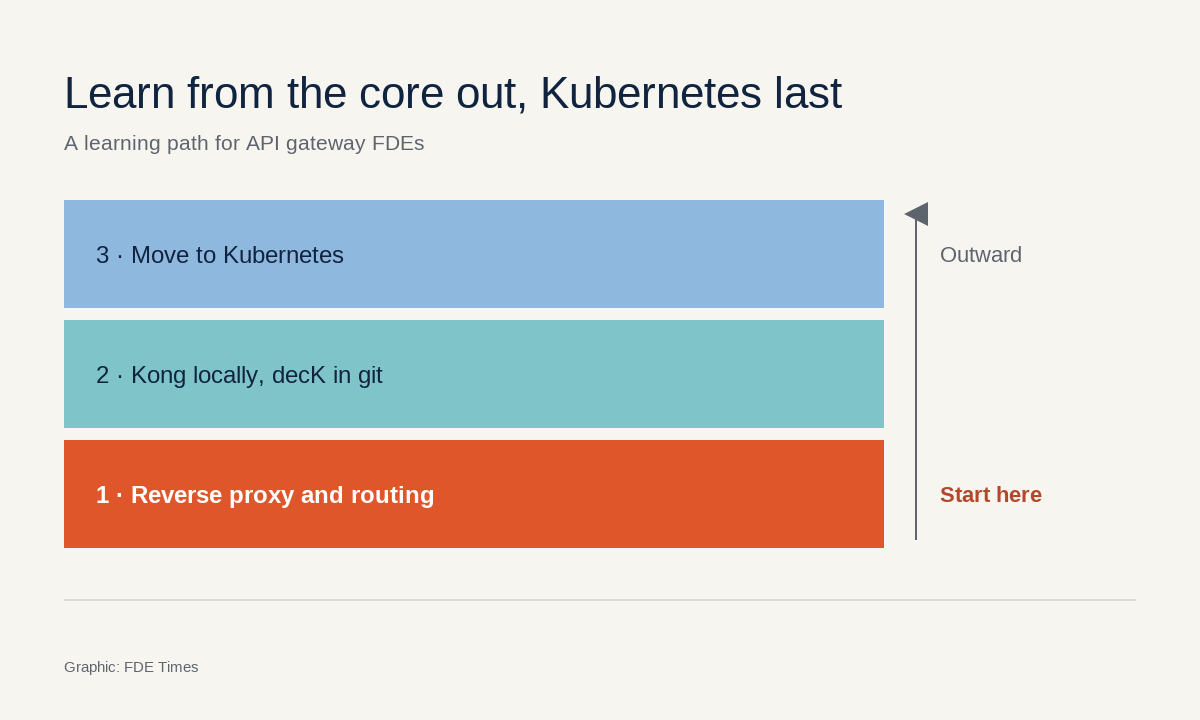
The job ad also lists the skills an engineer needs before putting an API gateway in front of a client's legacy systems.
23 Nov 2026
The newspaper of the Forward Deployed Engineer
Tools FDEs use every day to deploy, integrate data and evaluate AI at customer sites.
The job ad also lists the skills an engineer needs before putting an API gateway in front of a client's legacy systems.
23 Nov 2026
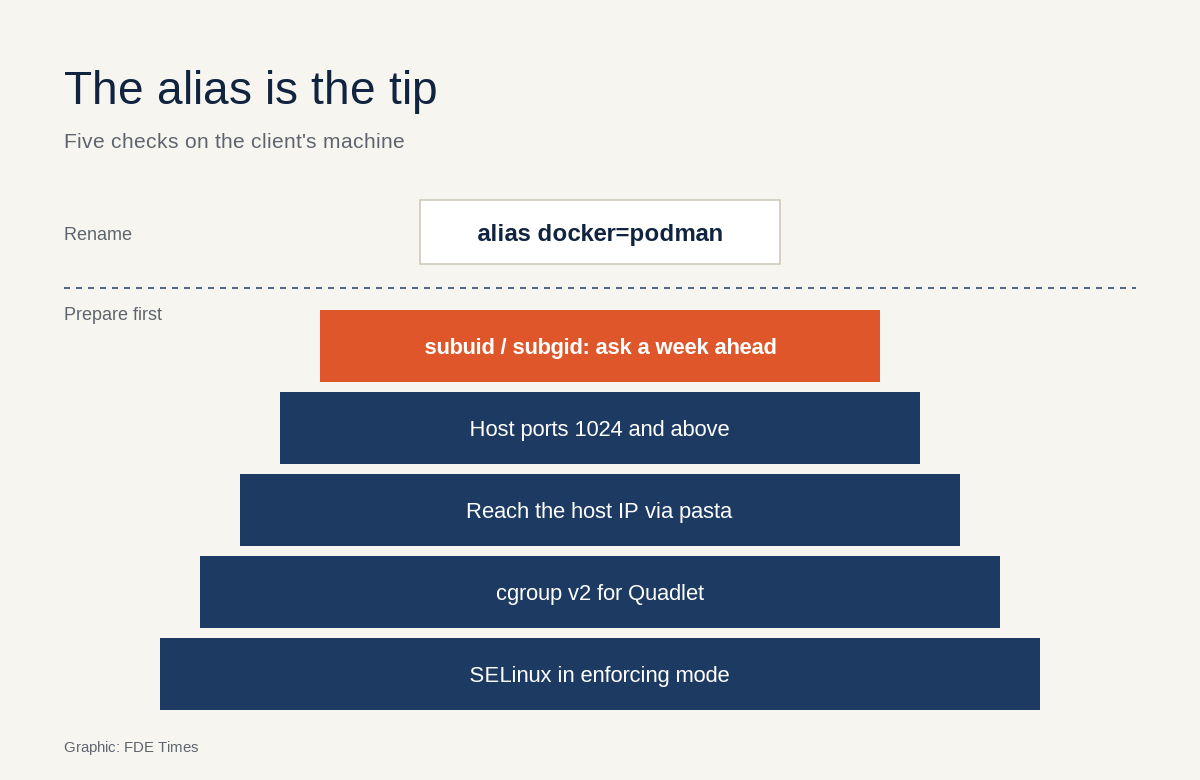
The other half depends on user permissions, network ports and systemd on the client's machine, and all of them should be checked before you arrive on site.
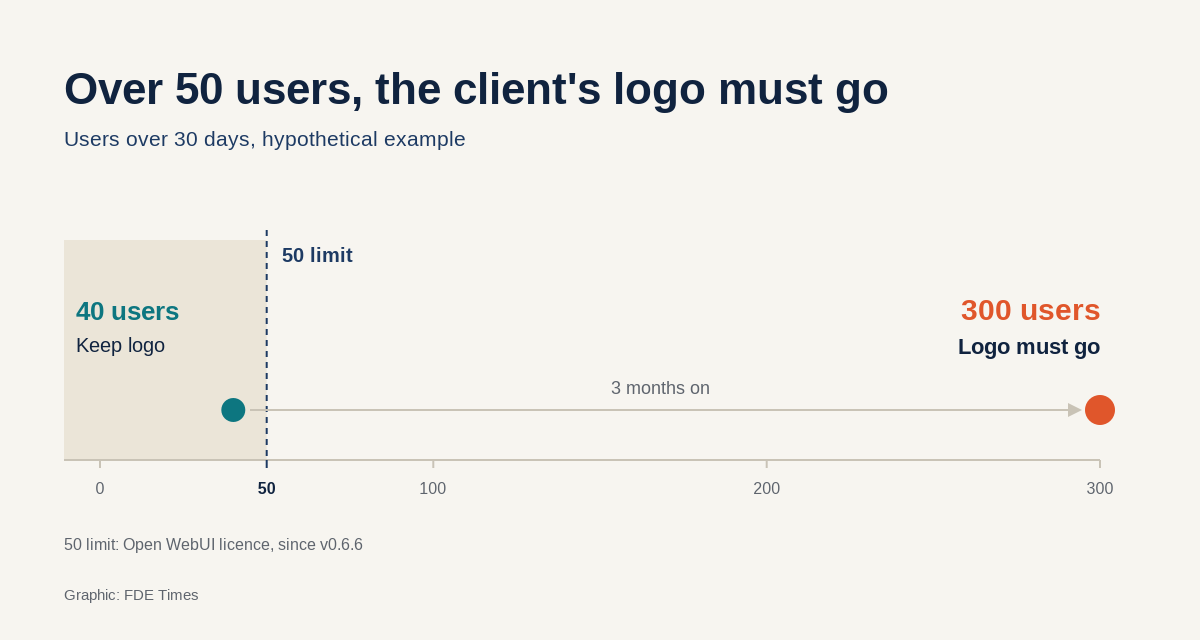
Every client chat lives in a single Docker volume, and putting the client's logo on the interface can breach the license.
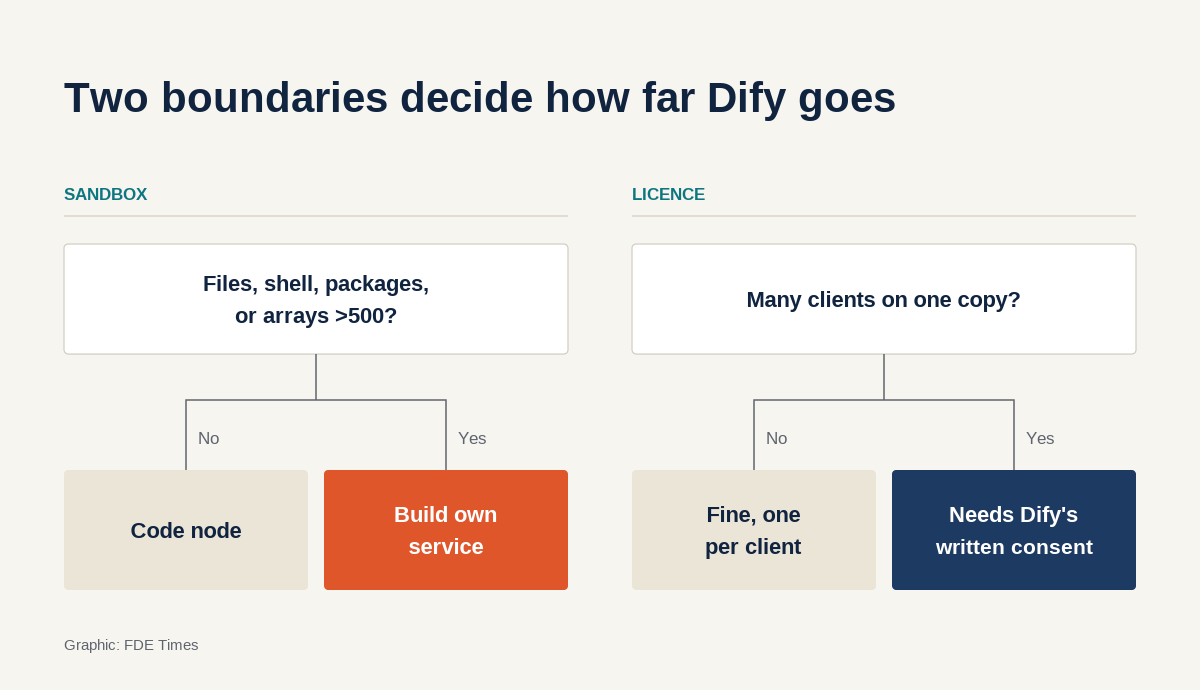
A machine with 4 GiB of RAM is enough to run it, but the code sandbox and the license decide how far Dify can take a deployment.
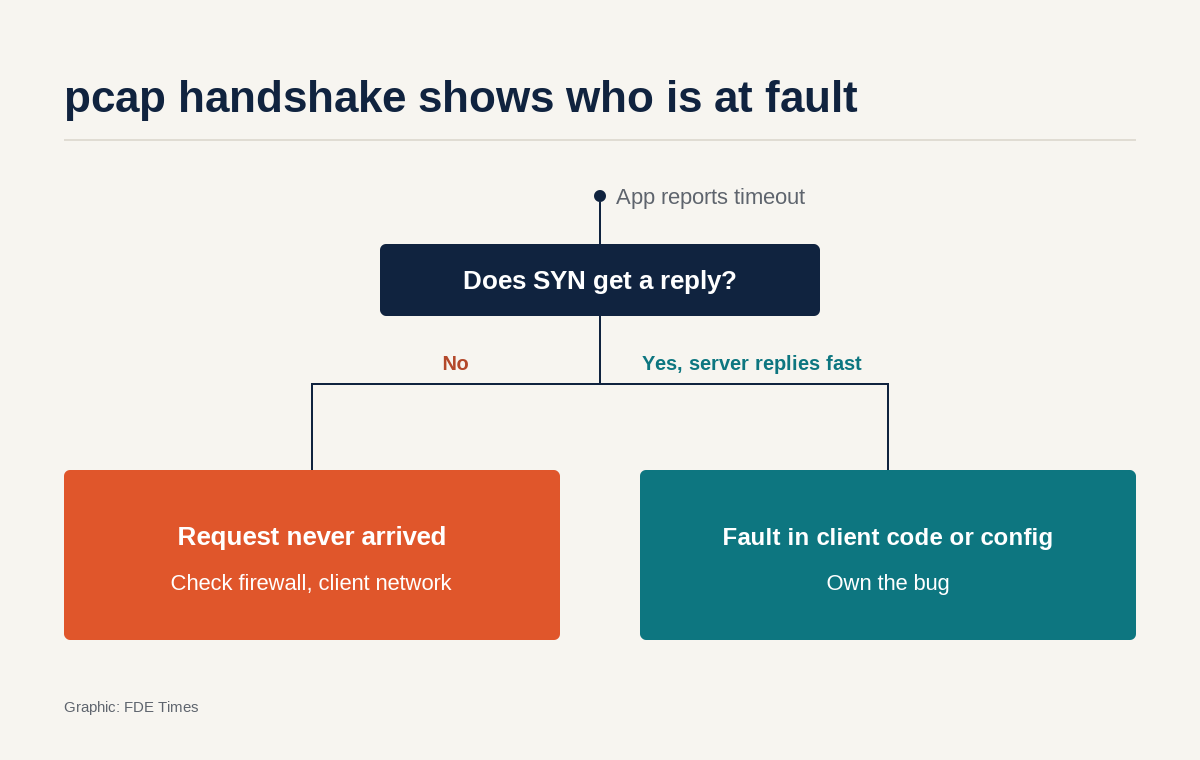
Capture with tcpdump on the client's server, open the file in Wireshark on your own machine, and a few SYN packets will show which side is wrong.
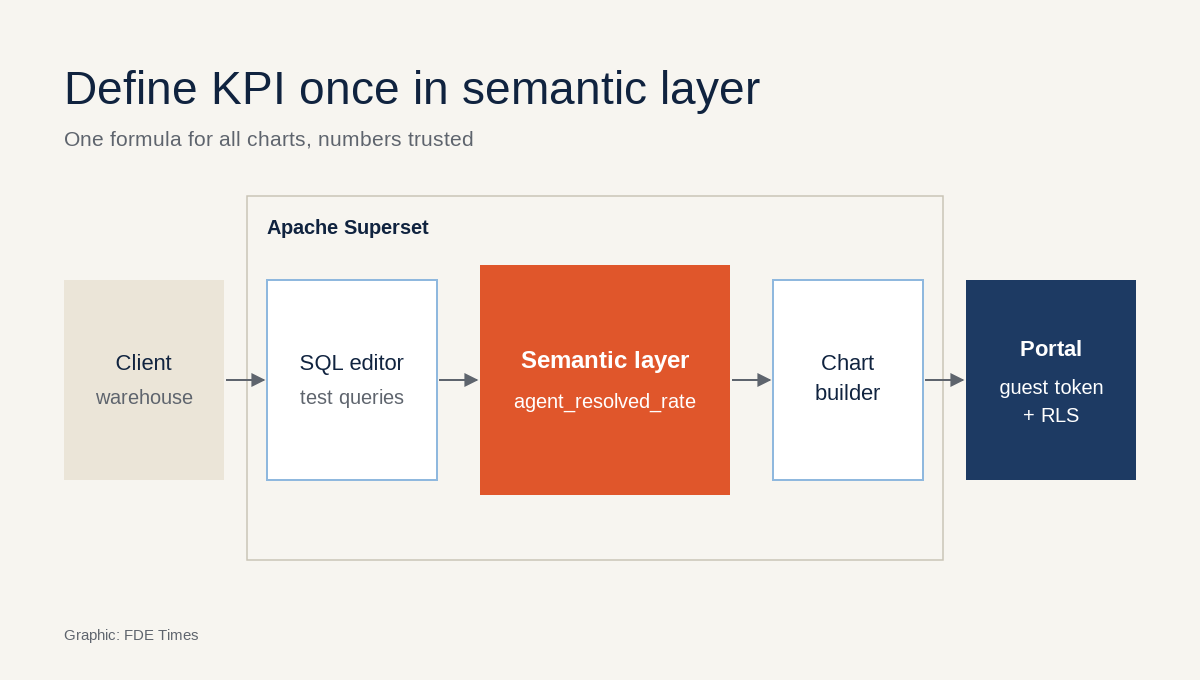
If you define a metric in the right place, the number holds up in every client meeting, and nobody spends the hour asking where it came from.
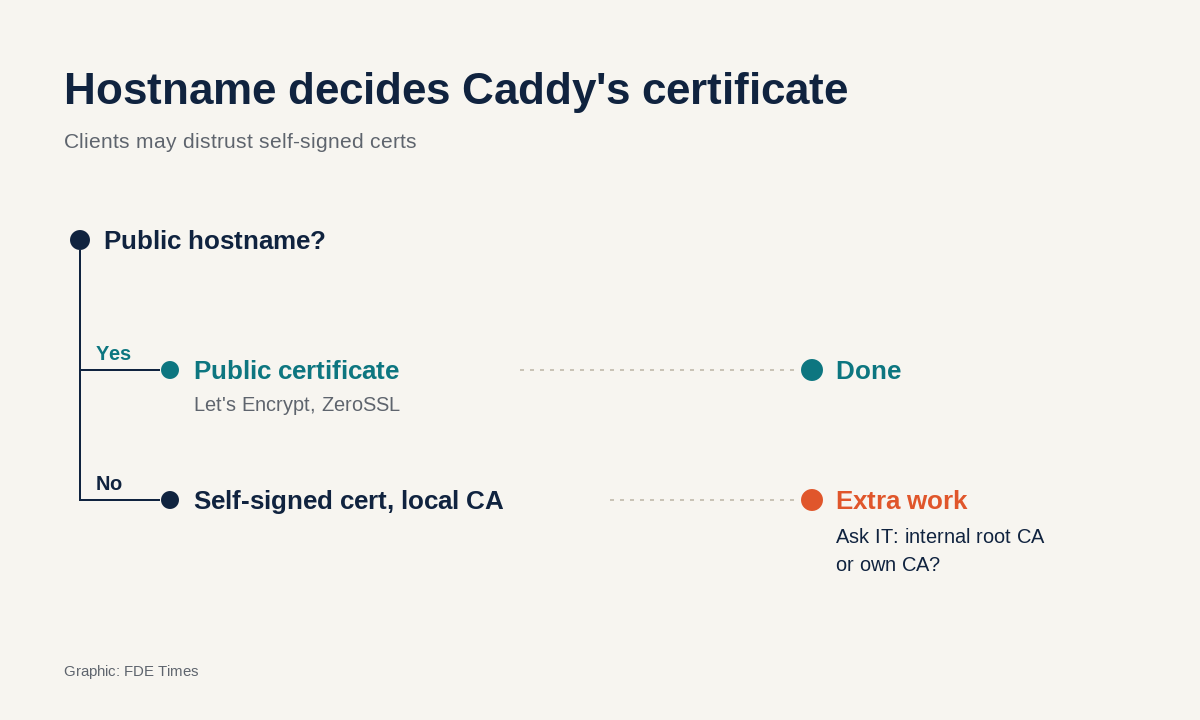
Before the meeting, find out which ports are open, who issues the certificate and which machines will trust it, or the browser warning lands on screen.
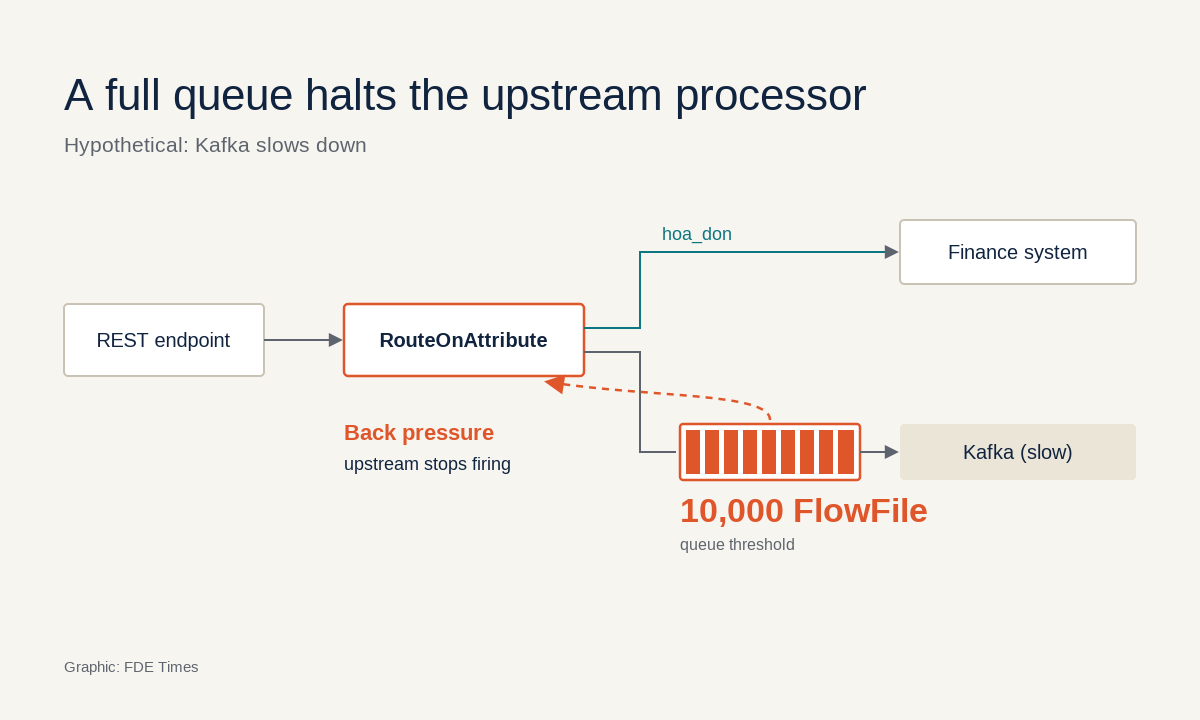
Three building blocks, one full queue and the history of each record are enough to get you through your first NiFi incident.
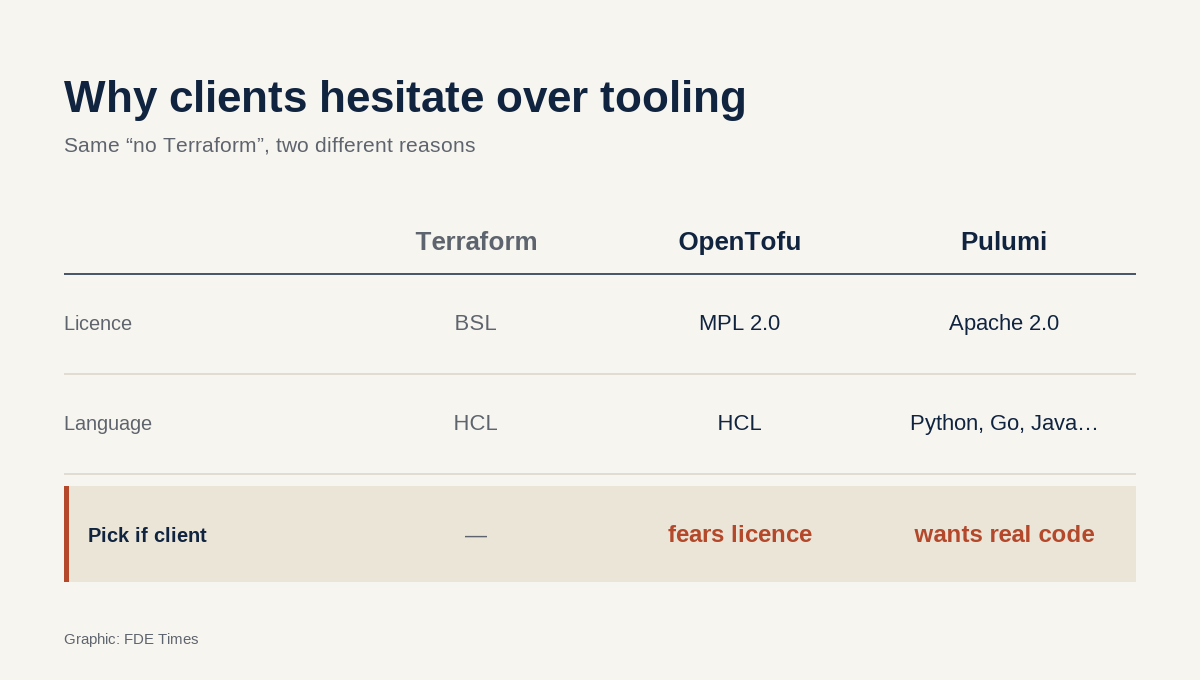
A client worried about licensing needs a different tool from a team that wants to write infrastructure in a real programming language, so ask first.
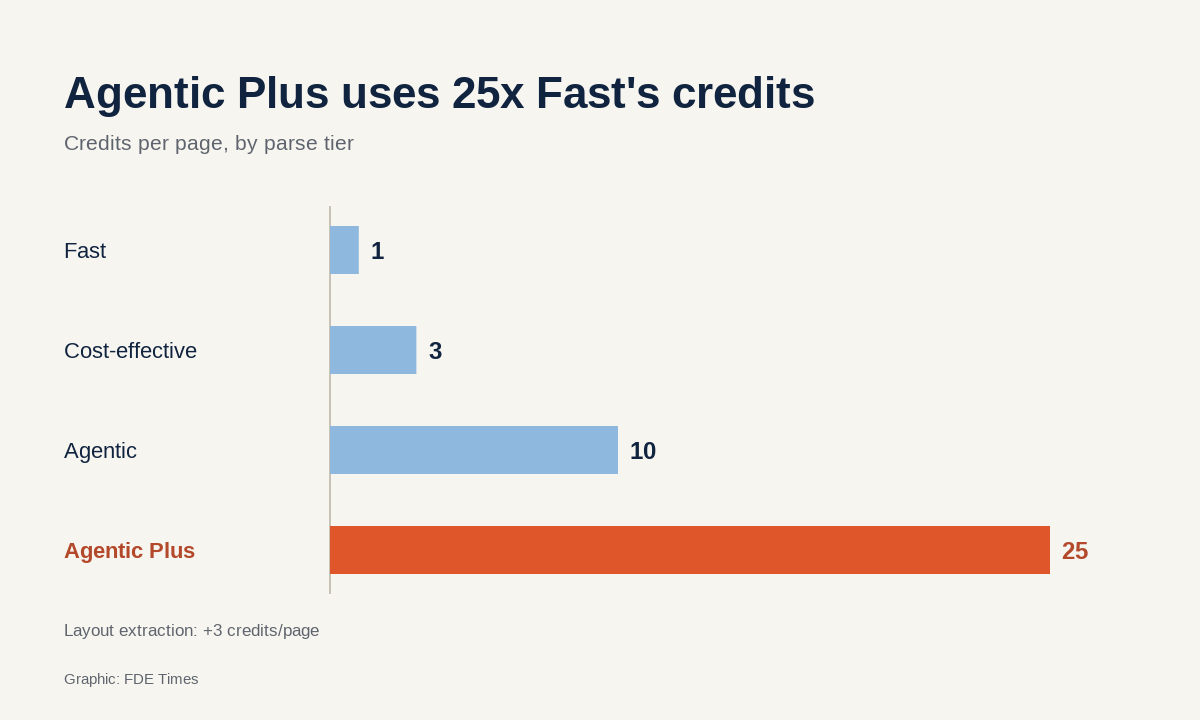
LlamaParse's Fast tier handles plain text, but tables with merged cells need a higher tier, so test the hardest pages before you quote a price.
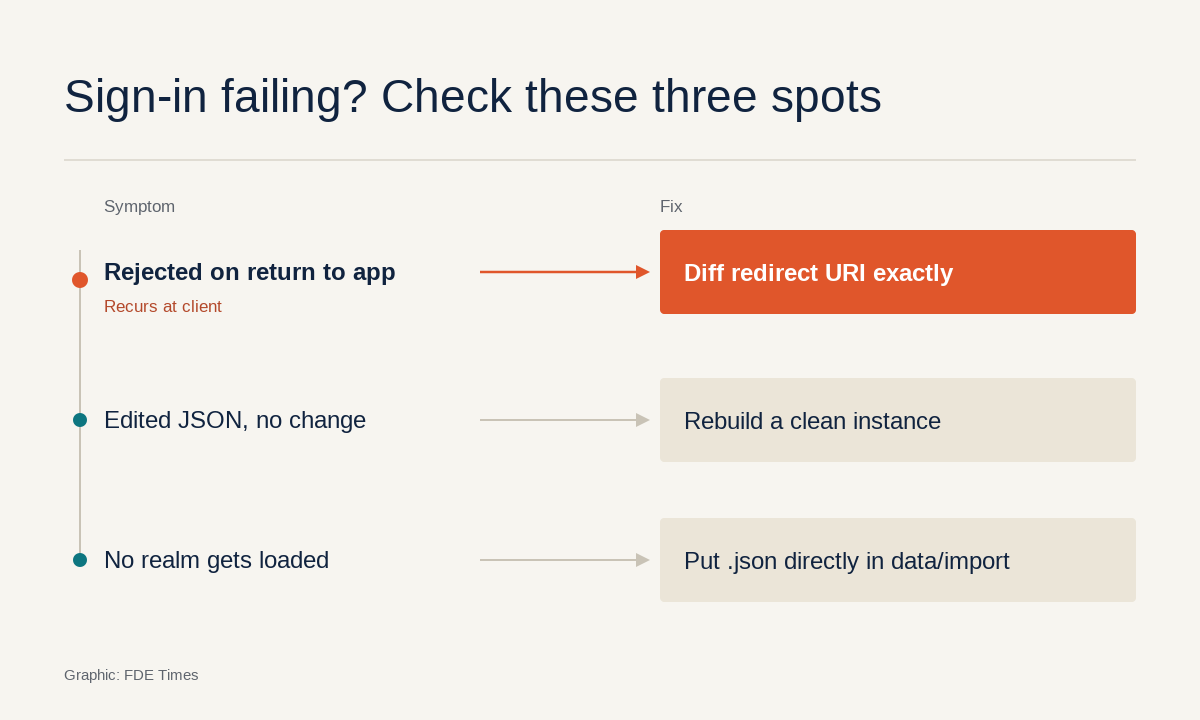
A Keycloak container and a realm JSON file let you arrive with a working login flow, though only the client's real IdP can confirm go-live.
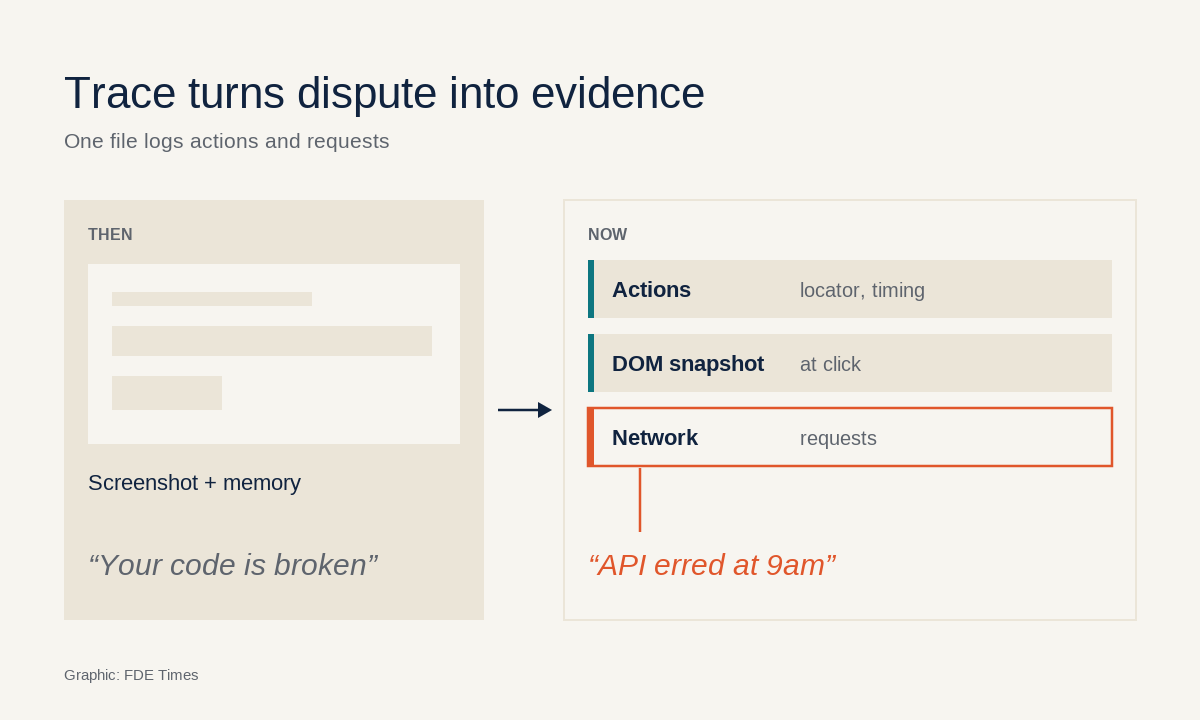
A Playwright trace records every action and network request, so the client can open it and see for themselves how the flow ran.
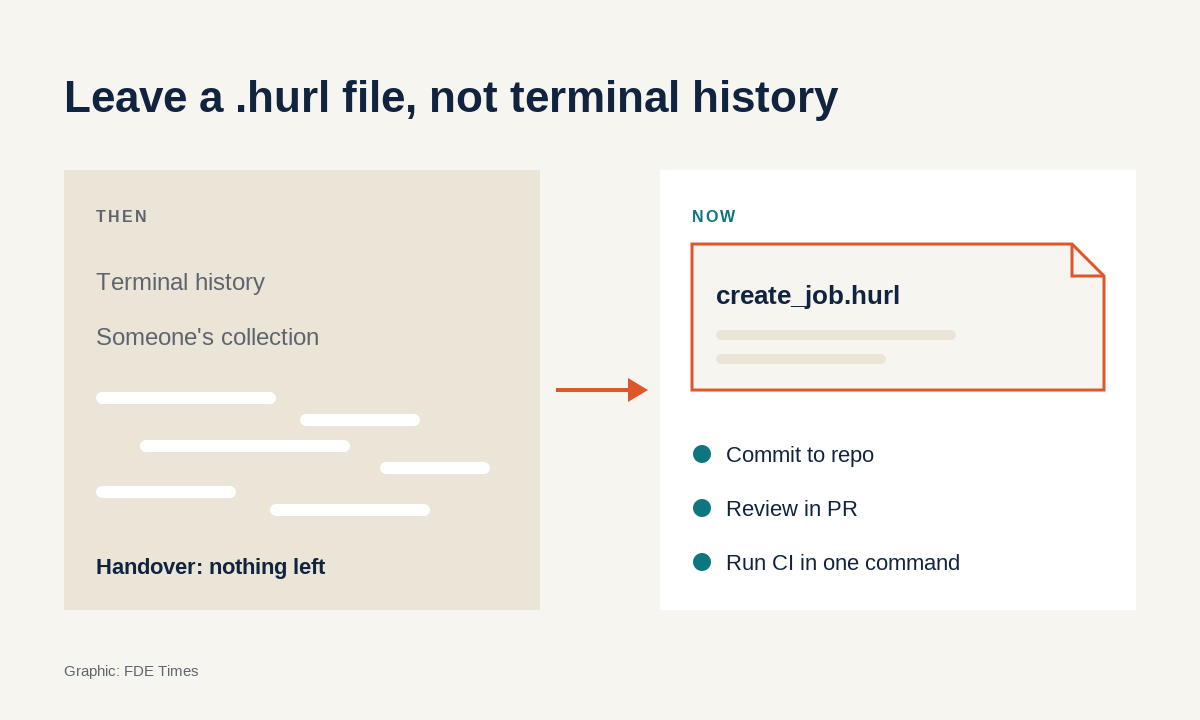
Hurl runs on your laptop and in the client's CI pipeline, and their team can read every line of it.
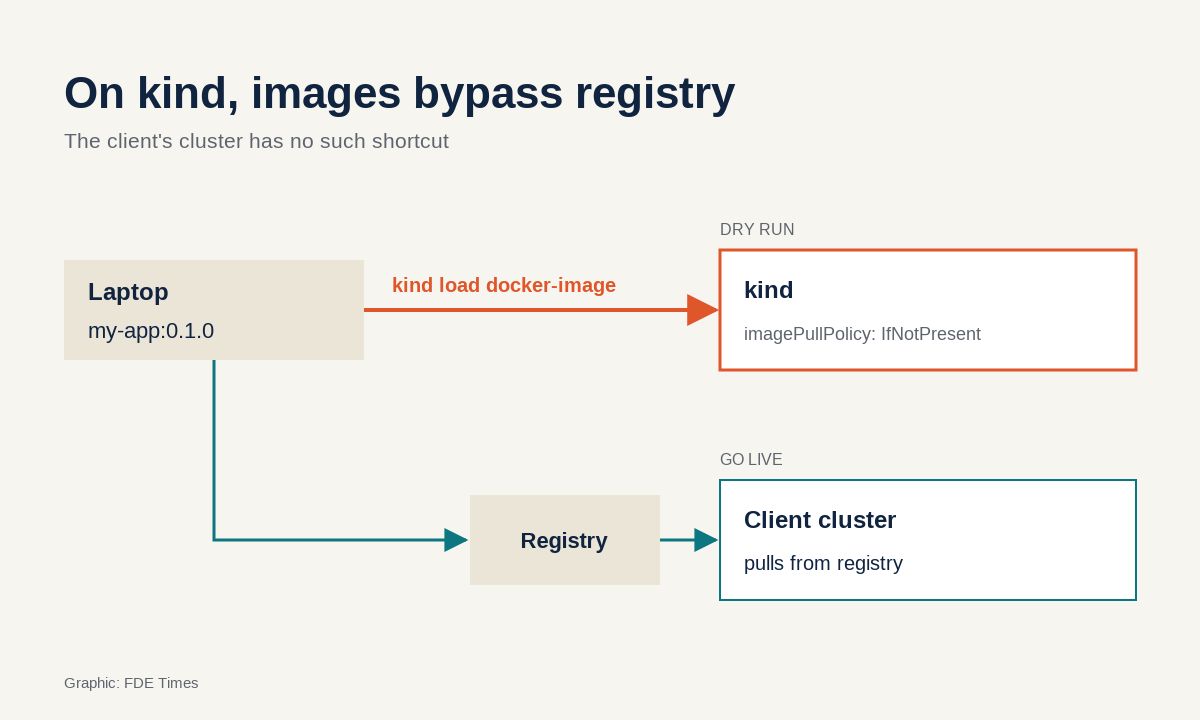
kind builds a Kubernetes cluster out of Docker containers with one command, which is enough to catch chart errors before the real install.
One shared base, a small overlay per customer that records only what differs, and upstream fixes that need making just once.
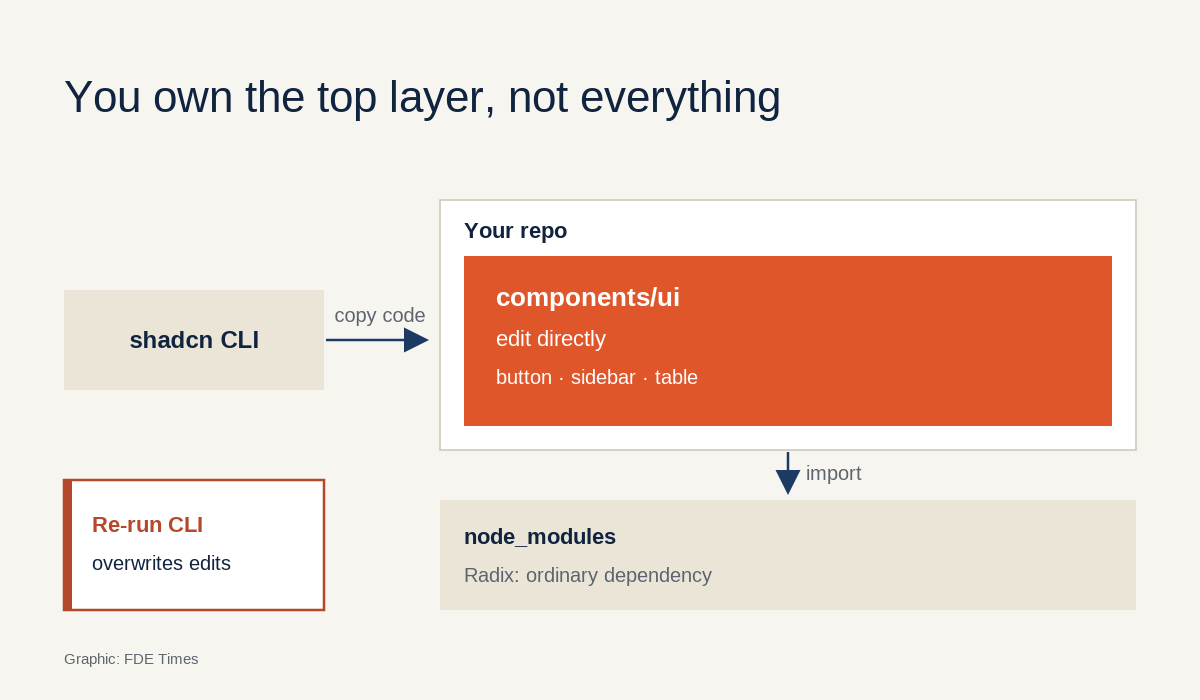
shadcn/ui copies components straight into your repo, so an admin screen can be reshaped to the client's wishes without waiting on anyone else's package.
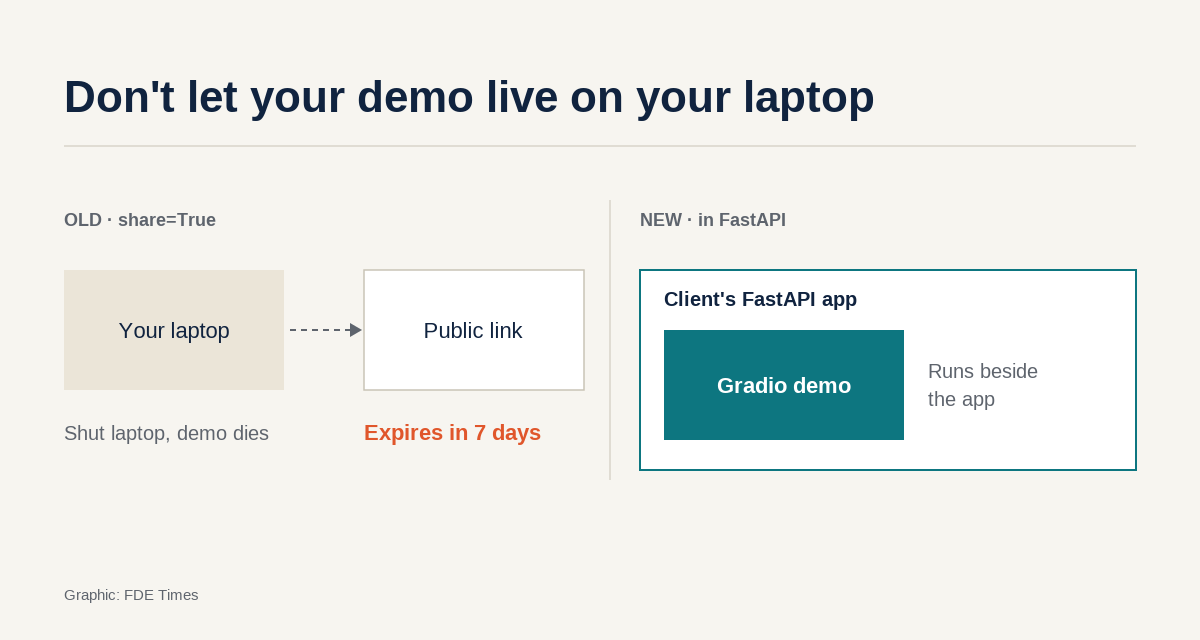
A few lines of Python let them test their own data; the catch is a share link that expires in a week and a model still running on your laptop.
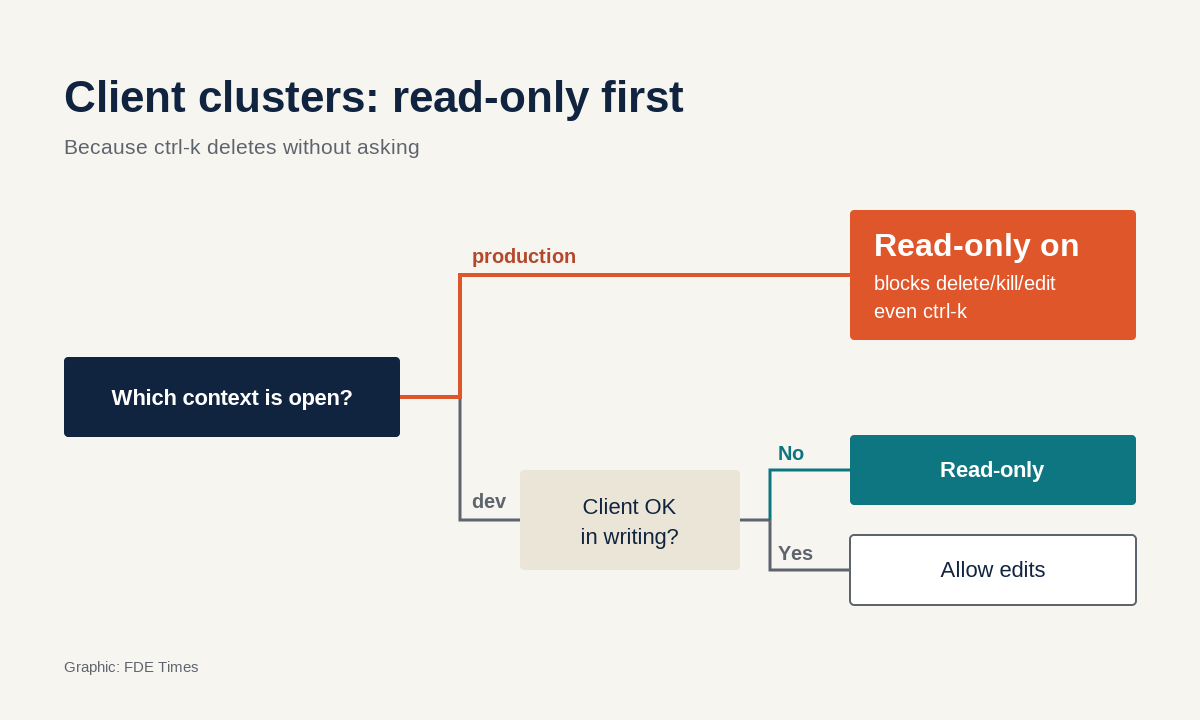
Turn on read-only mode before opening a production cluster, because ctrl-k deletes a resource without asking for confirmation.
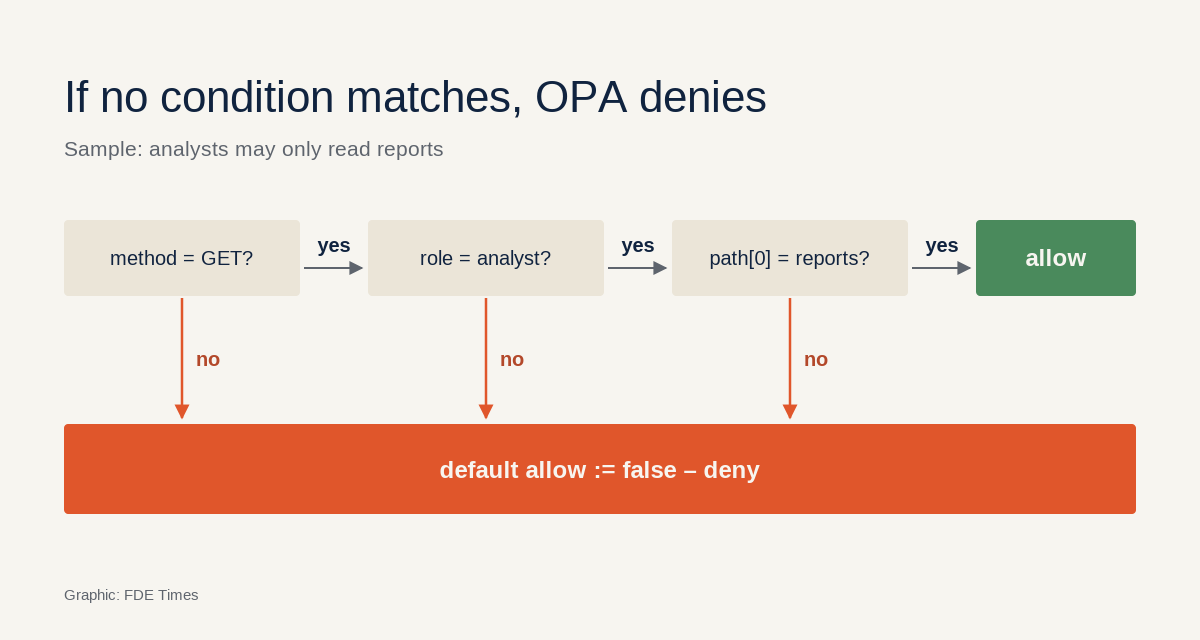
Moving the decision out of the code that enforces it lets authorization rules be tested, reviewed and updated without a restart.
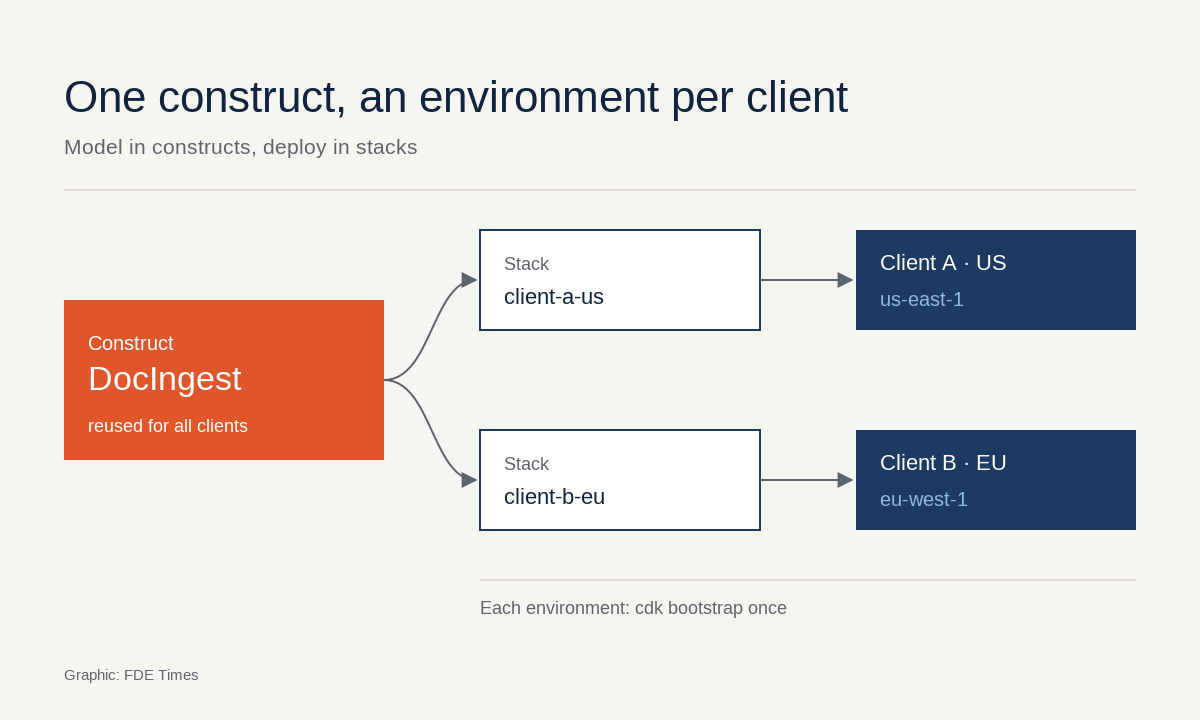
The usual trap is a hard-coded bucket name or a renamed construct, and either can break a deployment that should repeat cleanly for the next customer.
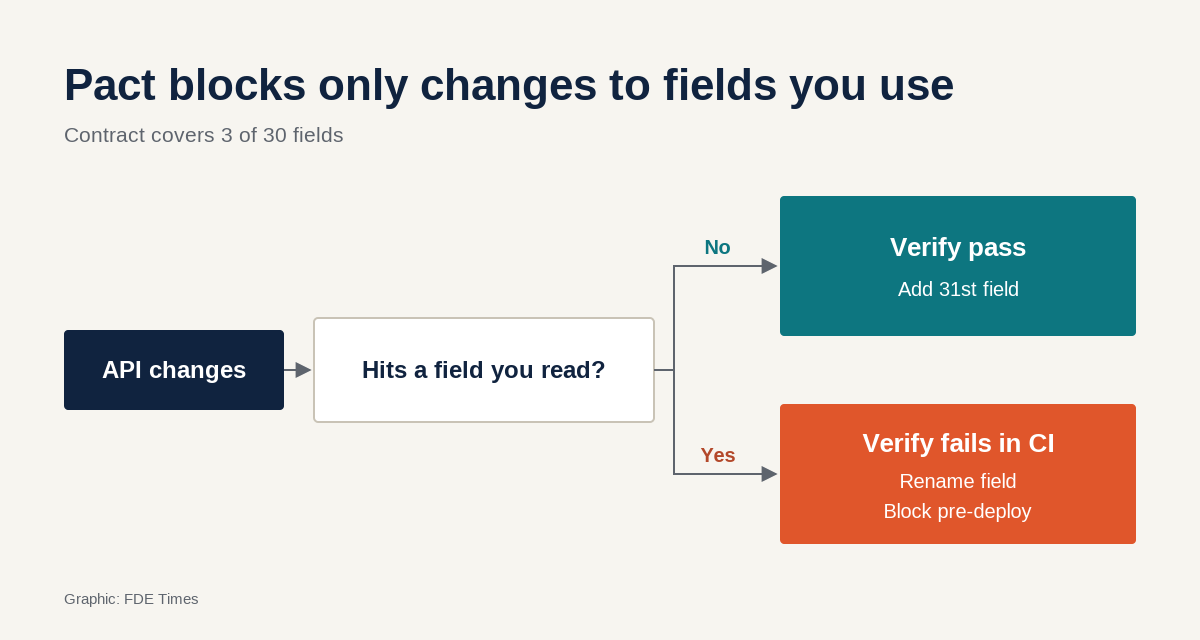
The contract comes from your own tests, so the client can add fields freely and is blocked only when a change breaks the parts you actually use.
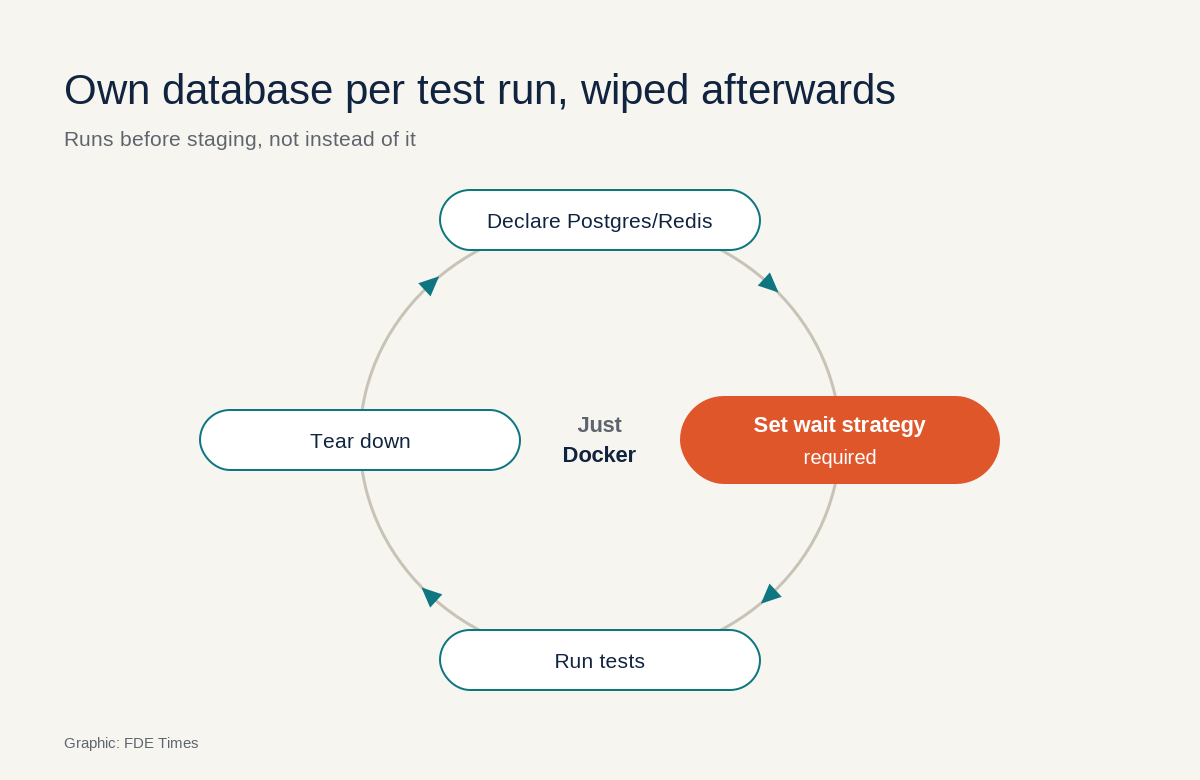
With nothing but Docker, every test run gets its own throwaway database and Redis, so integration code can be checked before anyone grants you access.
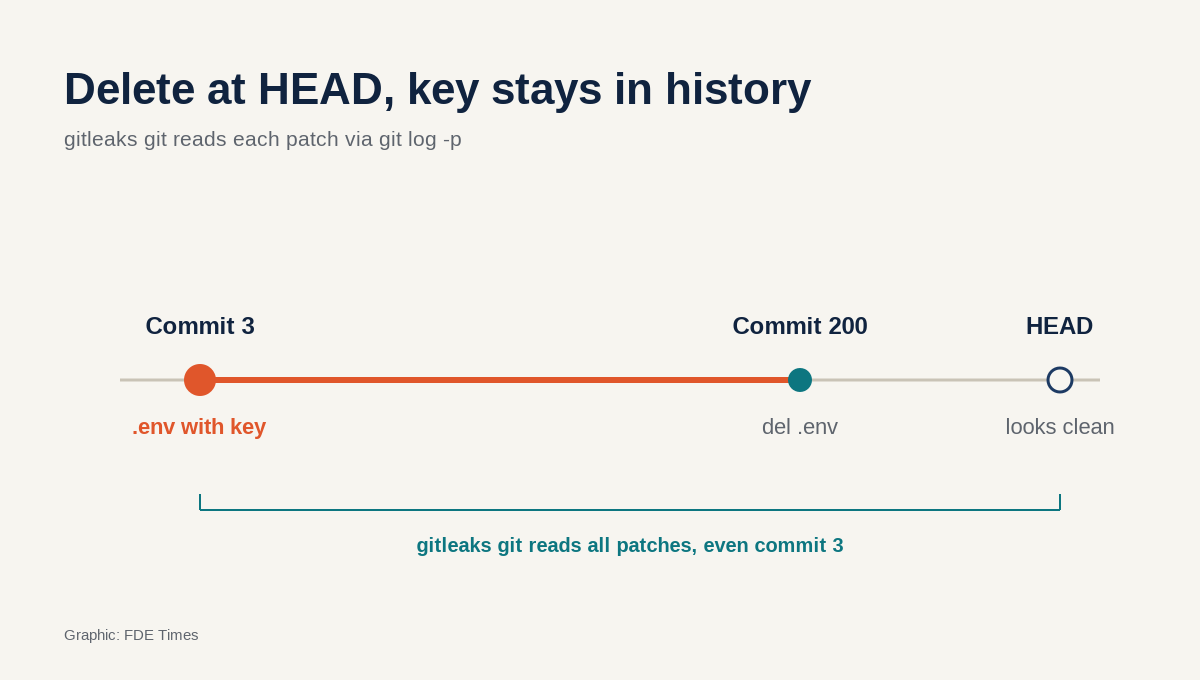
Gitleaks finds the leaked key, but before you rewrite any history, revoke the key.
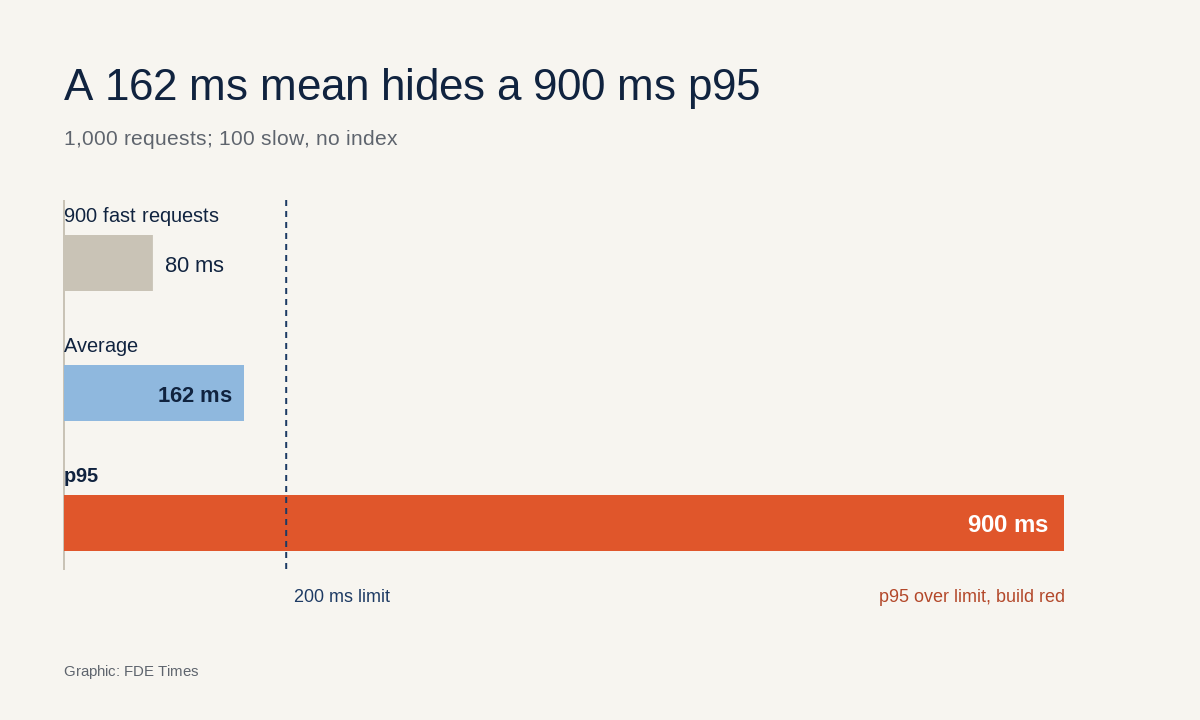
A failed p95 threshold makes k6 exit non-zero, a signal every CI system understands, so slowdowns surface in the pipeline rather than in a client's complaint.
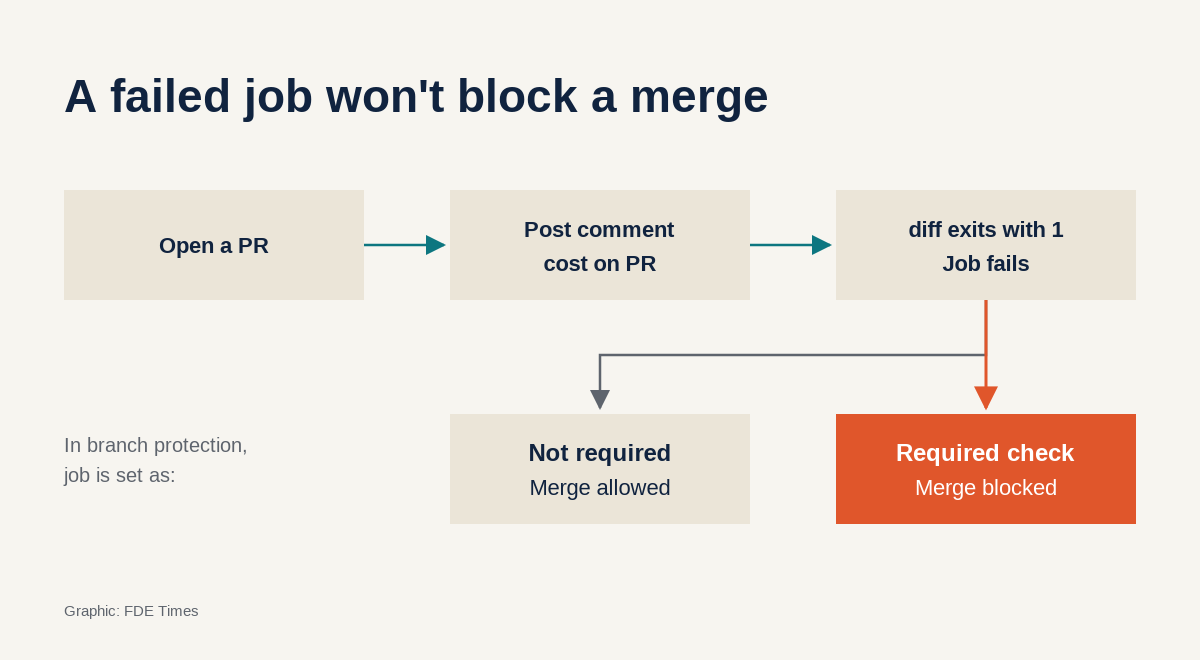
Infracost estimates cost changes in CI before anything deploys, but it can only block a merge once the job is made a required status check.
Rerunning the whole script is what makes demos fast, but state and permissions are where Streamlit breaks, and three signals tell you when to move on.
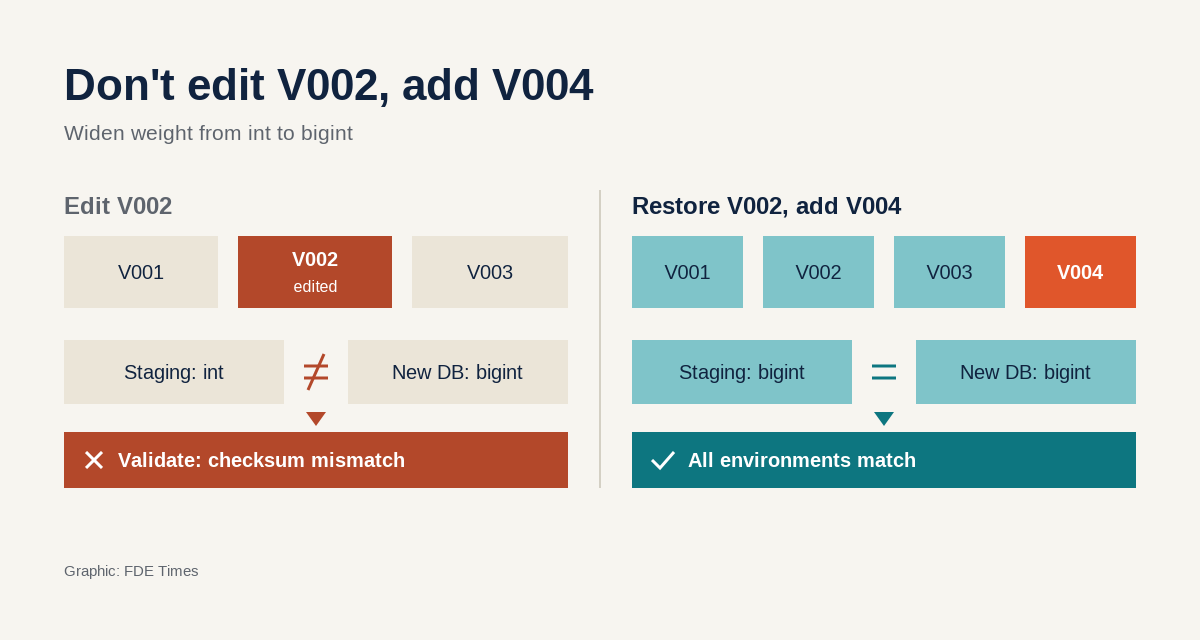
Flyway, Rails and Liquibase all keep a record of every migration they apply, so the right fix is always a new file, never an edit.
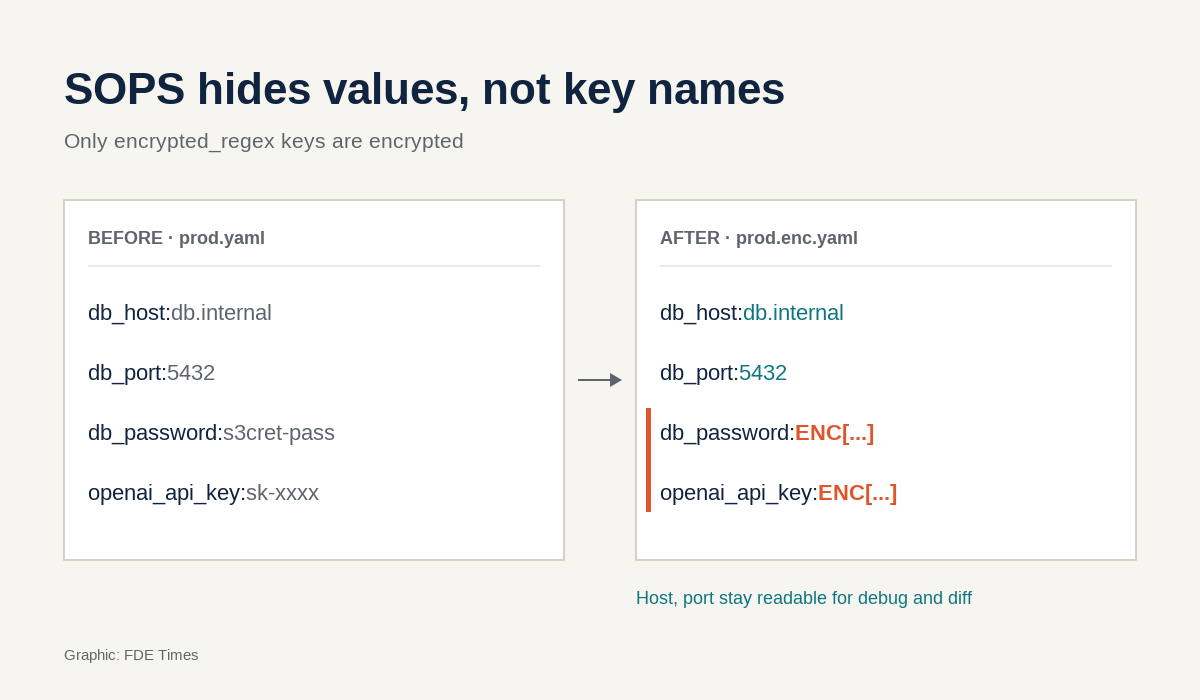
SOPS encrypts only the values, so git diffs stay readable, and the age keys that decrypt them stay with the client.
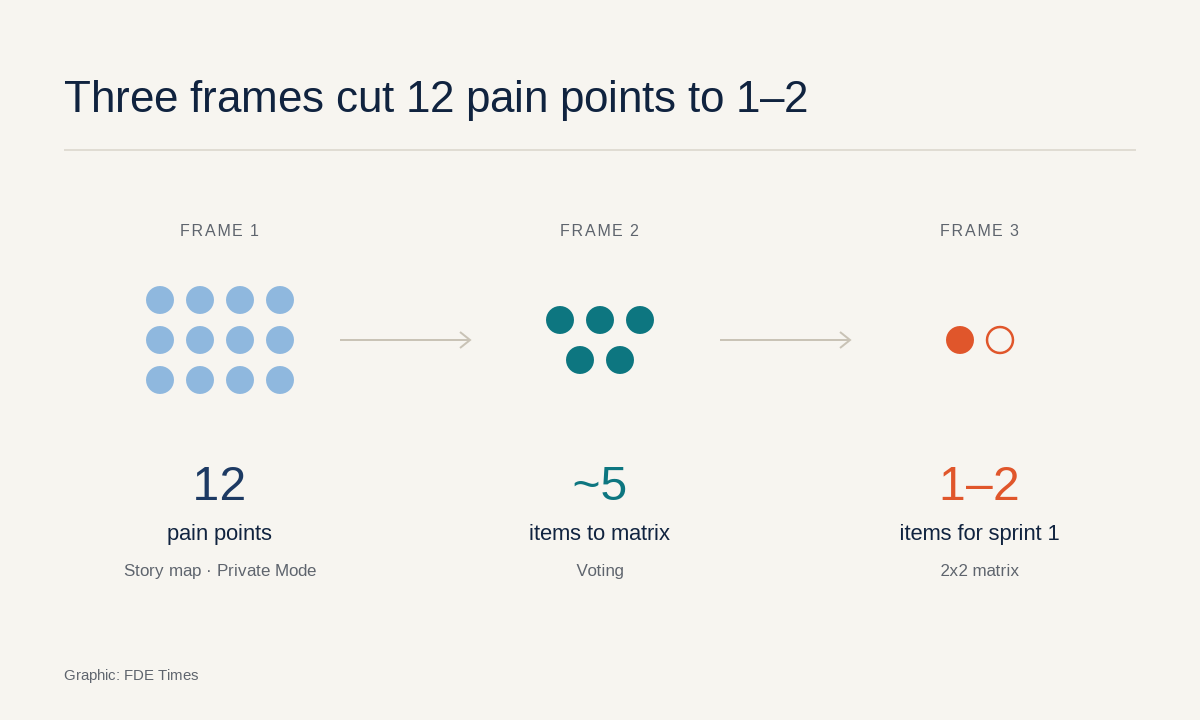
A three-frame board, a rehearsal and a second pair of hands let an FDE map a client's process and agree priorities in one 90-minute session.
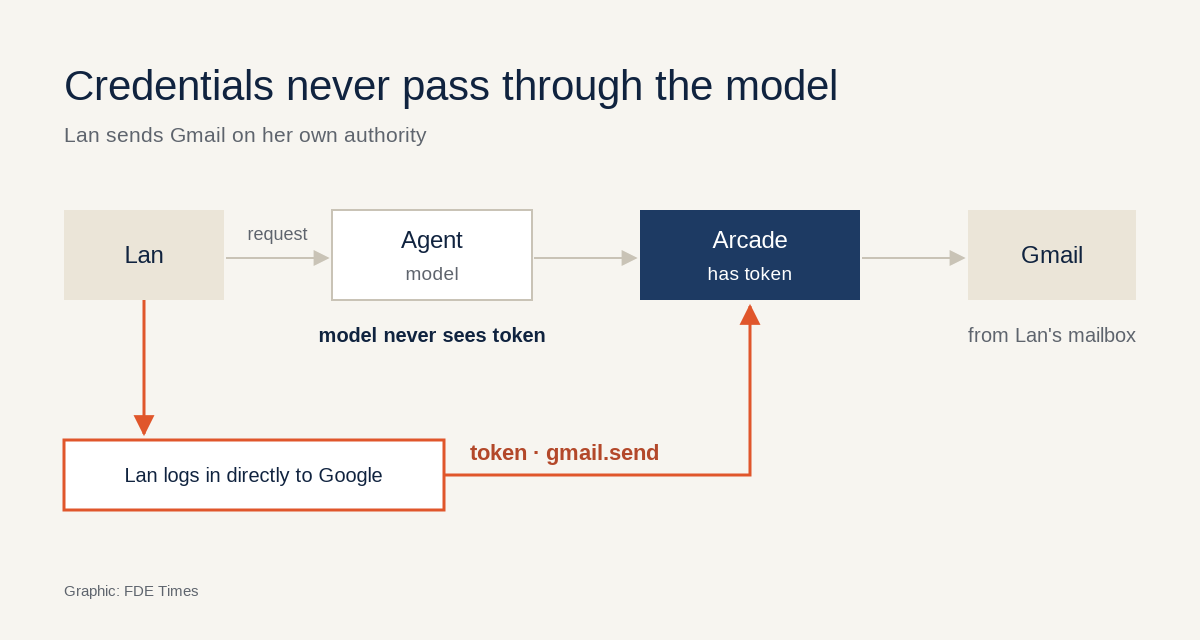
The API call is the easy part; the hard questions are whose token an agent uses, what it may do and who holds it.
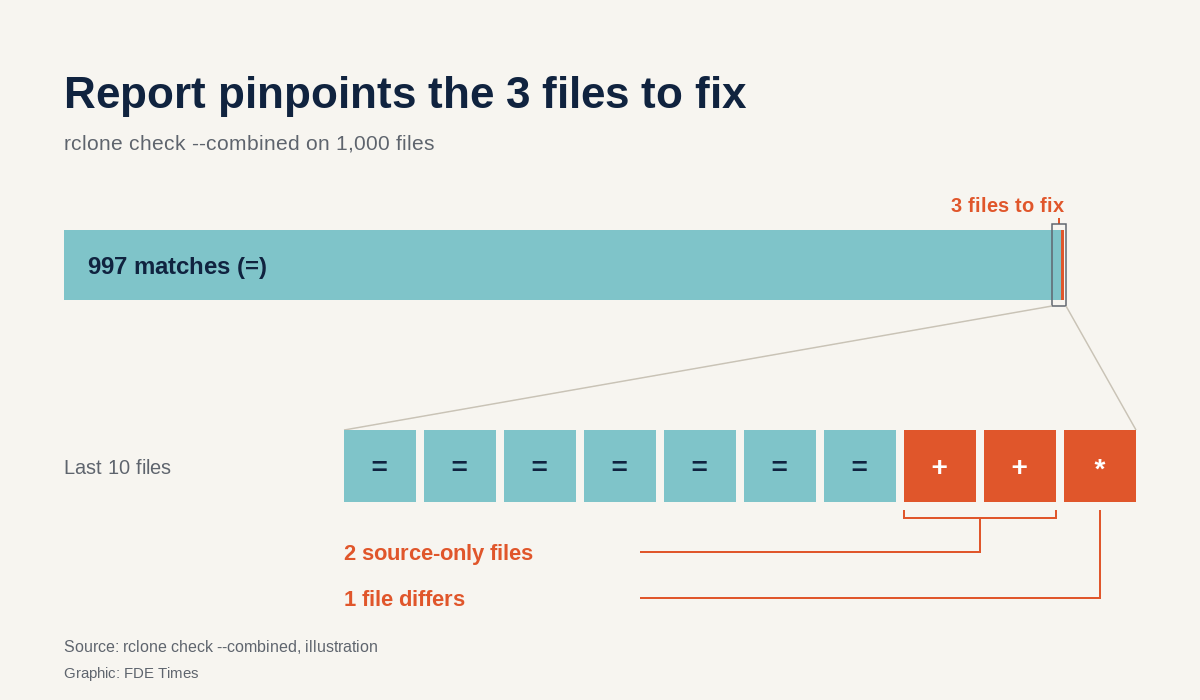
One command-line tool syncs SFTP, S3 and GCS and produces a file-by-file reconciliation report, provided you understand how each end handles hashes.
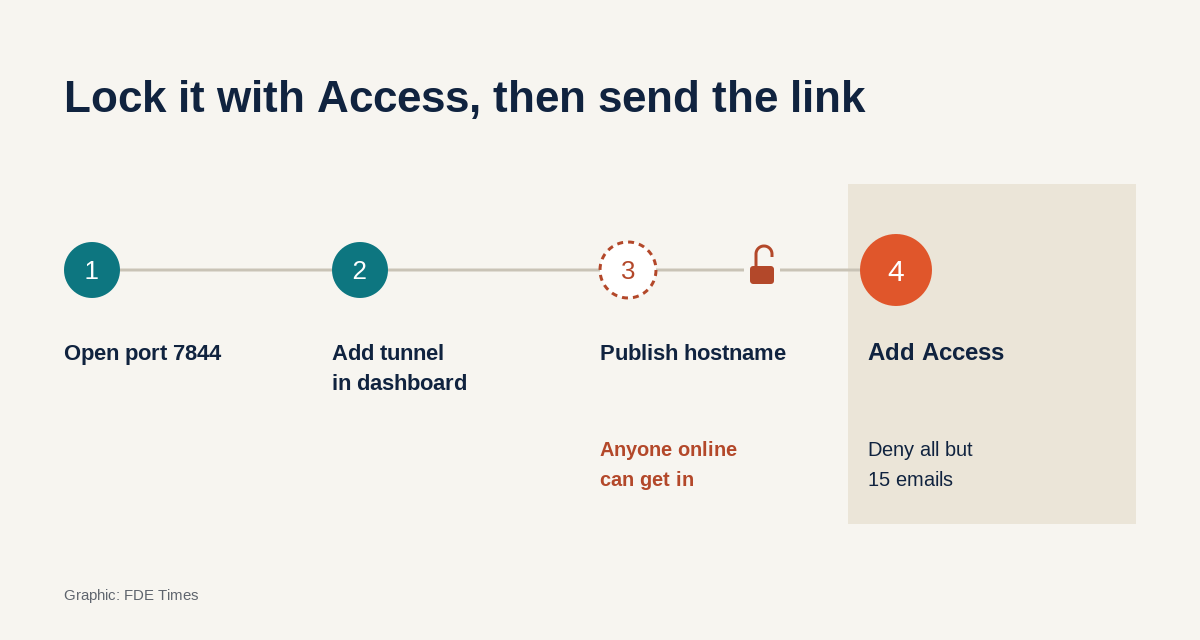
Outbound-only connections are an easier ask of security teams, but a published hostname stays open to the whole internet until an Access policy guards it.
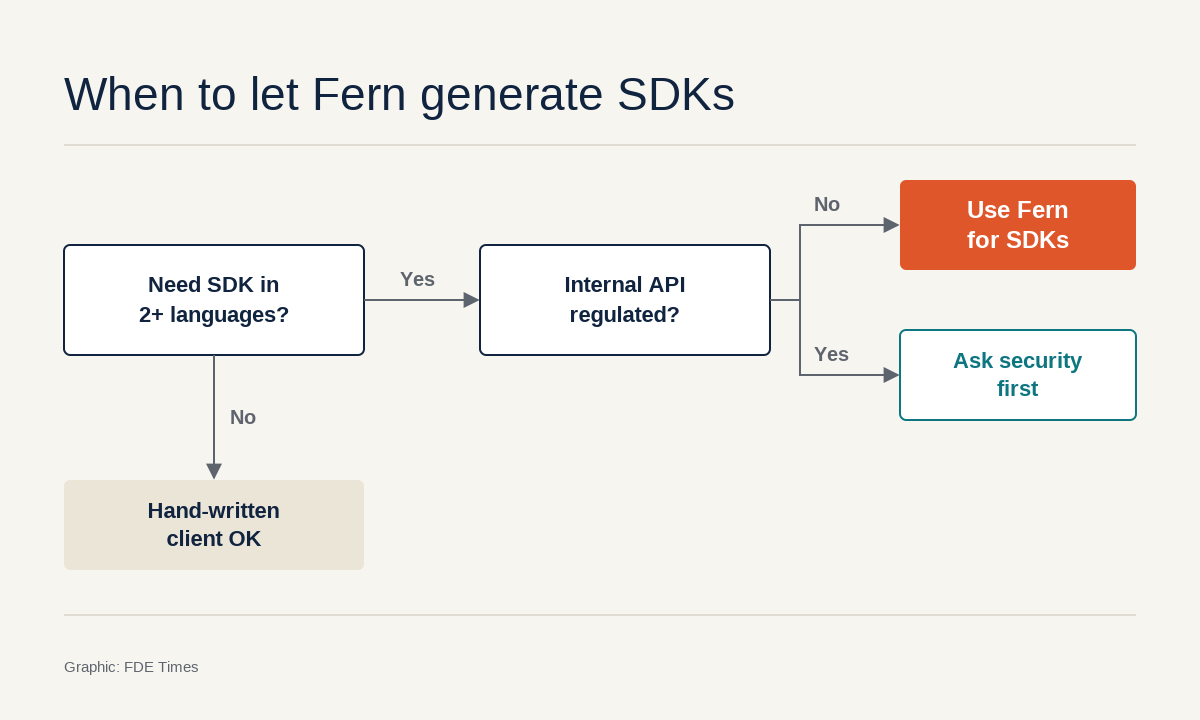
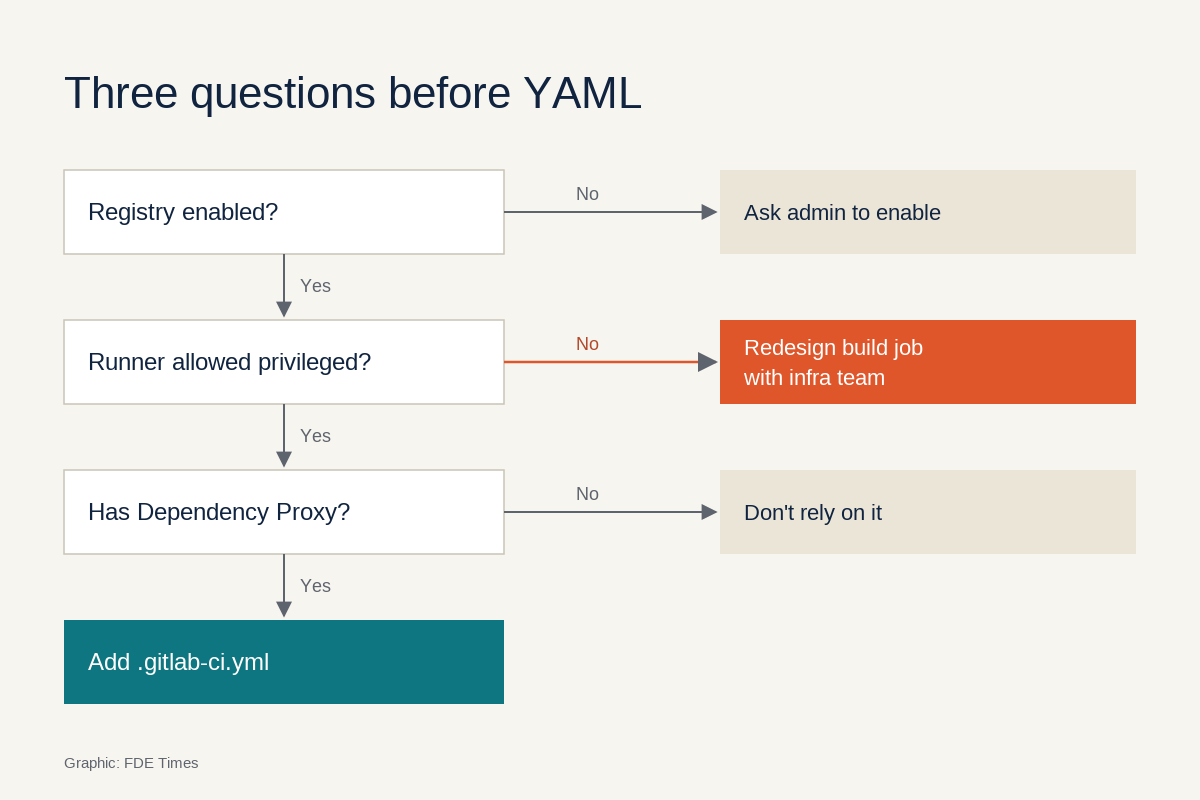
On self-managed GitLab the culprit is often a registry nobody switched on or a runner barred from privileged mode, so ask before writing a line.
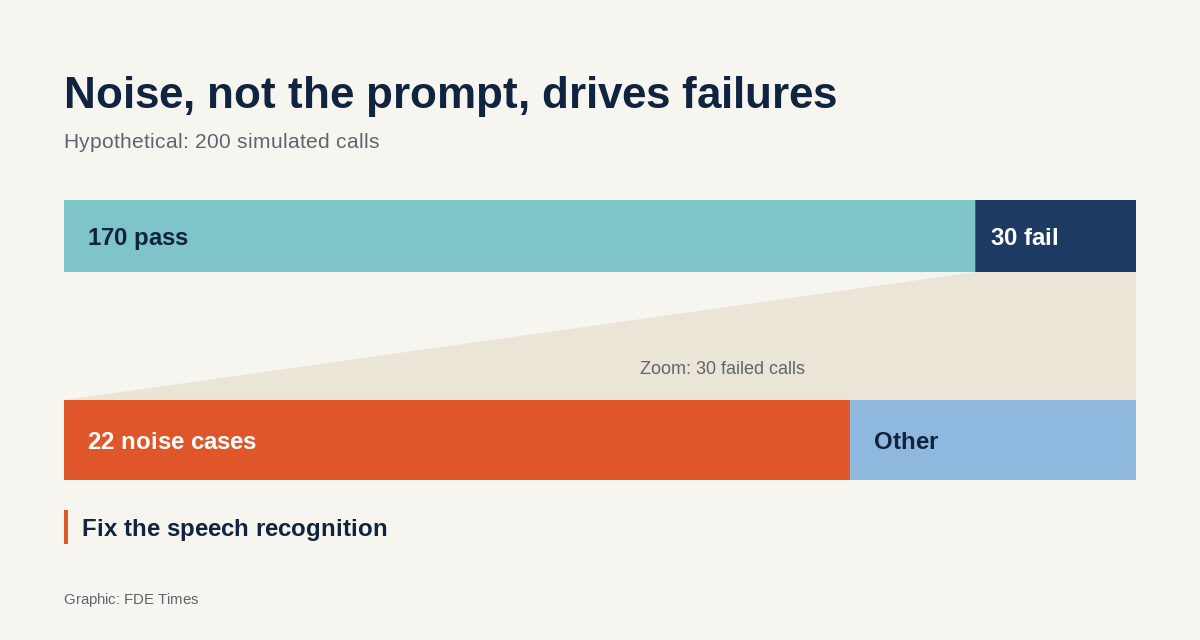
Coval, founded by a former Waymo tech lead, runs thousands of noisy simulated calls, and human reviews of the failures retrain its AI judge.
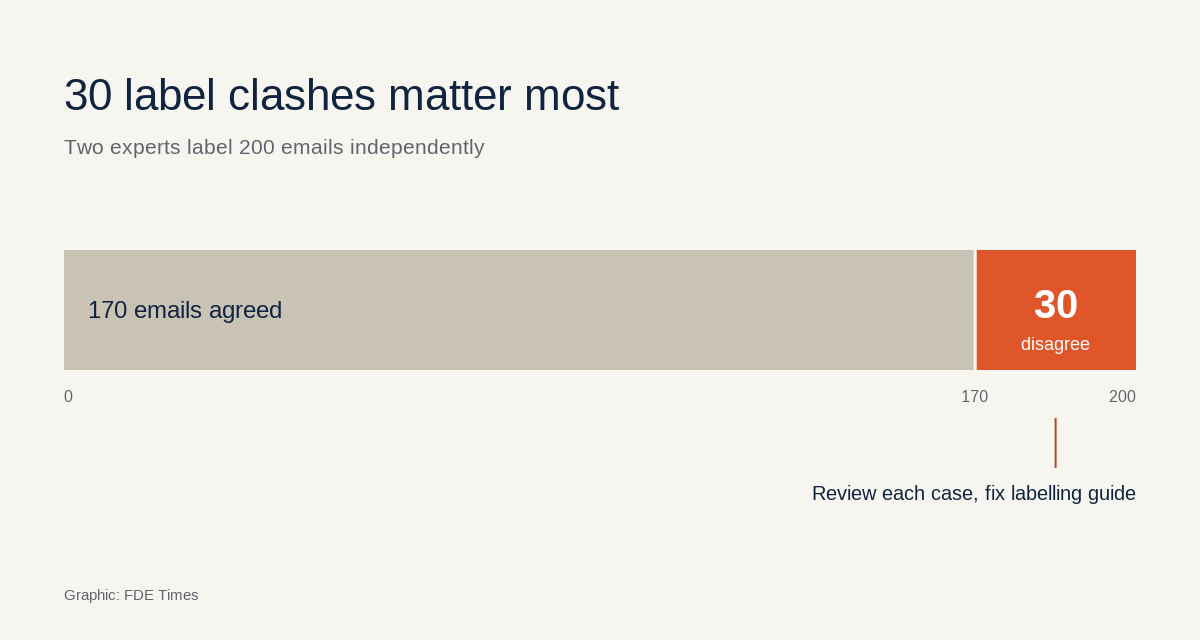
Open-source Label Studio runs from one Docker container, letting compliance officers and doctors build the golden set without data leaving the client's infrastructure.
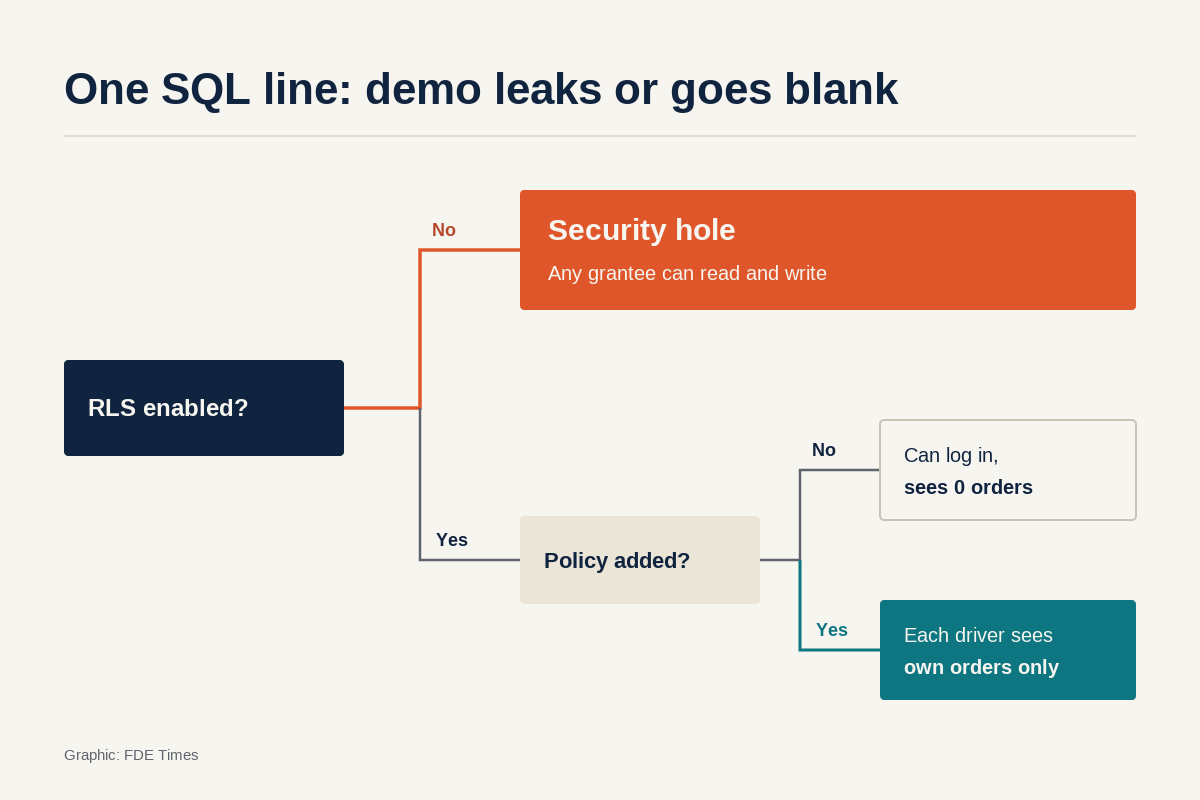
Row Level Security decides whether a demo leaks every user's data or shows a blank screen at login, so it comes first in an afternoon's build.
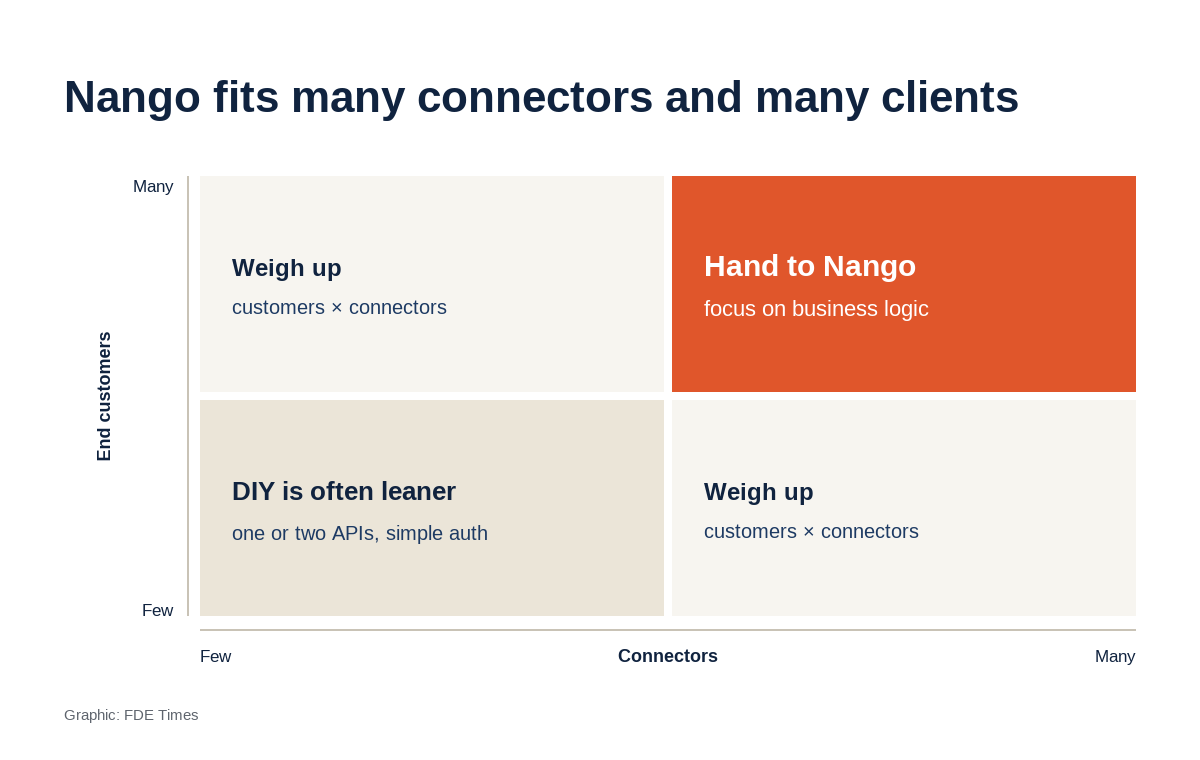
Nango says 16% of commits to its provider configs are bug fixes, a guide to when a shared integration layer beats writing your own.
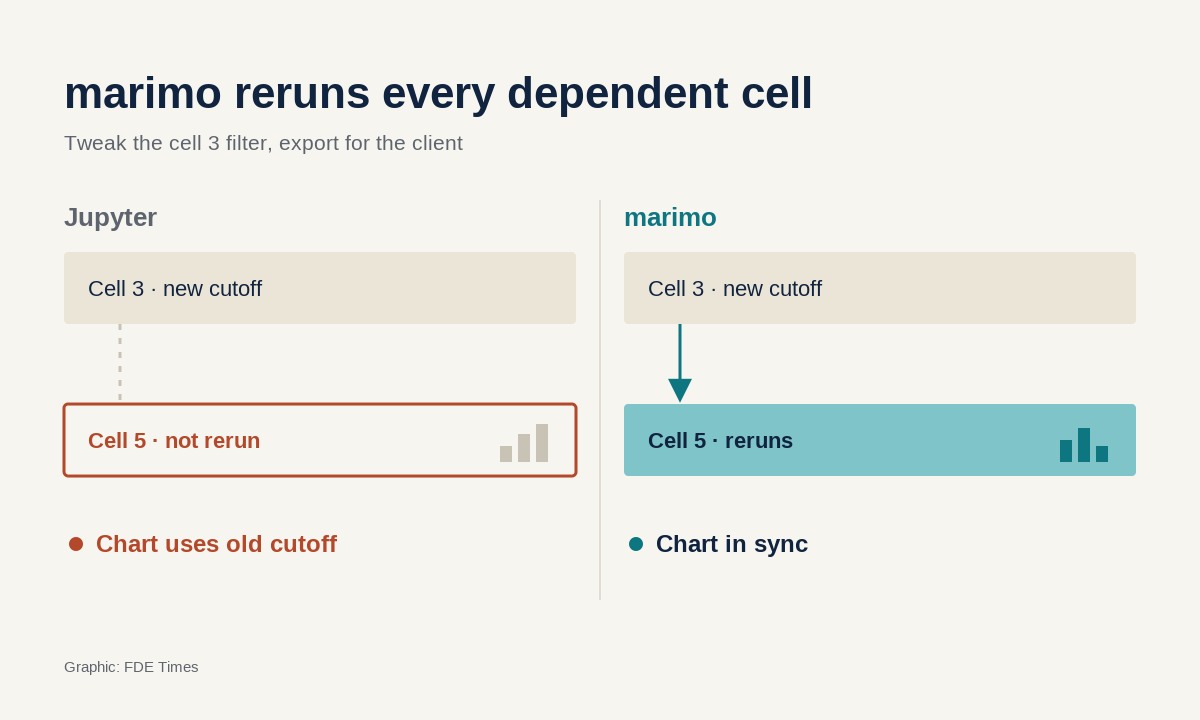
marimo stores each notebook as plain Python and reruns dependent cells automatically, so a stale chart can no longer slip into a deliverable.
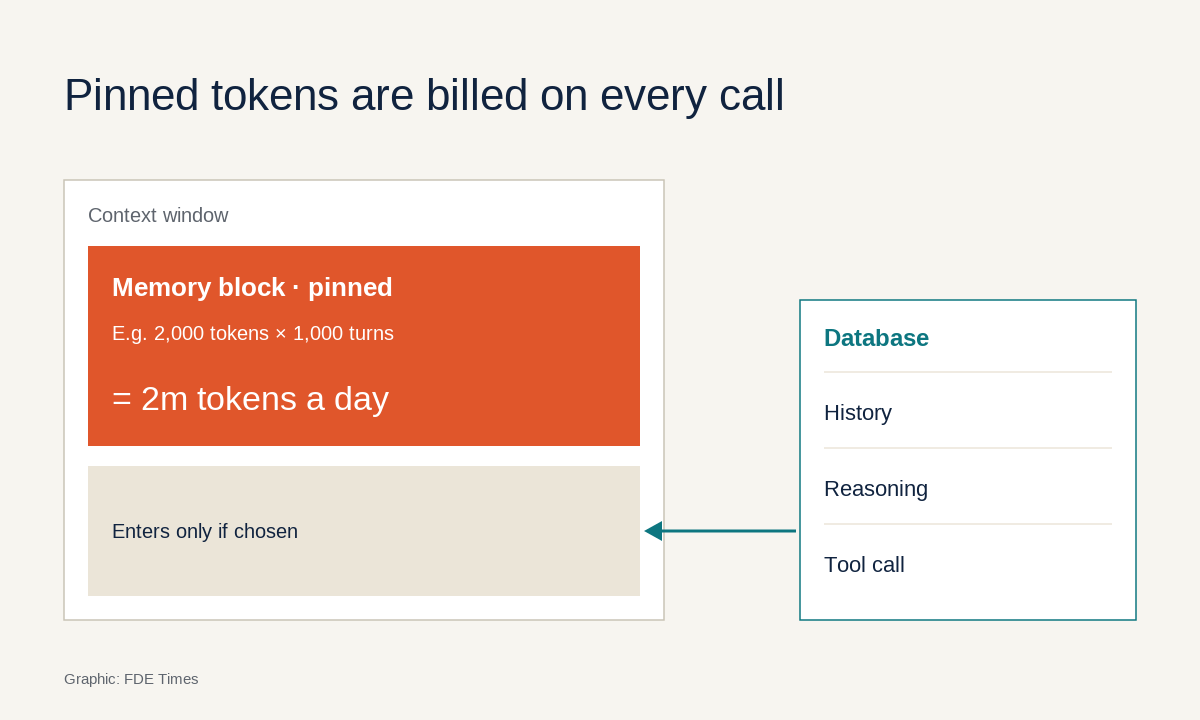
The open-source successor to MemGPT still leaves FDEs to choose which tokens enter each call, pay for them, and know when not to use it.
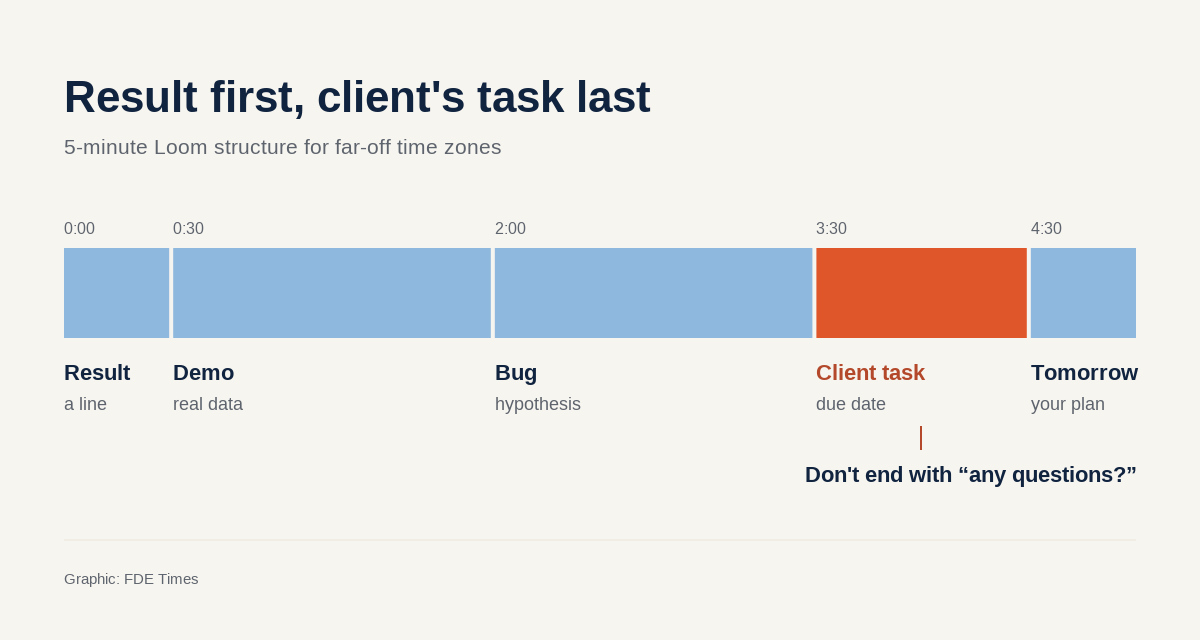
Record when information flows one way, such as demos and milestones; meet when scope, bad news or a shared decision is on the table.
Two commands produce a first PASS/FAIL report, but the real value comes from scanning the client's own chatbot and knowing how much the results actually prove.
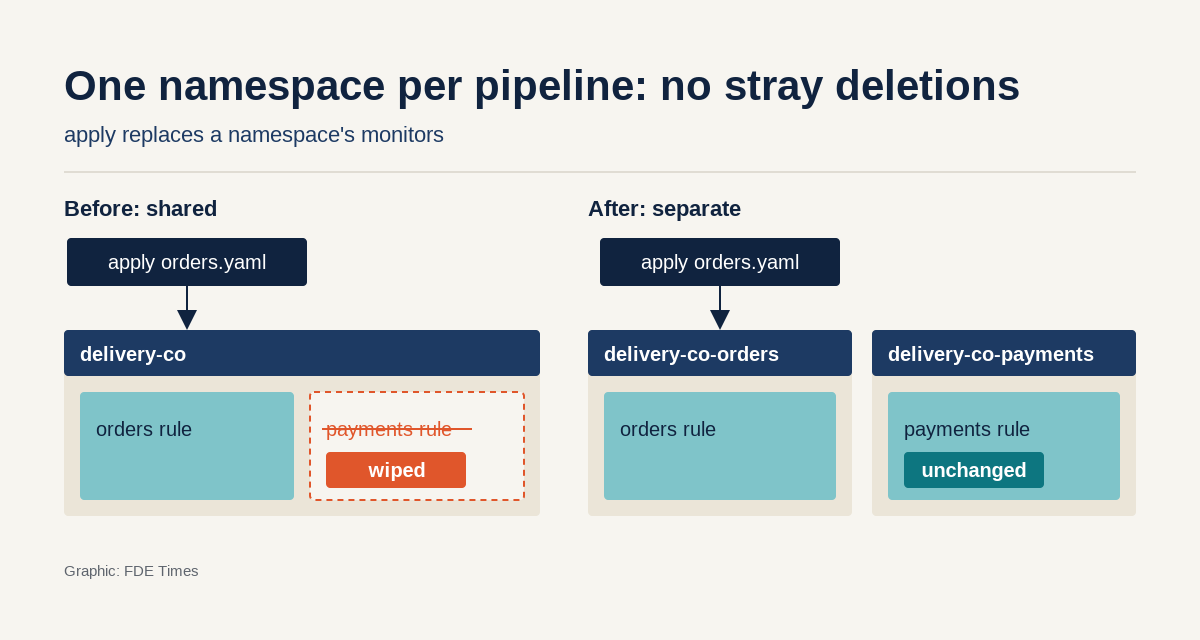
Each apply replaces every monitor in a namespace, so each client needs its own; business rules still need validation monitors written in SQL.
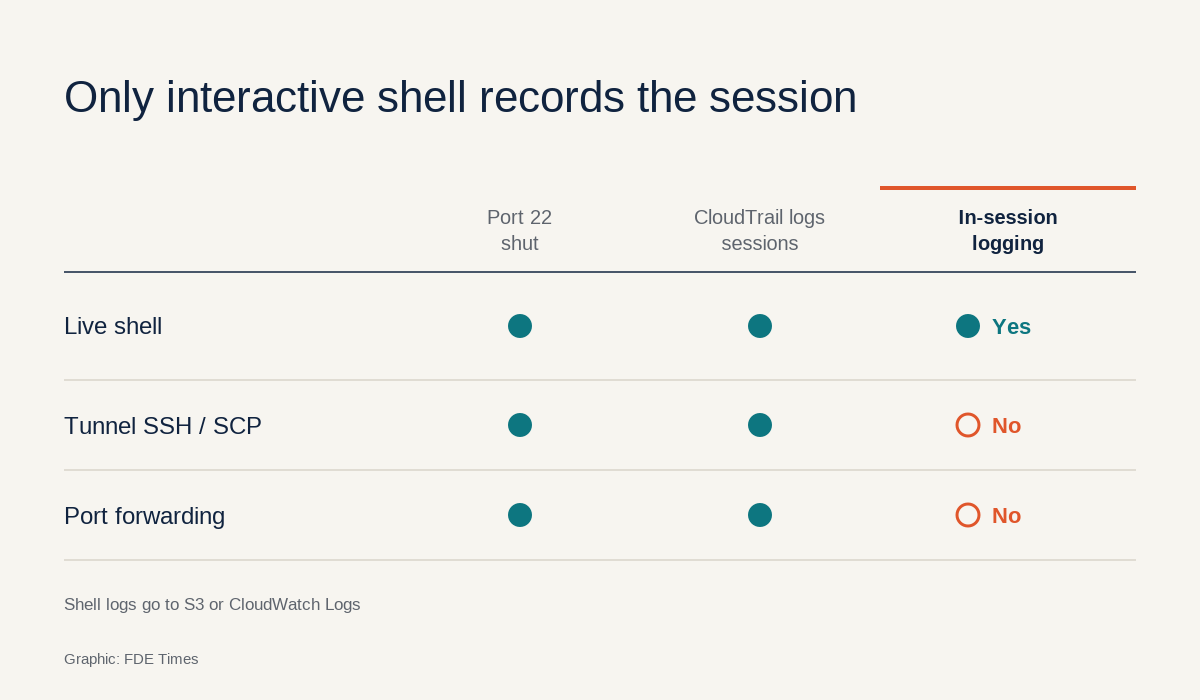
AWS Session Manager puts access in an IAM policy, but SSH tunnels through it leave no record of the session, and the client must know before signing off.
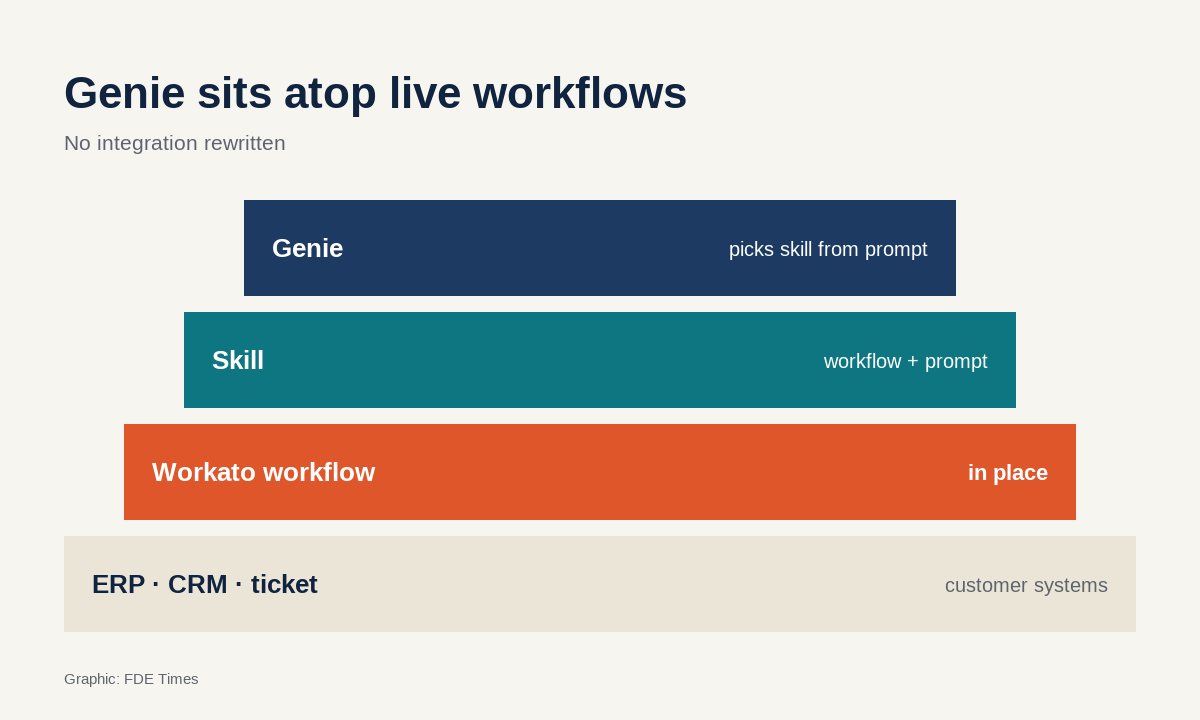
Agent Studio's genies call workflows already in production as skills, though the documentation lists limits worth planning around first.
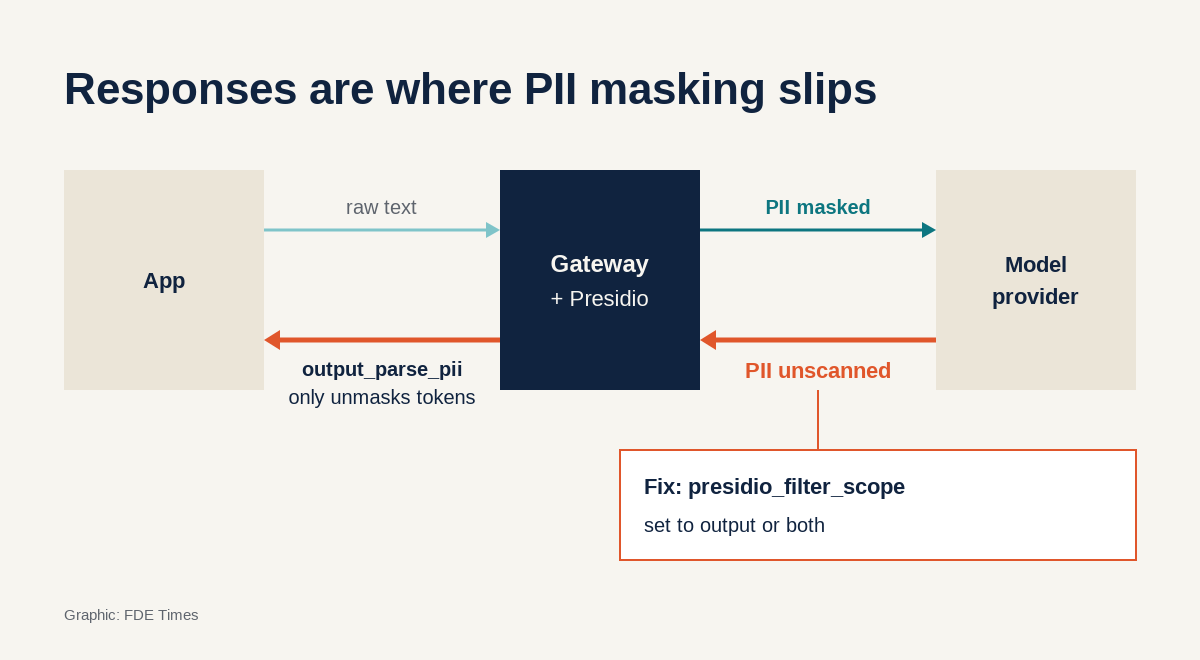
Out of the box the open-source library ships only English models, so telling a client their PII is masked takes more than an install.
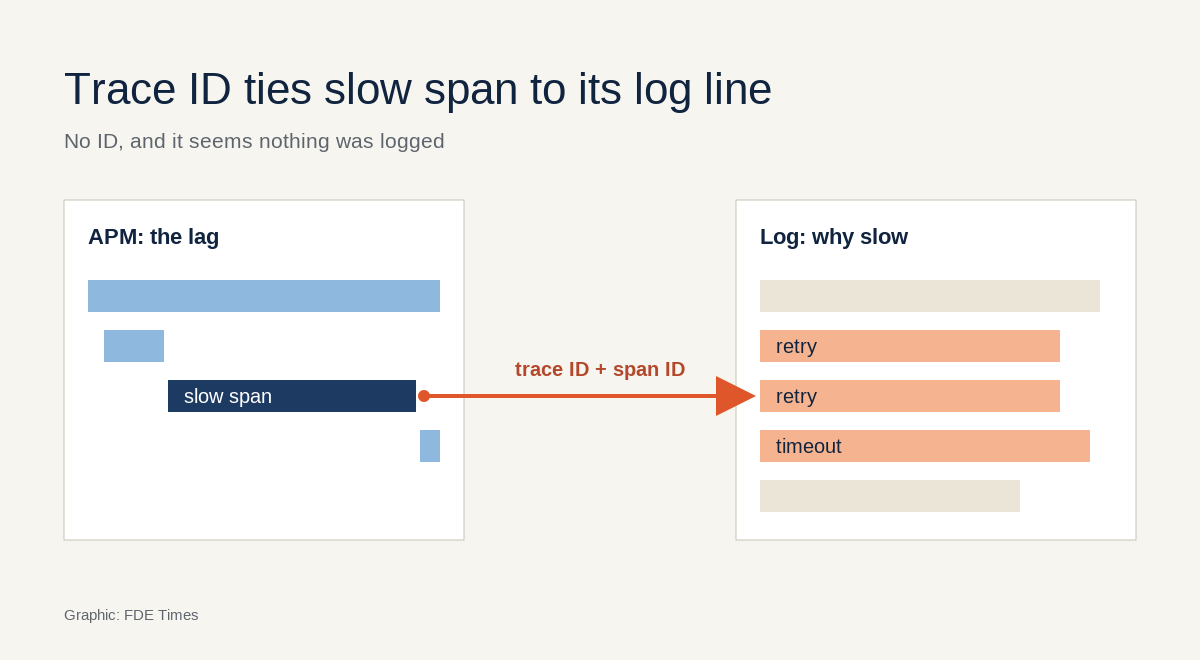
Datadog links a slow trace to its logs only when they carry the trace ID, and a five-minute check before the meeting keeps the investigation alive.
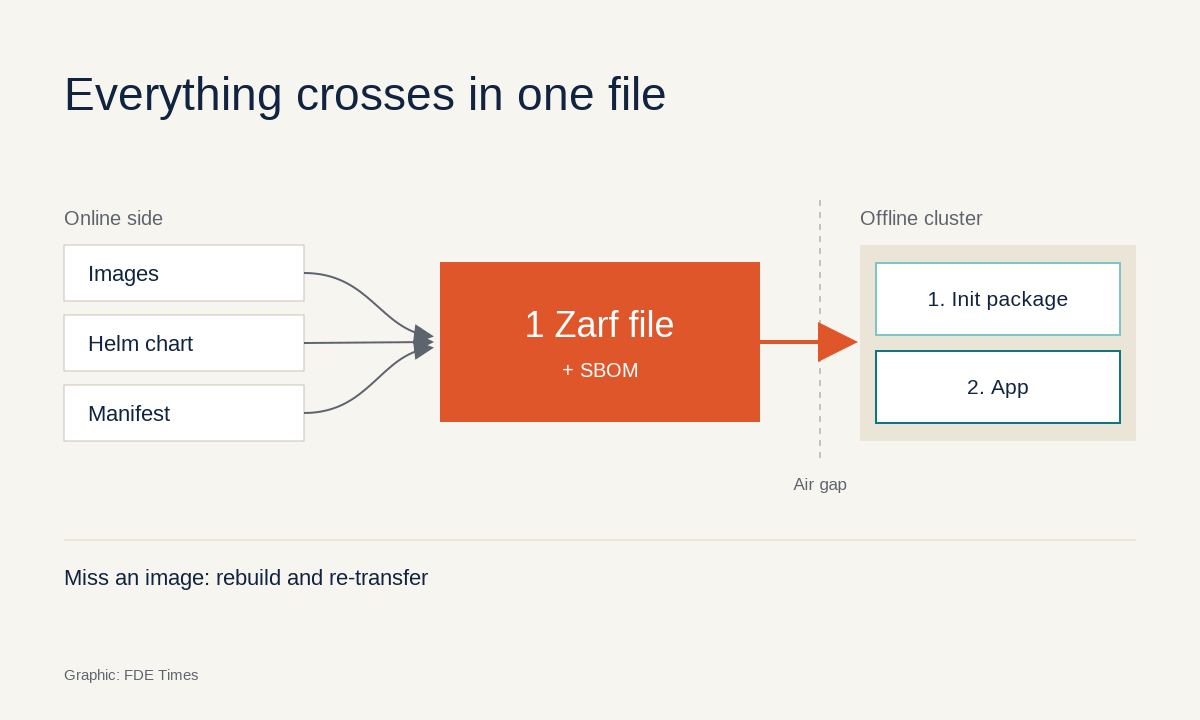
Images, Helm charts and configuration travel together and are checked before they cross the boundary, which matters more as an FDE's clients sit in tightly regulated industries.
Runtime, Identity and Observability cover where the agent runs, who may call it and where the logs are; the gaps decide what an FDE can promise.
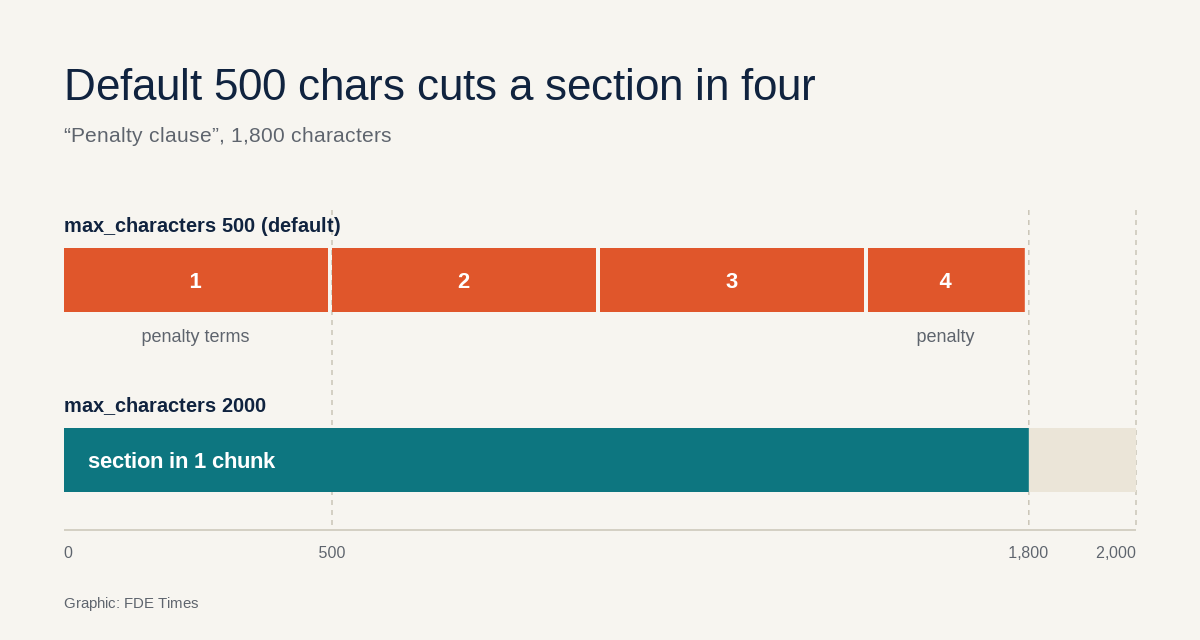
Parsing Word, PowerPoint and email by structure keeps parent_id metadata on every chunk, but only once a few settings are changed before indexing.
Scripted REST handles calls in, Integration Hub spokes handle calls out, and a MID Server inside the client network decides whether either reaches production.
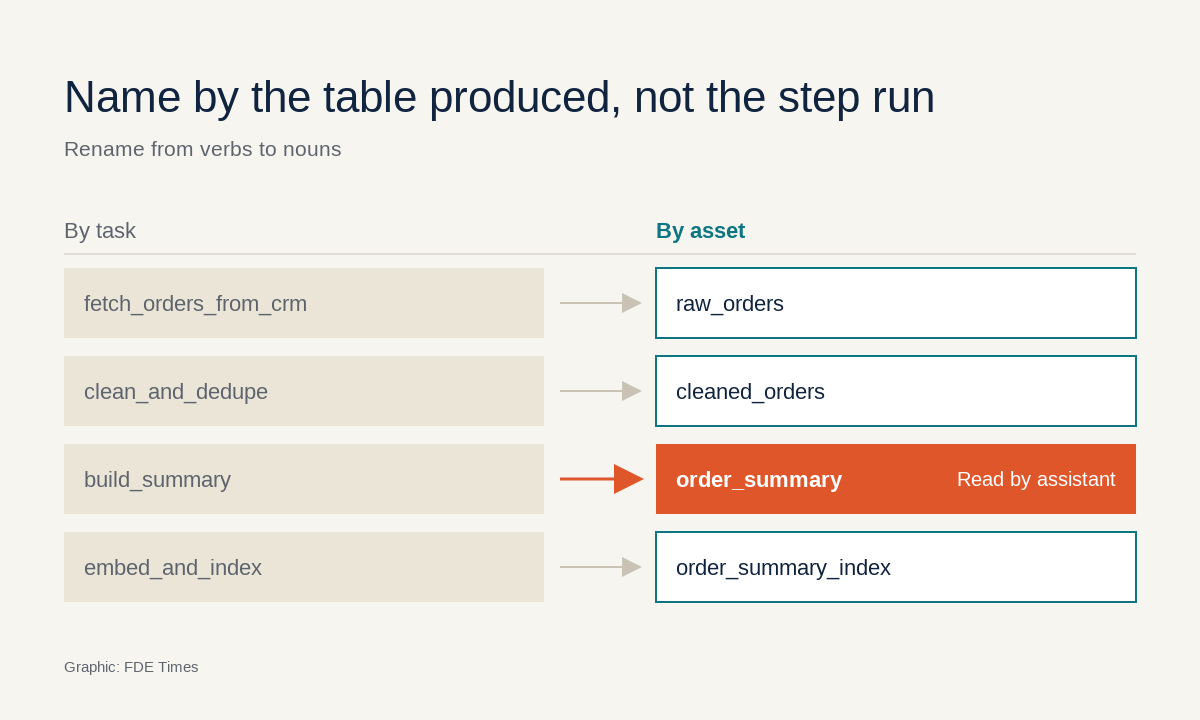
A green pipeline can still produce wrong data; orchestrating by the tables you produce, not the tasks you run, exposes the difference.
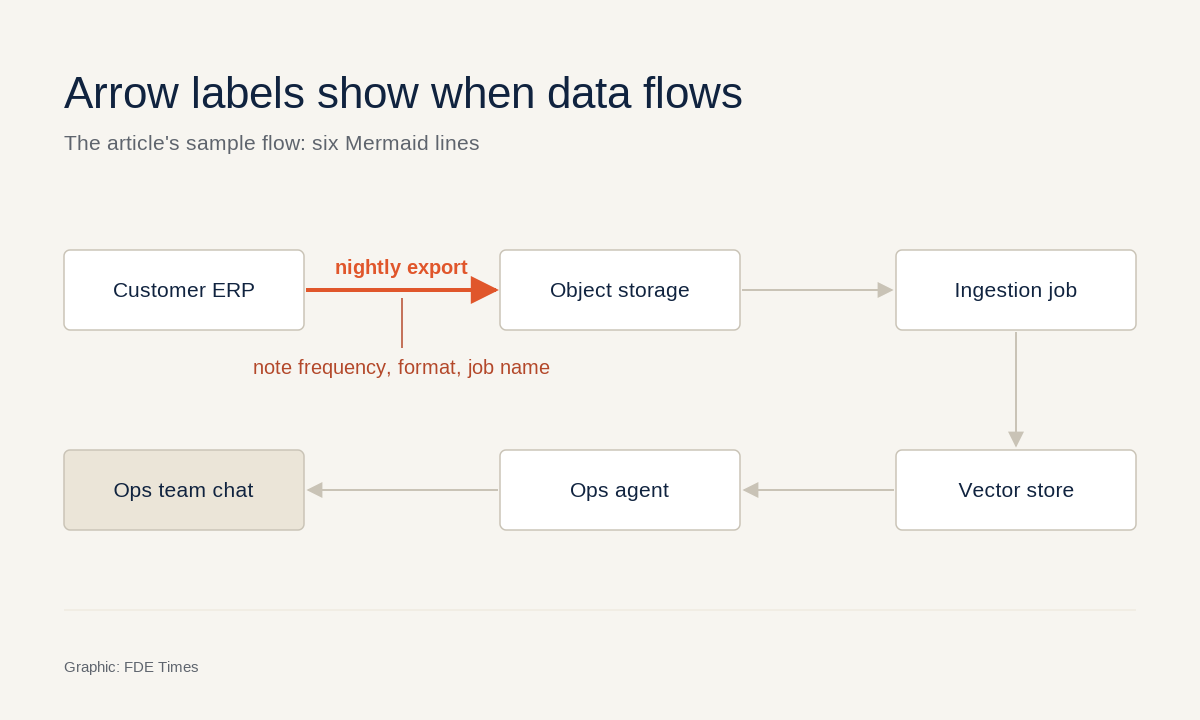
Mermaid keeps diagrams as text in the repo, so a changed pipeline step and its diagram land in the same pull request.
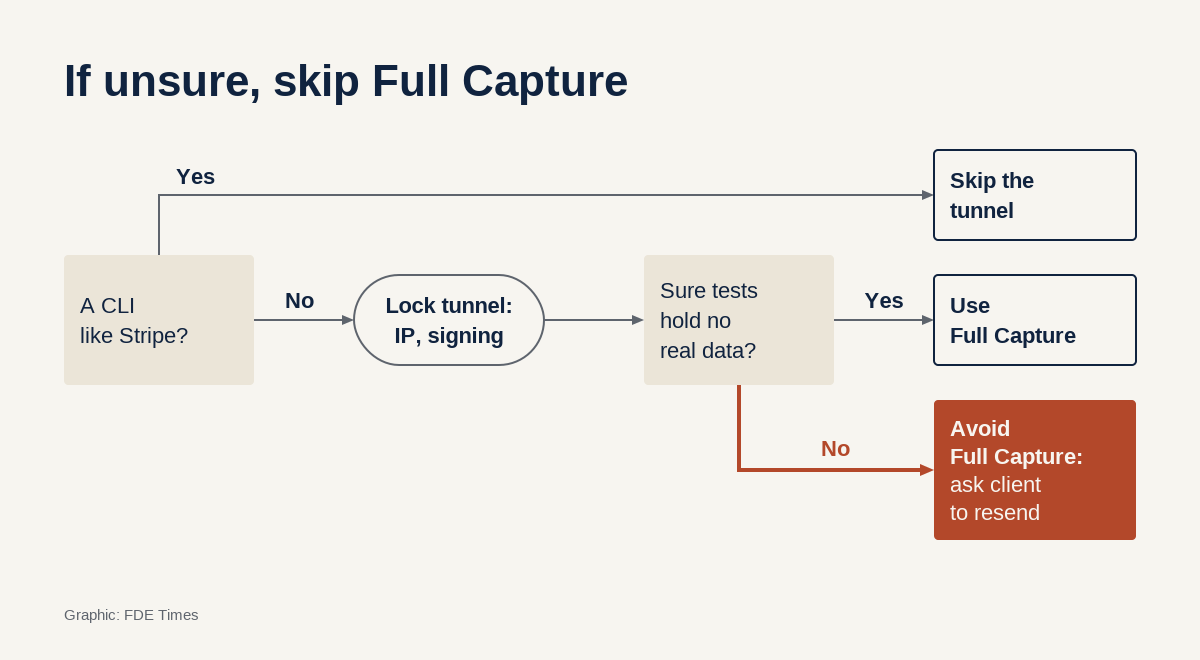
Stripe CLI forwards events without any public URL; when a tunnel is unavoidable, set the limits before the first request arrives.
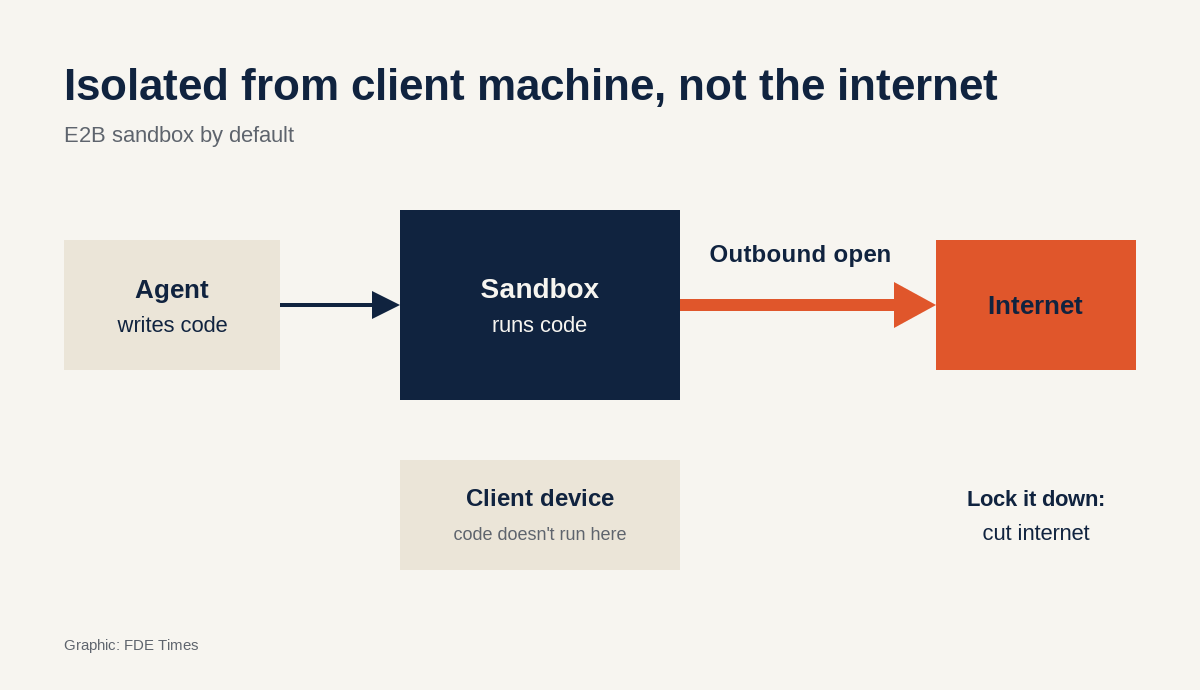
Turning off allowInternetAccess blocks every outbound route, and a short script lets you prove it to the client's security team.
A single decorator records inputs, outputs and code, so you can open yesterday's failing call and prove the fix holds.
One scan finds known vulnerabilities and leaked secrets before a client's security team does, and March's tag hijack changes how to run it in their CI.
Great Expectations turns the unwritten assumptions in a client's data into nightly checks, so the engineer finds the break before the dashboard does.
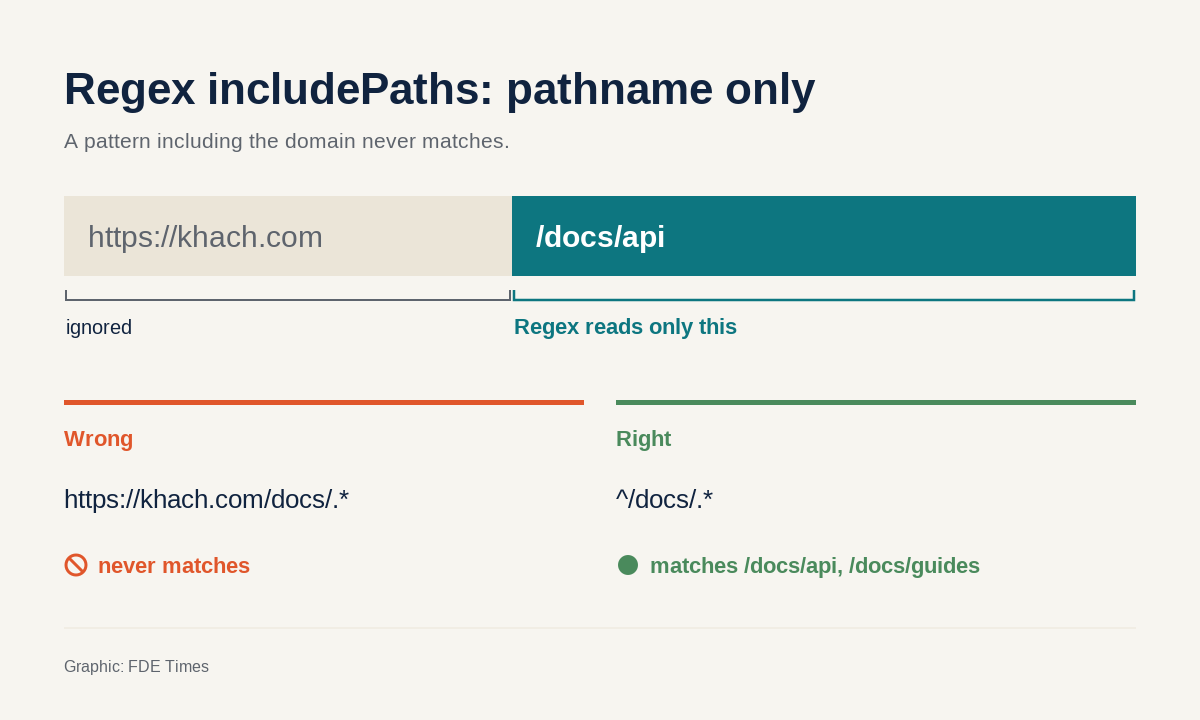
It renders JavaScript and turns PDFs into Markdown; pathname regexes, limit and maxAge decide what it crawls, what it costs and how fresh the data stays.
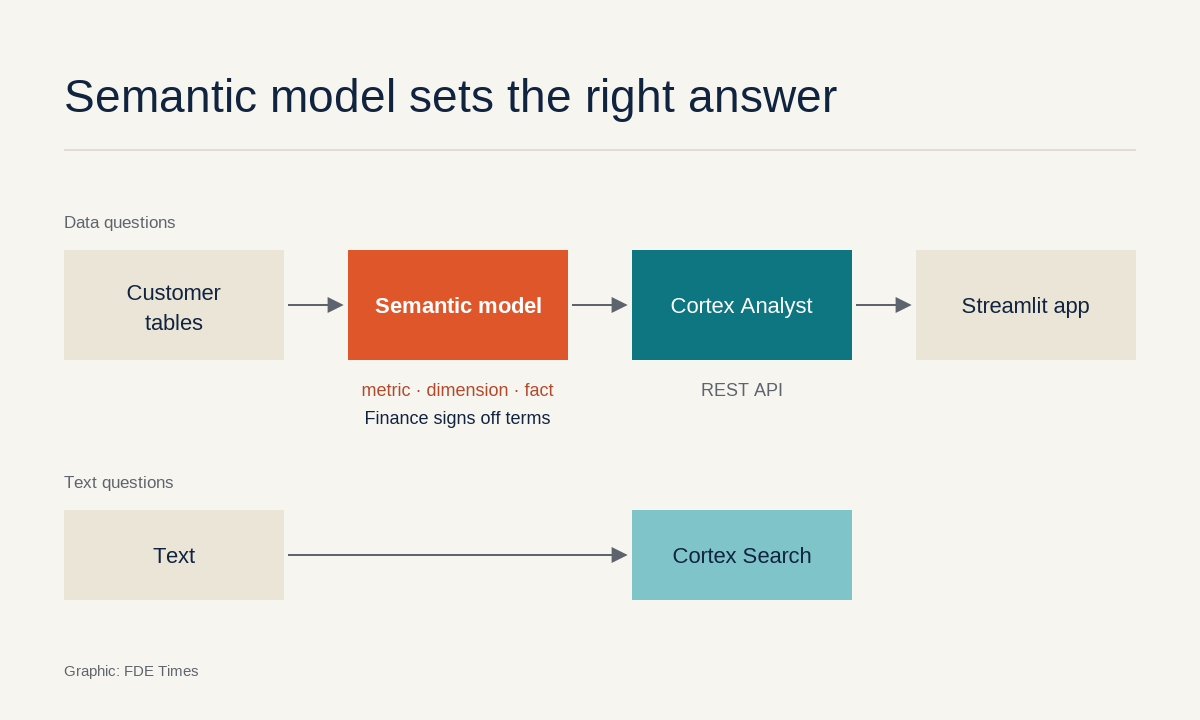
Cortex Analyst handles questions on tables and Cortex Search handles documents, but the FDE's job is making customer data mean the right thing.
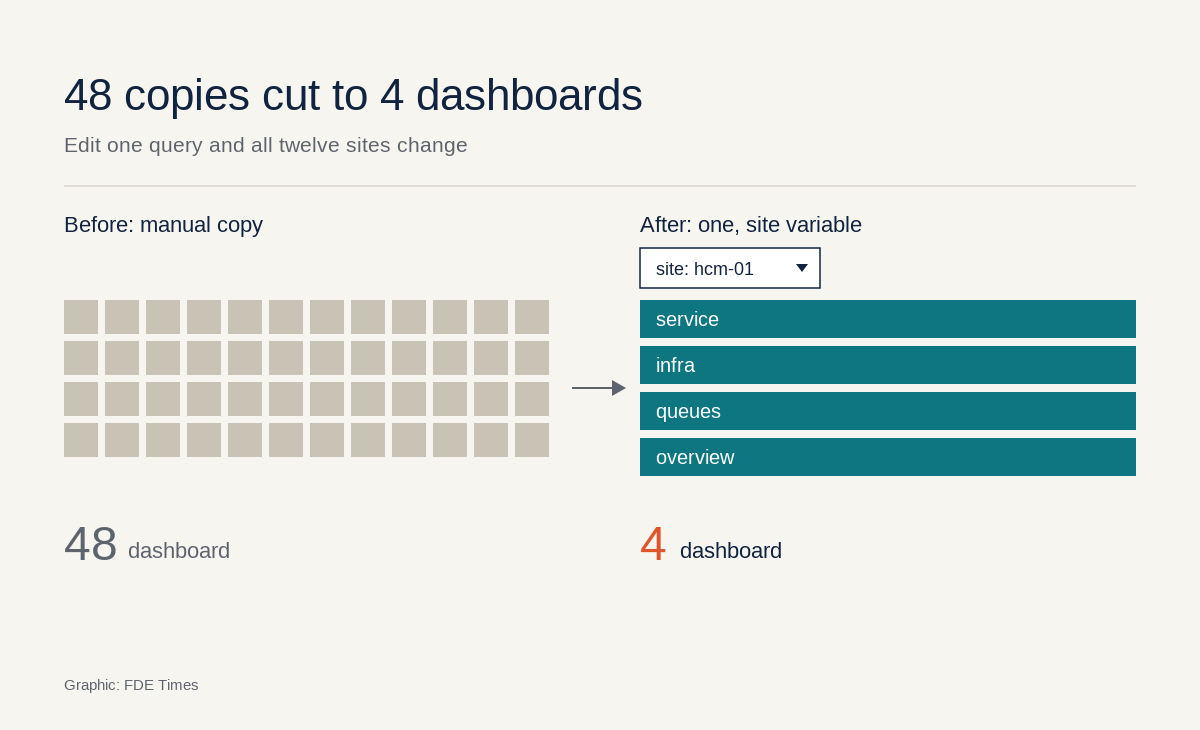
A single site variable makes site 7's panels measure what site 1's do when a client asks about slowness, and alerts should fire only when users feel it.
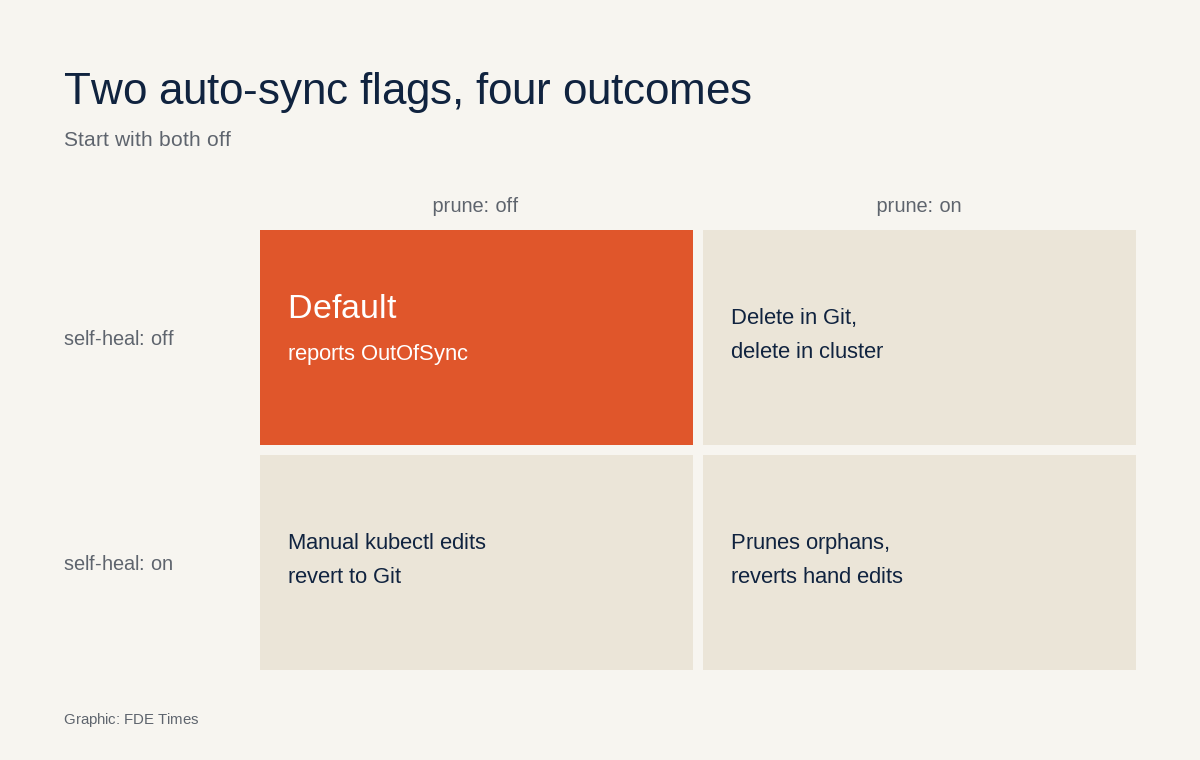
Its defaults flag drift before fixing it, which is exactly what an FDE wants across several customer Kubernetes clusters.
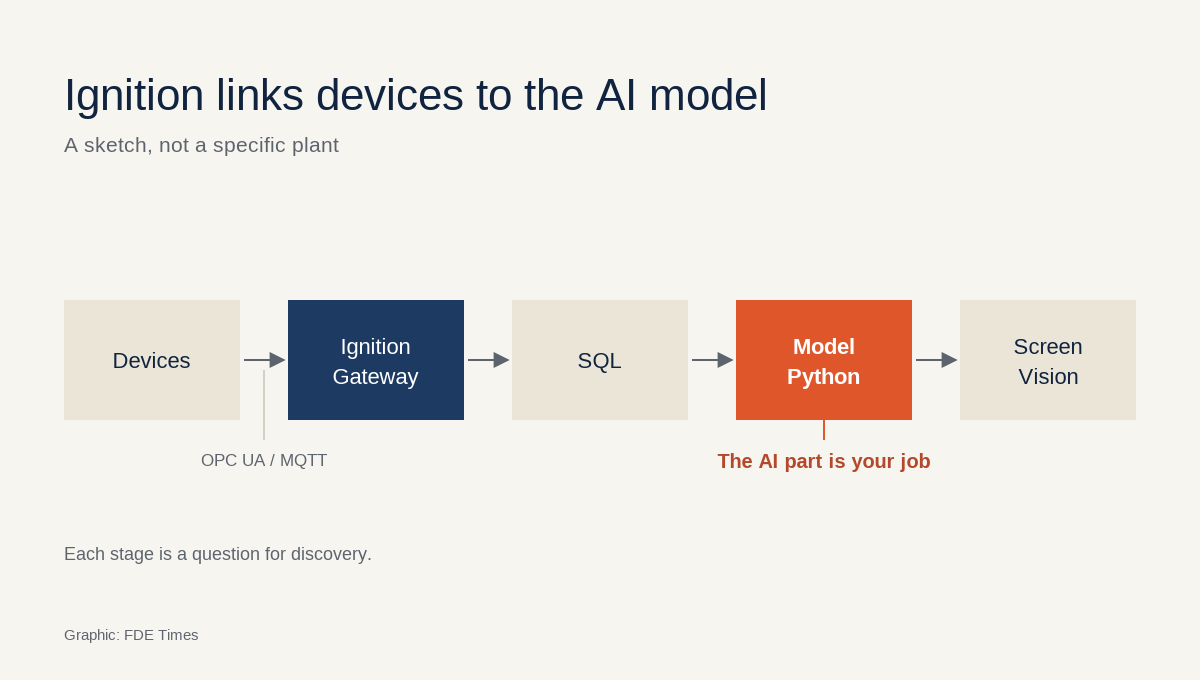
Ignition's full-featured trial only needs a reset every two hours, enough for an FDE to understand the plant before the first client meeting.
For TypeScript client teams it bundles workflows, memory, MCP and evals in one repo; for pure-Python teams the advantage largely disappears.
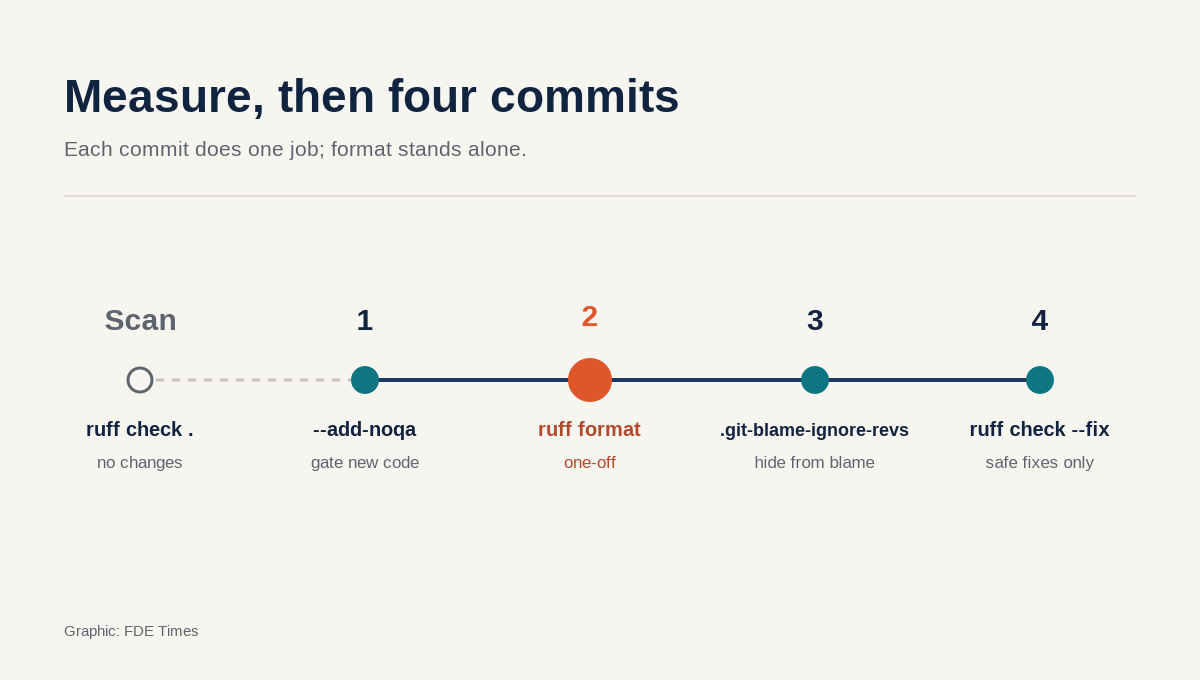
Astral reports more than 99.9 per cent compatibility on Black-formatted code, so the diff stays small enough for the client's team to actually review.
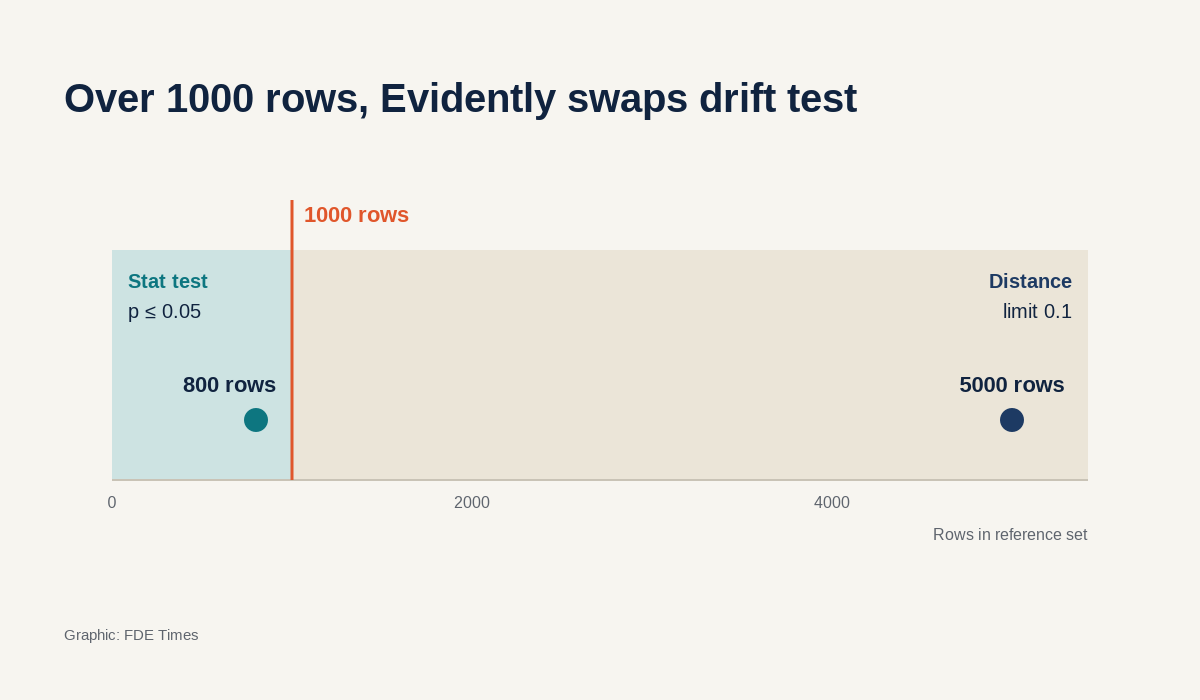
Evidently compares production data with a reference set, so a skewed baseline skews every alert, and the client's team inherits the tool after you leave.
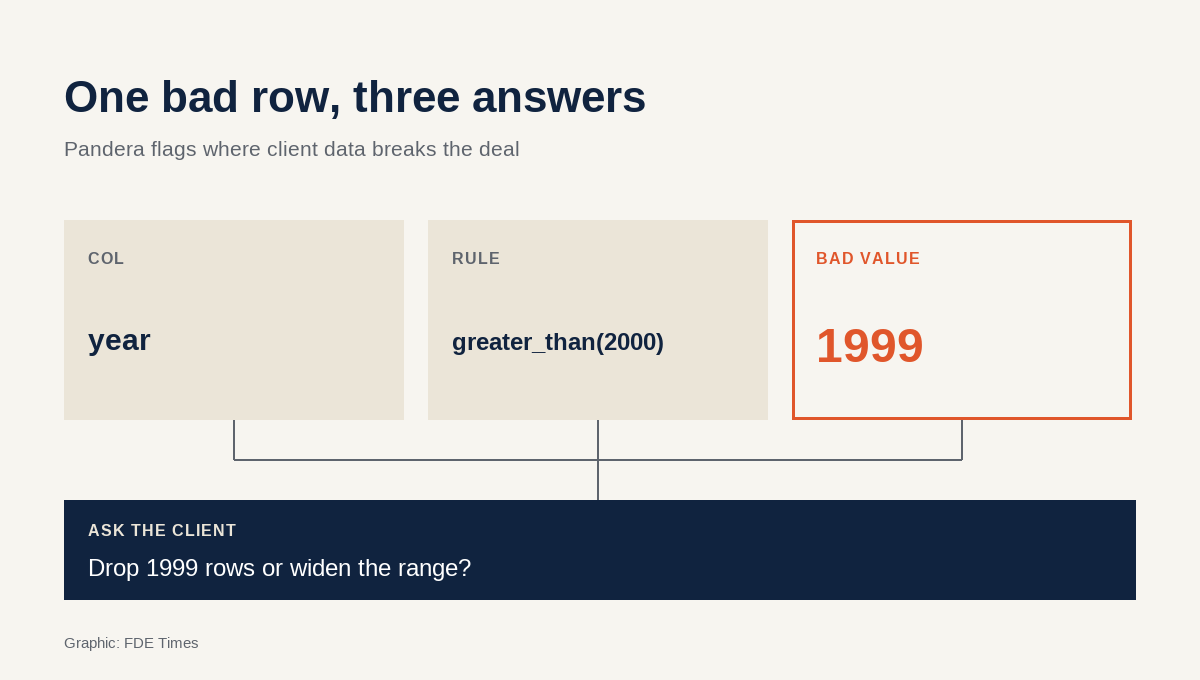
Pandera, an MIT-licensed library, turns contract terms into DataFrame schemas and names the exact column, rule and value that broke, before a report goes out wrong.
Four lines of code trace a client's agent on OpenTelemetry, and standard SQL means the client's data engineers can read your queries.
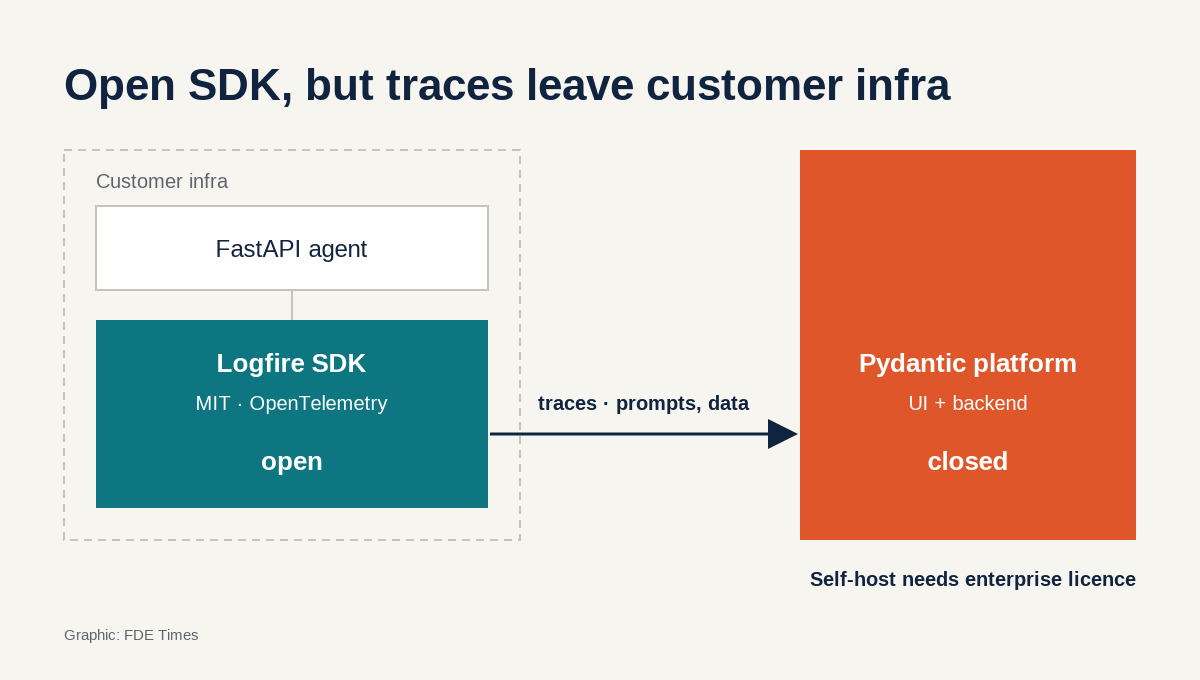
Self-hosted Phoenix sends Arize no data; traces show which step failed, evals show how often, but read its licence before proposing it.
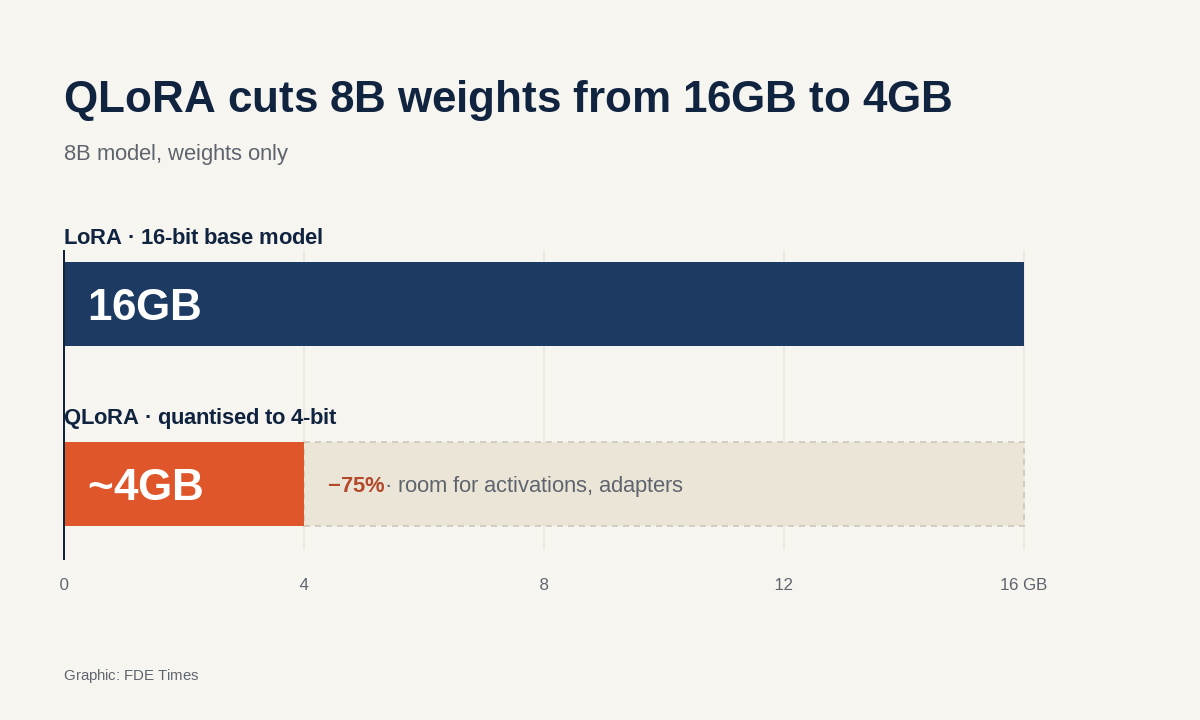
Unsloth claims 70% less VRAM, enough to train a small model on a single T4 and export it in formats the client's machines can run.
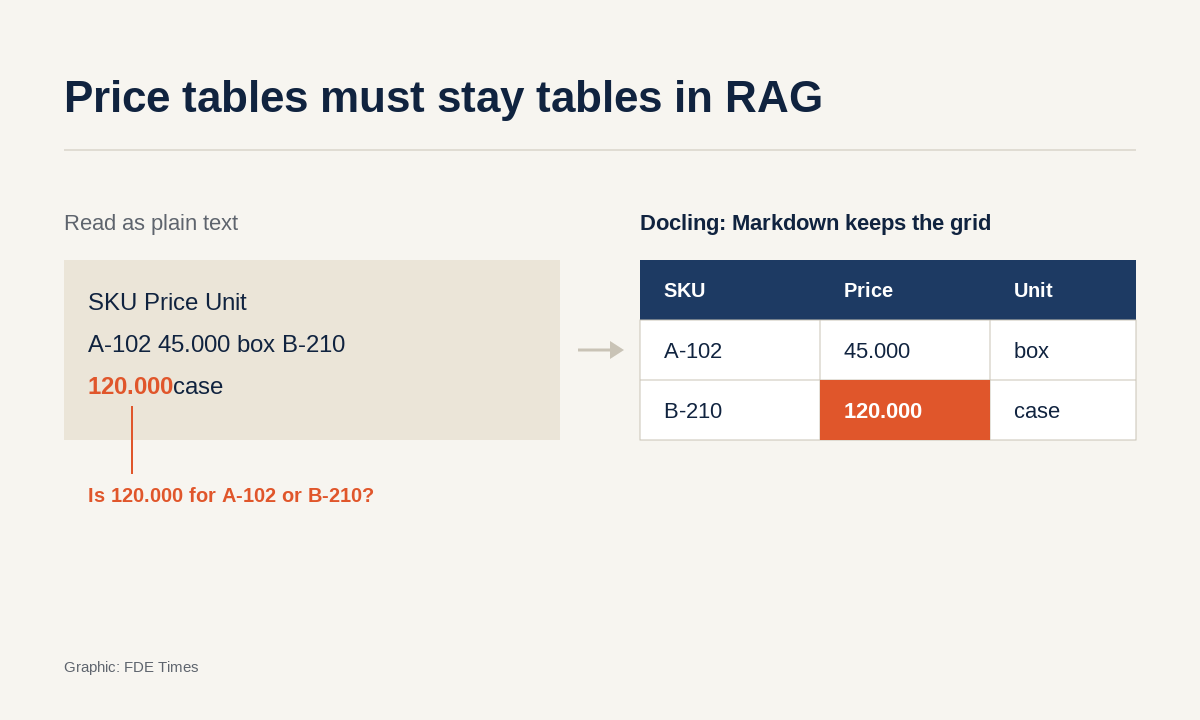
Docling, an MIT-licensed toolkit started at IBM Research, keeps layouts and tables intact in Markdown and runs entirely on the client's own servers.
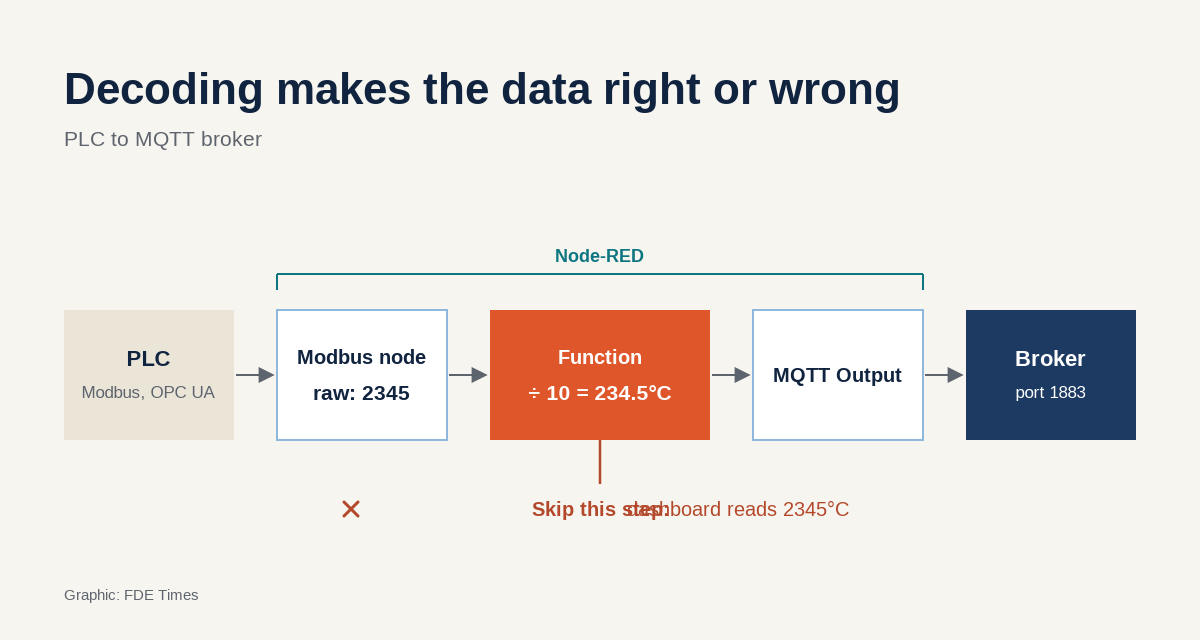
Node-RED bridges Modbus and OPC UA to MQTT in an afternoon; the traps are scaling raw values, restarting after installs and securing the editor.
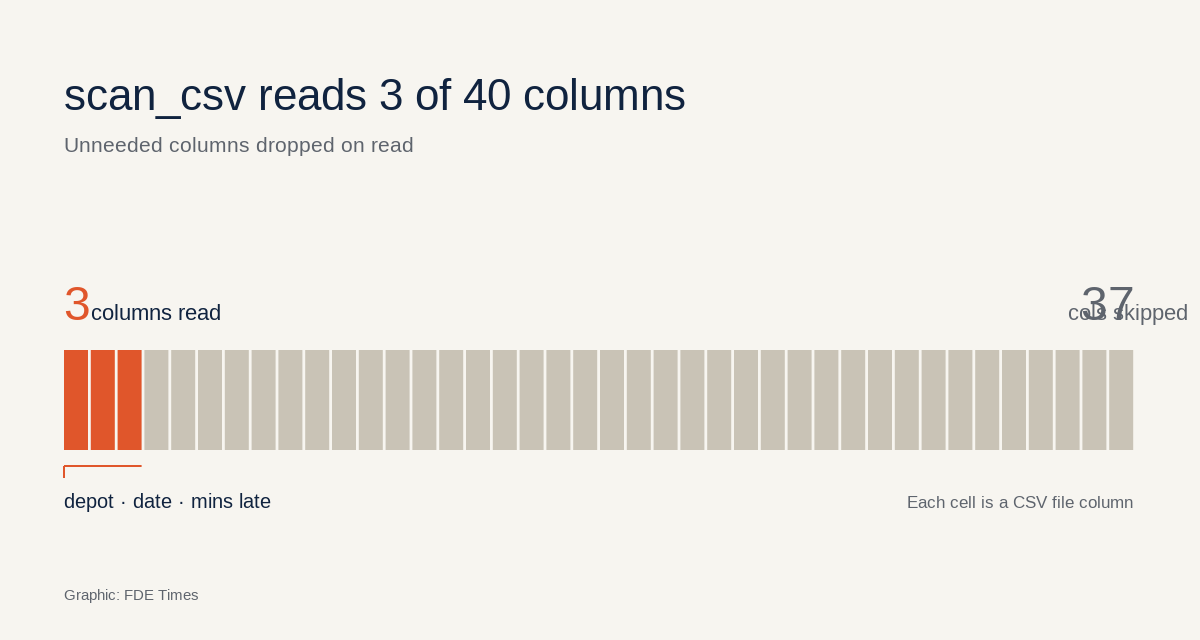
pandas loads everything before it starts work; Polars' scan_csv plans the query first and reads only the columns and rows it needs.
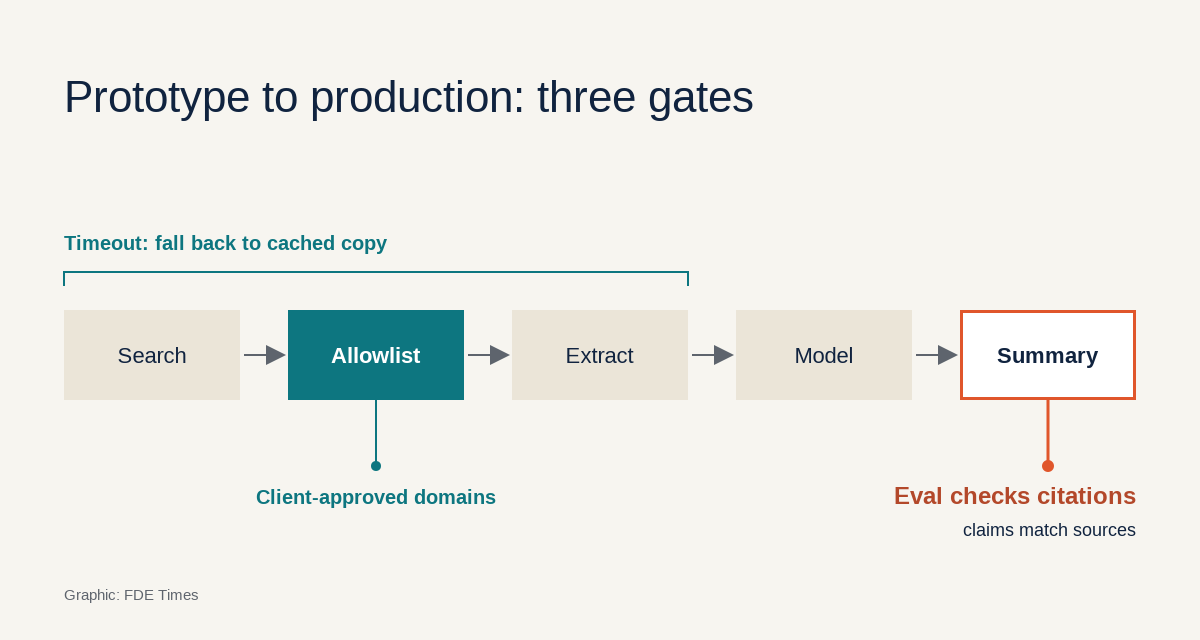
Nebius, which agreed to buy the agentic search API in February, needs engineers to decide what agents read and who answers for a bad citation.
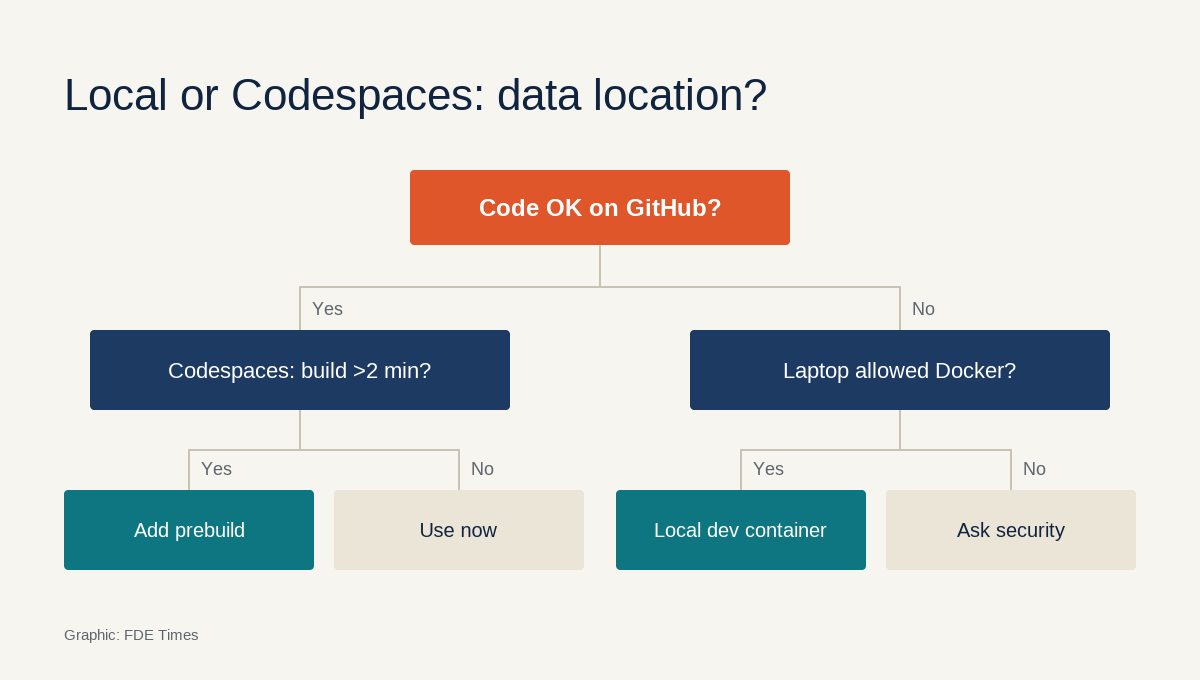
Dev Containers and GitHub Codespaces give your team and the customer's engineers the same tools the moment they clone the repo.
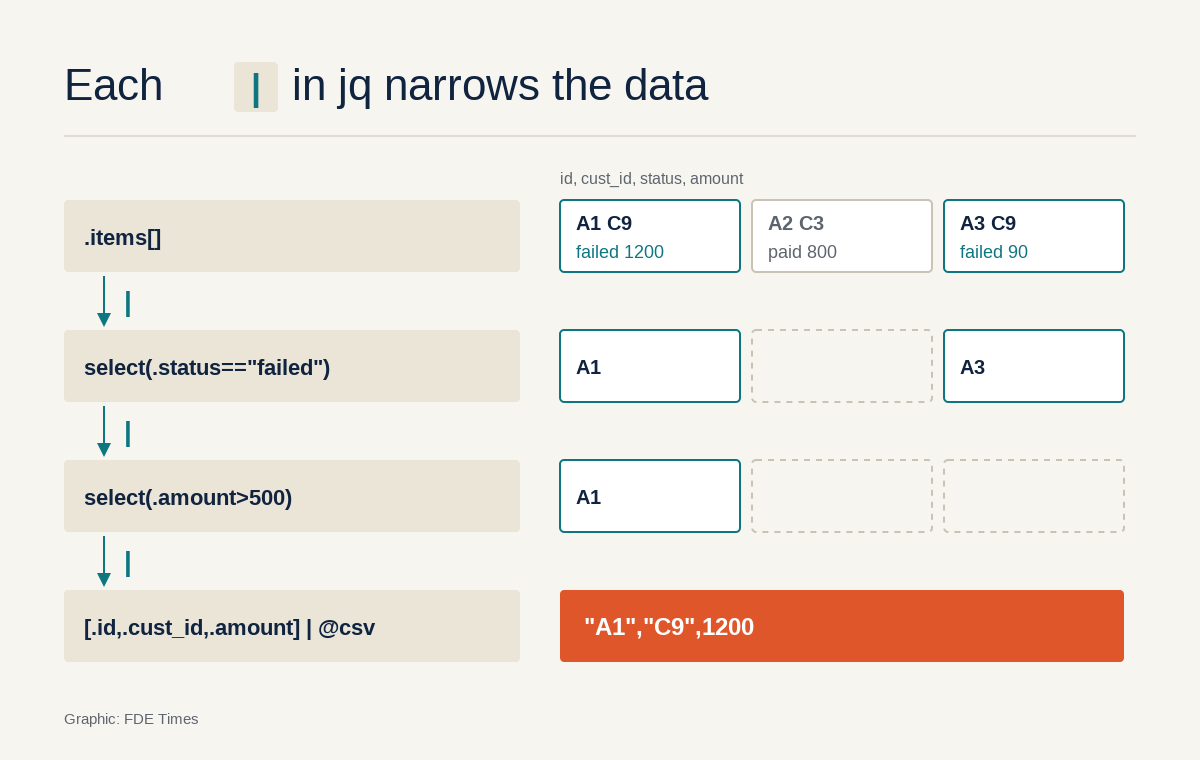
When a client asks "how many failed orders over 500?", the fastest answer can be a single command, with no notebook in sight.
Cloud Run spares you days of asking for infrastructure, but the first question is still whether the service holds state.
Type hints produce the data contract, the /docs page and the OpenAPI file at once, so the client's app team can try it before you leave.
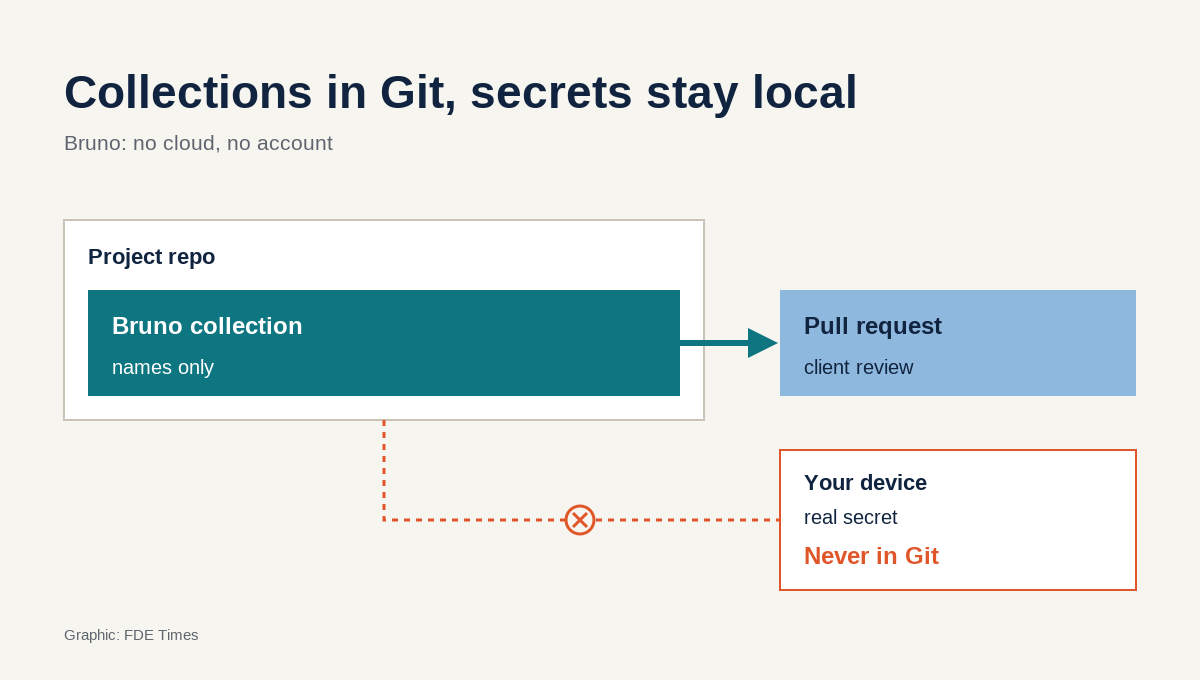
At clients that forbid sending data to outside services, an API client with no accounts and no cloud sync saves you a lot of questions from the security team.
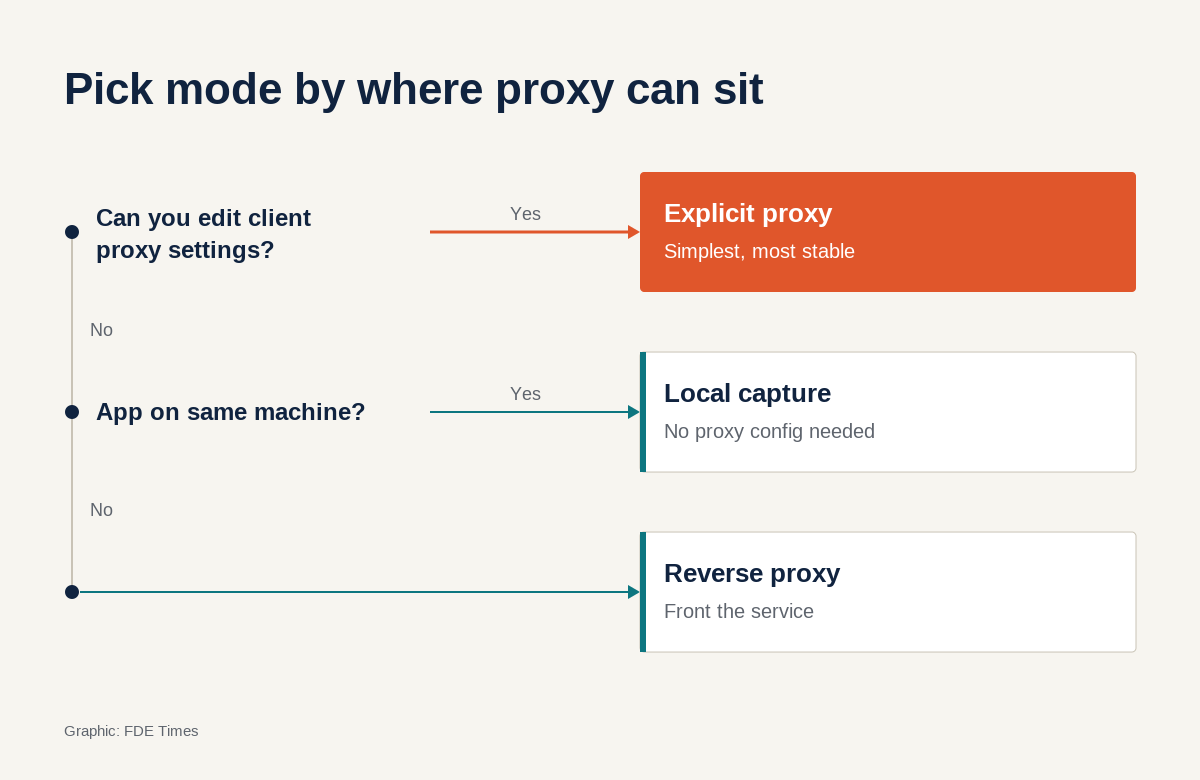
The free, MIT-licensed proxy lets everyone in the room read the actual requests and responses, and that licence is the first thing client IT will ask about.
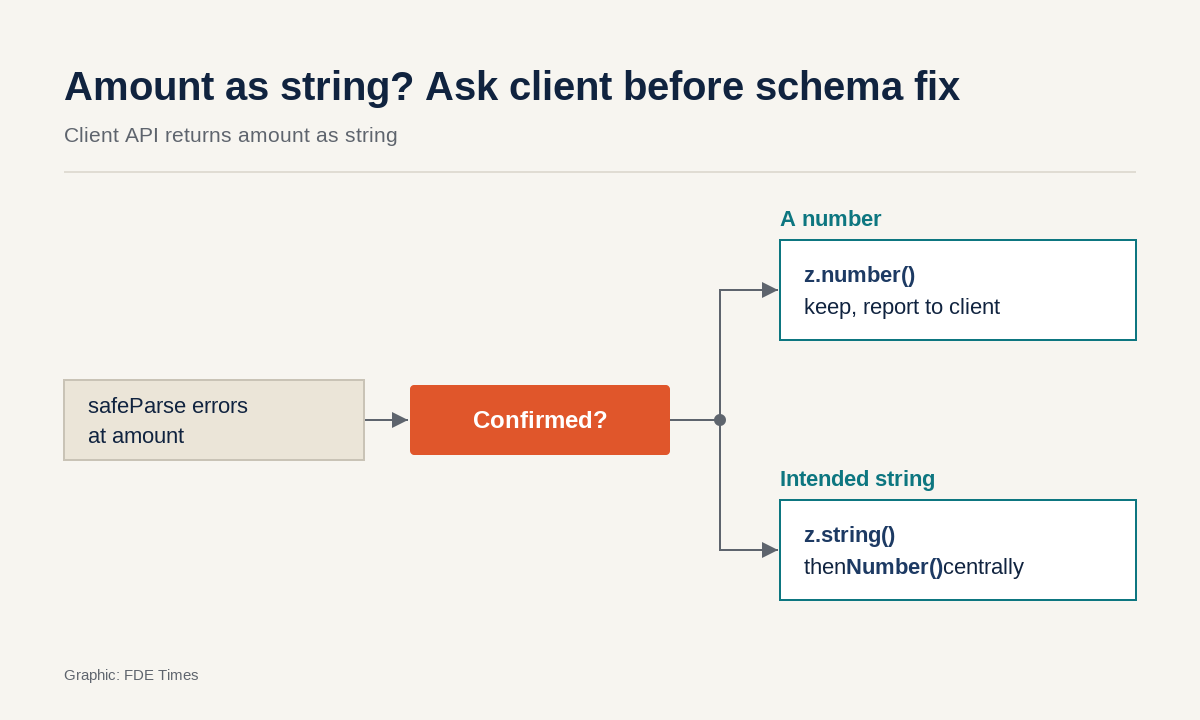
MCP's TypeScript SDK already requires Zod, and one schema at the entry point both validates data at runtime and generates the types, so they cannot drift.
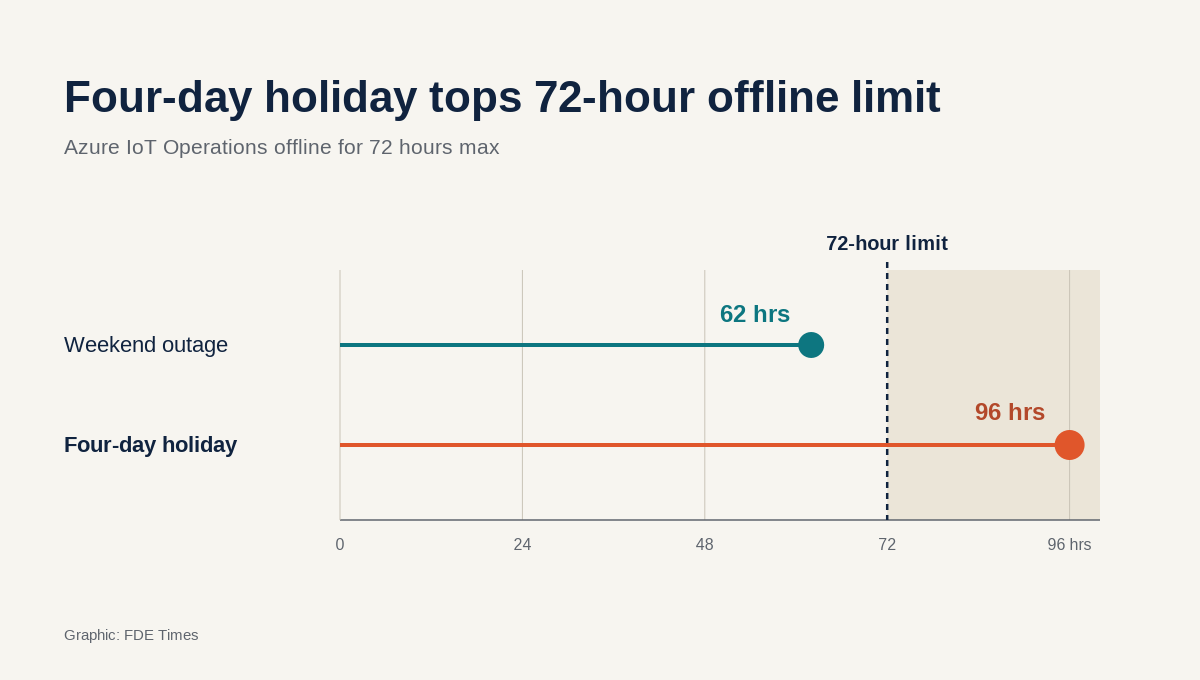
Siemens Industrial Copilot, AWS IoT SiteWise and Azure IoT Operations share meetings but not jobs; knowing where each sits avoids a wrong architecture in week one.
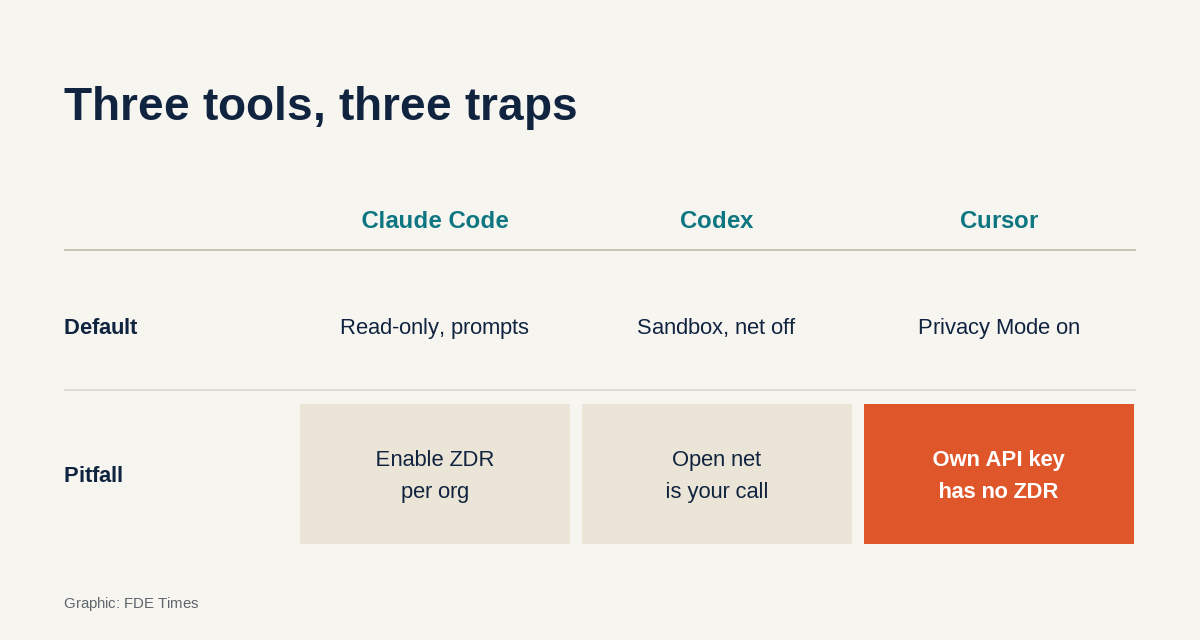
Claude Code, Codex and Cursor can all be fenced in, but their defaults differ and the exceptions that breach client policy hide in privacy docs.
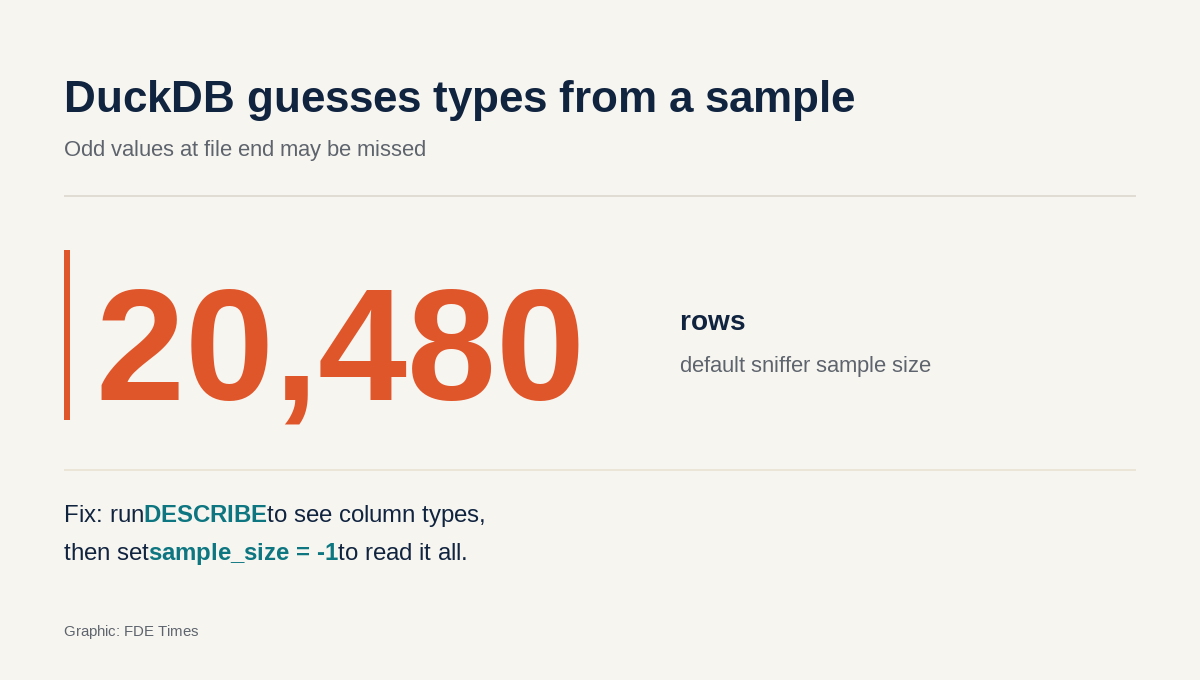
It runs inside your script with no server and an MIT licence, yet handles hundreds of gigabytes of CSV and Parquet on a laptop.
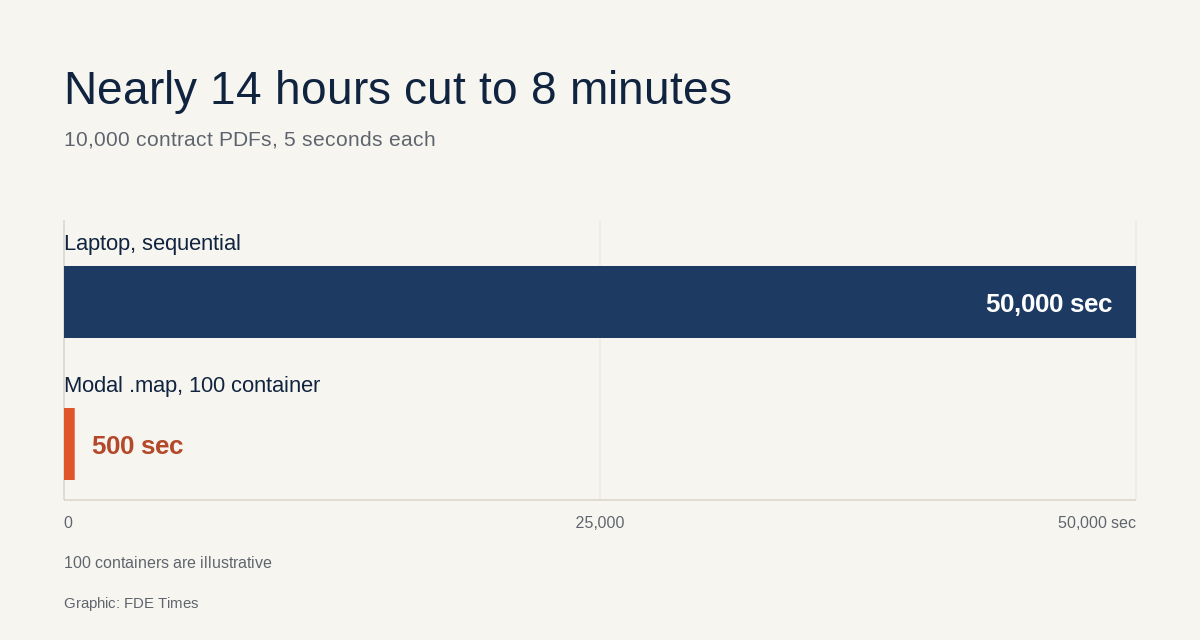
No YAML, no Dockerfile and per-second billing with $30 of free monthly credit mean a client's 10,000 files need not wait for infrastructure.
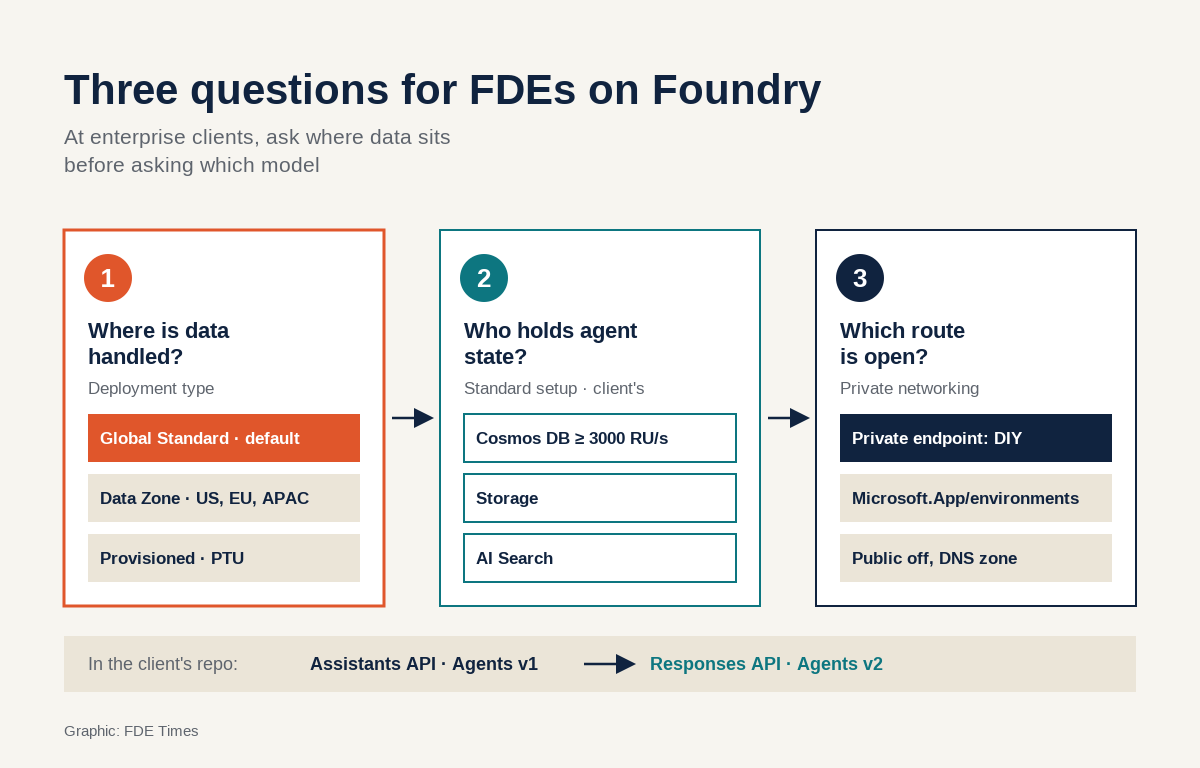
Microsoft recommends Global Standard by default, but it can process prompts in any Azure region, and compliance teams in Europe will not accept that.
Vercel's AI SDK puts every provider behind one API, so switching takes one line, and streaming spares demos spinners of up to 40 seconds.
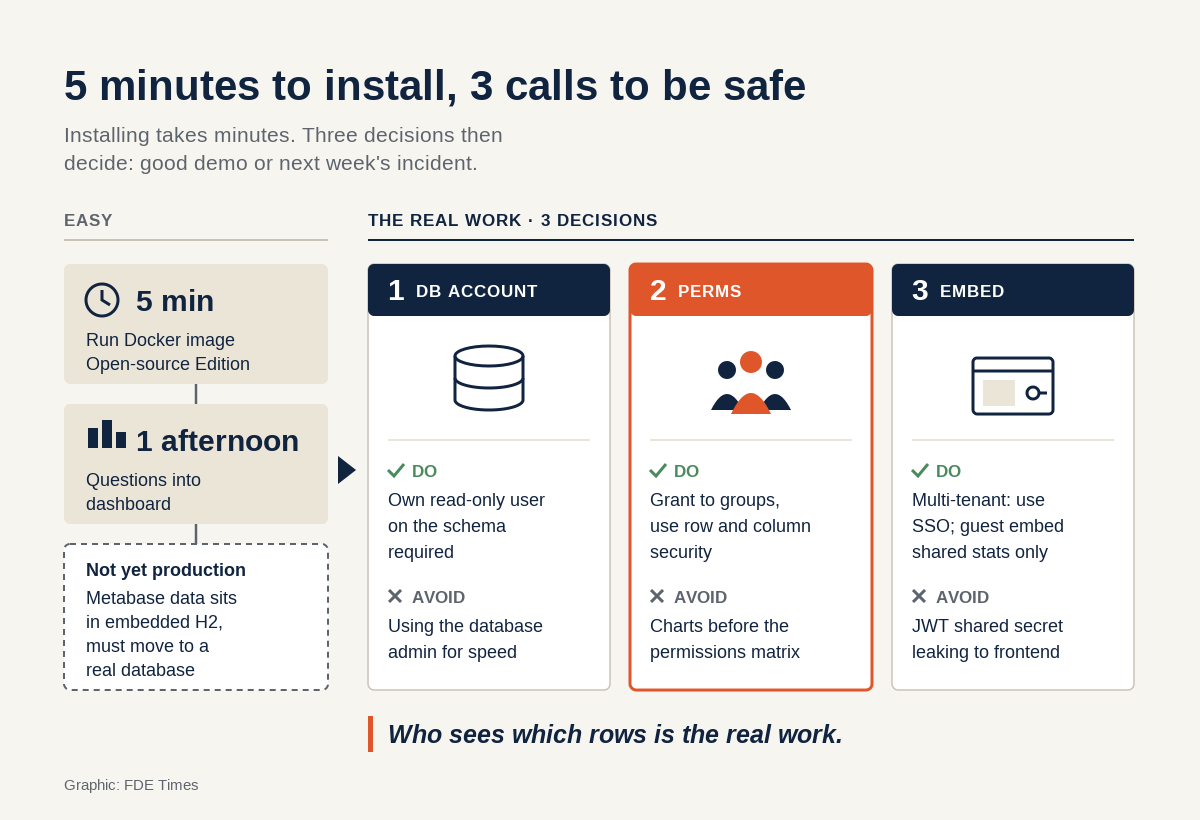
The database account, group permissions and embedding method decide whether an afternoon's dashboard survives the client inviting twenty more users.
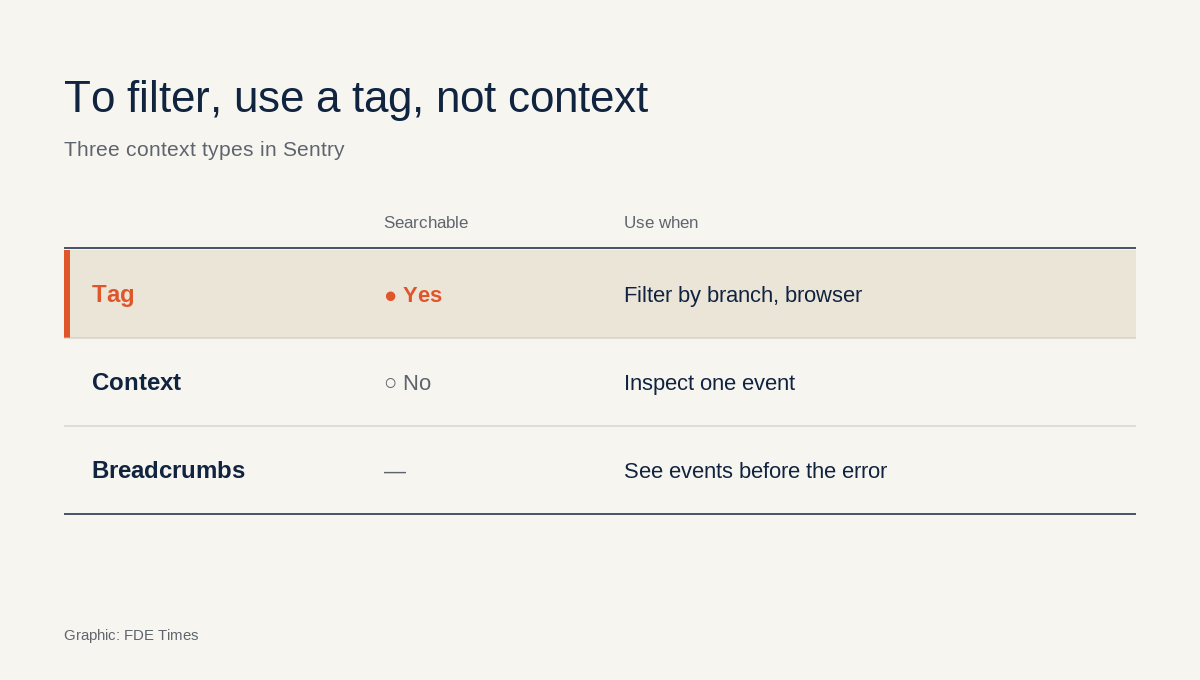
Sentry supplies the context a client's "it's broken" never will, provided you do not confuse tags with context when setting it up.
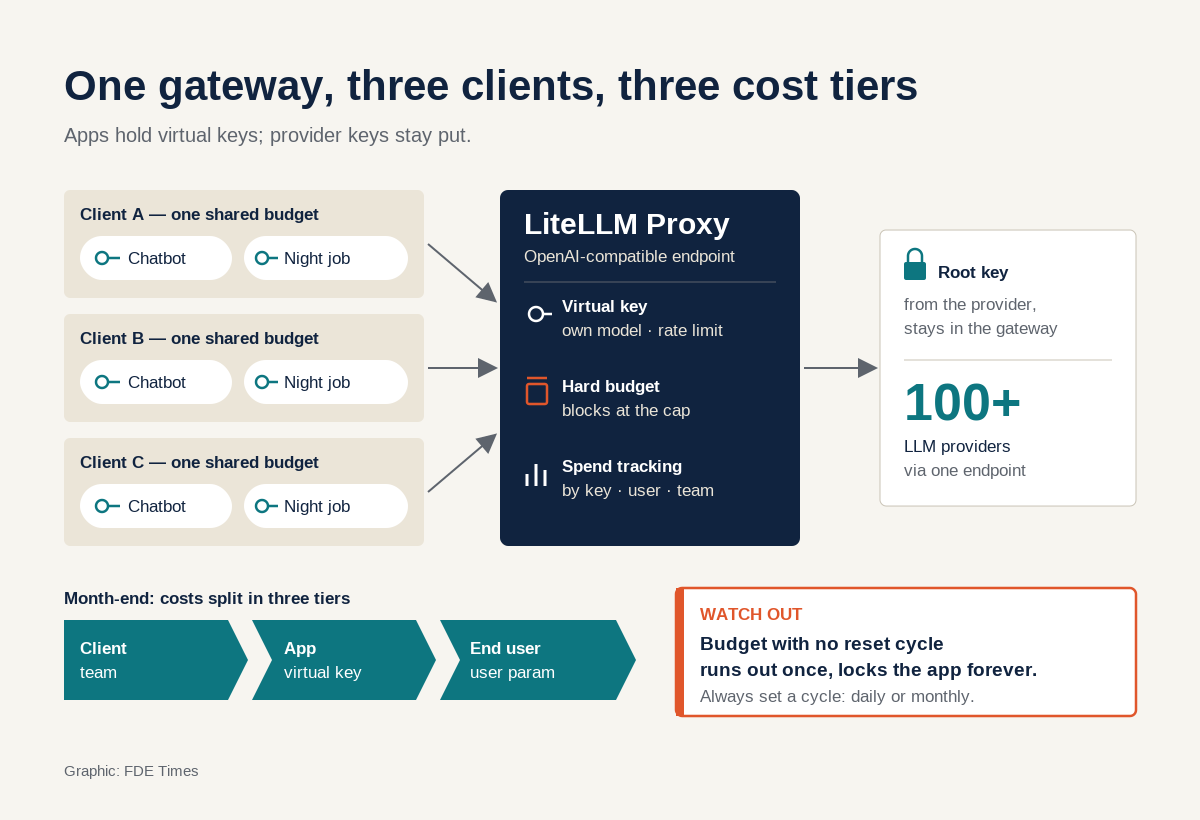
Each client gets a virtual key with its own models, budget and rate limit, while the provider's real key never leaves the self-hosted gateway.
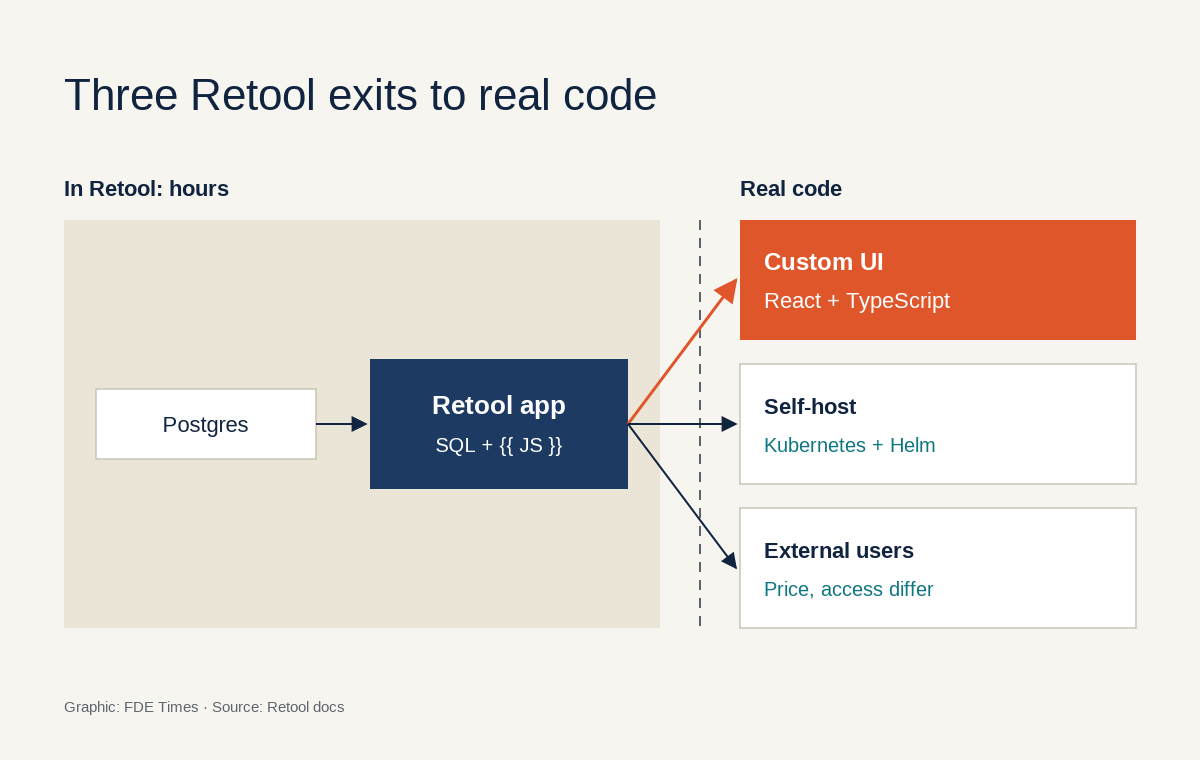
A developer fluent in SQL and JavaScript can build a client's internal tool in hours; the real skill is knowing when to go back to React.
Typed tools validate model arguments before your code runs; swapping models takes one string, but proving it safe takes evals and a pinned version.
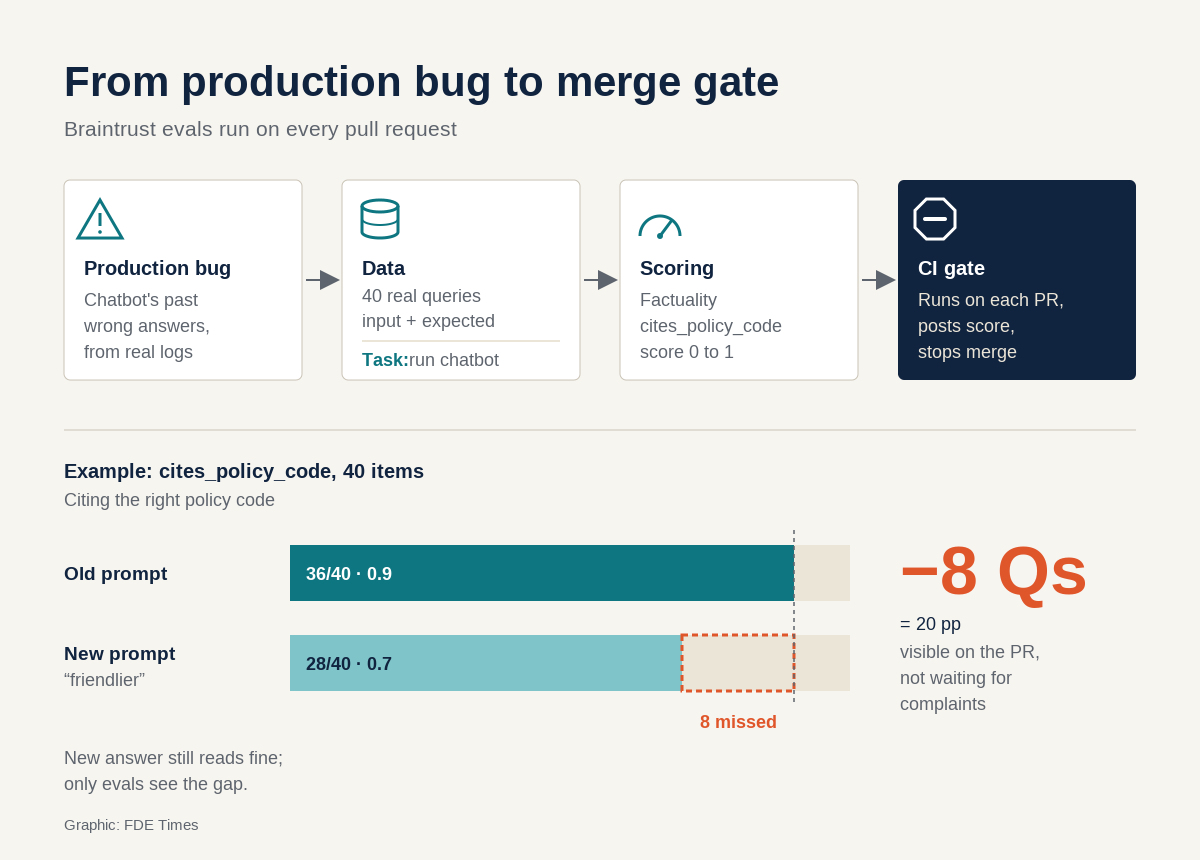
Production failures become datasets scored on every pull request, so a regression blocks the merge instead of reaching the customer.
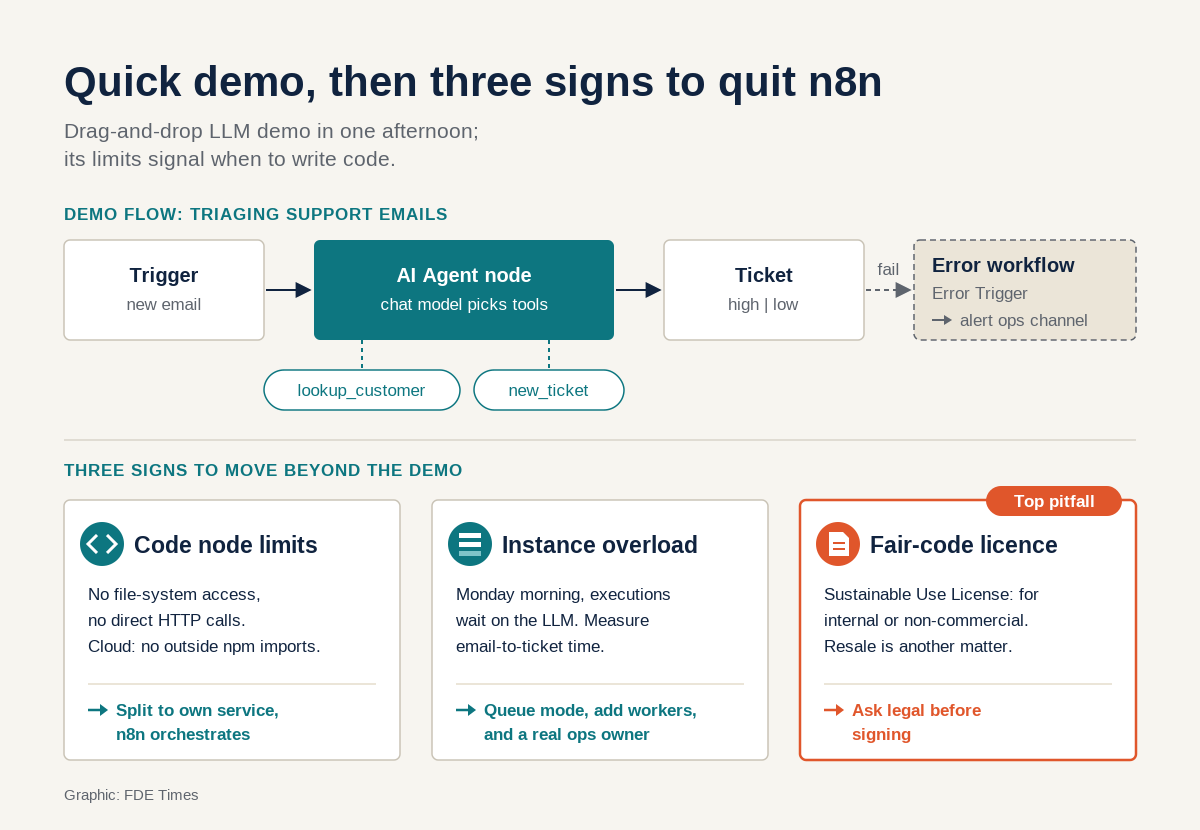
Code node limits, licence scope and scaling decide whether a drag-and-drop workflow can survive production at a customer site.
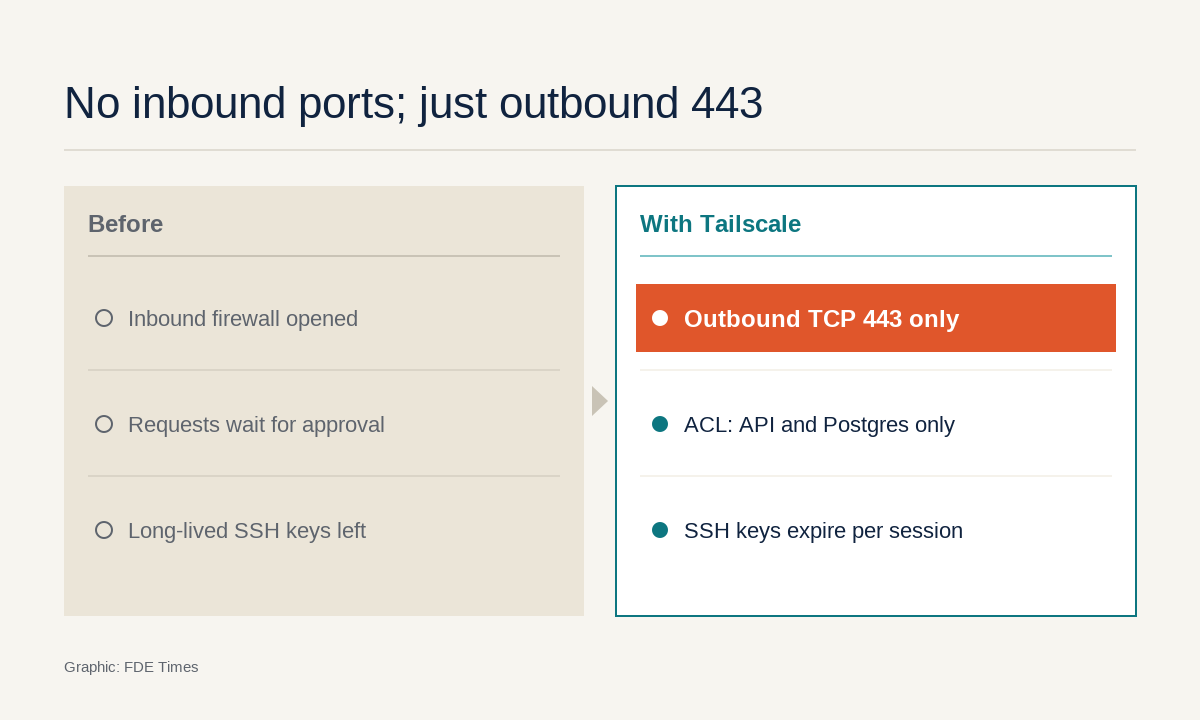
Tailscale builds WireGuard tunnels through NAT traversal, and even its DERP relays cannot read the traffic: two points that win over security teams.
Promptfoo runs evals and red teaming locally, turning three prompts, two models and 20 test questions into one 120-result table with no third-party service in between.
Speed is not the reason FDEs should learn it; rebuilding the same environment on machines you never control is.
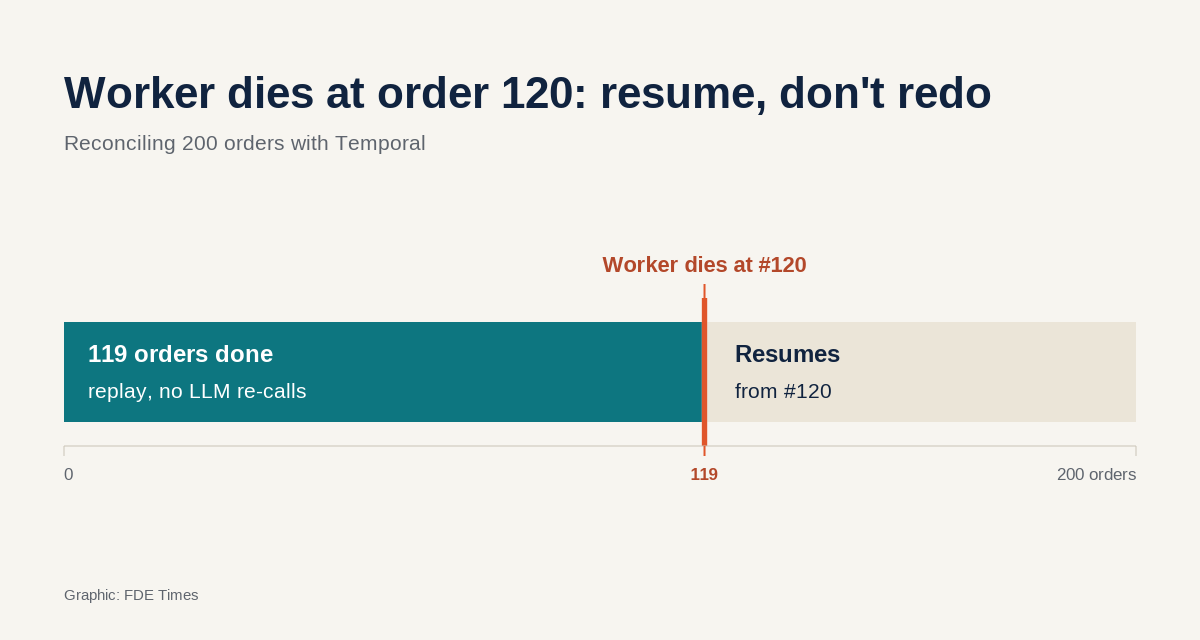
Temporal's chief executive argues agentic AI mostly exposes old problems of state and error handling, so the hard part of production agents is rarely the prompt.
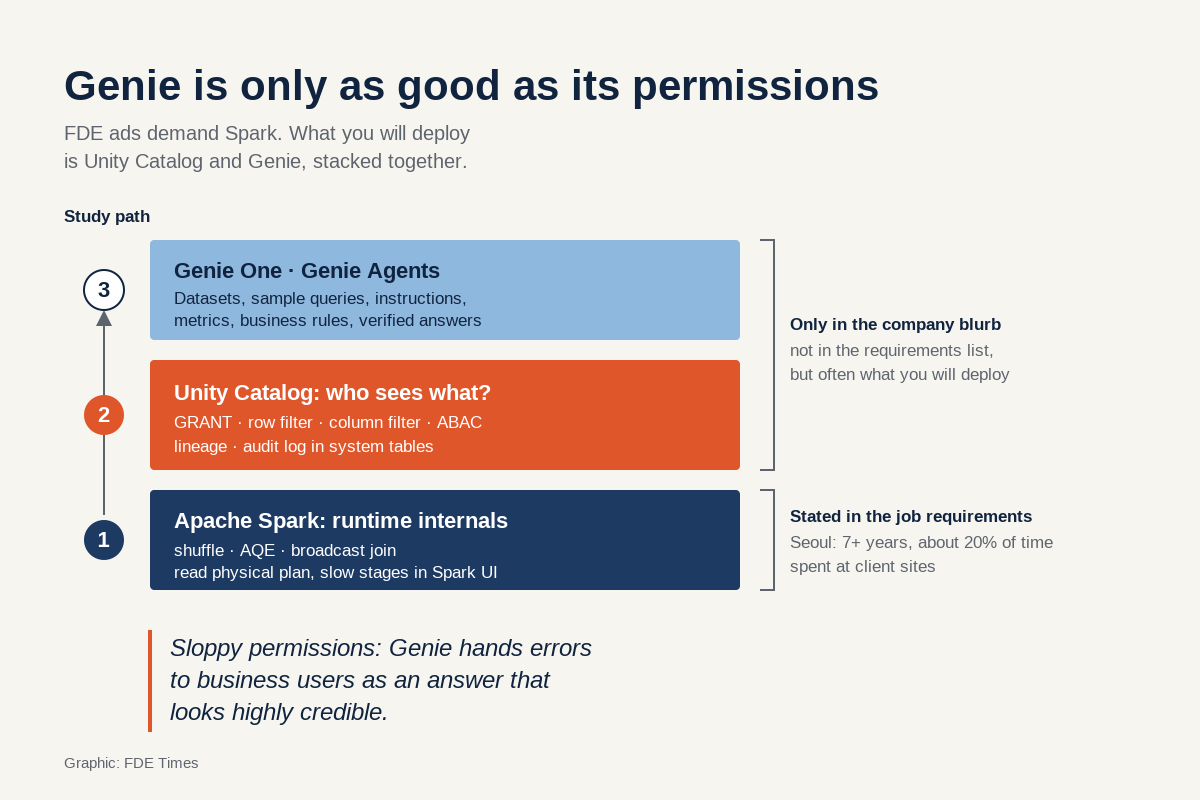
The Seoul posting demands Spark runtime internals, yet product docs show Genie answers correctly only when permissions, row filters and business rules are done carefully.
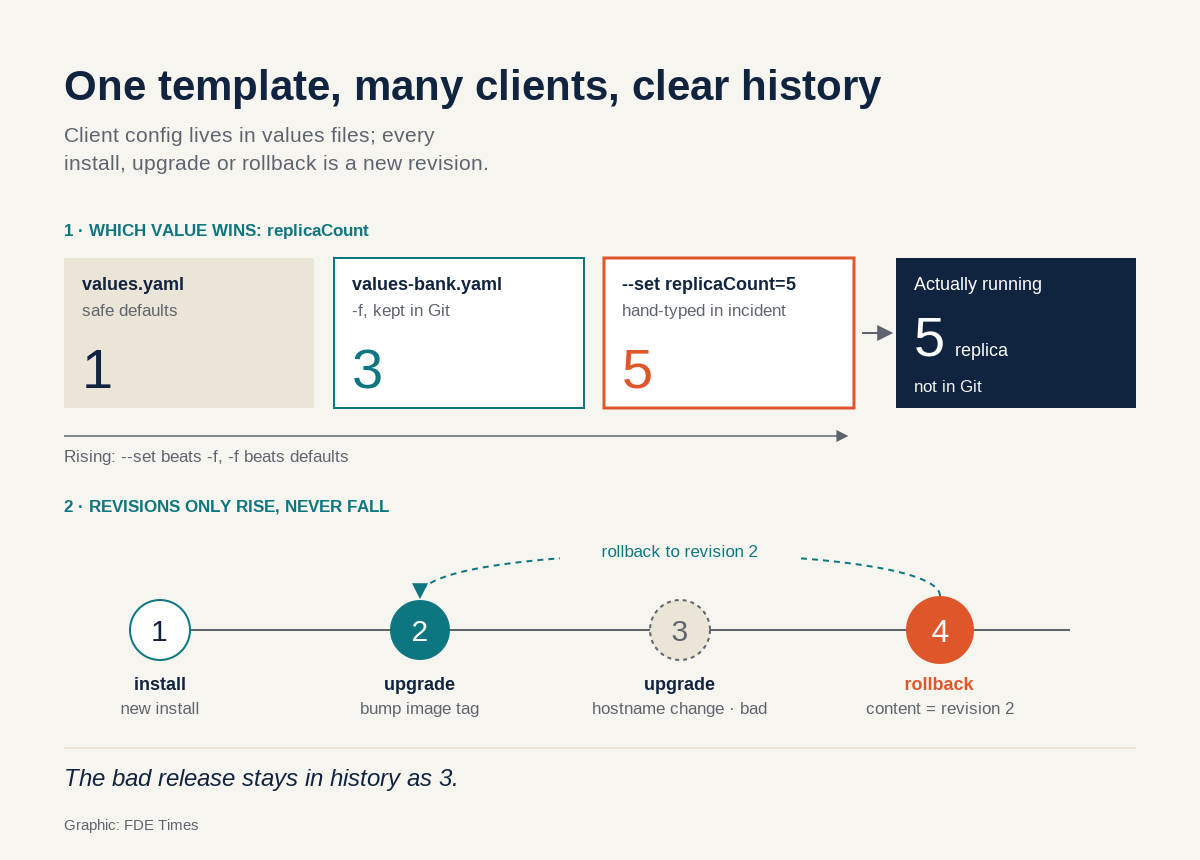
A versioned chart with per-customer values files gives every install a history and a one-command rollback.
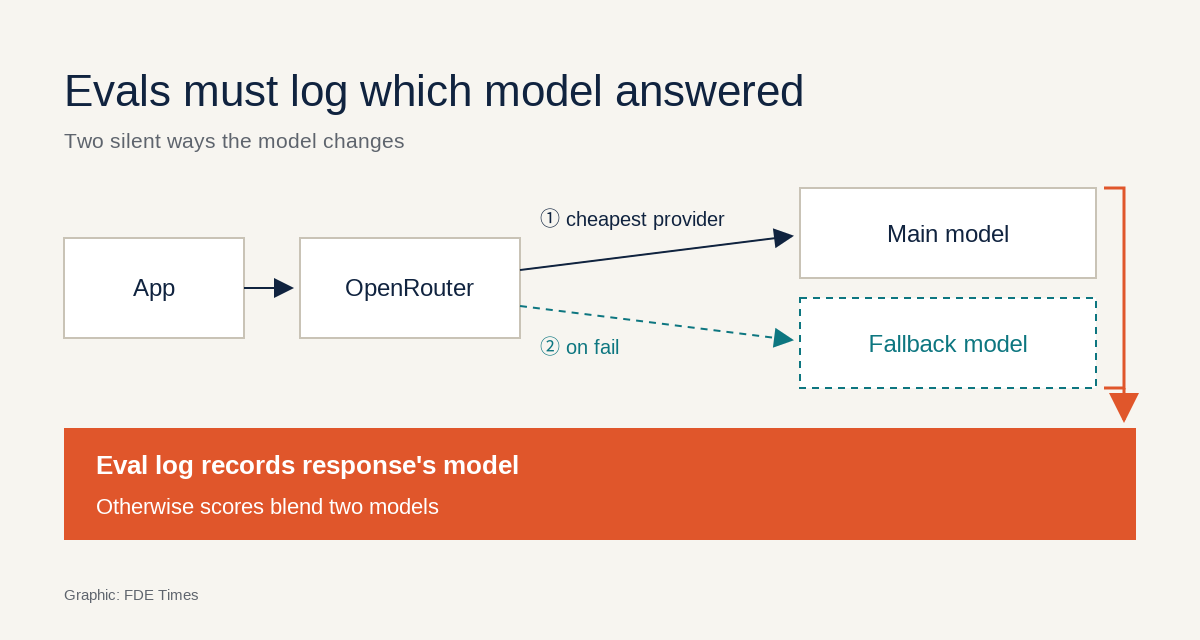
Streaming usage chunks, price-based provider routing and fallback models raise no errors, yet each can skew results before anyone notices.
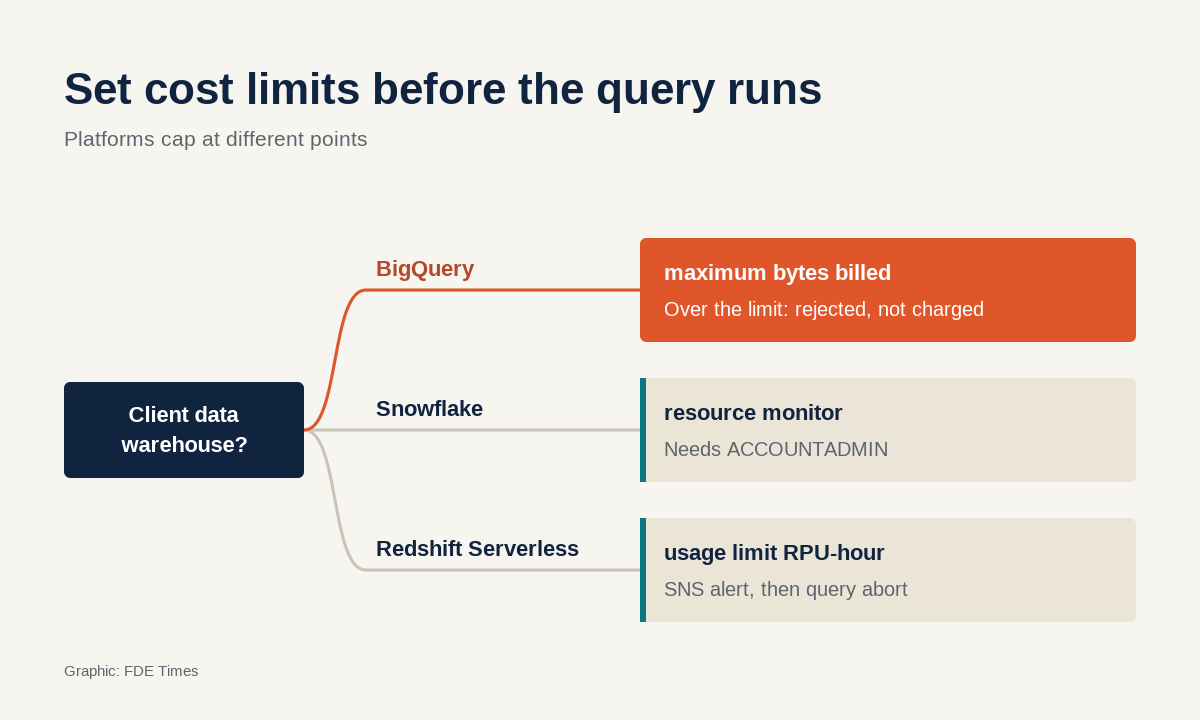
Snowflake, BigQuery and Redshift each meter something different, and only BigQuery can block an over-limit query before it costs the client anything.
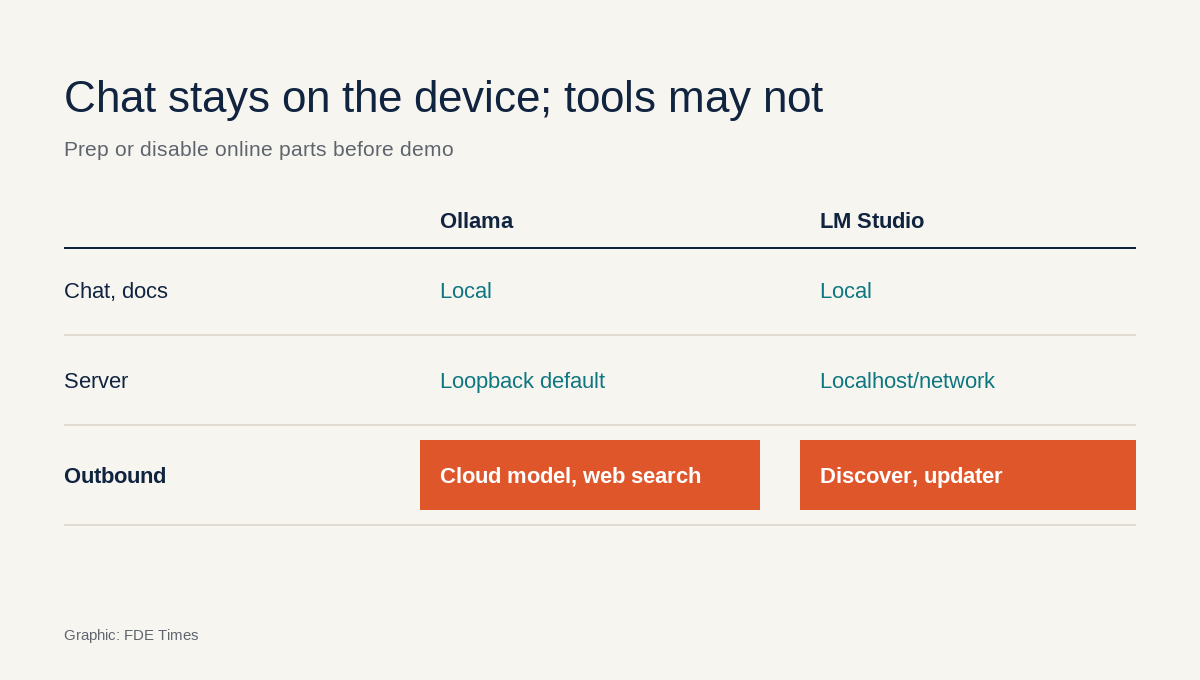
Ollama and LM Studio differ less in their models than in how they behave offline, and that decides the meeting with the client's security team.
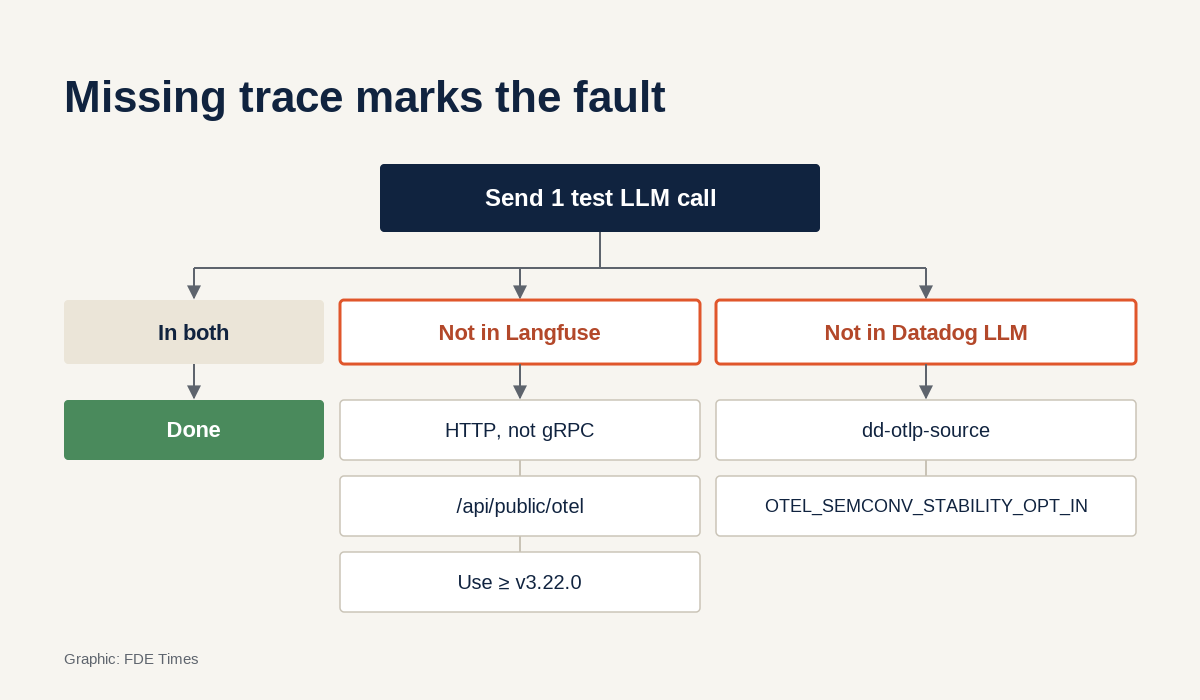
Since Datadog adopted OTel's GenAI conventions in December 2025, a client's choice of tool no longer forces a rewrite of application code.
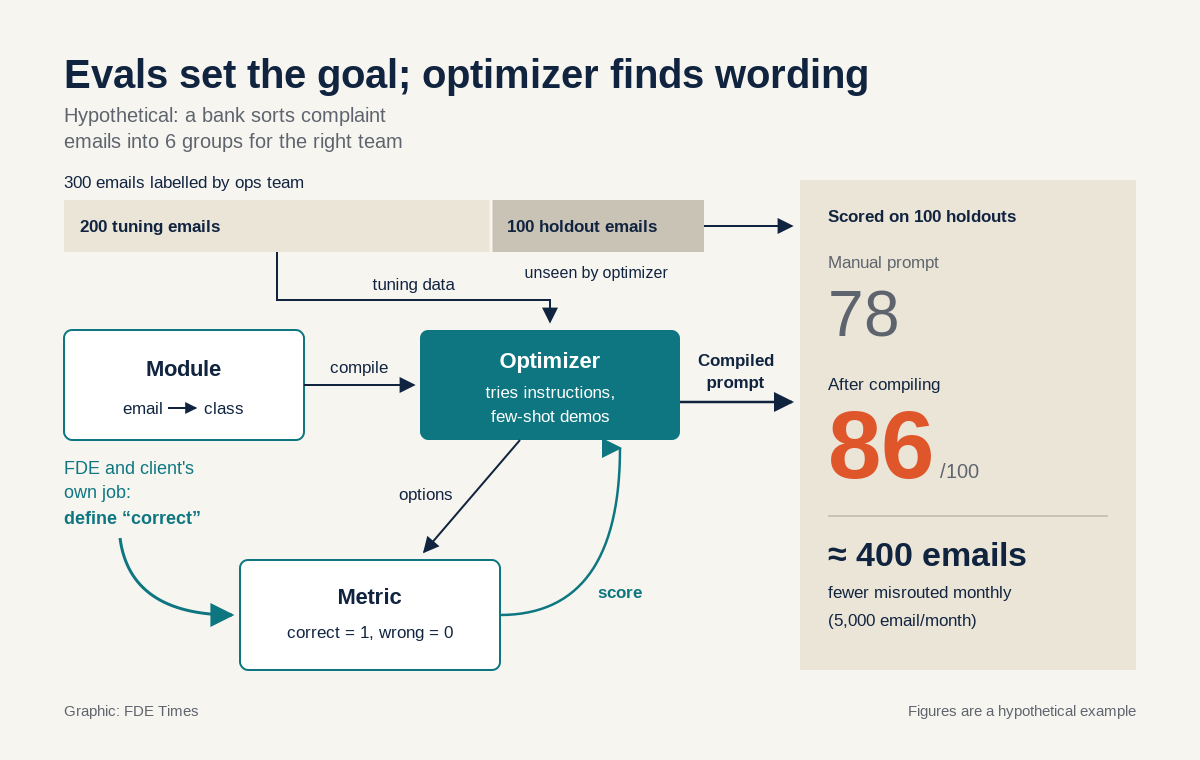
An algorithm once beat the best-known human-written reasoning prompt; DSPy applies that search to whole pipelines, so switching models no longer means retuning by hand.
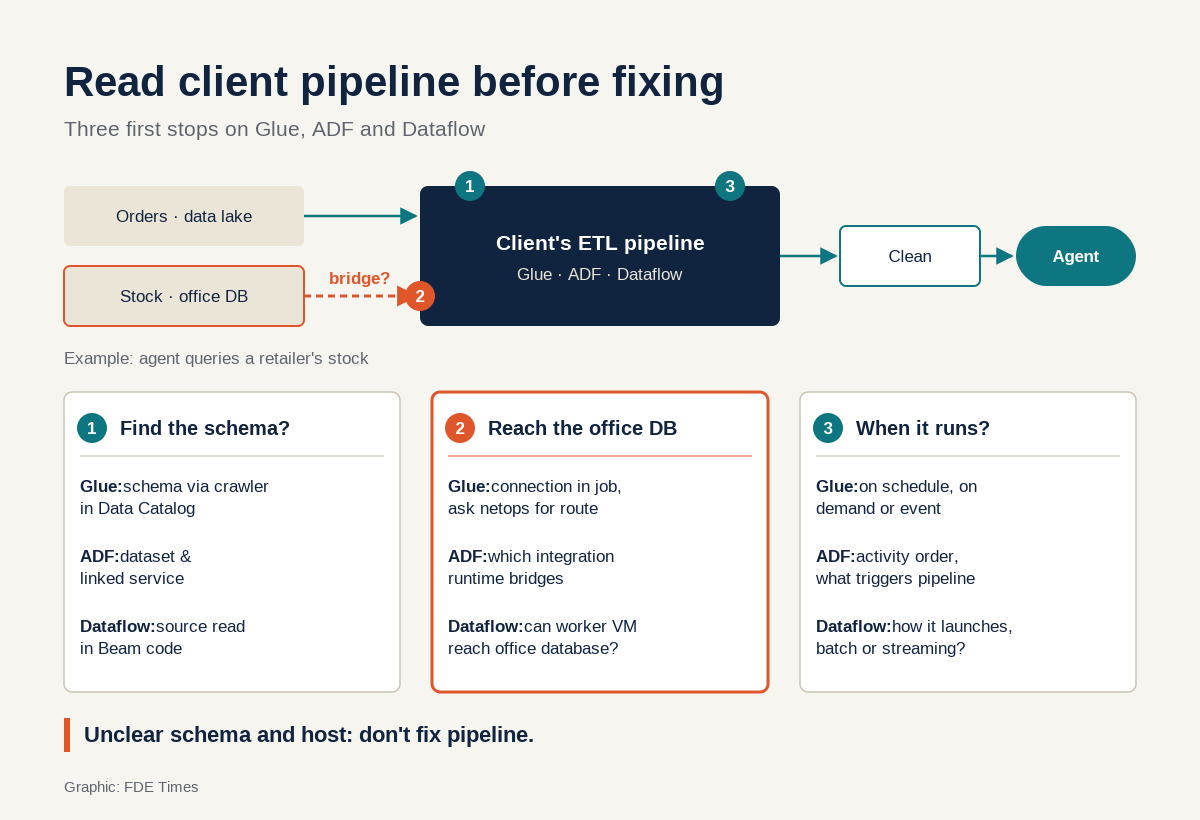
FDEs rarely start from scratch: the data an agent needs already flows through Glue, ADF or Dataflow, and those pipelines must be readable by the end of week one.
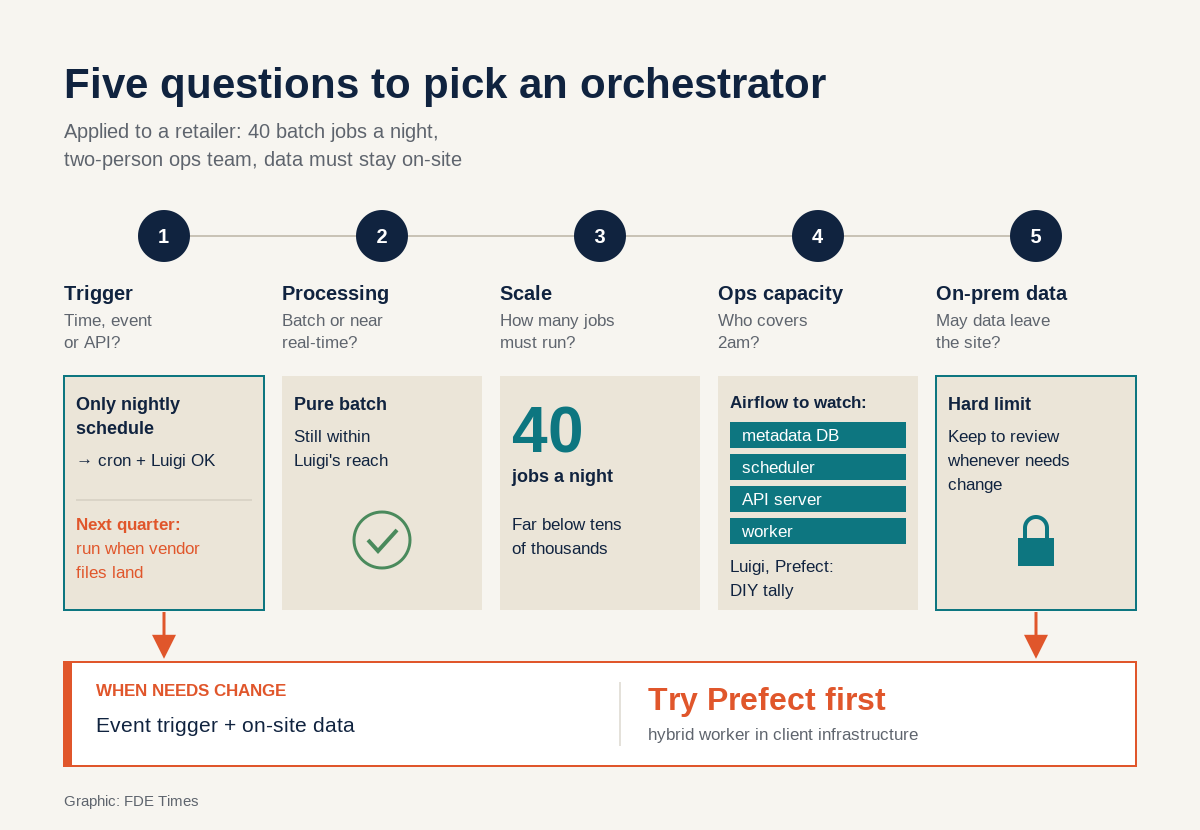
Airflow scales but leaves a scheduler, a database and workers to maintain, while Luigi cannot even trigger itself without cron.
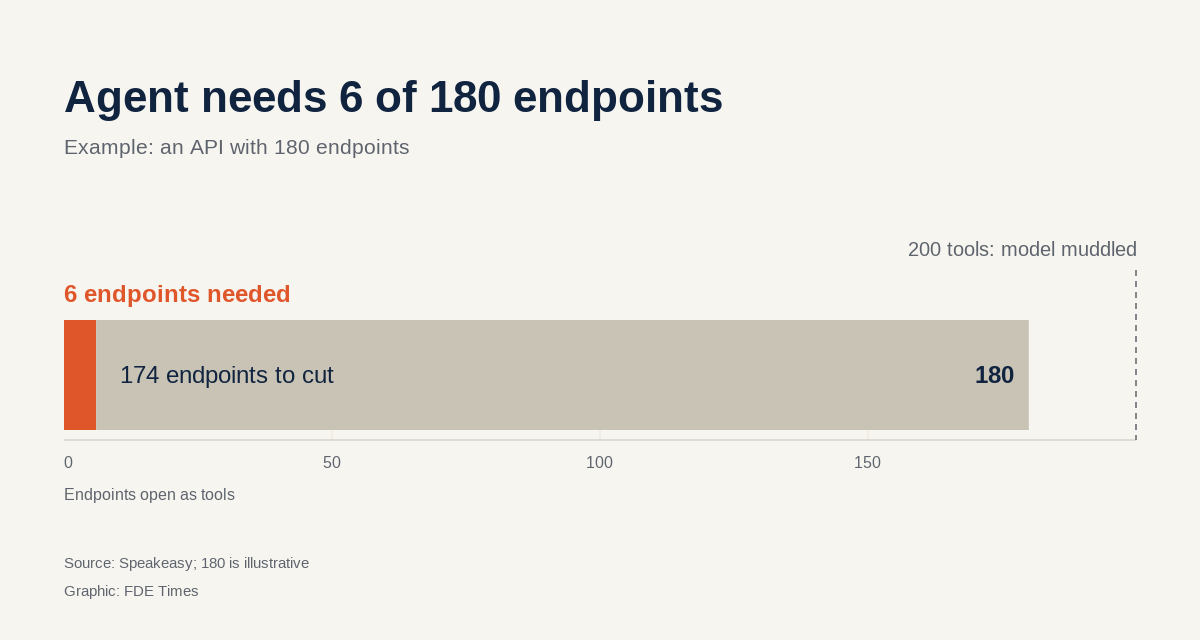
After building more than 50 MCP servers from OpenAPI, Speakeasy found models got lost choosing among 200 tools; people and agents need different things from a spec.
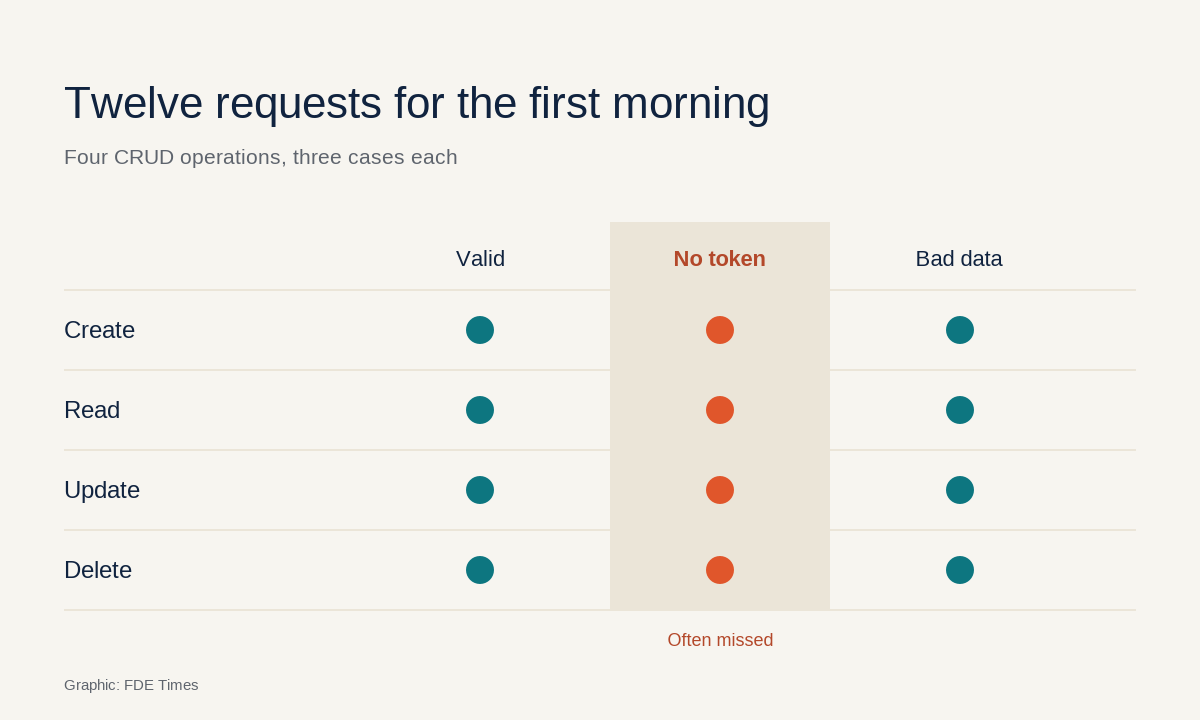
Documentation says how an API should behave; the first few requests, especially the one sent without a token, show how it actually does.
Ansible pushes modules over SSH and deletes them once they finish, so the first request to a client's IT team is an SSH account that can escalate privileges.
Auto-incrementing versions, aliases and links back to each training run replace files named model_final_v2_fix.pkl with an answer you can prove.
Microsoft now steers new users to its Agent Framework, so ask first who will maintain a tool after you leave, then whether security will approve it.
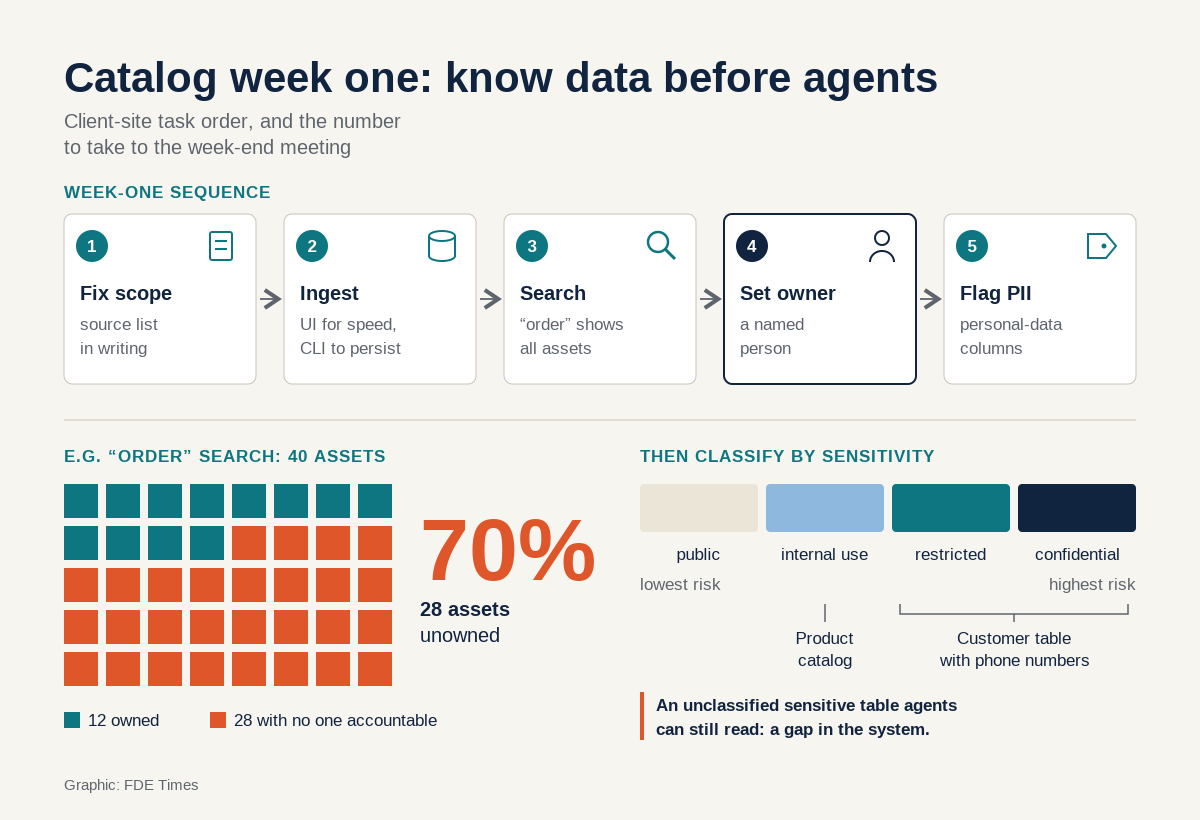
DataHub and Atlan can show who owns each table and which columns hold personal data, but only if you use them in the right order.
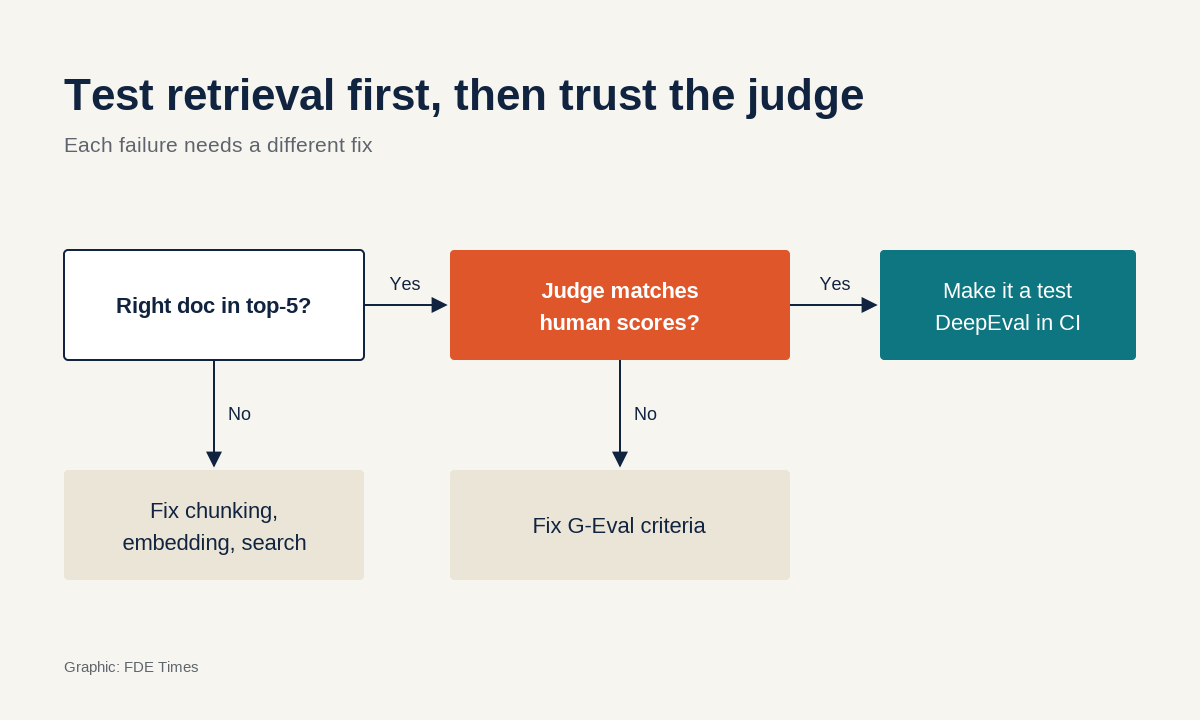
Without human labels the grader is another LLM, so Ragas and DeepEval scores suit regression checks, not a board slide nobody has verified.
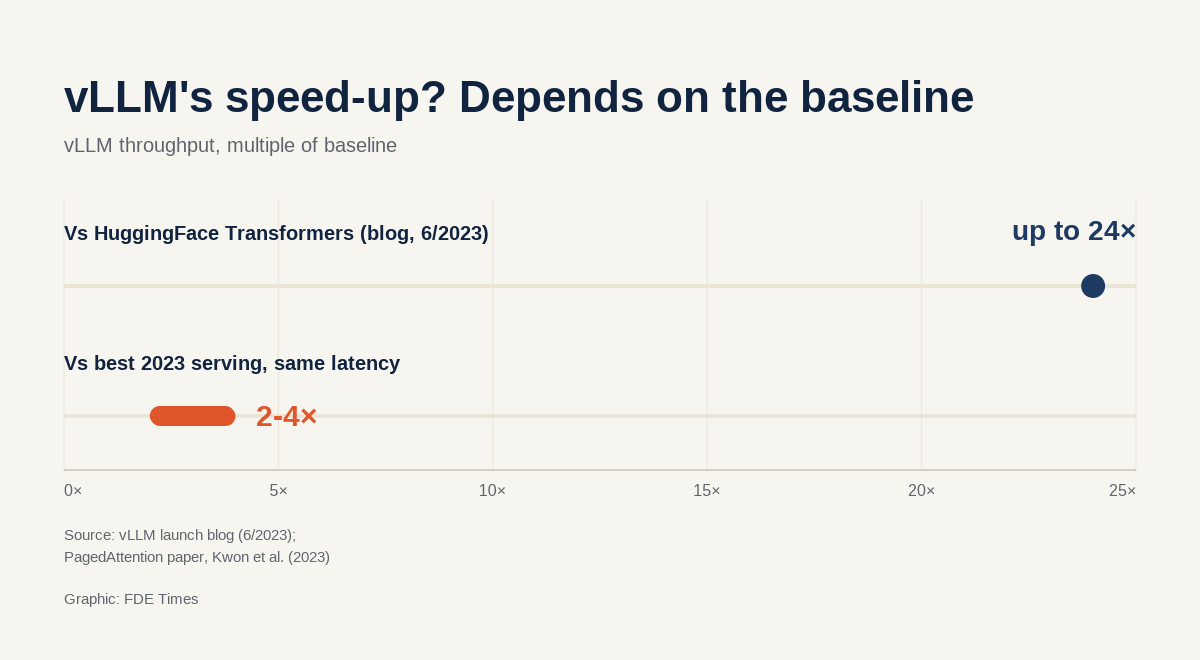
The 24x figure is measured against HuggingFace Transformers; quote it to a client already running decent serving and you promise more than the paper does.
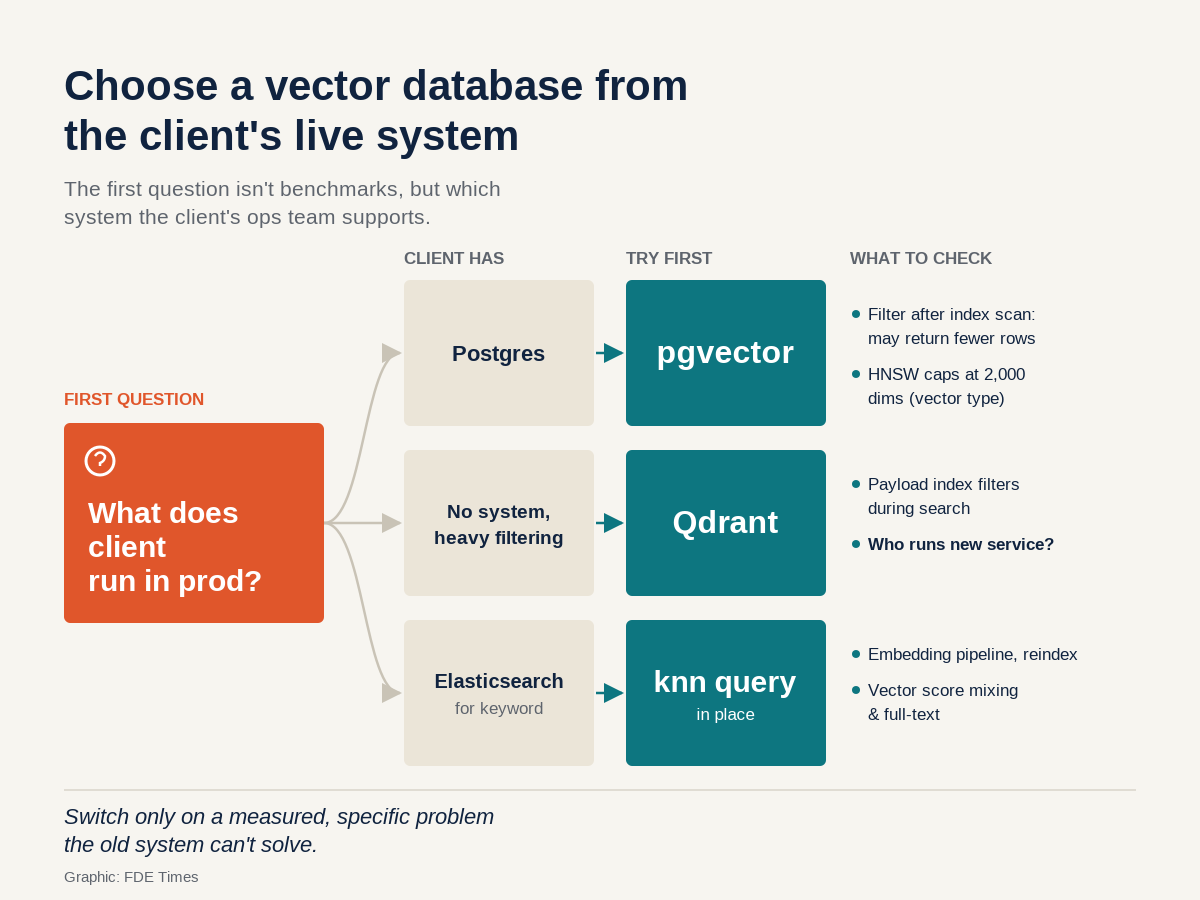
Every new service brings backups, monitoring and someone on call at night, so a client already running Postgres should try pgvector before anything else.
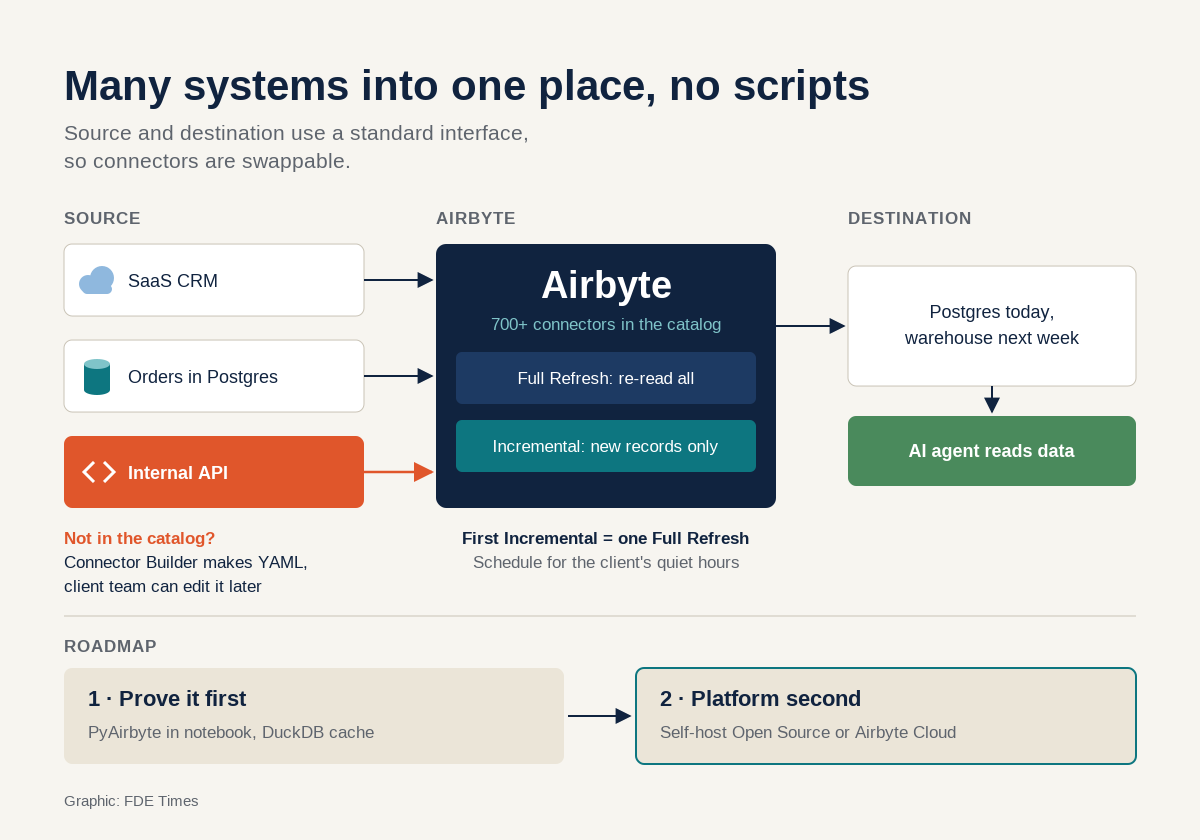
More than 600 standard connectors replace the hasty Python scripts that, by week three at a customer, nobody dares touch.
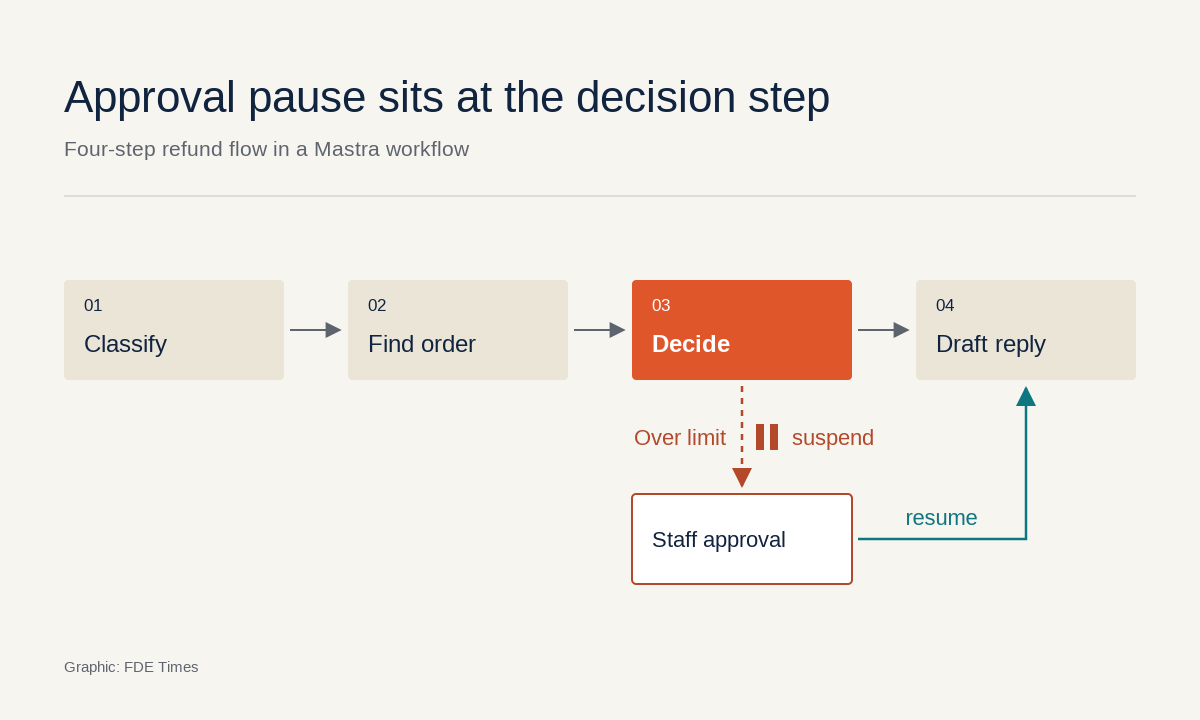
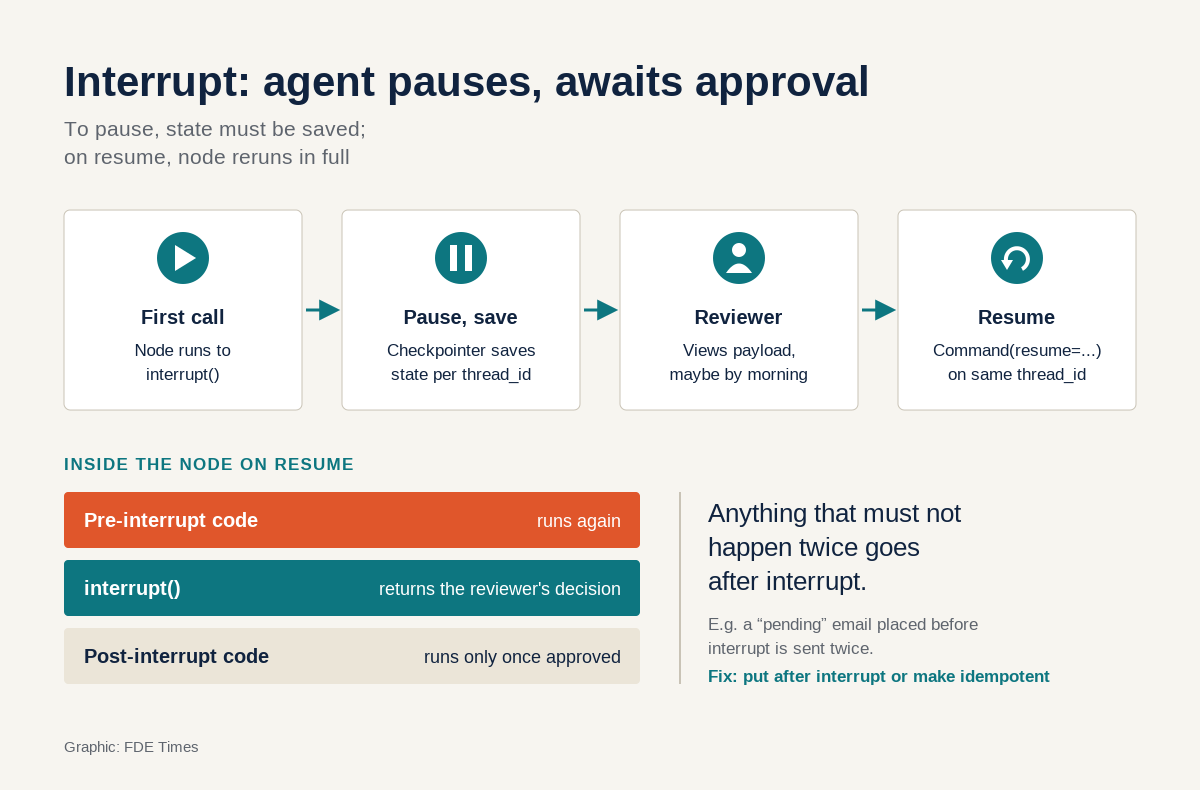
LangGraph's interrupt function stops an agent just before a refund, waits minutes or overnight for a human reviewer, then resumes from exactly the same point.
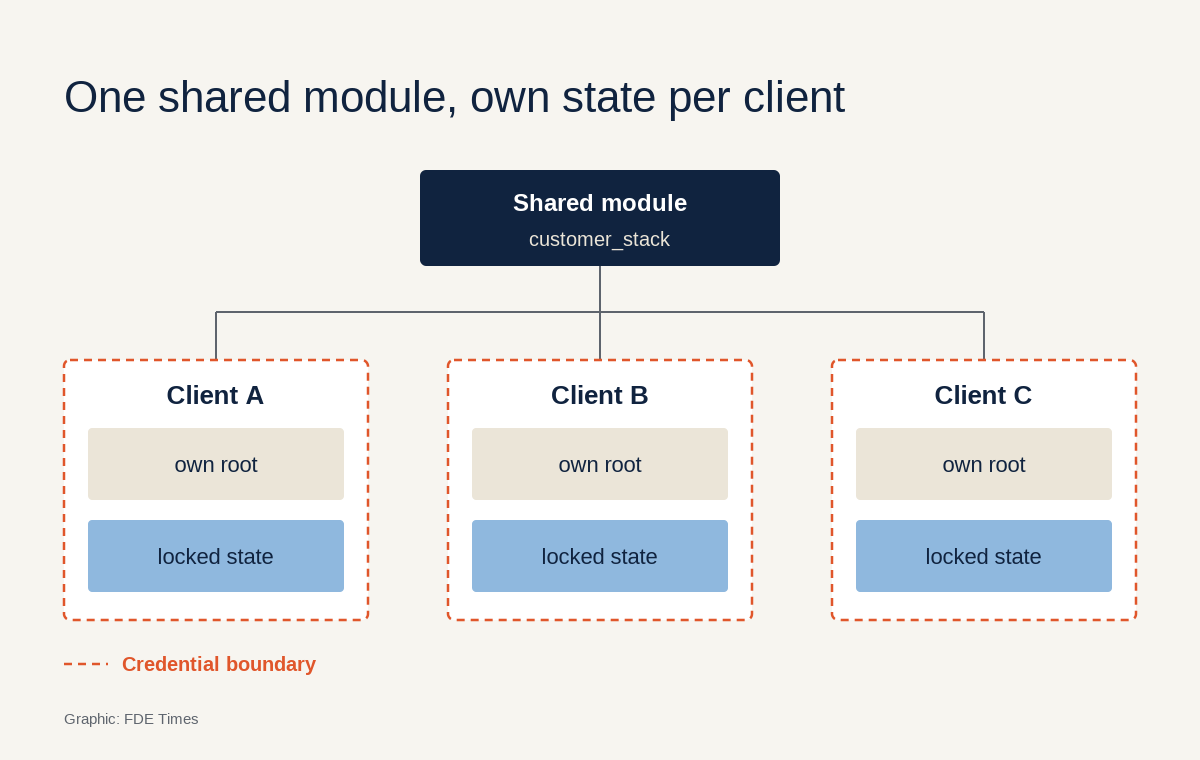
HashiCorp says workspaces don't suit deployments needing separate credentials, which is nearly every client; modules are what keep the fifth rollout identical to the first.
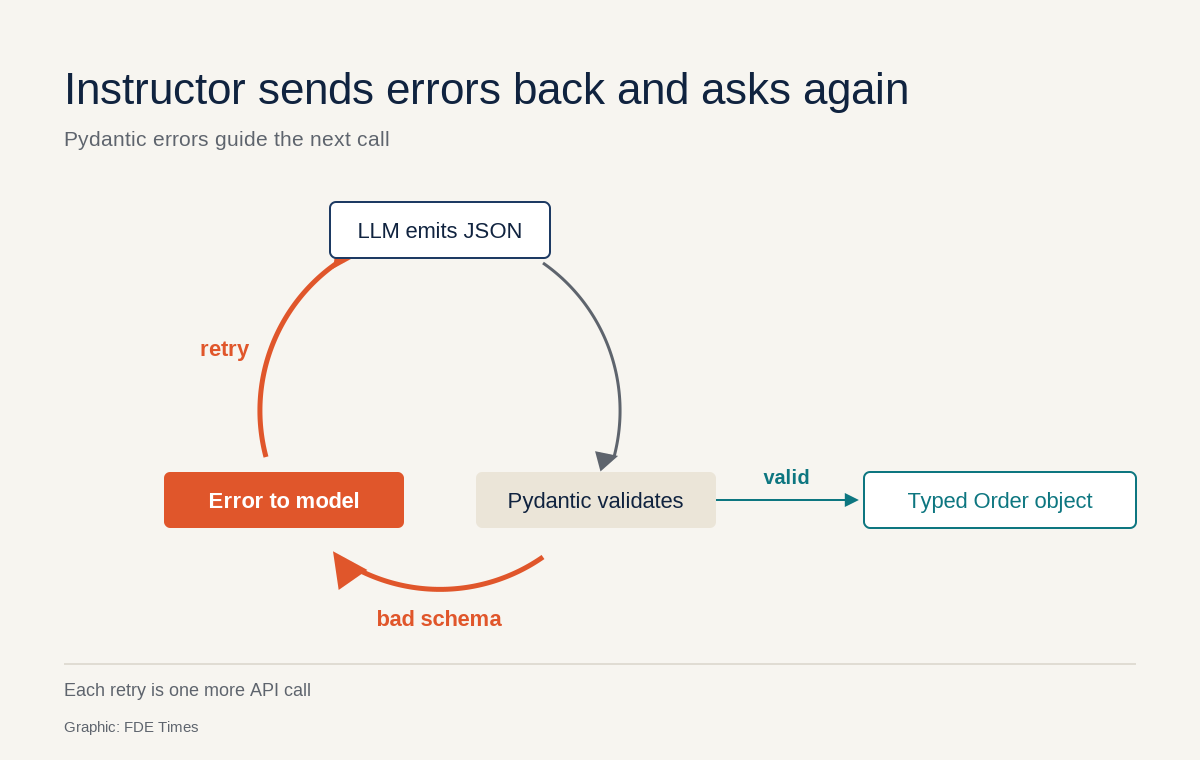
Instructor checks LLM output against Pydantic models and retries with the error message, whether the client runs OpenAI, Anthropic or local models on Ollama.
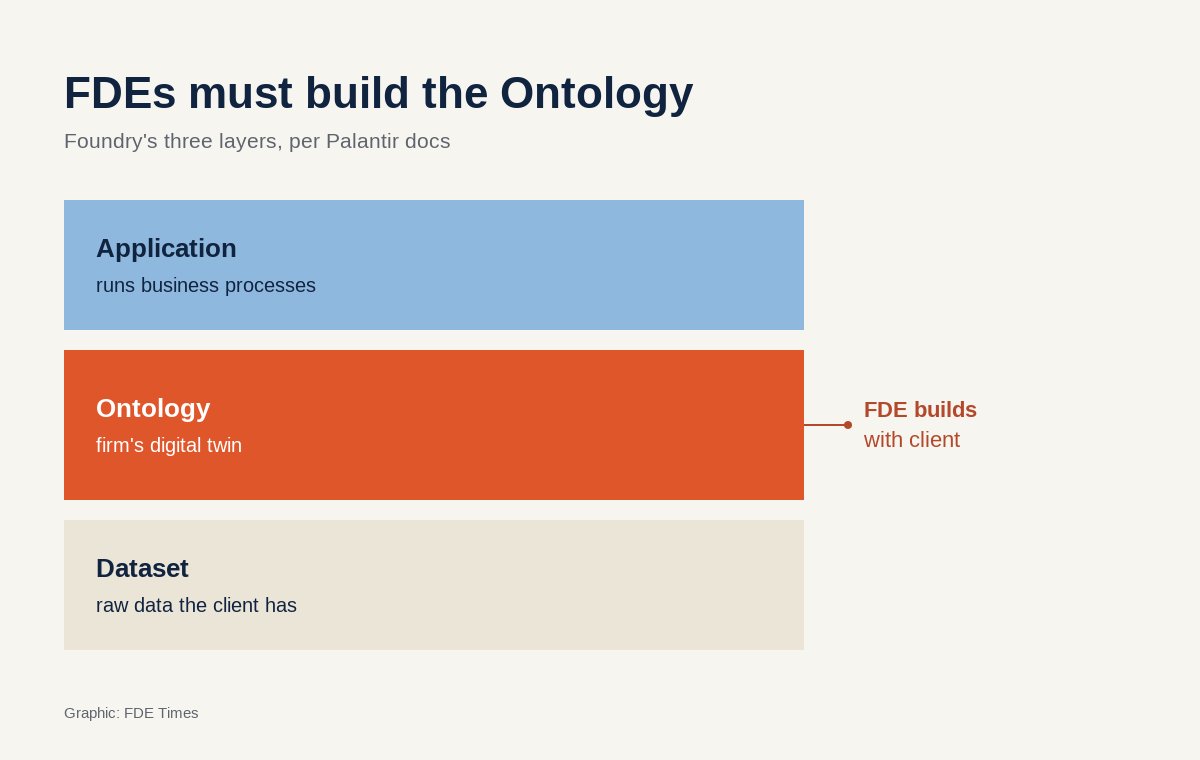
Palantir hires people who quickly grasp a client's biggest problems, and inside Foundry the layer to learn first is the Ontology, a digital twin of the organization.
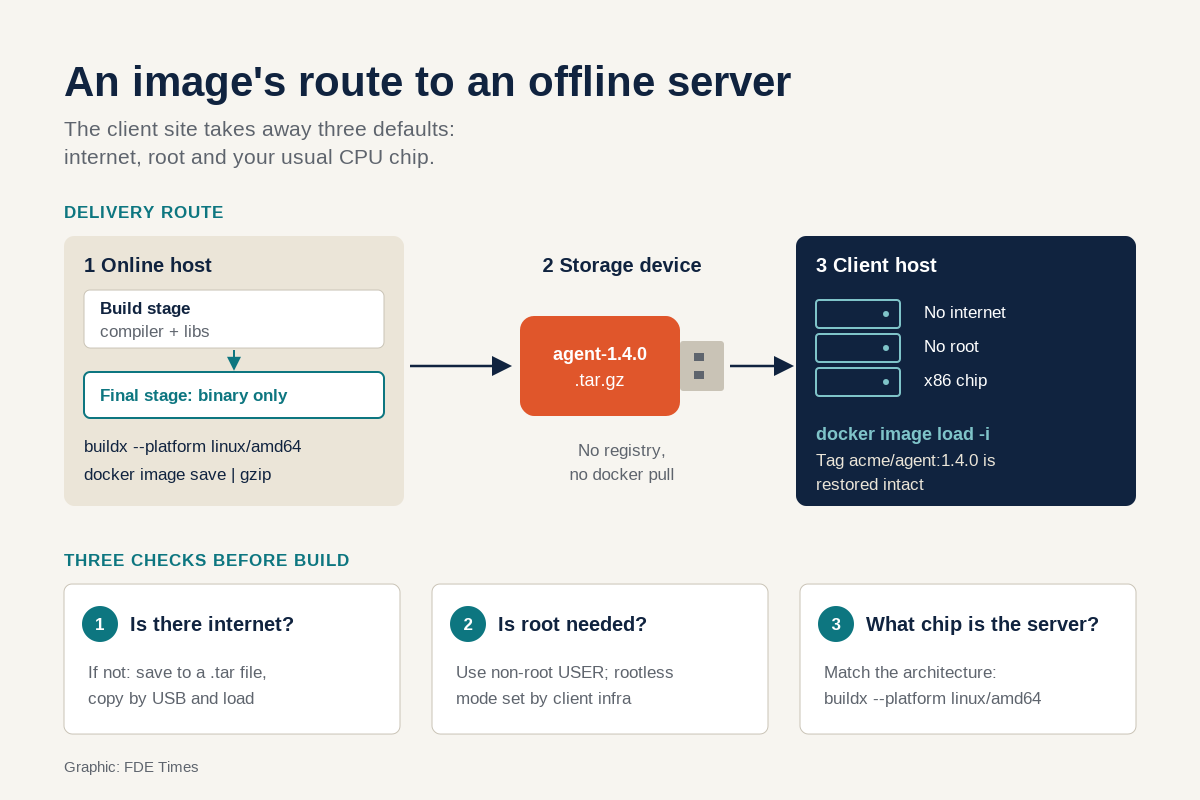
Air-gapped sites, banned root and unfamiliar chips turn Docker into a delivery tool, where the Dockerfile decides whether the client's infrastructure team lets it run.
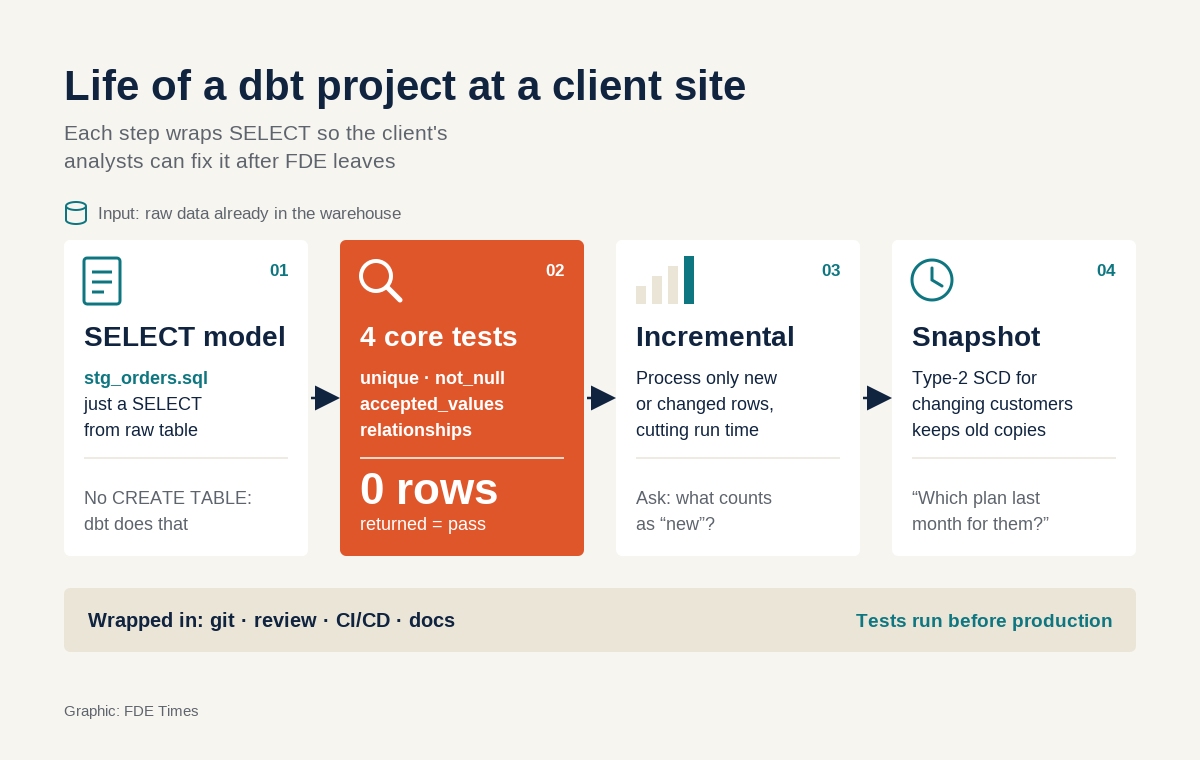
dbt wraps plain SELECT statements in version control, tests and docs, so the client's analysts can keep the pipeline running after you leave.
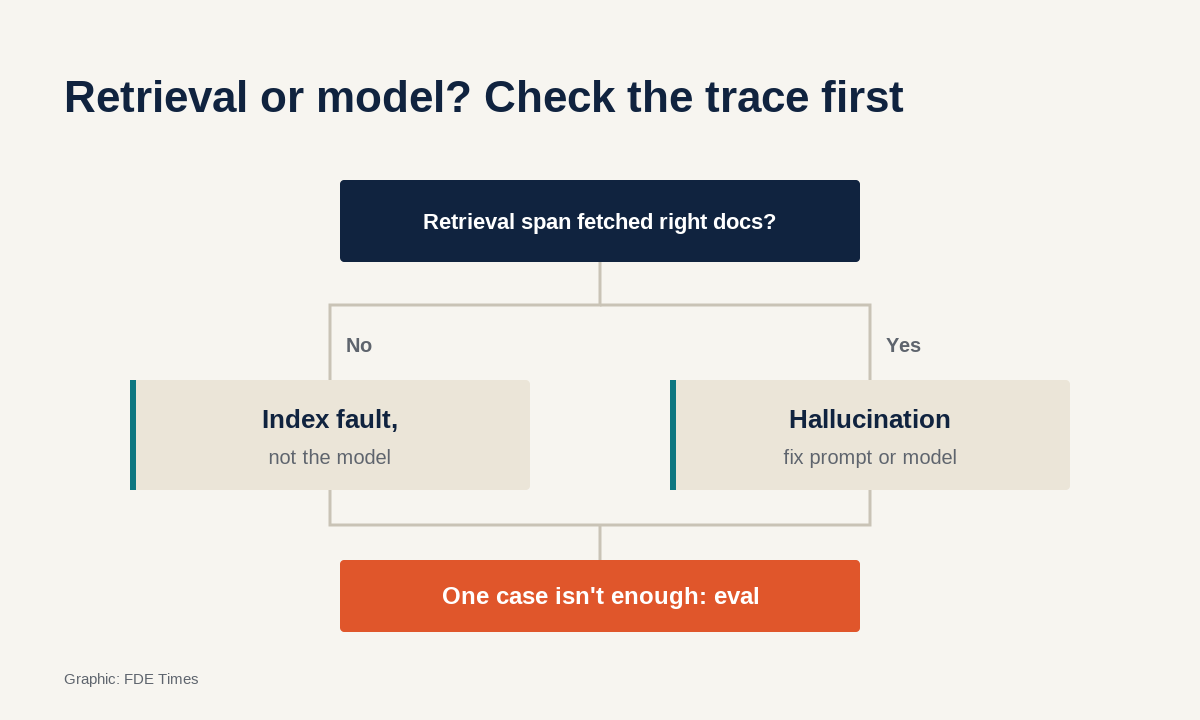
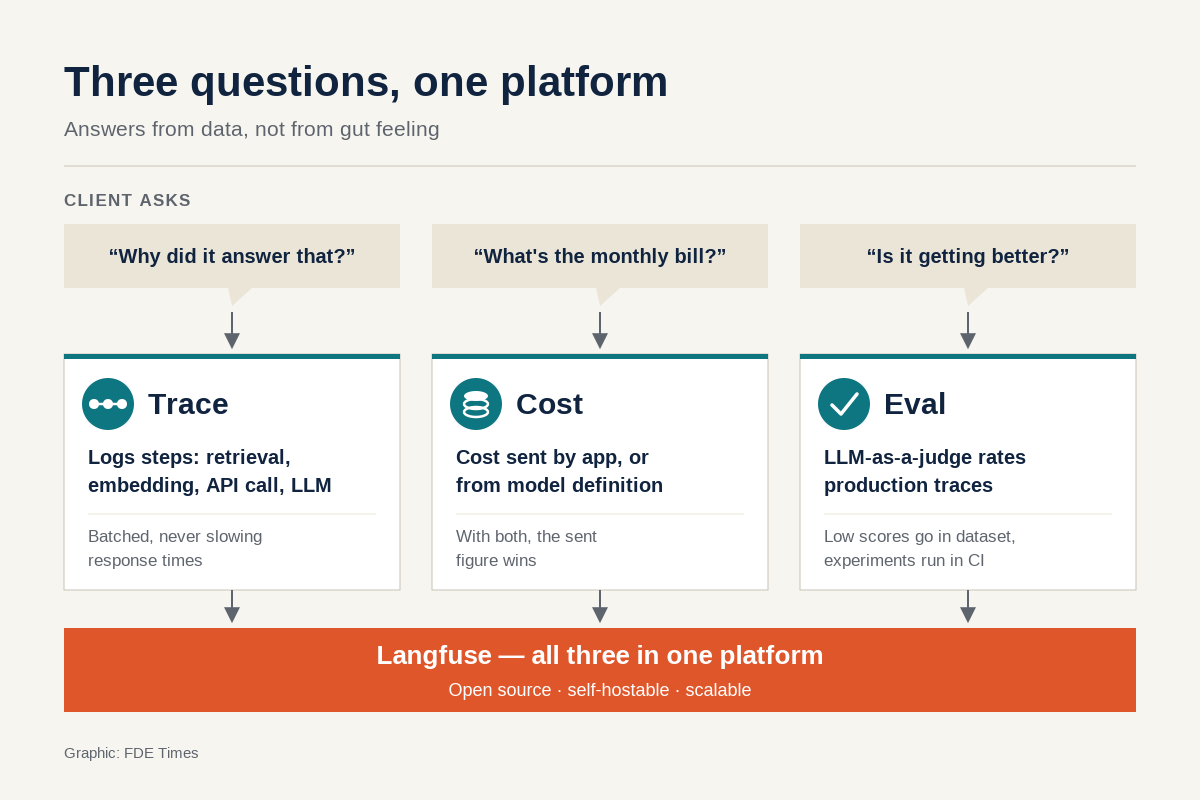
Langfuse answers them with traces, cost tracking and evals, and self-hosts inside the client's network, which is what their security team asks about first.
Now held by a Linux Foundation fund, the protocol lets one server expose a client's database or ERP to Claude, ChatGPT, VS Code and Cursor.