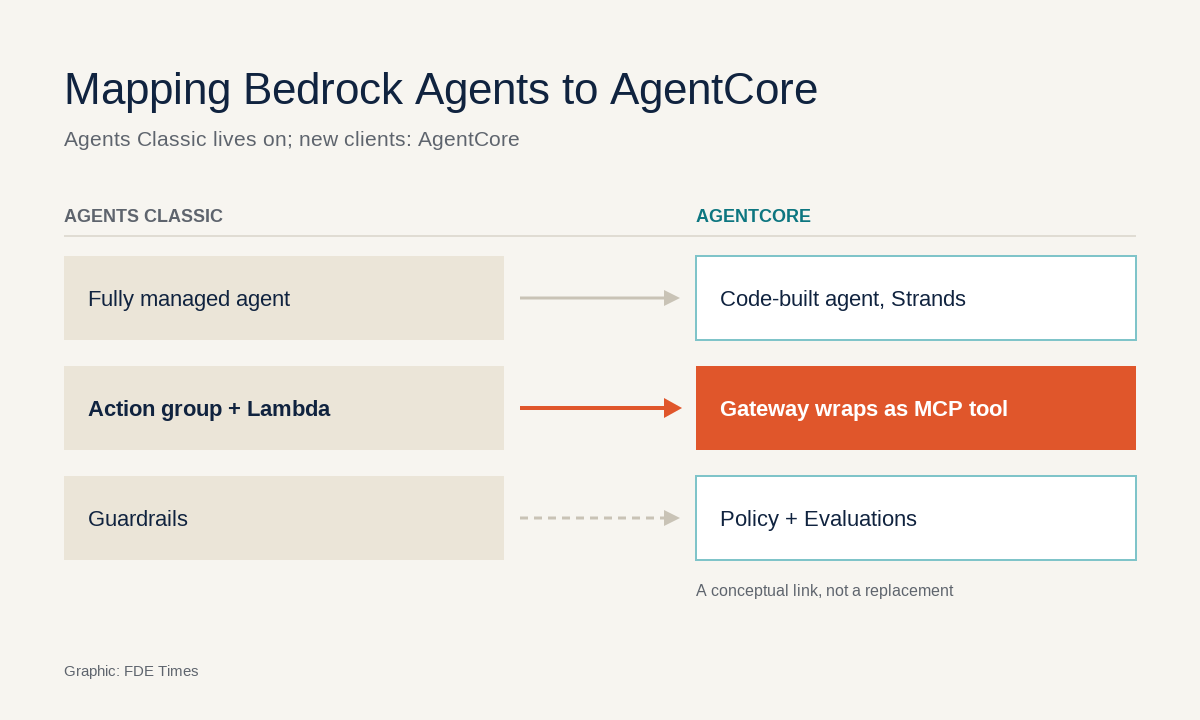
The Bedrock agent course is gone. Its agents still run at AWS clients
Read it as a map of a legacy system: three of its ideas still hold, once translated into AgentCore.
23 Nov 2026
The newspaper of the Forward Deployed Engineer
Books and courses that help you move into FDE work, in the order to take them.
Read it as a map of a legacy system: three of its ideas still hold, once translated into AgentCore.
23 Nov 2026
The credential is free as well, but the course pays off through the order you take it in and the modules you are willing to skip.
The hard part comes first: rewriting a client's complaint as a measurable problem, then breaking it into hypotheses you can test cheaply.
Read chapters 3 to 5, jump straight to chapter 15 on metadata, and save the rest of Alan Beaulieu's book for when a project demands it.
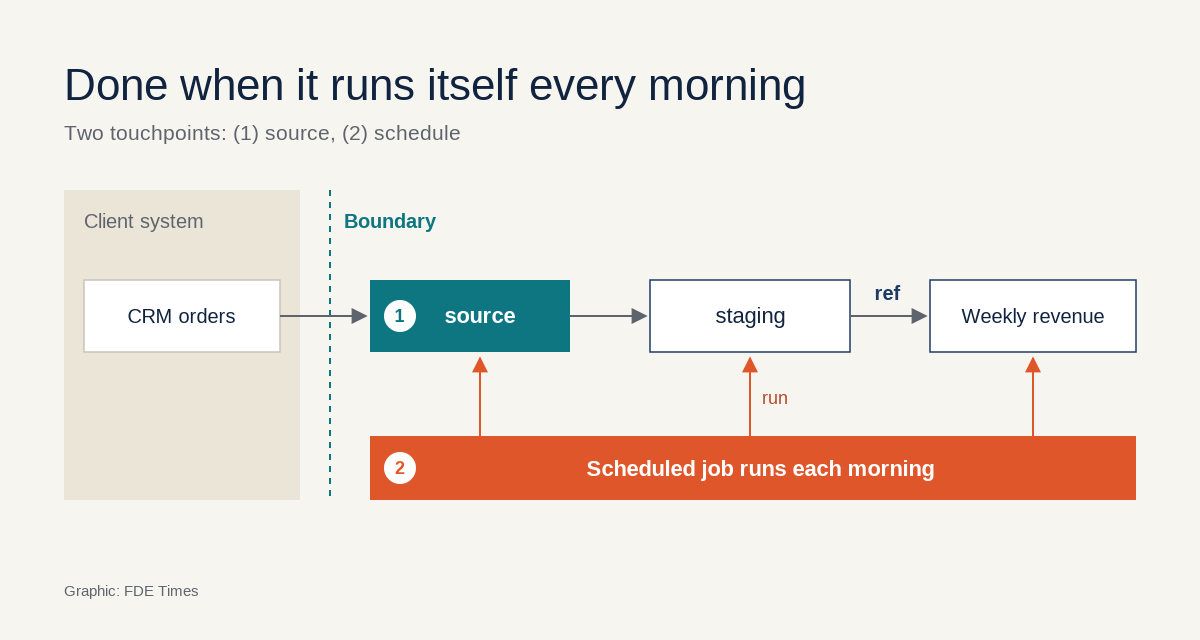
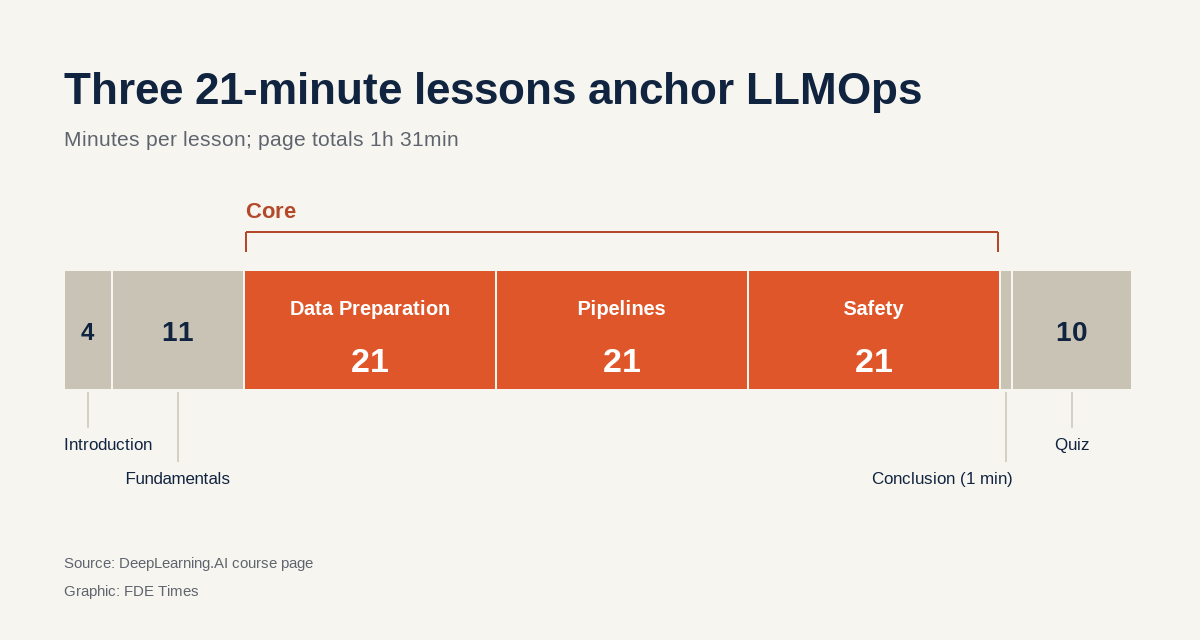
Sources and scheduled jobs are the two lessons an FDE most needs to practice in depth, because that is where a project touches the client's data.
The Linux Foundation labels LFS162 Beginner, but its most useful material sits in the last three chapters, and you need working Linux knowledge before you start.
Extreme Ownership, by two former SEALs, gives forward deployed engineers a way to run a failing client engagement without the meeting turning into a hunt for culprits.
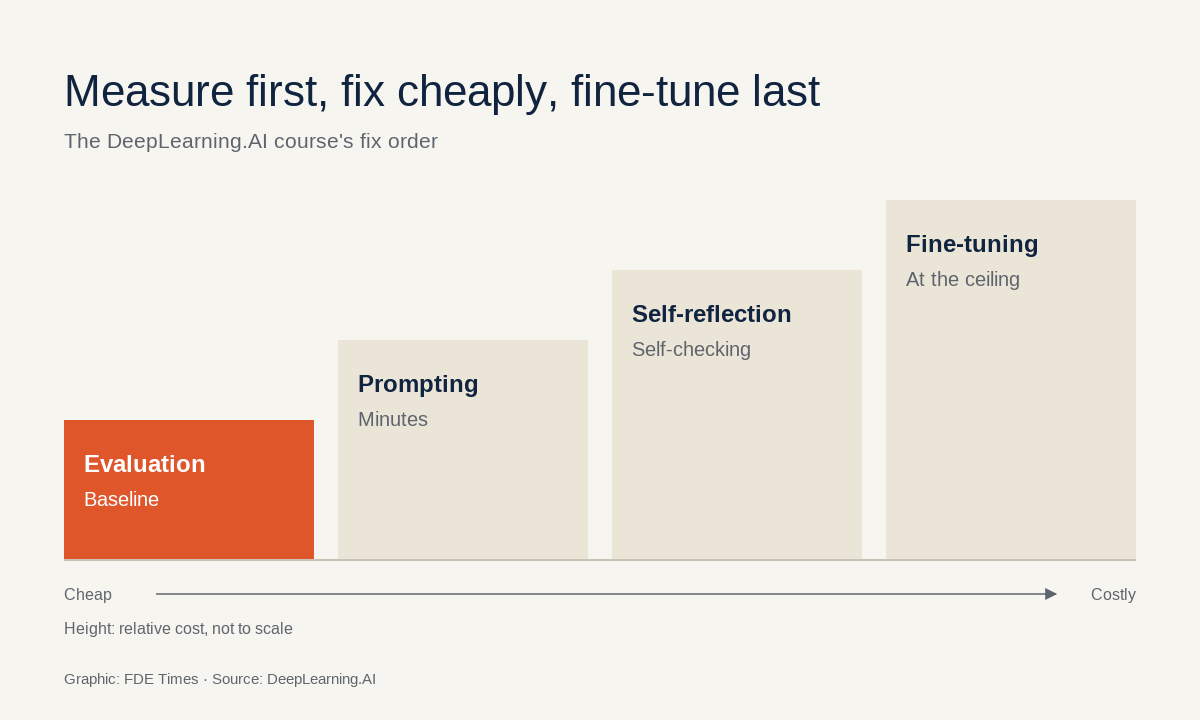
In under two hours, it builds a text-to-SQL agent and teaches the order for fixing it, which every forward deployed engineer should know by heart.
Corey Ball's Hacking APIs teaches you to probe an API's weakest point, where a request stealing data looks just like a legitimate one.
Total TypeScript Essentials is free to read online; the similarly named Pro Essentials course, with more than 200 exercises, is the part you pay for.
In 196 pages, John Ousterhout teaches one discipline: hide complexity behind small interfaces, because the client lives with the code after you leave.
The lessons on files, CSV and APIs match daily FDE work, but production LLMs and client skills have to be learned somewhere else.
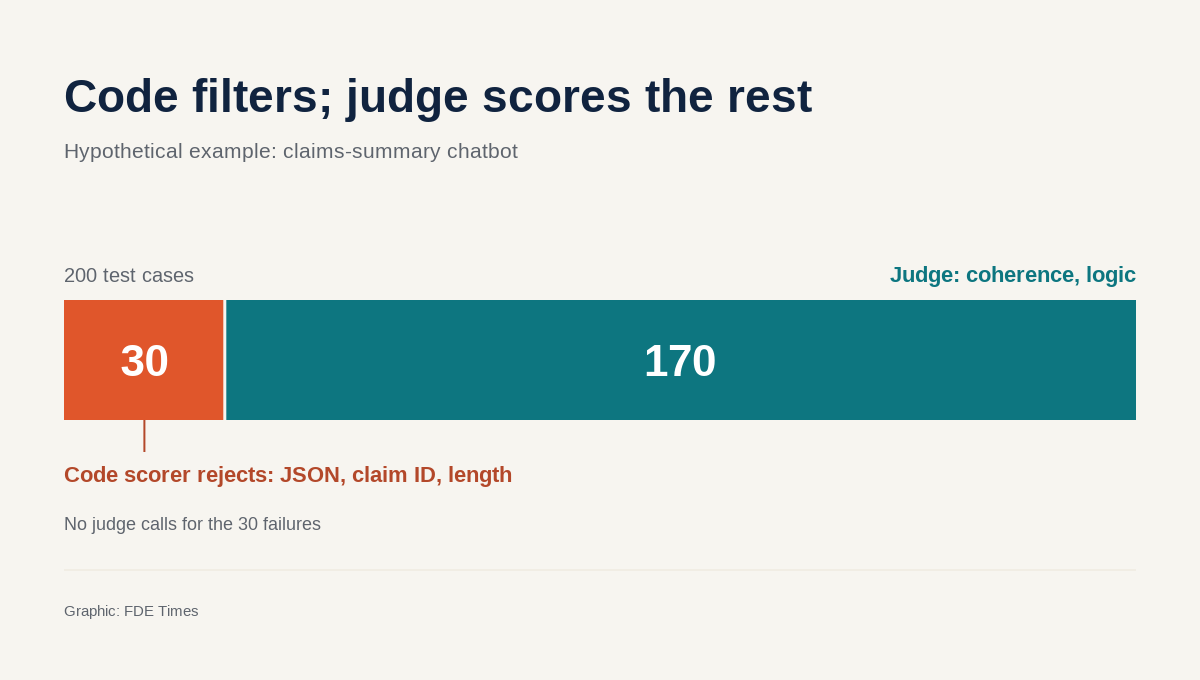
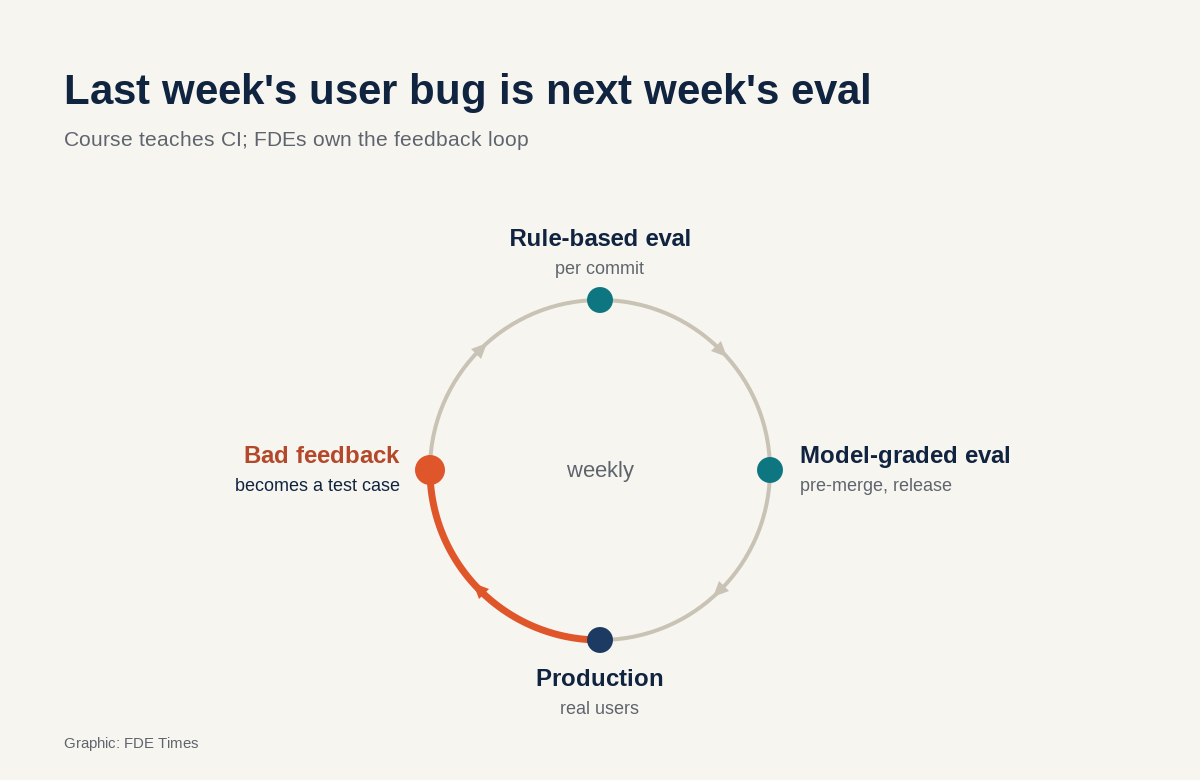
The Weave documentation adds what matters most at a client site: separating checks written in code from the judge, and treating the judge's prompt as code.
Read chapters 6 to 9 to package your software, then 15 and 16 to keep data safe and pass security review; the new LLM material can wait.
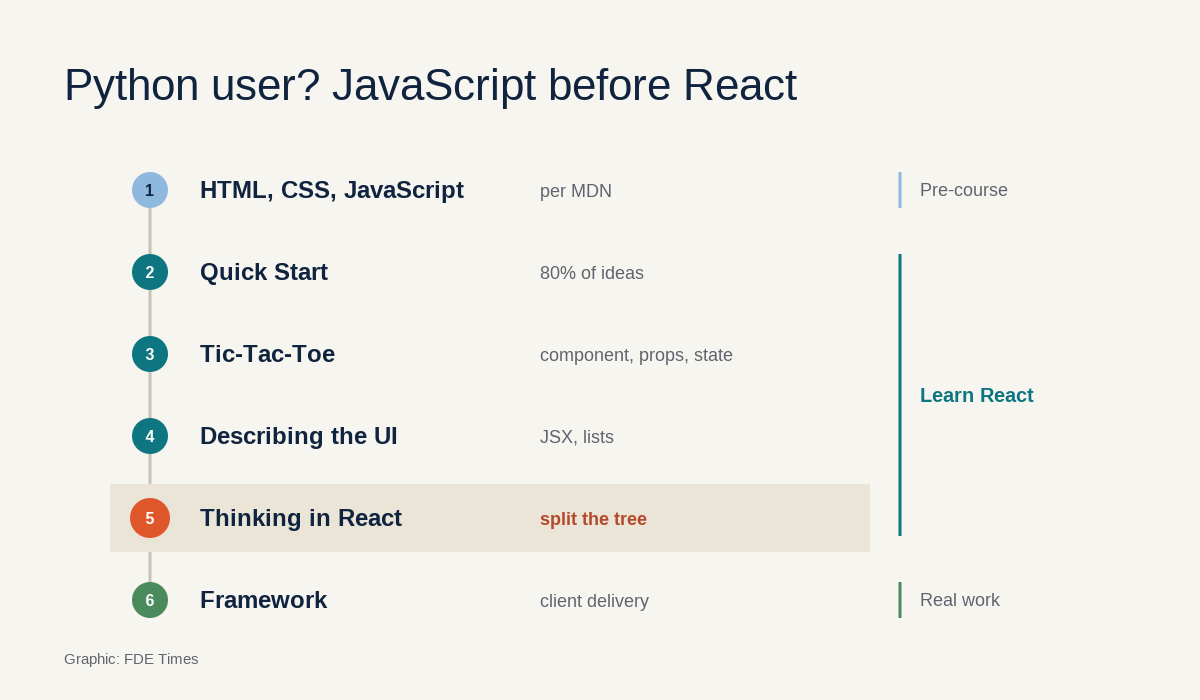
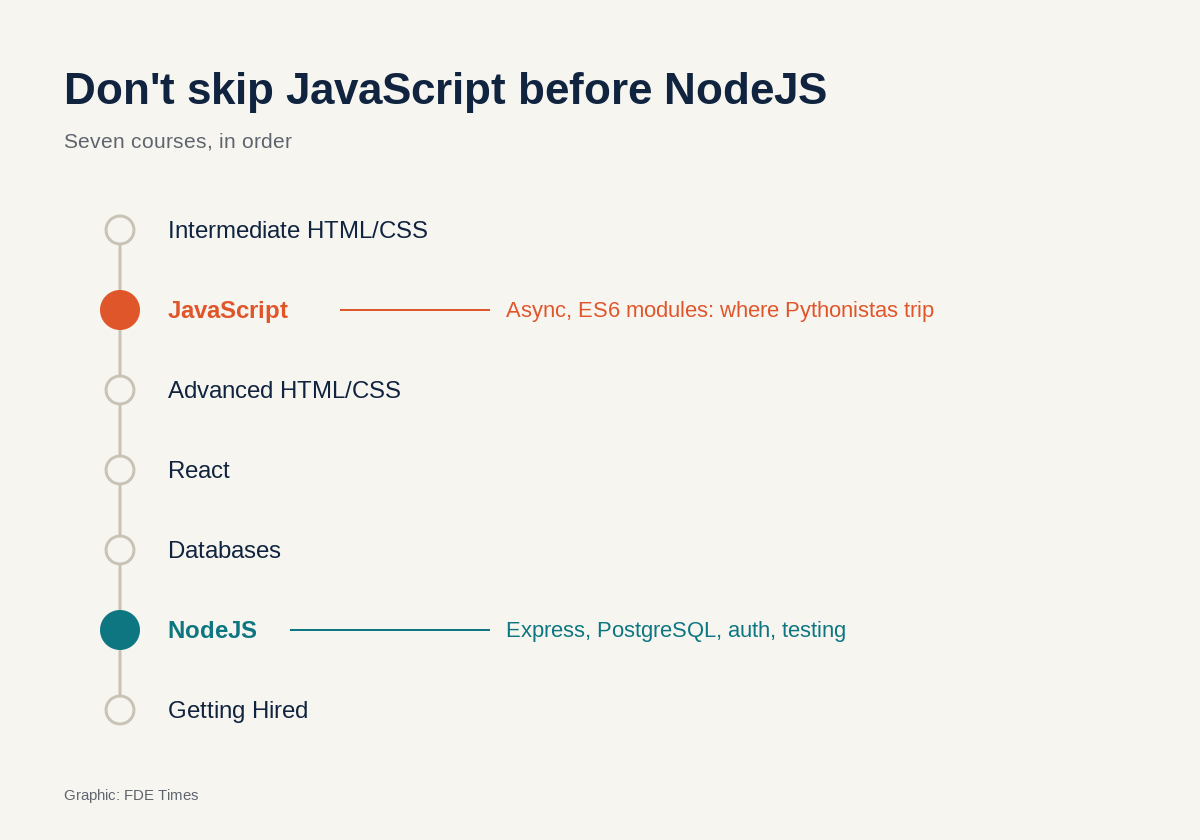
Learn React offers more than 600 sandboxes that run in the browser, but engineers who know only Python should learn JavaScript first.
Ryan Singer fixes the time at six weeks and cuts the scope to fit, a discipline every client pilot needs.
Harvard's free CS50 cybersecurity course teaches the habit FDEs need most: weighing risk against convenience before a client hands over access.
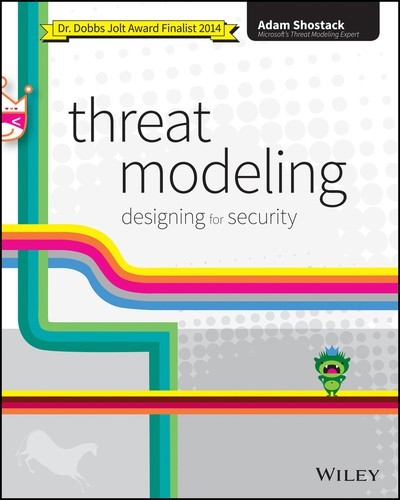
The 2014 edition of his threat modeling book still holds up, and the 2027 edition adds two LLM chapters for engineers deploying agents.
Gerald Weinberg's three laws of consulting help engineers find the real problem at a customer, and it is usually a people problem.
Jeanne Liedtka's Darden course on Coursera is built around four questions every engineer should put to a client before writing the first line of code.
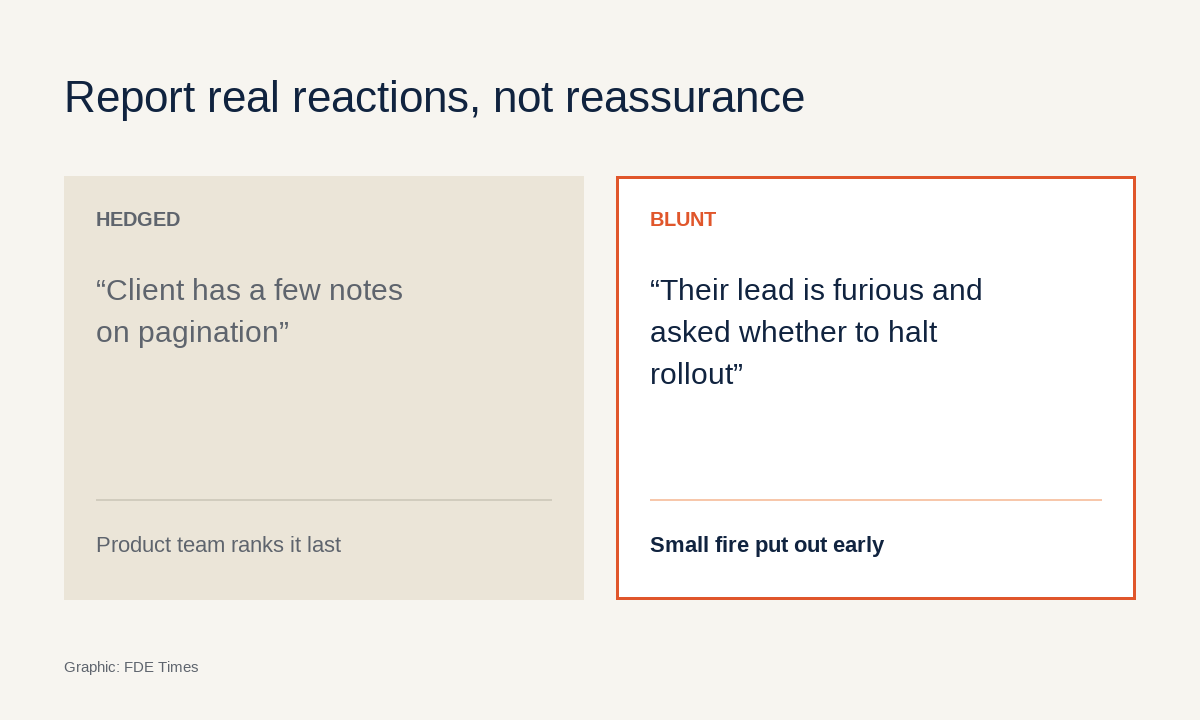
Chris Fussell's One Mission shows what a liaison does: report a partner's real reaction back home and put out small fires before they spread.
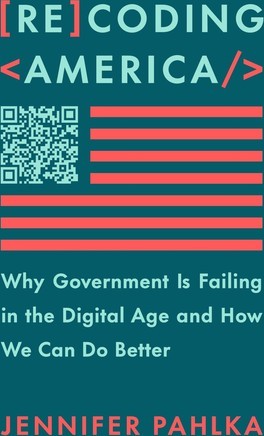
HealthCare.gov had 36 contractors and still crashed; in Recoding America, Jennifer Pahlka blames culture and waterfall process, not money or technology.
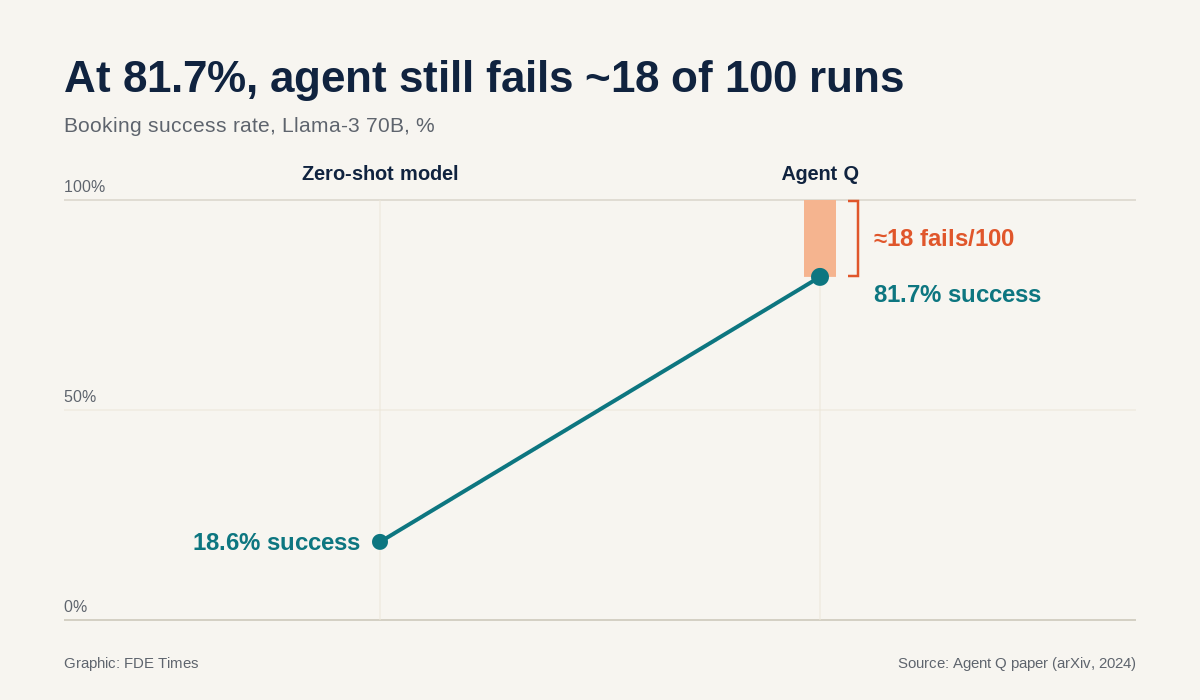
Skim the AgentQ and MCTS theory; the failure rates behind the headline numbers are the real lesson for forward deployed engineers.
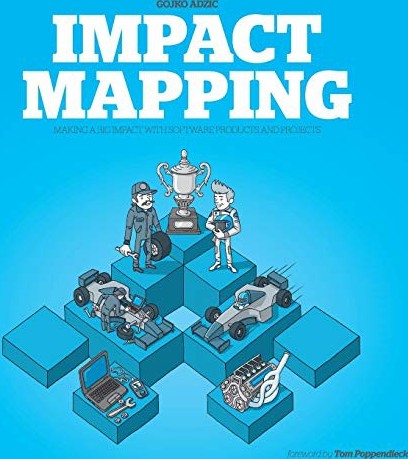
Written in 2012, Gojko Adzic's short book still gives forward deployed engineers a way to stop scope creep in the very first discovery session.
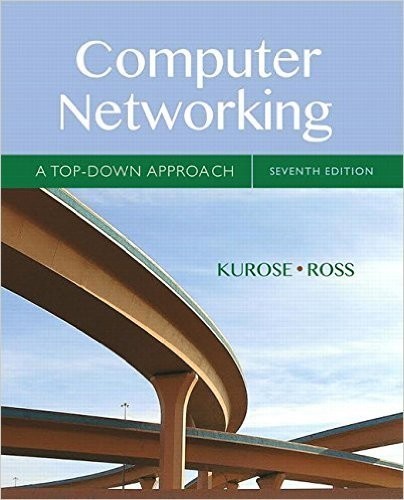
Skip most of the eight chapters: three of them, plus the authors' free Wireshark labs, are enough to trace a broken connection to its source.
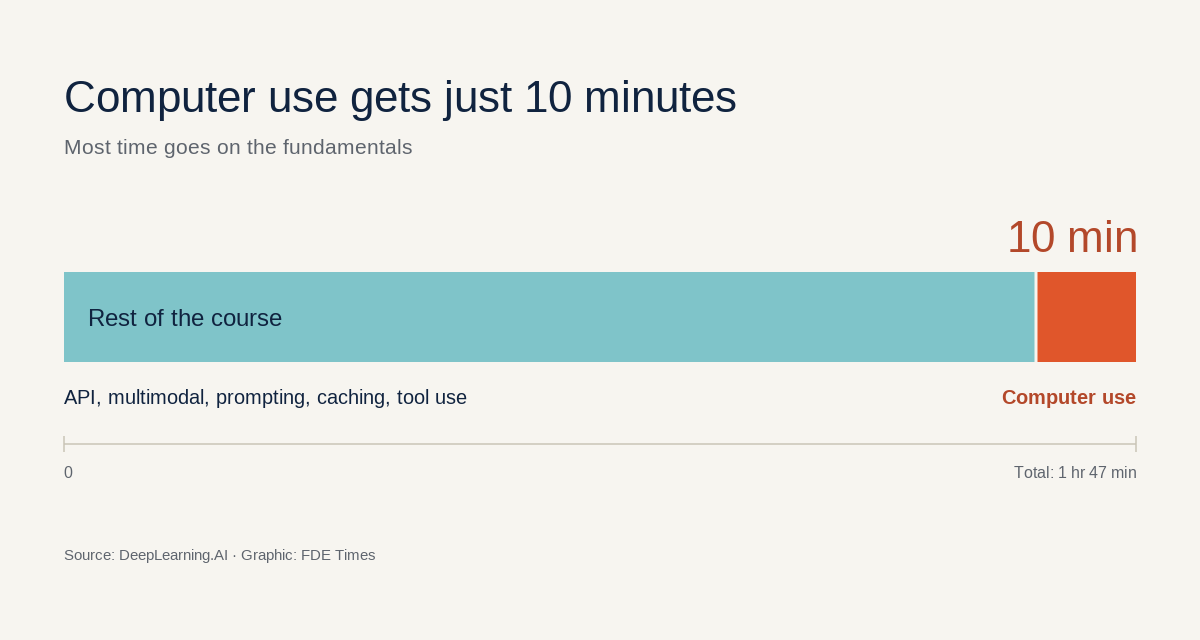
The two-hour DeepLearning.AI and Anthropic course is worth taking, as long as you also read each platform's own documentation.
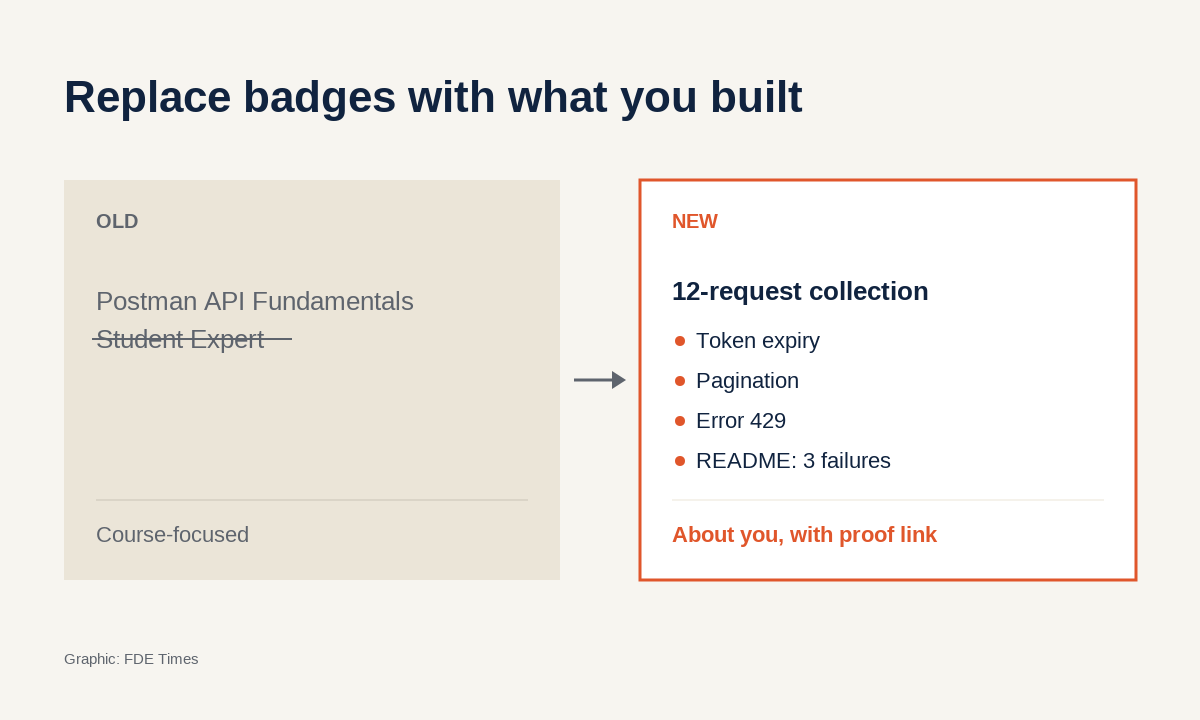
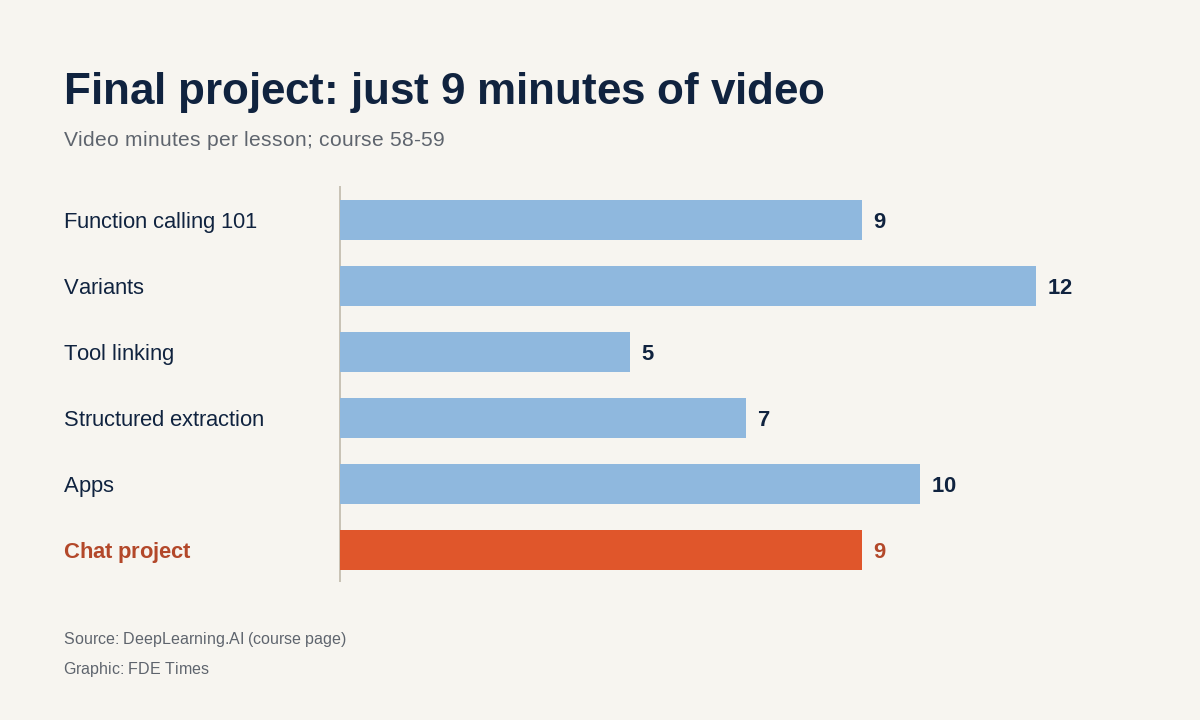
The course's API fundamentals are still worth learning, but the evidence a recruiter wants to see is a project you built and they can run.
A book written for startup founders fits a client deployment just as well: one number should guide the work, and that number has to change at each stage.
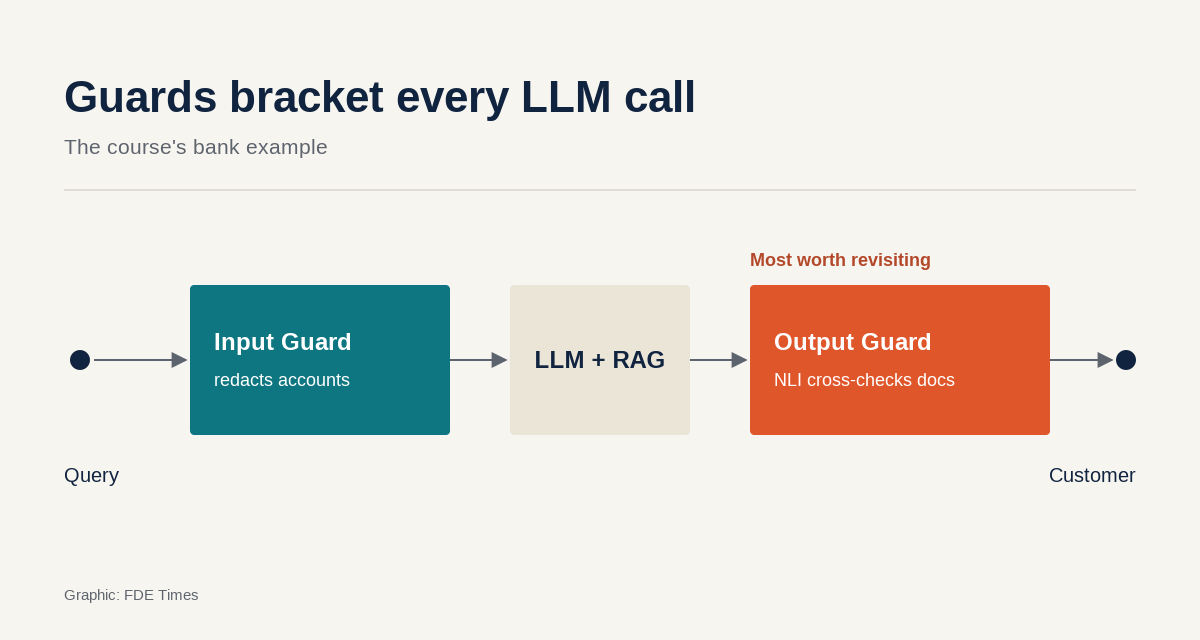
DeepLearning.AI's 1 hour 42 minute course with GuardrailsAI is worth taking for its notebook lessons; running guards as a service for a client is left to further reading.
The seven chapters cover files, Excel, CSV and the web, and they work best read in a deliberate order rather than from front to back.
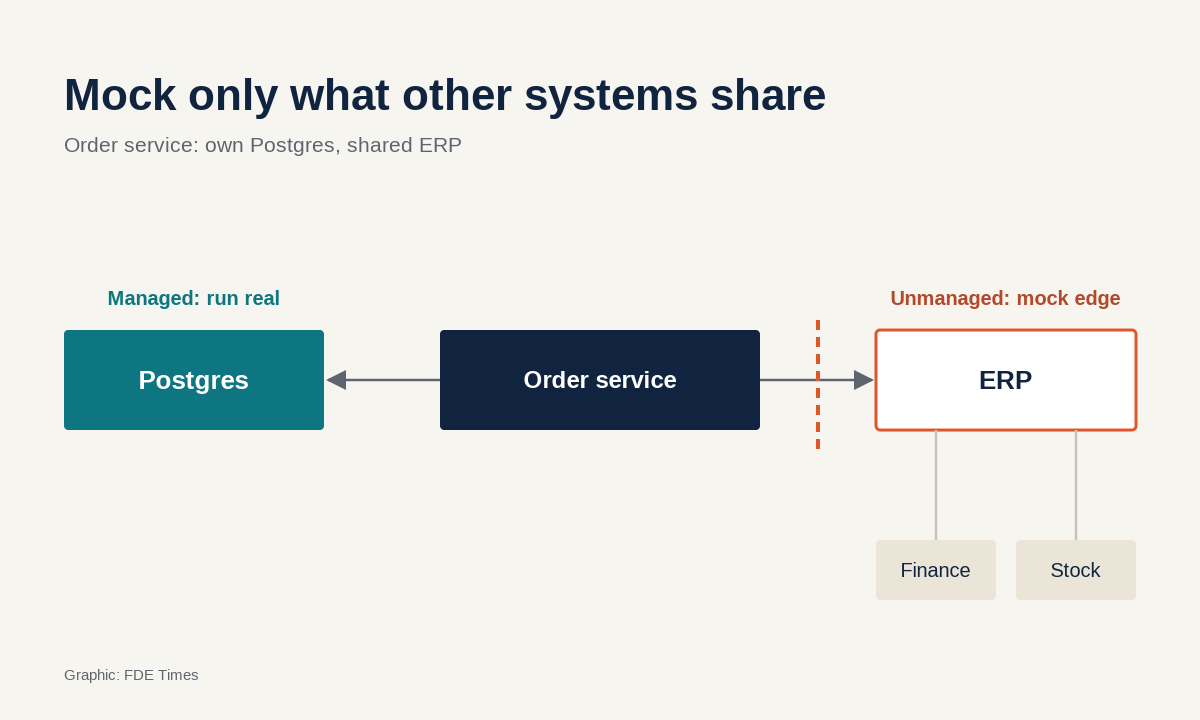
Vladimir Khorikov offers a compact rule for what to mock, and explains the trade-off every test suite has to make.
Anthropic's five groundwork lessons are the real value for FDEs; the leap from a working demo to an agent on a customer's machine goes almost untouched.
Start with resources rather than endpoints, then spend your time on long-running operations, retries and versioning, where client integrations break most often.
His one-hour course makes that case convincingly, but the missing 10% usually sits on the client's side.
Put your effort into chapters 9, 10, 12, 13 and 14, then run every manifest in the book's companion examples repo yourself.
Each lesson in the free Udacity course, from value proposition to costs, becomes a question to put to the client in your first week on site.
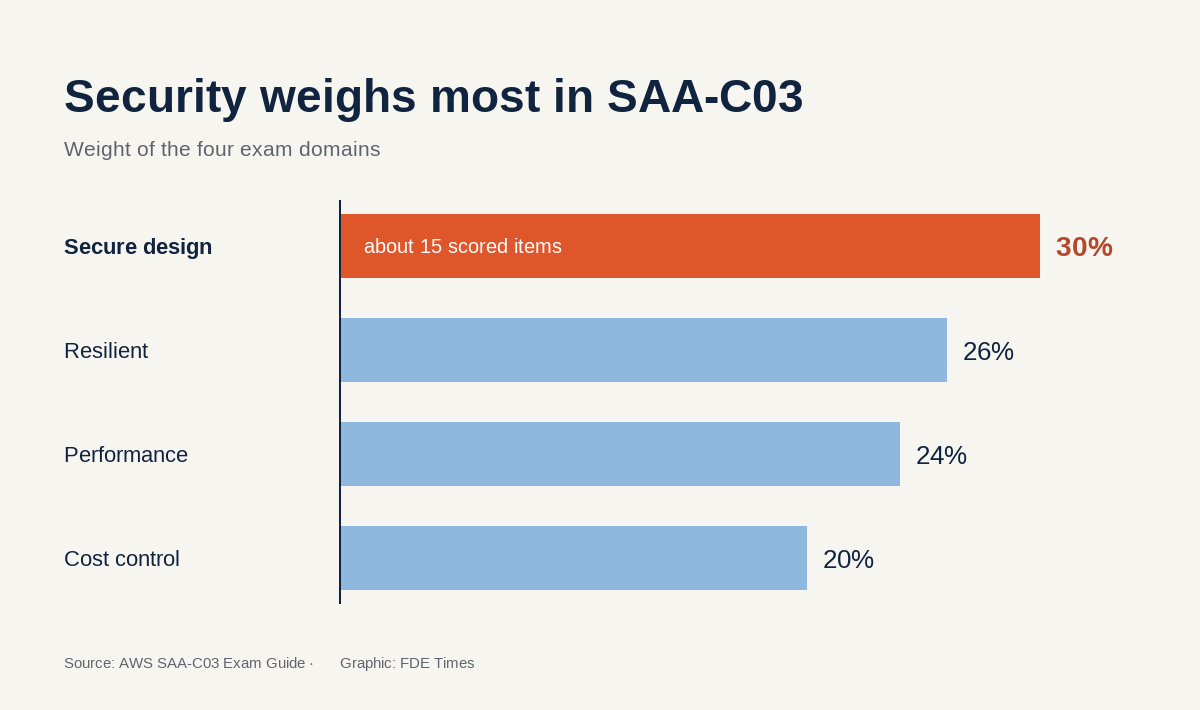
Security carries 30% of the marks on the SAA-C03 exam, and it is also the first gate you must pass at a customer.
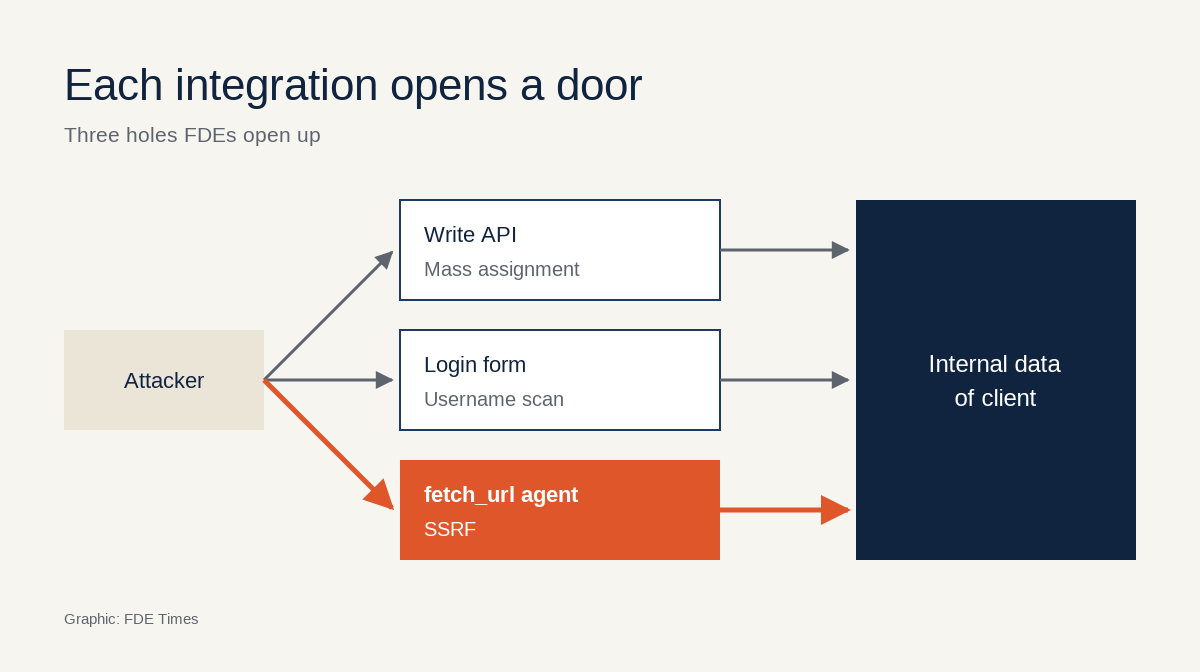
PortSwigger's Web Security Academy covers APIs, authentication and SSRF, the three topics that teach FDEs to see their own integrations the way an attacker does.
Read the right chapters and you learn to trace synchronous call chains, treat API contracts as binding and diagnose slowdowns in a system someone else built.
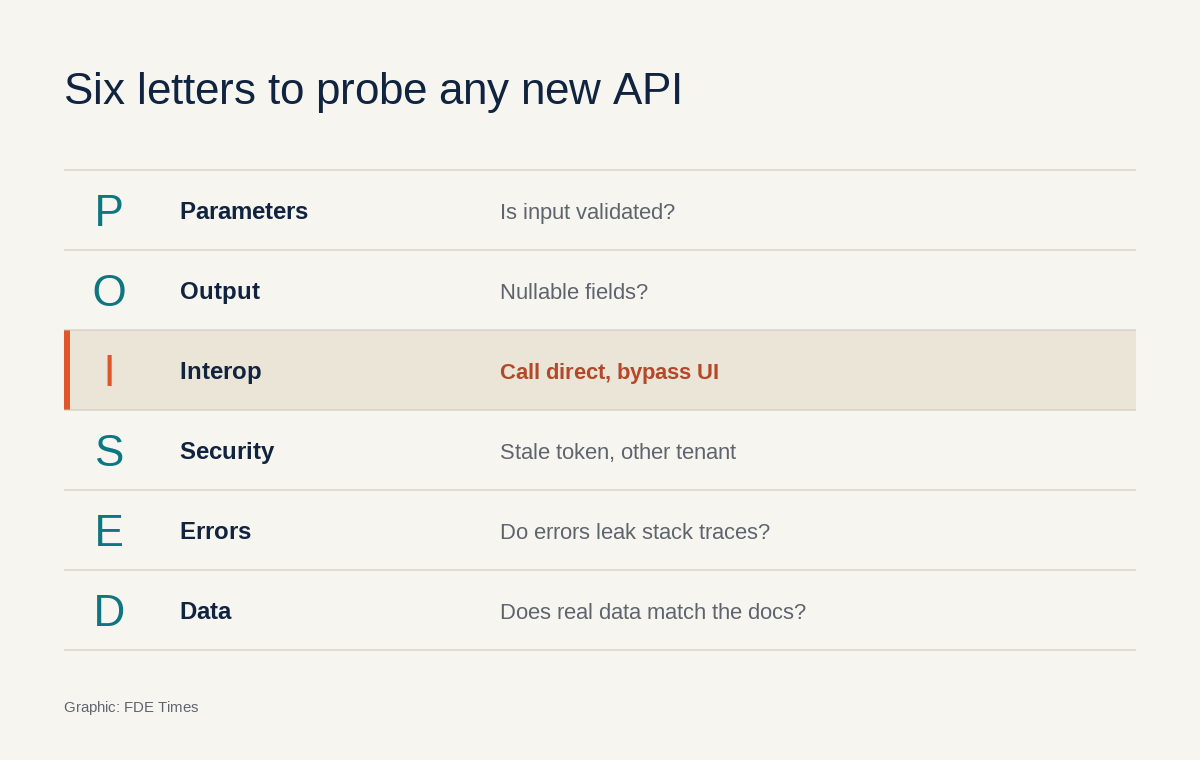
Amber Race's course turns probing an unfamiliar API into six checks, then puts them into CI with Newman so findings become a safety net.
The rest still repays a look, because its habits of logging every run and versioning data carry over to any stack.
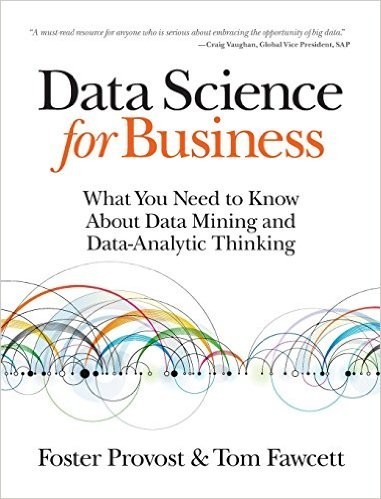
Provost and Fawcett teach data-analytic thinking: turning a client's vague worry into a measurable problem before anyone writes the first line of code on site.
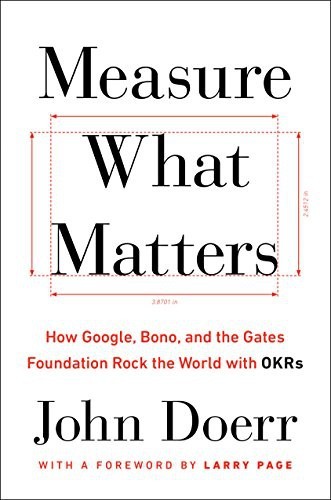
John Doerr's 2018 book on OKRs shows forward deployed engineers how to agree deployment commitments that both sides can score.
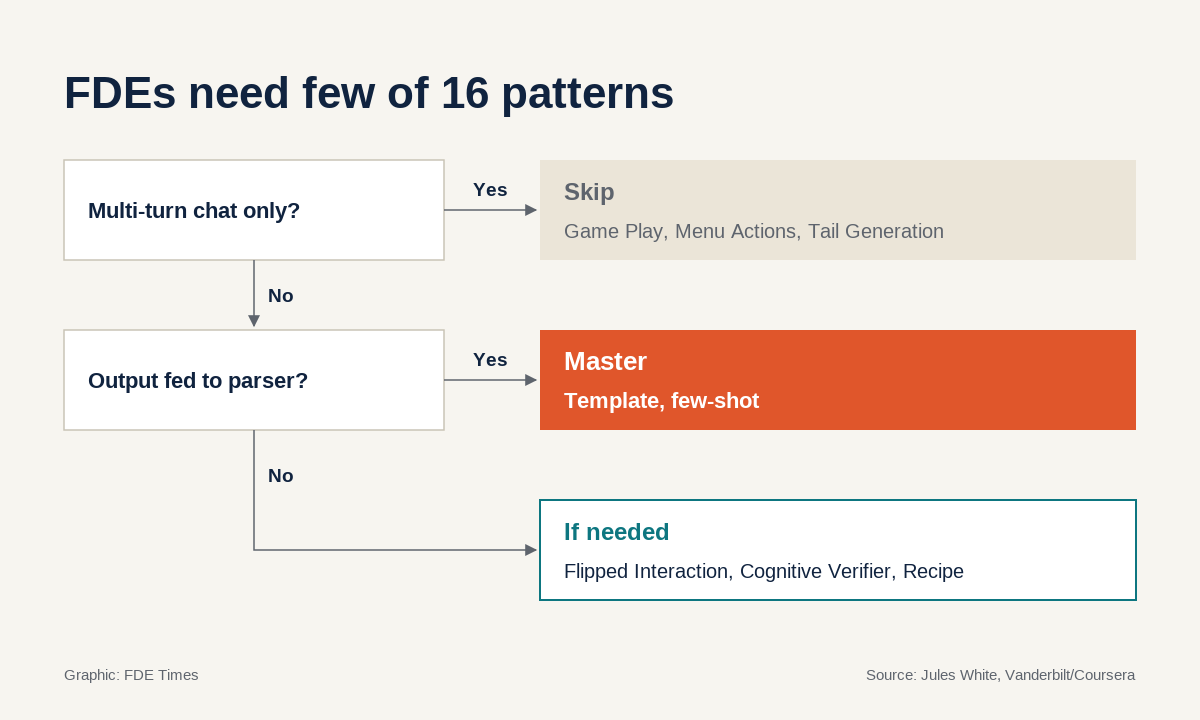
The Template pattern earns its keep, and the real value lies in the 2023 arXiv paper behind the course, not its stock phrasings.
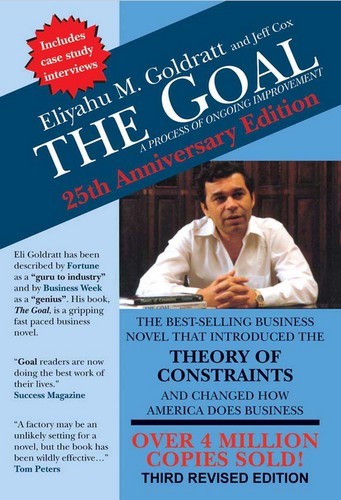
Goldratt's The Goal shows that speeding up any step except the bottleneck leaves the customer's output unchanged and the queue longer.
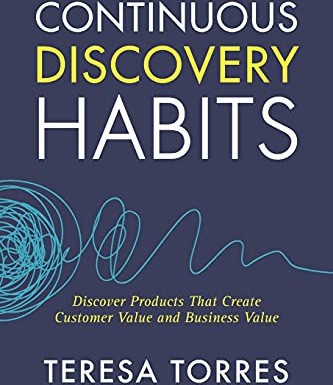
Teresa Torres wrote Continuous Discovery Habits for product trios, yet her three core habits fit a client engagement almost exactly.
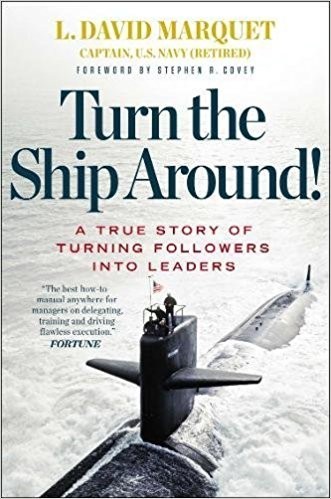
David Marquet turned followers into leaders aboard USS Santa Fe, the skill an FDE needs if a deployment is to survive handover day.
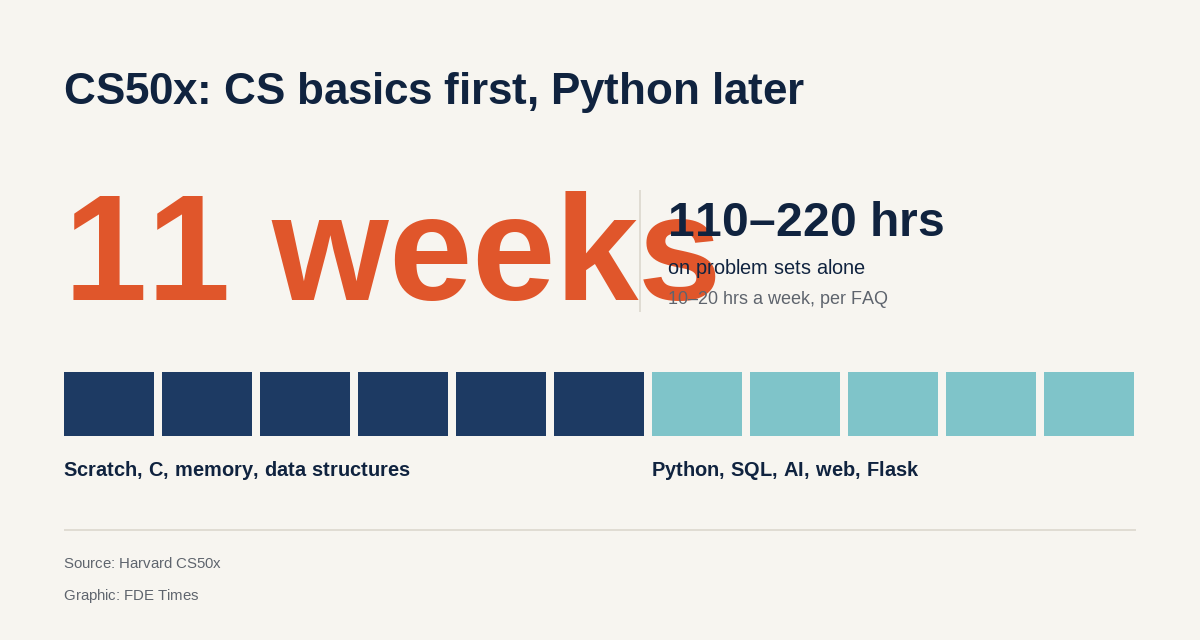
Nine free weeks run from fetch to React and CI/CD, and the Harvard Extension version bases 90% of the grade on projects.
Every engagement makes an FDE a new hire again, and Riccomini and Ryaboy's 288-page guide works as the checklist for that first week.
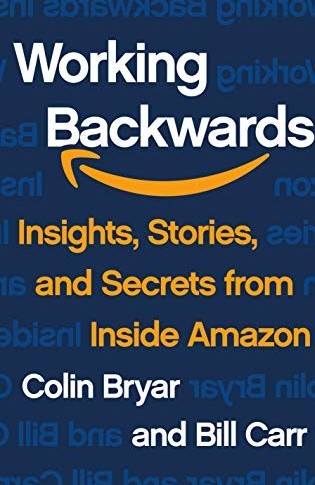
Amazon's PR/FAQ, set out by two former executives in Working Backwards, gives FDEs a one-page test of whether a customer's problem is actually clear.
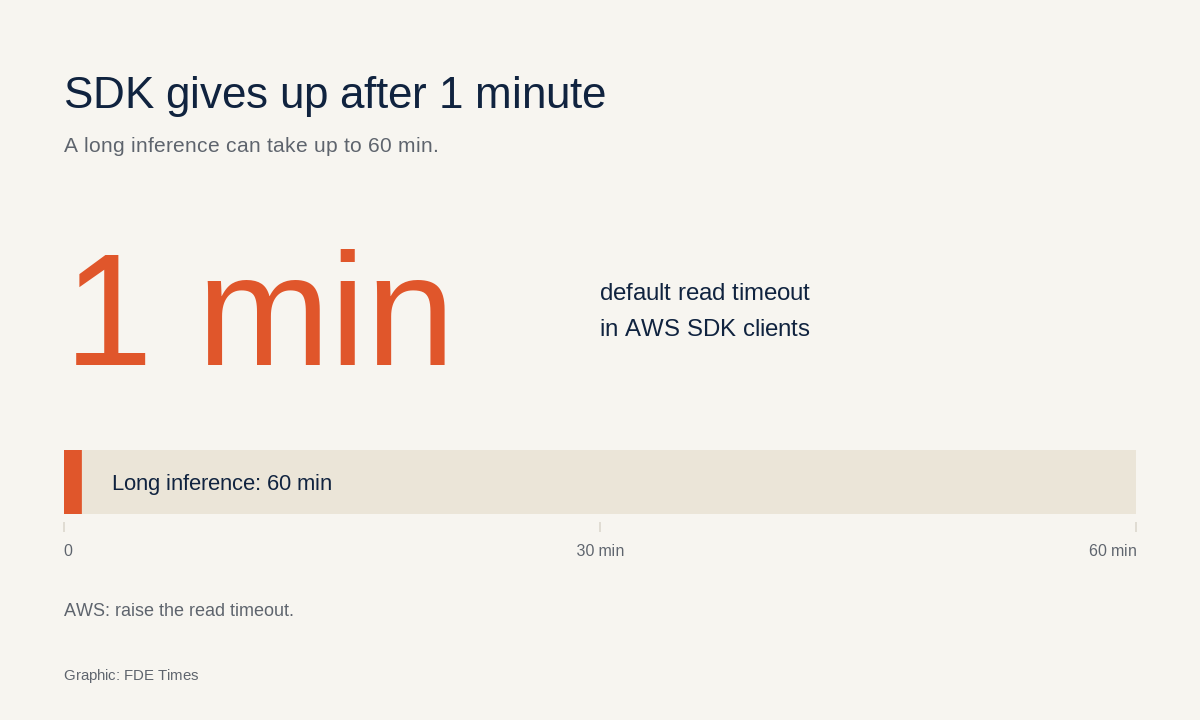
The fundamentals transfer straight away, but server-side tools, the MCP connector and batch processing do not work the same way on Amazon Bedrock.
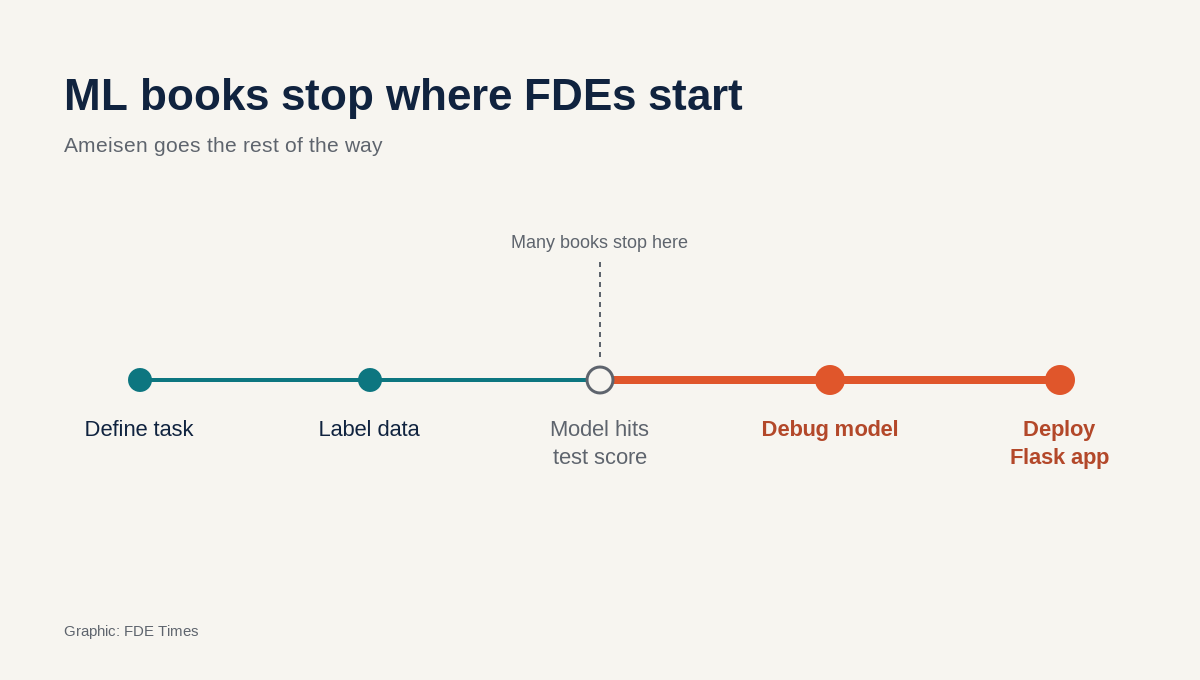
Emmanuel Ameisen wrote for the 95% of the job that is not model training, which is exactly where a forward deployed engineer spends the week.
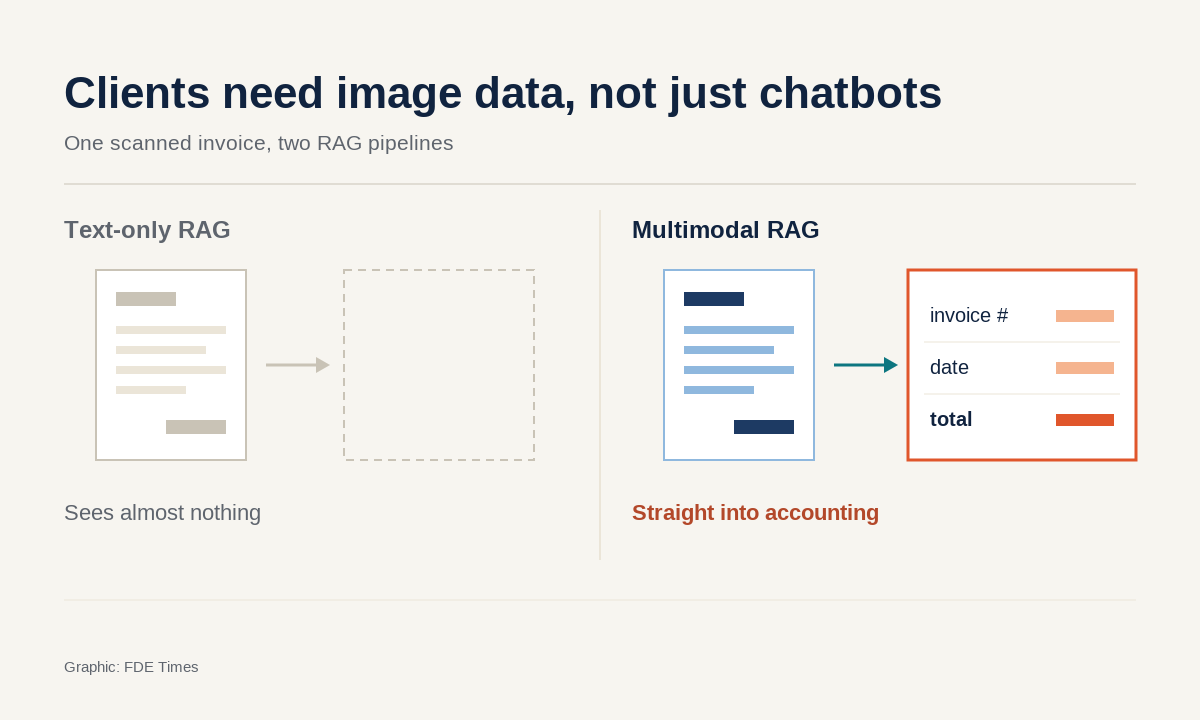
A short DeepLearning.AI course built with Weaviate teaches RAG systems to read images, charts and flowcharts, and to turn them into structured data.
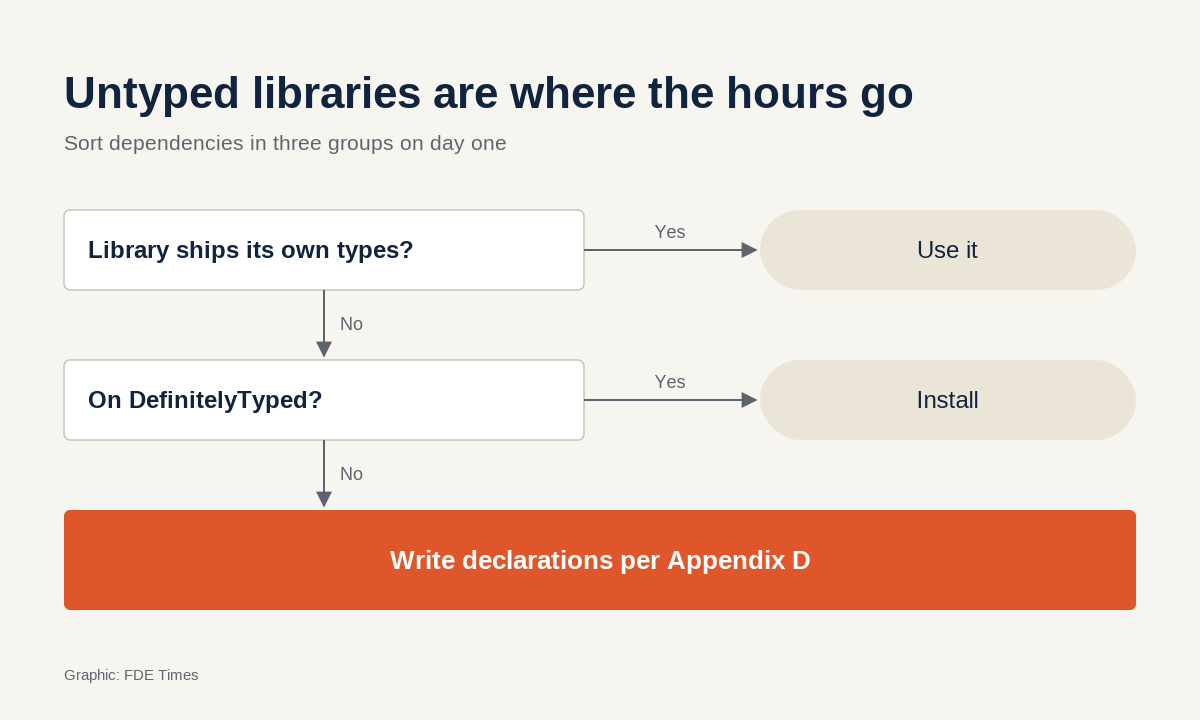
The book runs to 13 chapters, but three of them and two appendices are what an FDE needs on a client site from day one.
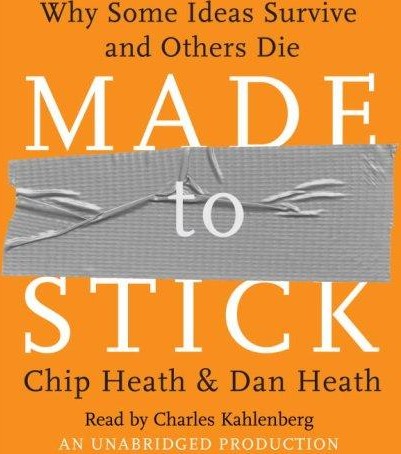
The Heath brothers' 2007 book shows forward deployed engineers how to turn a dry metric into a story that client leaders will repeat in rooms they never enter.
Start with the accounting module, so the next time a client's CFO asks what your project changes, you know which line on their statements it moves.
Influencing People takes 12 hours, can be taken on its own, and targets the daily FDE task of moving teams that do not report to you.
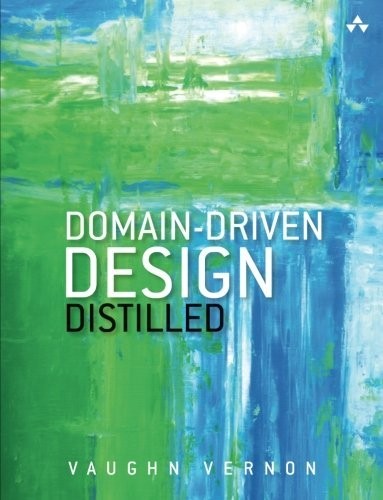
Vaughn Vernon's 176-page Domain-Driven Design Distilled teaches FDEs to draw bounded contexts before writing code, in terms the client can read too.
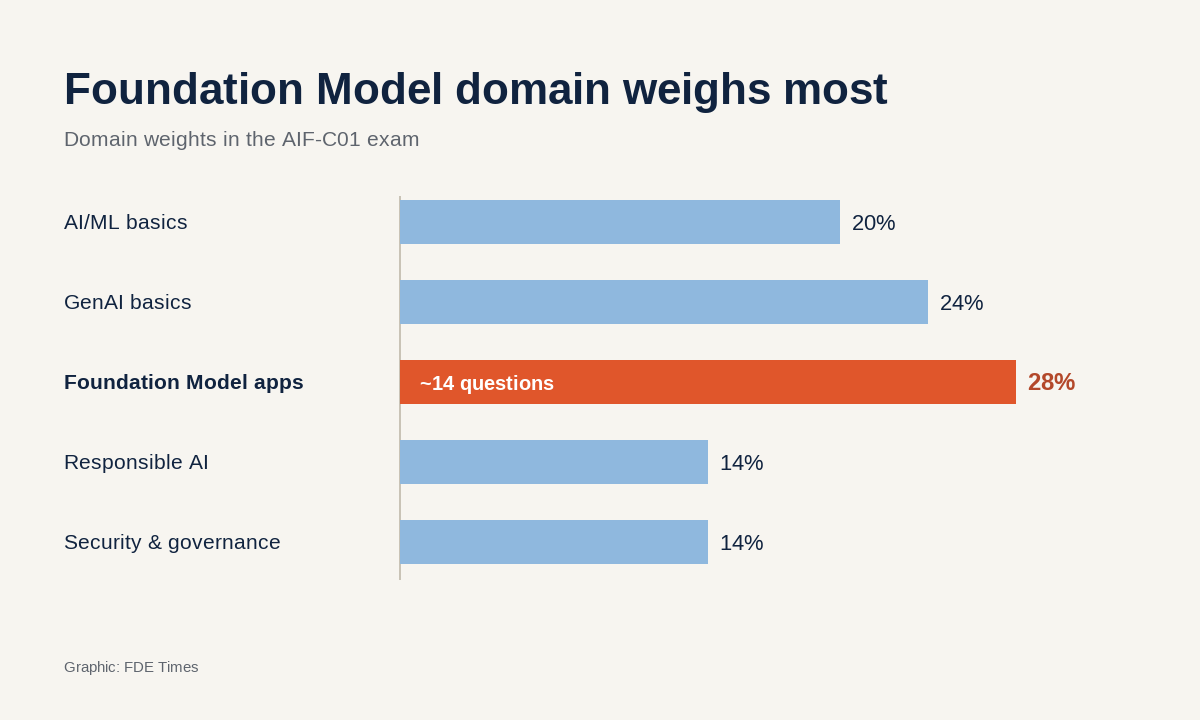
It still pays before an AWS deployment: about 26 of 50 scored questions cover generative AI and foundation models, so Bedrock is where the marks are.
Which chapters matter depends on the round: Google's 45-minute algorithm test is the book's home turf, OpenAI's 60-minute production build uses only a few.
Julie Zhuo's The Making of a Manager is the book to open before the title changes, because FDE managers still have to stay close to customers.
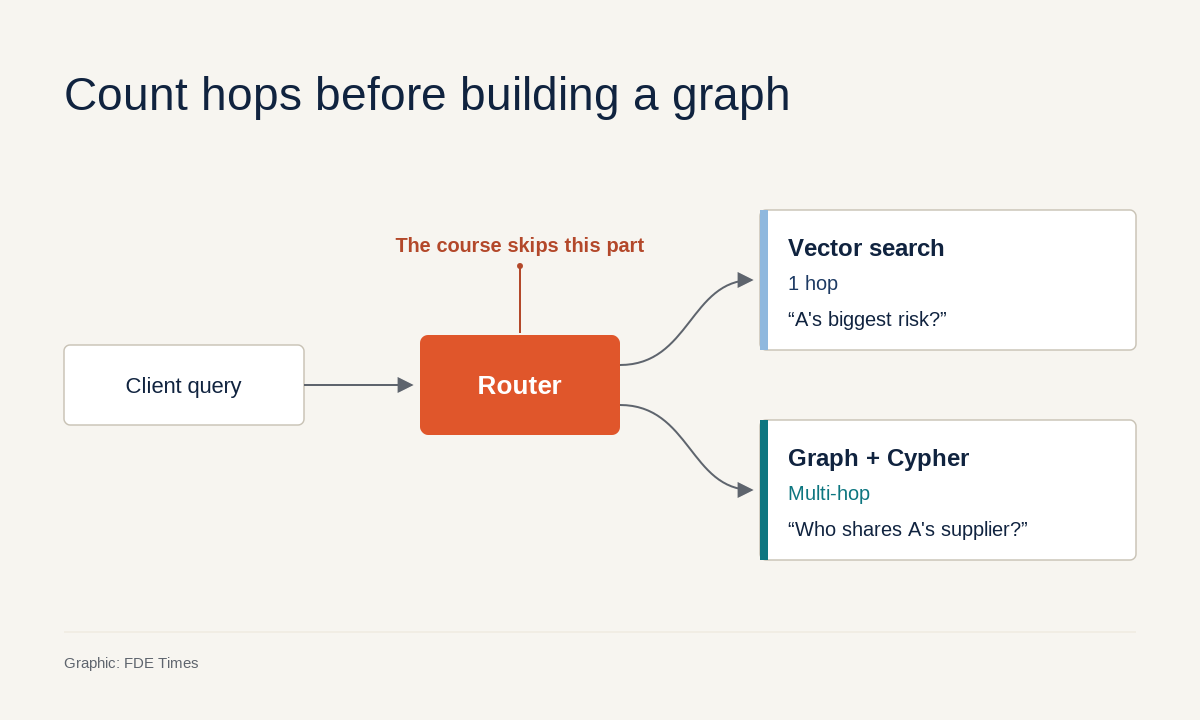
The two-hour DeepLearning.AI course builds a graph from SEC filings, but without a vector RAG baseline you cannot show a client the graph helps.
Grading weights correctness three times as heavily as style, a rule that fits the scripts an FDE leaves behind at a customer site.
Josh Doody's free-to-read book explains that a recruiter usually needs a written request to take to someone more senior for approval.
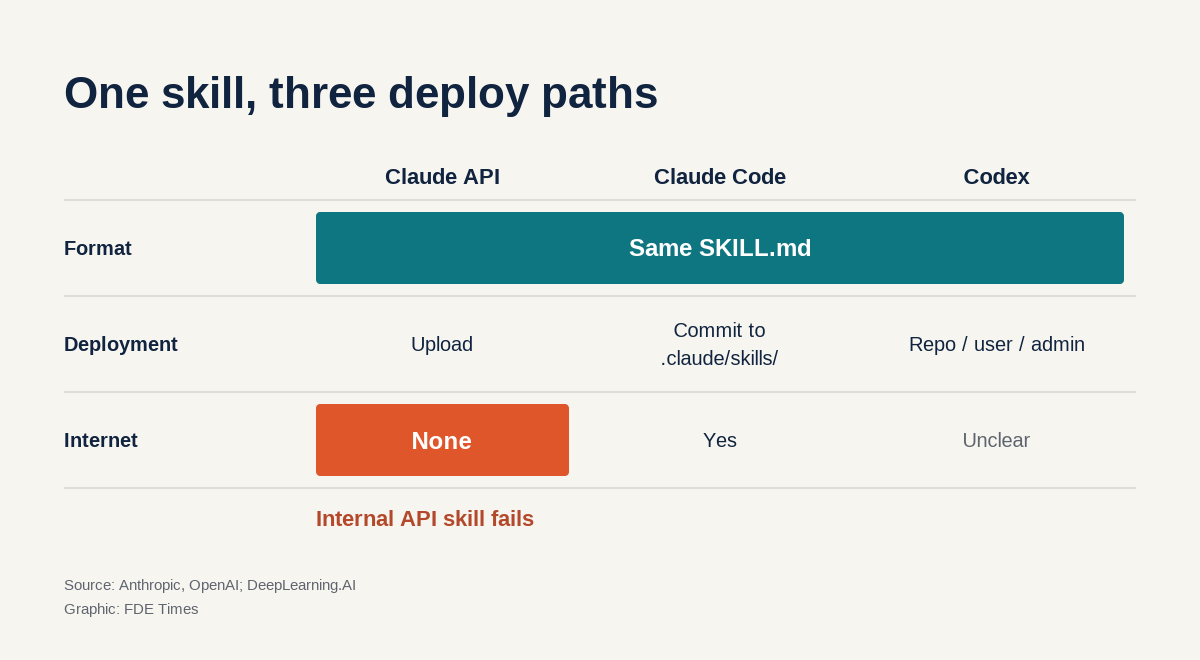
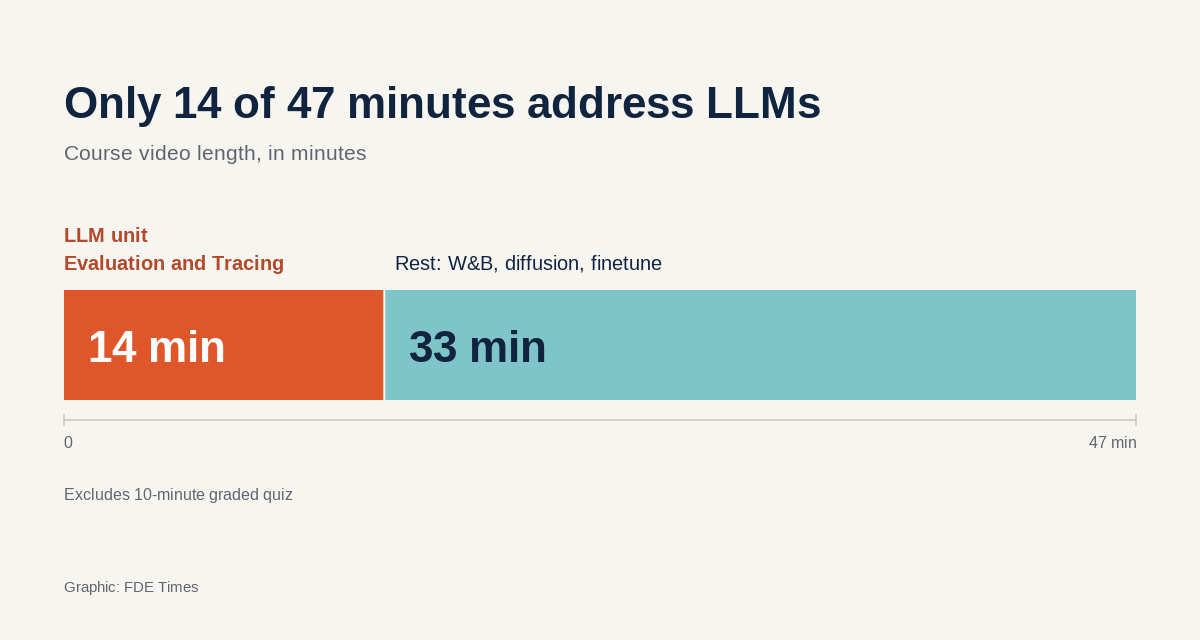
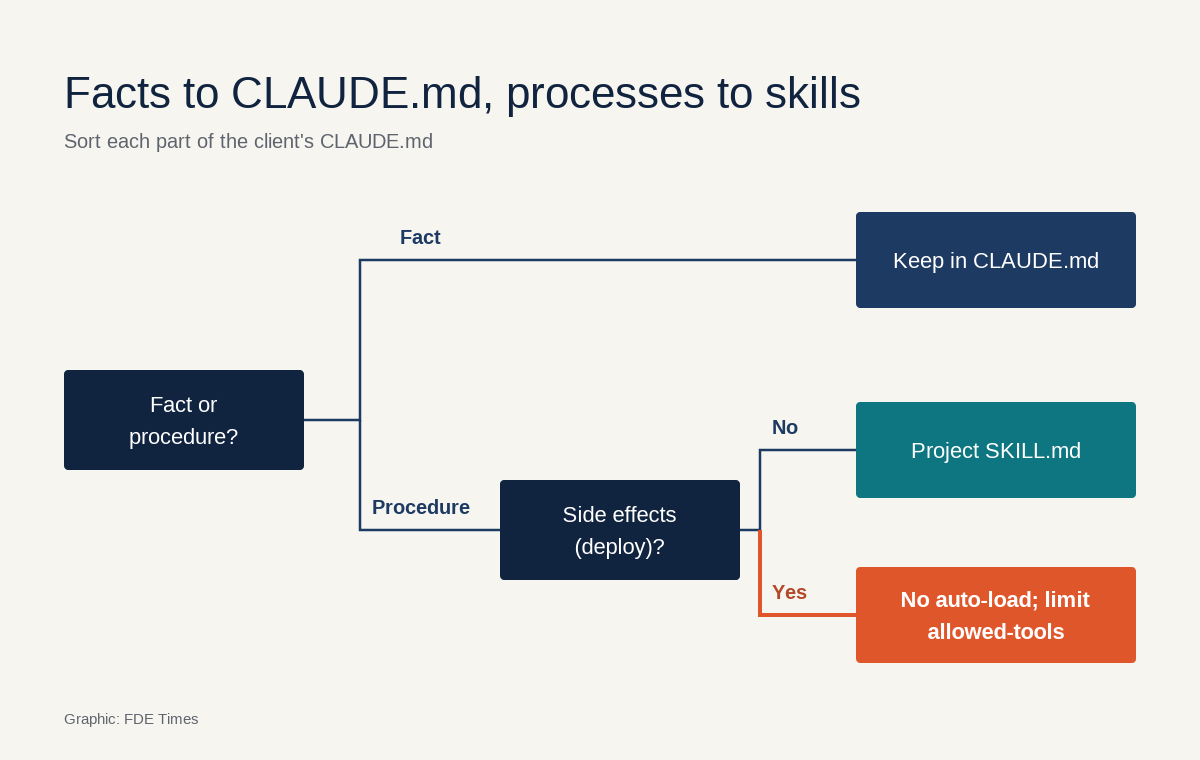
Six videos, about 22 minutes, cover building and sharing skills in Claude Code, but none teaches the evaluation needed to prove a skill works.
Annie Duke's Thinking in Bets argues that good decisions can still lose, a lesson for engineers making promises to clients on incomplete data.
More than a million people have enrolled in LFS101, and six of its chapters map to the steps for debugging an agent gone silent on bare Linux.
Software Architecture: The Hard Parts follows a fictional team through service splits, contracts and distributed transactions, the calls FDEs face at customer sites.
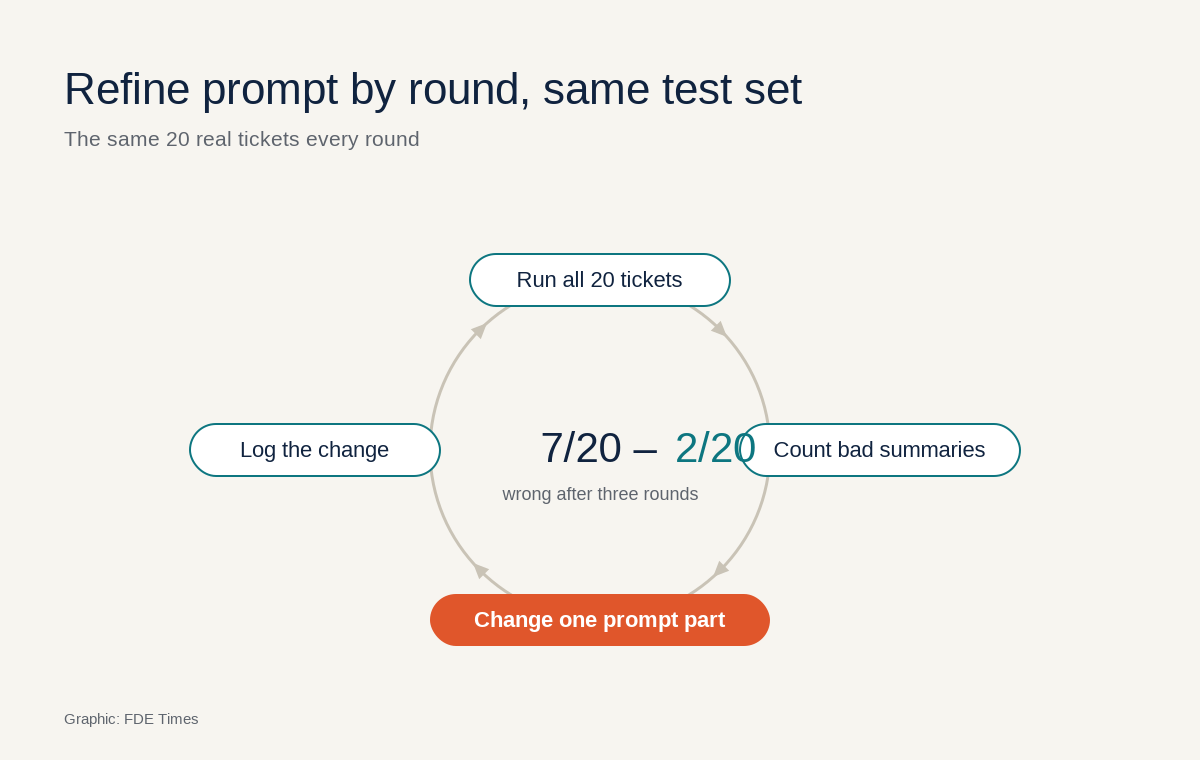
Its 2023 code samples have dated, but the core lesson, treating a prompt as a function you can test, is what client work demands.
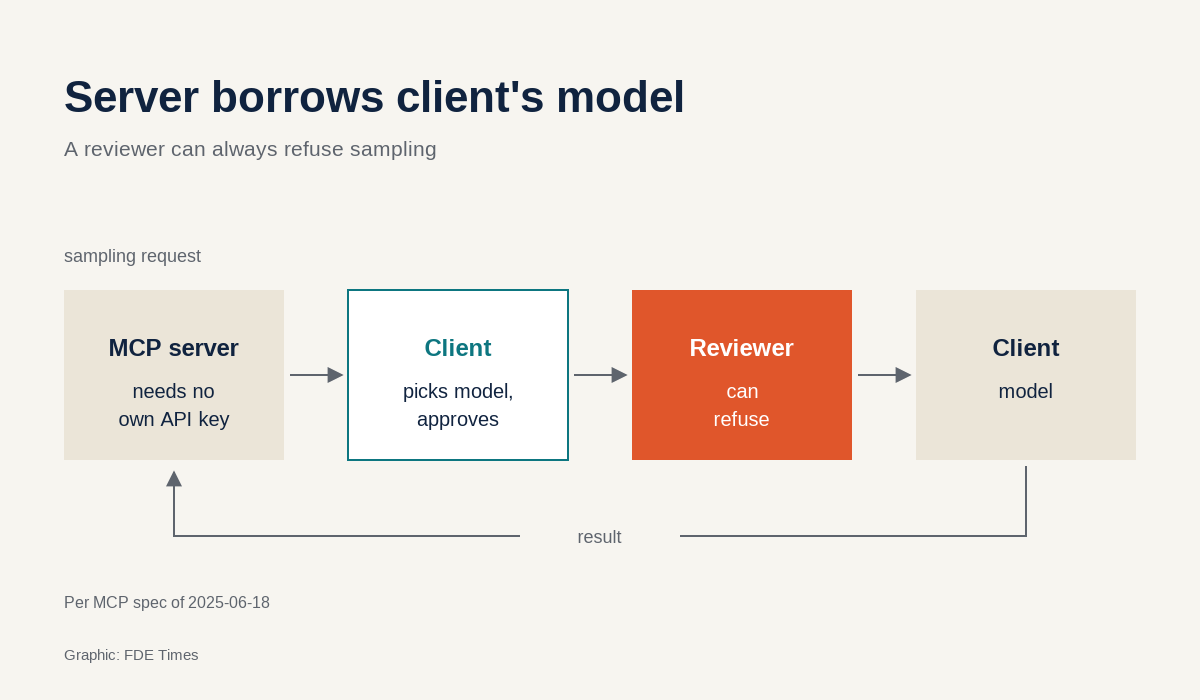
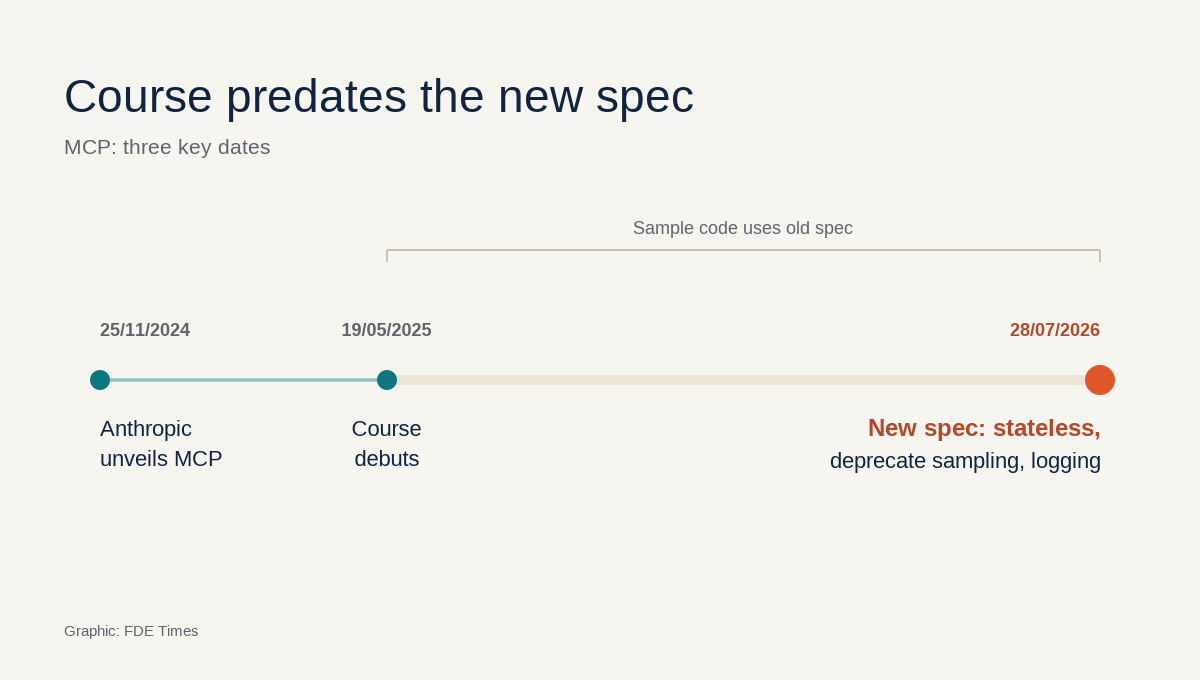
The course explains sampling and transports well, but clean stdout, Origin checks and a human approving sampling requests are still yours to build and test.
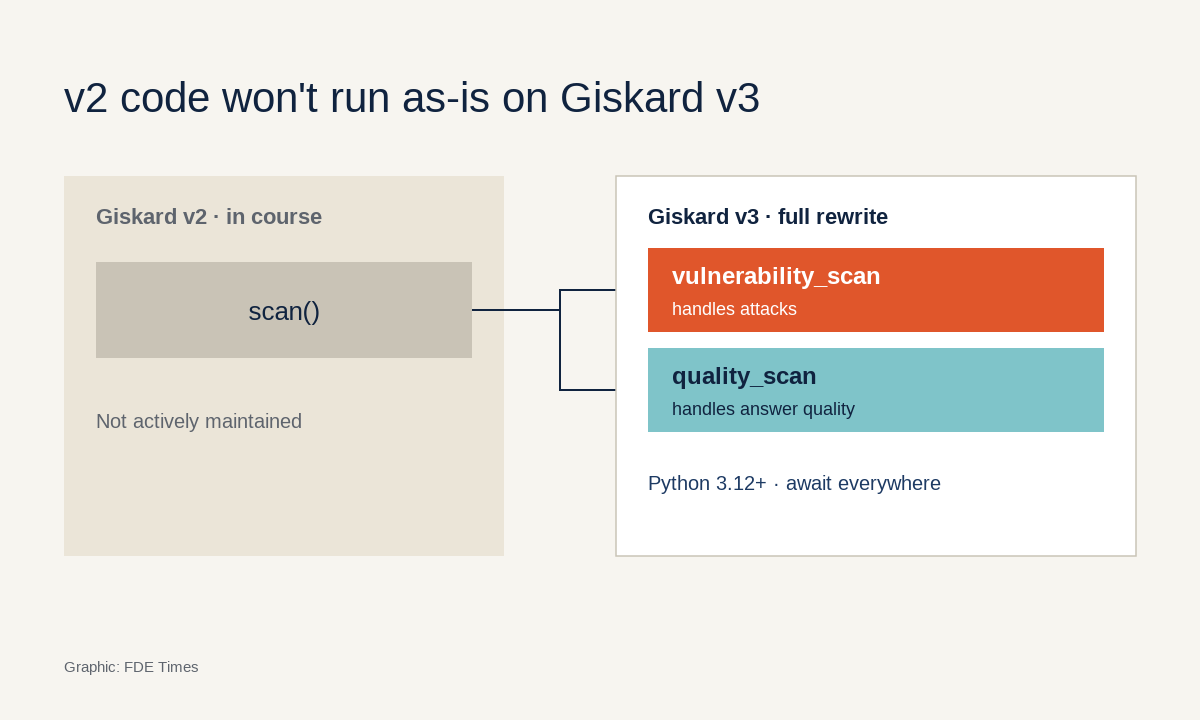
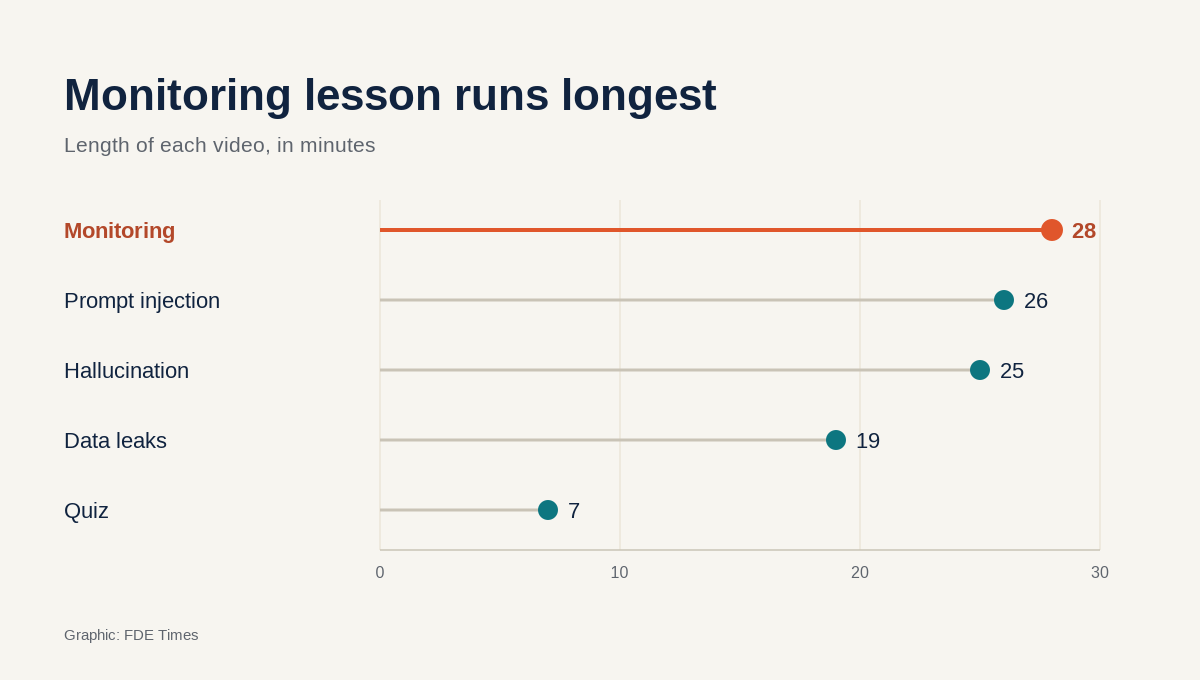
Every FDE is eventually asked what happens when someone attacks the demo; this 99-minute course answers it, though its notebooks rest on Giskard v2.
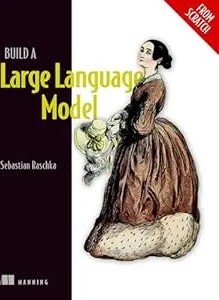
Sebastian Raschka's book won't make you a researcher, but it makes you write attention, fine-tuning and LoRA yourself, and the code runs on a laptop.
ISLP, the 2023 Python edition, teaches honest evaluation of a model on client data, and a few of its chapters pay off in next week's project.
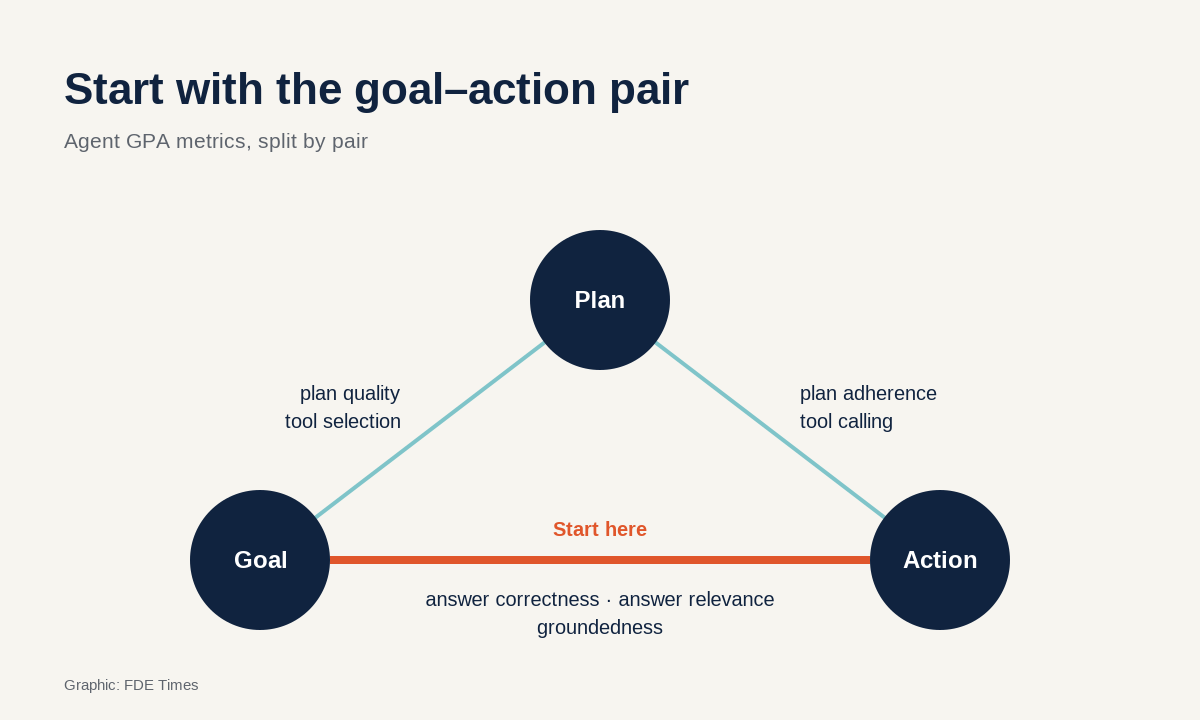
An answer grounded in the data can still be wrong, and the short DeepLearning.AI and Snowflake course shows how to find the error in the agent's plan.
Eric Ries's Build-Measure-Learn loop turns a drifting pilot into an experiment with a hypothesis, a metric and a moment to pivot or persevere.
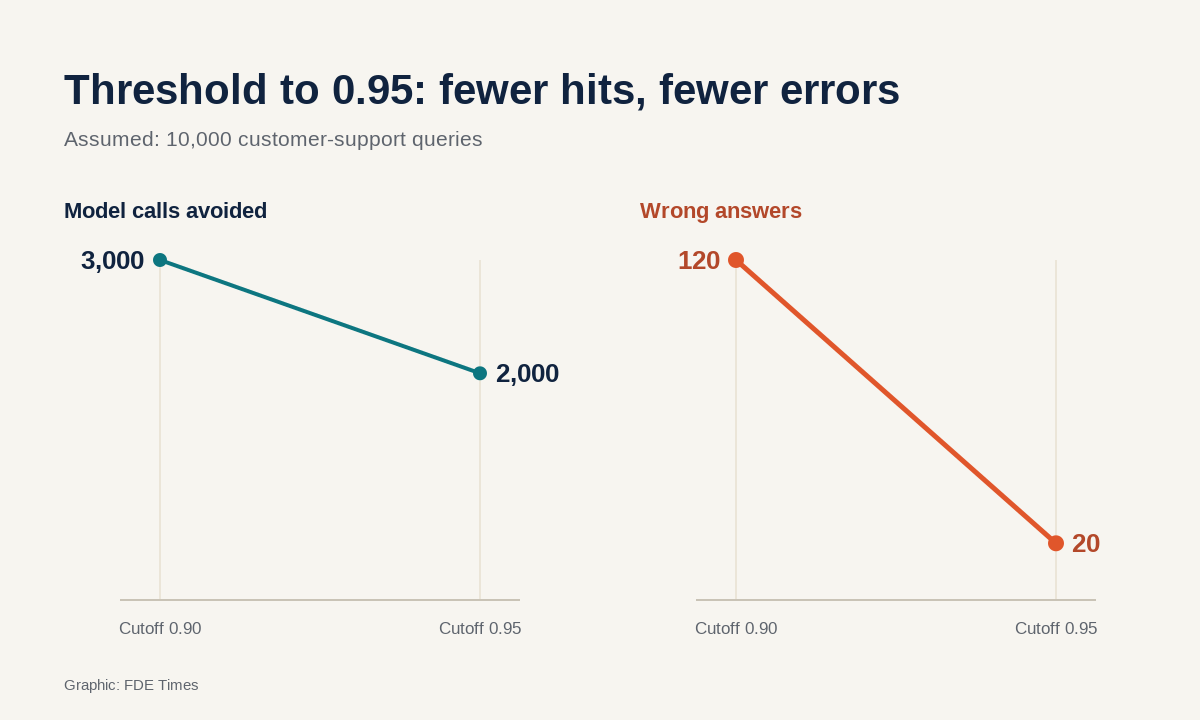
DeepLearning.AI's 84-minute course, taught by Redis engineers, is worth taking for its measurement lessons, not for the vendor's savings figures.
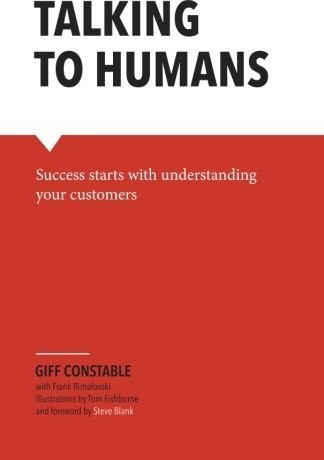
Giff Constable's 2014 book Talking to Humans shows how to find the right people on site and get them to tell the truth.
In 1 hour 31 minutes, DeepLearning.AI's course teaches a rerunnable, versioned fine-tuning pipeline that clients on AWS or Azure need just as much.
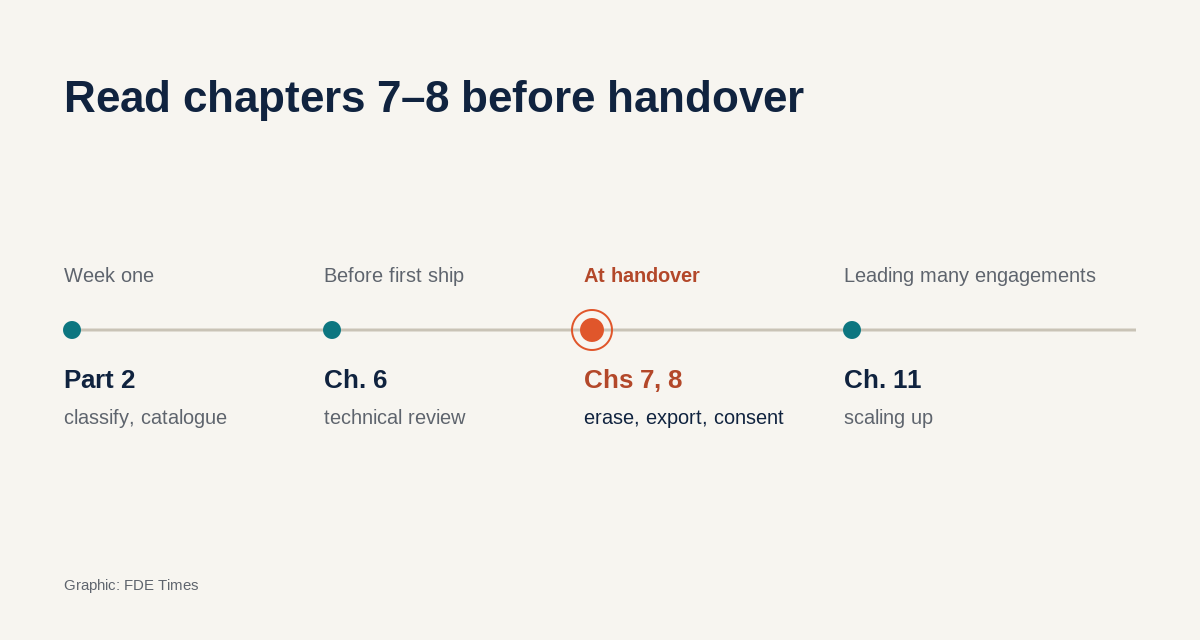
Nishant Bhajaria, who handled privacy engineering at Netflix, Uber and Google, wrote a 384-page runbook for answering them before the client's lawyers ask.
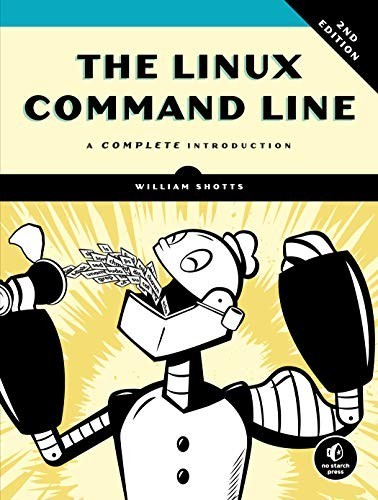
William Shotts's The Linux Command Line assumes no prior knowledge and covers pipelines, processes, Vim and scripting, the groundwork for debugging with a client on the call.
The 11 DeepLearning.AI and Anthropic lessons predate the 2026-07-28 spec, so rebuilding each one yourself shows exactly what has changed.
In the research behind The Challenger Sale, relationship builders were 7% of star performers and challengers nearly 40%, and their three moves can be taught.
The 54-minute smolagents course shows why agents that write code beat JSON tool calls, and where that code must run before a customer sees it.
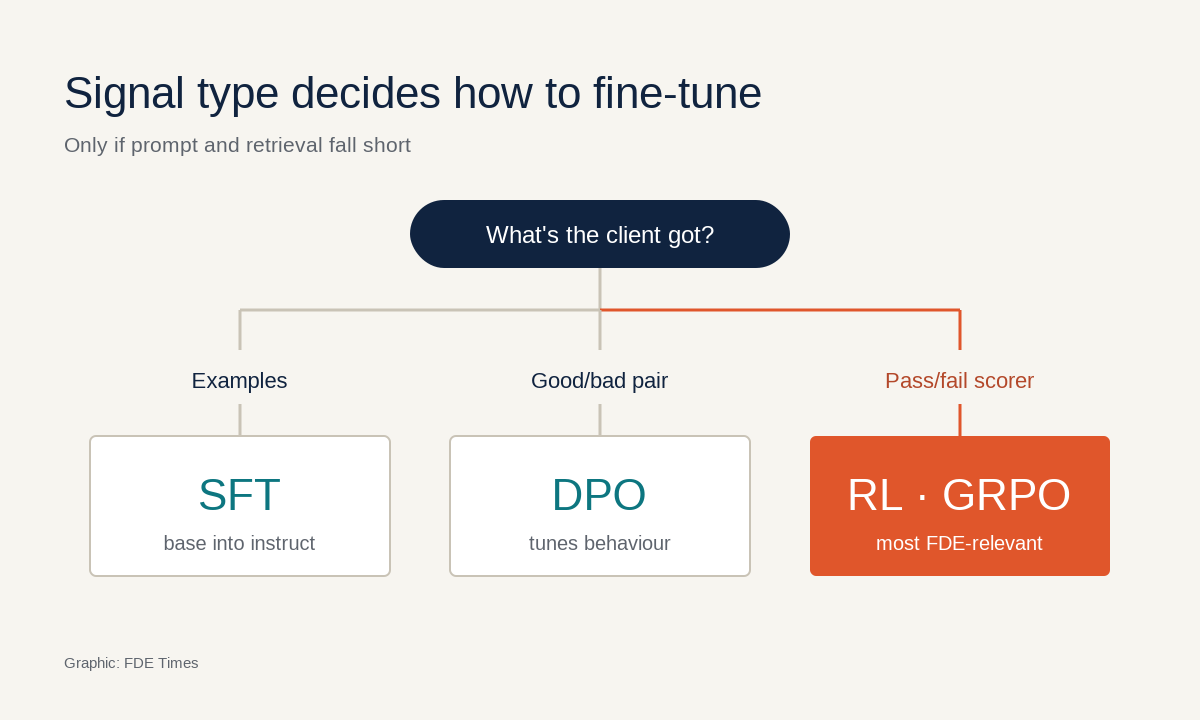
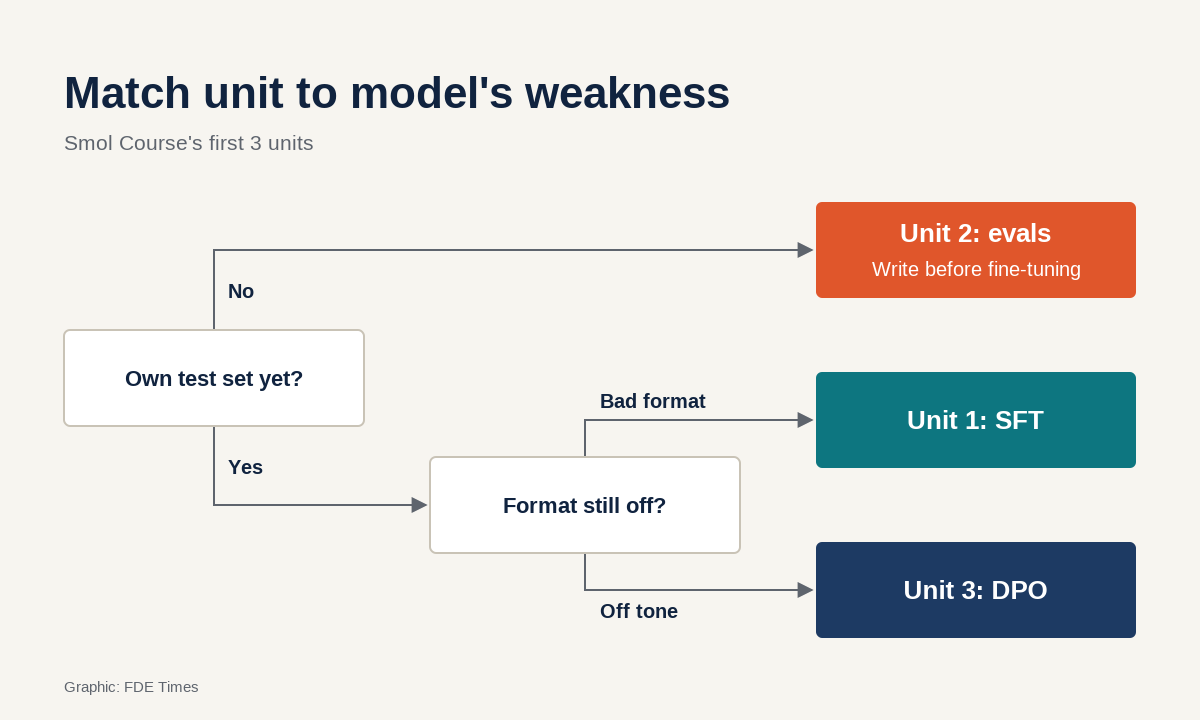
Banghua Zhu's course skips GPU clusters and explains when SFT, DPO or online RL fits, the call FDEs are asked to make on site.
Chip and Dan Heath's 2010 book Switch often blames the emotional Elephant rather than the rational Rider, and shows how reshaping the Path keeps adoption alive.
In about three hours, AI Fluency's Delegation and Diligence give a vocabulary, usable with any model, for what to hand an agent and who answers when it errs.
With financial clients the gap is vocabulary, not code, and the free 2011 lecture series lets you cue up the right topic before a meeting.
Kahneman's Thinking, Fast and Slow names the optimism bias behind late go-lives and offers a tool to correct it; skim the priming chapters.
Donella Meadows's Thinking in Systems teaches FDEs to watch a system before touching it, and explains why adjusting the numbers is the weakest lever available.
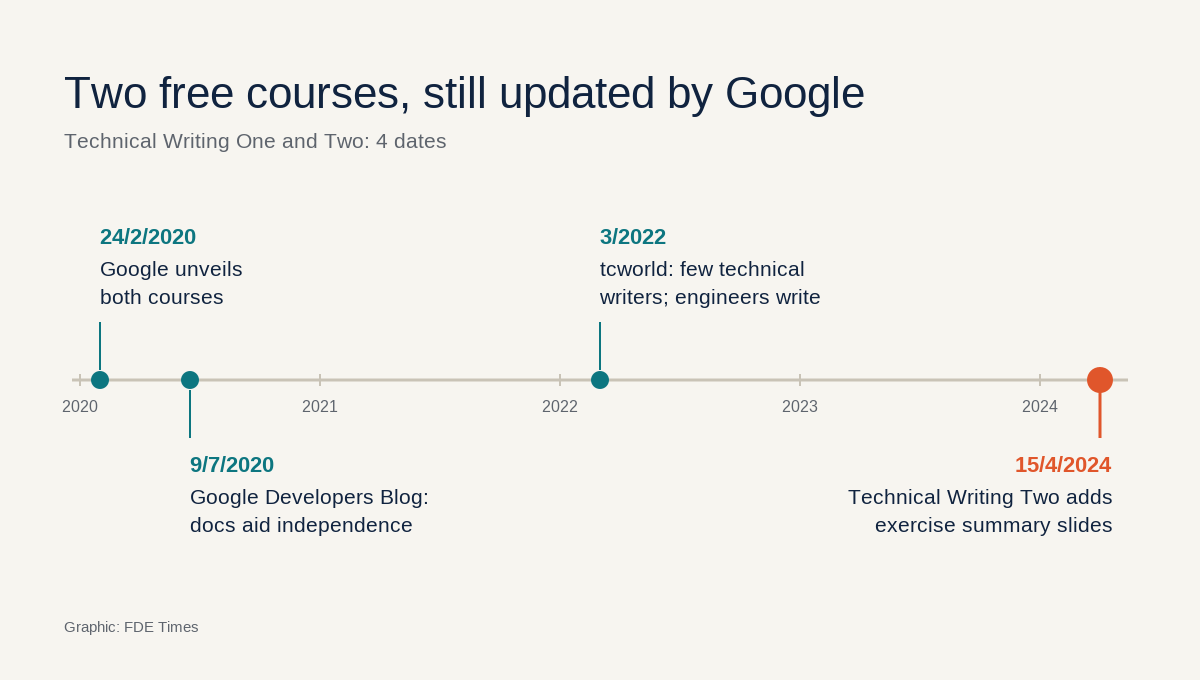
Google's free Technical Writing One and Two courses teach engineers to write handover docs a customer team can run without calling back.
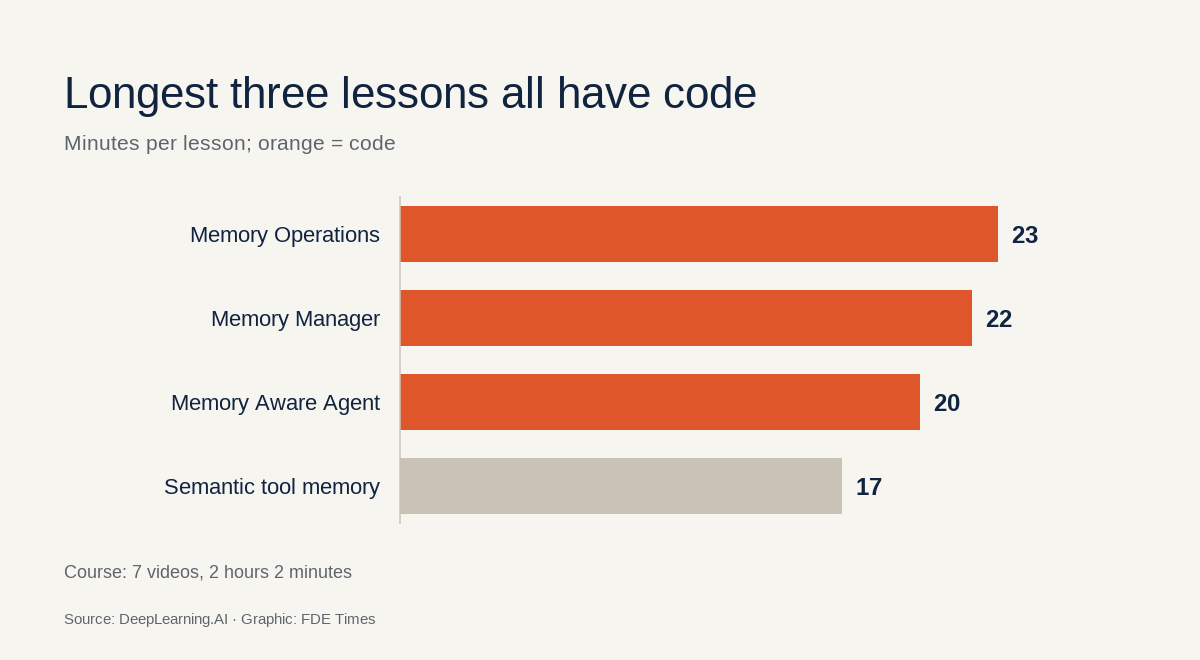
Harrison Chase's 84-minute course splits memory into semantic, episodic and procedural, and that split tells an FDE where to fix an error that keeps coming back.
Docs for Developers, built around an API that translates dog barks, was not written for FDEs but maps onto handover; buy the second edition.
Edmond Lau's The Effective Engineer calls it leverage, value per hour invested, and it settles the order of work when everyone onsite says their task is urgent.
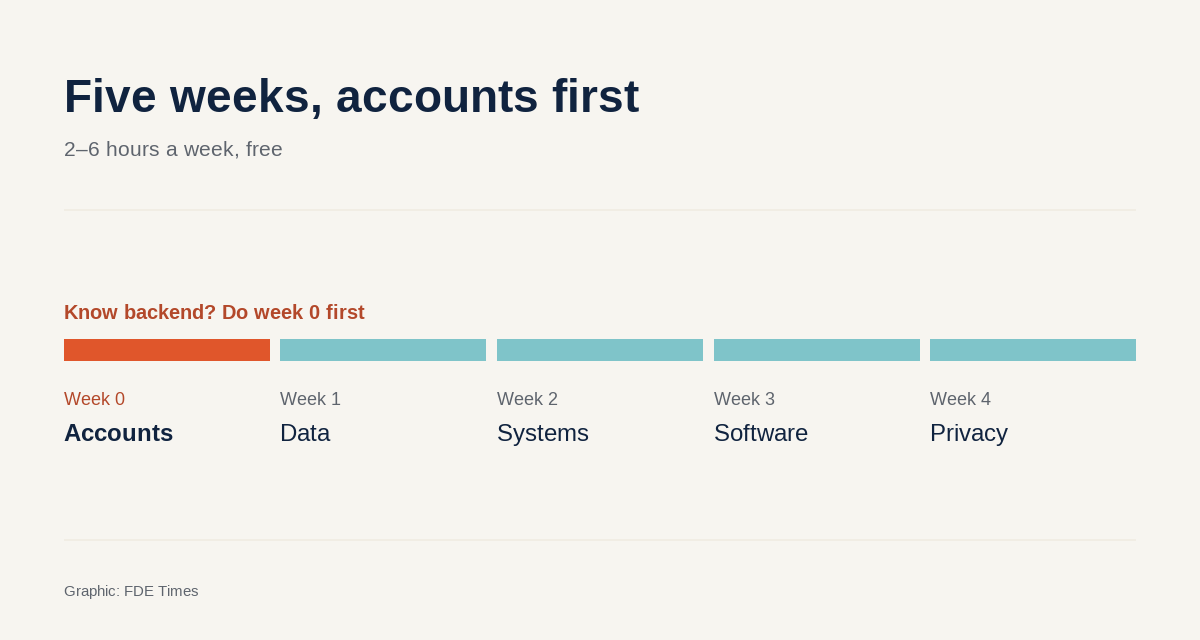
Six parts are enough before going onsite, and the new chapter on data preparation comes before any talk of fine-tuning.
DeepLearning.AI's short course teaches FDEs to chain and measure model calls, but it is no ticket to production.
Cohen and Bradford's exchange model, written for flat organisations, maps closely onto an FDE stuck waiting for data access.
Machine Learning in Production teaches scoping, baselines and concept drift well; the measurements each client needs are still yours to build.
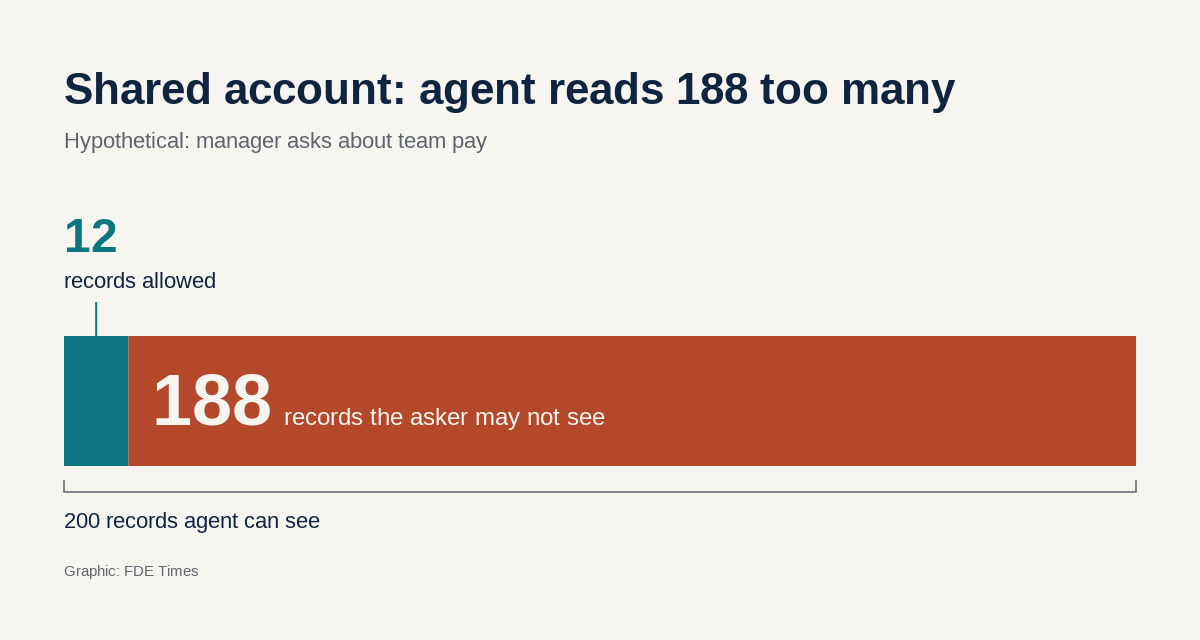
Before an agent touches a customer's real data, you must be able to say whose authority it is acting under and what trail it leaves behind.
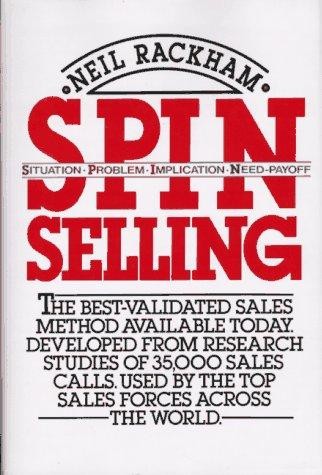
Neil Rackham's SPIN Selling, built from more than 35,000 observed sales calls, shows how questions turn a client's complaint into a need worth investing in.
Its dullest-sounding notebook teaches the habit that keeps client-facing numbers honest: lock away the test set before it sways any decision.
Drew Hoskins, an engineer turned product manager, writes for engineers whose real users never sat in the requirements meeting.
Will Larson's An Elegant Puzzle offers no recipes; it teaches new leads to draw, measure and fix a team as a system.
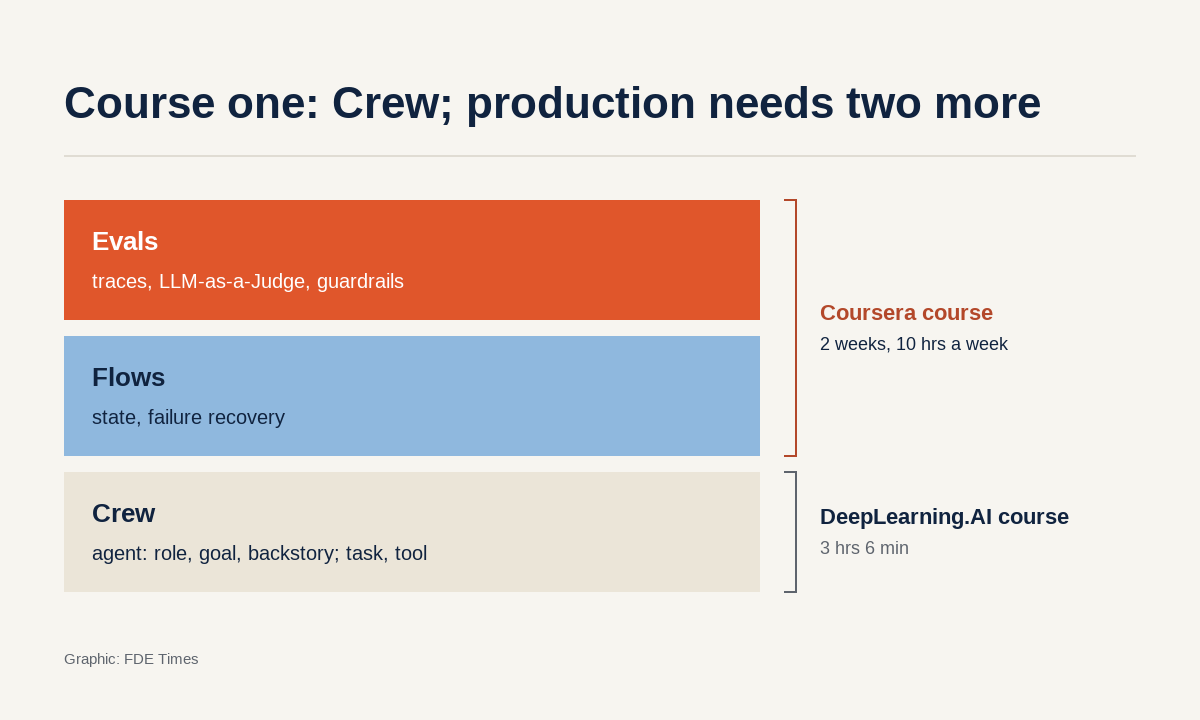
João Moura's DeepLearning.AI course maps neatly onto customer workflows but barely touches what keeps a system standing on real data.
The DeepLearning.AI and Nexusflow course ends by turning support transcripts into SQL rows, but has gaps worth knowing before you copy its habits.
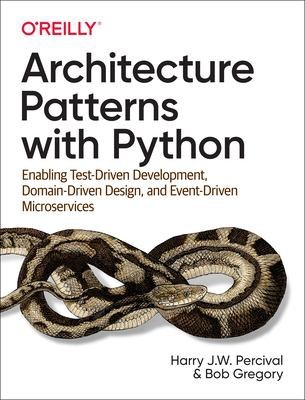
Architecture Patterns with Python, by two former MADE.com engineers, shows how one Flask route grows into a Big Ball of Mud and how to stop it.
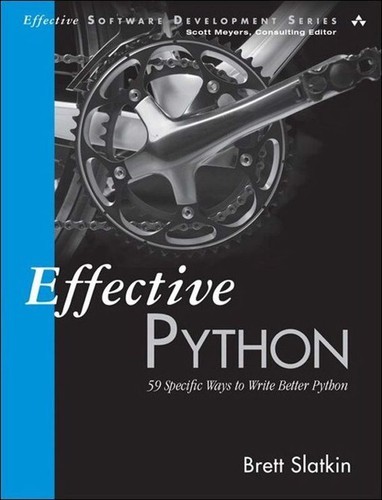
Brett Slatkin's third edition, 125 items updated to Python 3.13, works best as a checklist for inherited code rather than read cover to cover.
Its first three units, built on the small SmolLM3 at three to four hours a week, are worth an FDE's time; a GPU helps but may not be needed.
Going from four engineers to six adds half the people but lifts communication channels from six to 15, by Fred Brooks's arithmetic in The Mythical Man-Month.
Chip Huyen's CS 329S gives 65 per cent of the grade to a real app, but its sessions on monitoring and distribution shift matter most to FDEs.
Brian Okken's Python Testing with pytest is most useful to FDEs for one skill: writing tests the next engineer can read and trust.
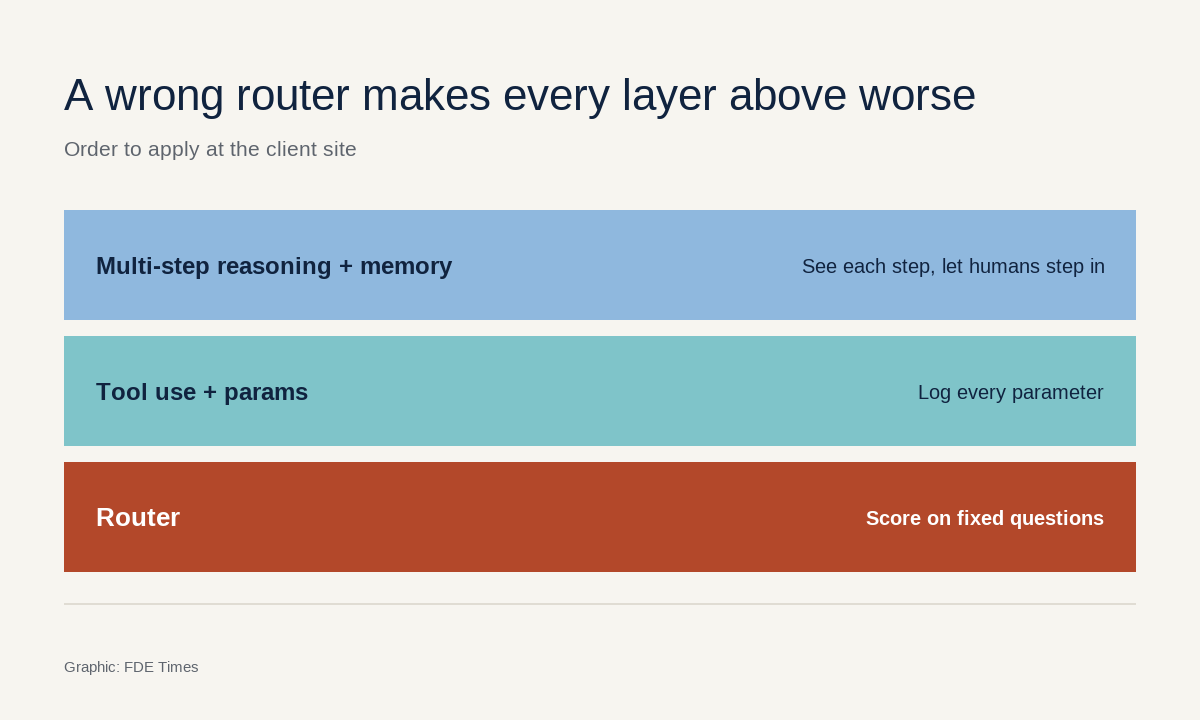
Jerry Liu teaches routing, then tool use, then multi-step reasoning, the order to follow at clients, though some of the API has probably been replaced.
His 2016 book argues customers "hire" products to make progress in a specific situation, and asking about that job helps avoid builds nobody opens after the demo.
The Odin Project's NodeJS course covers routes, authentication, ORMs and testing; experienced engineers can move faster than beginners but should keep its order.
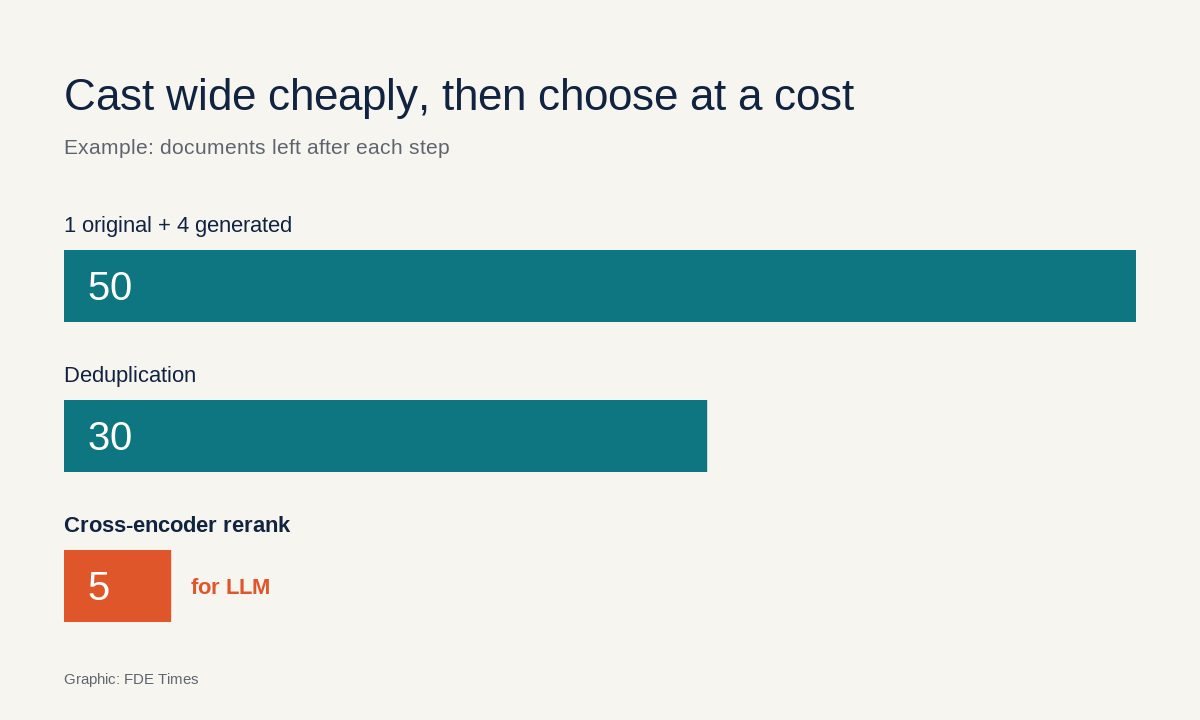
Anton Troynikov's one-hour Chroma course teaches query expansion, cross-encoder reranking and embedding adapters, best tried from cheapest to most expensive.
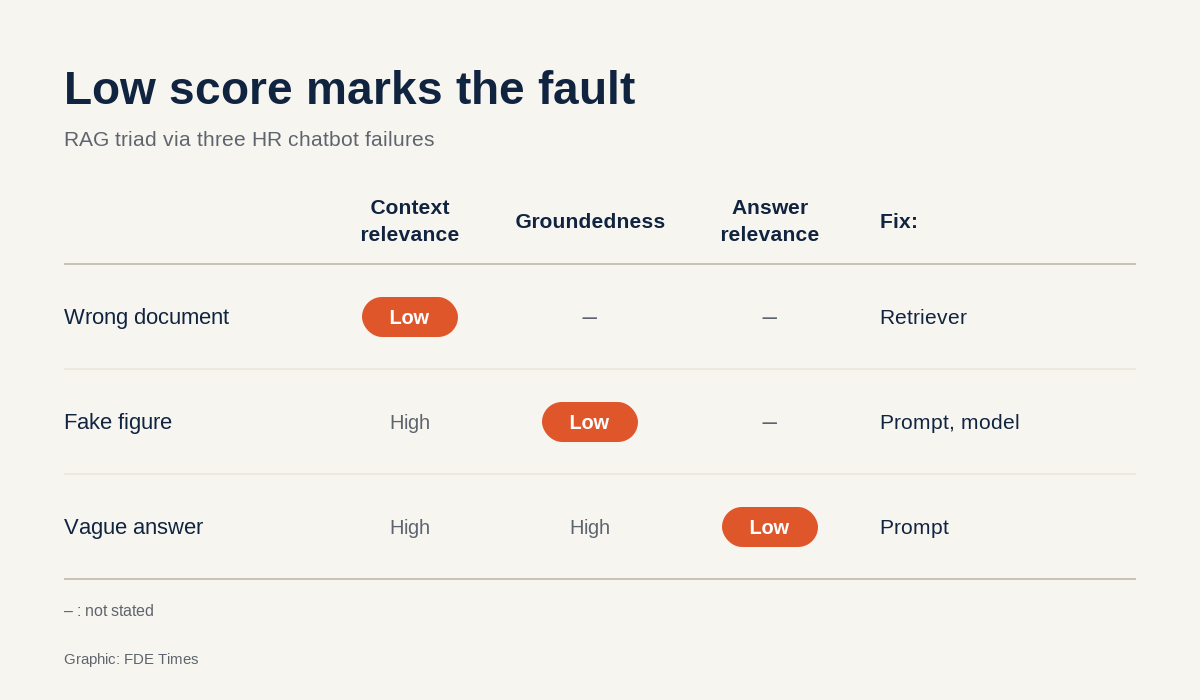
Jerry Liu and Anupam Datta's two-hour course teaches the RAG triad, three checks that show which link between question, context and answer is broken.
Getting to Yes, first published in 1981, teaches FDEs to negotiate scope, deadlines and their own offers by interests rather than a tug of war over positions.
Pair the two-hour DeepLearning.AI and WhyLabs course with SelfCheckGPT and LangKit, and you can answer “does it make things up?” with a number.
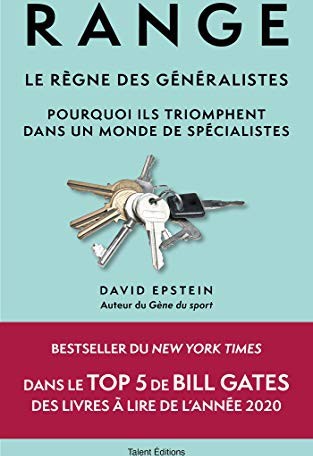
David Epstein's idea of "wicked" learning environments describes a week onsite with a client, and gives generalist engineers a way to explain what breadth is worth.
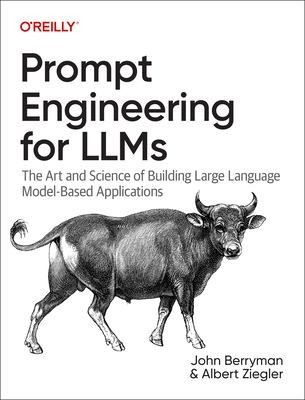
Berryman and Ziegler's Prompt Engineering for LLMs earns its place by teaching how to gather, filter and order context for every request.
The DeepLearning.AI short course teaches memory pipeline design that carries to any client; its Oracle database layer can be swapped out.
Its most memorable advice fits in one line, don't give an agent 300 tools, and the chapters FDEs need most sit in the second half.
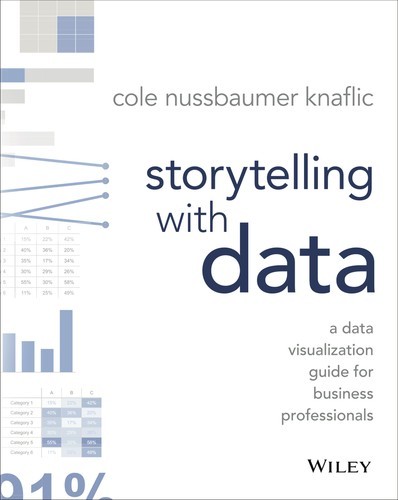
Cole Nussbaumer Knaflic's 2015 book Storytelling with Data starts where FDEs should, with the one person who decides whether to scale or stop.
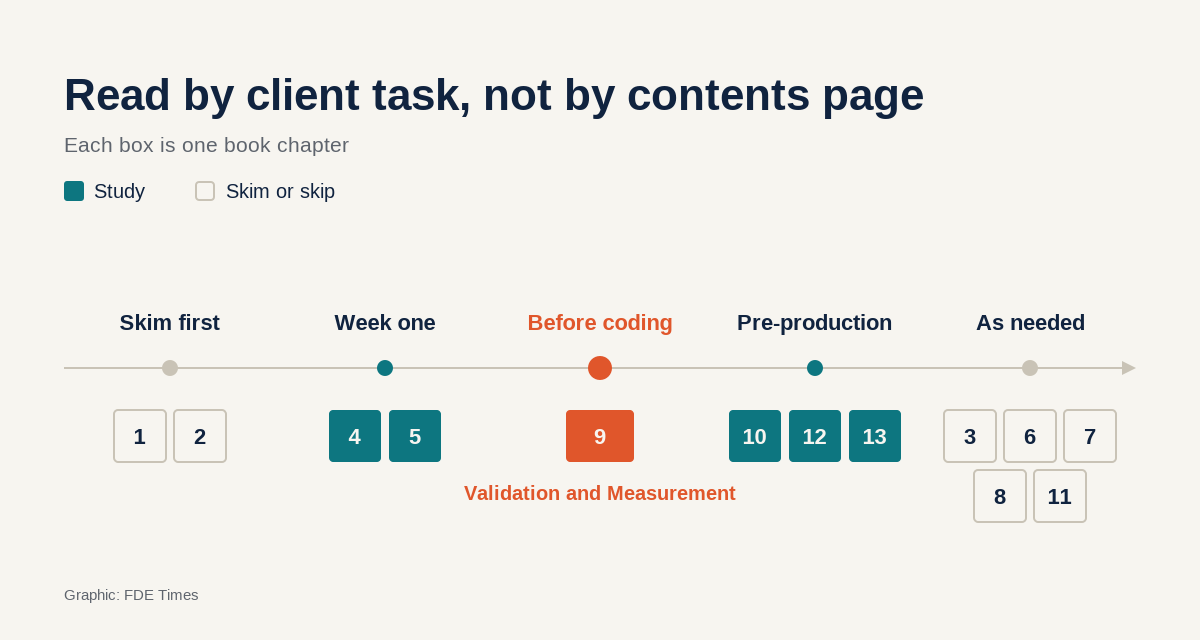
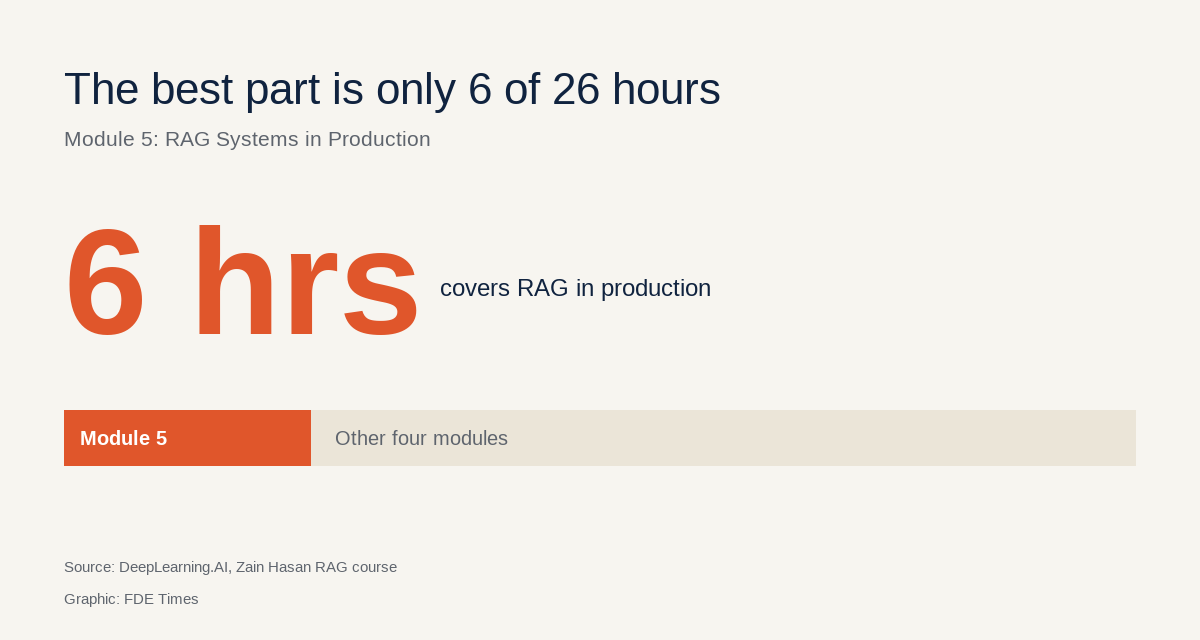
Zain Hasan's 26-hour, five-module course saves production for the end, so FDEs who study in order risk quitting before the part that matters most.
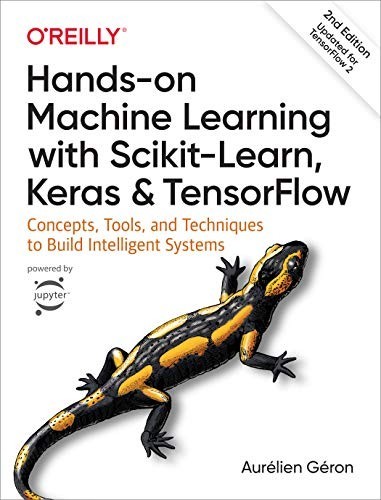
A large part of the 2018 O'Reilly book covers scaling and managing change, which explains why a client's API looks as it does, and where it will break.
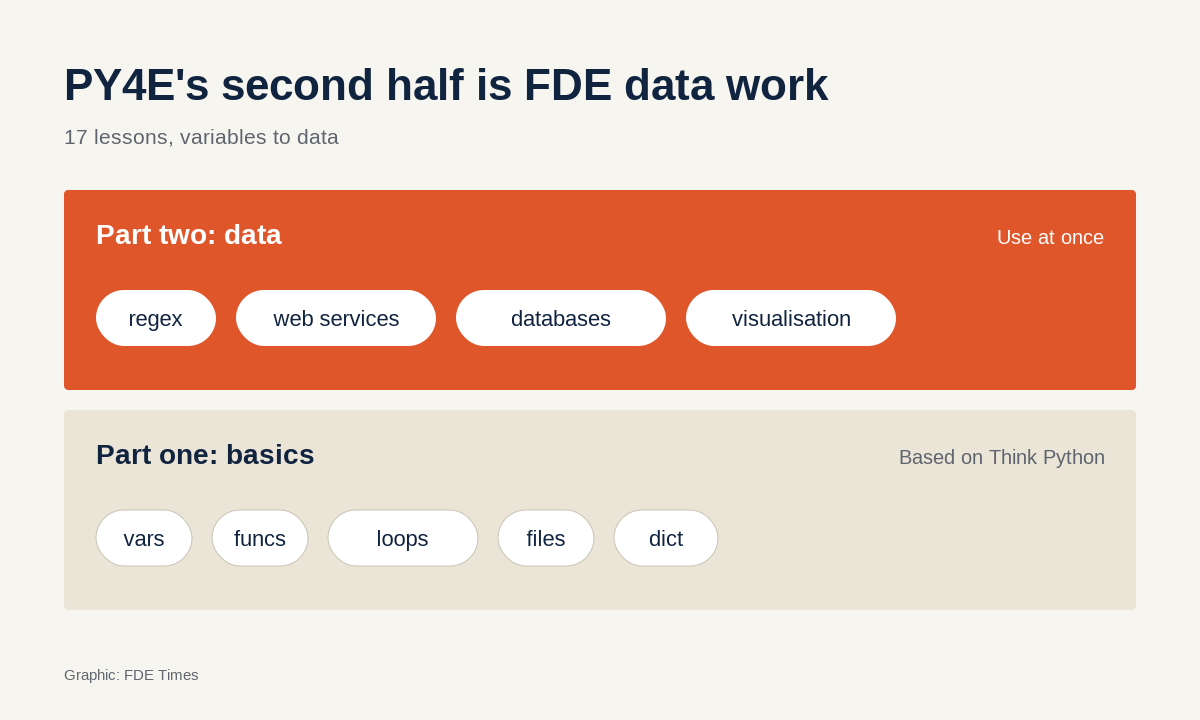
Lessons 12 to 17, on regex, web services and databases, mirror the messy exports and undocumented endpoints customers hand over, and the whole course is free.
Douglas Hubbard defines measurement as reducing uncertainty, which turns “we can’t measure that” into a range of numbers, sometimes from as few as five samples.
Skim the lessons that amount to Microsoft product documentation, and spend your time on running agents in production and on when not to use an agent at all.
Data classes, type hints and concurrency are what you must read fastest in your first week at a client, though the book is no primer for Python beginners.
The 2013 DevOps novel opens with a missed payroll and shows how one brilliant but overloaded engineer can block an entire system.
More than 1.5 million people took the November 2025 run, so the certificate is no edge; what counts is what you bring to a customer.
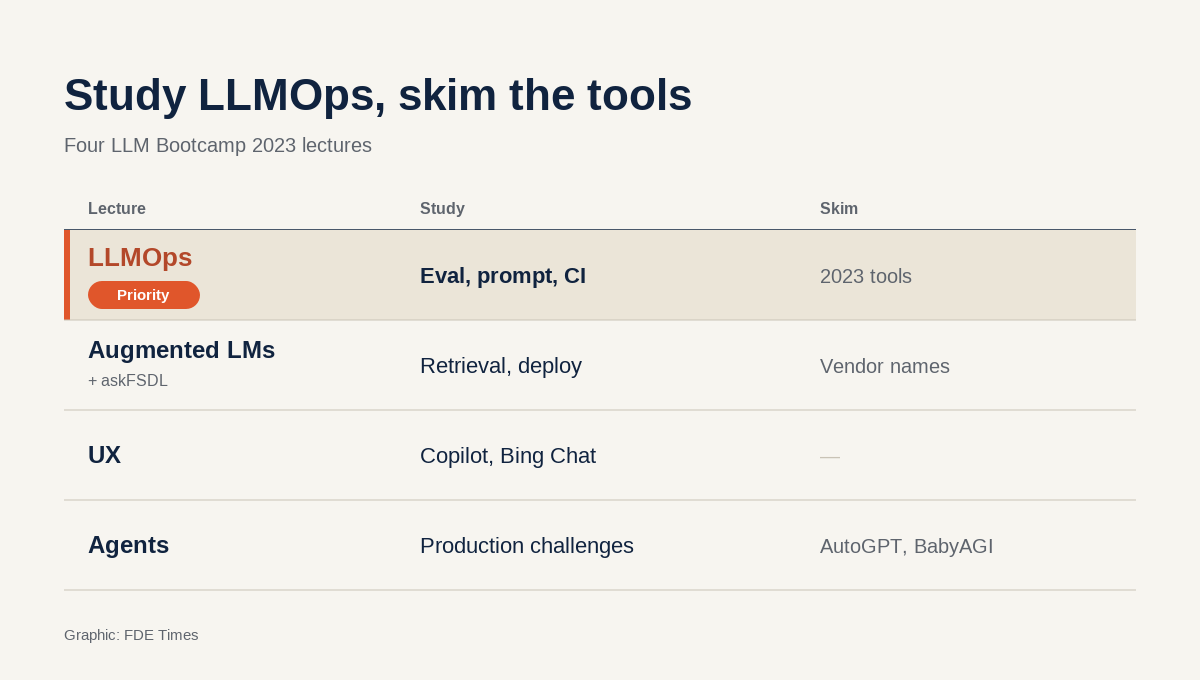
Full Stack Deep Learning's free course names tools from 2023, yet its lessons on retrieval, testing and shipping LLM apps still map onto FDE work.
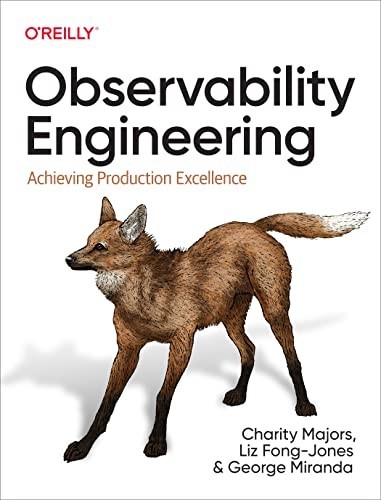
Honeycomb’s Observability Engineering teaches you to question the data rather than the longest-serving engineer; check the edition first, as the second is twice as long.
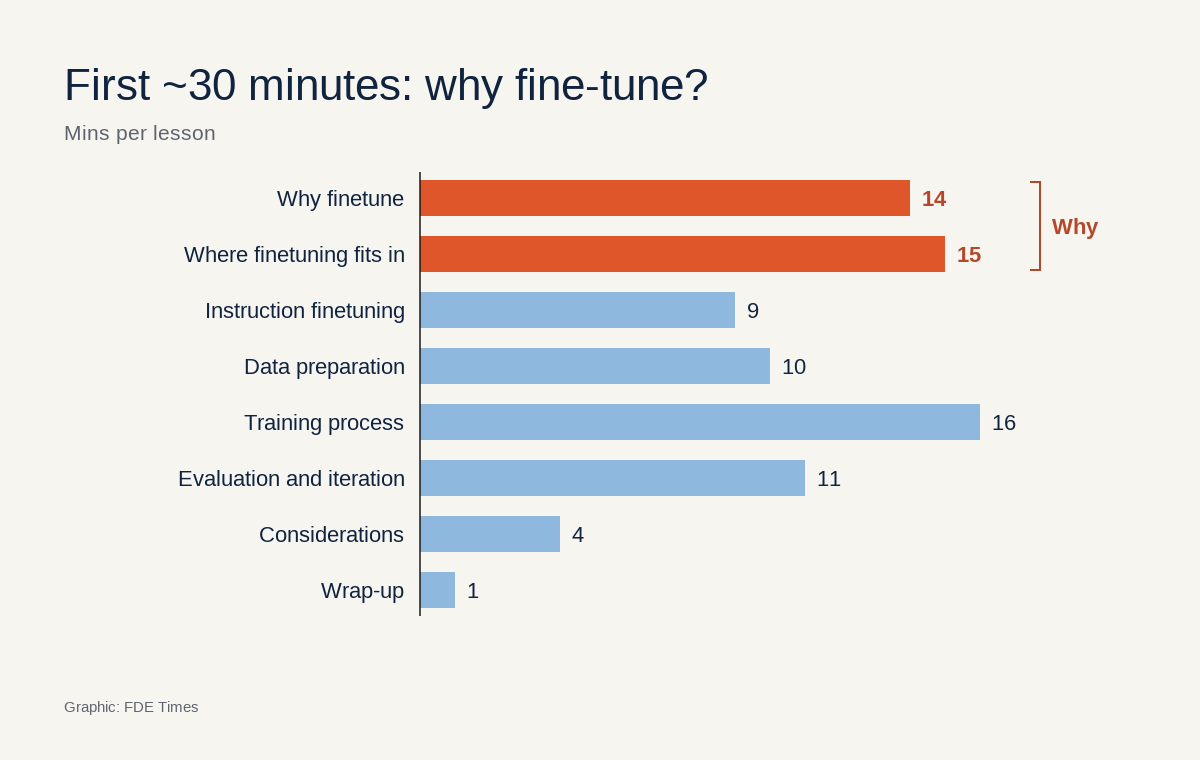
Nearly 30 of the 95 minutes in Sharon Zhou’s DeepLearning.AI course answer the question customers actually ask an FDE: should we fine-tune at all?
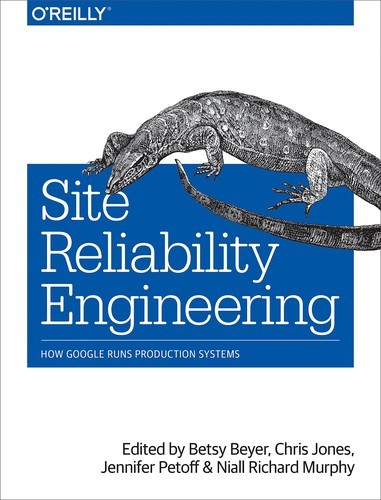
Google's SRE book replaces it with an error budget that is written down and agreed before anything breaks, and an FDE needs to read only three chapters.
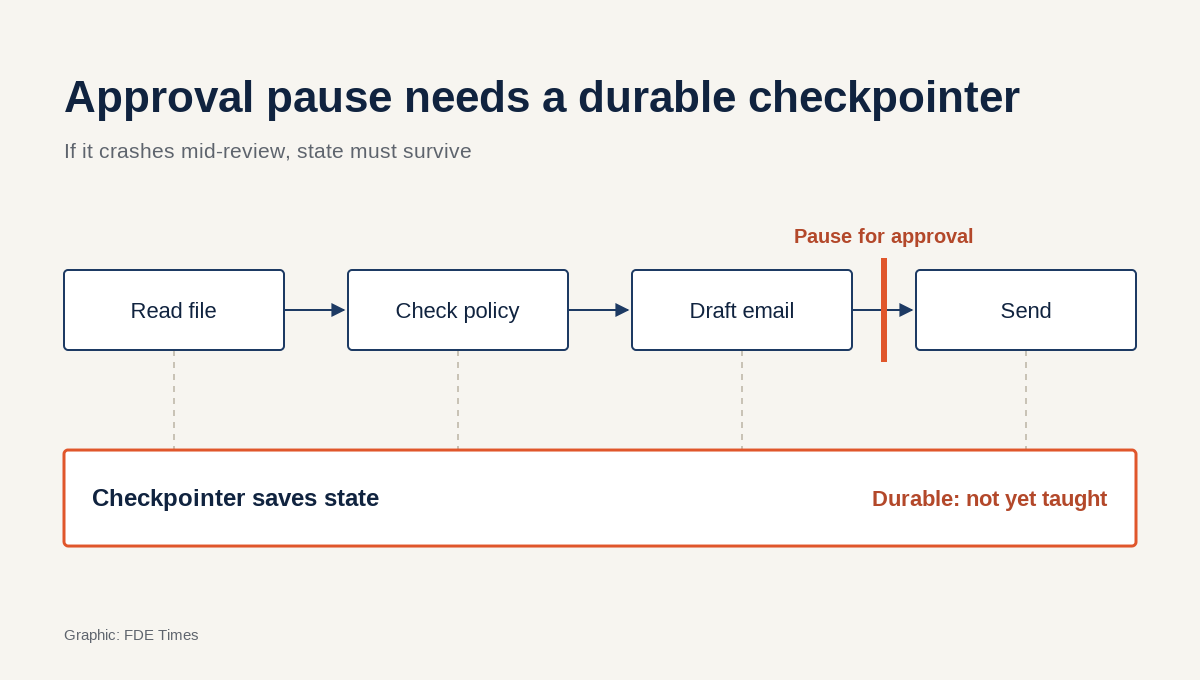
Harrison Chase and Rotem Weiss cover where an agent stops and who approves it; what happens when the server dies mid-run gets only an introduction.
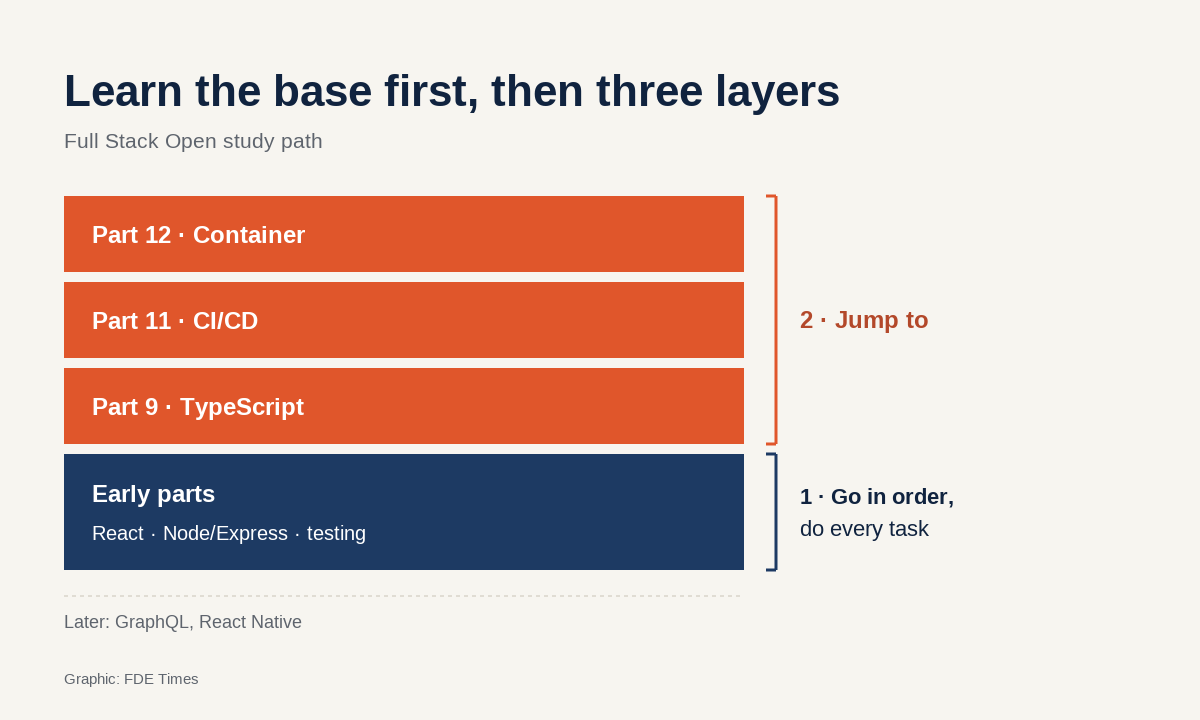
Helsinki launched it in 2019 because "full stack" topped job ads; its 14 parts now run from React through CI/CD to containers.
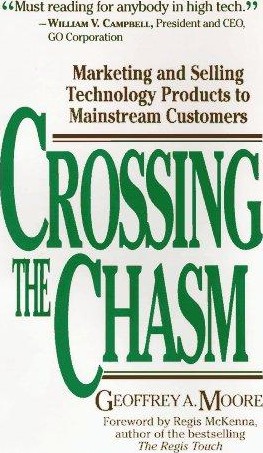
Geoffrey Moore's 1991 Crossing the Chasm argues visionaries buy change while pragmatists buy stability, so FDEs must deploy differently for each.
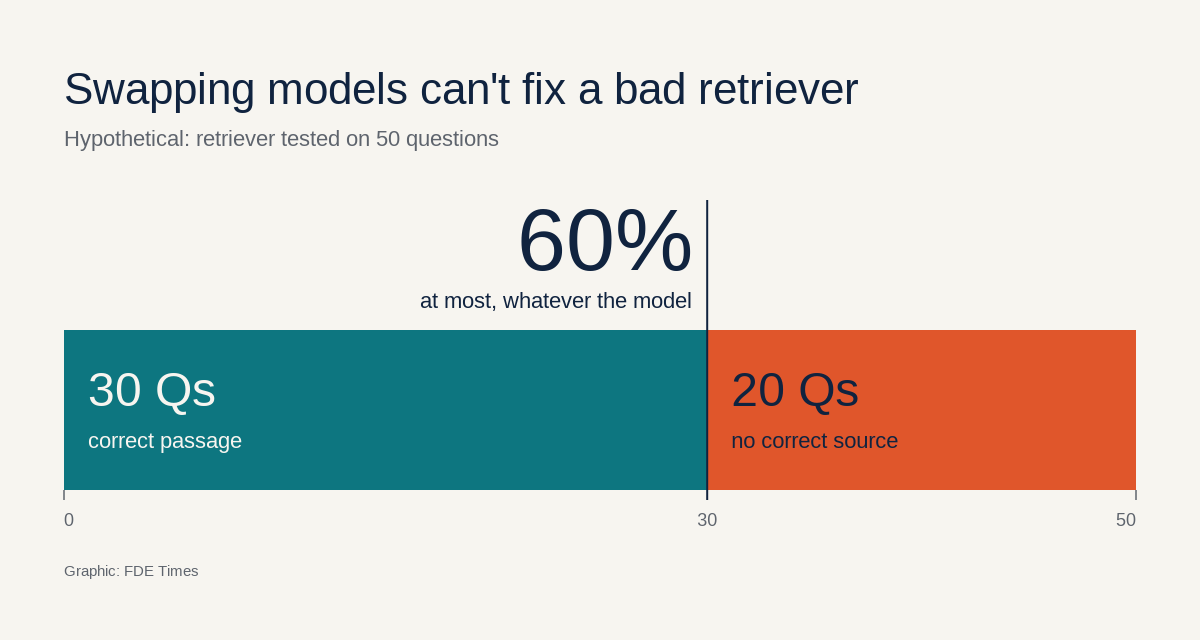
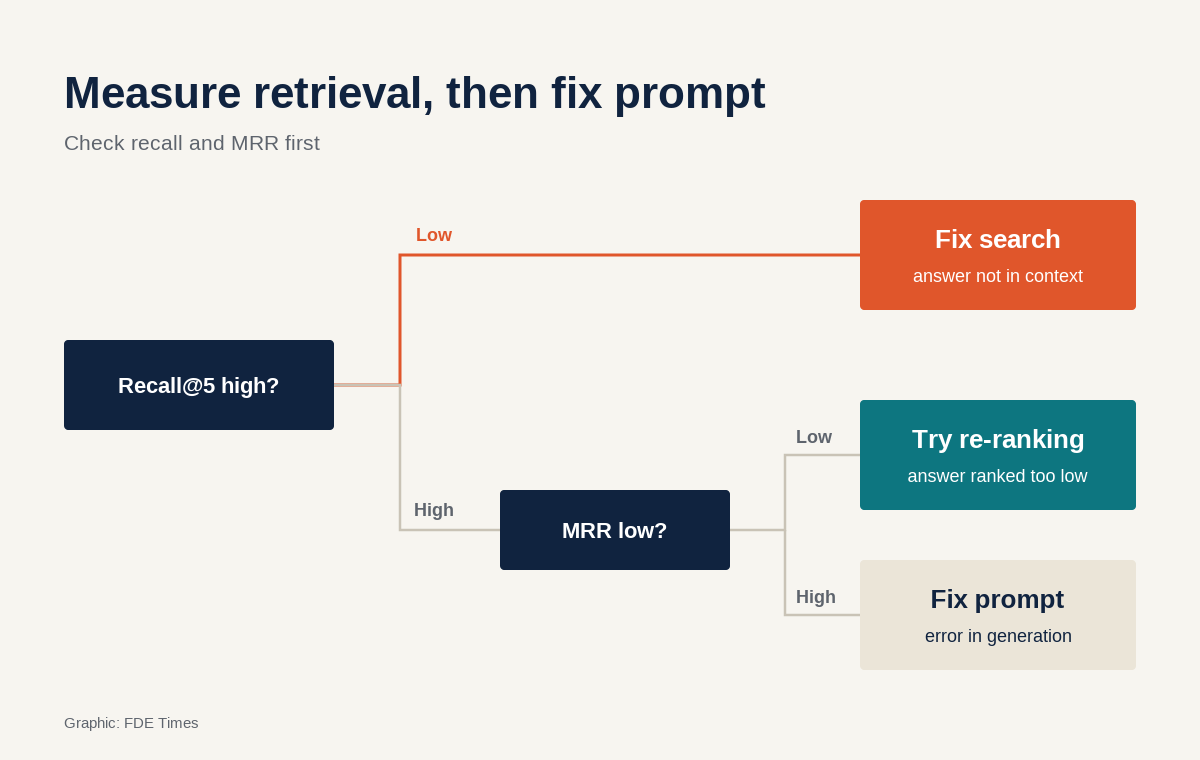
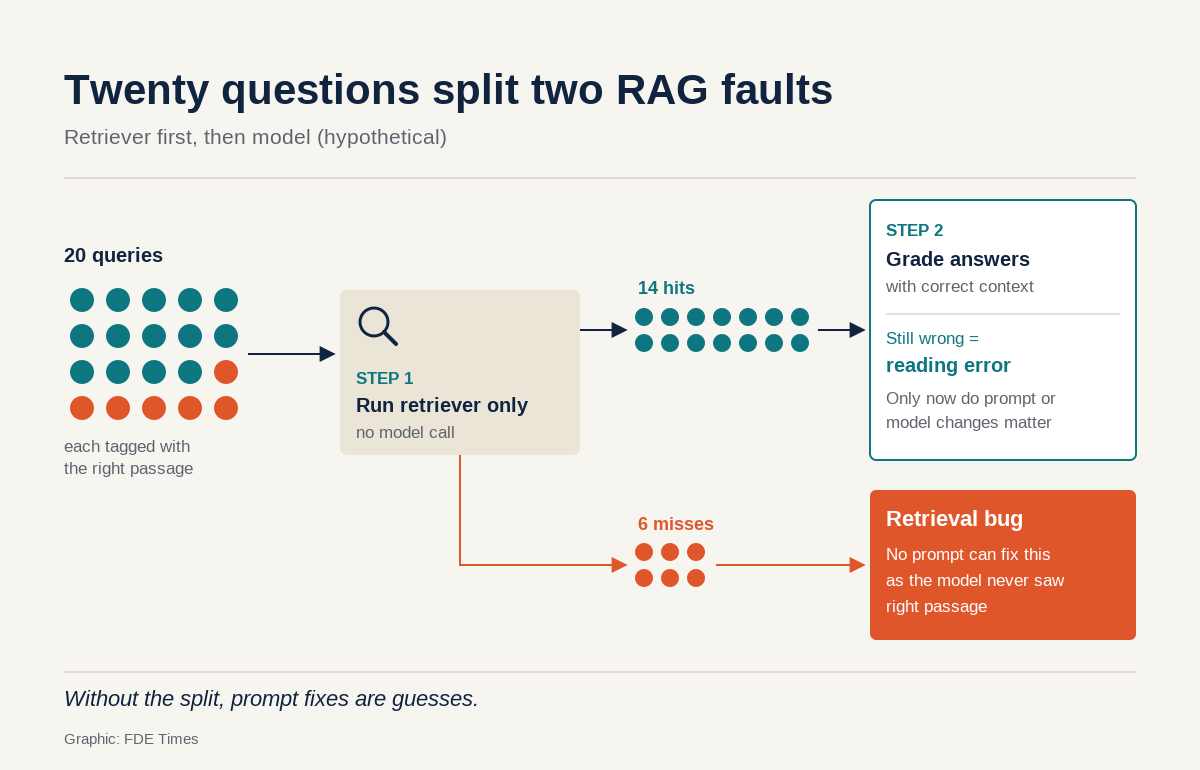
The Instructor creator's Maven course teaches measuring precision, recall and MRR on test questions, because no prompt rescues a retriever that fetches the wrong document.
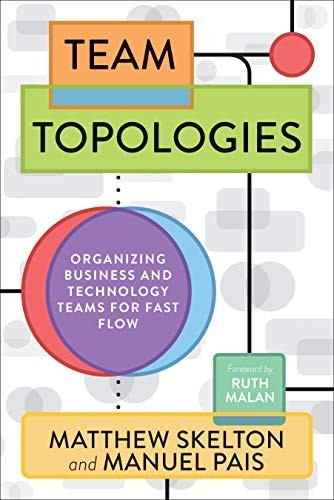
Team Topologies’ enabling team closely matches the FDE role, though Docker admits its own first attempt at the model failed to reduce cognitive load.
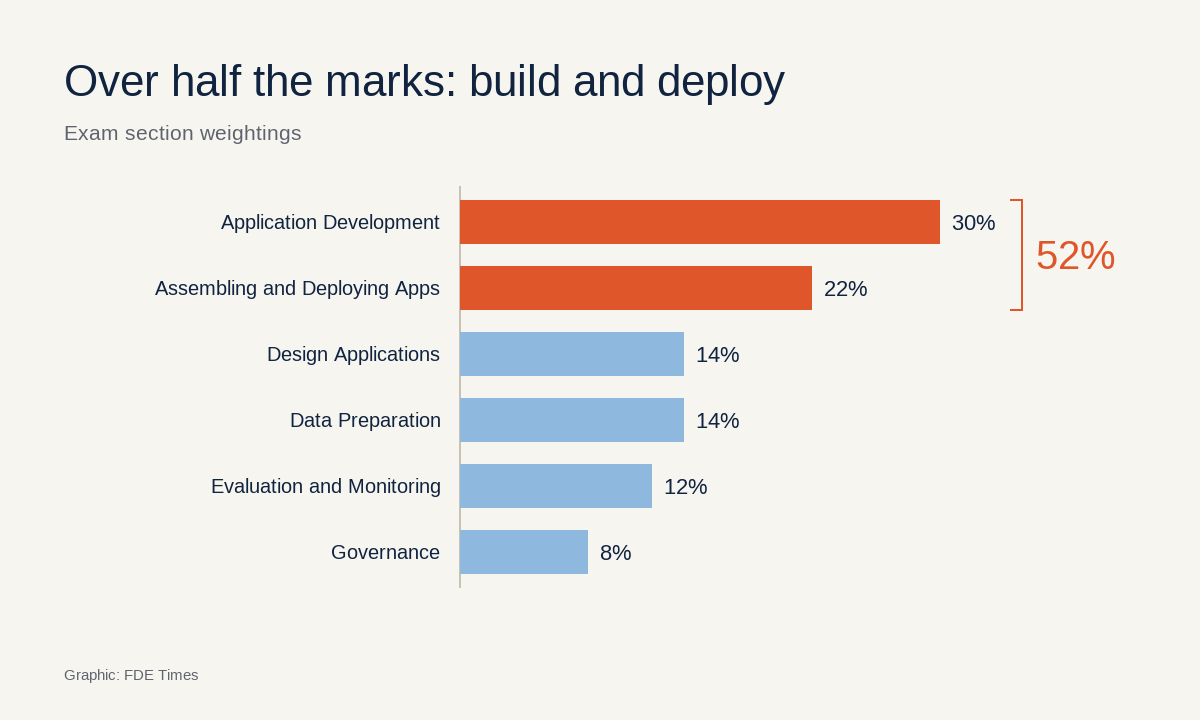
For FDEs whose clients already run on Databricks, the weightings track a first RAG and agent project closely, while governance counts for just 8%.
A short course from DeepLearning.AI and Arize teaches you to score the router and each skill separately, alongside the end-to-end flow.
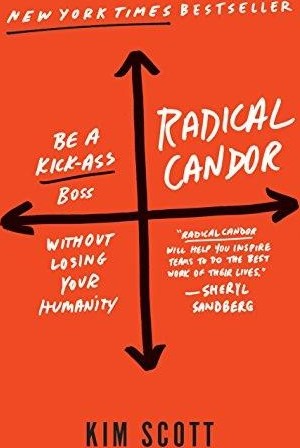
Kim Scott wrote Radical Candor for bosses, but it also shows how to deliver bad news to clients, people you have no authority over.
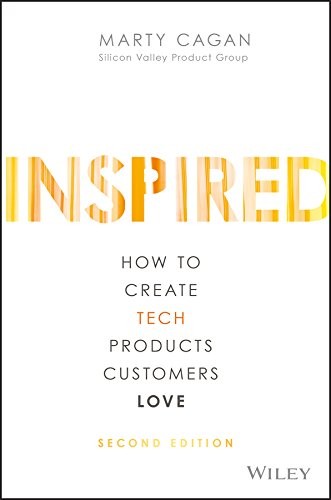
Marty Cagan's Inspired, written for product managers, teaches FDEs to measure outcomes rather than output, and which chapters they can skim.
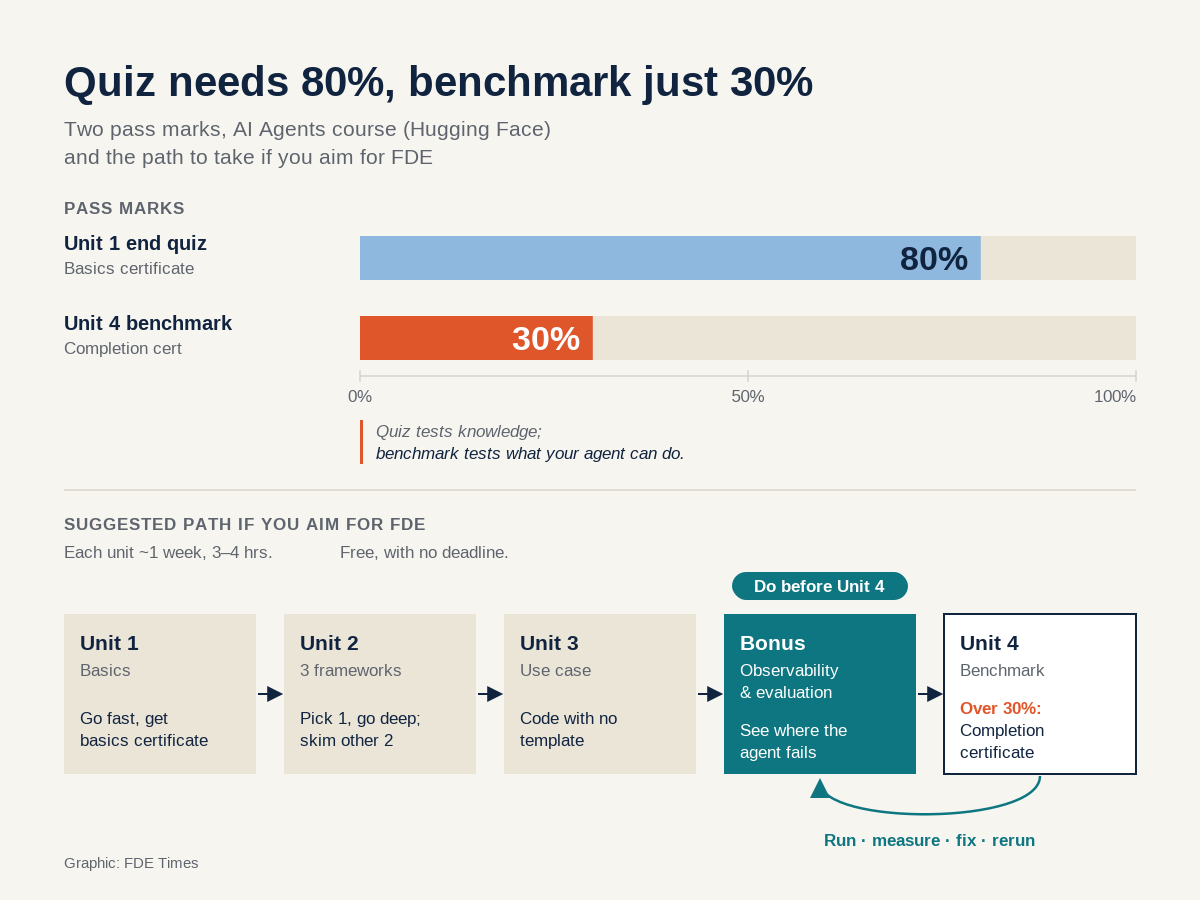
Each unit takes about a week at three to four hours; rush Unit 2, but keep Unit 1, which supplies the vocabulary you need in front of clients.
The June 2025 refresh of Cloud Practitioner Essentials added AI and machine learning lessons, the kind of deployment FDEs now ship.
Every chapter runs on a free Colab GPU; read the RAG chapter first, then borrow the drawings to explain wrong answers to clients.
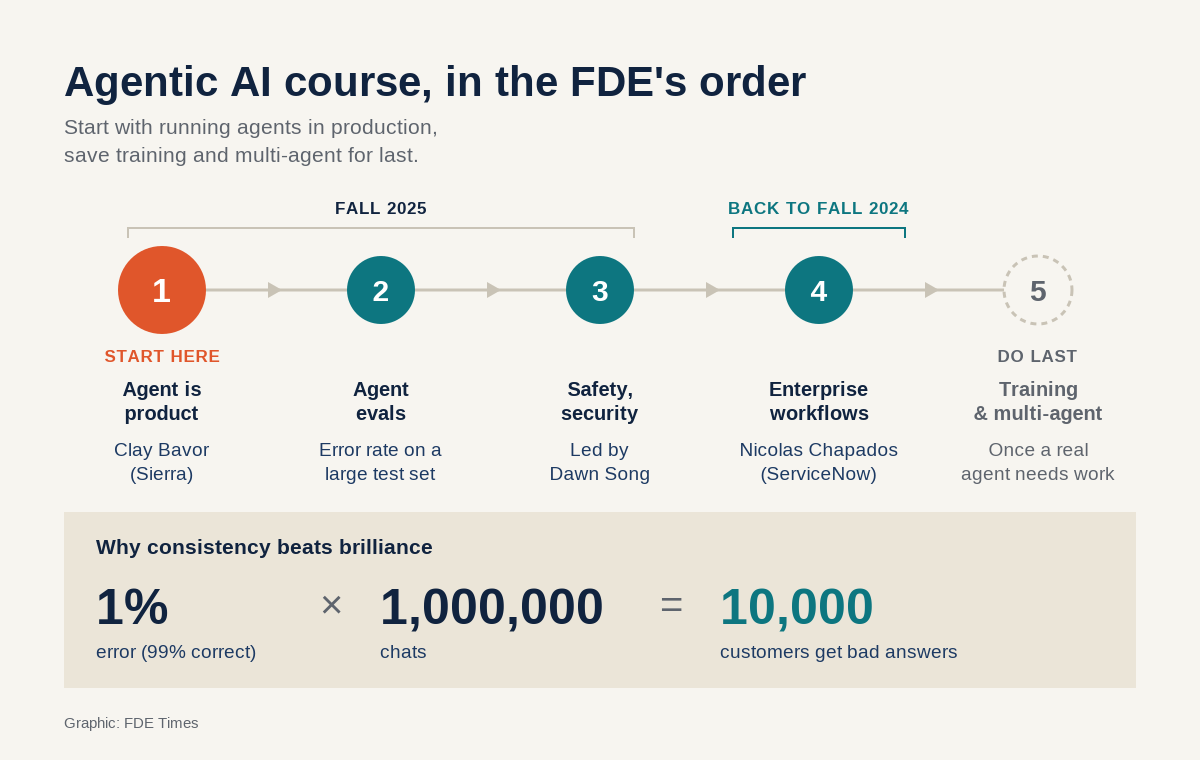
Clay Bavor's talk on real-world deployment treats agents as products rather than technology, which is exactly an FDE's job at a customer.
Michael Feathers's Working Effectively with Legacy Code shows how to add AI features to a client's untested system without breaking what already runs.
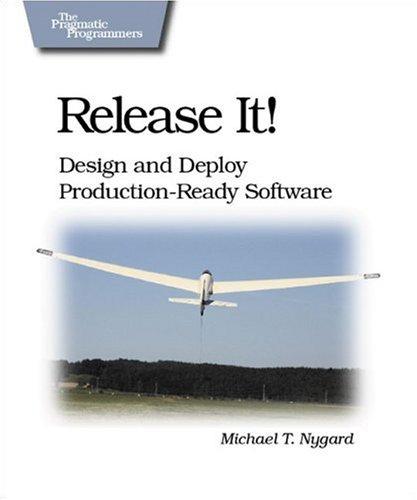
A client API hanging 30 seconds per call can drain your threads in five seconds; Nygard's patterns stop that cascade at design time.
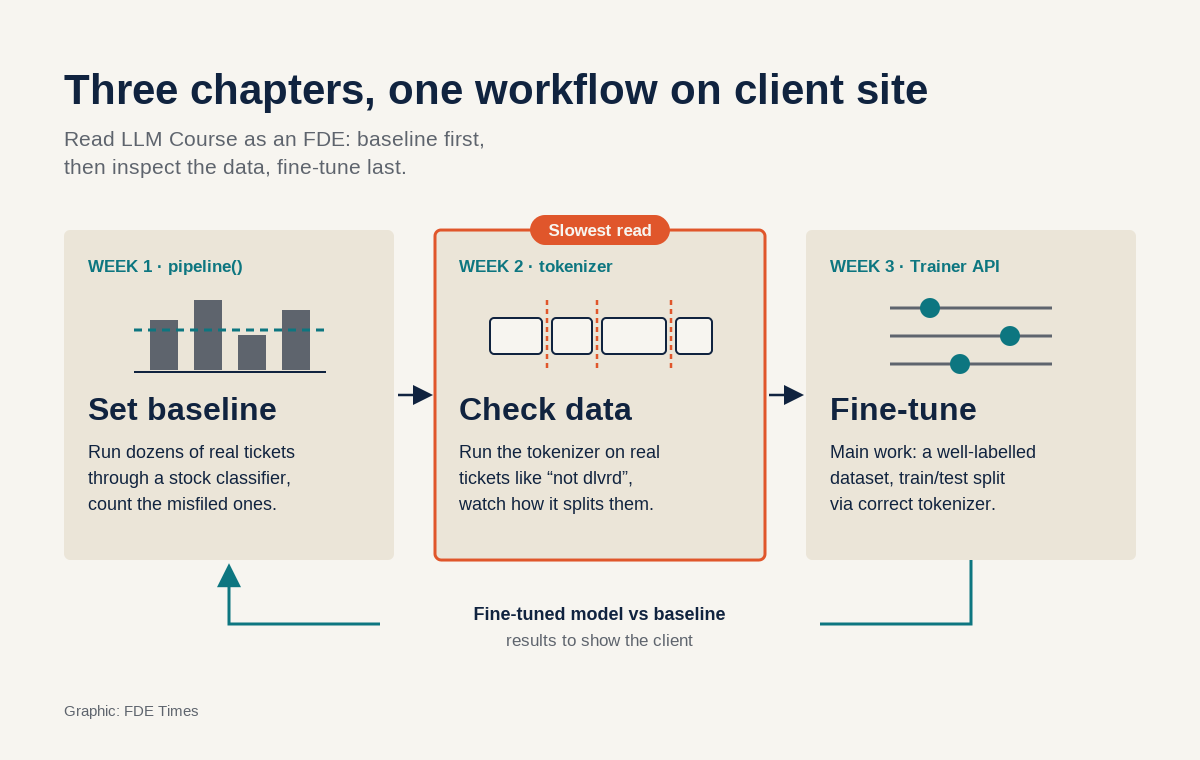
The first three chapters follow a client engagement, from a pipeline() baseline to inspecting the data, and the whole course is free and open source.
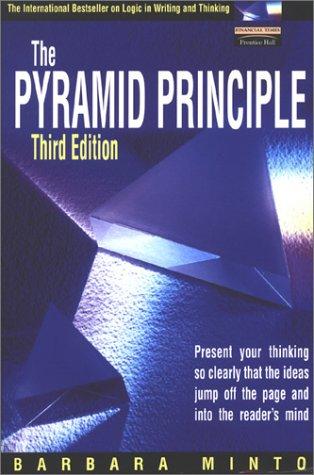
Client leaders may read only a few lines before deciding whether to go on, so the answer must come first, the habit consultants call “make it Minto”.
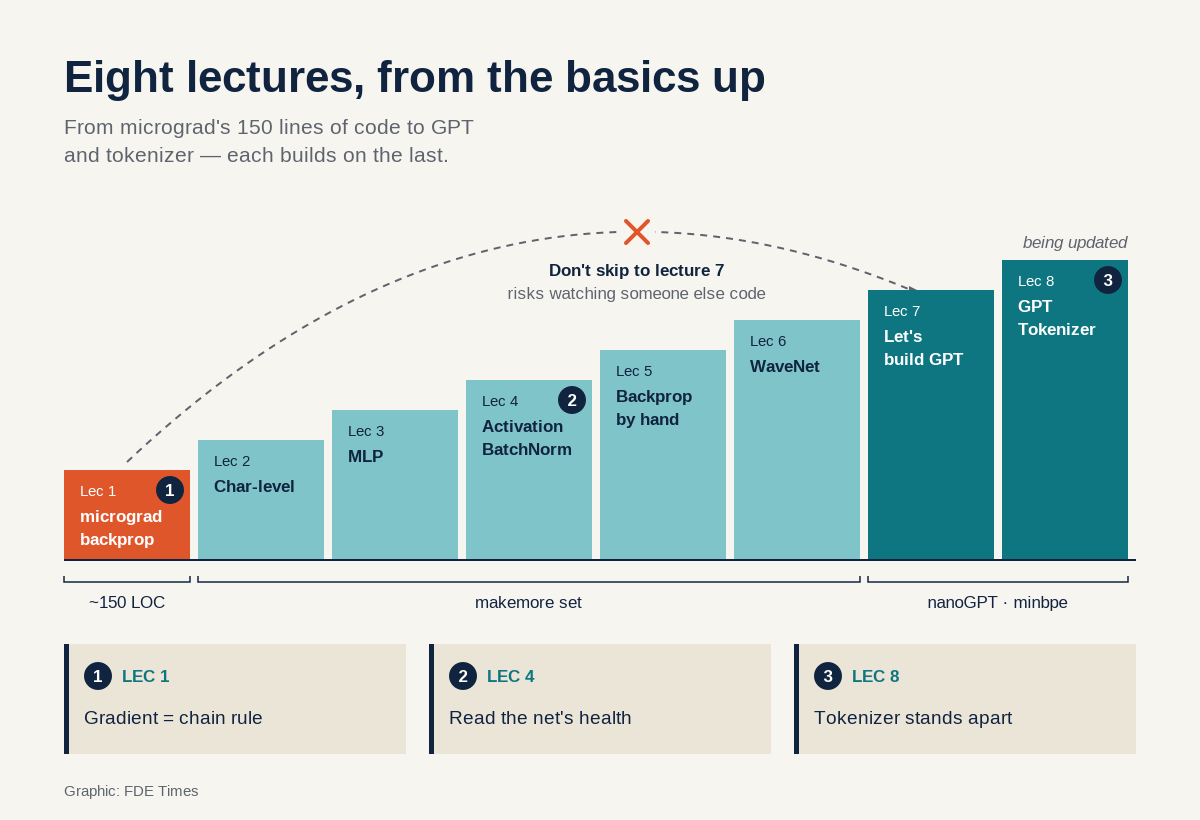
Andrej Karpathy's free course runs from a 150-line autograd engine to a tokenizer, and jumping straight to lecture seven skips the most valuable part.
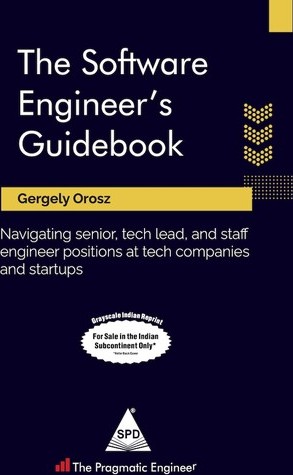
Read it as a reference, not cover to cover: its six parts are graded by level, and would-be FDEs should start with the chapter on changing jobs.
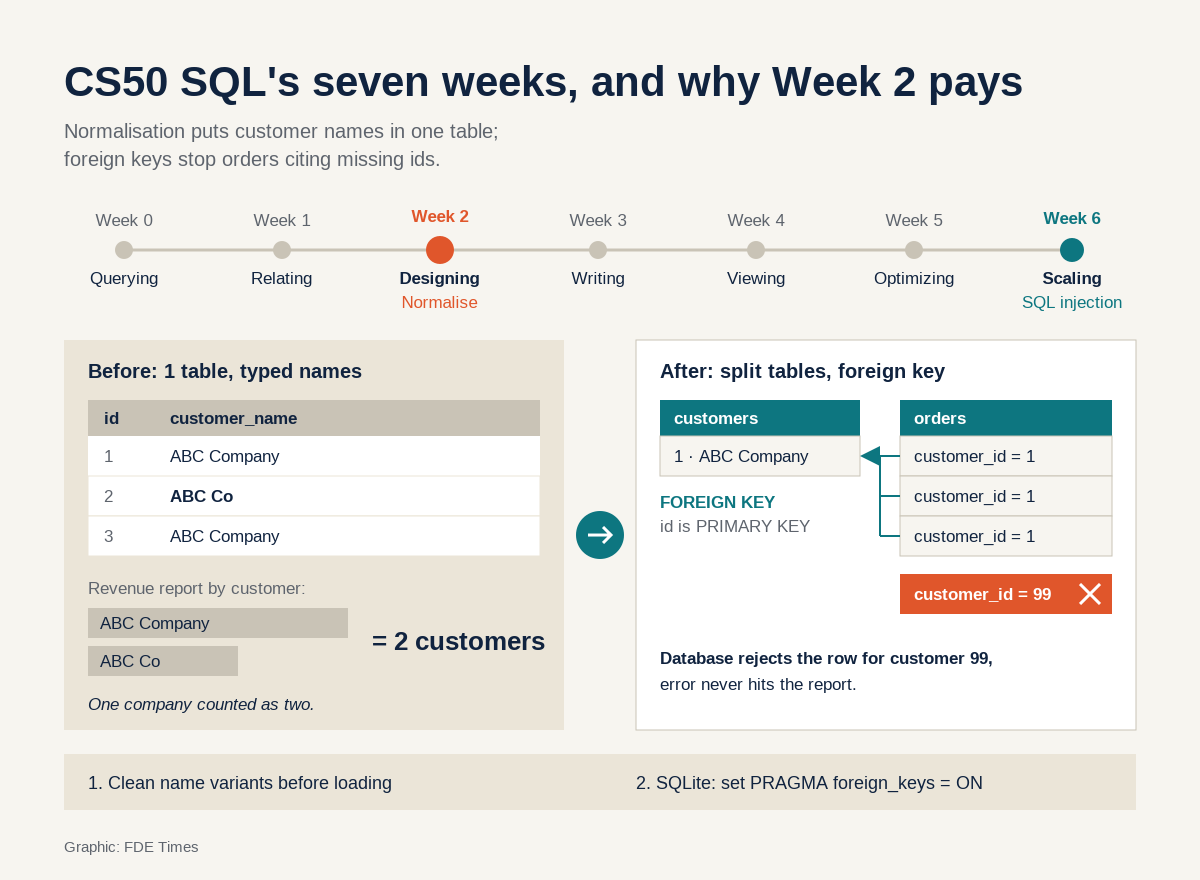
CS50 SQL spends seven weeks on querying, table design and scaling with real data rather than toy tables, moving from SQLite to PostgreSQL.
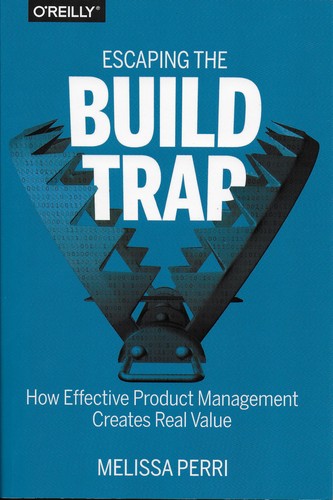
Melissa Perri wrote Escaping the Build Trap for product managers, but her 2018 book is most useful to FDEs who must measure outcomes, not output.
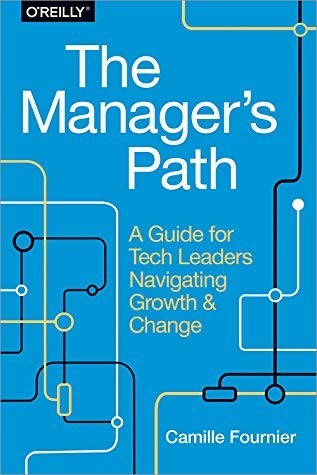
In The Manager's Path, Camille Fournier treats 30% coding time as a tech lead's floor, not a ceiling, and maps each rung from mentor to CTO.
The remake swapped Octave for Python, the notebooks you will meet at clients, and takes about two months at 10 hours a week.
Flawless Consulting holds that a deal is real only when both sides commit something, and the fourth edition adds working with remote and hybrid clients.
Jeremy Howard asks for just a year of coding: lesson one builds a bird classifier on Kaggle, and none of the nine lessons needs your own GPU.
Erin Meyer's The Culture Map helps FDEs who demo to Americans and Germans in the same quarter hear what each client actually means.
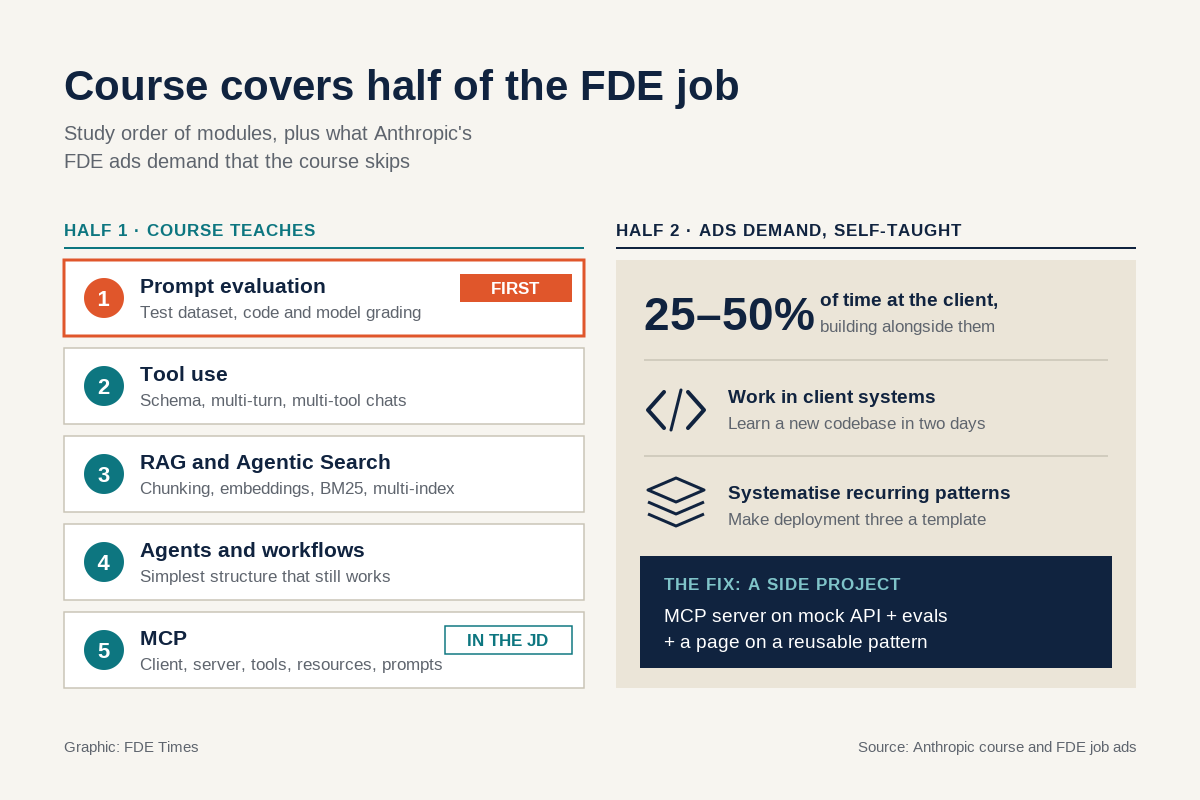
Its MCP and agent modules closely match Anthropic's own FDE posting, and the module to take first is prompt evaluation, not RAG.
The 2018 book, built on four years of DORA research, trains the first skill an FDE needs on site: measuring a client's delivery before proposing anything.
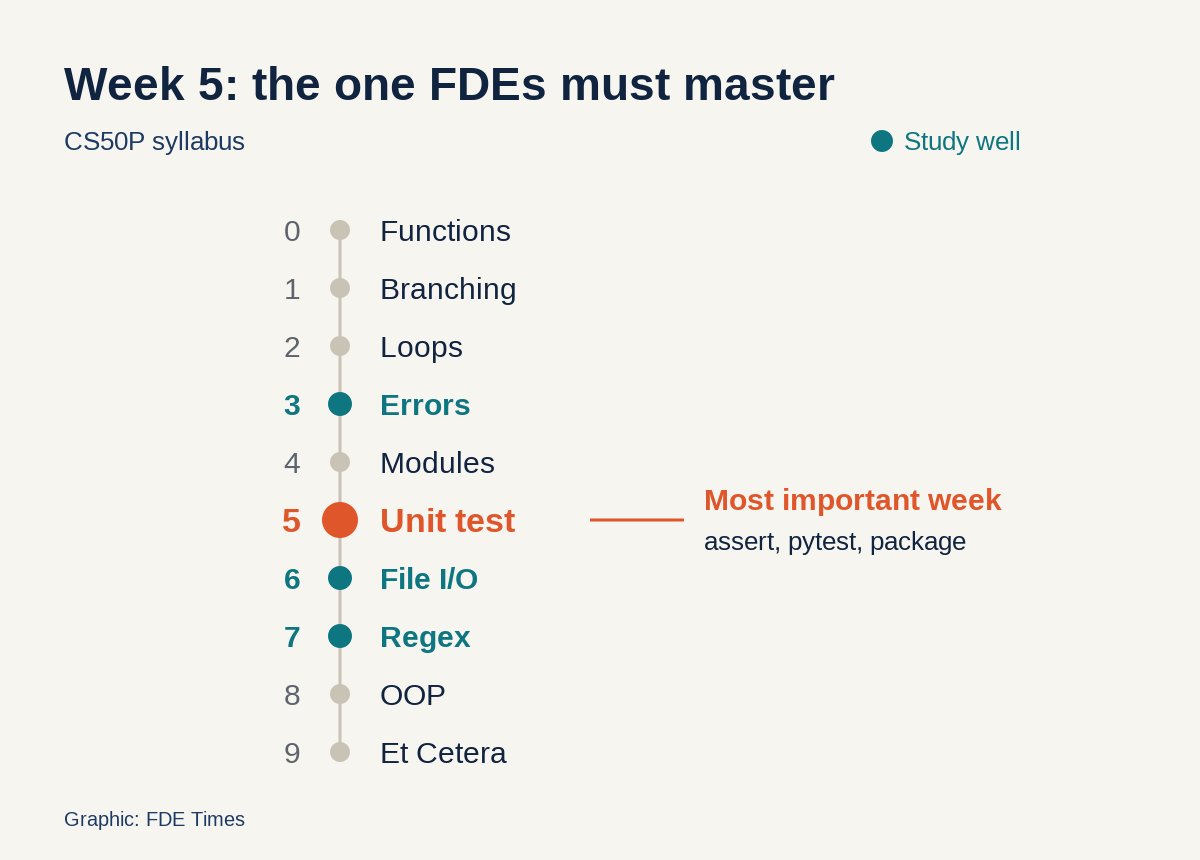
Week 5 of CS50P teaches assert, pytest and packaging, the baseline for code that runs on client data and that someone else will inherit.
Its tip to provide options, not excuses, is how an FDE delivers bad news when there is no team lead to absorb it.
Kleppmann and Riccomini keep the core trade-offs but show where they now sit, which decides how fast a client's cluster scales and where the bill comes from.
Kimball's The Data Warehouse Toolkit named the mechanism long ago, and dbt snapshots still implement his fix for it, SCD Type 2.
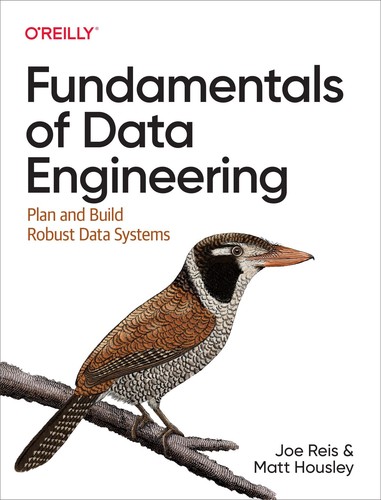
Tools have churned since 2022, but the book's six undercurrents remain the questions an FDE should bring to a first customer meeting.
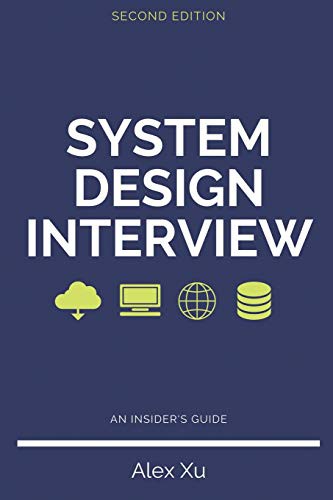
The book still earns its place for FDE candidates, because its four-step answer framework mirrors a first working session with a client.
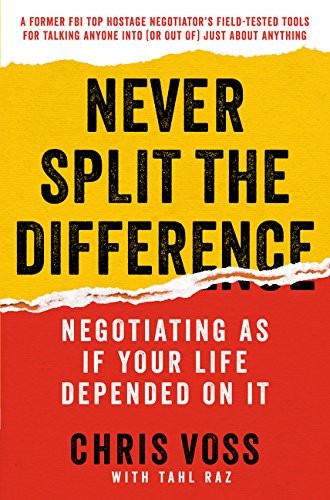
Chris Voss's book replaces the choice between yes and no with one question that hands the client's problem straight back to them.
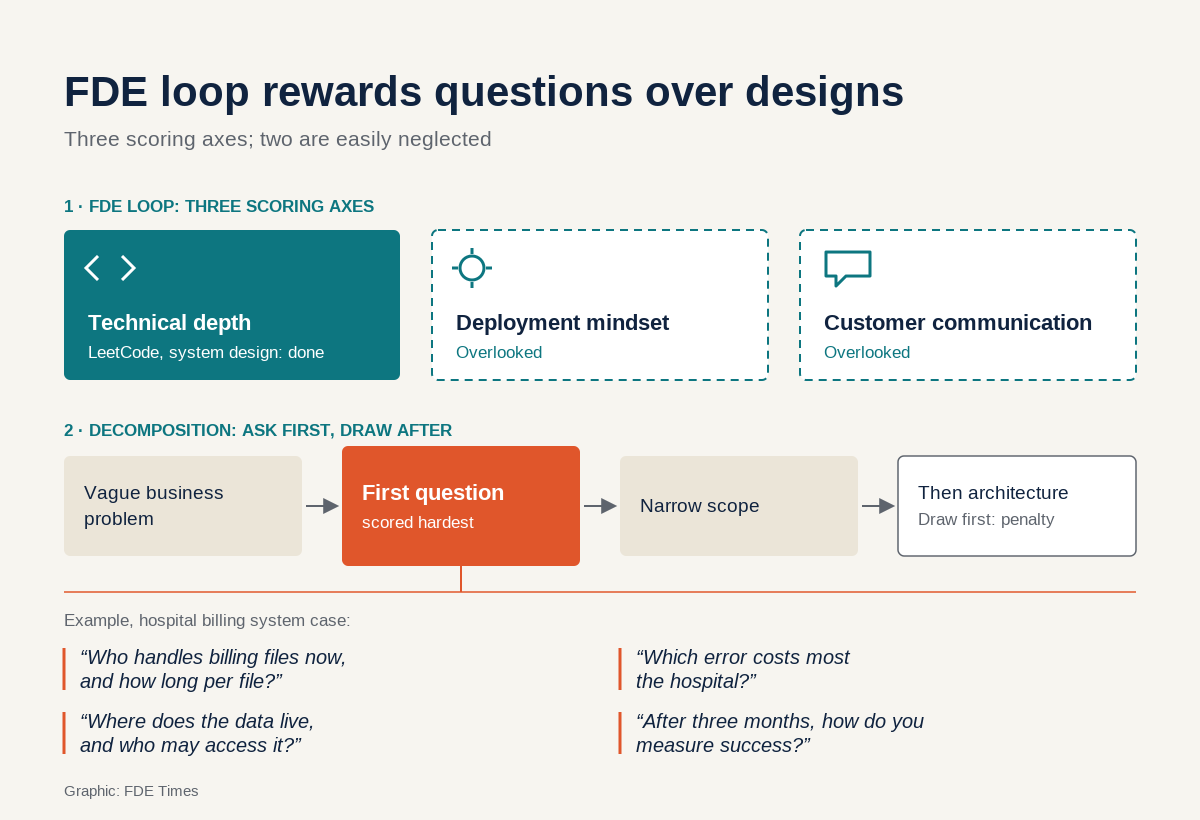
Its syllabus puts the first question to a customer ahead of the first design, the step that LeetCode-trained candidates tend to skip.
DataTalks.Club's LLM Zoomcamp gives two full modules to evaluation and monitoring, the work that starts after the demo, for $1-5 of OpenAI credit.
Software Engineering at Google asks what happens to your code once you leave a customer, and the full text is free online.
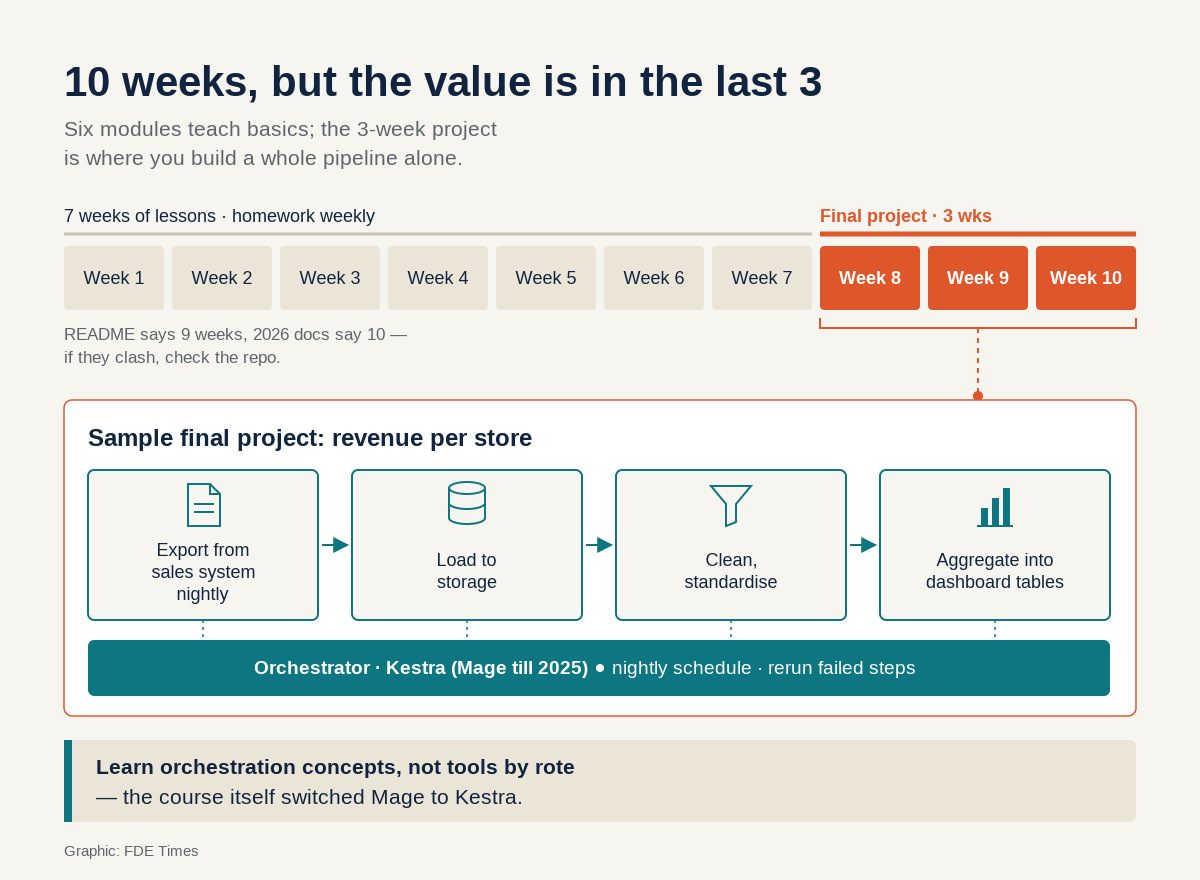
Data Engineering Zoomcamp swapped Mage for Kestra in 2025. Tools will keep changing, but the skill that lasts is building a new pipeline end to end yourself.
Tanya Reilly writes about leading large, ambiguous work across teams without authority, which is daily life for an FDE inside a customer.
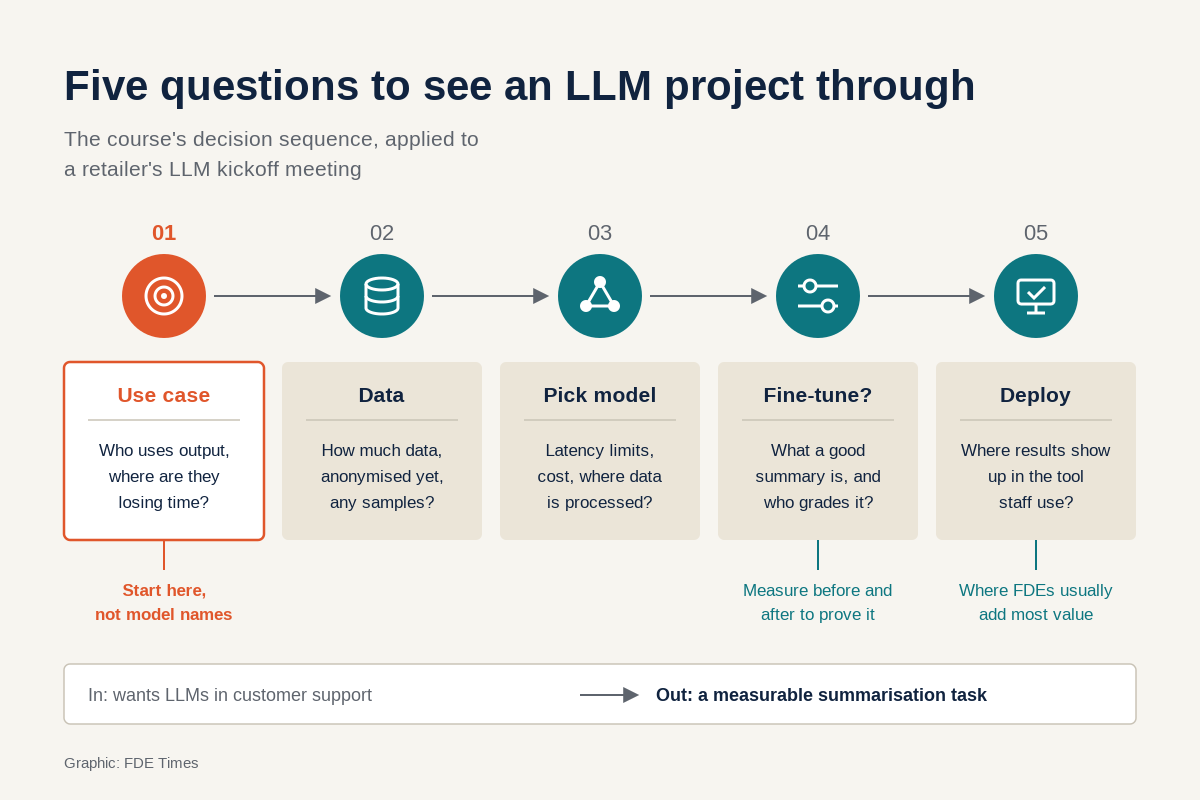
The DeepLearning.AI and AWS techniques are dated, but its map of an LLM project, from use case to deployment, is what FDEs use with clients.
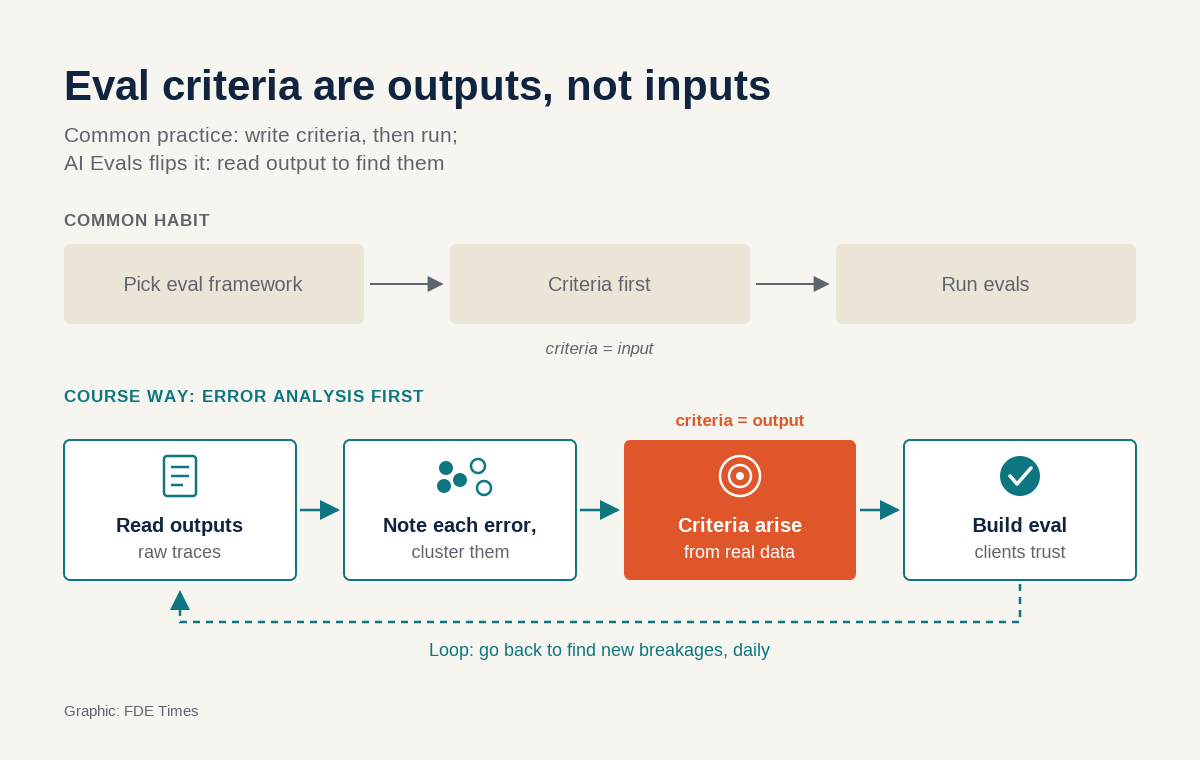
The four design patterns draw the crowds, but the error-analysis module is closest to what an FDE does at a customer site every day.
Its sharpest line, that no algorithm rescues bad training data, reads like an FDE job description, and four chapters show what to do about it.
The book teaches the choices no tutorial can make for you: which model to use, how to evaluate it and how to get it into production.
Crucial Conversations argues that once a client stops telling you the truth, no log or evidence helps; restoring a sense of safety comes first.
The theory quiz demands 80%, a gap showing that making an agent work on real data is the hard part, and the units can be taken out of order.
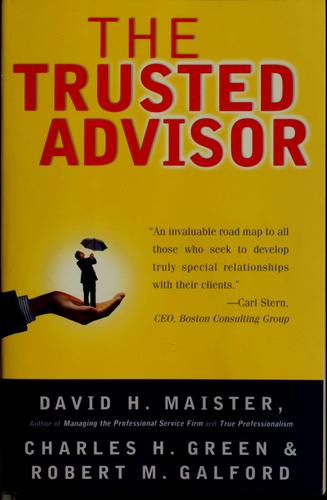
Credibility, reliability and intimacy sit on top, but the variable in the denominator decides whether a client actually listens.
Hamel Husain and Shreya Shankar argue eval criteria only emerge once humans grade output, so FDEs must find them themselves, and the course costs $4,200.
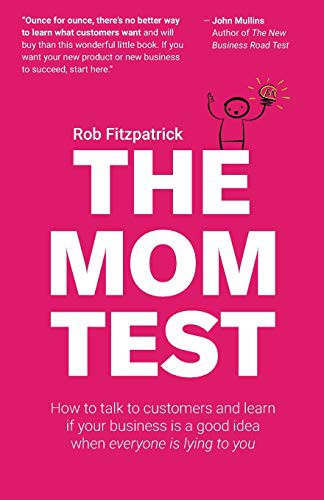
The Mom Test's fix for FDEs is to ask what customers have actually done in the past, not what they think they would use.